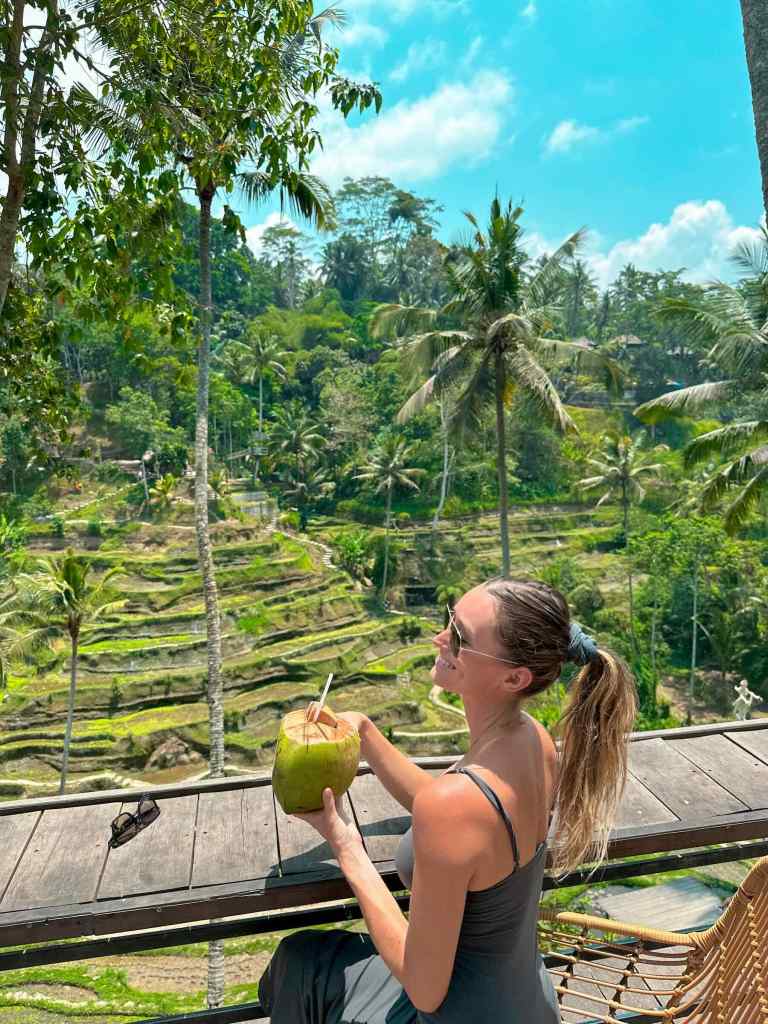
Last updated on August 21st 2026
BALI TRAVEL GUIDE
Where to Stay, What to Do & the Bali Route That Actually Makes Sense
Bali is both overhyped and underrated. It just depends which Bali you see.
Spend your entire trip sitting in Canggu traffic between brunch cafés and you may leave wondering what all the fuss was about. Drive north into the mountains, wake up beside Mount Batur, snorkel over reefs in Amed, wander through the rice fields of Sidemen or watch a ceremony unfold outside a village temple and the island feels completely different.
START EXPLORING
Why Bali?
I know Bali from more than a short holiday. I have lived here and travelled through Ubud, Canggu, Uluwatu, Seminyak, Sanur, Sidemen, Amed, Munduk, Kintamani, Menjangan, Lovina and the Nusa Islands, so this guide is about how I would actually plan Bali after seeing very different sides of it.
And the first thing I would tell you is this: Do not try to see Bali from one hotel.
Traffic can turn relatively short distances into painfully long drives, and the island changes enormously from one region to another. The best Bali trips combine a few carefully chosen bases instead of turning every day into another commute.
Planning a longer trip? Continue with my 2-Week Bali Itinerary. If you want to add Nusa Penida, Lembongan or Ceningan, use my separate Nusa Islands Travel Guide or have a look at my 3 week Indonesia itinerary for a fully curated trip.

- Bali, Indonesia
- Ubud, Gianyar, Bali, Indonesia
- Canggu, Kabupaten Badung, Bali, Indonesia
- Jalan Uluwatu 2, Kabupaten Badung, Bali, Indonesia
- Munduk, Kabupaten Buleleng, Bali, Indonesia
- Sidemen, Karangasem, Bali, Indonesia
- Nusa Penida, Klungkung, Bali, Indonesia
- Lembongan Island, Klungkung, Bali, Indonesia
- Seminyak, Kabupaten Badung, Bali, Indonesia
- Kintamani, Bangli, Bali, Indonesia
- Sanur, Denpasar, Bali, Indonesia
- Menjangan Island, Kabupaten Buleleng, Bali, Indonesia
BALI ESSENTIALS
Bali at a Glance
Best for: Culture, beaches, food, waterfalls, volcanoes, wellness and easy island travel
Ideal first trip: 10 to 14 days
Minimum worthwhile trip: Around 7 days
Main airport: Ngurah Rai International Airport (DPS)
Best general weather: April to October
My favorite shoulder months: May, June and September
Best for culture: Ubud and Sidemen
Best beaches: Uluwatu and the Bukit Peninsula
Best snorkeling: Amed and Menjangan
Best waterfalls: Munduk and North Bali
Best nightlife: Canggu and Seminyak
Best slow travel: Sidemen, Munduk and Amed
Best sunrise adventure: Mount Batur
Best island escape: Nusa Lembongan and Nusa Penida
Best way to explore: Several bases + private drivers or a scooter if properly licensed and experienced
Main downside: Traffic and overdevelopment in parts of South Bali
Currency: Indonesian Rupiah (IDR)
Is Bali Worth Visiting?
Yes. But I would visit with a realistic idea of what Bali actually is now.
Bali is no longer an undiscovered tropical island. Canggu, Seminyak, central Ubud and parts of Uluwatu are busy, developed and occasionally spectacularly congested. You will find beach clubs, coworking spaces, five-star resorts, boutique gyms, villas, enormous restaurants and more aesthetically branded coffee than any island reasonably needs.
That does not mean Bali has been ruined. It means you need to choose your version of Bali properly.
The same island still has active volcanoes, ancient temples, coral reefs, rice-growing villages, waterfalls hidden in the mountains, black-sand beaches, traditional ceremonies and entire regions where the pace of life feels completely different from South Bali.
Both versions are real. The mistake is expecting the entire island to feel the same.
What Is Bali Best For?
The mistake is expecting the entire island to feel the same. Bali’s biggest strength is variety. On one trip you can combine:
- Temples and culture
- Rice terraces
- Waterfalls
- Volcano hiking
- Surfing
- Snorkeling and diving
- Beach days
- Wellness
- Incredible food
- Traditional villages
- Luxury hotels
- Budget guesthouses
without having to fly between different islands. That is why I still think Bali is one of the easiest introductions to Indonesia. If you want untouched beaches and almost no tourism infrastructure, there are better Indonesian islands. If you want an enormous amount of variety packed into one destination, Bali is difficult to beat.
KNOW THE ISLAND
Best Areas to Visit in Bali & Things to Do
One of the biggest mistakes people make when planning Bali is treating all of its famous places as though they sit conveniently beside one another.
They don’t. Ubud, Canggu, Uluwatu, Amed, Munduk and Sidemen offer completely different experiences, and Bali traffic makes bouncing between them every day much less appealing than Google Maps might suggest.
Instead, choose three or four bases that suit your travel style and explore the attractions around each area while you are there.
| Area | Best For | How Many Days |
| Ubud | Temples, rice fields, culture, wellness | 3 to 4 days |
| Canggu | Cafés, surf & nightlife | 2 to 3 days |
| Uluwatu | Cliffs, beaches & sunsets | 2 to 3 days |
| Munduk | Waterfalls, mountains & cooler air | 1 to 2 days |
| Sidemen | Rice valleys & quiet village life | 1 to 2 days |
| Amed | Snorkeling, diving & volcano views | 2 to 3 days |
| Seminyak | Beach clubs, shopping & polished stays | 1 to 2 days |
| Kintamani & Mount Batur | Volcanoes and sunrise hiking | 1 to 2 days |
| Sanur | Calm beaches, sunrise & boat access | 1 to 2 days |
| Menjangan | Snorkeling, diving & quiet nature | 1 to 2 days |
Ubud
Best for: Culture, temples, rice fields and wellness
Stay: 3 to 4 nights
How to get there: The easiest way to reach Ubud is by private driver, taxi, or hotel transfer. From Bali airport or South Bali, the drive usually takes around 1.5 to 2.5 hours depending on traffic.
In the heart of Bali, Ubud feels completely different from the island’s beach towns. Instead of beach clubs and coastal chaos, this part of Bali is all about rice terraces, jungle valleys, temples, waterfalls, wellness retreats, local crafts, yoga studios, and slow mornings surrounded by green. It is one of the best areas to stay in Bali if you want to see the island’s softer, more cultural side.
This is where I would base myself for Tirta Empul, Tegallalang, Campuhan Ridge Walk, Ubud Monkey Forest, local workshops and several Central Bali waterfalls. It is also one of the easiest places to take a Balinese cooking class, offering workshop, yoga class or wellness treatment if that side of Bali interests you.


Tegallalang Rice Terraces
Probably Bali’s most famous rice terraces. Yes, they have become heavily developed for tourism, with cafés, swings and photography spots everywhere, but the landscape itself is still beautiful. Go early in the morning before the heat and biggest crowds arrive. And do not let Tegallalang become your only experience of Bali’s rice fields. There are much quieter landscapes around Ubud and Sidemen.
Tirta Empul Temple
Tirta Empul is one of Bali’s most sacred water temples, famous for its holy spring water and traditional purification ritual. Visitors can enter the pools, move through the water fountains, and experience one of Bali’s most meaningful spiritual sites respectfully. They give you a sarong on arrival, and if you plan to join the ritual, bring your swimsuit so you can go into the water.
Price: Approx. 75,000 IDR per person
Location: Around 30 minutes from Ubud
Ubud Monkey Forest
Ubud Monkey Forest is one of the most popular things to do in central Ubud, with ancient trees, temple ruins, walking paths, and hundreds of monkeys roaming freely. It is beautiful, but keep your sunglasses, phone, snacks, and items hidden because the monkeys are very confident opportunists.
Price: Approx. 130,000 IDR per person, sometimes more for foreigners.
Location: Central Ubud
Campuhan Ridge Walk
Campuhan Ridge Walk is a scenic walking trail close to Ubud center, with jungle-covered hills, open views, and a calmer feeling than the busy streets nearby. It is best early in the morning or late afternoon when the light is soft and the heat is less rude. It is not a hard walk, and you pass through several villages from beginning to end.
Price: Free
Location: Near Pura Gunung Lebah, central Ubud
Saraswati Temple
Ubud Water Palace, also known as Saraswati Temple, is a beautiful temple in central Ubud surrounded by lotus ponds, carved details, and peaceful water features. Visit during the day for the architecture or in the evening for a traditional dance performance. It is an easy stop to combine with a Ubud center activity.
Price: Approx. 60,000 IDR per person
Location: Central Ubud
Ayung River Rafting & ATV Riding
White water rafting and river tubing are two of the best adventure activities near Ubud. You’ll float through jungle scenery, river cliffs, small waterfalls, and carved stone walls, with enough rapids to make it fun without feeling like you signed up for survival training. Several operators around Ubud offer ATV routes together with rafting, you drive through rural tracks, jungle and rice-field landscapes.
Price: Approx. 445,000 to 800,000 IDR per person
Location: Around Ubud’s river valleys, often with hotel pickup included
Take a Balinese Cooking Class
One of my favorite ways to add actual context to a trip.
Many cooking classes include market visits and introduce you to ingredients, spices and dishes such as sate lilit, sambal and nasi campur.
Learn to Make Canang Sari
Join a small Balinese offering workshop to learn how canang sari offerings are made, what the flowers and colors mean, and why daily offerings are such an important part of Balinese Hindu life. This gives you a better understanding of daily rituals, gratitude, and the spiritual side of Balinese culture.
Price: Approx. 250,000 IDR per person
Location: Ubud
Take a Silver-Making Class
Villages around Ubud have a long history of silver craftsmanship, and several workshops allow you to make your own ring, pendant or other piece.
Price: Approx. 400.000-500.000 IDR per person (includes 5 grams of silver).
Location: Ubud and surrounding craft villages
Visit a Waterfall
Ubud is surrounded by some of Bali’s most accessible waterfalls, including Kanto Lampo, Tibumana, and Tegenungan. Each one has its own vibe, from rock cascades to powerful jungle falls, but wear proper shoes because the paths can get slippery. They are also great places for photos if you start early.
Price: Approx. 15,000 to 30,000 IDR per waterfall
Location: Around 15 to 45 minutes from Ubud, depending on the waterfall
Sound Healing
Book a sound healing session at Pyramids of Chi, one of Ubud’s best-known wellness spots. The experience takes place inside purpose-built pyramid spaces and combines sound, vibration, meditation, and deep relaxation. It is a good option if you want a wellness activity during your Ubud stay.
Price: Approx. 400,000 IDR per person
Location: Central Ubud
Canggu
Best for: Cafés, surfing, fitness, nightlife and meeting people
Recommended stay: 2 to 3 nights
How to get there: The easiest way to reach Canggu is by car, scooter, taxi, or private driver. From Bali airport, the drive usually takes around 45 minutes to 1.5 hours depending on traffic. From Seminyak, Canggu looks close on the map, but travel time can still vary wildly, especially around sunset, school hours, and rainy days.
Canggu might be Bali’s most divisive destination. Some people love it. Others arrive expecting temples and rice fields and instead discover traffic, tattoo studios, reformer Pilates and fourteen cafés selling variations of the same avocado. Both reactions are understandable.
I enjoy Canggu for what it actually is: a social beach destination with excellent food, nightlife, surfing, fitness and an enormous international community. I would not come here looking for untouched Bali. If you want to be nearby without sleeping directly in the middle of the chaos, Pererenan is increasingly the better compromise.


Learn to Surf at Batu Bolong
Canggu is one of Bali’s most popular surf areas, with waves for both beginners and more experienced surfers. Batu Bolong is usually the easiest place to start, while Echo Beach, Berawa, and Pererenan are better if you already know what you’re doing.
Price: Around 250K-450.000 IDR per lesson
Location: Batu Bolong, Echo Beach, Berawa, and Pererenan
Watch Sunset at Batu Bolong
Watch sunset at Caravan for a relaxed Canggu evening with ocean air, good drinks, and that golden-hour Bali feeling. It is a nice spot if you want something social but not too intense, especially after a beach day or surf lesson. This place is serene, great food and popular amongst tourists.
Price: depends on what you order.
Location: Berawa
Visit Tanah Lot
Tanah Lot is one of Bali’s most famous sea temples, built on a rocky ocean outcrop just outside Canggu. It’s especially popular at sunset, when the temple silhouette, waves, and golden light do the whole dramatic Bali postcard thing.
Price: Approx. 75,000 IDR per person
Location: Around 30 to 45 minutes from Canggu
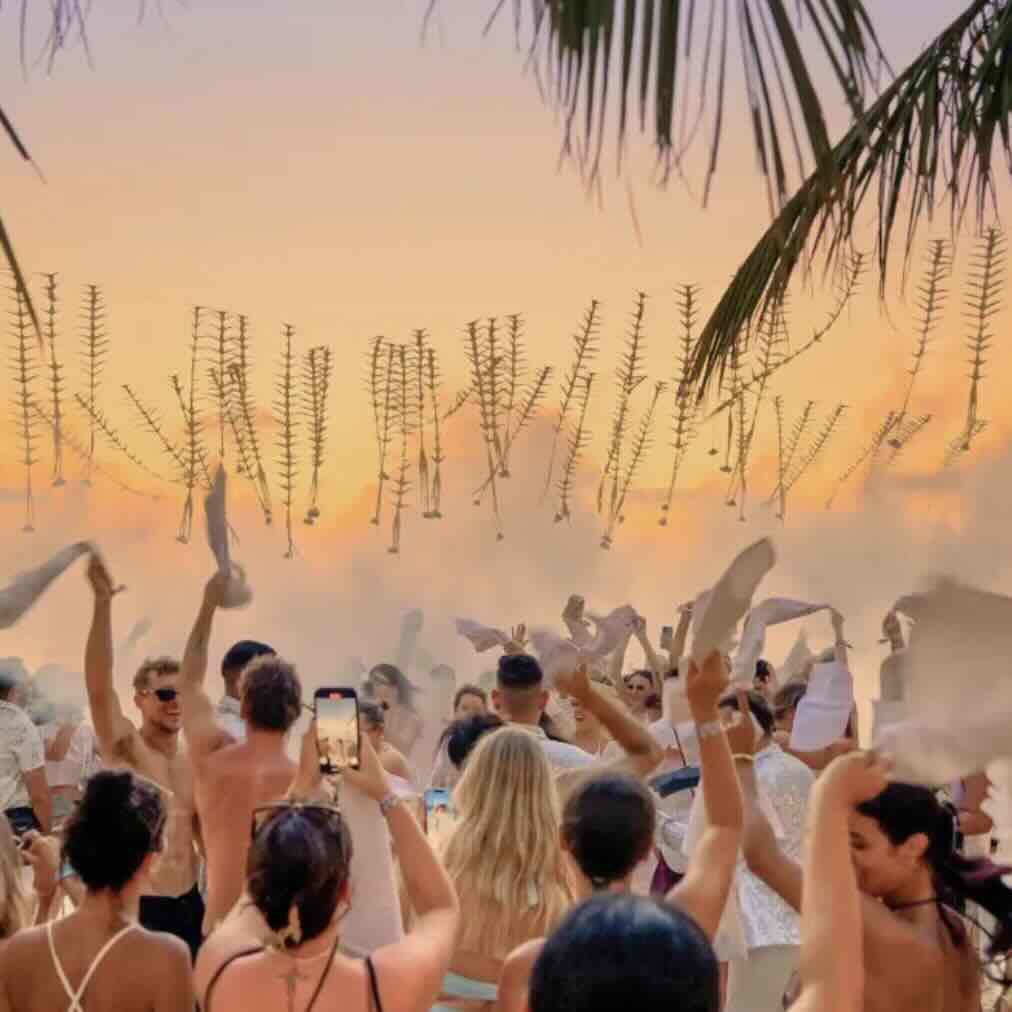
Have a Beach Club Day
Canggu is full of beach bars and beach clubs, from low-key beanbags on the sand to bigger venues like La Brisa, The Lawn, and Sol Rooftop. Come for daytime lying at the pool, or sunset, cocktails, music, ocean views, and the very specific feeling that everyone somehow owns linen trousers.
Price: Varies by venue, some have minimum spend
Location: Batu Bolong, Echo Beach, Berawa, and nearby beaches
Eat Your Way Through Canggu
Canggu is one of the best food areas in Bali, with everything from smoothie bowls and brunch cafés to sushi, Italian, Mexican, Indonesian food, seafood, cocktail bars, and romantic dinner spots. Some favorites include Moana, Milano, Times Warung, Indigo, and Santanera. There is an absurd amount of choice when it comes to restaurants in Canggu, and plenty of them genuinely deliver.
Price: Varies by restaurant
Location: Batu Bolong, Berawa, Pererenan, and Echo Beach area
Try a Fitness Class
Canggu has a big wellness and fitness scene, with yoga studios, pilates classes, gyms, padel courts, recovery spaces, and wellness clubs. You will see many shirtless men parading their sixpacks around Bali in fact. It’s ideal if you want to balance beach clubs and cocktails with at least one activity that makes you feel like a responsible adult.
Price: Varies by class, gym, or day pass
Location: Canggu, Berawa, and Pererenan
La Brisa Sunday Market
Canggu has lots of small boutiques, swimwear shops, homeware stores, and weekend markets. It is a good place to pick up clothes, jewelry, souvenirs, and Bali-made pieces without doing a full shopping day elsewhere. This is a nice activity to just shop or go for a leisurely stroll amongst artisans.
Price: Free to enter, shopping prices vary
Location: La Brisa, Echo Beach, Canggu
Drinks & Party
Go for Friday drinks at Black Sand Brewery, one of Canggu’s best-known craft beer spots on Batu Bolong. If you want a more dressed-up Friday night, check what is happening at Morabito in Berawa before planning your evening around it. Event schedules and opening hours can change, but when there is something on, it can be a fun option for a more stylish Canggu night out.
Uluwatu
Best for: Beaches, cliffs, surfing and sunsets
Recommended stay: 2 to 3 nights
How to get there: The easiest way to reach Uluwatu is by car, scooter, or private driver from Bali airport, Seminyak, Canggu, or Sanur. From the airport, it usually takes around 45 minutes to 1.5 hours depending on traffic and where you are staying on the Bukit Peninsula. Uluwatu is spread out along Bali’s southern cliffs, so your exact location matters.
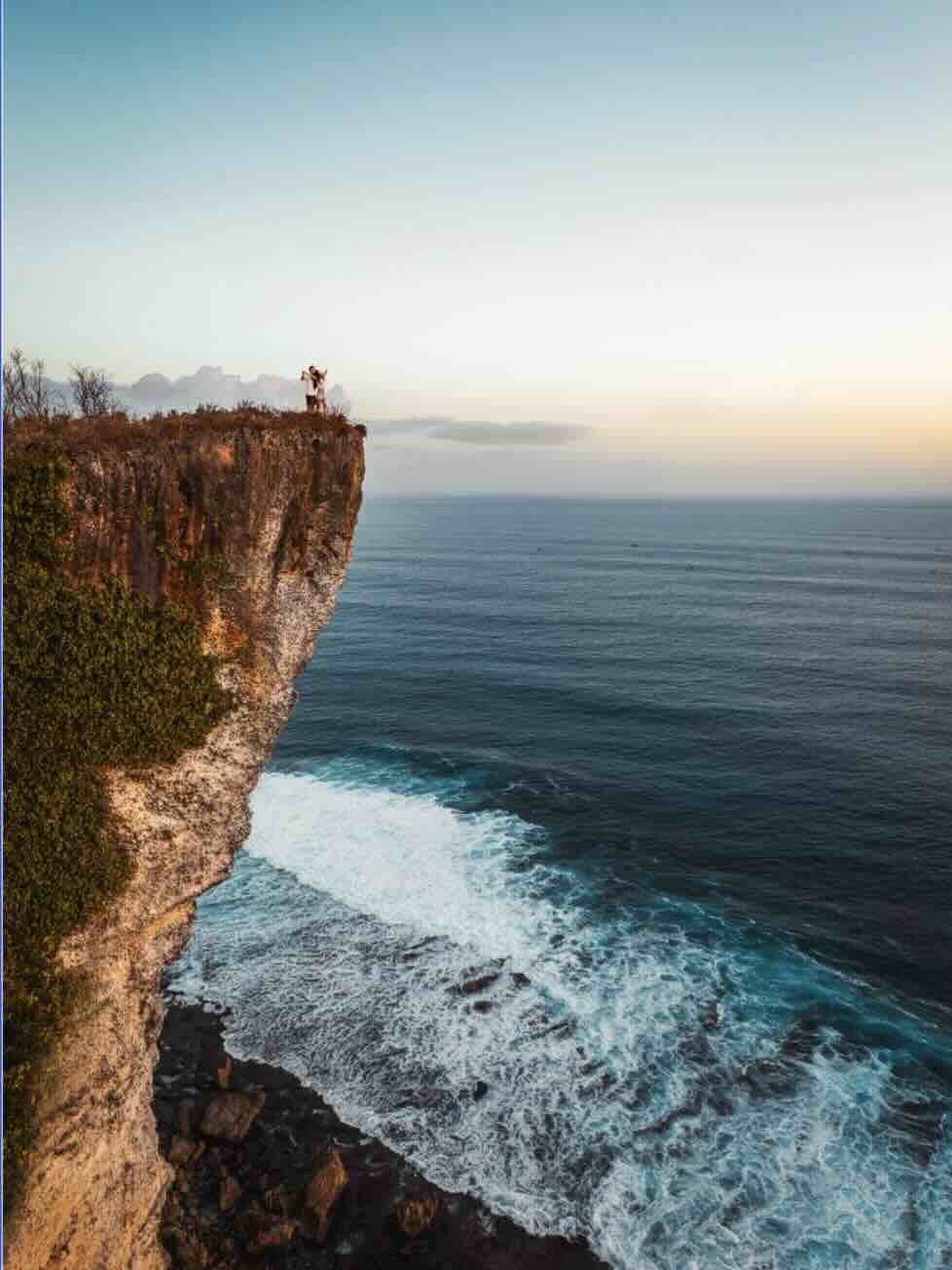
Uluwatu is Bali’s dramatic cliffside escape, known for limestone cliffs, powerful surf breaks, hidden beaches, sunset viewpoints, beach clubs, and one of the island’s most iconic temples. It feels more spacious and coastal than Canggu or Seminyak, with white-sand coves, ocean views, and some of the best sunsets in Bali. It is one of the best areas to stay if you want beaches, surf culture, and a slightly more grown-up Bali feeling.
Visit Uluwatu Temple
Uluwatu Temple is one of Bali’s most famous sea temples, perched high on a limestone cliff above the Indian Ocean. It’s one of the best places in Uluwatu for ocean views, Balinese culture, and sunset atmosphere. The temple grounds are beautiful to walk around, but keep an eye on your sunglasses and phone because the monkeys here have absolutely chosen crime. This is definitely a nice cultural stop to add to your itinerary.
Price: Approx. 50,000 IDR per person
Location: Uluwatu Temple, Pecatu
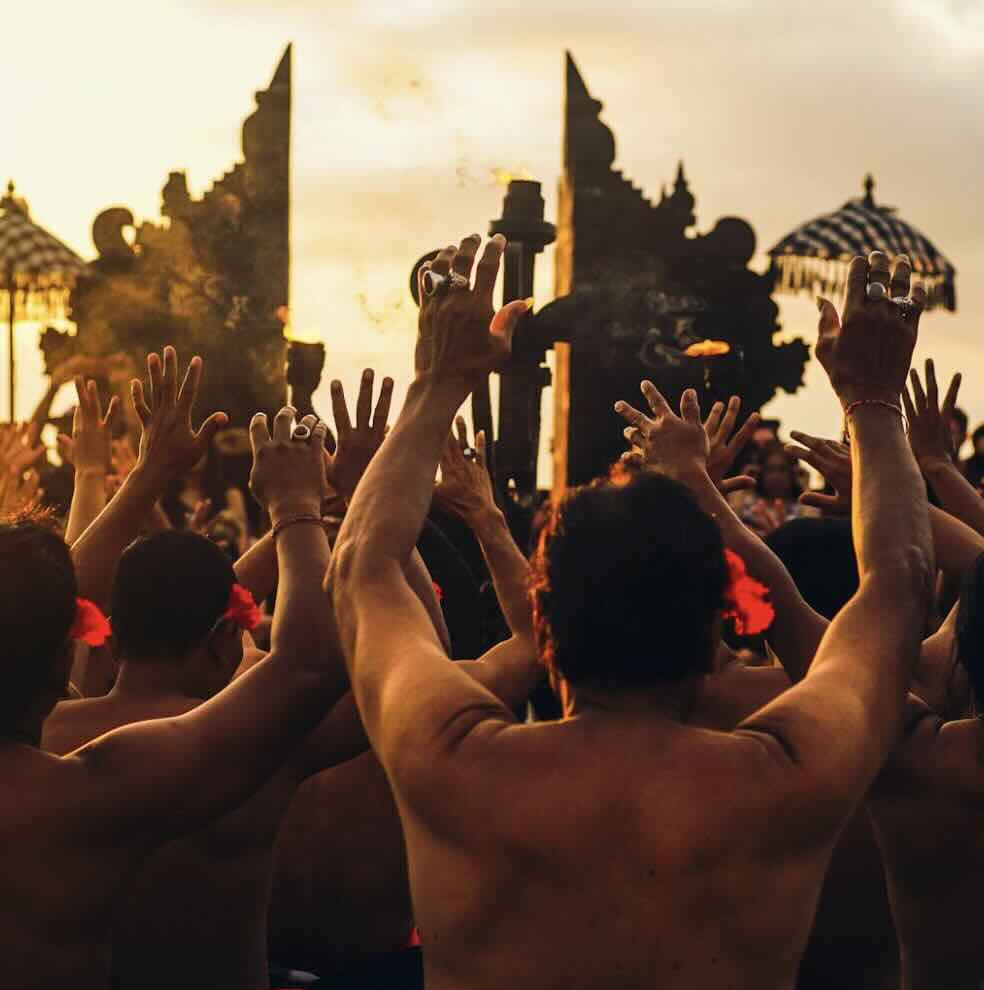
Watch the Kecak Fire Dance
The Kecak Fire Dance at Uluwatu Temple is one of Bali’s most atmospheric cultural experiences, especially at sunset. It takes place in an open-air amphitheater overlooking the ocean, with chanting, fire, costumes and dramatic storytelling. It is touristy, yes, but still one of those classic Bali experiences that genuinely feels worth doing. Arrive early for the temple views, then stay for the performance as the sun drops over the cliffs.
Price: Approx. 150,000 IDR per person
Location: Uluwatu Temple amphitheater, Pecatu
Spend The Day At The Beach
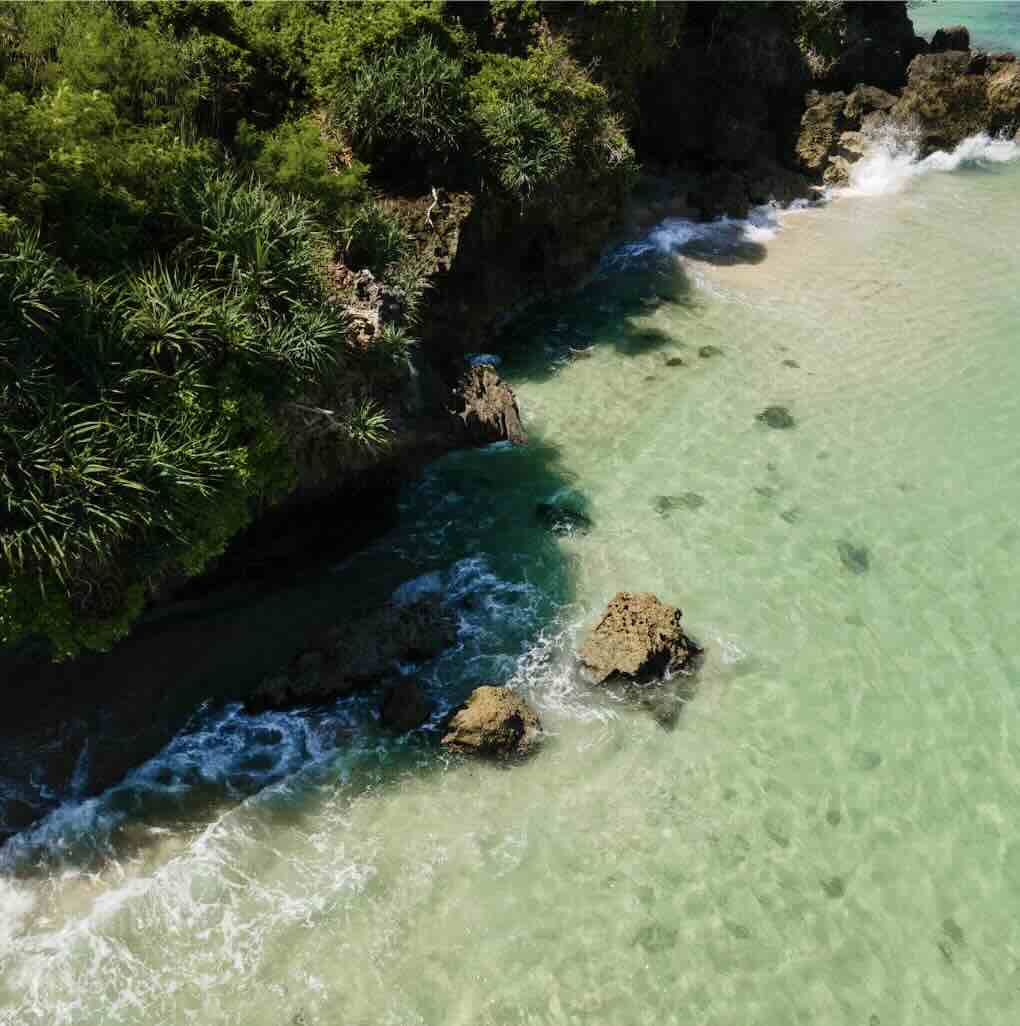
Uluwatu has some of the most beautiful beaches in Bali, but most of them sit below steep cliffs, so expect stairs, tide changes, and a small leg workout. Visit Padang Padang for a famous sandy cove, Suluban Beach for caves and surf culture, Thomas Beach for a quieter stretch of sand, Balangan for sunset views, and Nyang Nyang if you want something wilder and more spacious.
Price: Free to approx. 15,000 IDR entrance or parking.
Location: Pecatu, Bingin, Balangan, and the Uluwatu coastline
Go Surfing
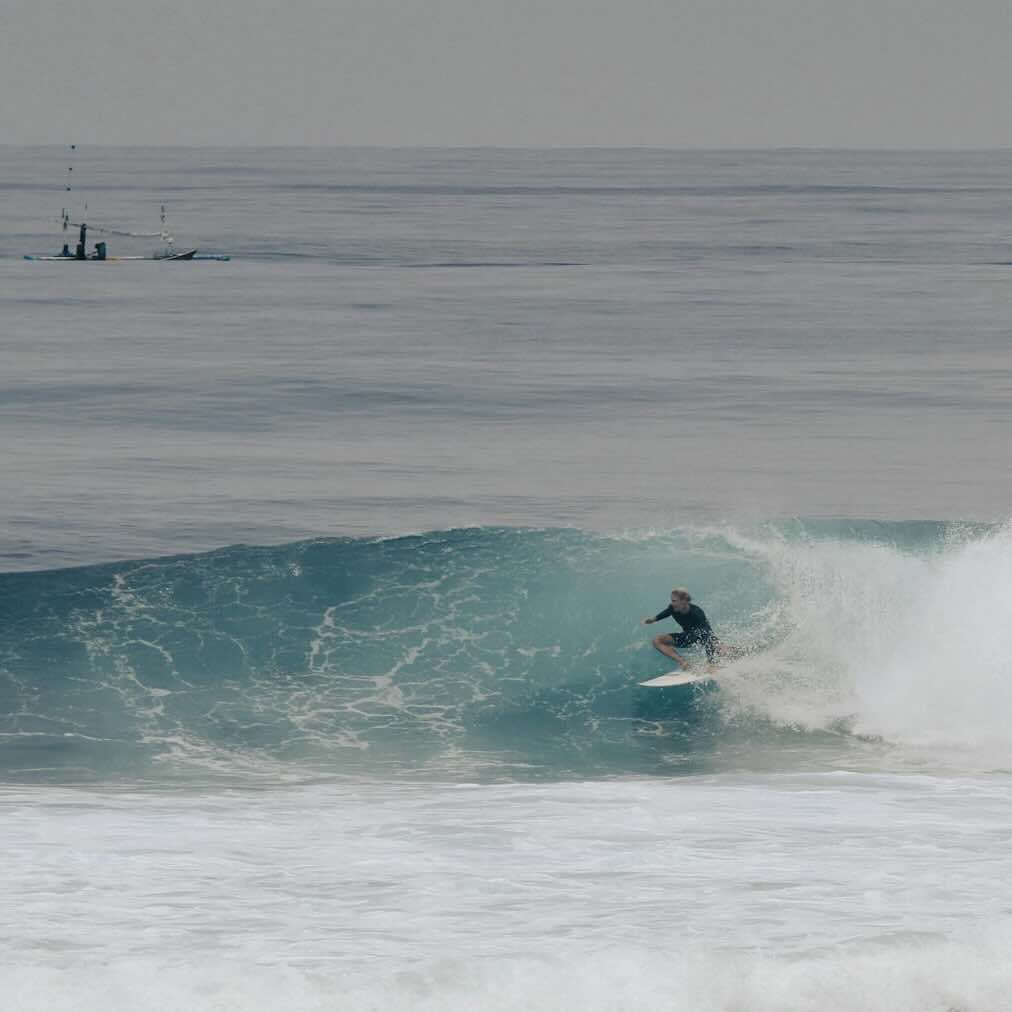
Uluwatu is one of Bali’s most famous surf destinations, known for powerful reef breaks and waves that attract surfers from around the world. Many breaks are better for experienced surfers, but beginners can still take lessons at easier spots like Padang Padang or Dreamland depending on conditions. Even if you don’t surf, watching the surfers from the cliffs is half the experience.
Price: Board rental or lessons vary, 250,000 to 400,000 IDR
Location: Uluwatu, Padang Padang, Dreamland, Bingin, and Suluban
Spend a Day at a Cliff Club
Uluwatu has some of Bali’s most scenic beach clubs, from cliffside pools to private beach coves. Sundays Beach Club, Ulu Cliffhouse, Oneeighty, El Kabron, and Single Fin are popular options depending on whether you want luxury, ocean access, pool views, music, or sunset drinks. Check minimum spend before going, because Uluwatu beach clubs can get spicy.
Price: Varies by venue, often entrance fee or minimum spend
Location: Uluwatu, Ungasan, Bingin, and Pecatu
Go Paragliding
Paragliding in Uluwatu is one of the most dramatic ways to see Bali’s southern coastline. Flights usually take off around the cliffs near Nyang Nyang or the Bukit area, giving you aerial views of the ocean, beaches, and limestone cliffs. It’s not cheap, but if you want a proper “main character over Bali” moment, this is it. I have personally never done this, but it is a once in a lifetime experience I’ve heard.
Price: Approx. $95 USD and up, depending on operator and package
Location: Nyang Nyang / Uluwatu cliff area
Seminyak
Best for: Restaurants, shopping, villas, spas and nightlife
Recommended stay: 1 to 2 nights
How to get there: Seminyak is easy to reach by taxi, private driver, or hotel transfer. From Bali airport, the drive usually takes around 30 minutes to 1 hour depending on traffic. From Canggu, it can take 20 to 45 minutes, but during busy hours that short distance can suddenly become a small emotional event.
Seminyak is one of Bali’s most convenient beach areas, especially if you want restaurants, boutiques, beach clubs, sunset drinks, spas, and villa stays without being too far from the airport. It is more polished than Canggu and easier to navigate than Uluwatu, which makes it a good choice for first-time visitors, couples, friends, and anyone who wants Bali to feel easy for a few days.


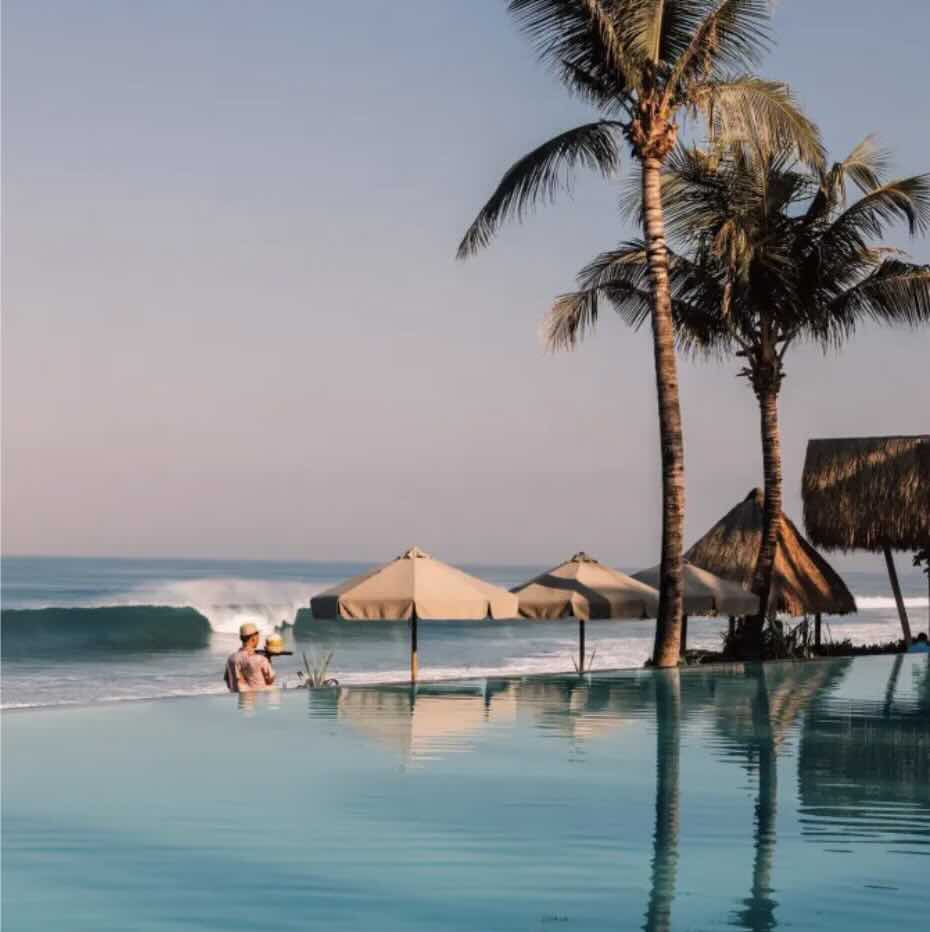
Watch Sunset on Seminyak Beach
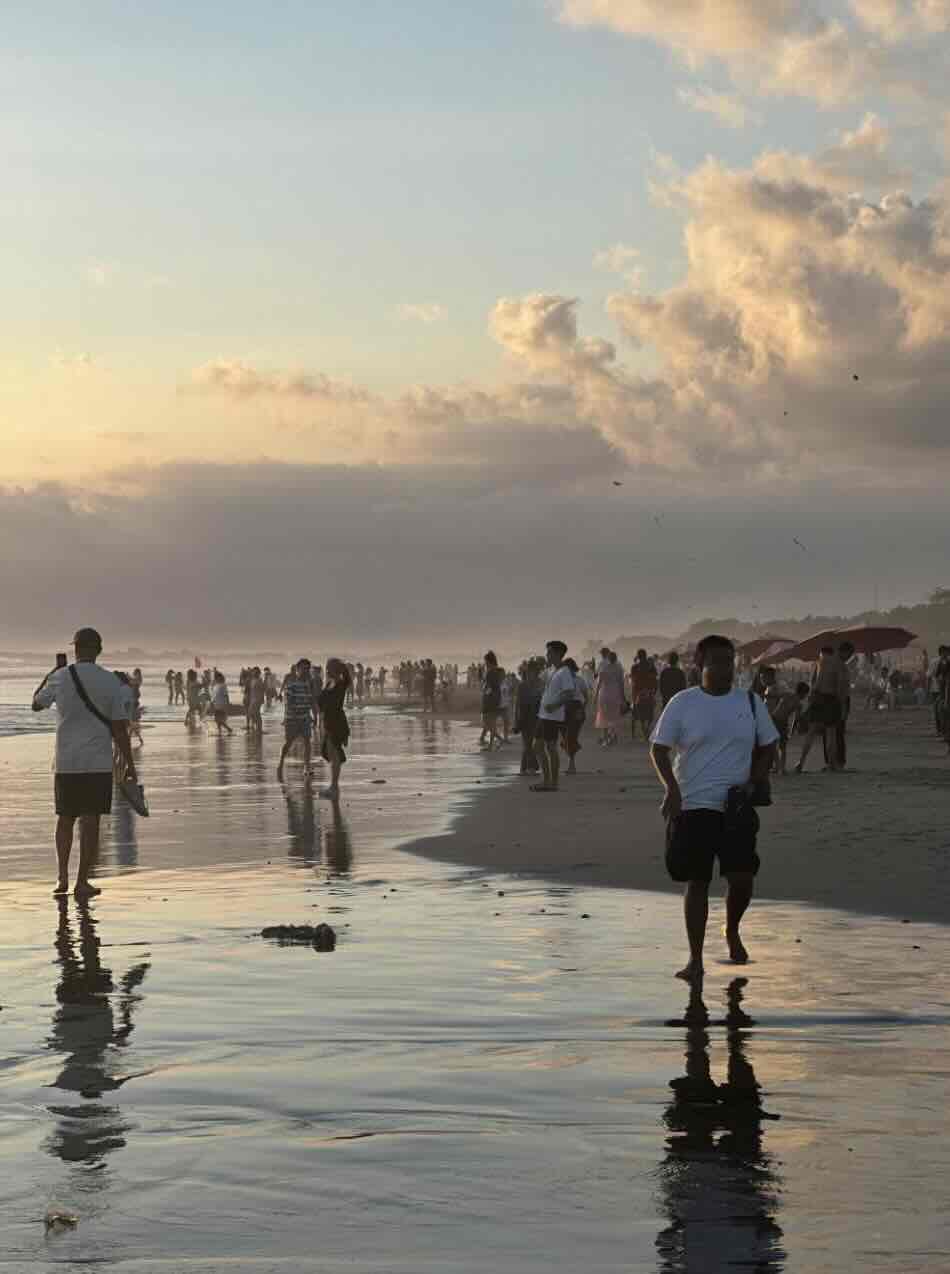
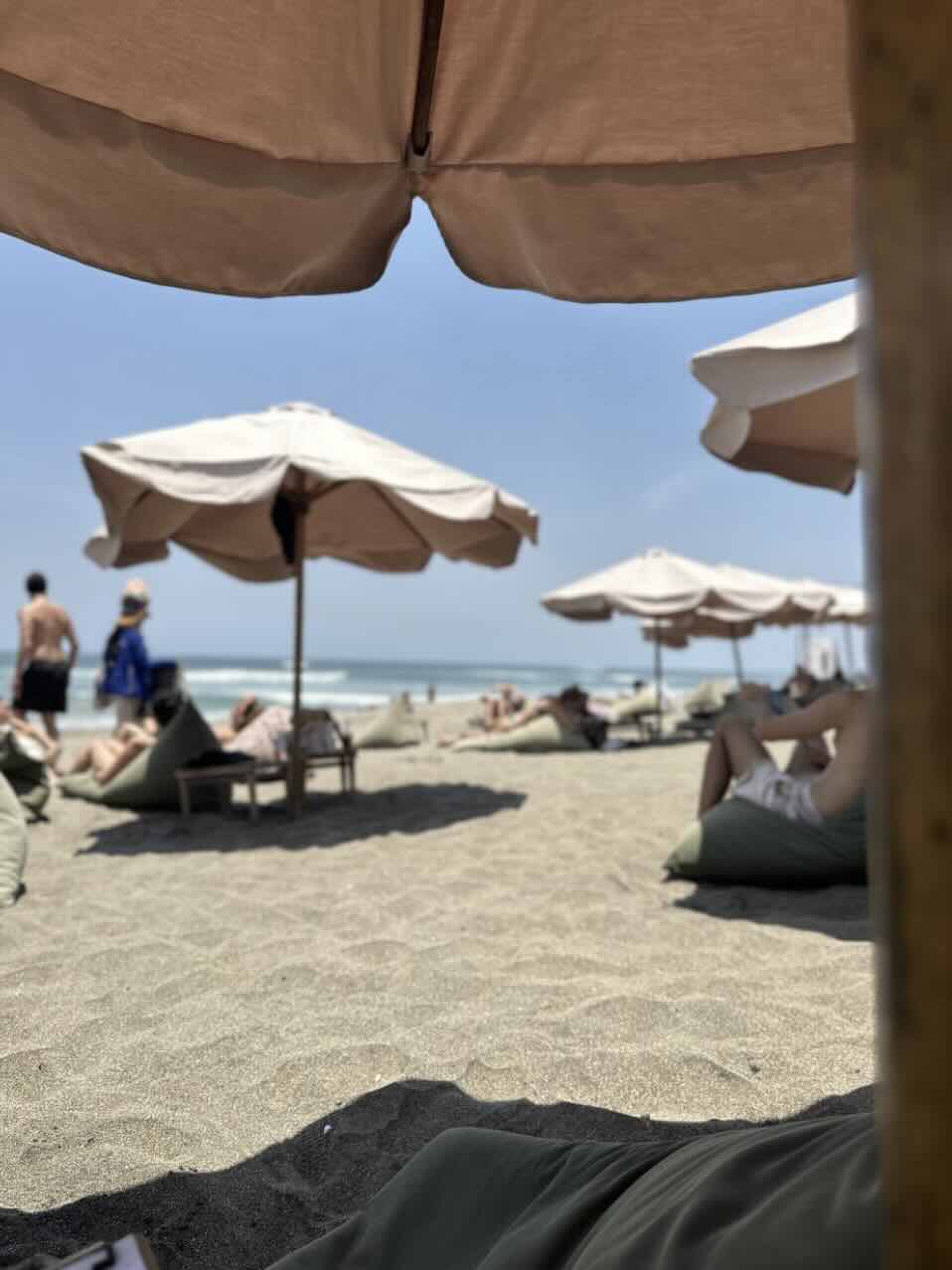
Seminyak Beach is a long, wide stretch of sand that is perfect for beach walks, sunset drinks, sunbeds, and relaxed ocean time. It’s usually calmer and cleaner-feeling than Kuta, with plenty of beach bars and restaurants nearby. The waves can still be strong, so swim with care and check local conditions.
Price: Free, sunbeds may cost around 50,000 IDR for half a day
Location: Seminyak Beach and Petitenget Beach
Spend an Afternoon at a Beach Club
Seminyak is one of the best places in Bali for beach clubs, with oceanfront pools, daybeds, cocktails, music, and sunset views. Potato Head, Mano Beach House, Ku De Ta, and La Plancha are some of the most popular spots in this area.
Price: Free entry at some venues, daybeds or minimum spend vary.
Location: Seminyak Beach, Petitenget Beach, and Double Six Beach area
Shop Around Seminyak
Seminyak is one of Bali’s best areas for boutique shopping, with local brands, surf shops, swimwear, homeware, jewelry, summer dresses, and stylish souvenirs. Popular stops include Bali Boat Shed, Bamboo Blonde, Drifter Surf Shop, and hidden shops tucked between the bigger stores. It’s dangerous territory if you “just want to browse.”
Price: Free to browse, shopping prices vary
Location: Jl. Kayu Aya, Jl. Raya Seminyak, Seminyak Village, and surrounding streets
Eat Somewhere Excellent
Seminyak has one of Bali’s strongest food scenes, from vegan smoothie bowls and coffee shops to tapas, Indonesian food, Italian restaurants, cocktail bars, and romantic dinner spots. Popular places include Kynd, Coffee Cartel, Neon Palms, BOY’N’COW and plenty of more polished dinner restaurants around Petitenget and Oberoi.
Price: Varies by restaurant
Location: Seminyak, Petitenget, Oberoi, and Kayu Aya area
Sanur
Best for: Calm mornings, families and Nusa Island connections
Recommended stay: 1 to 2 nights
How to get there: Sanur is easy to reach by taxi, Grab, Gojek, or private driver from Bali airport, Ubud, Canggu, Seminyak, or Uluwatu. From the airport, the drive usually takes around 30 to 45 minutes depending on traffic. It is also one of the best places to stay before taking a boat to the Nusa Islands.
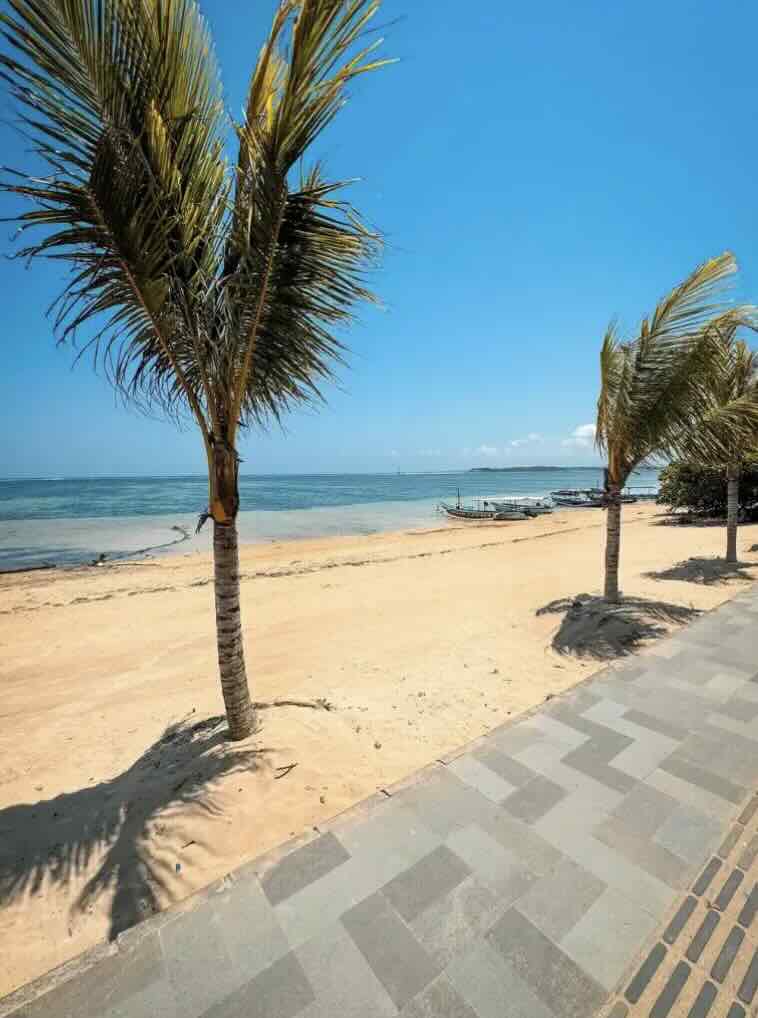
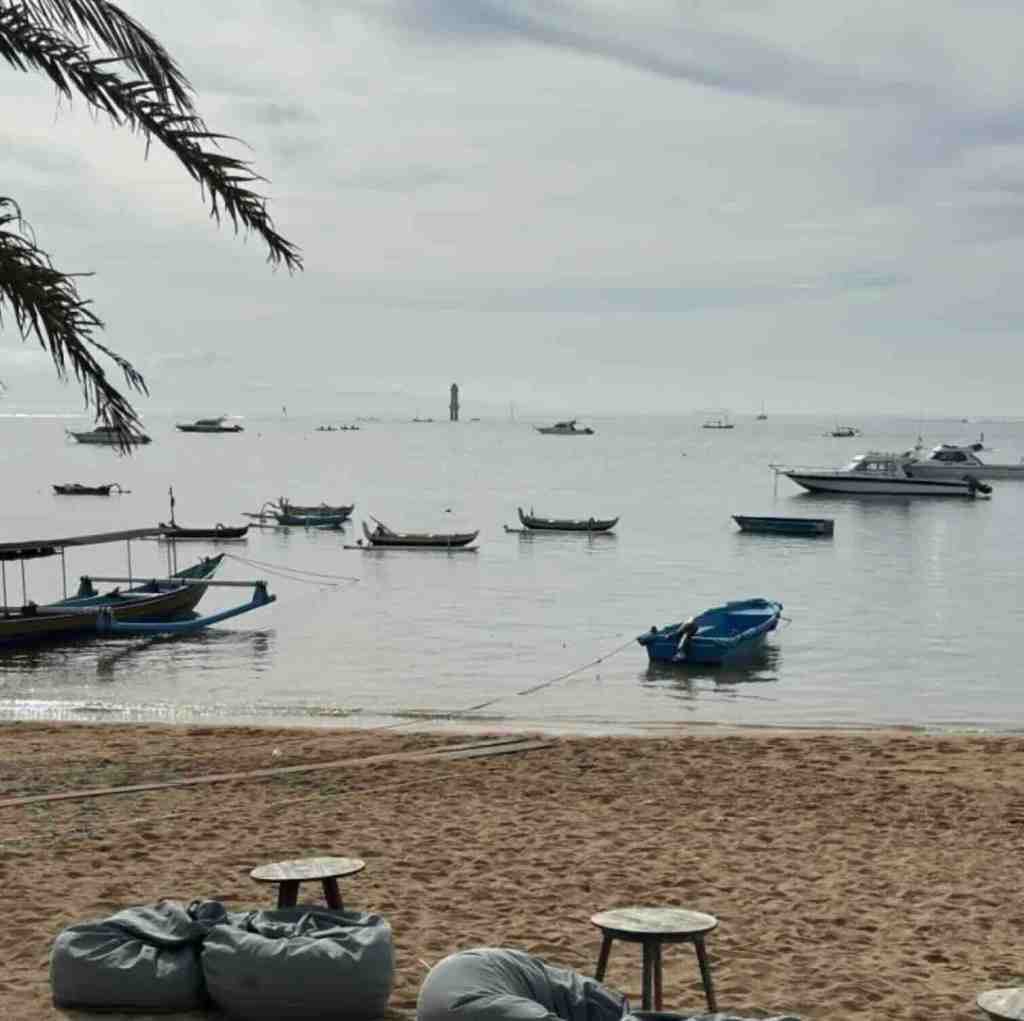
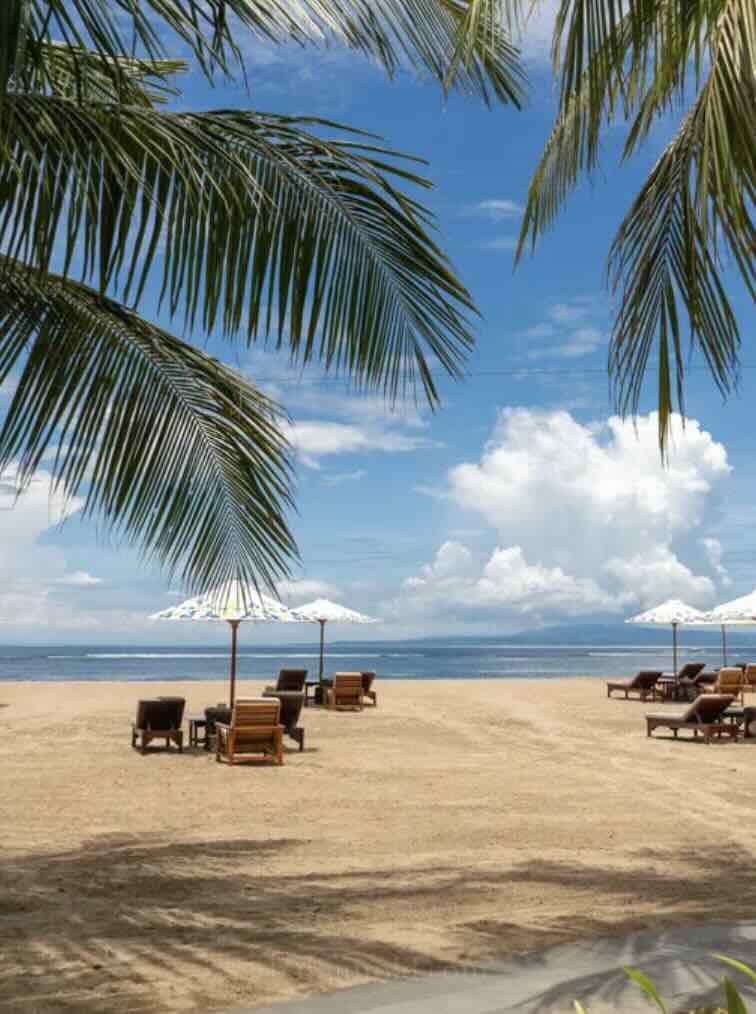
Sanur is one of Bali’s easiest and calmest beach areas, especially for families, slower travelers, and anyone who wants a relaxed base without being completely remote. The beach is calmer than Canggu or Uluwatu, the promenade is easy to walk or cycle, and the harbor makes it a practical starting point for Nusa Penida and Nusa Lembongan. It is not the trendiest area in Bali, but it is comfortable, convenient, and very easy to like.
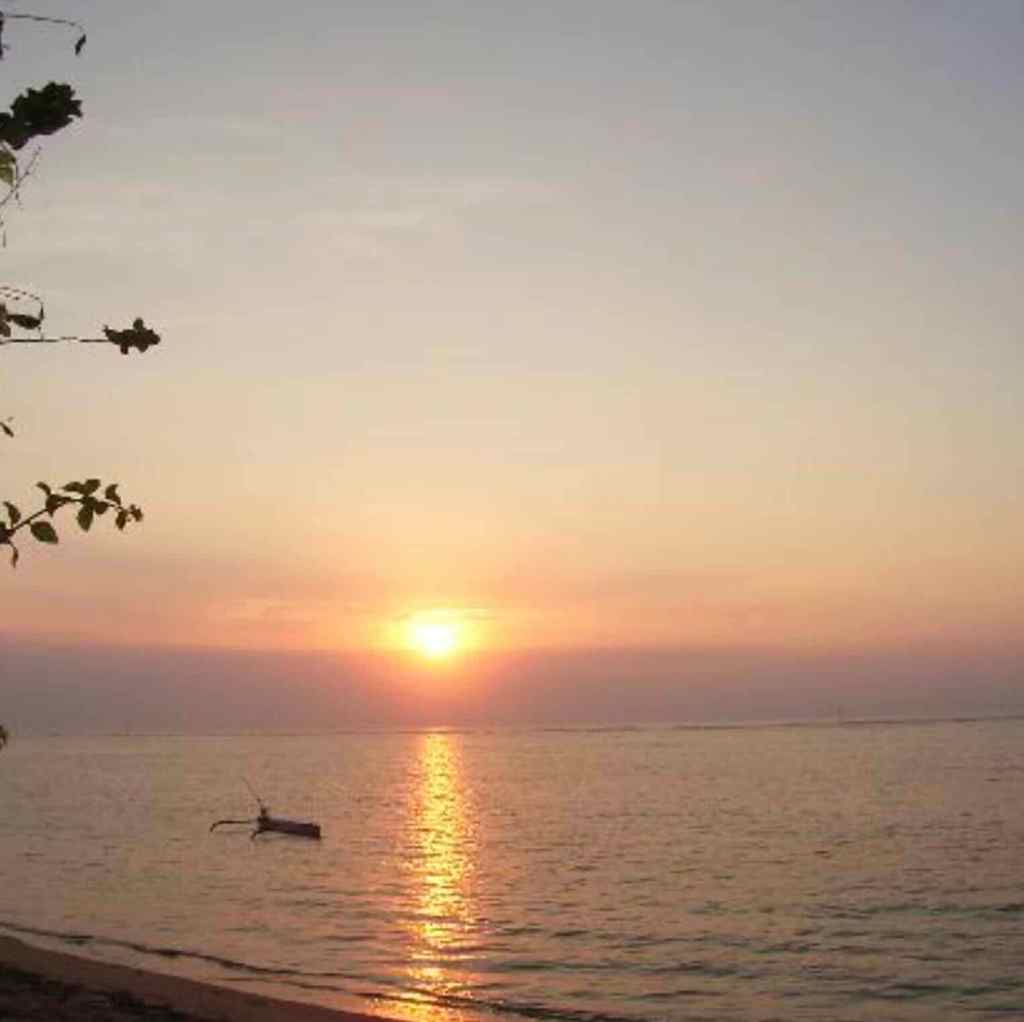
Watch Sunrise on Sanur Beach
Sanur faces east, making it one of the best places in Bali to watch sunrise. The mornings here are peaceful, with soft light, traditional fishing boats, calm water, and sometimes Mount Agung visible in the distance. Annoyingly pretty, as Bali enjoys being.
Price: Free
Location: Sanur Beach, Sindhu Beach, or Karang Beach
Go On A Fishing Trip
Another wonderful activity for this area is going fishing. The water here is calm and very kid friendly, making it the perfect spot to try your hand at fishing.
Walk or Cycle the Beachfront Promenade
Sanur’s beachfront path is one of the easiest and most pleasant walks in Bali. It runs along the coast past cafés, resorts, fishing boats, local warungs, and calm ocean views. You can walk, cycle, stop for coffee, or just drift along like someone who finally stopped overplanning their holiday.
Price: Free, bike rental varies
Location: Sanur Beach promenade
Have a Beach Day
Sanur Beach is calmer than many of Bali’s surf beaches, especially inside the reef. It’s good for slow beach days, gentle swimming when conditions are right, sunbeds, family time, and relaxed seaside meals. Don’t expect dramatic cliffs or wild waves. Sanur is more “peaceful” than “main character surf montage.”
Price: Free, sunbeds may cost extra
Location: Sanur coastline
Take the Boat to the Nusa Islands
Sanur is one of the main jumping-off points for Nusa Penida and Lembongan. If this is your plan, check out my Nusa Islands Travel Guide for all the information you need.
Eat At A Beachfront Restaurant
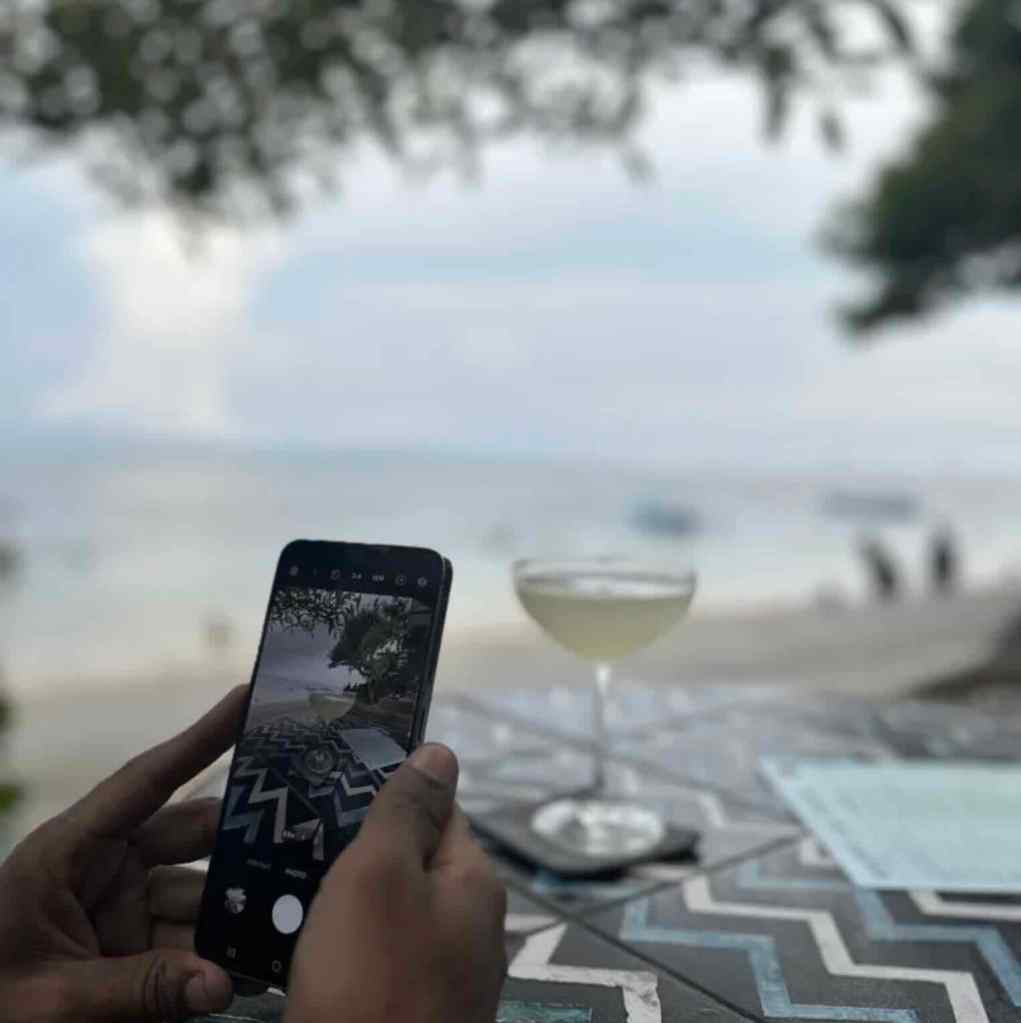
Sanur has a relaxed food scene with beachfront breakfasts, seafood restaurants, Indonesian warungs, casual cafés and family-friendly dinner spots.
Price: Varies by restaurant
Location: Sanur Beach, Sindhu Beach and Jl. Danau Tamblingan
Kintamani & Mount Batur
Best for: Volcanoes, sunrise and mountain landscapes
Recommended stay: 1 night
How to get there: The easiest way to reach Kintamani is by private driver or scooter from Ubud. The drive usually takes around 1 to 1.5 hours from Ubud and longer from Canggu, Seminyak, or Uluwatu. Many travelers visit Kintamani as part of a day trip that includes Mount Batur, Tegallalang Rice Terrace, coffee plantations, or hot springs.
Kintamani is one of the best places in Bali for volcano views, cooler weather, coffee with a view, glamping stays, and dramatic landscapes around Mount Batur and Lake Batur. It feels completely different from Bali’s beach towns, which is exactly why it is worth adding to your Bali itinerary. Most people visit for sunrise hikes, hot springs, scenic cafés, and mountain views, but it is also a good place to slow down for a night if you want something quieter. If you are considering hiking Mount Batur, it is smart to check the official website before planning your hike.


Hike Mount Batur at Sunrise
The Mount Batur sunrise hike is one of Bali’s most famous adventure experiences. You start climbing in the dark with a guide and reach the summit in time to watch the sun rise over Lake Batur, Mount Agung, and sometimes even Mount Rinjani in the distance. It’s early, cold, and slightly rude to your sleep schedule, but the view is worth it. This was one of the highlights of my trip here!
Price: Varies by tour, often around 350,000 to 700,000 IDR per person
Location: Mount Batur, Kintamani
Take a Black Lava Jeep Tour
A black lava jeep tour is a great way to explore Mount Batur’s volcanic landscape without hiking. You’ll drive through black lava fields, black sand, and dramatic rock formations created by past eruptions. It’s one of the best activities in Kintamani if you want volcano views, adventure, and photos without pretending you love cardio.
Price: Varies by tour, often around 500,000 to 900,000 IDR per jeep or per person
Location: Mount Batur black lava fields, Kintamani
Relax in the Hot Springs
Kintamani is known for natural hot springs near Lake Batur, including Toya Bungkah and Toya Devasya. This is especially nice after the sunrise hike, when your legs are quietly filing a complaint. The warm water, lake views, and mountain air make it one of the most relaxing things to do in the area. Also, this water is actually very warm so make sure to step out every few minutes to cool down a little.
Price: Approx. 100,000 to 250,000 IDR per person, depending on the hot spring
Location: Lake Batur area, Kintamani
Have Coffee With a Volcano View
Kintamani has become famous for cafés and restaurants with panoramic views over Mount Batur and Lake Batur. It’s one of the easiest ways to enjoy the volcano scenery without doing anything too heroic. Come for coffee, breakfast, lunch, or that very specific Bali moment where the view is doing 90 percent of the work.
Price: Varies by café
Location: Penelokan and main Kintamani viewpoint road
Visit Lake Batur
Lake Batur sits at the base of Mount Batur and adds to the dramatic volcano scenery of Kintamani. It’s a peaceful place for lake views, photos, local restaurants, and a slower stop after hiking or exploring the black lava fields. The landscape here feels much more rugged and open than most of Bali.Also, visit the famous Truyan Village by boat. A village famous for burying their dead above land.
Price: Free to view, activity and parking costs vary
Location: Lake Batur, Kintamani
Visit Pura Ulun Danu Batur
Pura Ulun Danu Batur is one of Bali’s important temples, dedicated to the goddess of Lake Batur. It’s a meaningful cultural stop in Kintamani and a nice contrast to the volcano hikes, cafés, and jeep tours. Dress modestly and wear a sarong out of respect when visiting temples in Bali.
Price: Approx. 30,000 to 50,000 IDR per person
Location: Kintamani, Bangli Regency
Visit Trunyan Village
A very unique stop in the area is Trunyan Village, a traditional village on the edge of Lake Batur known for its unusual burial tradition.
Instead of burying or cremating the dead, bodies are placed above ground near a sacred tree believed to neutralize the smell. It is fascinating, but also a deeply cultural and sensitive place, so visit respectfully and do not treat it like a weird tourist attraction.
Go Glamping
Kintamani is one of the best places in Bali for glamping, especially if you want mountain air, campfire vibes, sunrise views, and a cozy overnight stay near Mount Batur. It gives you the nature experience without having to sleep on the floor and pretend you’re fine. Romantic, scenic, and still with a real bed. As it should be.
Price: Varies by property
Location: Kintamani
Visit The Batur Geopark
The Batur Geopark Museum is a good stop if you want to understand more about Mount Batur’s volcanic history, eruptions, geology, and the surrounding landscape. It’s not the most glamorous activity in Bali, but it adds useful context if you’re already exploring Kintamani and want to know what you’re actually looking at.
Price: Approx. 10,000 to 20,000 IDR p.p.
Location: Kintamani, near Penelokan
Sidemen
Best for: Rice fields, traditional villages and slow travel
Recommended stay: 1 to 2 nights
How to get there: The easiest way to reach Sidemen is by private driver from Ubud, Sanur, Canggu, Seminyak, or Amed. From Ubud, the drive usually takes around 1.5 to 2 hours depending on traffic and stops. You can also combine Sidemen with East Bali attractions like Tirta Gangga, Besakih Temple, Tukad Cepung Waterfall, or Amed.
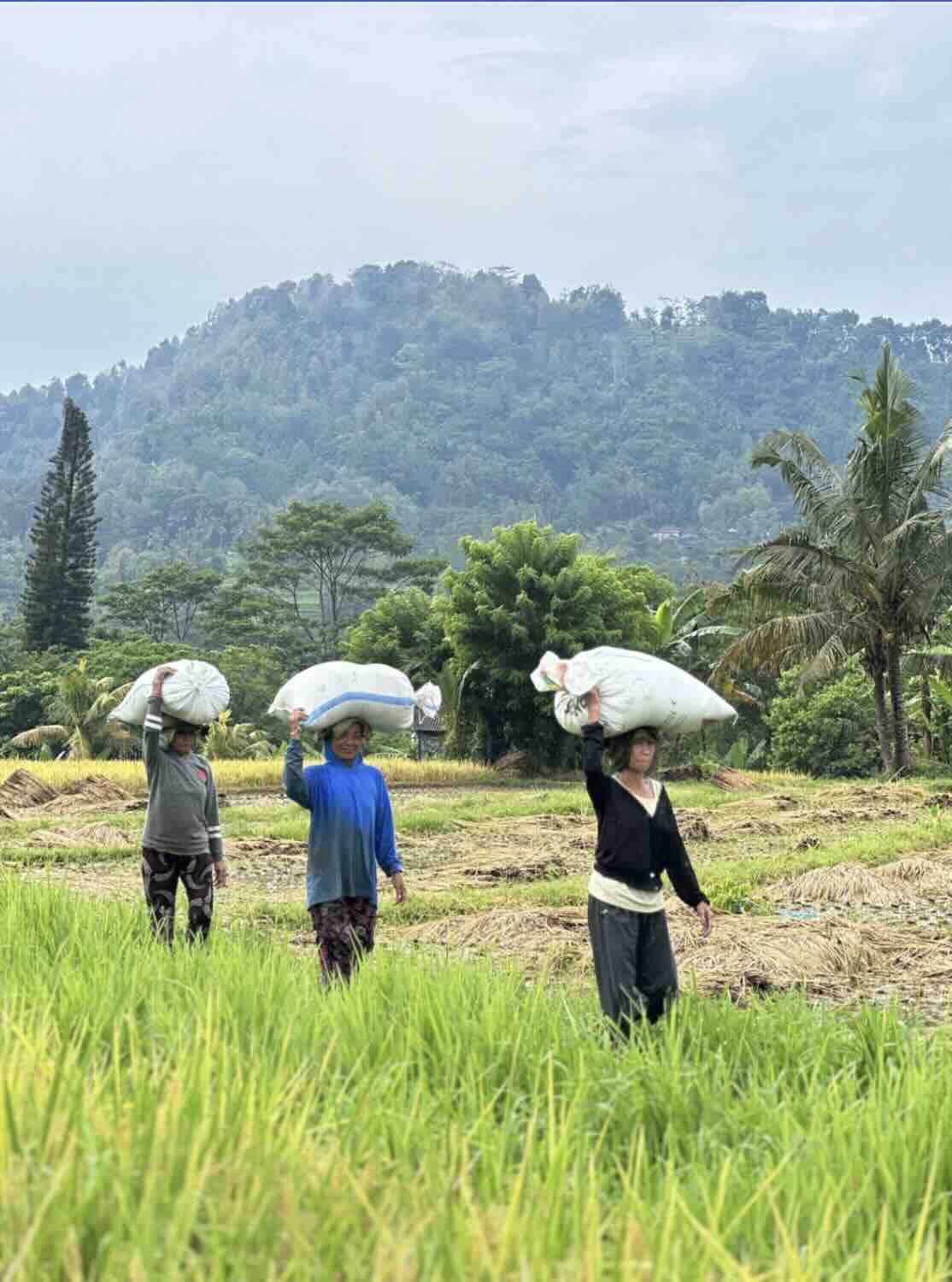
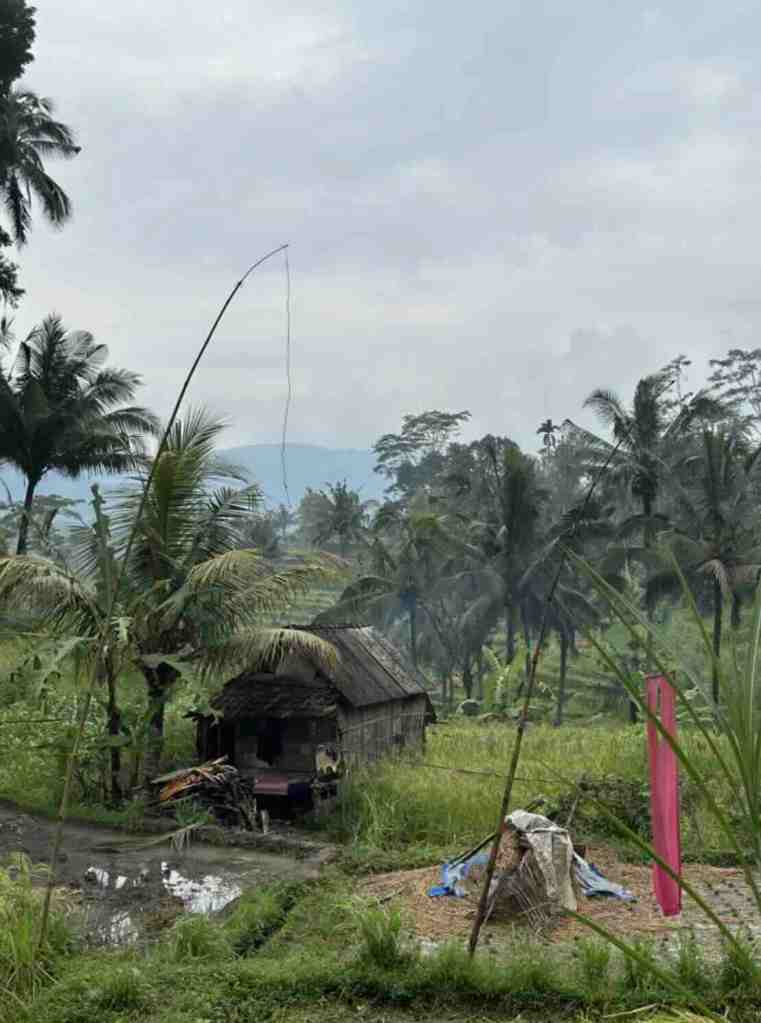
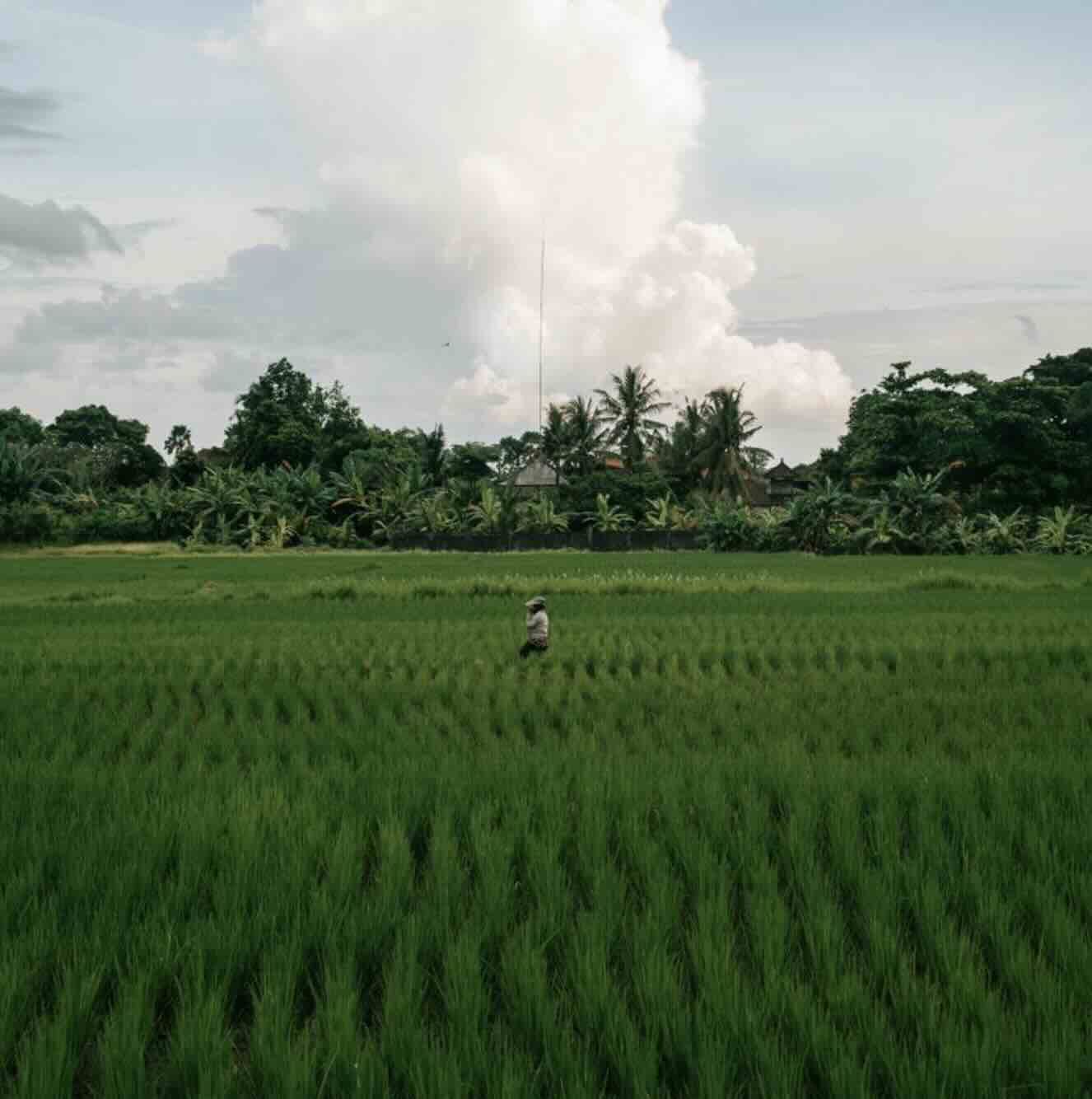
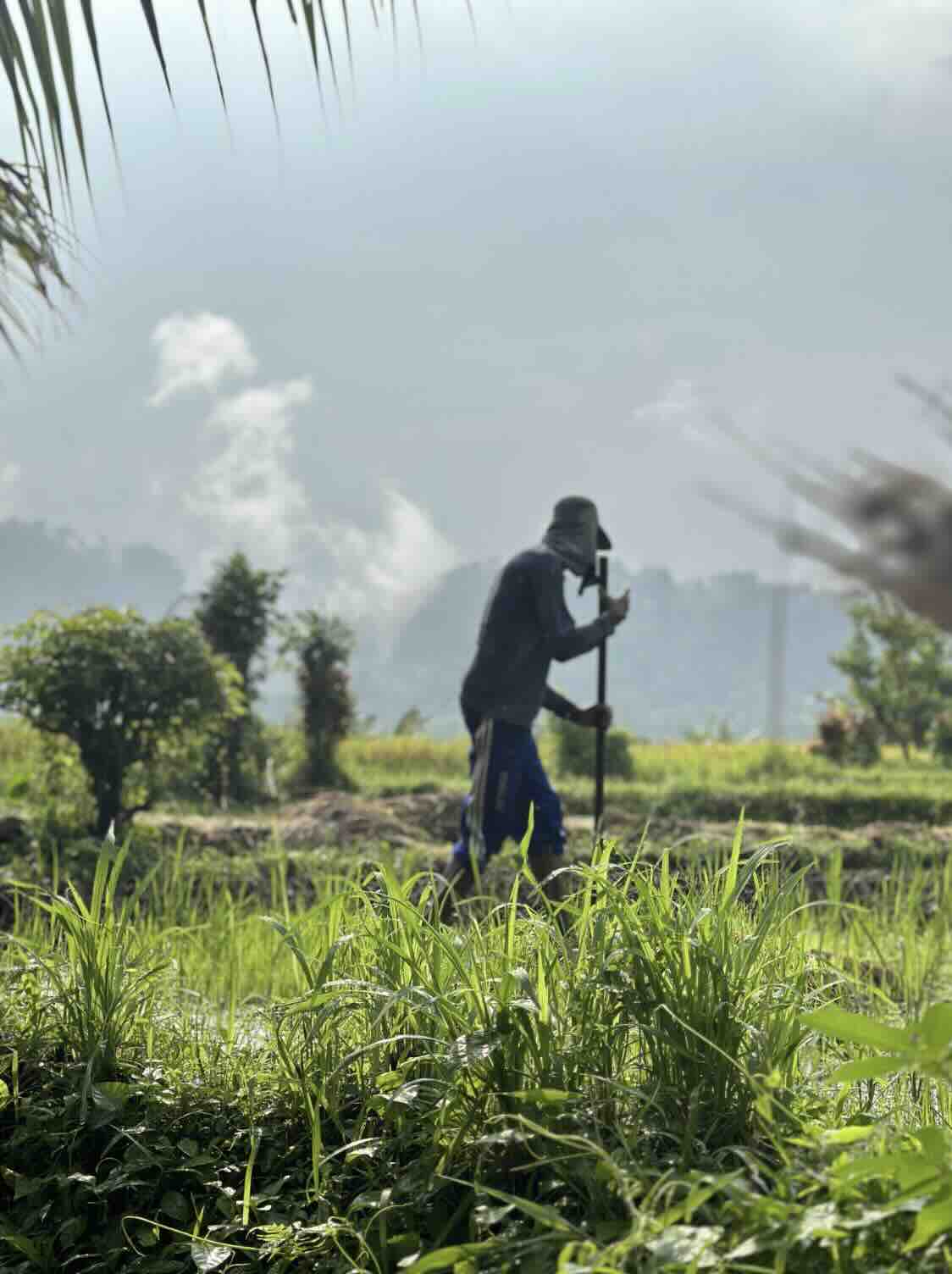
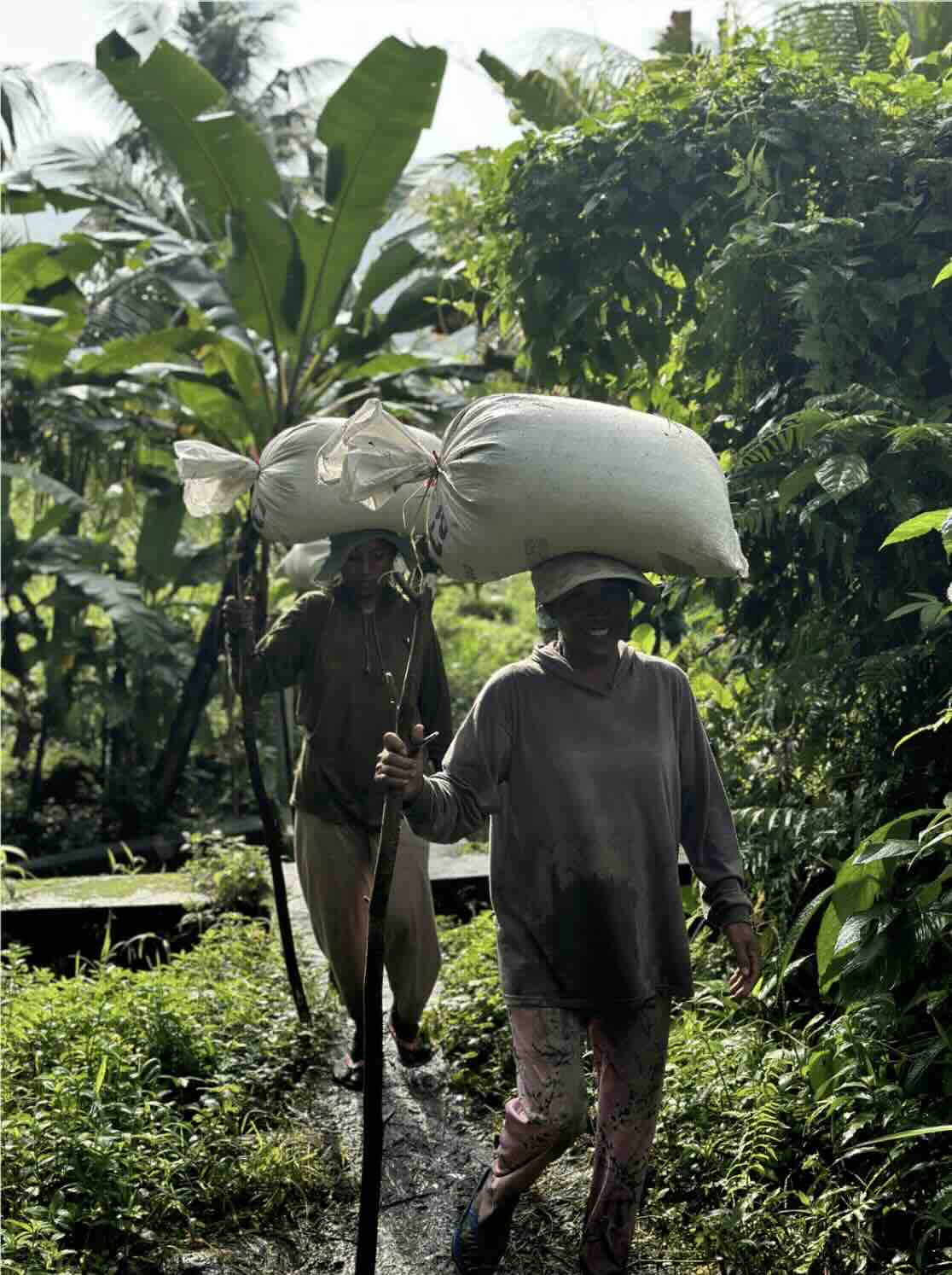
Sidemen is one of Bali’s best areas for rice fields, village life, mountain views, and a slower pace. It feels quieter and more traditional than Ubud, with beautiful stays, local roads, small warungs, weaving workshops, and views of Mount Agung on a clear day. It is a great place to add to your Bali itinerary if you want something calm, scenic, and less crowded.
Walk Through the Rice Fields
Sidemen is famous for its green rice paddies and valley views, with Mount Agung often rising in the background on clear days. A rice field walk is one of the best ways to experience the area slowly, passing small villages, rivers, farms, and local life.
Price: Free or small guide fee if you book a local walk
Location: Sidemen village and surrounding valleys
Visit Gembleng Waterfall
Gembleng Waterfall is one of Sidemen’s most popular nature spots, with layered rock pools, jungle views, and a peaceful mountain setting. It’s not a huge dramatic waterfall, but it is beautiful, easy to combine with a Sidemen stay, and perfect for a slow nature stop.
Price: Donation-based or small entrance fee
Location: Around 20 minutes from Sidemen
Visit a Traditional Weaving Workshop
Sidemen is known for traditional ikat and songket weaving, with small family-run workshops where you can see local artisans creating Balinese textiles by hand. It’s a beautiful way to experience Sidemen’s village culture.
Price: Often free to visit, pieces cost 200-350,000 IDR.
Location: Around Sidemen Village, especially the Tabola / Sidemen area.
Take a Cooking Class
A cooking class in Sidemen gives you a more local, village-based food experience than some of the busier classes in Ubud. You’ll usually learn about Balinese ingredients, spices and traditional cooking methods.
Price: Varies by class
Location: Sidemen village and nearby homestays
Go Rafting on the Telaga Waja River
Telaga Waja River rafting is one of the best adventure activities near Sidemen, with jungle scenery, river valleys, small waterfalls, and enough rapids to make it fun without fully entering survival-documentary territory.
Price: Varies by operator, often around 350,000 to 600,000
Location: Telaga Waja River, near Sidemen
Visit Besakih Temple
Bali’s largest and most important temple complex sits on the slopes of Mount Agung and is relatively easy to combine with Sidemen.
Visit Tirta Gangga
Tirta Gangga is a beautiful former royal water palace with pools, fountains, stone paths, gardens, and koi fish. It’s one of East Bali’s photogenic stops and easy to combine with Sidemen, Amed, or a day exploring the eastern side of Bali.
Price: Approx. 50,000 IDR per person
Location: Around 45 minutes from Sidemen
Visit Taman Ujung
Taman Ujung is another royal water palace in East Bali, known for its elegant bridges, ponds, gardens, and views toward the coast. It feels spacious and peaceful, making it a lovely stop if you’re traveling between Sidemen and Amed.
Price: Approx. 75,000 IDR per person
Location: Around 1 hour from Sidemen
Munduk
Best for: Waterfalls, lakes, mountains and cooler weather
Recommended stay: 1 to 2 nights
How to get there: The easiest way to reach Munduk is by private driver from Ubud, Canggu, Seminyak, Sanur, or Lovina. From Ubud, the drive usually takes around 2 to 3 hours depending on traffic and stops along the way.
Munduk is one of the parts of Bali many travelers completely miss because they never venture far beyond the south.
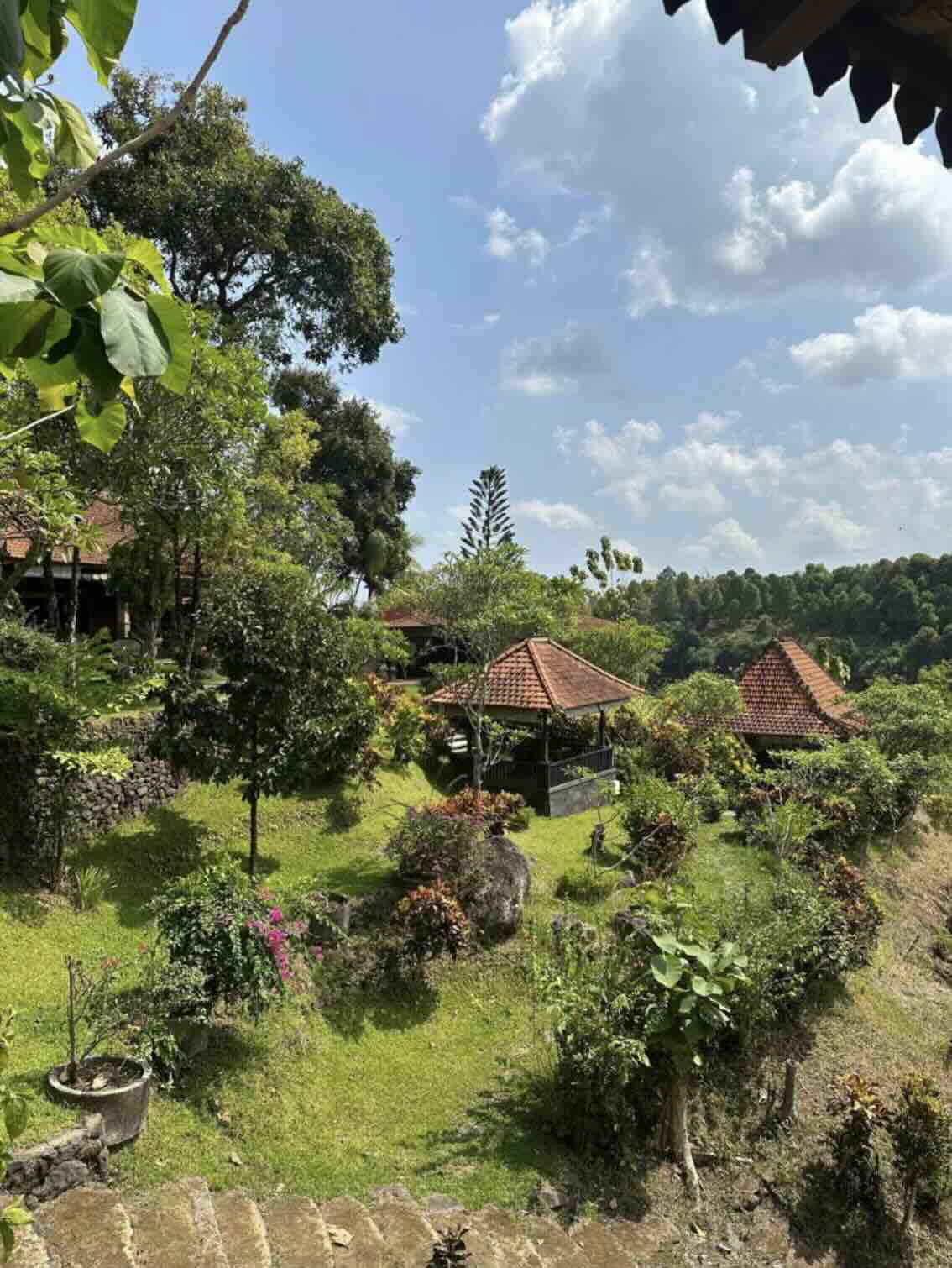
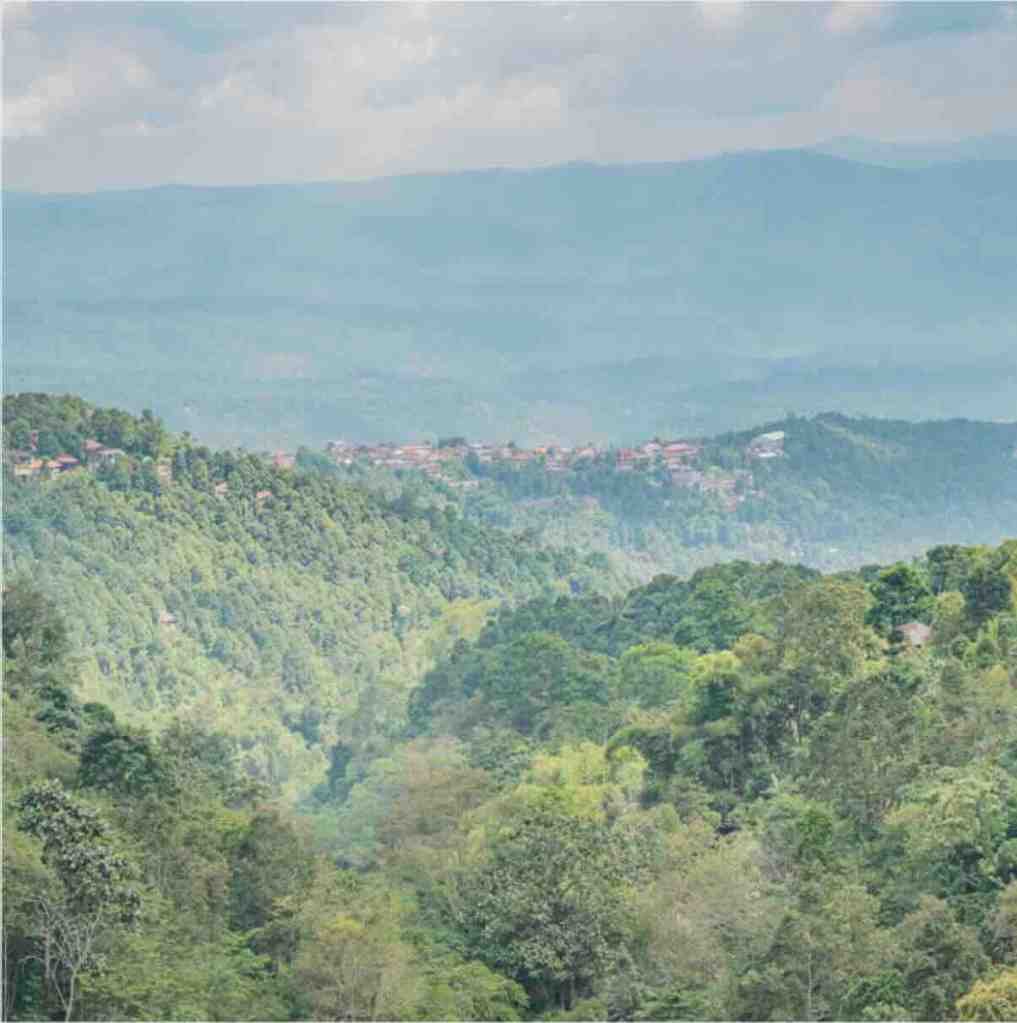
Up here, Bali feels greener, cooler and much quieter, with jungle-covered hills, coffee and clove plantations, volcanic lakes and some of the island’s most beautiful waterfalls. It also fits perfectly into a North Bali road trip toward Lovina, Pemuteran or Menjangan.
Go Waterfall Hopping
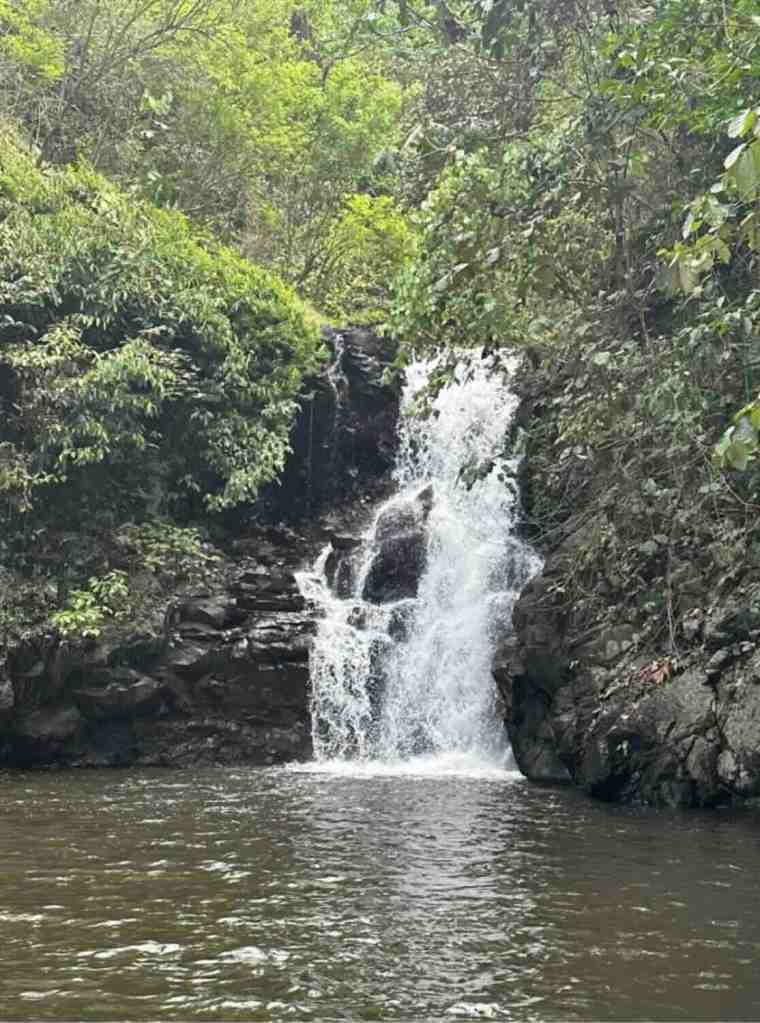
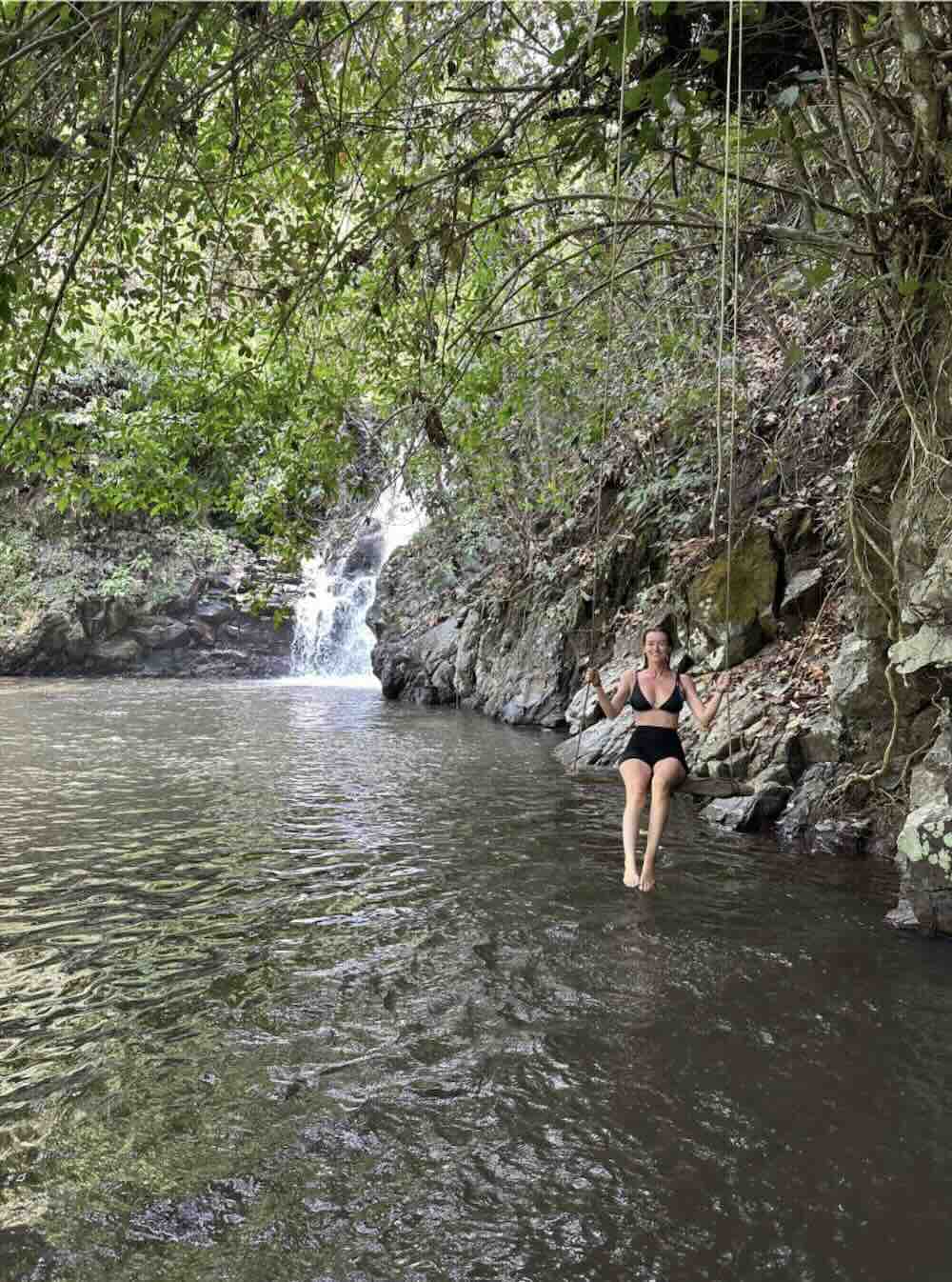
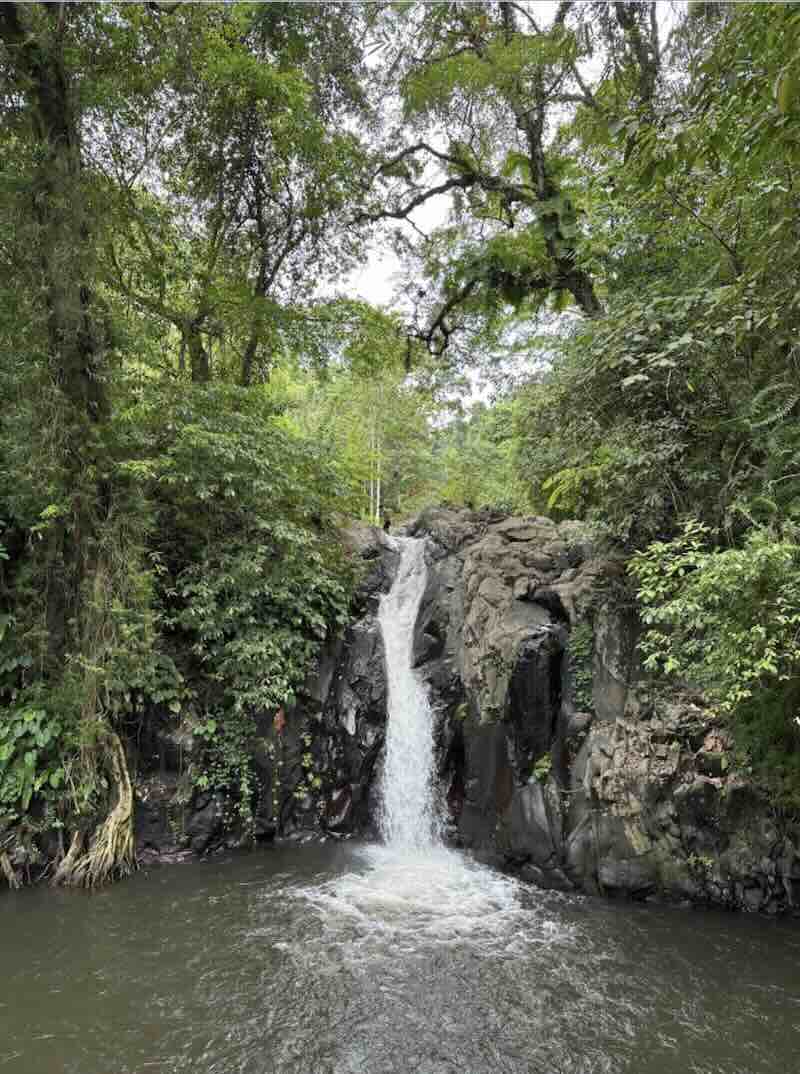
This is one of the main reasons to come to Munduk. Some of the best waterfalls in and around the area include:
- Banyumala Twin Waterfall, one of my favorites for its beautiful jungle setting and swimming pools
- Munduk Waterfall, close to the village and easy to combine with a longer walk through the surrounding hills
- Melanting Waterfall, another good stop if you are hiking around Munduk
- Sekumpul Waterfall, farther east but one of Bali’s most spectacular waterfall experiences if you have enough time
You definitely do not need to visit all of them. Pick one or two that fit naturally into your route rather than spending the entire day driving between waterfalls.
Explore Lake Tamblingan & Lake Buyan
These neighboring volcanic lakes are usually referred to as Bali’s Twin Lakes and are surrounded by dense mountain forest.
You can stop at viewpoints along the road, but if you have more time, Lake Tamblingan is especially beautiful for jungle walks and traditional canoe trips.
Price: Varies by activity, entrance or parking may apply
Location: Near Munduk
Stop at a Twin Lakes Viewpoint
There are several roadside viewpoints overlooking Buyan and Tamblingan.
They make an easy stop while driving through the mountains, especially when the weather is clear enough to actually see the lakes rather than one enormous cloud.
Price: Free or small parking fee, usually around 5.000-15.000 IDR
Location: Between Munduk and Bedugul
Visit a Coffee or Clove Plantation
The cooler mountain climate around Munduk is ideal for coffee, cloves and other crops.
This is a good place to stop at a small plantation, learn how the plants are grown and try locally produced coffee rather than treating coffee as exclusively something that arrives in a Canggu ceramic cup.
Price: Often free to enter, tastings or purchases vary
Location: Munduk and surrounding villages
Stop at Handara Gate
Handara Gate has become one of Bali’s most recognizable Instagram locations. The traditional split gate surrounded by mountains is genuinely pretty, but I would only stop if it already fits your route.
It is, ultimately, a very photogenic entrance to a golf course.
Price: Varies by operator, often around 350,000 to 600,000
Location: Telaga Waja River, near Sidemen
Explore Munduk Village & the Mountain Roads
The cooler mountain climate around Munduk is ideal for coffee, cloves and other crops.
This is a good place to stop at a small plantation, learn how the plants are grown and try locally produced coffee rather than treating coffee as exclusively something that arrives in a Canggu ceramic cup.
Visit Ulun Danu Beratan Temple
Ulun Danu Beratan is one of Bali’s most famous lake temples, set on the edge of Lake Beratan in Bedugul. It’s not in Munduk, but it’s close enough to include on the route and makes a beautiful cultural stop. If you’re willing to make the drive it’s a perfect stop.
Price: Approx. 75,000 IDR per person
Location: Bedugul, around 45 minutes from Munduk
Permuteran & Menjangan
Best for: Snorkeling, diving, nature and fewer crowds
Recommended stay: 2 nights
How to get there: Menjangan is in northwest Bali, so it takes more effort to reach than places like Ubud, Canggu, or Uluwatu. The easiest way to get there is by private driver from Munduk, Lovina, Ubud, or South Bali. From Ubud, the drive can take around 3.5 to 5 hours depending on traffic and stops.
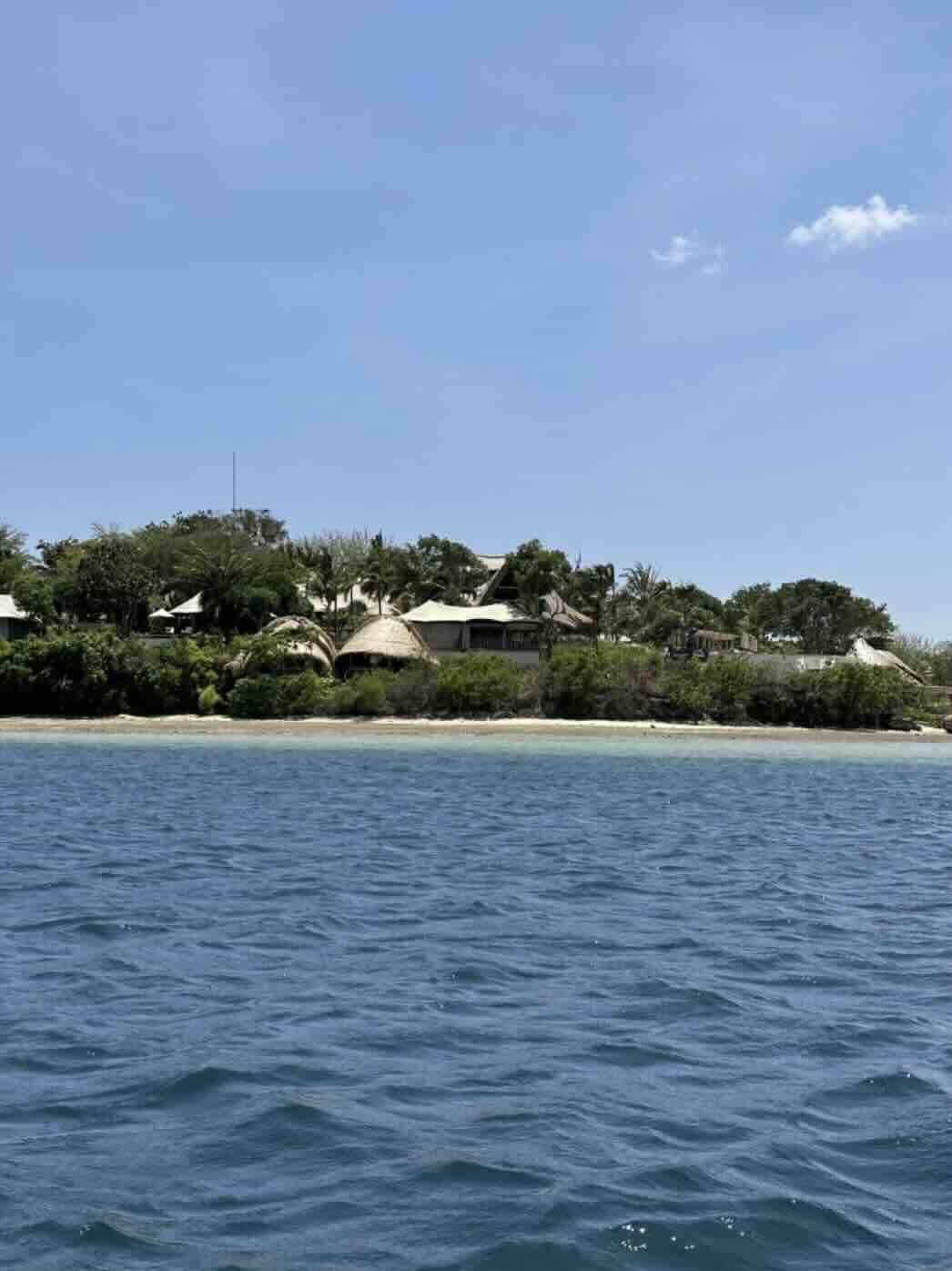
Menjangan is one of the best places in Bali for snorkeling and diving, especially if you want clear water, coral reefs, and a quieter nature-focused experience. It is located near West Bali National Park, so it feels much more remote than the island’s busy south. Most travelers come for boat trips to Menjangan Island, reef snorkeling, diving, and peaceful stays near Pemuteran.

Snorkel Menjangan Island
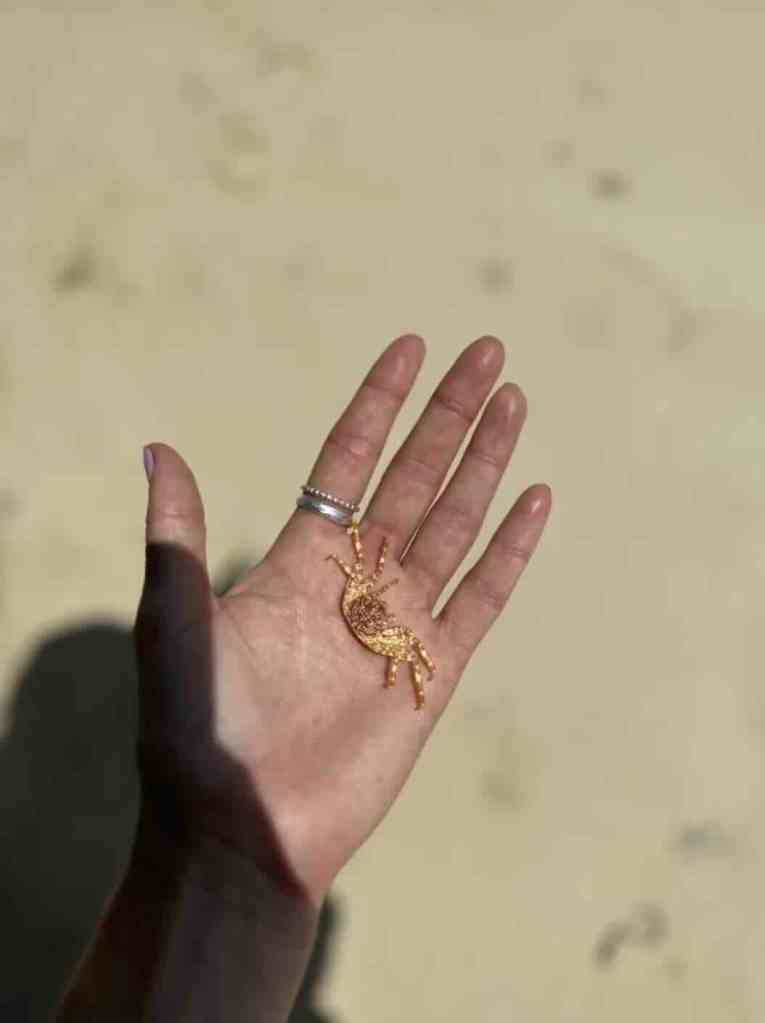
Menjangan Island is one of Bali’s best snorkeling/diving spots, with clear water, coral gardens, tropical fish, and calmer conditions than many southern beaches. The island sits within West Bali National Park.
Price: Varies by boat, guide, and park fees
Location: Menjangan Island, West Bali National Park
Explore West Bali National Park
West Bali National Park offers forest, mangroves, coastal landscapes, birdlife and wildlife beyond the beach. Local operators offer guided trekking, birdwatching, mangrove boat tours, cycling, and nature activities inside the park.
Price: Varies by activity, guide, and park fees
Location: Northwest Bali
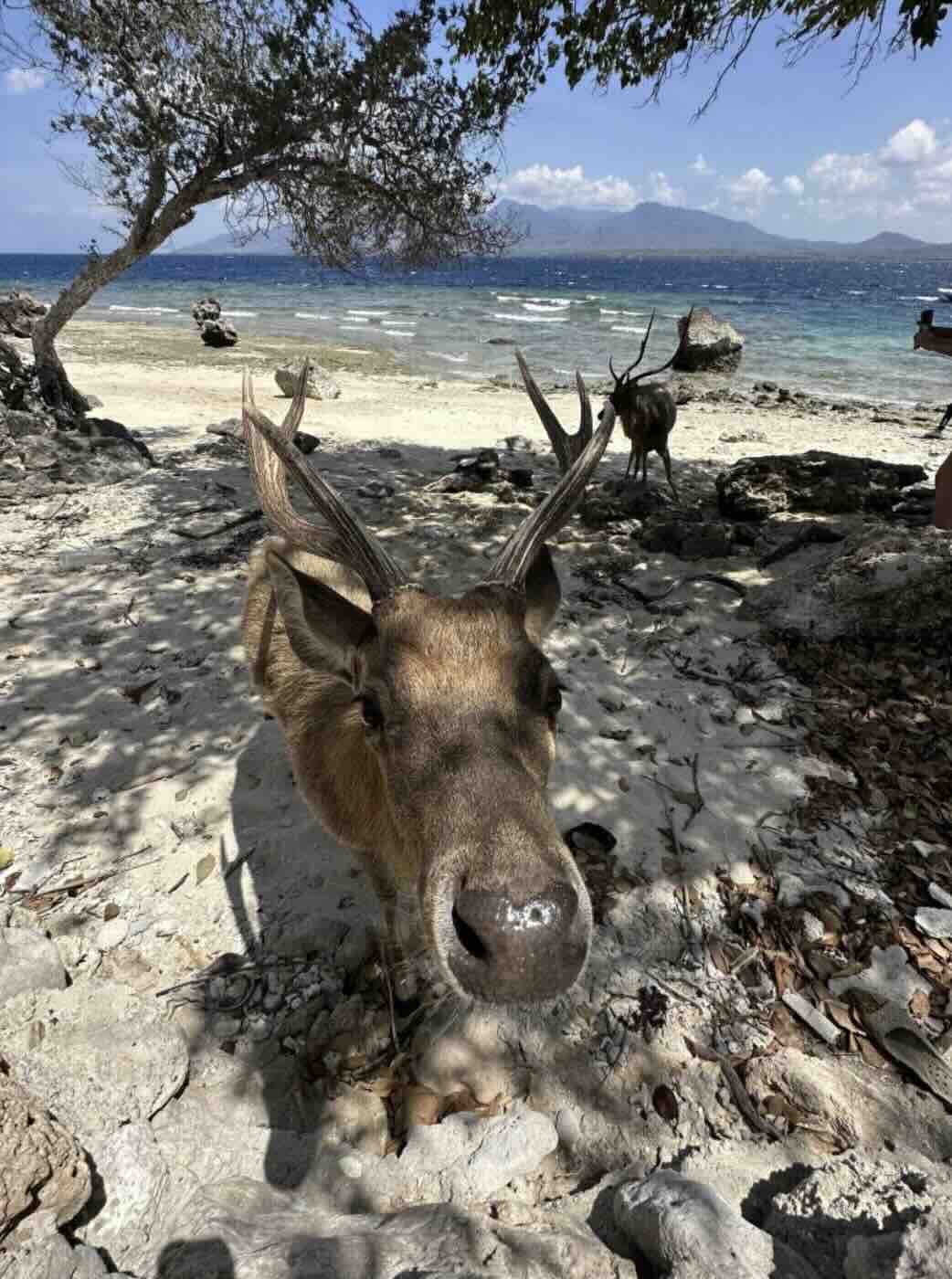
Look for Menjangan Deer
West Bali National Park offers forest, mangroves, coastal landscapes, birdlife, and wildlife beyond the beach. Locals offer guided trekking, birdwatching, mangrove boat tours, cycling, and nature activities inside the park. This island has free roaming deer!
Price: Varies by activity, guide, and park fees
Location: Northwest Bali
Visit a Pearl Farm
Atlas Pearls has a working pearl farm in Penyabangan, where visitors can learn about pearl farming, the Pinctada maxima oyster, seeding, harvesting, and the long process behind producing South Sea pearls. It’s a unique stop if you want something different.
Price: Check directly with Atlas Pearls
Location: Penyabangan, near Pemuteran
Spend a Weekend Glamping in Pemuteran
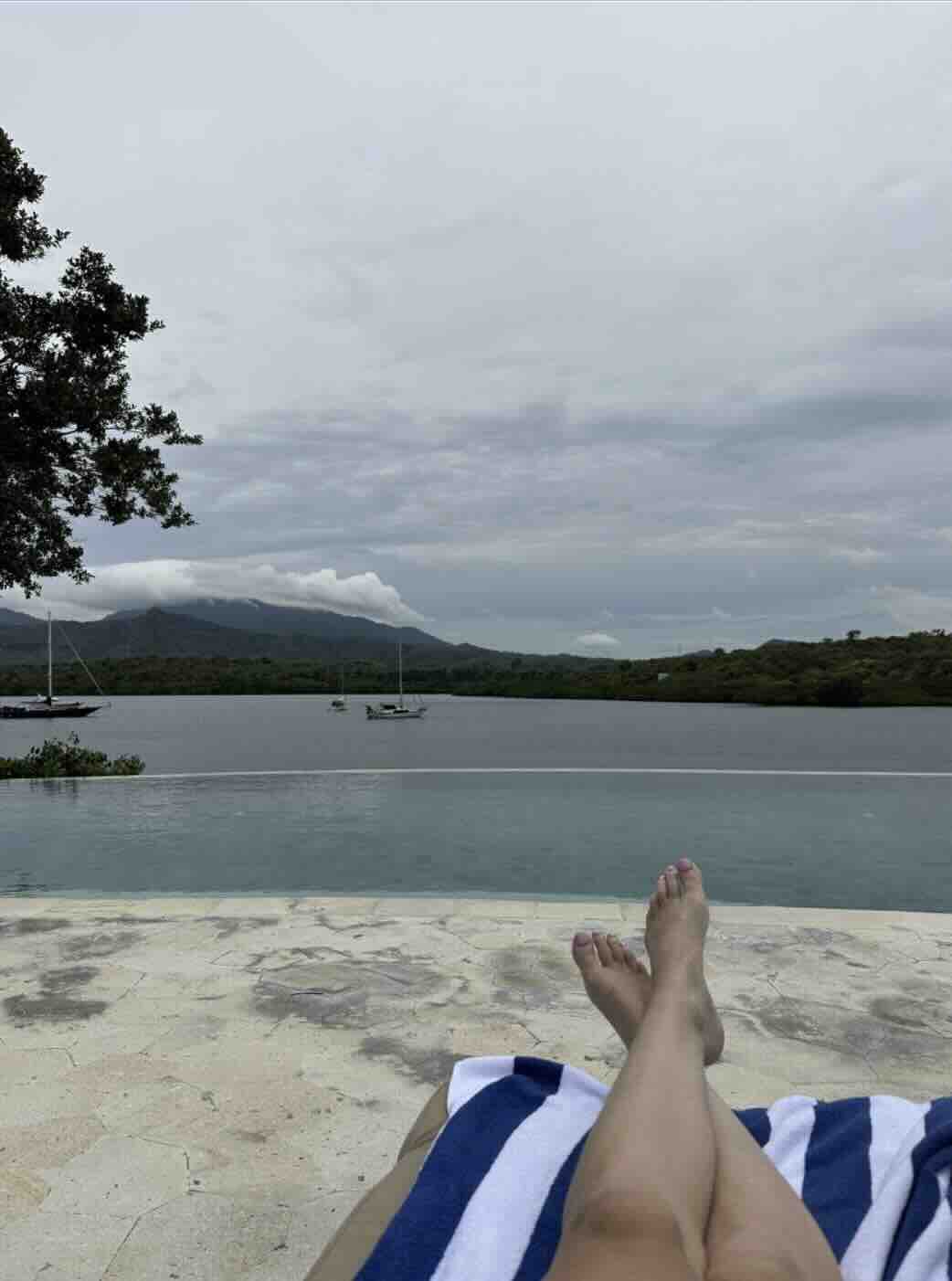
Pemuteran is the best base for Menjangan, with relaxed hotels, dive centers, black sand beaches, local restaurants, and access to West Bali National Park. It’s quiet, practical, and much more peaceful than the south of Bali.
Price: Varies by hotel
Location: Pemuteran, Northwest Bali
Amed
Best for: Snorkeling, diving and slow coastal travel
Recommended stay: 2 to 3 nights
How to get there: The easiest way to reach Amed is by private driver from Ubud, Sanur, Canggu, Seminyak, or Sidemen. From Ubud, the drive usually takes around 2.5 to 3.5 hours depending on traffic and stops.
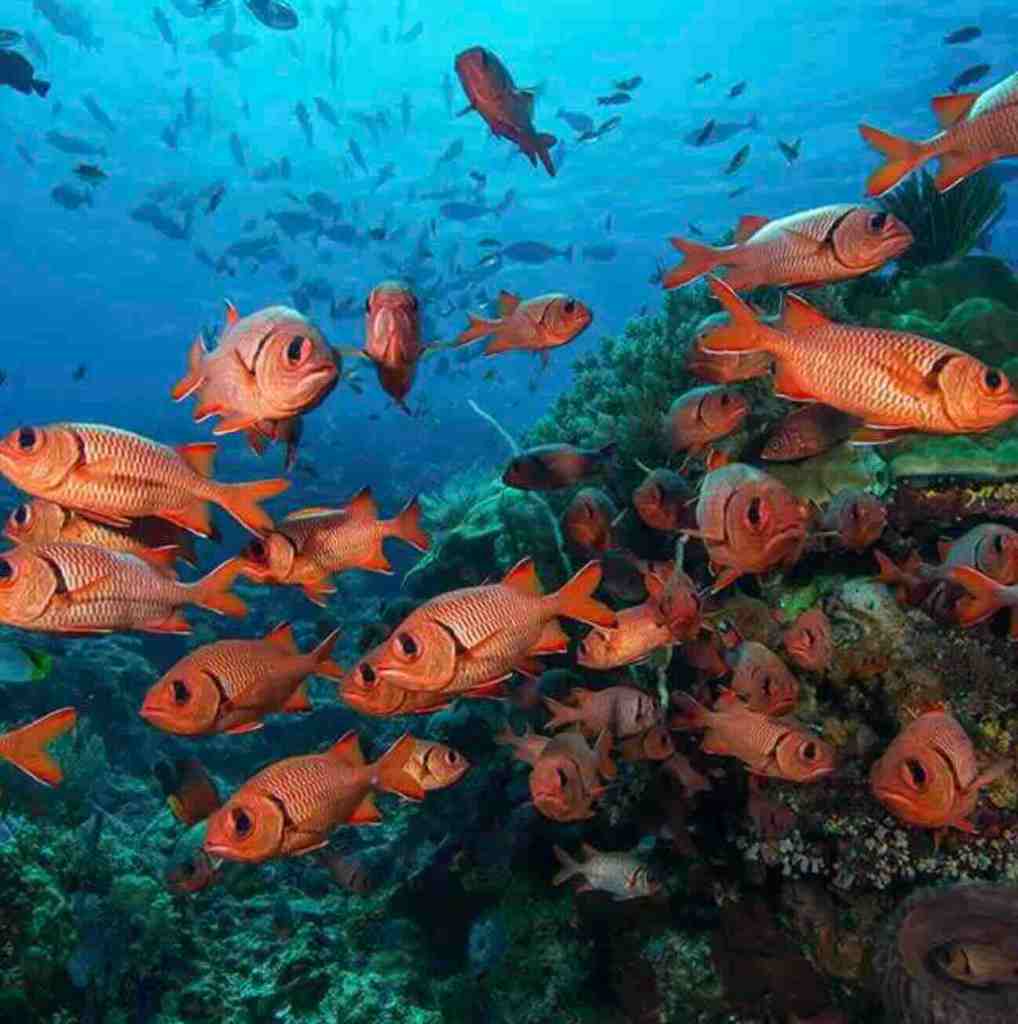
Amed is one of Bali’s best areas for snorkeling, diving, black sand beaches, and a quieter coastal stay. It feels much more relaxed than the south and is especially good if you want underwater life, sunrise views, local warungs, and a slower rhythm. It is also a great base for exploring East Bali, including Tirta Gangga, Lempuyang, and Mount Agung viewpoints.

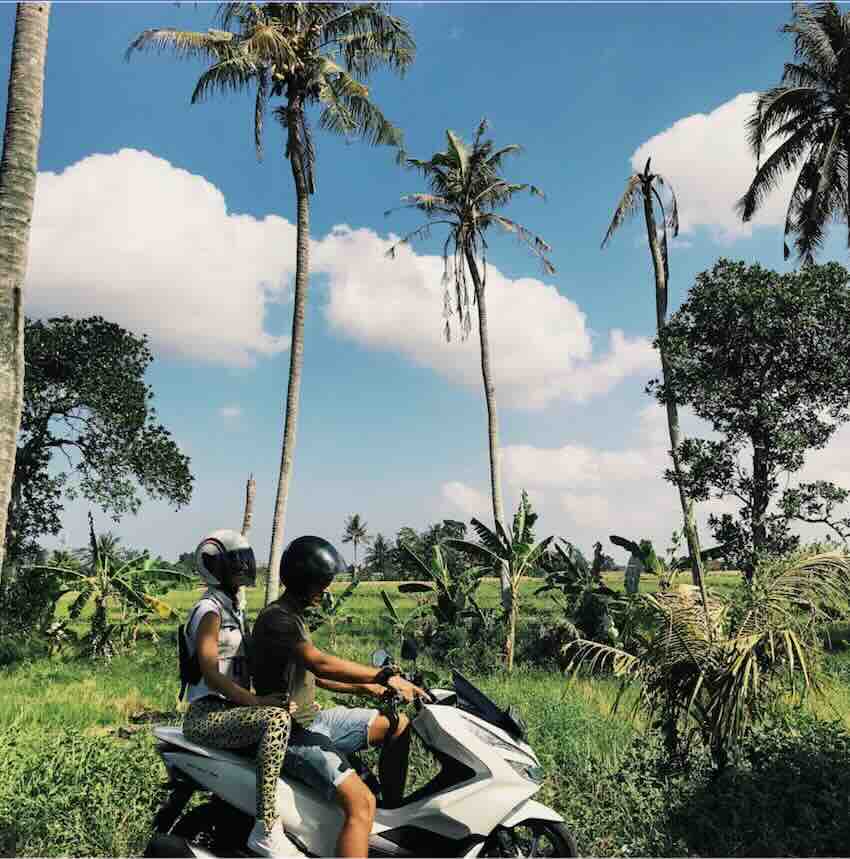
Scooter Along The Coastline Of Amed
The coastal road around Amed is beautiful, with black sand beaches, fishing villages, viewpoints, small cafés, and ocean views. It’s a lovely place for a slow scooter day without the full body stress of South Bali traffic.
Price: Scooter rental varies, usually daily rental cost
Location: Amed, Jemeluk, Lipah, Banyuning.
Snorkel Jemeluk Bay
Jemeluk Bay is one of the easiest places to snorkel in Amed, with calm water, coral, tropical fish, and underwater scenery close to shore. It’s a great option if you want a relaxed snorkeling experience without needing a full boat trip.
Price: Free if you bring your own gear, rental costs vary
Location: Jemeluk Bay, Amed
See the Underwater Temple
A small underwater structure has become one of Amed’s recognizable snorkeling stops.
Snorkel the Japanese Shipwreck
The Japanese Shipwreck is a popular snorkeling and diving spot near Amed, where coral and marine life have formed around a small wreck close to the coast. It’s easy to access and one of the area’s most interesting underwater stops.
Price: Small parking or access fee may apply
Location: Banyuning, near Amed
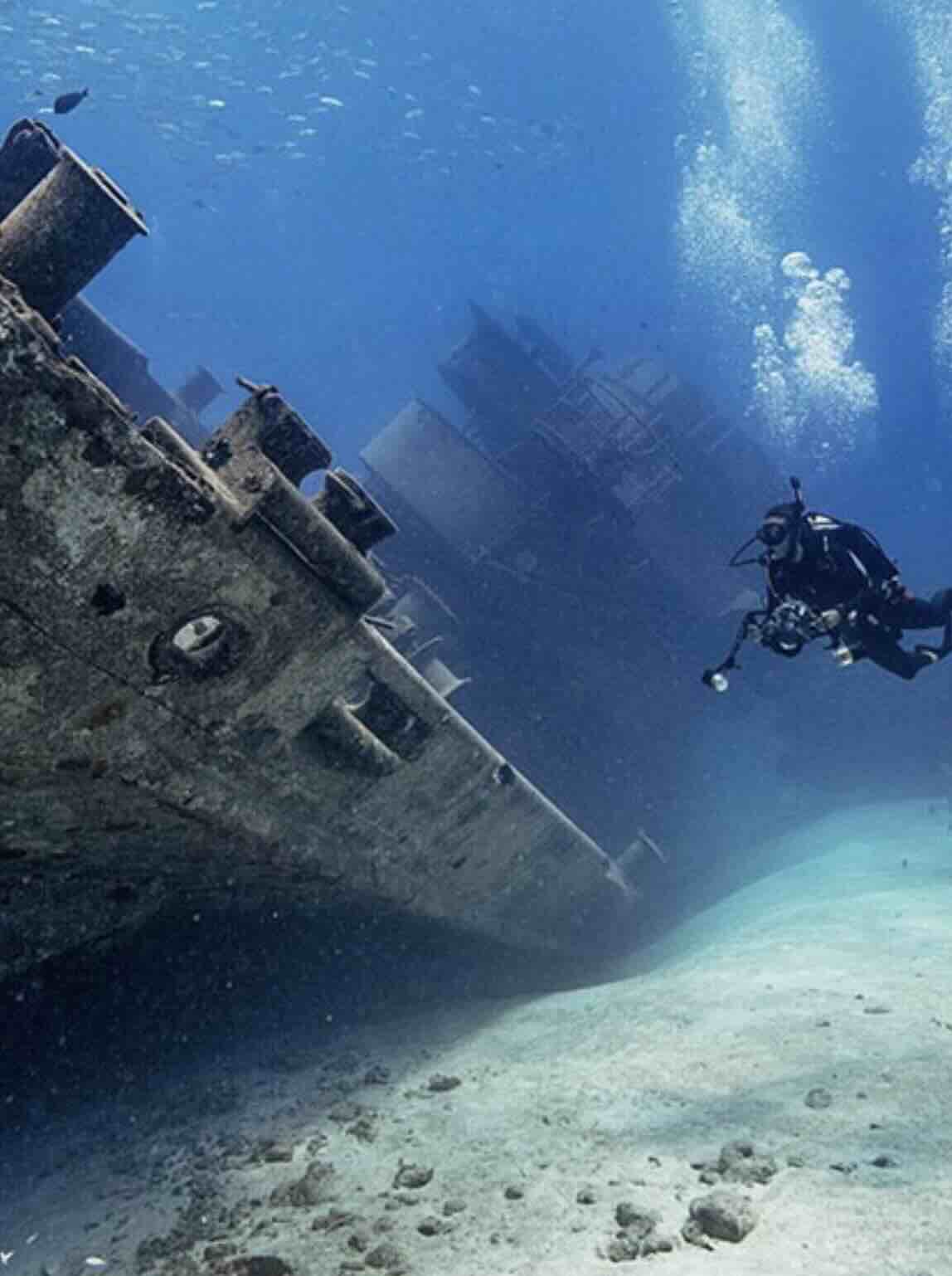
Dive the USAT Liberty at Tulamben
Tulamben is just north of Amed and is famous for the USAT Liberty wreck, one of Bali’s best-known dive sites. If you’re into diving, this is one of the strongest reasons to stay in East Bali. The water can be really transparent here, especially early in the morning.
Price: Dive prices vary by operator
Location: Tulamben, around 30 minutes from Amed
Visit Lahangan Sweet
Lahangan Sweet is one of the best viewpoints near Amed, with panoramic views of Mount Agung, the coastline, and surrounding hills. It’s especially beautiful around sunrise or sunset if the weather is clear. So, grab a drink and sit back.
Price: Approx. 30,000 to 50,000 IDR per person
Location: Around 30 to 45 minutes from Amed
Lovina
Best for: North Bali, dolphin trips and nearby waterfalls
Recommended stay: 1 to 2 nights
How to get there: The easiest way to reach Lovina is by private driver from Munduk, Ubud, Canggu, Seminyak, or Sanur. From Ubud, the drive usually takes around 2.5 to 4 hours depending on traffic and stops.
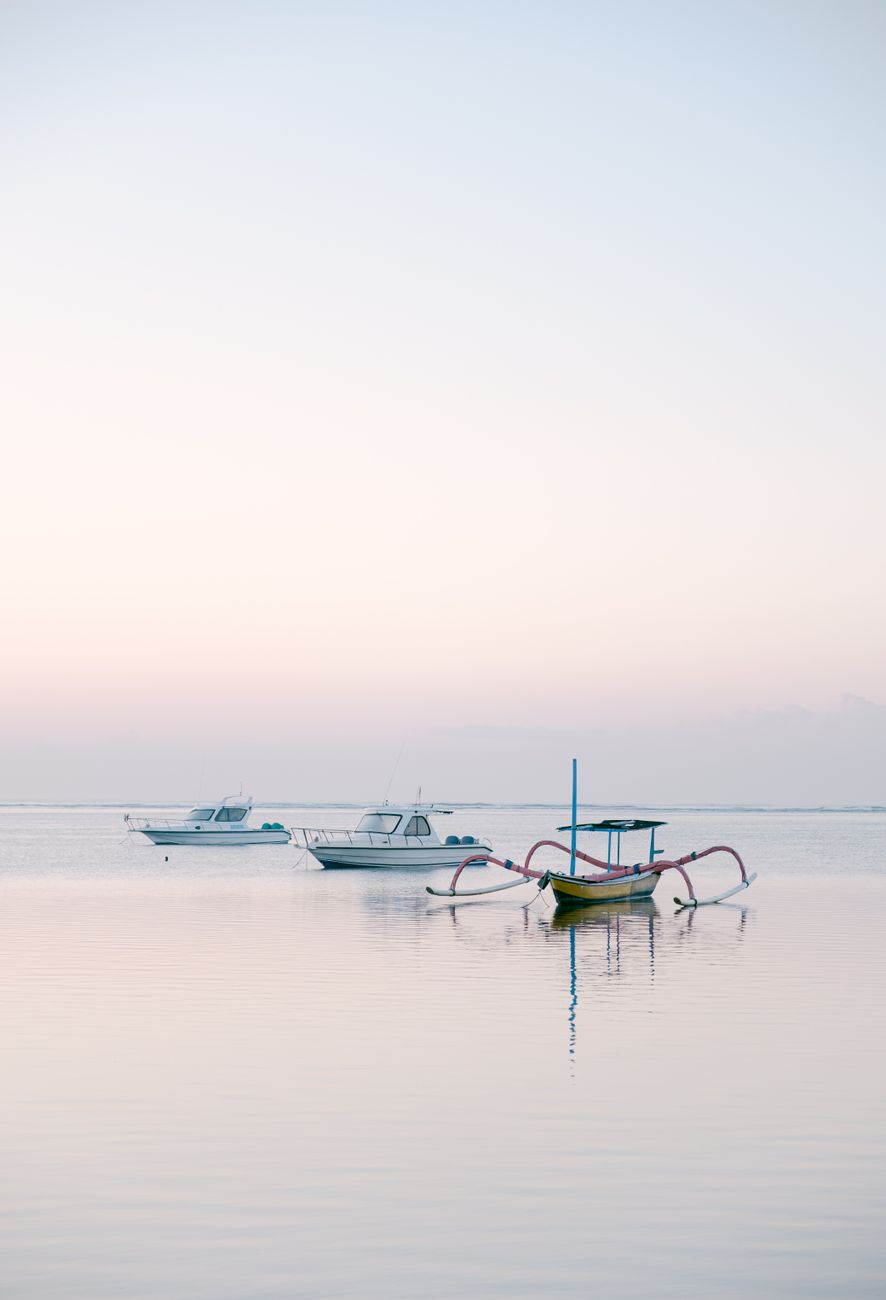
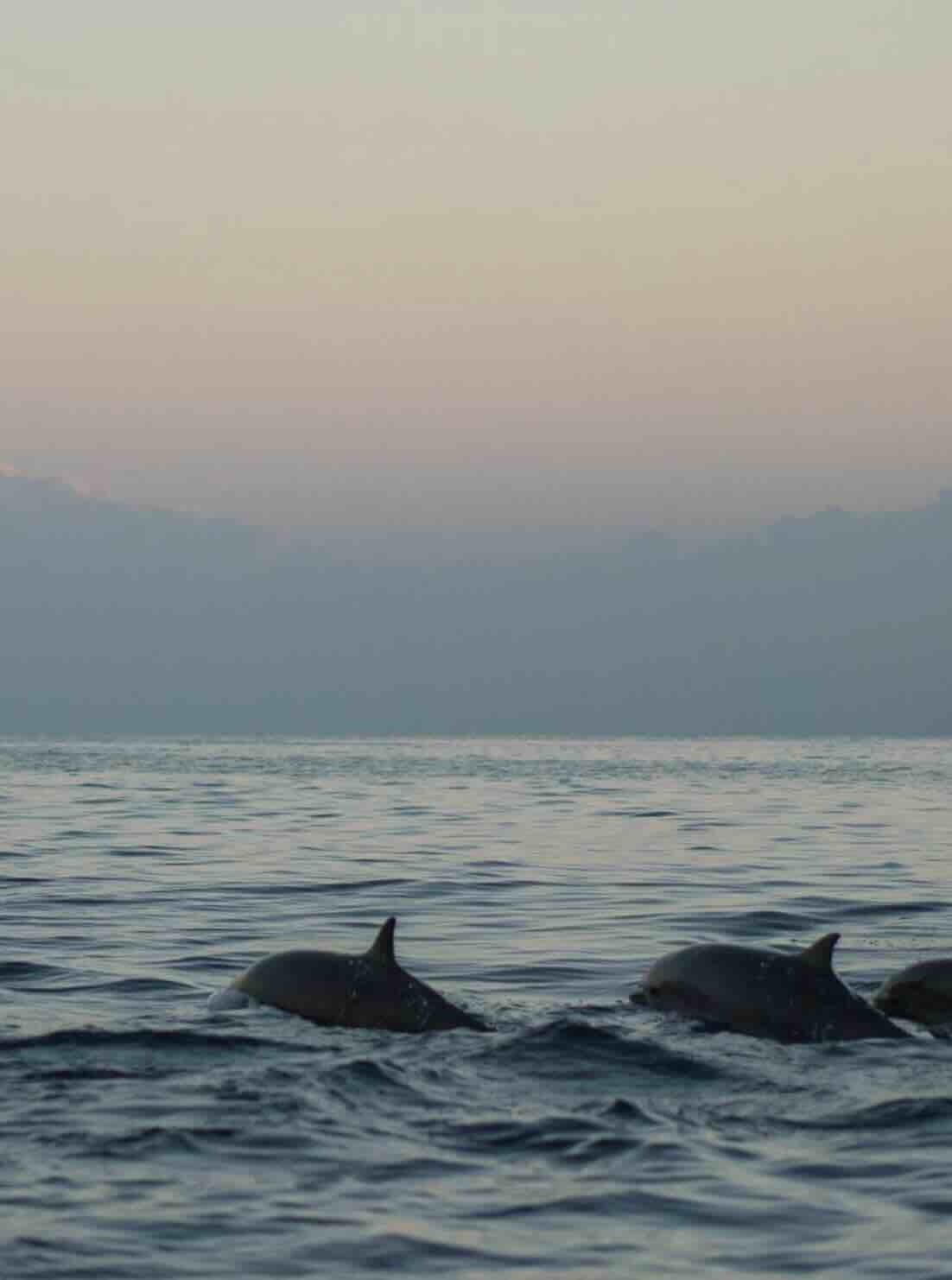
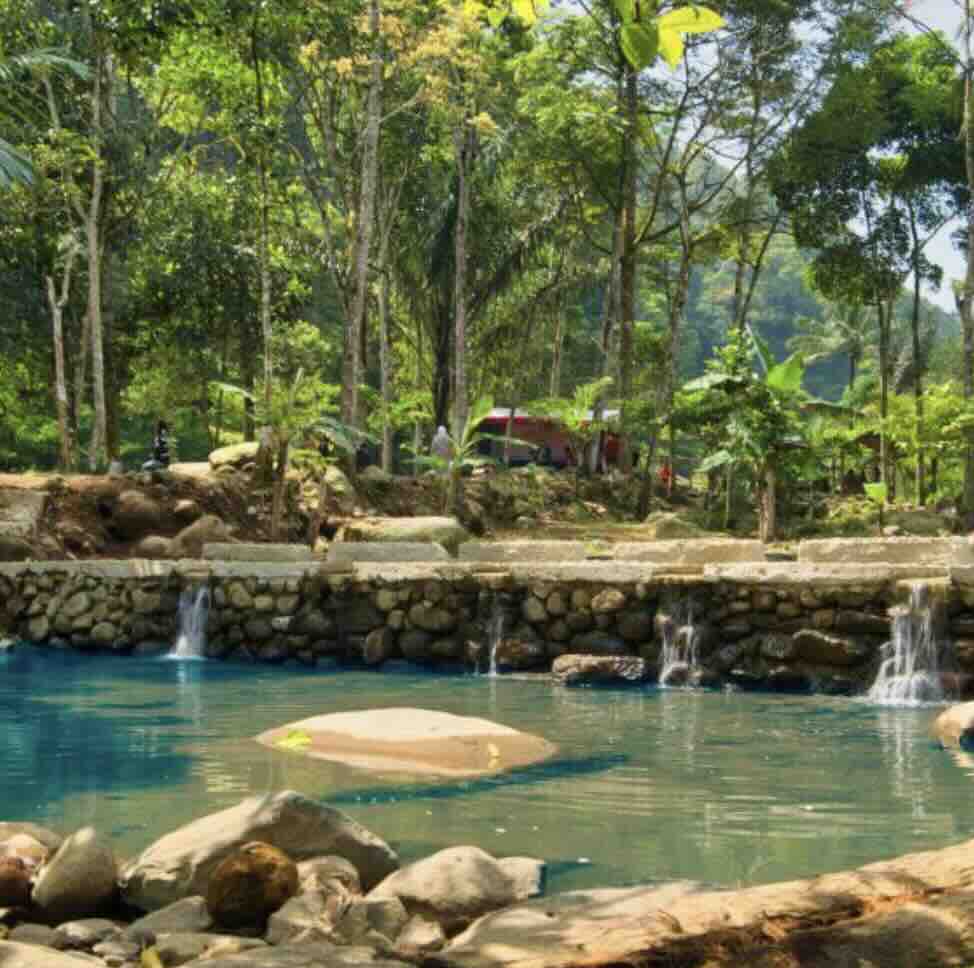
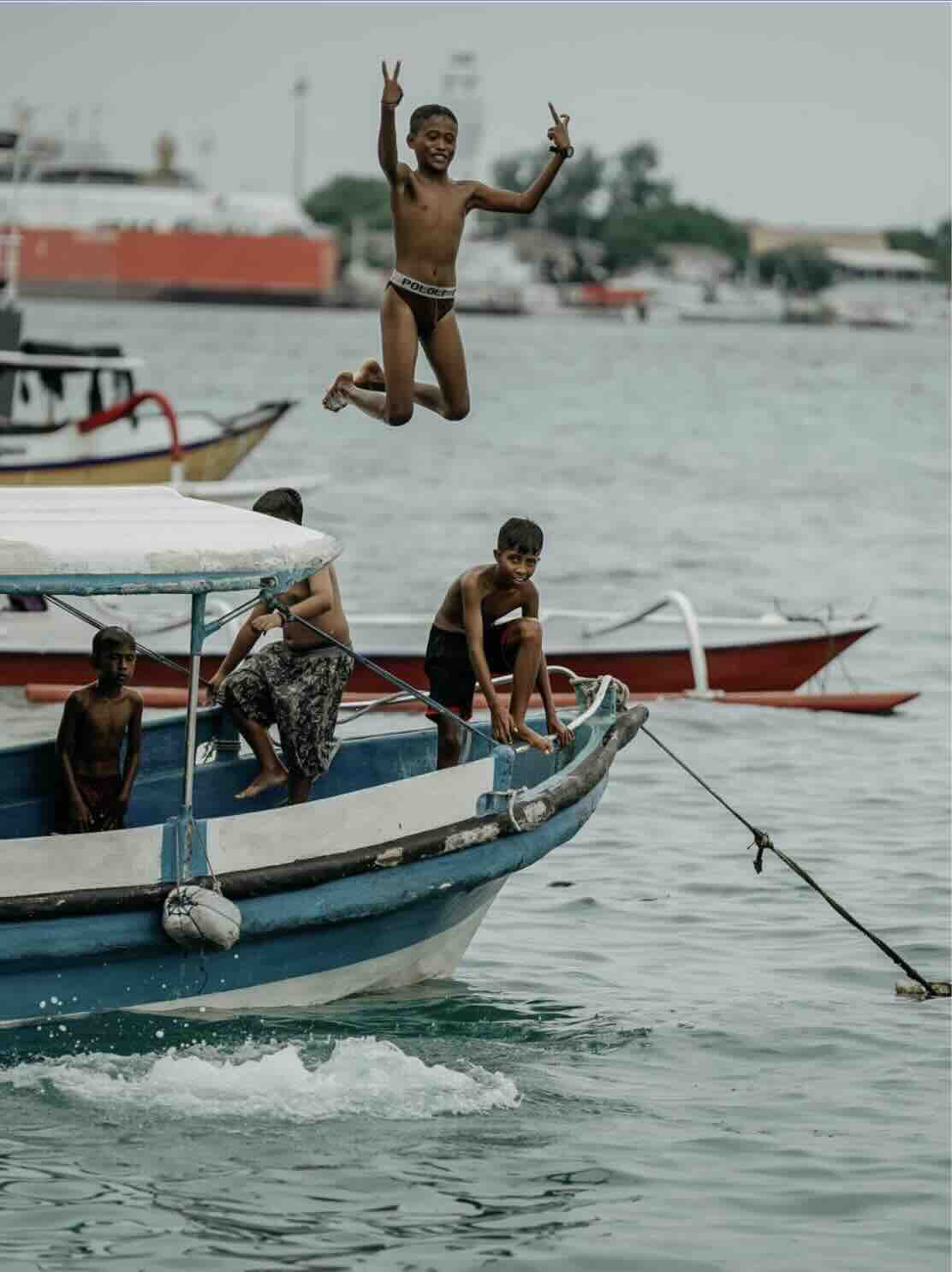
Lovina stretches along Bali’s northern coastline and is best known for sunrise dolphin watching. The beaches are dark volcanic sand and the atmosphere is considerably quieter than South Bali. I would include Lovina as part of a wider northern route rather than crossing the entire island solely for one dolphin tour.
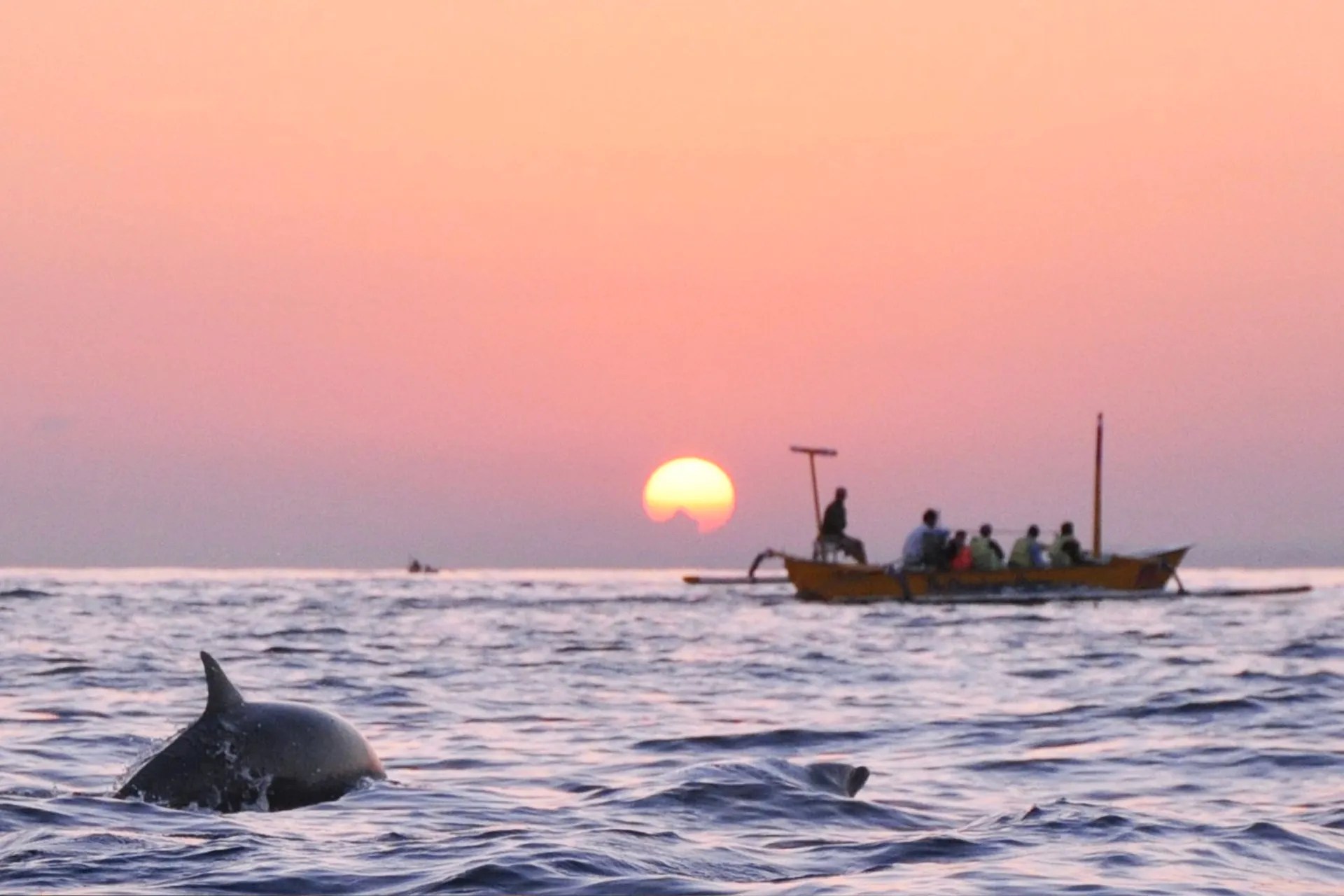
Take a Sunrise Dolphin Tour
Lovina is famous for early morning dolphin boat trips, where boats head out before sunrise to look for dolphins. It can be beautiful, but choose carefully, because some tours can feel crowded or too chasey.
Price: Varies by boat and operator
Location: Lovina Beach
Visit Banjar Hot Springs
Banjar Hot Springs are one of the most popular stops near Lovina, with warm water pools surrounded by tropical greenery. It’s a simple, local-feeling place to relax after a dolphin tour or waterfall trip.
Price: Small entrance fee
Location: Banjar, near Lovina
Visit The Buddhist Monastery
Brahmavihara-Arama is a peaceful Buddhist monastery near Lovina with gardens, views, and a calm atmosphere. It feels very different from many of Bali’s Hindu temples and makes a lovely cultural stop in North Bali.
Price: Donation or small entrance fee
Location: Banjar, near Lovina
Visit Lovina Waterfalls
Two of North Bali’s best-known waterfalls. Gitgit is easier to reach and makes a good stop while exploring the Lovina area, while Sekumpul is more dramatic and worth the extra effort if waterfalls are a major priority on your trip.
Nusa Penida, Nusa Lembongan & Nusa Ceningan
Best for: Cliffs, manta rays, snorkeling and island hopping
Recommended stay: 2 to 4 nights
How to get there: Take a fast boat from Sanur.
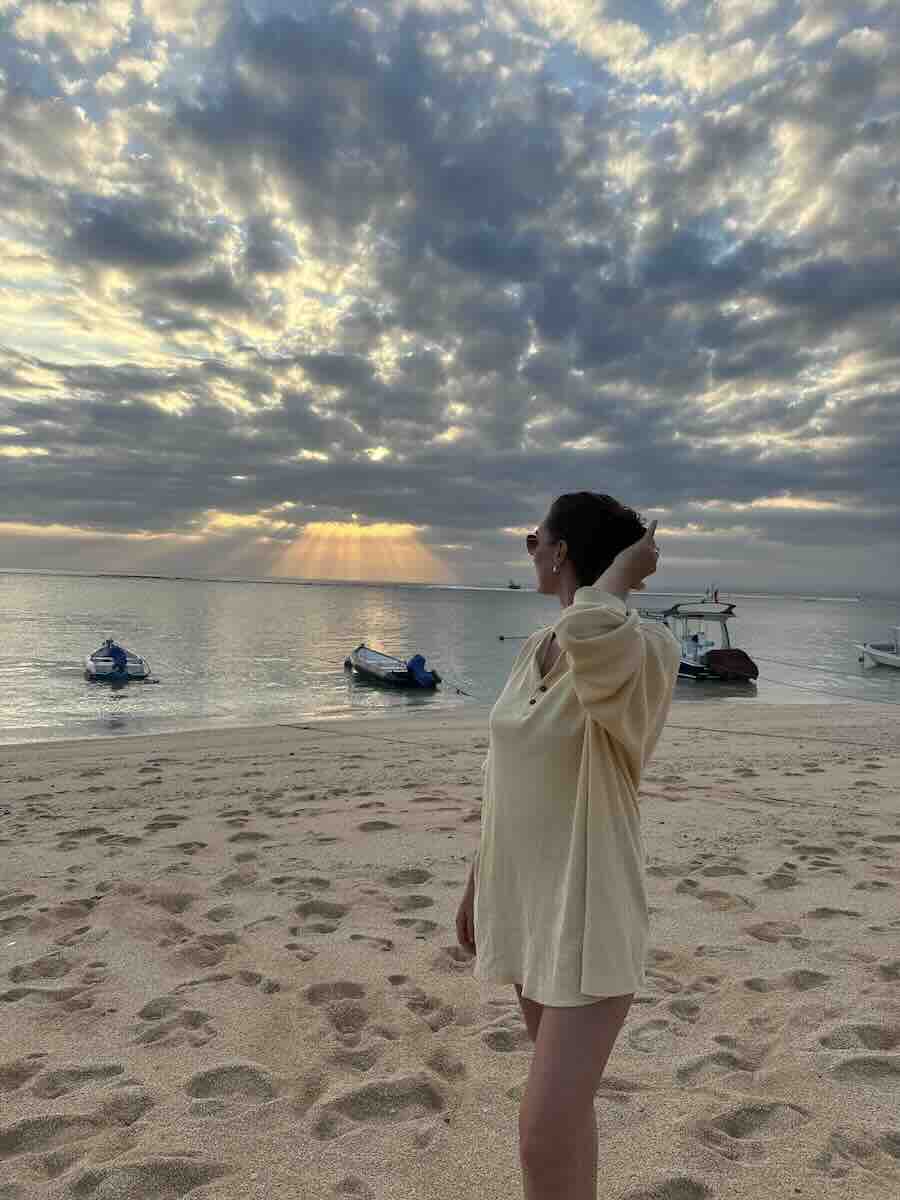
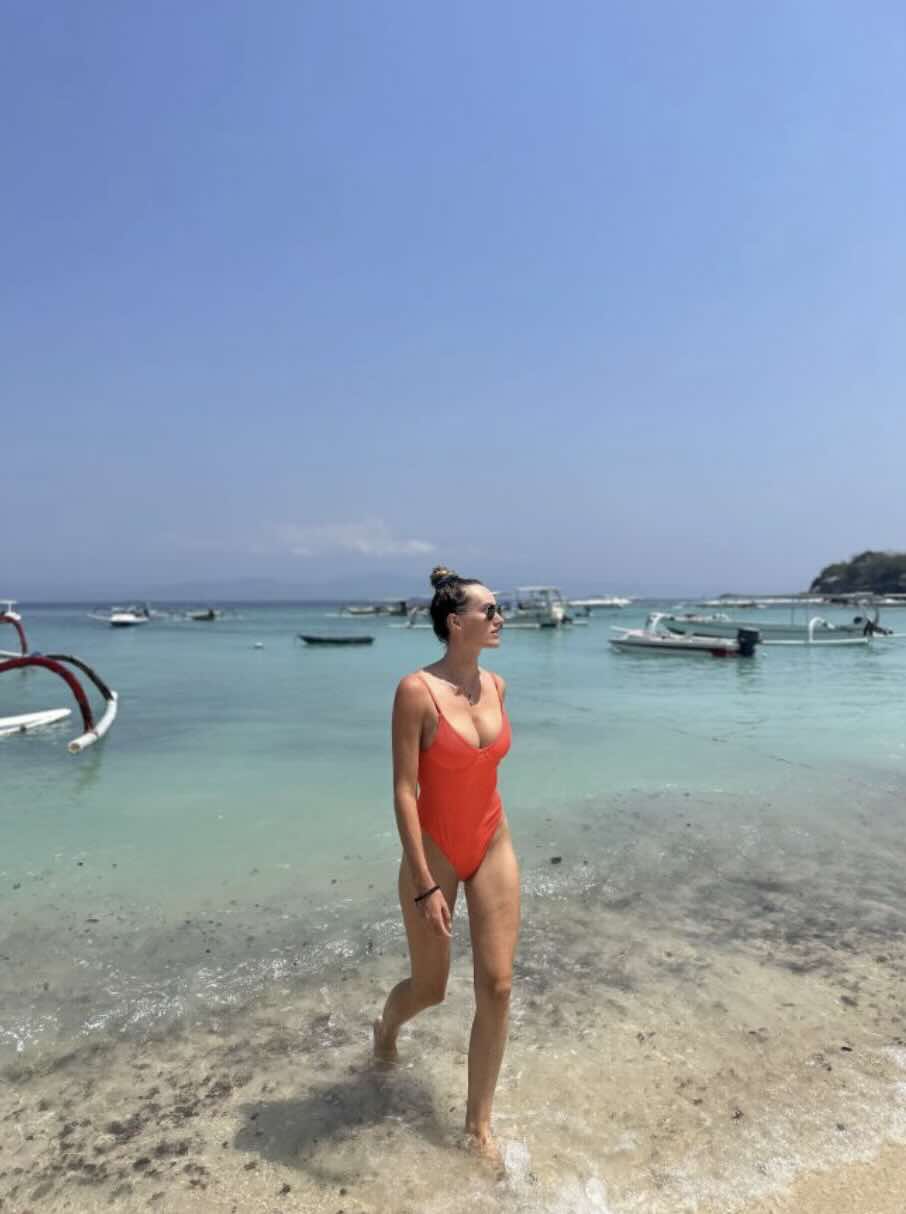
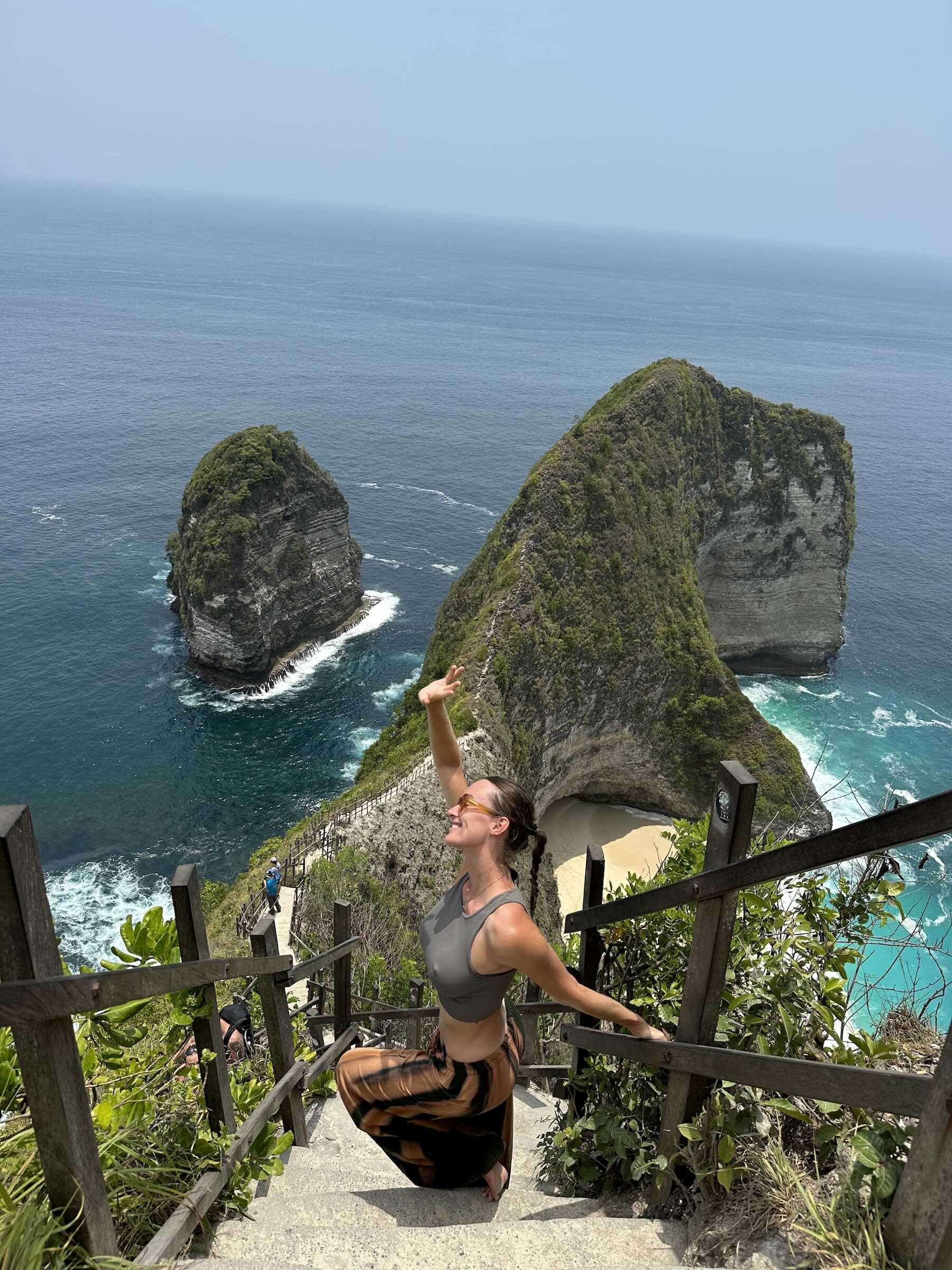
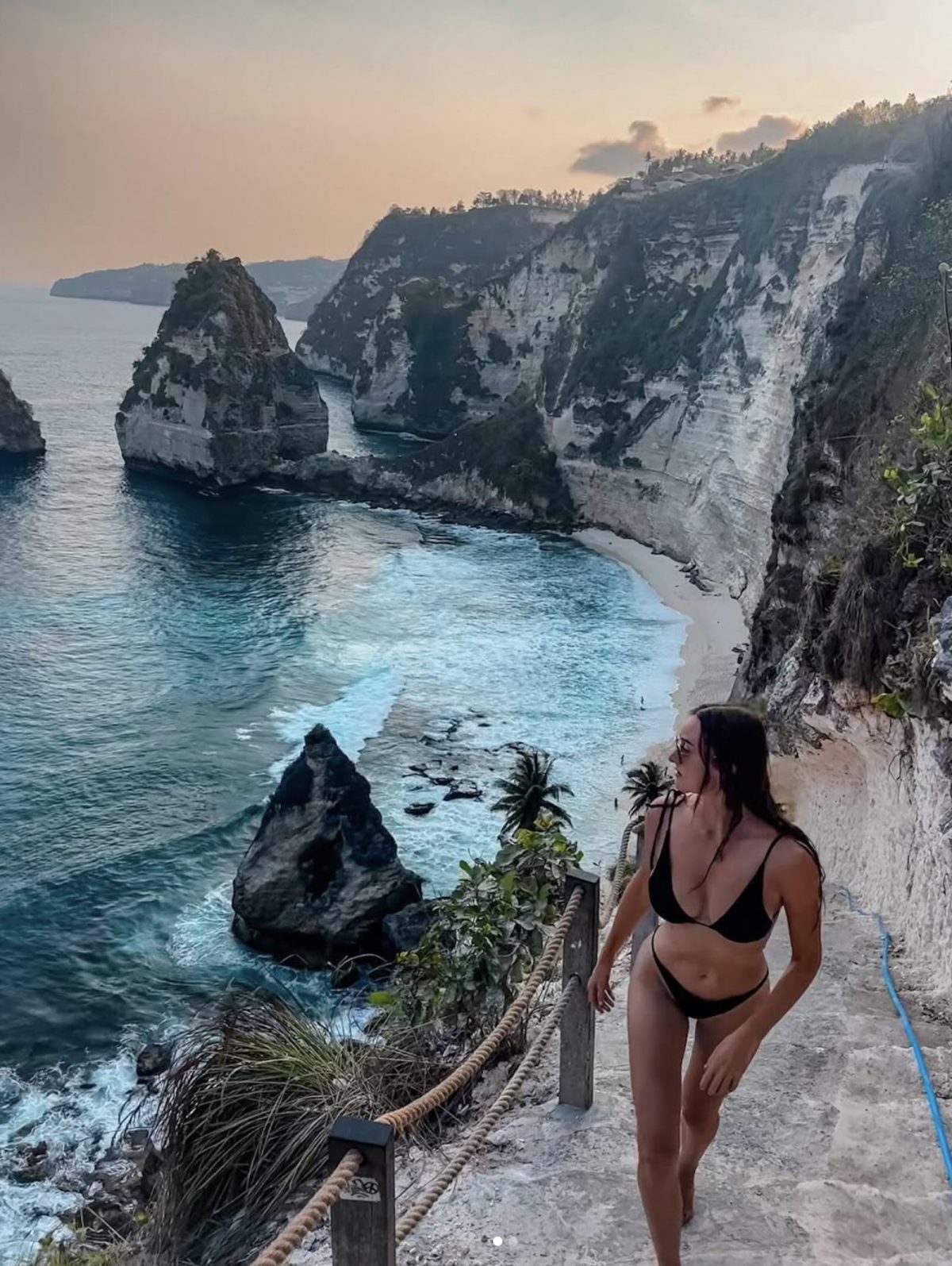
The Nusa Islands sit just off Bali’s southeast coast, but they feel different enough that I think they deserve their own travel guide. Nusa Penida is the dramatic one, with huge cliffs, wild beaches and some of Bali’s most famous viewpoints, while Nusa Lembongan and Nusa Ceningan are smaller, easier to explore and much more relaxed. If you’re thinking about adding one or all three islands to your Bali itinerary, read my Complete Nusa Islands Travel Guide for how to get there, where to stay, how many days you need, the best things to do and which island is actually right for you.

CHOOSE YOUR BASE
Where to Stay in Bali
Where you stay can make or break a Bali trip. A place that looks close on Google Maps can be separated from your hotel by enough traffic to make you reconsider your entire itinerary. This is why I recommend moving accommodation several times rather than picking one beautiful villa and attempting to explore the whole island from it.
Ubud: Best Area for First-Time Visitors
If you can only choose one inland base, make it Ubud. It puts temples, rice fields, waterfalls, culture and a huge range of restaurants within reach.
Uluwatu: Best Area for Beaches
For beautiful coastline, surfing and sunset, I prefer the Bukit Peninsula.
Canggu: Best Area for Nightlife & Social Travel
Choose Canggu if restaurants, nightlife, fitness, surfing and meeting people are high priorities.
Seminyak: Best Area for Food & Shopping
Polished, developed and convenient.
Sanur: Best Area for Families & Easy Travel
Calmer, walkable along the coast and convenient for boat transfers.
Sidemen: Best Area for Quiet Bali
Rice fields, village scenery and not much reason to rush anywhere.
Amed: Best Area for Snorkeling & Diving
Easy shore snorkeling and plenty of dive infrastructure.
Munduk: Best Area for Mountains & Waterfalls
Cooler air, lakes and waterfalls.
Kintamani: Best Area for Mount Batur
Sleep here the night before the sunrise hike.
Menjangan: Best Area for Diving & Nature
Worth the journey if Menjangan and West Bali are part of your plan.
Want the full route? Have a look at my 2-Week Bali Itinerary.
WHEN TO GO
Best Time to Visit Bali
Bali is warm throughout the year.
The biggest seasonal difference is rainfall rather than temperature.
Indonesia’s official tourism information broadly describes April to October as the dry season in Bali and Java, with November to March generally wetter, while also noting that weather patterns can vary.
April to October: Drier Season
This is generally the easiest period for beaches, hiking, snorkeling, diving, island hopping and outdoor sightseeing. It is also Bali’s busiest broad travel period.
May, June & September: My Favorite Months
These are my sweet-spot months. You generally fall within the drier season without automatically landing in the absolute peak of July and August. If I were choosing purely on weather versus crowds, I would start here.
July & August: Peak Season
Good weather. Lots of visitors. Higher accommodation demand. Popular restaurants, beach clubs and attractions can be busier, so book anything particularly important ahead.
November to March: Wet Season
Bali becomes greener, waterfalls become fuller and humidity rises. Rain does not mean that it pours all day every day. You can still get beautiful weather. But if your itinerary relies on twelve perfect outdoor days, sunrise volcano visibility and three boat trips, you will need some flexibility.
GETTING THERE
How to Get to Bali
Flying Into Bali
Most international visitors arrive through I Gusti Ngurah Rai International Airport, DPS, in South Bali.
The airport is relatively convenient for Sanur, Seminyak, Jimbaran and Uluwatu.
Canggu, Ubud and especially the more distant parts of Bali can take considerably longer depending on traffic.
Arrange an official taxi, ride-hailing pickup where available, hotel transfer or private driver.
From Java
If you are travelling overland across Java, ferries connect Ketapang in East Java with Gilimanuk in West Bali.
This works particularly well if you’re arriving after exploring East Java and Mount Ijen.
Just remember that arriving in Gilimanuk means you have reached West Bali. You have not arrived in Canggu. There is still a substantial drive ahead.
From Lombok & the Gili Islands
Fast boats connect Bali with Lombok and the Gili Islands through several Bali ports, depending on operator and route.
Boat timetables, sea conditions and departure points can change, so check directly with your operator shortly before travelling.
If Bali is part of a larger Indonesia trip, continue to my Lombok Travel Guide or main Indonesia Travel Guide.
GETTING AROUND
How to Get Around Bali
Transport is one of the most important things to understand before planning Bali. There is no tourist train network conveniently connecting Canggu, Ubud, Uluwatu, Amed and Munduk. For most visitors, you will use a combination of:
Private Driver
This is often my preferred option for long sightseeing days. A private driver makes particular sense for:
- Airport transfers
- Moving between hotels
- Waterfall days
- Temple routes
- East or North Bali
- Longer sightseeing days
Agree on the price and what is included before leaving.
Scooter
Scooters are cheap, practical and often faster than cars in Bali traffic. That does not mean everybody should ride one. Only ride if you are experienced, appropriately licensed and properly insured. Wear a helmet. Do not drink and ride.
Grab & Gojek
Ride-hailing apps are extremely useful in many developed areas. They work well for short journeys, food delivery and motorbike taxis. Availability can become less reliable in more remote places such as Munduk, Sidemen, Amed and Northwest Bali. There are also some locations where local transport arrangements affect pickup points.
Bali Traffic
This deserves its own subsection because it affects almost every itinerary. Do not plan purely by kilometers. Plan by travel time. A place that looks fifteen kilometers away can take surprisingly long depending on:
- Traffic
- Rain
- Roadworks
- Ceremonies
- School traffic
- Time of day
- General Bali chaos
This is precisely why I recommend moving between areas rather than staying in Canggu and attempting day trips to Uluwatu, Ubud, Amed, Kintamani and Munduk.
CULTURE & ETIQUETTE
Bali Culture & Temple Etiquette
One of the things that makes Bali genuinely different from many tropical destinations is how visible religion and tradition remain in everyday life. Offerings sit outside shops. Ceremonies stop traffic. Temple processions appear in villages. People dressed for religious ceremonies walk past restaurants full of tourists ordering smoothie bowls.
These worlds exist beside each other every day.
Balinese Hinduism
Bali is predominantly Hindu, with traditions that have developed distinctly within Indonesia.
Temples, household shrines, ancestor worship, offerings and ceremonies are part of everyday life.
You do not need to understand every ritual. You do need to remember that these practices exist for the people who live here, not for the benefit of visitors.
Canang Sari
The small palm-leaf offerings filled with flowers and other symbolic items are known as canang sari.
You will see them outside homes, businesses and temples and along pavements.
Try not to step directly on them.
Sometimes achieving this while walking along a chaotic Bali pavement requires considerably more agility than expected.
Temple Etiquette
Follow the rules displayed at each temple. Wear a sarong or sash where required. Dress respectfully. Do not climb onto shrines or sacred structures. Do not interrupt people who are praying.
And if a section is closed to tourists, your desire for a better photograph does not override the rules.
Ceremonies
Religious ceremonies can affect roads, opening hours and traffic.
If you encounter a procession or ceremony, be patient.
Watch respectfully if appropriate.
Do not walk directly through it because Google Maps insists your restaurant is seven minutes away.
Nyepi
Nyepi, the Balinese Day of Silence, is unlike almost any other travel day. Normal life across the island stops. Businesses close. Road traffic stops. The airport closes for scheduled passenger operations. Visitors must remain within their accommodation and respect the restrictions. If your trip overlaps with Nyepi, plan for it in advance. It can actually be an incredible experience.
Just do not book a full sightseeing itinerary for a day when an entire island has collectively decided not to participate.
LOCAL FOOD
What to Eat in Bali
Bali’s food scene is slightly ridiculous in the best possible way.
You can eat a cheap nasi campur in a family-run warung at lunch and somehow end up at a beautifully designed restaurant that evening where somebody has conceptualized a carrot. Enjoy both. But do not spend an entire Bali trip eating Western food because Canggu made it convenient.
Babi Guling
Balinese roast suckling pig seasoned with spices and usually served with rice, vegetables, crispy skin, sambal and other accompaniments.
If you eat pork, this is one of Bali’s classic dishes.
Sate Lilit
Seasoned minced meat or fish wrapped around a skewer, often lemongrass or bamboo. It tastes very different from the peanut-sauce satay many visitors associate with Indonesia.
Lawar
A traditional mixture of chopped vegetables, coconut, herbs and spices, sometimes combined with meat depending on the version.
Nasi Campur
One of the easiest ways to try several things at once. Rice comes with a selection of smaller dishes that can include vegetables, chicken, tofu, tempeh, egg, sambal and other sides.
Fresh Fish & Seafood
Coastal places such as Amed and Jimbaran are particularly good for simple grilled seafood. Sometimes grilled fish, sambal and rice ends up being far more memorable than the restaurant with the seven-page cocktail menu.
Eat in Warungs Too
Bali’s cafés are genuinely excellent. Enjoy them. But eat in local warungs as well. Some of my favorite Indonesian meals have come with plastic chairs, no branding strategy and a bill that costs less than one Canggu smoothie.
SAFETY
Is Bali Safe?
Bali is one of Indonesia’s easier destinations to travel, but there are still a few things worth taking seriously. The risks most travelers are likely to encounter are less dramatic than the stories that circulate online. I would pay particular attention to traffic, scooters, ocean conditions, animals, weather and petty theft.
Scooters & Traffic
Road accidents are one of the most obvious practical risks for visitors. People underestimate traffic, wet roads, night riding and their own riding ability. If you don’t normally ride motorbikes, you do not have to become a scooter person simply because you landed in Bali.
Ocean Conditions
Some of Bali’s prettiest beaches have strong currents, exposed reef and large waves. This is particularly relevant around parts of South Bali and Uluwatu. Blue water does not automatically mean safe swimming. Pay attention to warning flags, lifeguards and local advice.
Monkeys & Animals
Monkeys around Ubud, Uluwatu and other tourist sites are wild animals even though they are extremely accustomed to humans. Do not feed them. Do not try to touch them. Keep loose belongings secured. Animal bites and scratches should be taken seriously.
Petty Theft
Use ordinary travel precautions in busy tourist areas. Keep valuables secure and be careful holding your phone loosely beside roads or while riding on a scooter.
Natural Hazards
Bali sits in a geologically active part of Indonesia. Earthquakes, volcanic activity, heavy rain, flooding and landslides can occur. Weather can also affect boats, volcano hikes and flights. Check current local information if conditions are unusual rather than relying on what somebody experienced several months earlier.
Solo Female Travel
Bali is generally one of the easier parts of Indonesia for solo female travel. Tourism infrastructure is extensive and drivers, hotels, restaurants and activities are easy to arrange independently. The usual precautions still apply around nightlife, transport, drinks and late-night journeys.
VISA & ENTRY
Bali Visa, Tourist Levy & Entry Requirements
Indonesia Visa on Arrival
Eligible nationalities can use Indonesia’s B1 Visa on Arrival or electronic Visa on Arrival for tourism. The current B1 rules allow an initial stay of up to 30 days, with one extension available for a total stay of up to 60 days. The current government fee is IDR 500,000, and the official requirements include a passport valid for at least six months plus a return or onward ticket.
Because nationality eligibility and visa categories can change, always check the official Indonesian Immigration information before travelling.
Check Indonesia’s official visa information
Bali Tourist Levy
Bali also has a separate levy for foreign tourists.
The current levy is IDR 150,000 per eligible foreign tourist. Certain visa and residence categories are exempt, including specified diplomatic, residence, family, student and other categories under Bali’s current regulations.
Use the official provincial system rather than a random third-party payment site:
Official Love Bali tourist levy website
All Indonesia Arrival Declaration
There is another important update for newer Bali guides.
Indonesia now requires international passengers to complete the All Indonesia arrival declaration. It combines immigration, customs, health and quarantine arrival information into one digital declaration. The system became mandatory for all international passengers nationwide from October 1, 2025.
Complete the official All Indonesia declaration
Before You Fly
Before travelling, check:
- Your visa or visa exemption
- Passport validity
- Onward or return ticket requirements
- All Indonesia declaration
- Bali tourist levy
- Any current airline or immigration requirements
Entry rules change.
This is one section of my travel guide where I would always check the official sites again, even if you have visited Bali before.
GOOD TO KNOW
Bali Travel Tips
1. Do Not Stay in One Place
Probably the single most important planning tip on this page. Split your trip between different areas.
2. Plan Around Time, Not Distance
Twenty kilometers in Bali can mean something very different at 7 AM and 5 PM.
3. Start Famous Attractions Early
This makes a huge difference at places such as Tegallalang, popular waterfalls and major viewpoints. Bali has lots of tourists. You are also one of them. The solution is timing, not being personally offended by everybody else’s existence.
4. Hire a Driver for Long Sightseeing Days
For full days of temples, waterfalls or inter-region travel, having a driver can save an enormous amount of hassle.
5. Only Ride a Scooter if You Know How
Have the correct license, insurance and experience. Vacation does not automatically unlock motorbike skills.
6. Carry Some Cash
Cards are widely accepted in tourist areas, but small warungs, parking areas, temples, markets and rural businesses may still prefer cash.
7. Do Not Drink Tap Water
Drink bottled, filtered or otherwise properly treated water.
8. Check Tides Before Beach Days
This matters particularly around Uluwatu and reef beaches. A beach can change dramatically between high and low tide.
9. Respect Ceremonies
Processions and ceremonies may temporarily affect traffic. This is Bali being Bali, not an inconvenience staged specifically against your itinerary.
10. Leave Space in Your Schedule
You do not need to see every famous attraction. Some of the best Bali days involve very little beyond a beautiful road, a warung, a beach and nowhere particularly urgent to be.
PACKING
What to Pack for Bali
You do not need specialist expedition equipment for Bali. I would bring:
- Lightweight breathable clothing
- Swimwear
- Sunscreen
- Mosquito repellent
- Sunglasses and a hat
- Comfortable sandals
- Proper shoes if hiking Mount Batur
- A light rain jacket in wetter months
- Reusable water bottle
- Dry bag for boats and snorkeling trips
- Power bank
- Small first-aid kit
- Water shoes if you plan to snorkel rocky beaches
- A light layer for Kintamani or Munduk
- Some cash
- Travel insurance details
- Offline maps
Do not panic-pack your entire wardrobe. Bali has shops. Many, many shops.
Frequently Asked Questions About Visiting Bali
Is Bali expensive?
Bali can be affordable or wildly expensive, depending on how you travel. Local warungs, guesthouses, scooters and simple beach days can keep costs low, while beach clubs, private villas, Western cafés and trendy areas like Canggu or Seminyak can get expensive quickly. Bali is still good value compared to Europe or Australia, but it is not the “everything costs nothing” island people sometimes imagine.
How many days do you need in Bali?
For a first trip, I would spend at least 10 to 14 days in Bali. That gives you enough time to see a few different sides of the island, like Ubud for rice fields and temples, Uluwatu or Canggu for beaches, Munduk or Sidemen for quieter nature, and Nusa Penida or Nusa Lembongan for an island escape. You can visit Bali in one week, but you will need to choose carefully and accept that you cannot see everything.
What is the best month to visit Bali?
The best months to visit Bali are usually May, June and September. These months are around the dry season, but often less crowded than July and August. The rainy season, roughly November to March or April, does not mean it rains all day every day, but you should expect more humidity, heavier showers and messier travel days.
Is Bali safe for solo female travelers?
Bali is generally one of the easier places in Southeast Asia for solo female travelers, especially in areas like Ubud, Canggu, Uluwatu, Sanur and Seminyak. Still, normal common sense applies. Be careful on scooters, watch your valuables, avoid walking alone late at night in quiet areas, and keep an eye on drinks in nightlife spots. Bali is friendly, but it is still real life, not a smoothie bowl protected by angels.
Do you need a scooter in Bali?
You do not need a scooter in Bali, but it can make some areas easier if you are confident, experienced and properly insured. Traffic can be chaotic, and scooter accidents are very common among tourists who underestimate the roads. If you are not comfortable riding, use Grab, Gojek, taxis or private drivers instead. For longer day trips, a private driver is usually much less stressful. If you do decide to rent, scooters usually cost around IDR 70,000 to 100,000 per day and give you the most freedom.
Is Nusa Penida worth it?
Yes, Nusa Penida is worth visiting if you want dramatic cliffs, wild viewpoints and some of the most iconic scenery near Bali. Kelingking Beach, Diamond Beach, Atuh Beach and the coastal viewpoints are genuinely impressive. But Nusa Penida is not a soft, easy beach island. Roads can be rough, distances take longer than expected, and the famous viewpoints can get crowded. I would stay at least one night if you can.
Where should first-timers stay in Bali?
For a first Bali trip, I would split your stay between two or three areas. Ubud is great for rice fields, temples, waterfalls and a calmer start. Uluwatu is best for cliffs, beaches and sunsets. Canggu is good for cafés, surf, nightlife and a social scene, but it is also busy and traffic-heavy. Sanur is easier and calmer, especially if you want boat access to Nusa Penida or Nusa Lembongan.
Is Bali still worth visiting?
Yes, Bali is still worth visiting, but where you go makes a huge difference. Areas like Canggu, Seminyak and central Ubud can feel very busy, while places such as Sidemen, Munduk, Amed, Menjangan and parts of North and East Bali offer a much quieter experience. Bali still has incredible temples, rice terraces, waterfalls, beaches, snorkeling, volcanoes, food and culture, but I wouldn’t come expecting the untouched island you might have seen in old travel photos. Mix the famous places with a few quieter regions and Bali is absolutely still worth the trip.
Can you drink tap water in Bali?
No, do not drink tap water in Bali. Use bottled water, filtered water or refill stations where available. Be careful with ice in very local places, wash your hands often, and avoid food that looks like it has been sitting around in the heat having a personal crisis. Bali Belly is common, and while you cannot avoid every risk, being a little careful helps.
Do you need a visa for Bali?
Most travelers need either a visa on arrival, an e-VOA or another valid entry option for Indonesia, depending on nationality and trip length. Bali follows the same visa rules as the rest of Indonesia, so always check the official Indonesia eVisa website before you travel. If you are visiting Bali, also check the Bali tourist levy rules before arrival.
EXPLORE MORE
Continue Exploring Indonesia
Bali is an incredible introduction to Indonesia, but the country becomes much more interesting once you realize how completely different its islands are from one another.
Not sure what comes next, continue with my 2-Week in Bali Itinerary or have a look at my 3-Week Indonesia Itinerary to see how I would combine different parts of the country without turning the entire holiday into transport.
Trying to decide which islands are actually worth your time? Read my 10 Best Islands in Indonesia, or have a look at my Travel Guides below.
TROPICAL GETAWAY
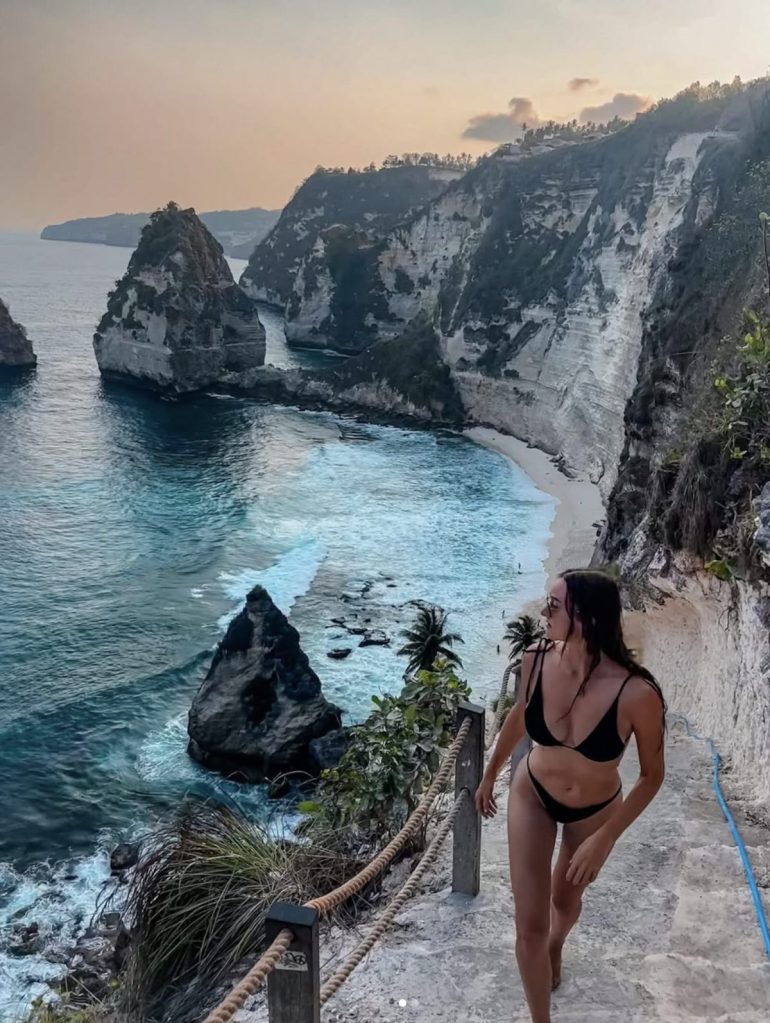
Nusa Islands Travel Guide

TRAVEL GUIDE
Best Snorkeling in Bali
TRAVEL GUIDE
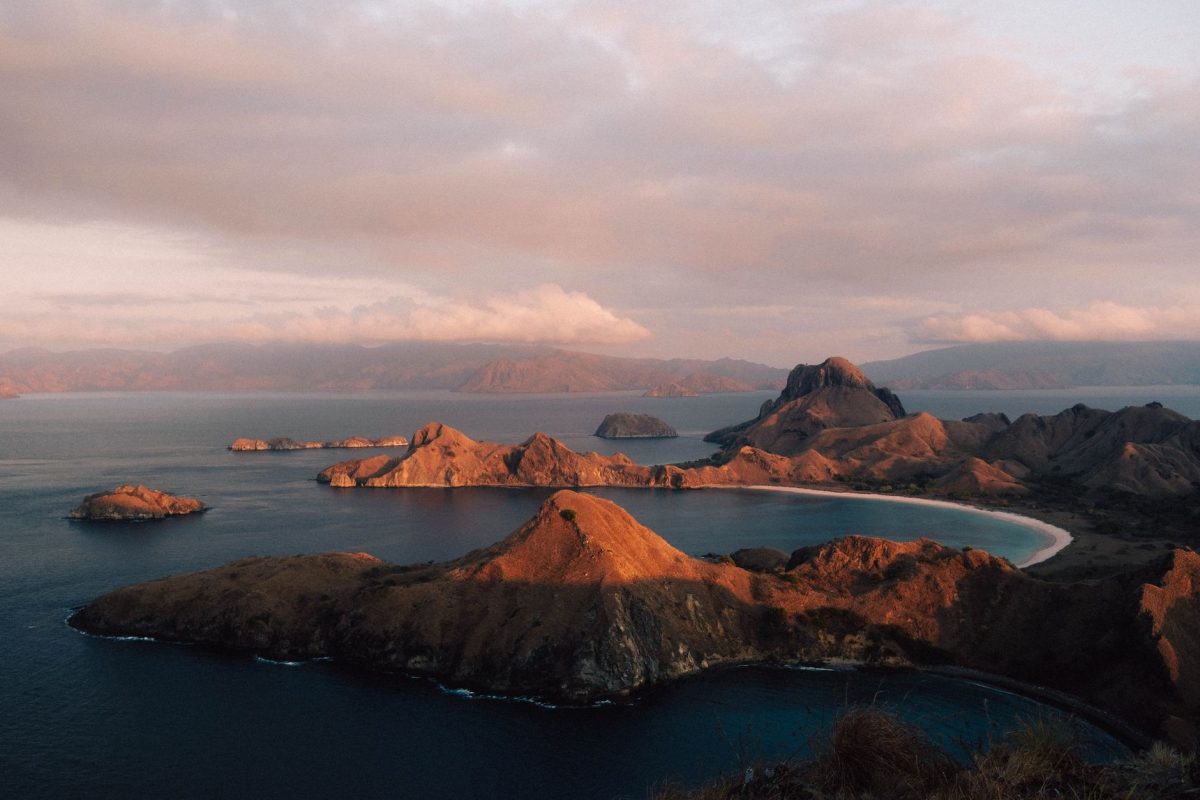
Top 10 Islands in Indonesia

ITINERARY
2 Weeks In Bali
ITINERARY
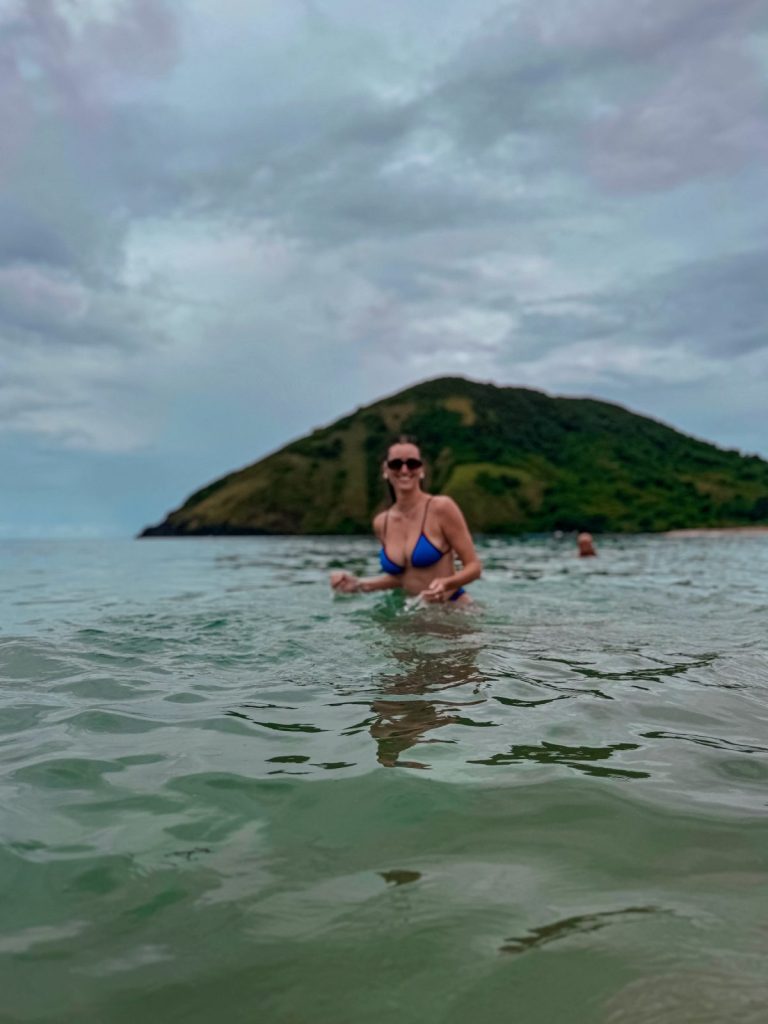
3 Weeks In Indonesia

TRAVEL GUIDE
Best Volcano Hikes in Indonesia


NEWSLETTER
Subscribe for travel tips, new vlogs & life behind the scenes.
© 2026 Keep Up With Car – All rights reserved.
