
Last updated on September 2nd 2026
2 Weeks in Mauritius: The Perfect 14-Day Itinerary (2026)
A realistic Mauritius road trip covering the best beaches, hikes, wildlife, island trips and places actually worth your time.
Sitting off the east coast of Africa, Mauritius is a tropical gem in the Indian Ocean, known for its beautiful beaches, lush jungle and vibrant mix of cultures. With enough time, you can even combine your Mauritius trip with a visit to Réunion Island, which is only a 45-minute flight away.
Wondering what to see and do while you are there? This two-week Mauritius itinerary covers my favourite places, practical travel tips and the must-see experiences you should not miss.
INTRO
Why Mauritius
I spent three weeks exploring Mauritius, travelling across the north, east, west and south of the island with my twin sister and my mum.
We searched for wild whales, swam with dolphins, went deep-sea fishing, flew over the famous underwater waterfall, hiked, snorkeled, drove through tea plantations, visited Port Louis, explored offshore islands and spent a frankly respectable amount of time lying horizontally beside turquoise water.
And if I had exactly 2 weeks in Mauritius, this is the route I would follow.
This 14-day Mauritius itinerary is built around three different bases, which means less pointless driving and more time actually experiencing the island.
Still planning your trip? My Mauritius Travel Guide covers transport, weather, costs and practical planning, while my Best Things to Do in Mauritius guide goes much deeper into individual attractions. You can also read my detailed guide to Whale Watching in Mauritius and discover more swimming spots in my guide to the Best Beaches in Mauritius.
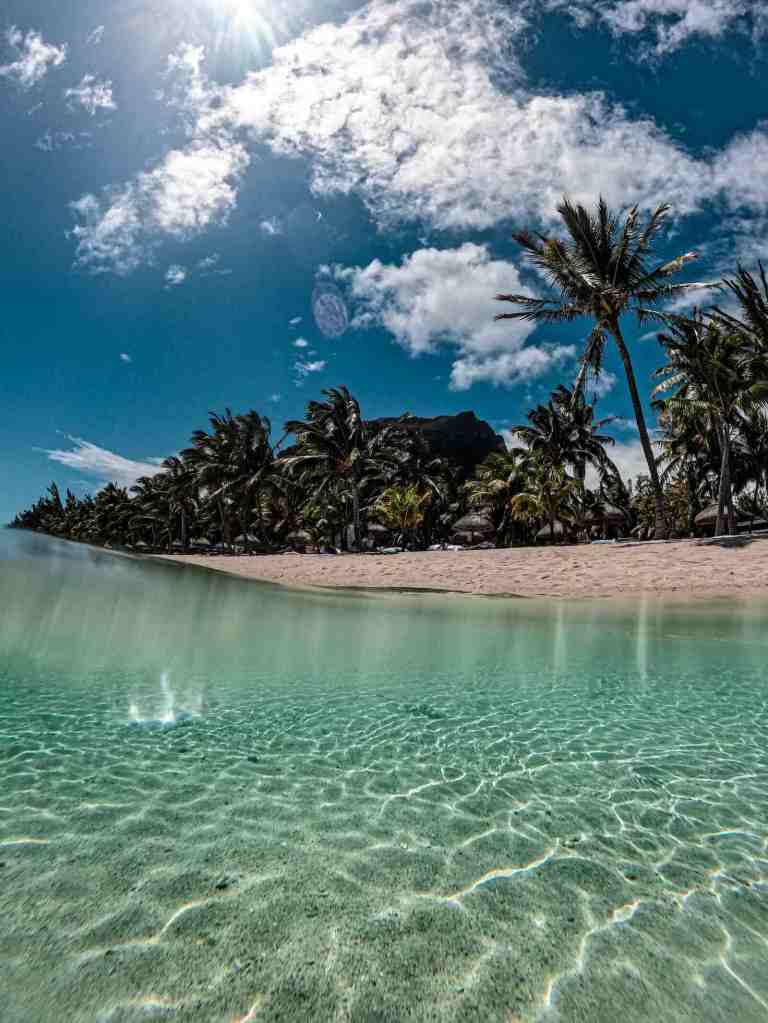
QUICK GUIDE
My 2-Week Mauritius Itinerary at a Glance
My Mauritius vlogs show the real side of traveling around the island, from dreamy beaches and whale watching to food, hotels, road trips, boat days, local moments, and all the little behind-the-scenes bits that never fully fit into a written guide.
- Day 1: Arrive in Mauritius and relax at LUX* Grand Gaube
- Day 2: Pamplemousses Botanical Garden and Château de Labourdonnais
- Day 3: Explore Port Louis and visit Trou aux Biches or Mont Choisy Beach
- Day 4: Deep-sea fishing, golf and wakeboarding at LUX* Grand Gaube
- Day 5: Travel to Constance Prince Maurice and enjoy the resort
- Day 6: Luxury boat and snorkelling trip from Constance Prince Maurice
- Day 7: Full-day Île aux Cerfs boat tour
- Day 8: Visit Bois Chéri and Vallée des Couleurs, then check into LUX* Le Morne
- Day 9: Whale watching
- Day 10: Swim with dolphins, snorkel at Crystal Rock and visit Île aux Bénitiers
- Day 11: Explore Black River Gorges National Park, Chamarel Waterfall, Seven Coloured Earth and Rumerie de Chamarel Tasting.
- Day 12: Hike Le Morne Brabant and relax at Le Morne Beach
- Day 13: Take a seaplane flight from LUX* Le Morne and enjoy the resort
- Day 14: Relax at Flic en Flac and depart Mauritius
Where You Will Sleep
Days 1 to 4: Northern Mauritius
Days 5 to 7: Eastern Mauritius
Days 8 to 14: Southwest Mauritius
That means only three accommodation bases during your entire two weeks in Mauritius.
Much better than packing your suitcase every forty-seven minutes.
Mauritius is only around 61 km long and 45 km wide, but travel times are often longer than the distances suggest. The official Mauritius tourism transport guide is useful when deciding whether to rent a car, use buses or arrange taxis and private drivers.
HOW LONG
Is Two Weeks in Mauritius Enough?
Yes.
Actually, I think two weeks is close to the sweet spot for Mauritius if you want more than a resort holiday.
Seven days is enough to see several highlights, but you will have to choose carefully.
Ten days works well.
Fourteen days gives you enough time to explore completely different parts of Mauritius, take several boat trips, hike, discover the interior and still have actual beach days without treating your holiday like an episode of The Amazing Race.
I would not spend all 14 nights in one hotel.
Technically, you can.
But you will waste much more time driving.
Instead, split the island geographically.
WHERE TO STAY
Where to Stay During a 2-Week Mauritius Itinerary
I stayed at three very different luxury resorts during my Mauritius trip.
LUX Grand Gaube* in the north. Constance Prince Maurice in the northeast. And LUX Le Morne* in the southwest.
All three were beautiful, but you absolutely do not need a five-star hotel budget to follow this itinerary.
The important part is the location, not the logo embroidered onto your bathrobe.
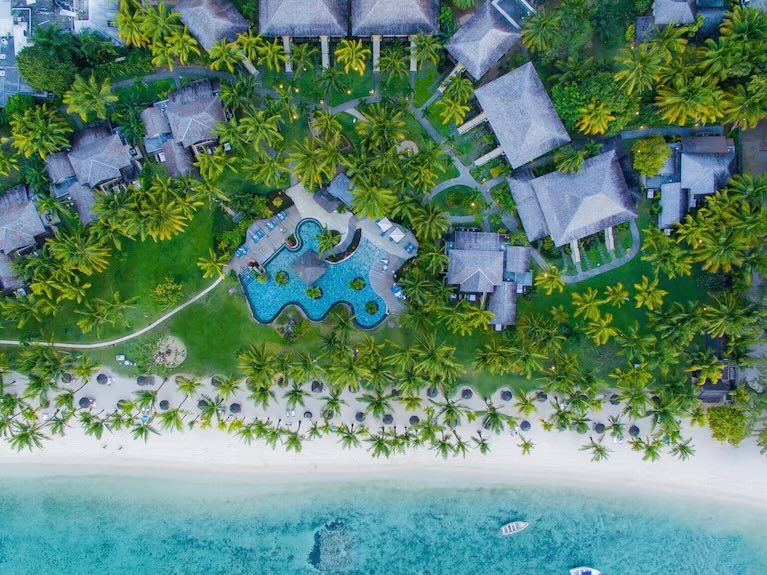

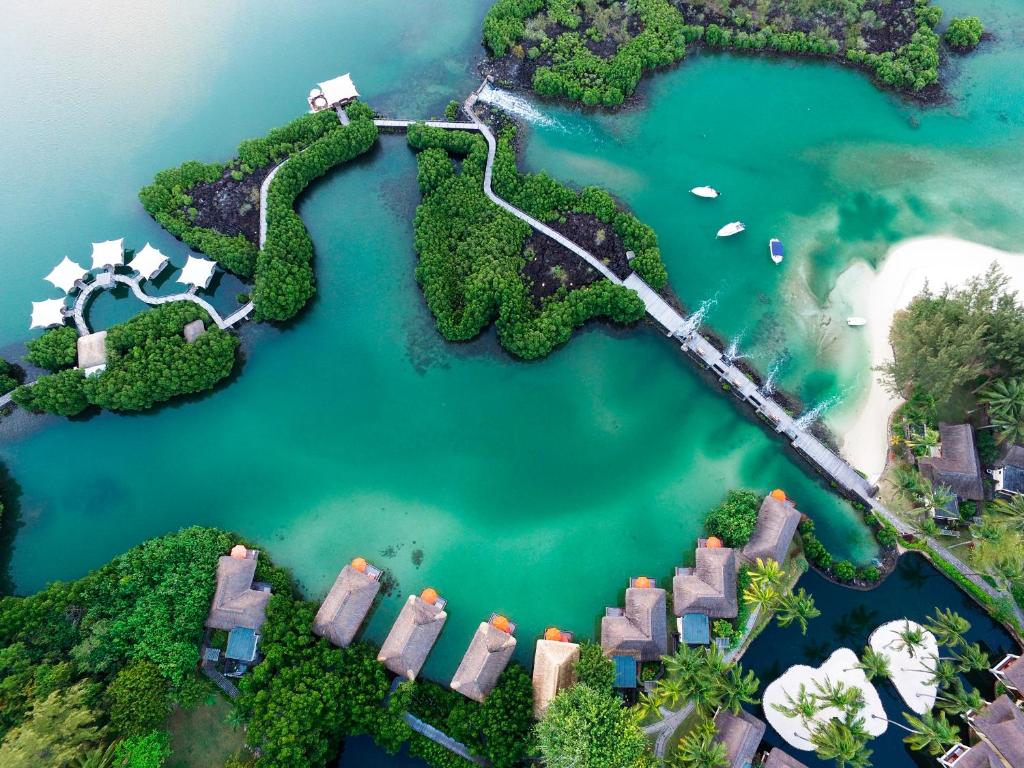
Days 1 to 4: Stay in Northern Mauritius
Good areas include:
Grand Gaube, Grand Baie, Pereybere, Trou aux Biches and Mont Choisy.
I stayed at LUX Grand Gaube*, which worked well because it gave us easy access to northern Mauritius while still feeling quiet and removed from Grand Baie’s busier tourist scene.
The north is particularly useful for:
- Pamplemousses
- Château de Labourdonnais
- Port Louis
- Grand Baie
- Northern beaches
- Fishing trips
Days 5 to 7: Stay on the East or Northeast Coast
I stayed at Constance Prince Maurice.
The east feels noticeably quieter than northern or western Mauritius and has long beaches, lagoons and several high-end resorts.
It is also a convenient base for Île aux Cerfs.
Belle Mare and Trou d’Eau Douce are other good areas if you want more accommodation choices.
Days 8 to 14: Stay Around Le Morne, La Gaulette or Black River
This is where I would spend the largest portion of the trip.
I stayed at LUX Le Morne*, directly beneath Le Morne Brabant. And yes. The location is absurd.
From this part of Mauritius you can easily reach:
- Le Morne
- Chamarel
- Black River Gorges
- Black River
- Tamarin
- Île aux Bénitiers
- Whale-watching departures
- Dolphin trips
- Flic-en-Flac
If LUX* Le Morne is outside your budget, La Gaulette and Black River are excellent alternatives and tend to have apartments, guesthouses and smaller hotels.
THINGS TO KNOW
Before Starting Your Mauritius Road Trip
Rent a Car in Mauritius
For this particular itinerary, I strongly recommend renting a car.
Mauritius has buses, taxis and private drivers, but a rental car makes a road trip infinitely easier.
You can leave whenever you want, stop at random beaches, change plans when the weather turns and avoid arranging transport separately for every attraction.
Mauritius drives on the left-hand side.
The roads are generally manageable, but some mountain and village roads are narrow and traffic around Port Louis can become slow.
The official Mauritius tourism guide to getting around the island also covers rental cars, buses, taxis and other transport options.
Complete Your Mauritius Travel Forms
Entry requirements can change, so always check the latest requirements for your nationality before flying.
Mauritius currently uses an online All-in-One Travel Form for arriving passengers.
You can check the latest requirements directly through the Mauritius Passport and Immigration Office.
Do this before heading to the airport rather than discovering it while somebody behind you becomes increasingly annoyed in the check-in queue.
Also check whether you need a visa because requirements differ depending on nationality.
Book Weather-Dependent Activities Early
This itinerary deliberately gives you several days in southwest Mauritius.
That is useful because activities such as:
- Whale watching
- Hiking Le Morne
- Seaplane flights
- Boat trips
can be affected by weather.
If something gets cancelled, you still have enough days available to move it.
Do not book your one must-do activity three hours before your return flight.
The universe enjoys that sort of confidence far too much.
NORTH MAURITIUS
Days 1 to 4: Northern Mauritius
Northern Mauritius gives you an easy start to your trip.
There are beaches, restaurants, gardens and cultural attractions, but nothing requires an aggressive sightseeing schedule immediately after a long international flight.
Perfect.
Day 1: Arrive in Mauritius + Relax in the North
Base: Northern Mauritius
Best for: Settling in, beach time and recovering from the flight
Driving: Airport to northern Mauritius

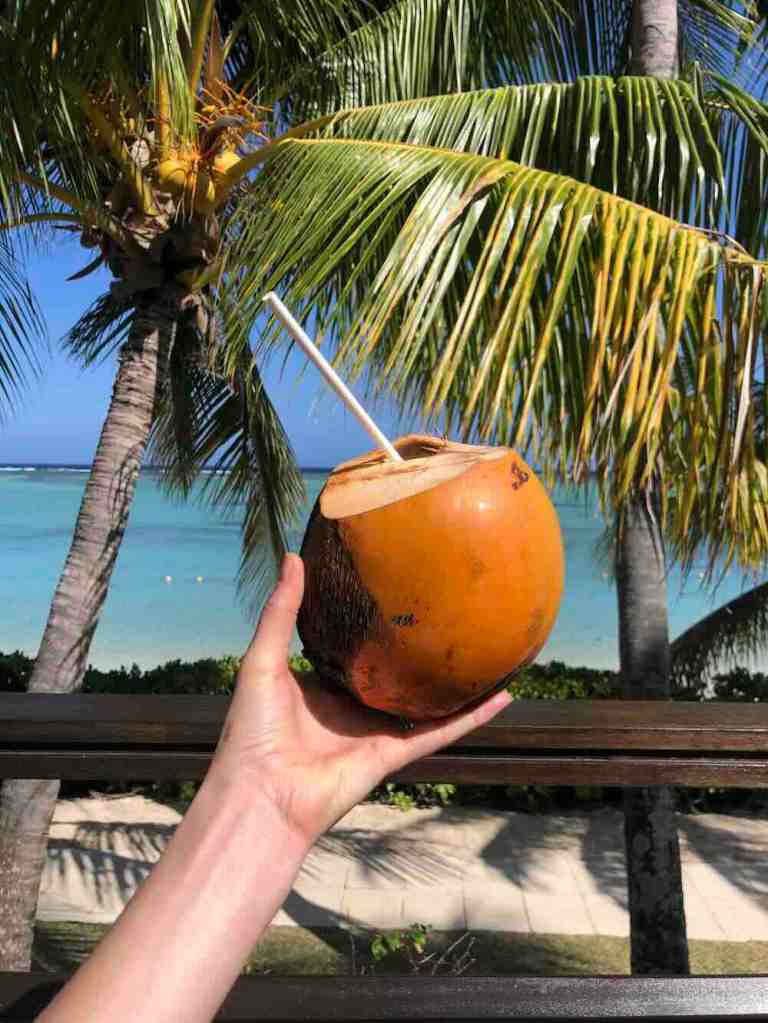


Land at Sir Seewoosagur Ramgoolam International Airport, collect your rental car and drive north.
Do not plan your most ambitious sightseeing day immediately after an overnight flight.
Check into your hotel, unpack and give yourself some time to understand which suitcase contains the sunscreen.
We stayed at LUX Grand Gaube*, so our first afternoon mostly involved exploring the resort, walking around the lagoon and immediately becoming far too comfortable.
If you arrive early, go for a swim or visit a nearby beach. If you arrive late, eat dinner and sleep.
If You Have Extra Time: Drive towards Cap Malheureux to see the famous red-roofed church overlooking the northern islands.
You can also continue into Grand Baie for dinner. But don’t force it. You have thirteen more days.
Day 2: Pamplemousses Botanical Garden + Château de Labourdonnais
Base: Northern Mauritius
Best for: Nature, history, food and an easy sightseeing day
Driving: Short northern Mauritius road trip
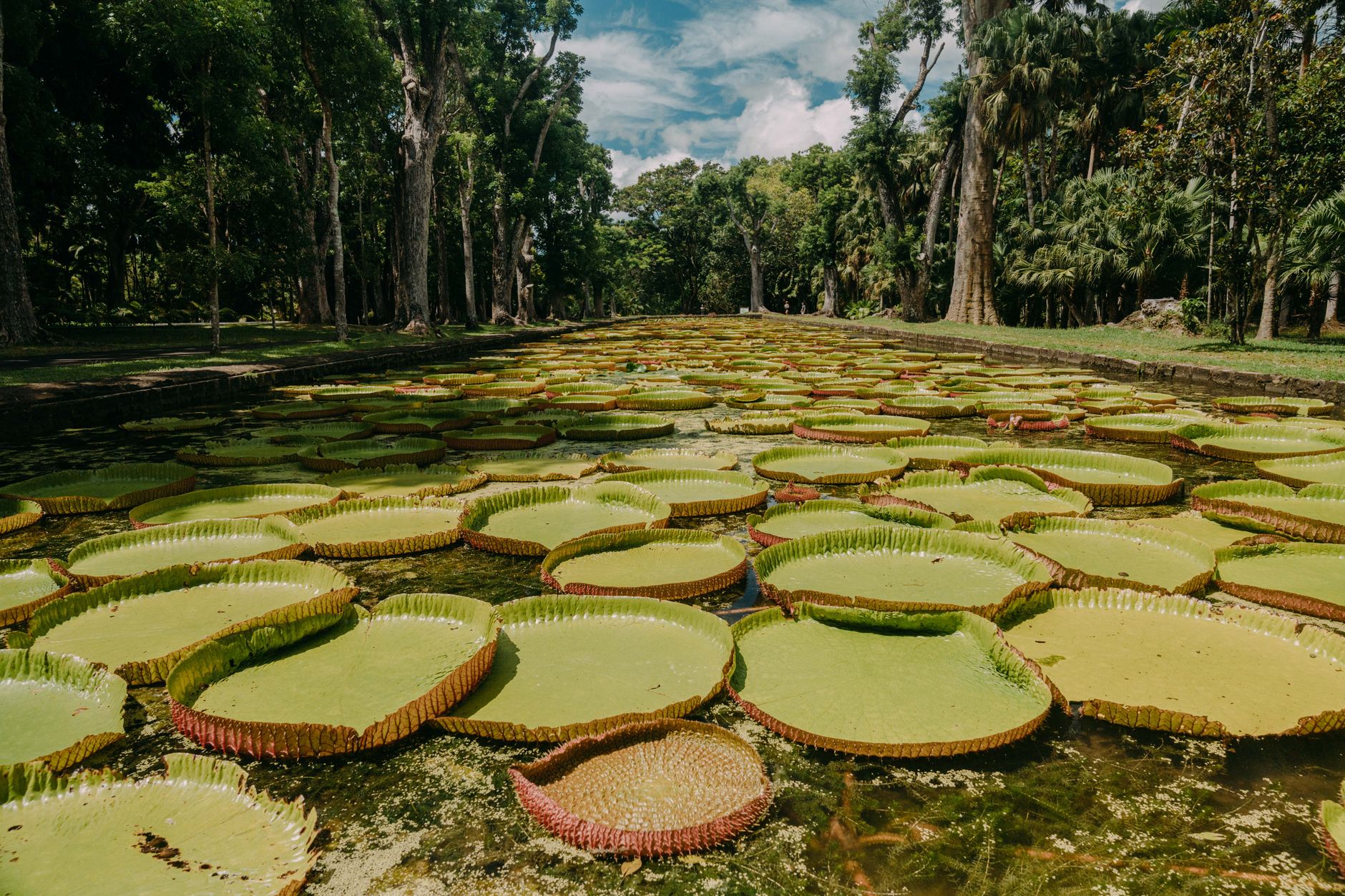
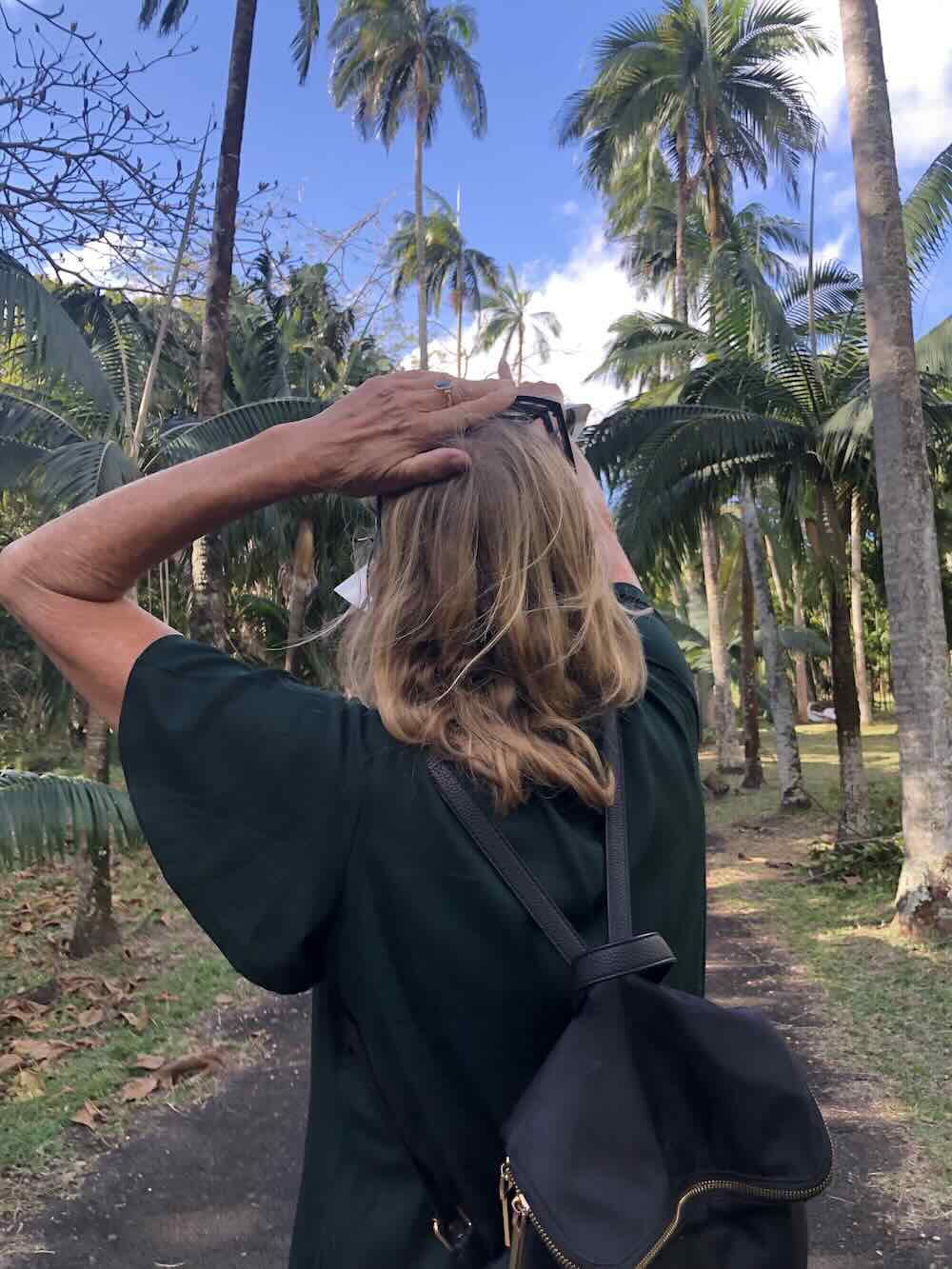

Start at the Sir Seewoosagur Ramgoolam Botanical Garden, usually known simply as Pamplemousses Botanical Garden.
It is one of Mauritius’ best-known historical gardens and is filled with enormous palms, tropical trees, ponds and the famous giant water lilies.
Allow roughly one to two hours. I would go in the morning before the heat really kicks in.
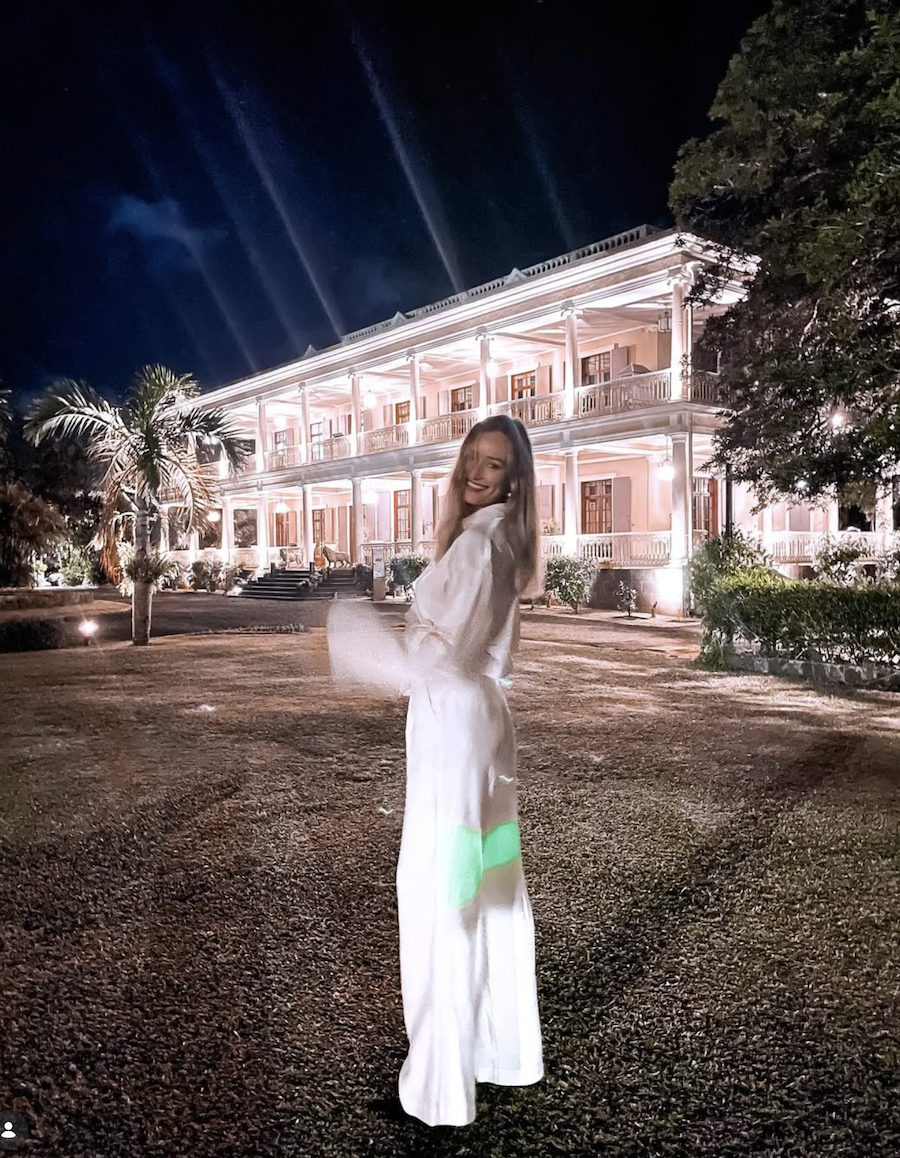
The gardens are easy to walk and make a nice introduction to the tropical side of Mauritius without immediately demanding that you climb anything. Afterwards, continue to Château de Labourdonnais. The restored colonial estate is surrounded by orchards and gardens and gives you a completely different look at Mauritian history. Walk through the mansion, explore the grounds and finish with locally made rum, fruit products or lunch.
This is one of those combinations that works geographically and actually feels like one coherent day. No two-hour cross-island detour required.
Car’s Tip: Don’t rush Pamplemousses purely to collect photos of the giant water lilies. The enormous palm-lined avenues were actually some of my favourite parts.
Day 3: Explore Port Louis + Trou aux Biches
Base: Northern Mauritius
Best for: Culture, food, city life and sunset
Main stops: Port Louis, Central Market, Chinatown, Caudan Waterfront and beach
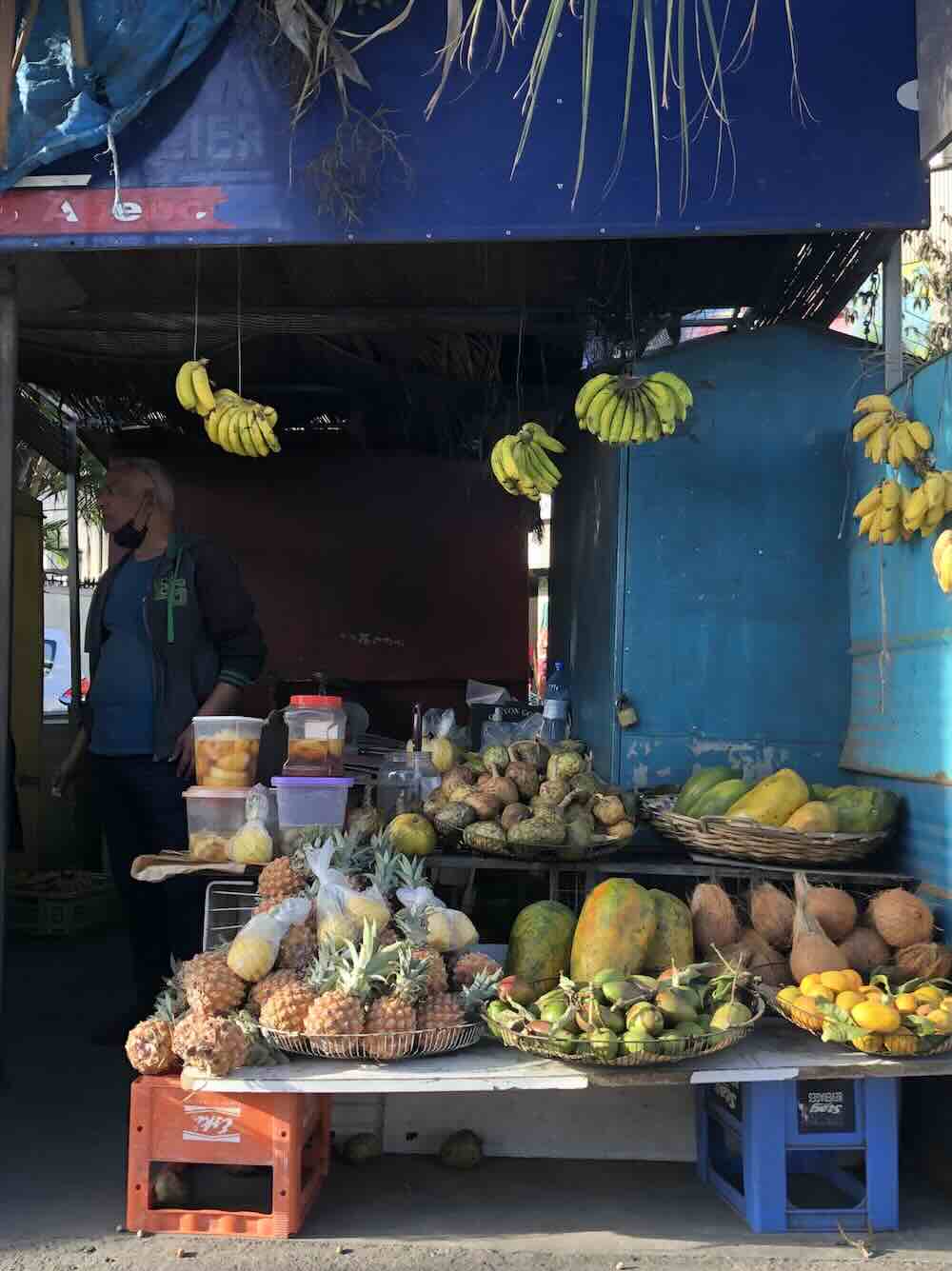
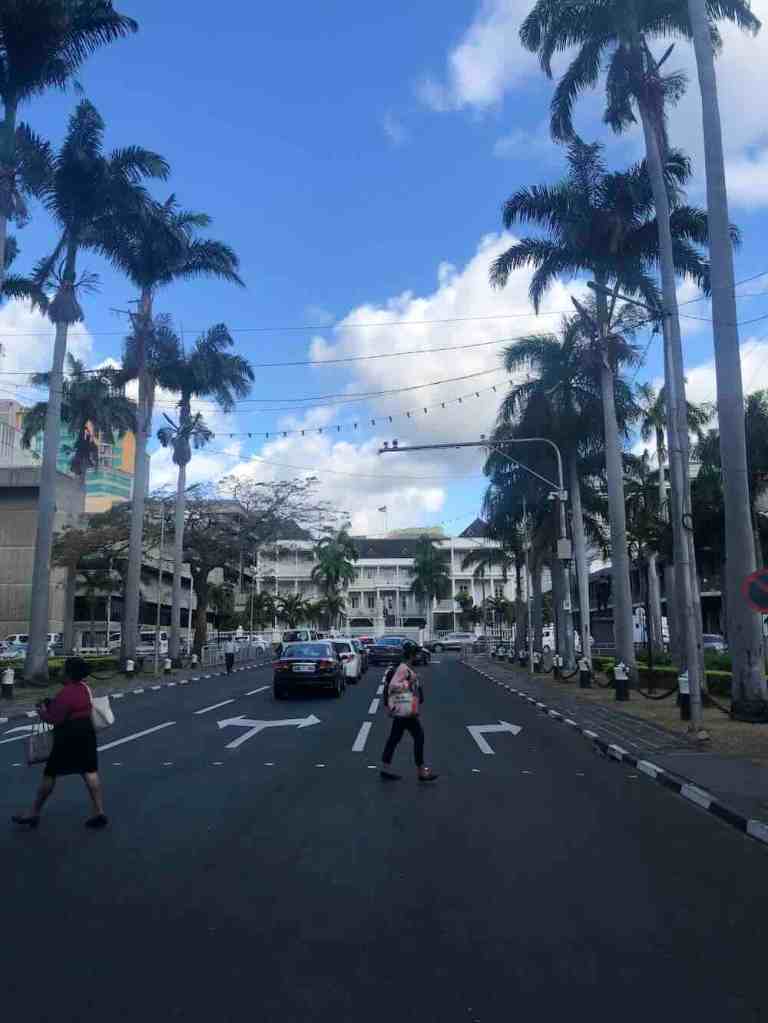
Today you are leaving resort Mauritius behind for a few hours. Drive into Port Louis, the capital. Start early because the city becomes hotter and busier later in the day.
Head towards Central Market, where you will find fruit, vegetables, spices, food stalls and a considerably more everyday version of Mauritius than the hotel breakfast buffet. Then walk through Chinatown and towards Caudan Waterfront.
If you are interested in Mauritian history, add Aapravasi Ghat, a UNESCO World Heritage Site connected to the history of indentured labour on the island.
Once you have had enough city for one day, drive north towards the coast. Spend the afternoon at either:
Trou aux Biches, if you want restaurants and easy swimming. Or: Mont Choisy, if you want more space and a slightly more relaxed beach.
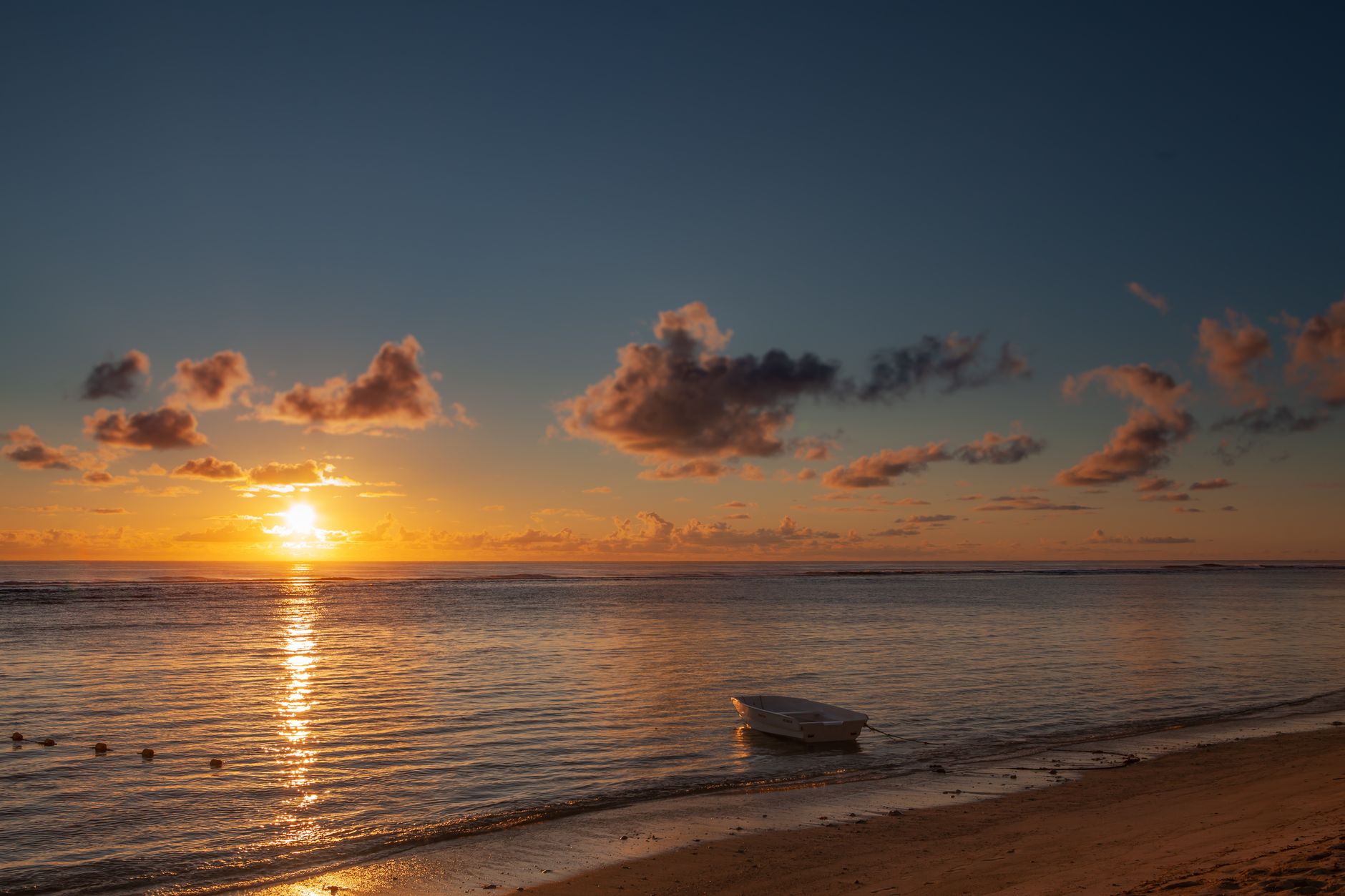
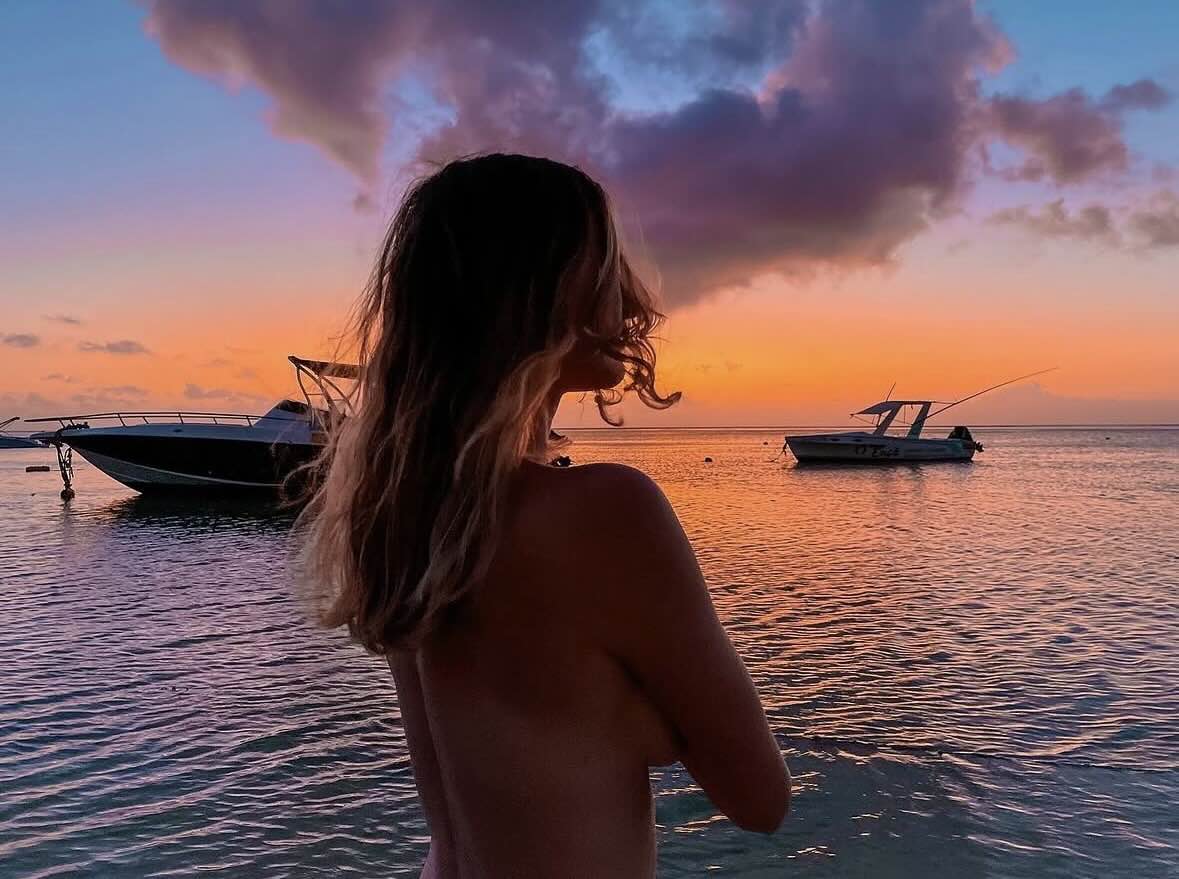
I personally think Trou aux Biches is one of the best swimming beaches in Mauritius. Stay for sunset. Then find dinner somewhere along the northwest coast.
I compare the beaches properly in my Best Beaches in Mauritius guide.
Day 4: Deep-Sea Fishing + Grand Baie
Base: Northern Mauritius
Best for: Fishing, ocean adventure and a slower afternoon
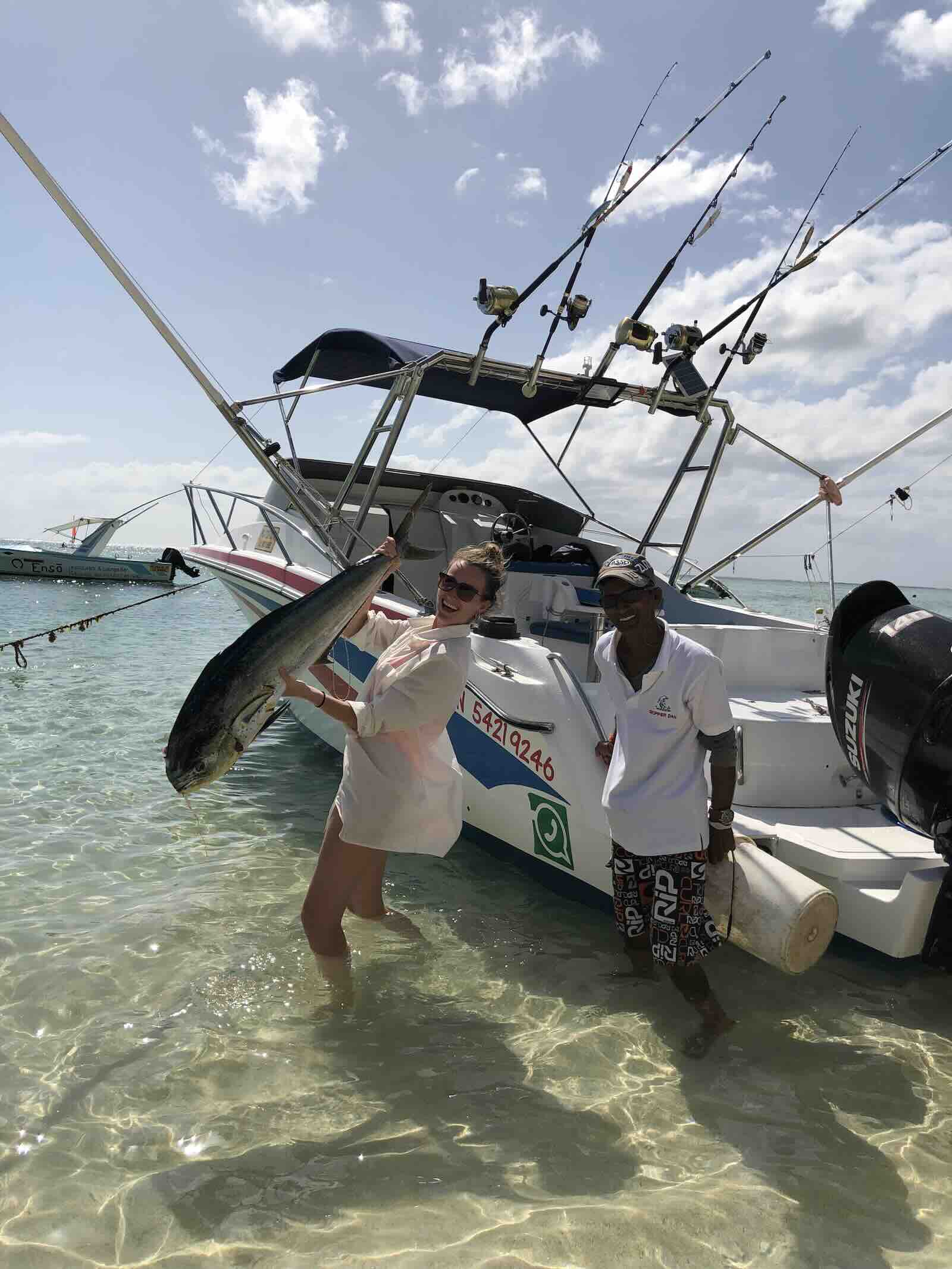
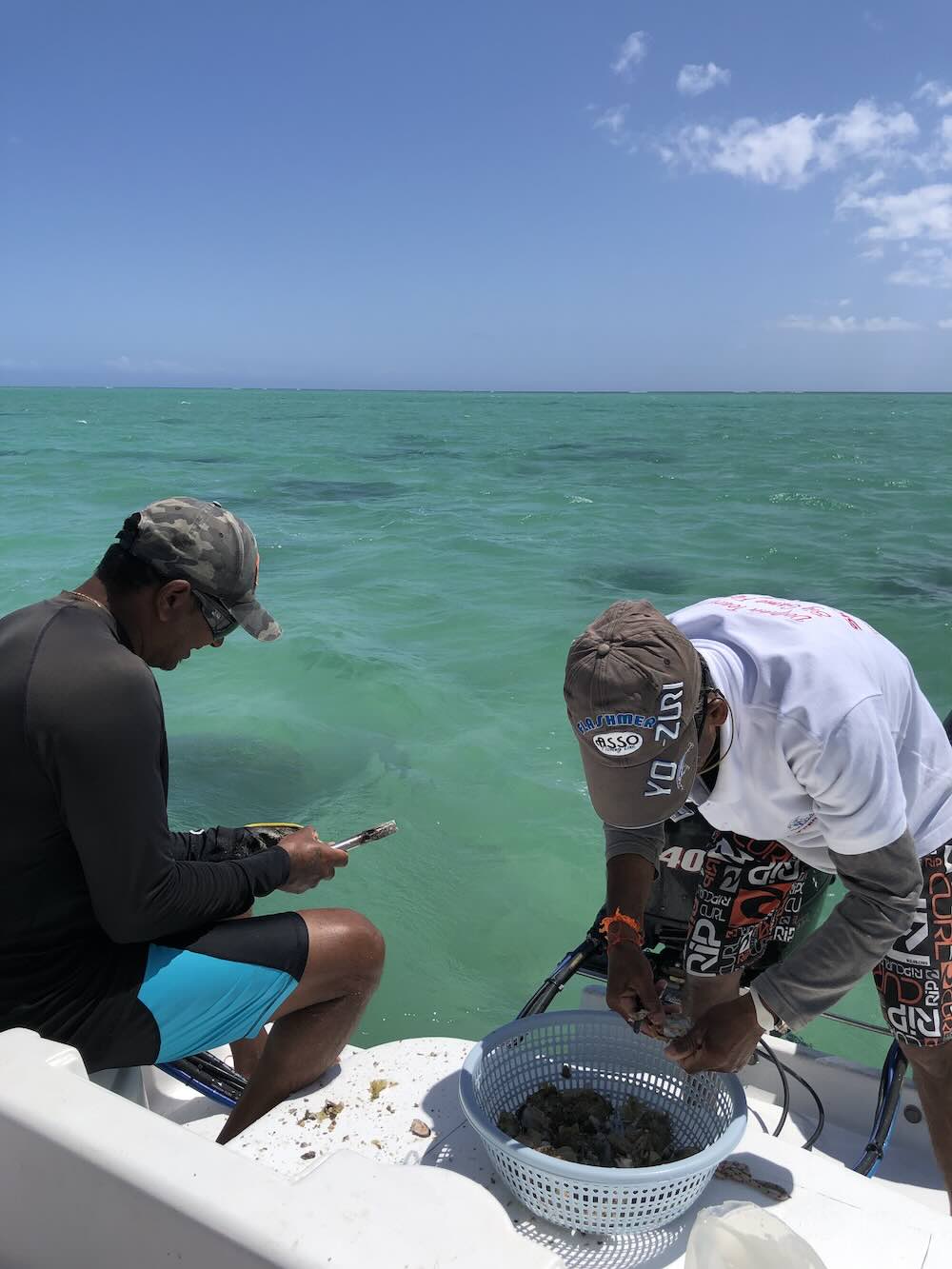
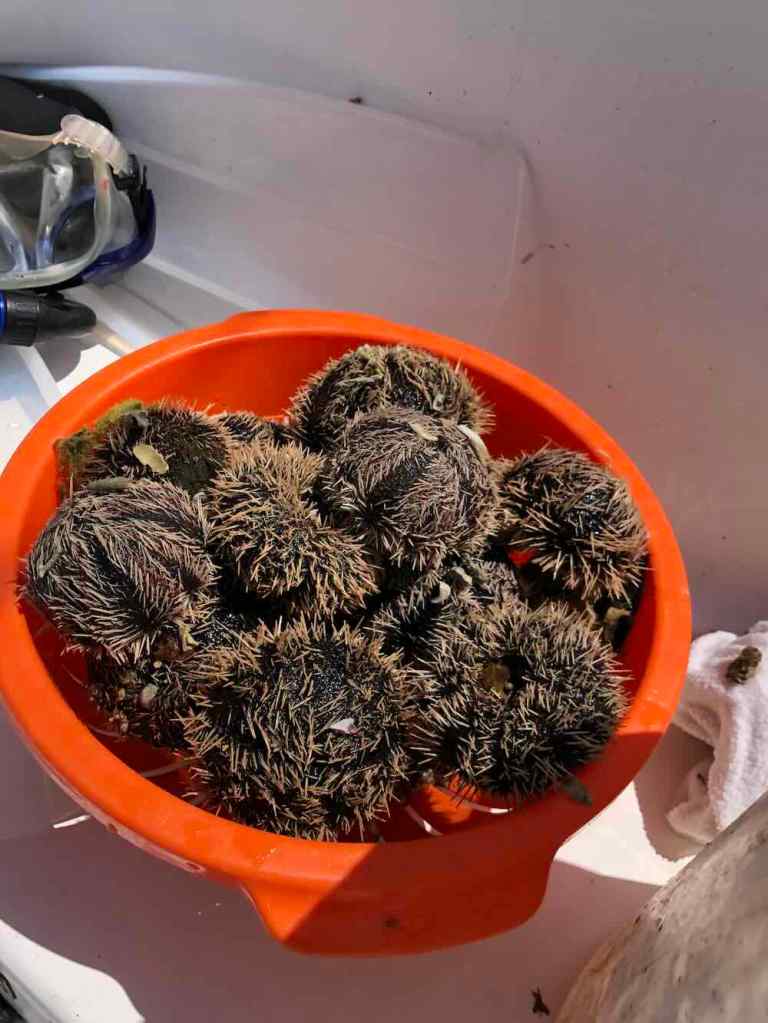

This was one of the most memorable days we had in northern Mauritius.
Leave early for a deep-sea fishing trip. Once you leave the lagoon, the water becomes properly deep very quickly, and Mauritius is known for game fish including tuna, wahoo, mahi-mahi and marlin.
Our experience somehow escalated into an incredible seafood lunch on the boat with fresh tuna, oysters and sea urchins.
Trips vary hugely depending on the operator. Some last half a day. Others stay offshore for most of the day. Check exactly what is included before booking.
If You Don’t Care About Fishing: Do not spend hundreds of euros pretending that you do simply because I put it on Day 4. Instead, make this your north coast road-trip day.
Explore: Grand Baie → Pereybere → Cap Malheureux → Northern Beaches
You could also spend the afternoon snorkeling or book another small boat excursion. The point of an itinerary is to make your trip easier. Not to bully you into catching a tuna.
EAST MAURITIUS
Days 5 to 7: East Coast Mauritius
After four nights in the north, move towards the east.
This side of Mauritius feels quieter and more resort-focused, with long beaches and open lagoons.
It is also the best base in this itinerary for visiting Île aux Cerfs.
Day 5: Move to the East Coast + Do Almost Nothing
Base: East or northeast Mauritius
Main plan: Change hotels + beach afternoon

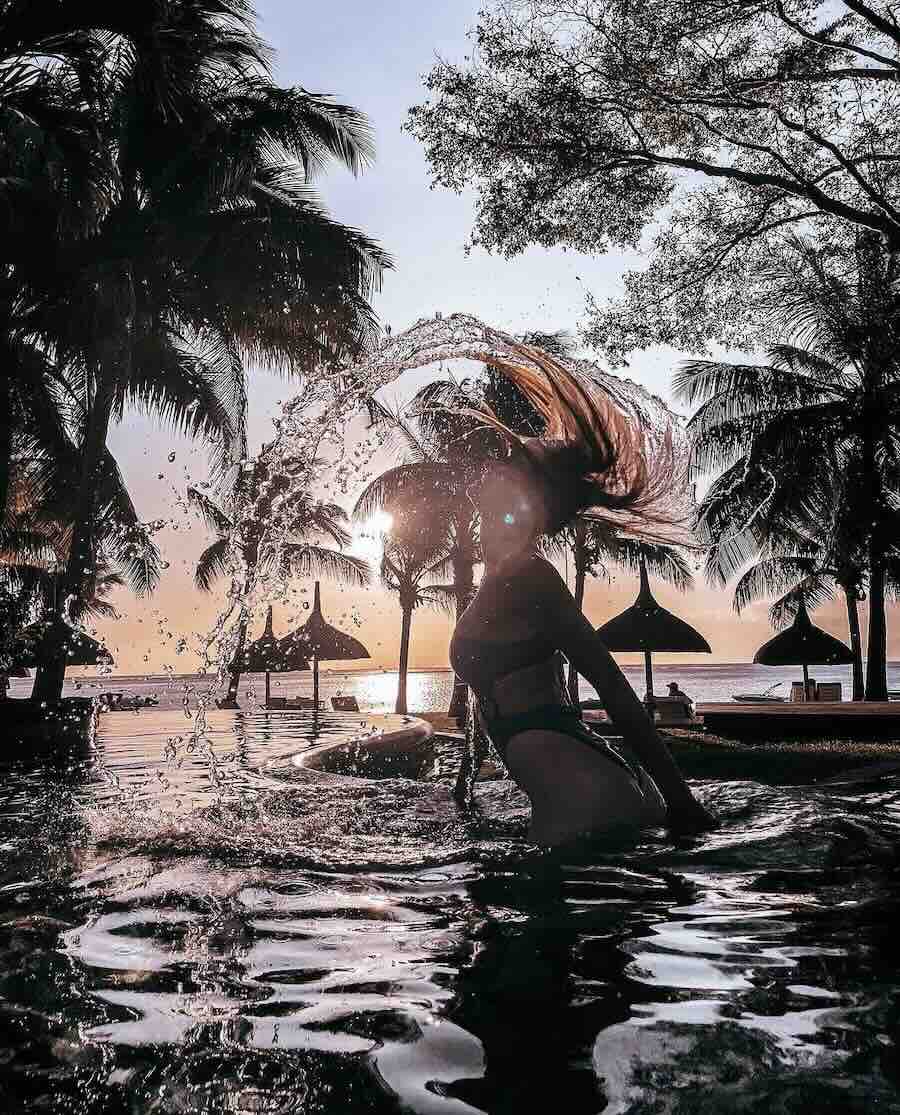

Have a slow breakfast in the north and drive towards the east coast.
We moved from LUX* Grand Gaube to Constance Prince Maurice, which only required a relatively short transfer.
If you are staying farther south around Belle Mare or Trou d’Eau Douce, your drive will be slightly longer.
Do not immediately fill the afternoon with attractions. Check in. Go to the beach. Swim. Have lunch. Explore your hotel or surrounding area.
We spent a lot of time enjoying Constance Prince Maurice itself, including its lagoon and beautiful mangrove setting.
If you are paying for a nice hotel in Mauritius, occasionally actually being inside it is allowed.
Day 6: East Coast Snorkeling + Boat Day
Base: East Mauritius
Best for: Snorkeling, lagoons and doing life correctly
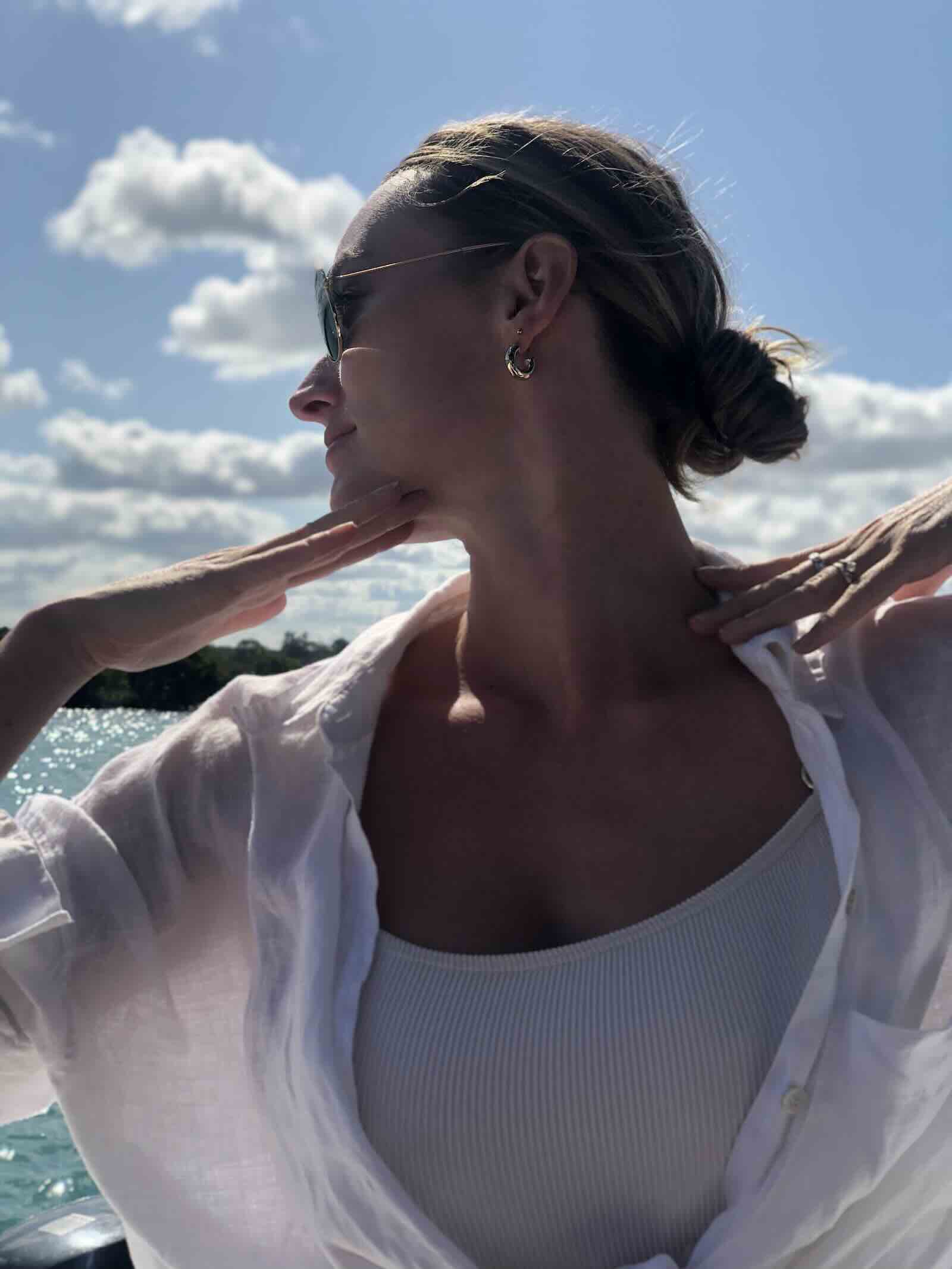


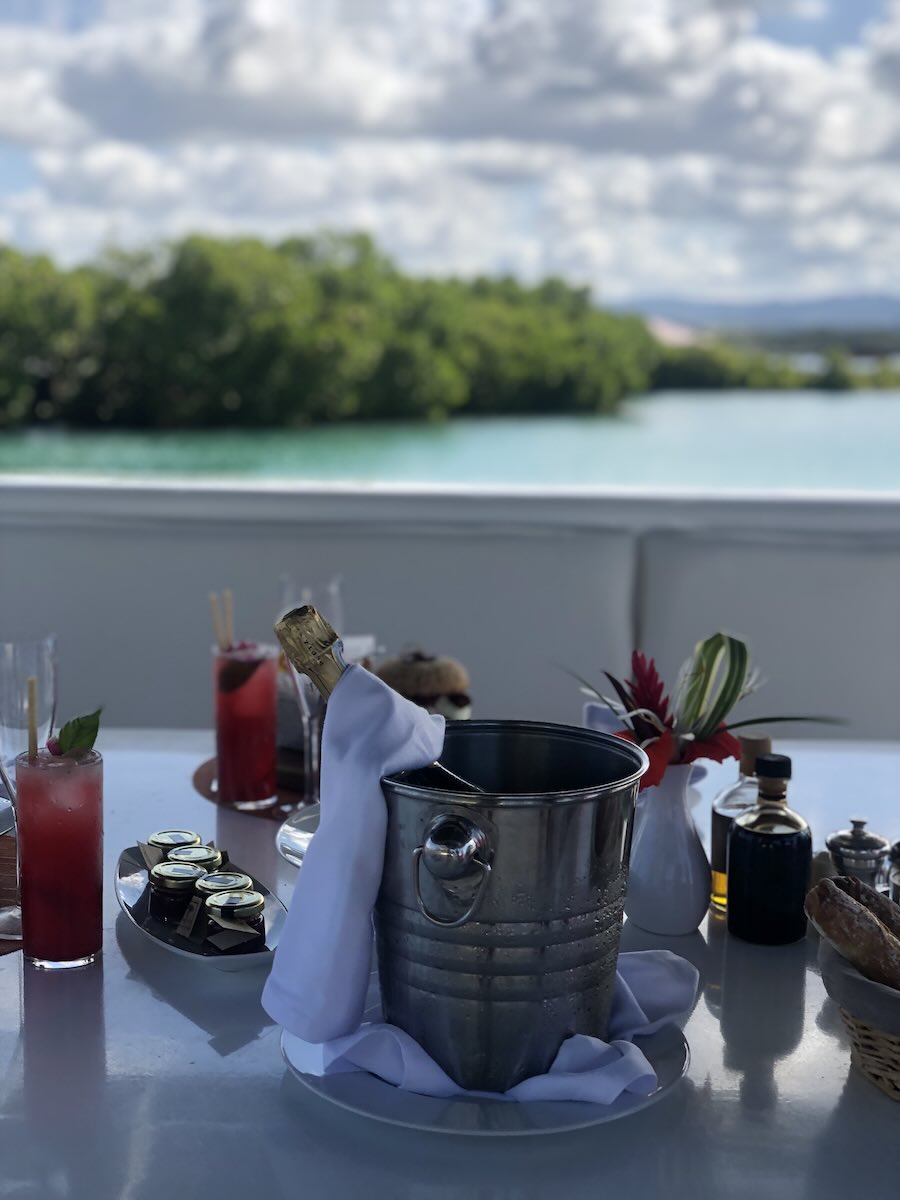
We arranged a private luxury boat day through Constance Prince Maurice.
And yes, this was very much one of those “how is this an actual Tuesday?” situations.
We cruised along the coast, stopped to swim and snorkel and spent most of the day around beautiful lagoons.
If you are staying elsewhere, you do not need to recreate the exact same private trip.
Look for a small-group snorkeling excursion or private boat from the east coast.
The important part is giving yourself one day to explore the lagoon and smaller islands rather than spending your entire Mauritius trip admiring the ocean exclusively from land.
Choose a trip that gives you plenty of actual water time.
Ask about:
- Snorkeling stops
- Group size
- Lunch
- Drinks
- Equipment
- Exactly where the boat goes
Day 7: Île aux Cerfs + Grand River South East Waterfall
Base: East Mauritius
Best for: Island day, snorkeling and turquoise water
Time needed: Most of the day

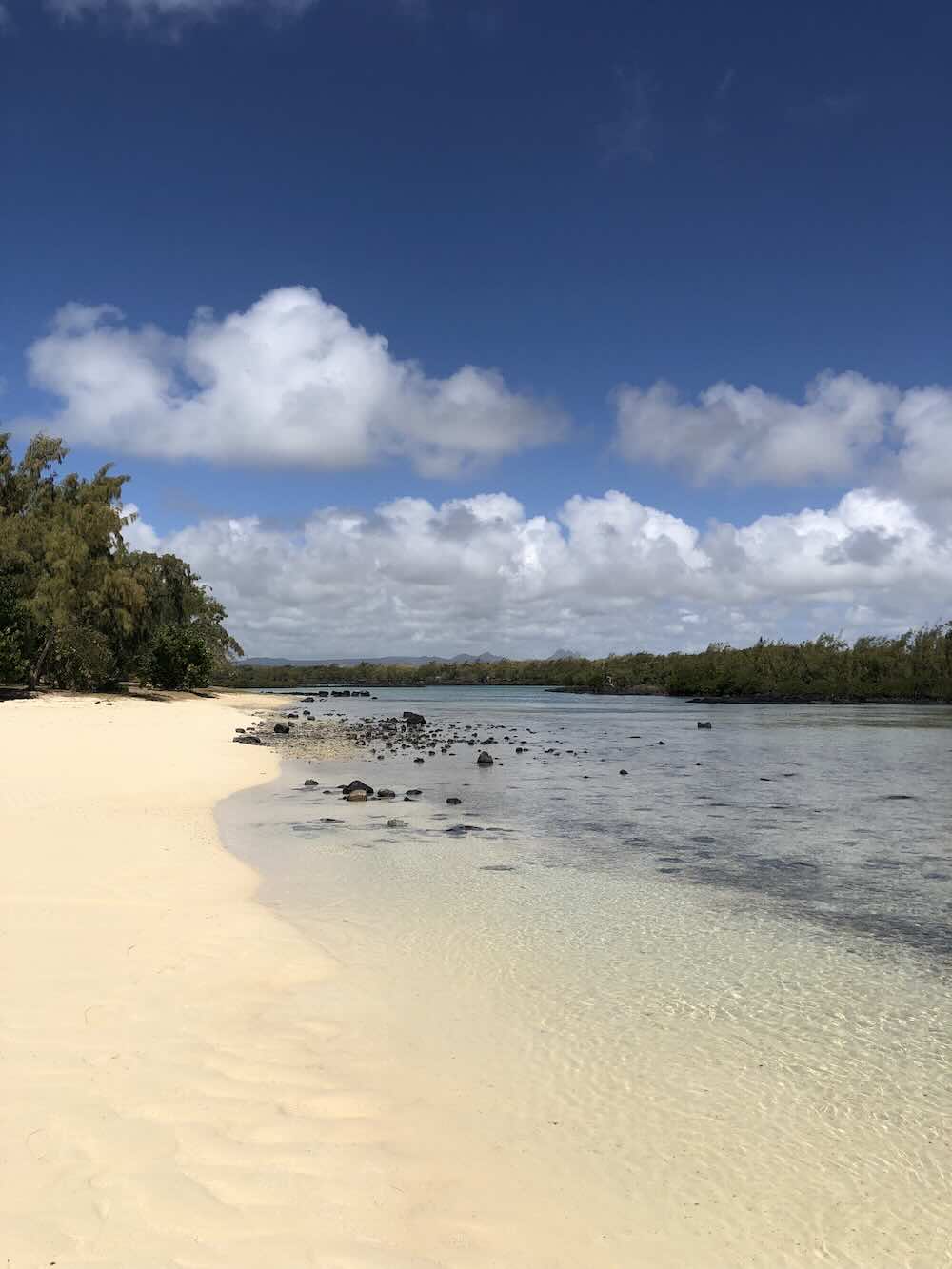
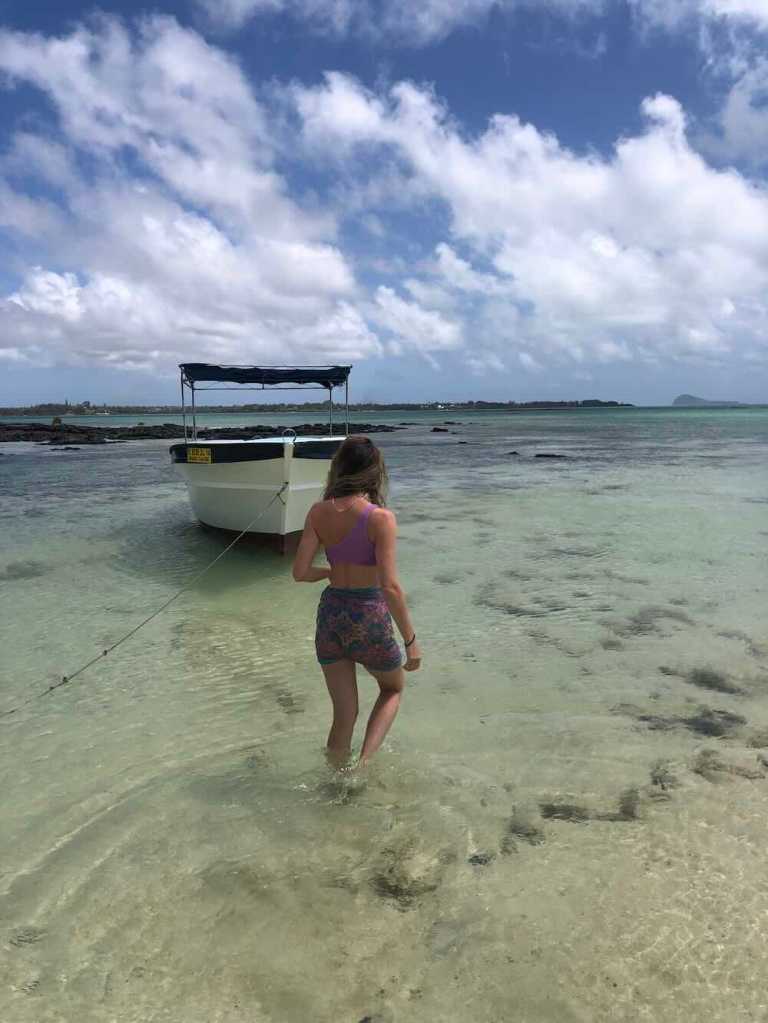

Today is your classic Mauritius boat-trip day. Head towards the east coast and take a boat to Île aux Cerfs. The island is famous for white sand, clear lagoon water and water sports. It is also popular. Very popular.
I would choose a full-day trip that combines Île aux Cerfs with snorkeling and Grand River South East Waterfall rather than paying purely for transportation to the busiest section of the island. You can read more about the island through the official Île aux Cerfs guide from Mauritius Now.
Once on the island, walk away from the busiest arrival areas. There are quieter patches if you make even a small amount of effort. Spend the rest of the day swimming, snorkeling and questioning why lagoon water needs quite so many shades of blue.
Mountains. Whales. Dolphins. Rainforest. Beaches. Waterfalls. Rum. Tiny islands.
And one fake underwater waterfall that is somehow more impressive once you learn it isn’t actually a waterfall. I would give this region an entire week.
Day 8: Bois Chéri + Vallée des Couleurs + Move to Le Morne
Base: Le Morne, La Gaulette or Black River
Best for: Tea, countryside and adventure
Main route: East → South → Southwest



Today doubles as your hotel-transfer day.
Rather than driving directly across Mauritius, turn it into a southern road trip.
Start with Bois Chéri Tea Plantation. The visit covers Mauritius’ tea production, the factory and a small museum before finishing with tea tasting overlooking the surrounding green hills. The landscape feels completely different from coastal Mauritius.
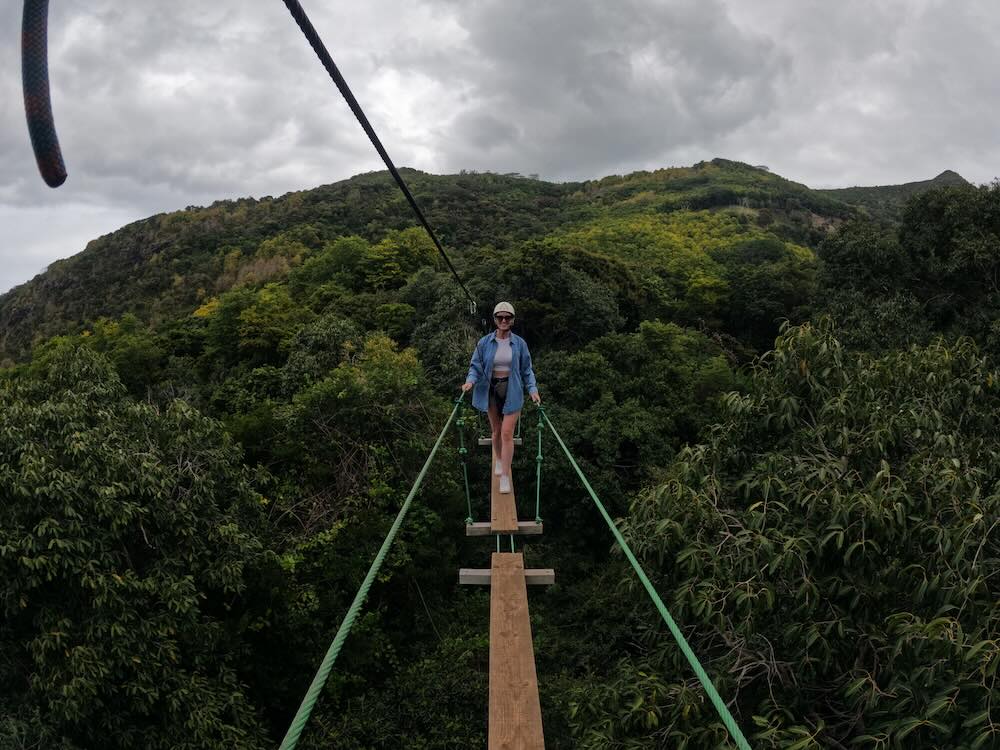
Afterwards, continue towards La Vallée des Couleurs Nature Park. This is where the day becomes slightly less civilised. You can choose from activities including ziplining, suspension bridges and other adventure experiences. We went for the adventurous option. Obviously. Allow at least a few hours if you are doing one of the larger activity packages.
Afterwards, continue southwest and check into your final base around Le Morne, La Gaulette or Black River. We checked into LUX Le Morne*. Do yourself a favour. Do not immediately unpack and leave again. Go to the beach and watch sunset beneath Le Morne Brabant instead.
Day 9: Whale Watching in Mauritius
Base: Southwest Mauritius
Departure area: Black River
Best for: Wildlife
Start: Early morning


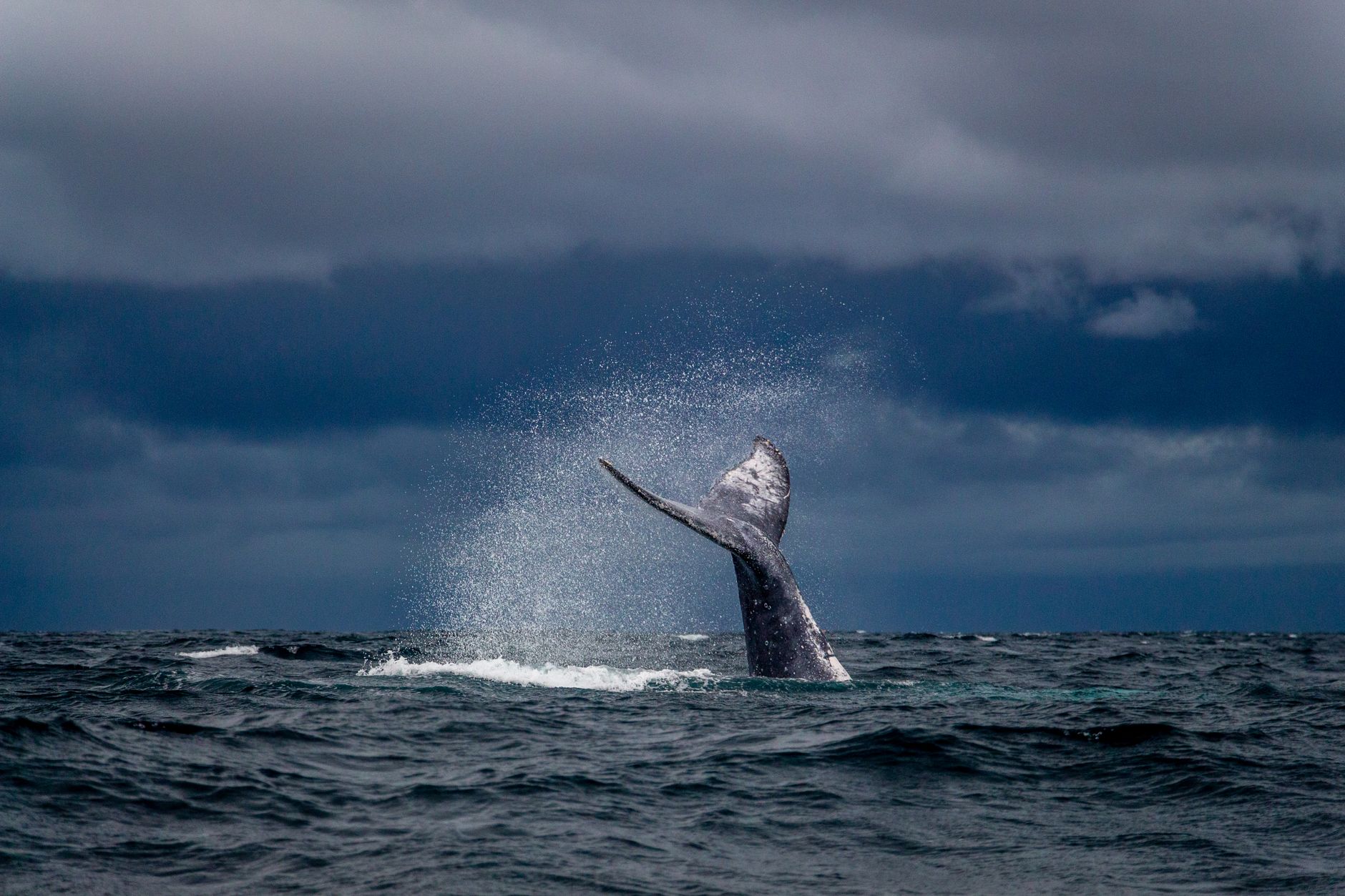

If I had to choose one experience from our entire Mauritius trip that completely exceeded my expectations, this would be very high on the list.
Book an early whale-watching trip from Black River. We actually did two private whale-watching trips during our Mauritius stay. On the first, our captain moved away from the other boats and found a family of humpback whales. For more than an hour, they surfaced and breached around us. I stopped counting at approximately 25 breaches. Even our guides were completely losing their minds.
A few days later we went out again and saw Mauritius’ resident sperm whales. Completely different experience. Equally incredible.
Sperm whales occur around Mauritius throughout the year, while humpback whales migrate through seasonally. If seeing humpbacks is a priority, July to September gives you one of the strongest seasonal windows.
I explain the seasons, current wildlife rules, prices and ethical tour choices properly in my Whale Watching in Mauritius guide.
After the Tour: Do not immediately plan another major activity. Grab lunch around Black River and spend the afternoon at: La Preneuse, Tamarin or Flic-en-Flac.
Whale watching happens in open ocean. You may emerge exhilarated. You may also emerge slightly green. Leave some flexibility.
Day 10: Wild Dolphins + Crystal Rock + Île aux Bénitiers
Base: Southwest Mauritius
Best for: Dolphins, snorkeling and island scenery
Time needed: Most of the day

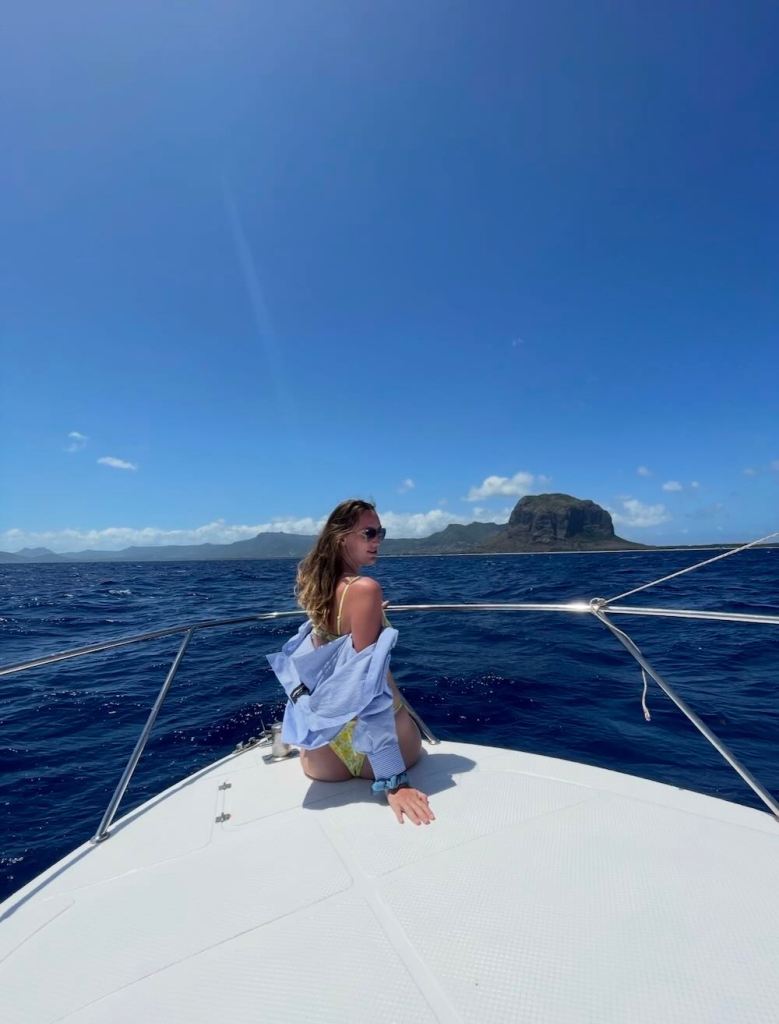
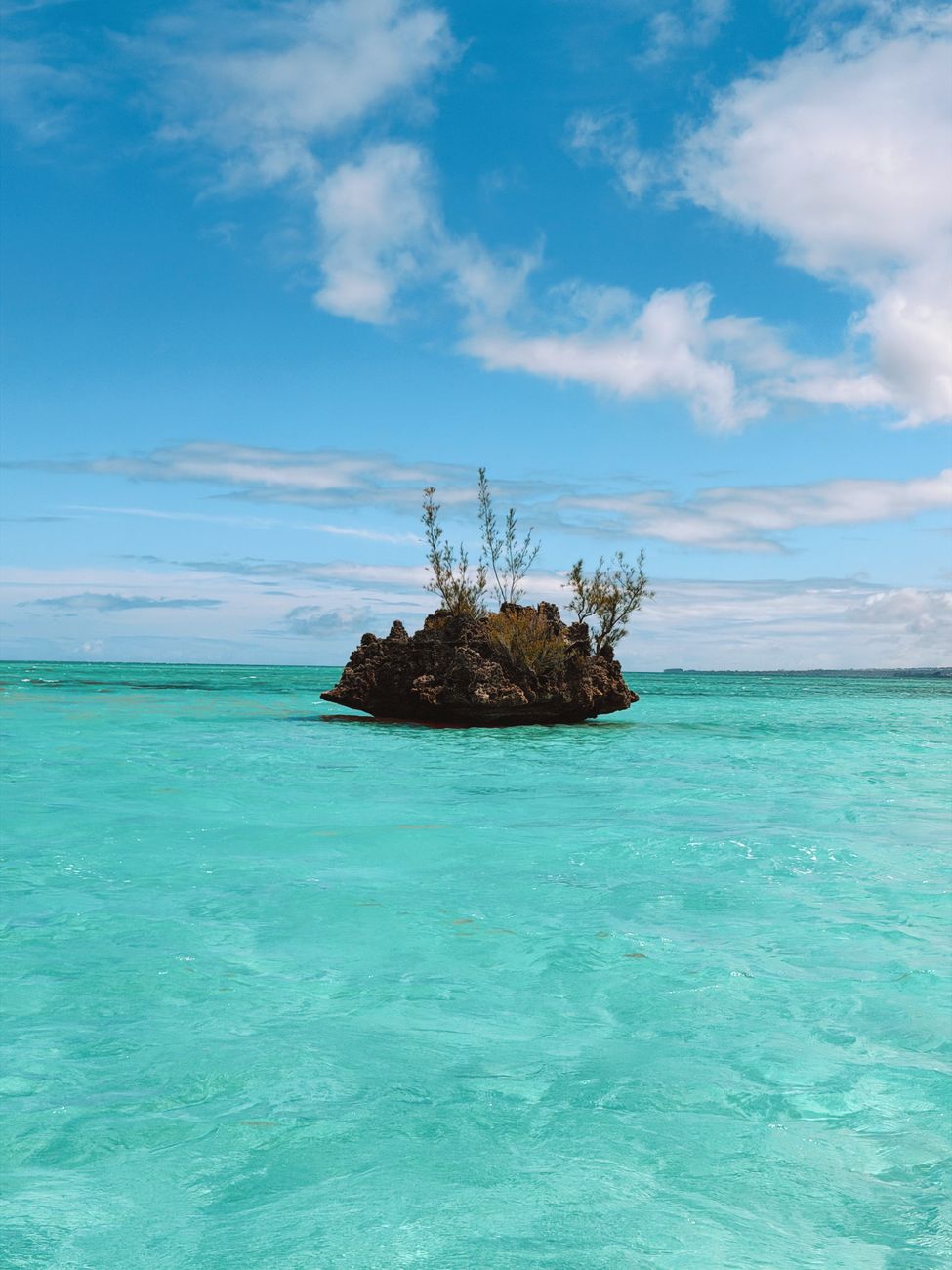
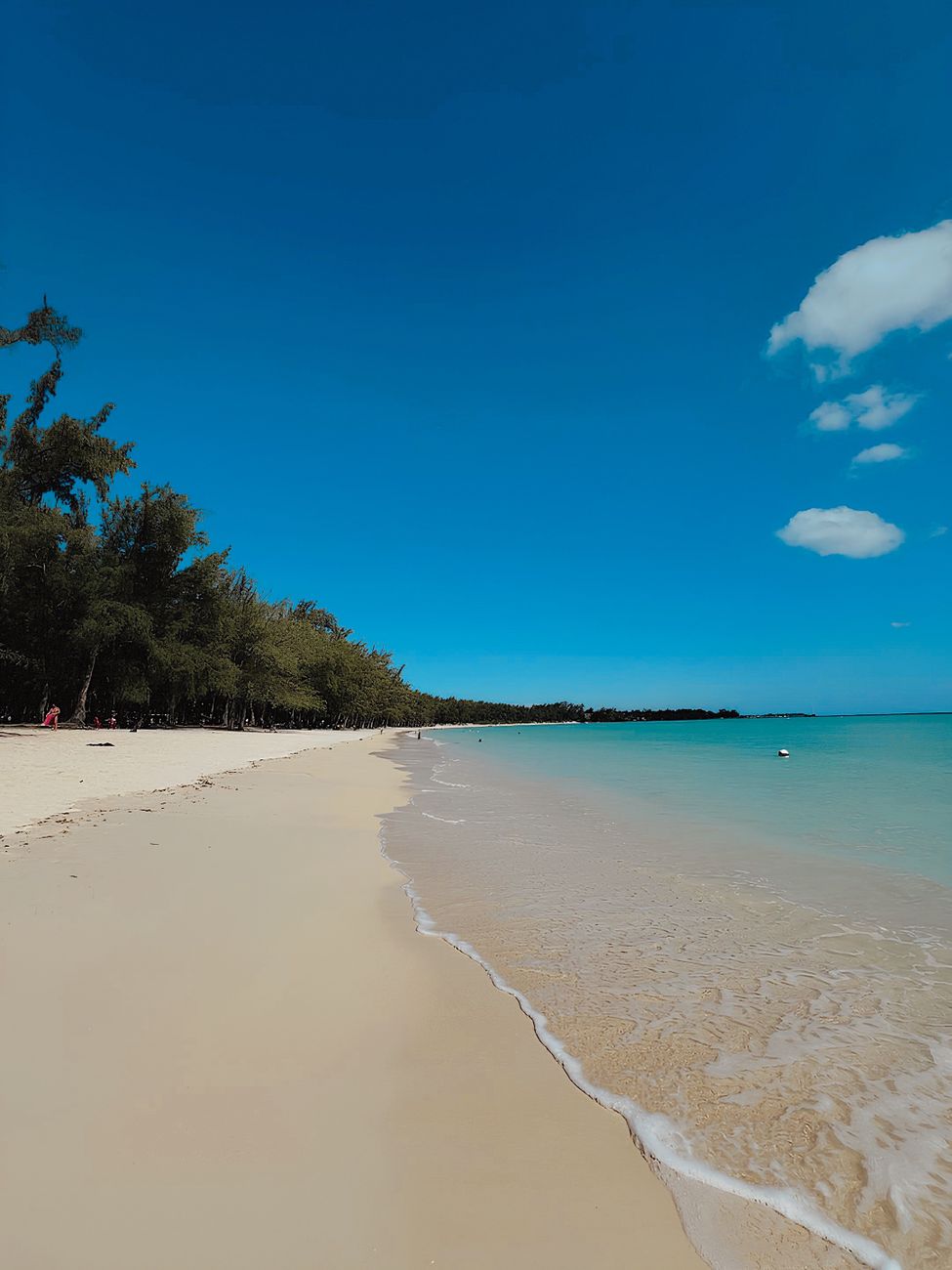
Yes. Another boat. You came to an island in the Indian Ocean.
Leave early from the Black River or Tamarin area to look for wild dolphins. Spinner and bottlenose dolphins are regularly encountered off the west coast. From there, continue towards Crystal Rock, one of the most recognisable little rock formations in the southwest lagoon. Then head to Île aux Bénitiers for swimming, snorkeling and lunch. Many full-day trips include a beach barbecue.
We separated dolphins and whales into two different days, and I would do that again. Some operators bundle everything together, but that can turn the wildlife experience into a race. I would rather have enough time to actually watch the animals.
A Word About Wildlife Tours: Choose your company carefully. If fifteen speedboats are chasing the same pod of dolphins while people repeatedly jump directly into their path, that is not the wildlife encounter I want to support. Look for smaller operators that give the animals space and follow local wildlife regulations.
Day 11: Black River Gorges + Chamarel Road Trip
Base: Southwest Mauritius
Best for: Rainforest, waterfalls, geology and rum
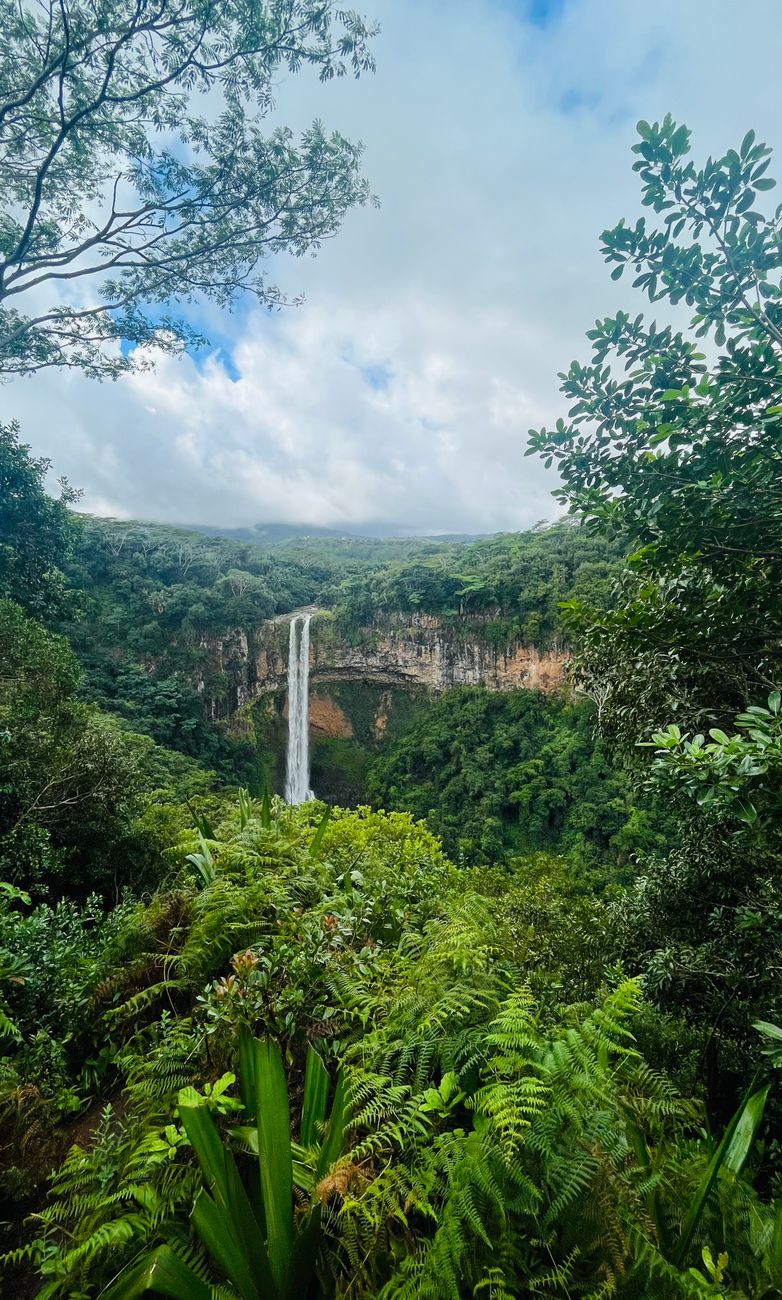
Today is one of the best road-trip days in Mauritius. And it is entirely on land.
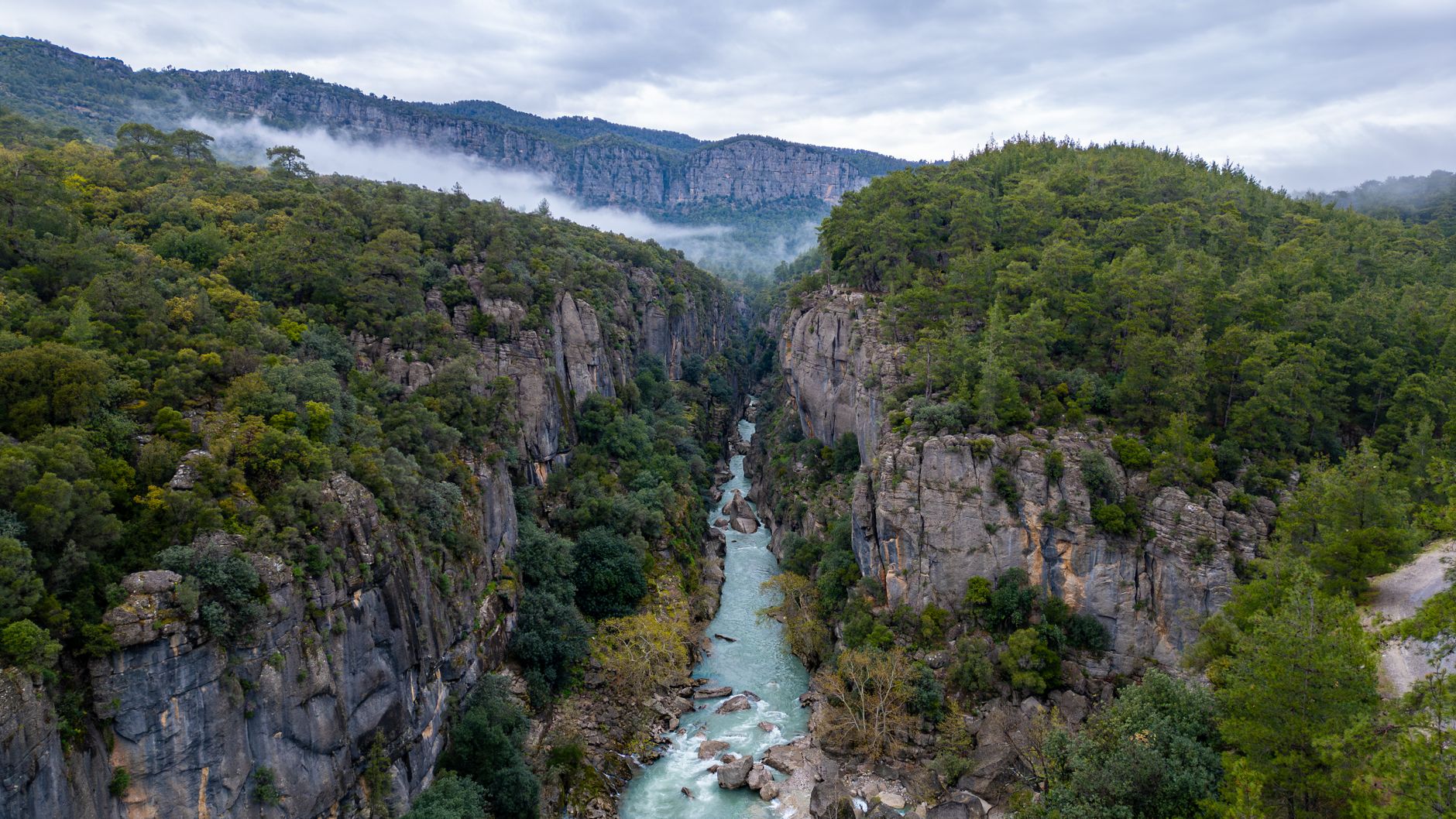
Start at Black River Gorges National Park. Mauritius’ largest national park contains an extensive network of hiking trails and protects some of the island’s most important remaining native forest. The official Black River Gorges National Park guide is useful if you want to choose between viewpoints and proper hikes. You do not need to spend five hours hiking. Choose between a longer trail or simply drive through the park and stop at several viewpoints.
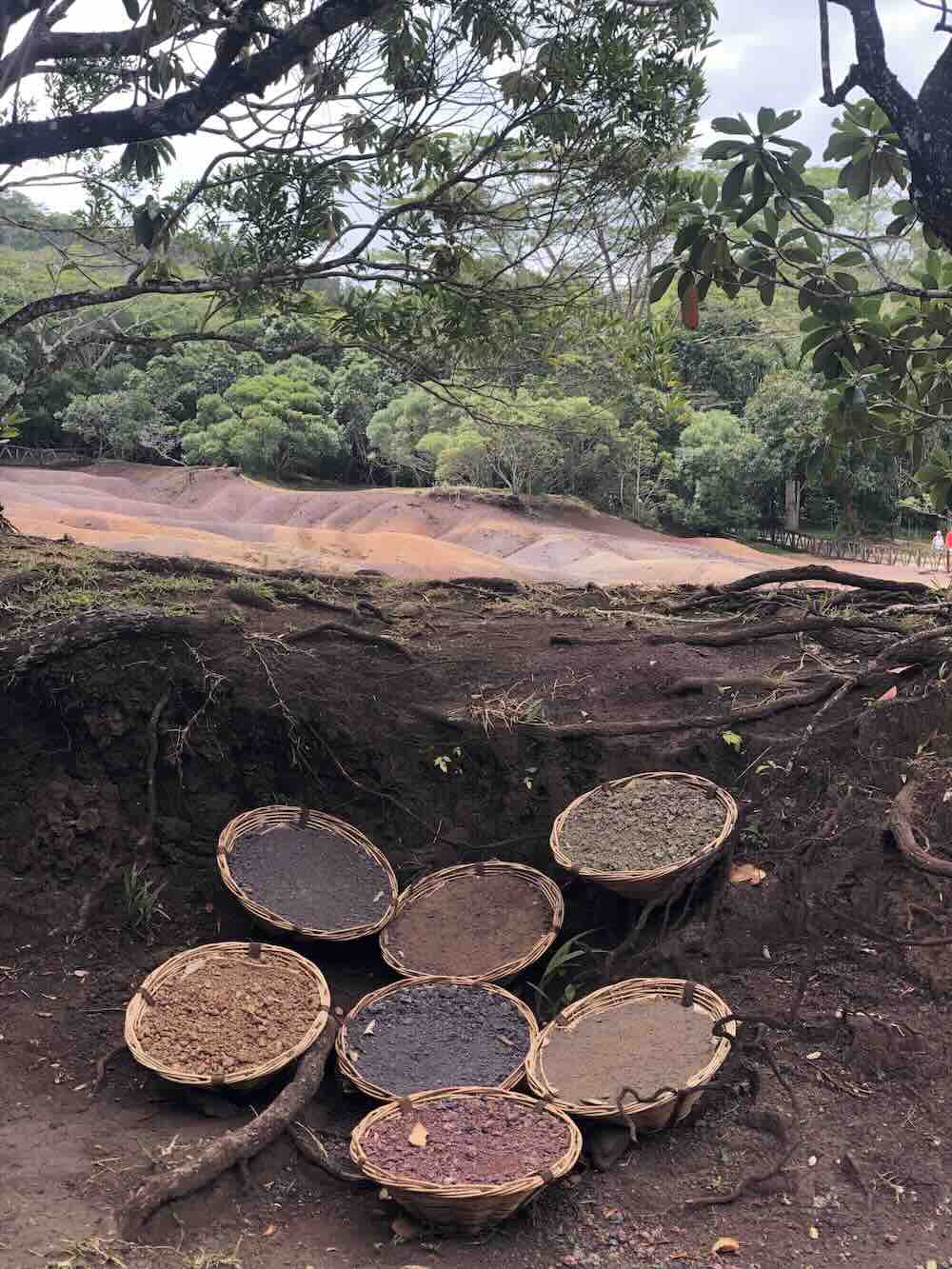
Then continue towards Chamarel. Your first major stop is Chamarel Waterfall. Afterwards, continue into the Seven Coloured Earth Geopark. Yes, it is touristy. Yes, you should probably still see it. The naturally coloured dunes are one of Mauritius’ most famous attractions. You can check current opening hours and visitor information directly through the Chamarel Seven Coloured Earth Geopark.
Finally, head to Rhumerie de Chamarel. Take the distillery tour and finish with the rum tasting. The order is deliberate. Hiking first. Rum second.
Day 12: Hike Le Morne Brabant + Le Morne Beach
Base: Le Morne
Best for: Hiking, history, huge views and beach recovery
Start: Early morning
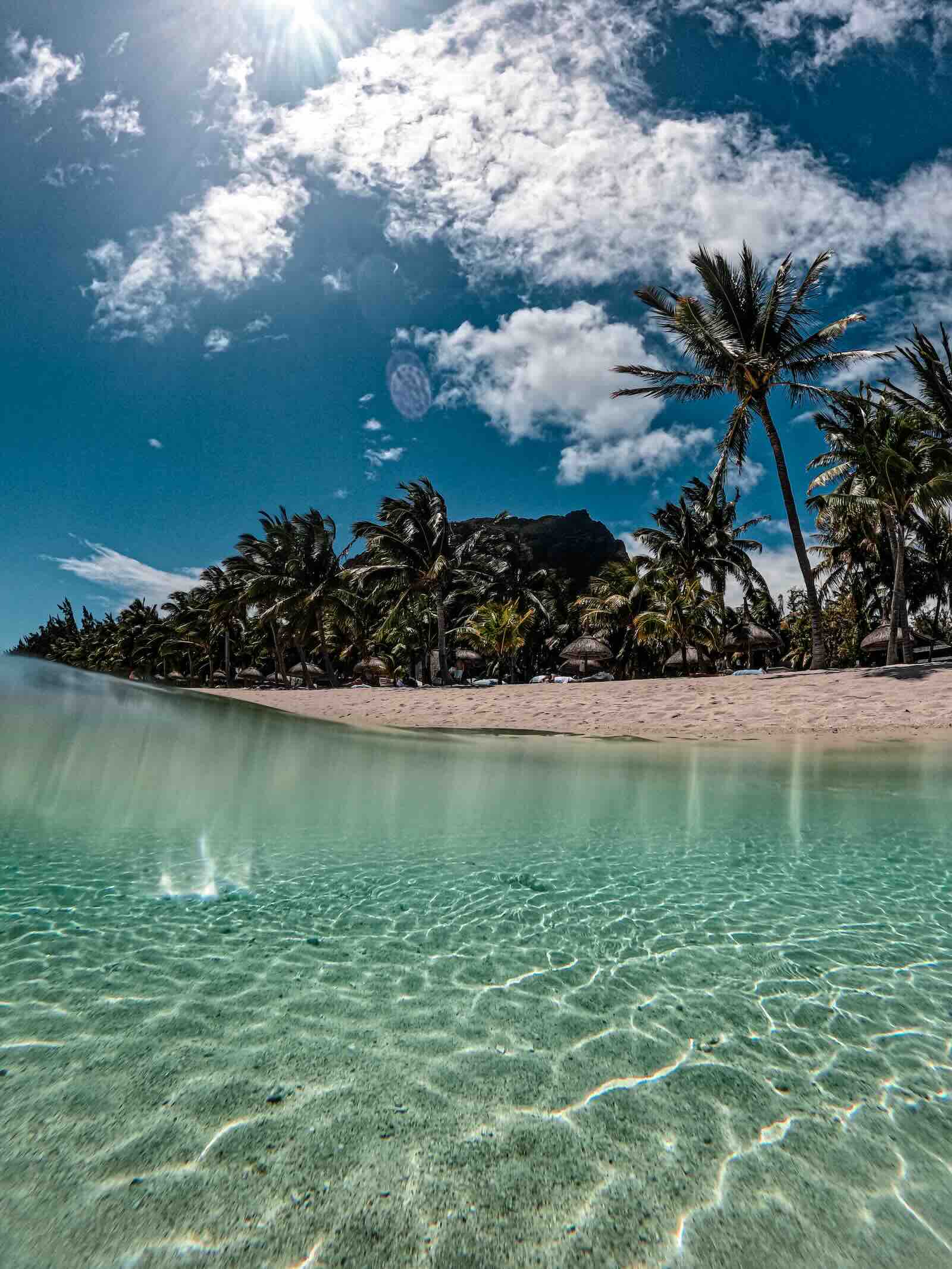
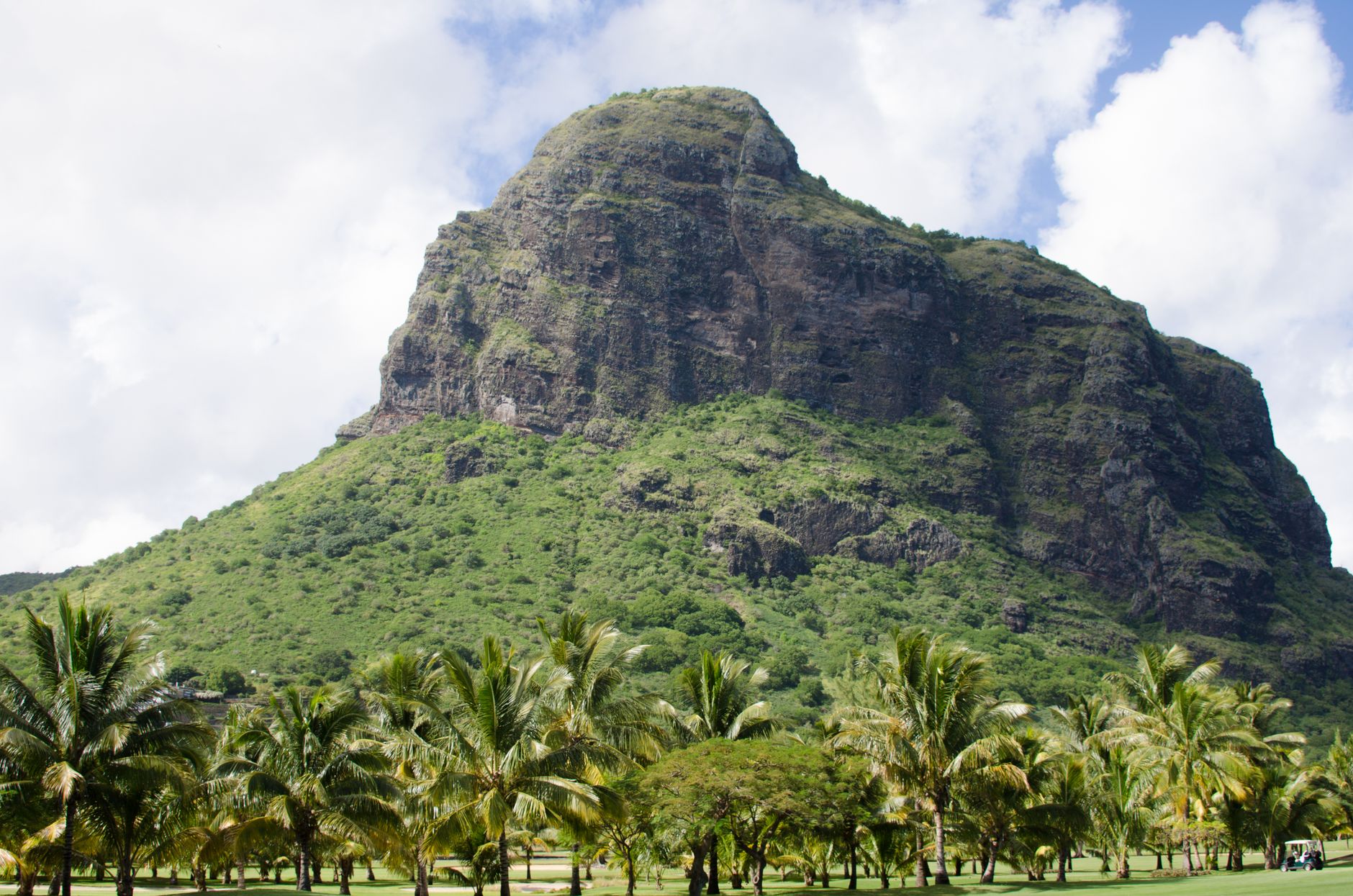
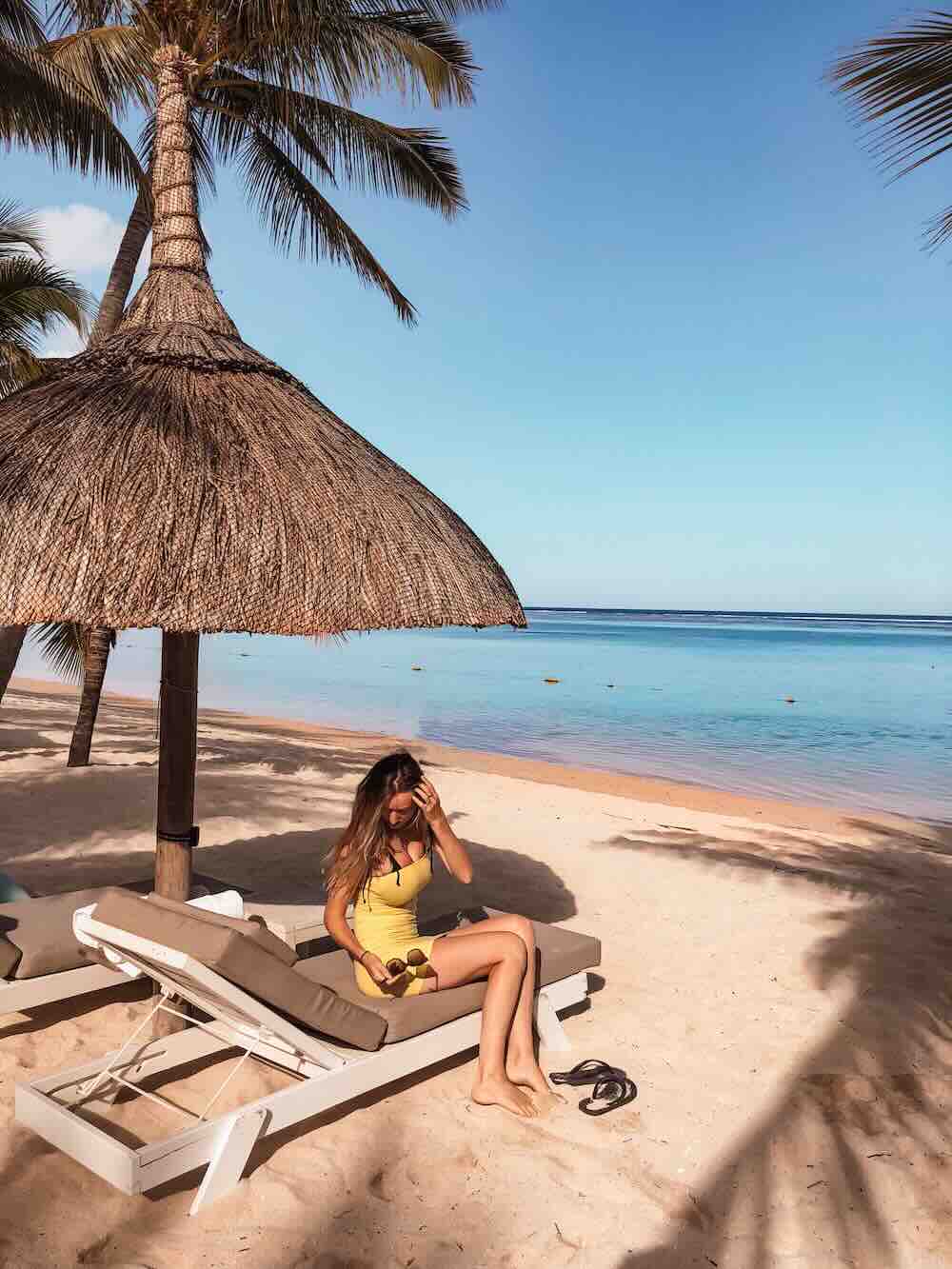

Wake up early and head towards Le Morne Brabant. This is the most iconic mountain in Mauritius and one of the most important cultural sites on the island. Le Morne provided refuge for escaped enslaved people during the 18th and early 19th centuries and today forms part of the UNESCO-listed Le Morne Cultural Landscape.
This history matters. It is not just a convenient mountain-shaped Instagram prop. The hike takes roughly three to four hours, depending on your pace. The lower trail is relatively manageable. The upper section becomes substantially steeper and rockier. Proper footwear is essential. Always check the latest trail conditions and access information through the official Le Morne Heritage Trust Fund before hiking. Access can change because of heavy rain, high winds, rockfall or other safety issues.
CHECK BEFORE YOU HIKE: Access to Le Morne can change because of weather and trail conditions. Always check the official Le Morne Heritage Trust Fund information before visiting.
After the Hike: Go directly to Le Morne Beach. Do nothing. You’ve earned it. The white sand, turquoise lagoon and giant mountain directly behind you make this my favourite overall beach in Mauritius.
I rank Le Morne and the other beaches properly in my Best Beaches in Mauritius guide. Stay for sunset. You will not regret that decision.
Day 13: Fly Over Mauritius’ Underwater Waterfall
Base: Le Morne
Best for: Bucket-list views and giving your legs a day off
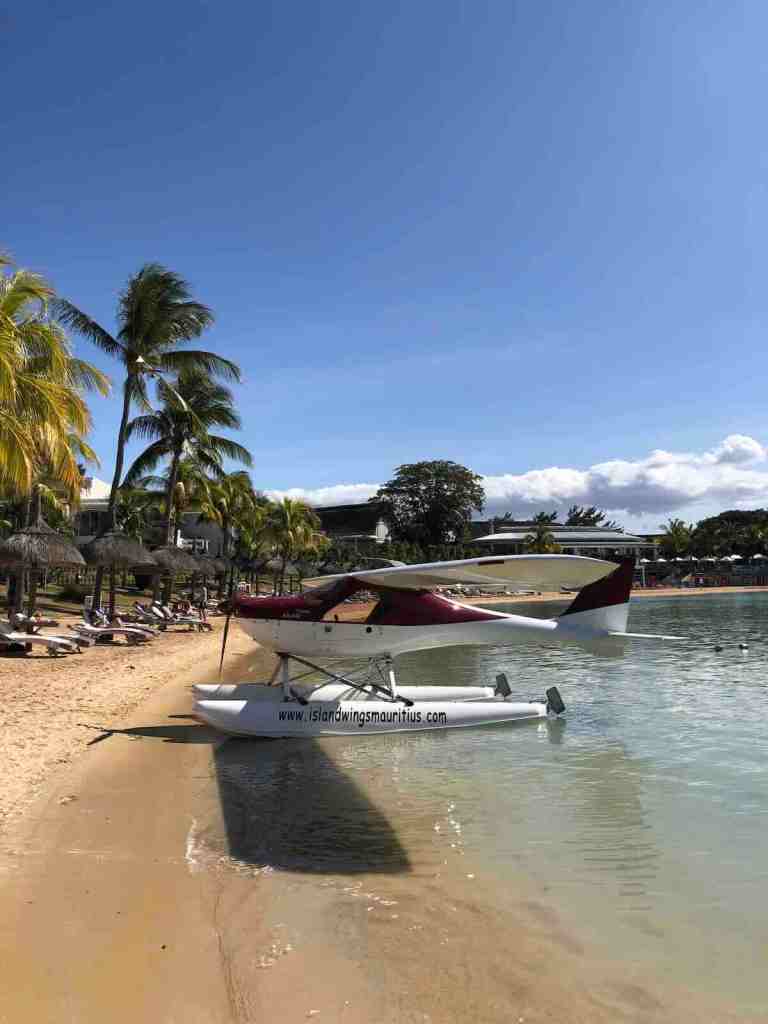
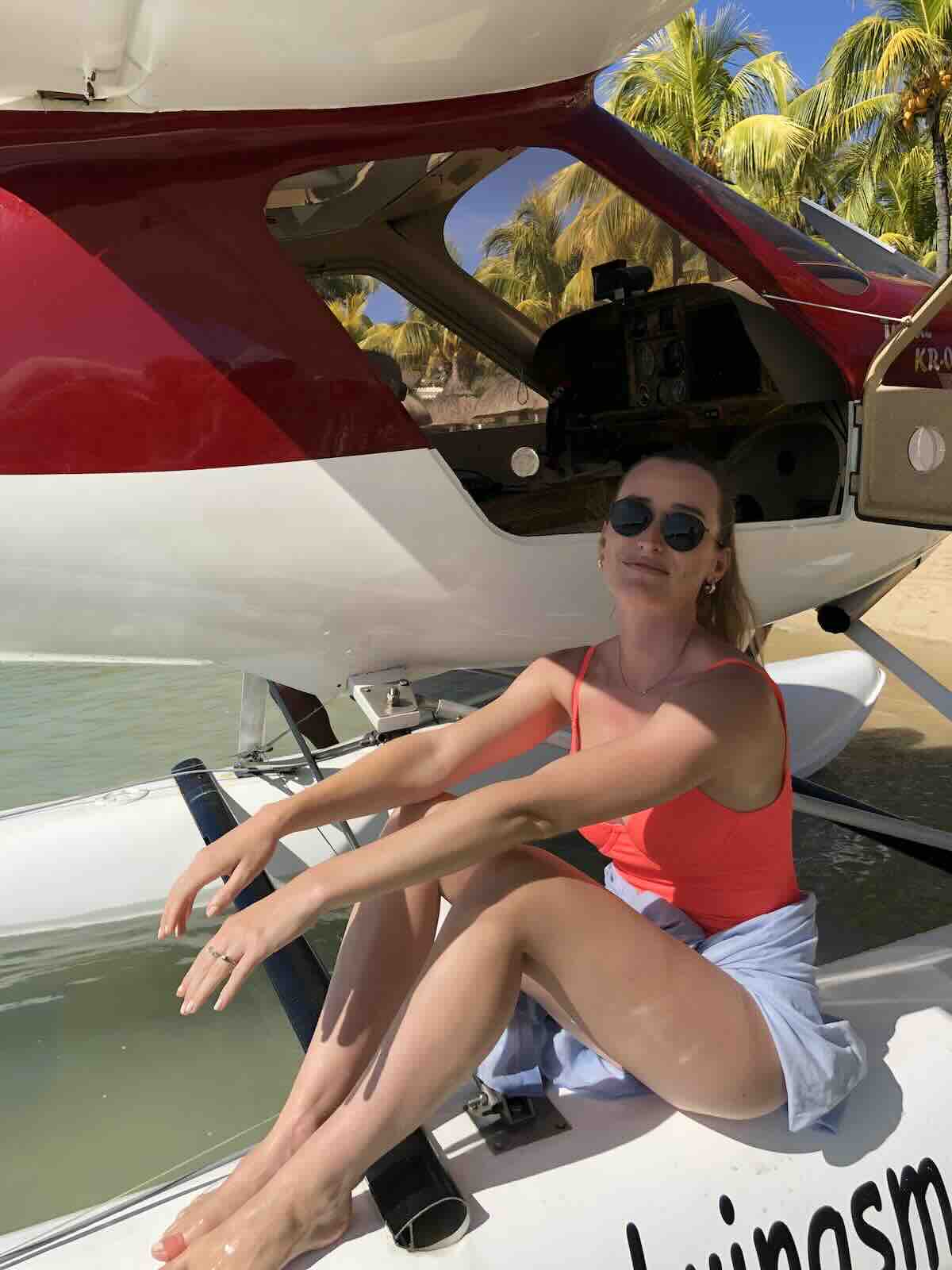
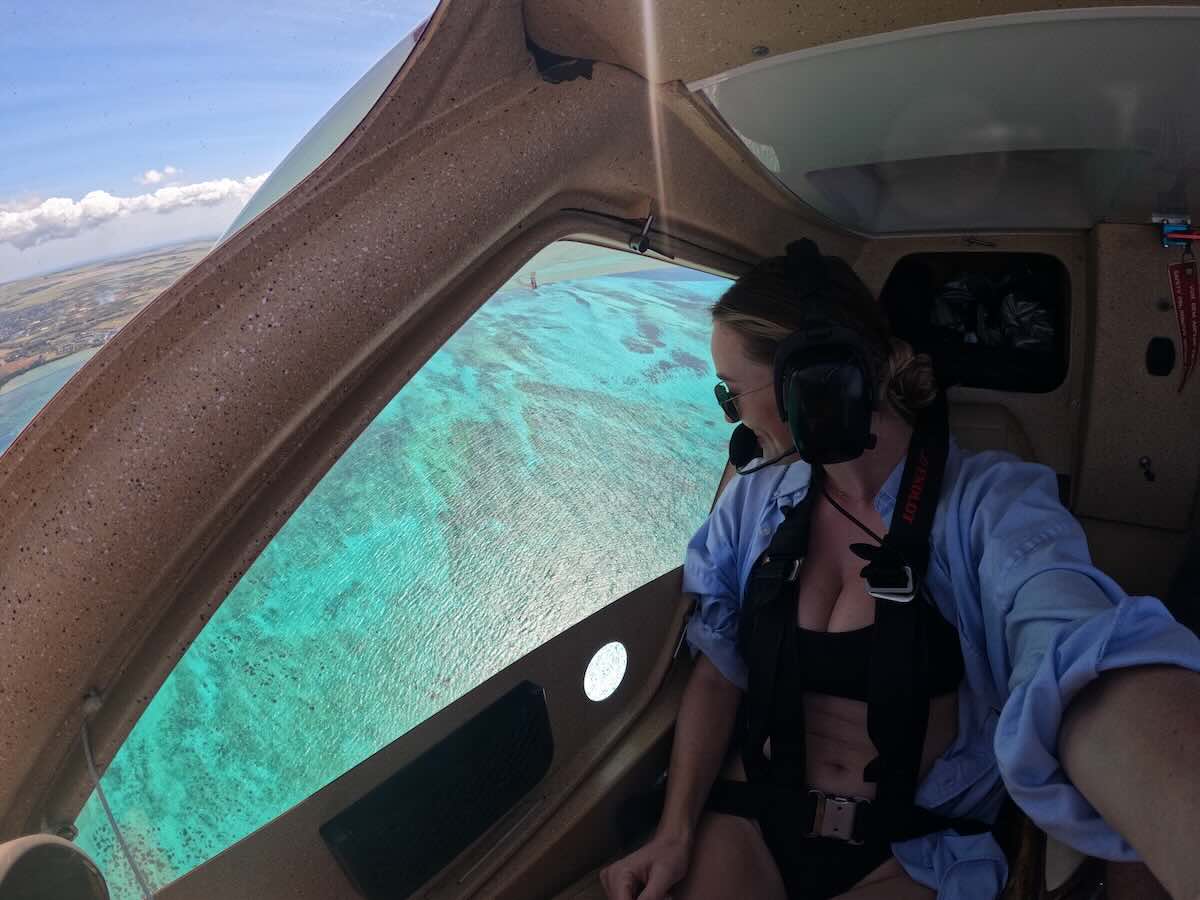
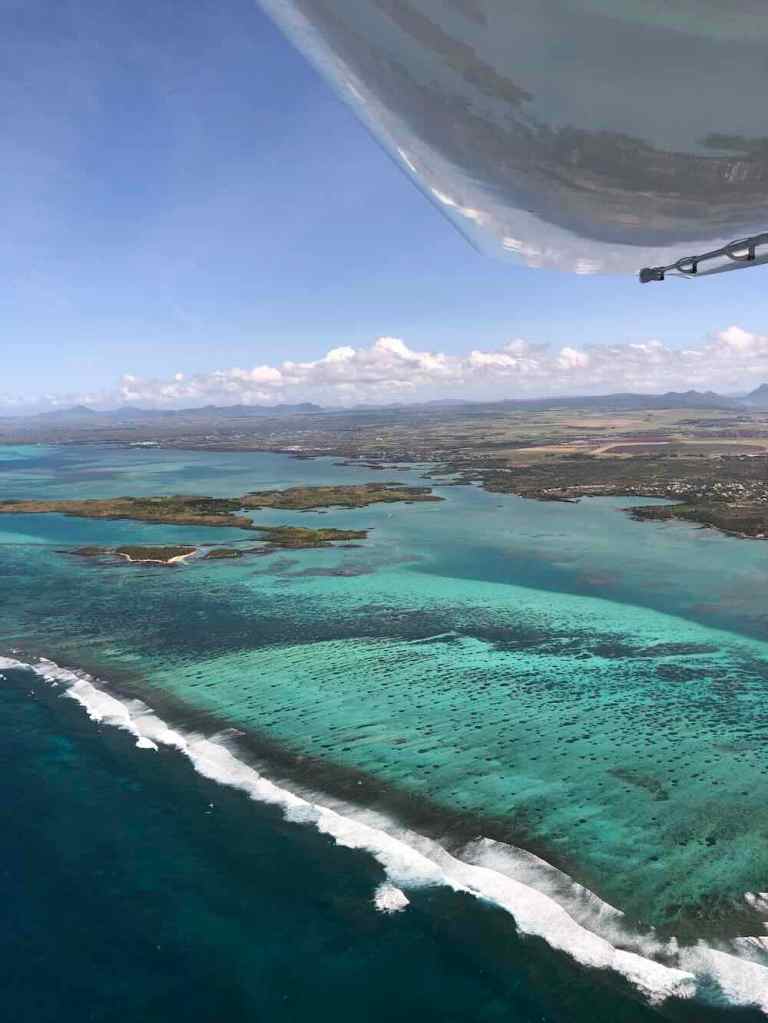
Today you get to see Le Morne from the opposite direction. From above. Book a seaplane flight over Mauritius’ famous underwater waterfall.
The underwater waterfall is not actually a waterfall. Sand and sediment moving over the edge of an underwater plateau create an optical illusion that makes it look as though the Indian Ocean is disappearing into an enormous hole. From sea level, you cannot properly see it. From the air? Ridiculous.
We arranged our flight through LUX Le Morne*, but LagoonFLIGHT also operates sightseeing flights from La Prairie. If you are travelling as a couple or group, check the aircraft setup carefully when booking because these are very small seaplanes.
Keep the Rest of Day 13 Deliberately Empty. This is one area where I would resist the temptation to add three more attractions simply because technically there are seven hours left in the day. Swim. Paddleboard. Book a massage. Have lunch. Sit beneath a palm tree. Walk along Le Morne Beach.
You have spent almost two weeks hiking, boating, driving, fishing, snorkeling, watching whales and voluntarily attaching yourself to ziplines.
Day 14: Flic-en-Flac + Fly Home
Base: Southwest Mauritius
Main plan: Beach + airport
Mood: Denial
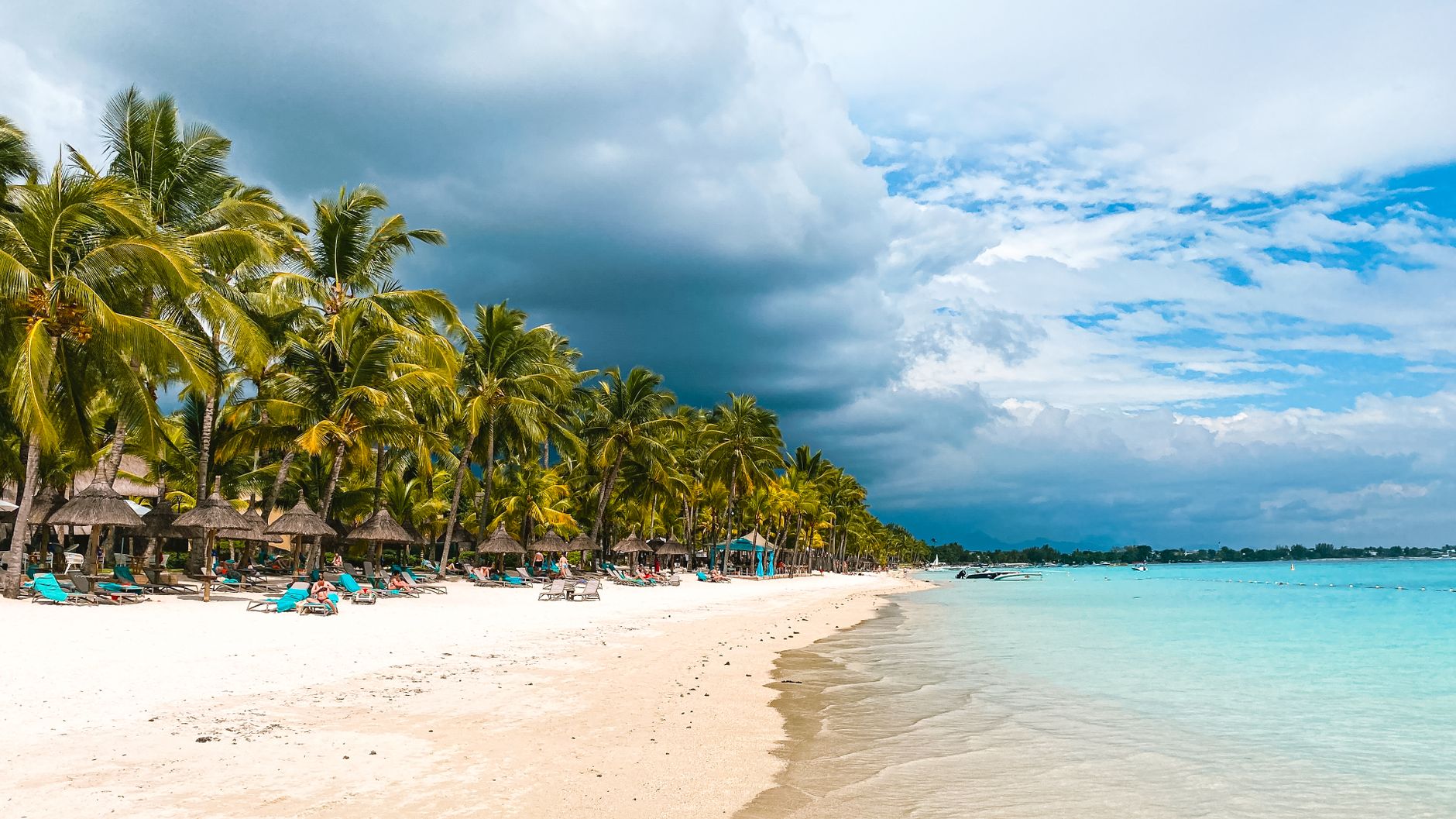
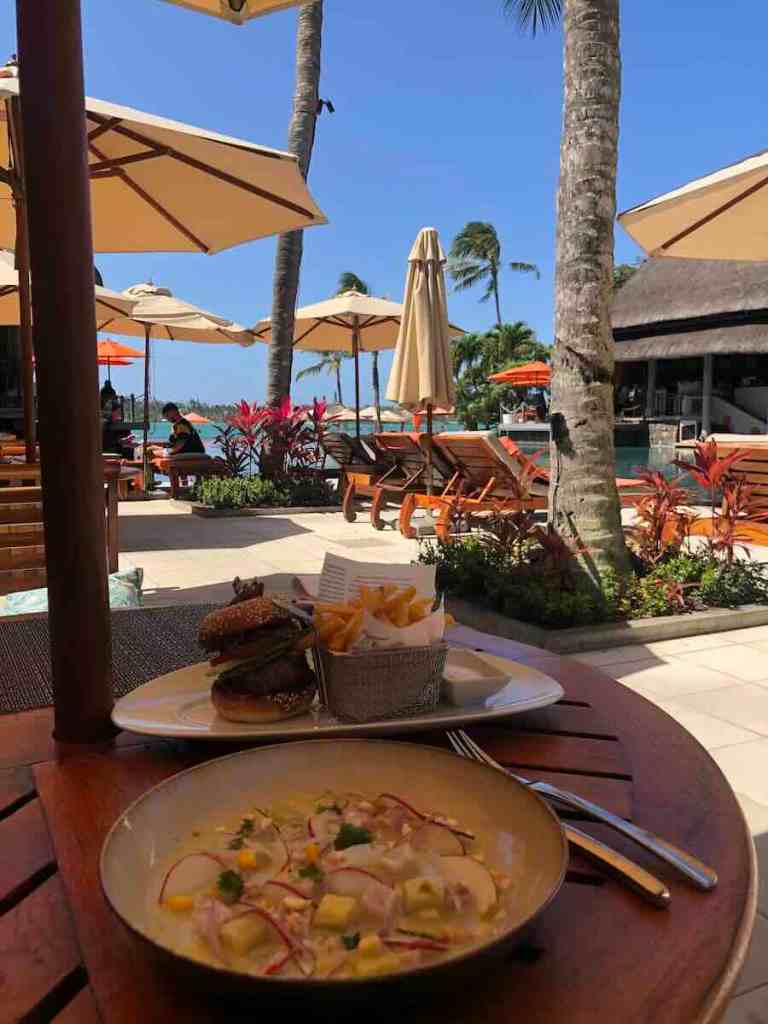
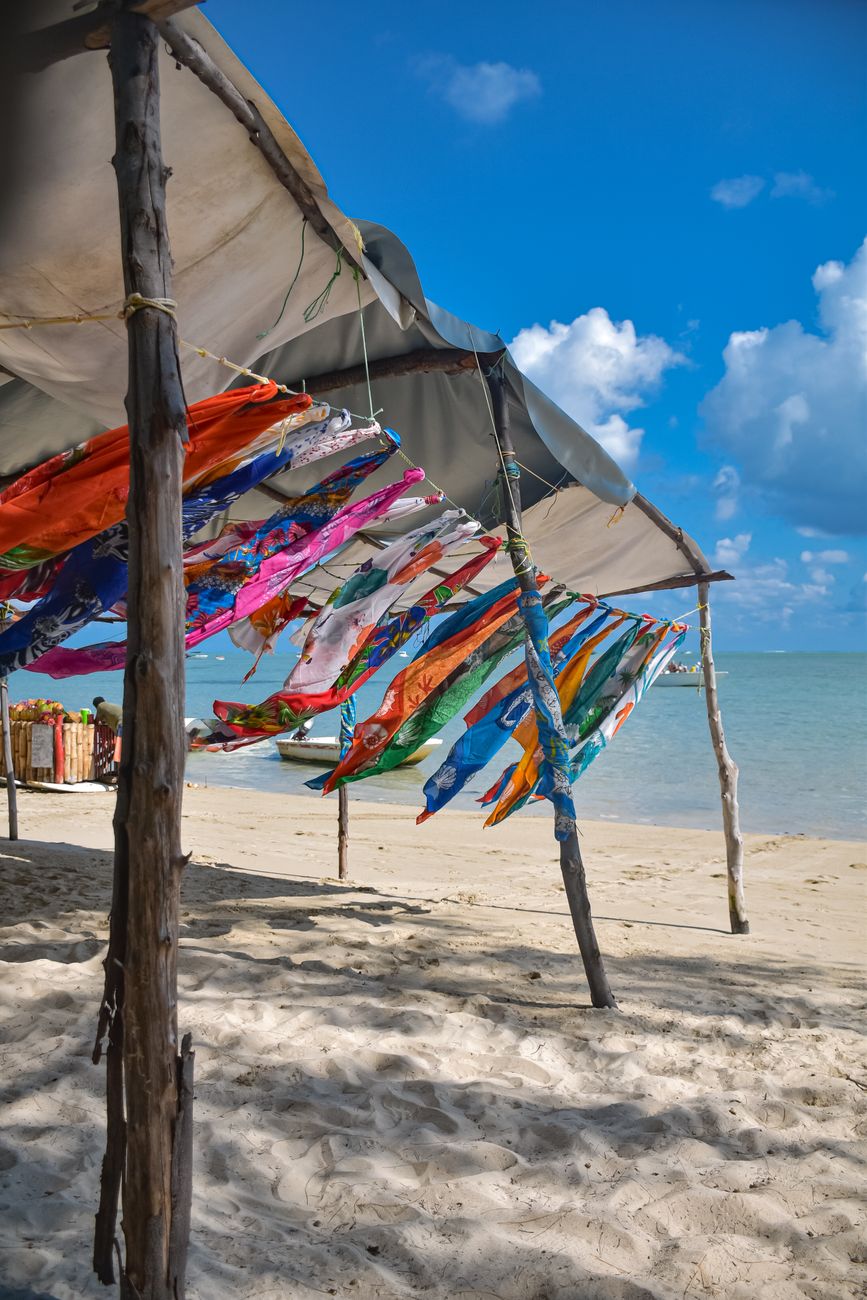
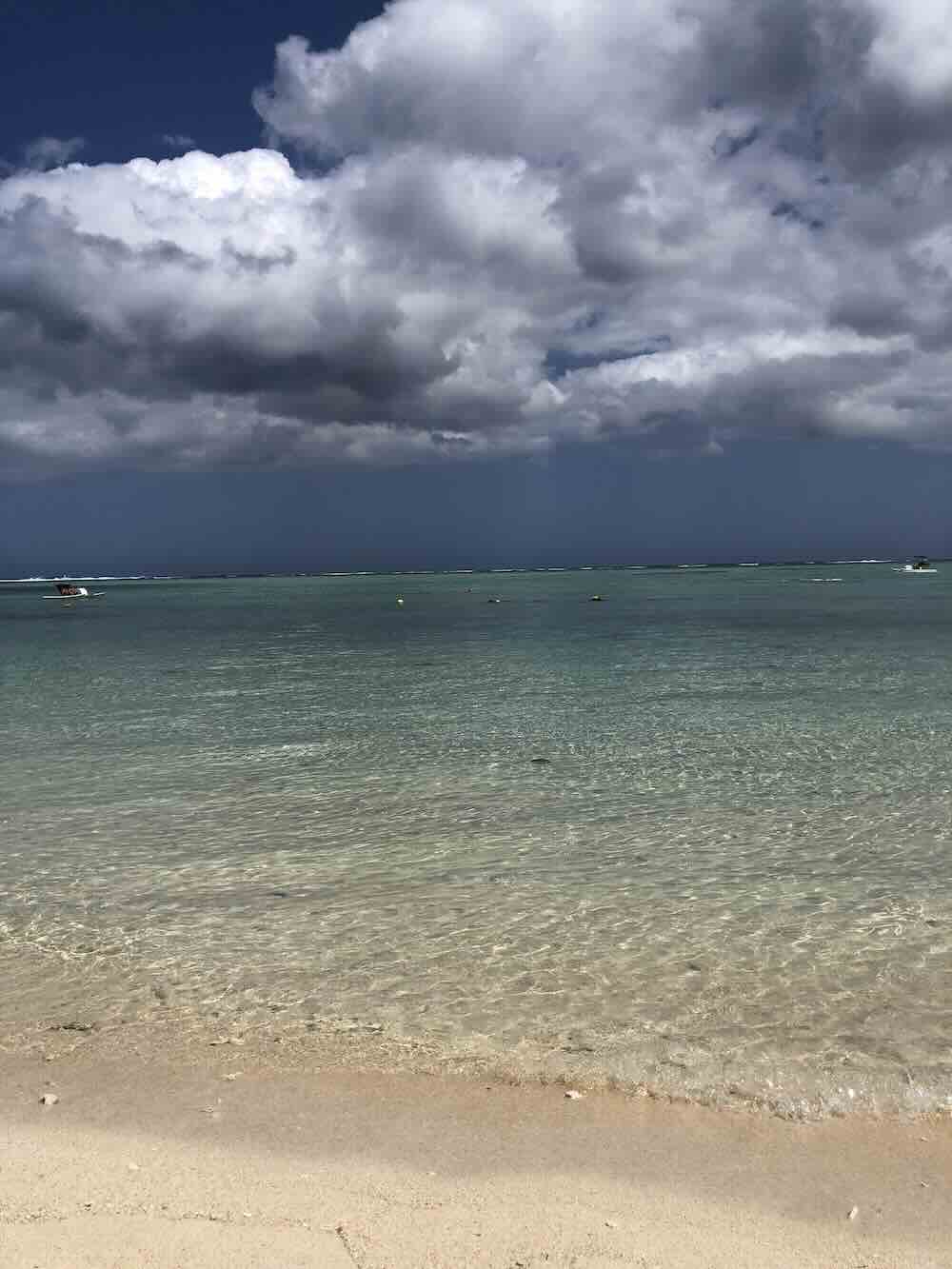
Your final day depends heavily on your flight time. If you have a late flight, drive north along the west coast towards Flic-en-Flac. The beach has a long lagoon, plenty of shade and restaurants nearby, which makes it easy for a final half-day. Go for one last swim. Have lunch.
Then continue towards the airport with enough time to return your rental car. If Your Flight Leaves Early Skip Flic-en-Flac. Seriously.
Do not end your beautiful two weeks in Mauritius by sweating through airport security because somebody on a travel blog told you that one final beach was “unmissable.” It is a beach. Your aircraft will leave without you.
SOUTH/ SOUTHWEST MAURITIUS
The Best Parts of This 2-Week Mauritius Itinerary
If you asked me which activities I would absolutely protect if I had to shorten this itinerary, my priorities would be:
Le Morne Brabant for landscapes and history.
Whale Watching because ours was one of the best wildlife experiences we had in Mauritius.
Black River Gorges + Chamarel for seeing Mauritius away from the coastline.
Île aux Cerfs or Île aux Bénitiers for a proper island and snorkeling day.
Port Louis because you should see more of Mauritius than resorts.
And at least two completely unproductive beach afternoons. That last one is important.
SOUTH/ SOUTHWEST MAURITIUS
What I Would Skip If You Only Have 10 Days in Mauritius
If you only have ten days, do not simply attempt this entire itinerary 40 percent faster.
That sounds horrible. I would remove:
Day 4: Deep-sea fishing
Day 5: Dedicated resort day
Day 6: Second east-coast boat trip
Day 13: Relaxation day, unless the seaplane is a priority
Then roughly split your nights into: 3 nights north → 2 nights east → 5 nights southwest
That still gives you a proper Mauritius road trip without spending every morning throwing underwear into a suitcase.
SOUTH/ SOUTHWEST MAURITIUS
What If You Only Have One Week in Mauritius?
With seven days, I would choose two bases. Spend two or three nights in northern or eastern Mauritius and the remaining nights in the southwest.
Prioritise:
- Port Louis or Pamplemousses
- One beautiful northern beach
- Île aux Cerfs
- Chamarel
- Black River Gorges
- Le Morne
- Either whale watching or Île aux Bénitiers
You will miss things. That is fine.
COST
How Much Does 2 Weeks in Mauritius Cost?
Mauritius can be a mid-range destination, a luxury destination or a surprisingly expensive destination depending on how enthusiastically you start booking private boats. Your biggest variables are:
| Expense | What Changes the Price |
| Hotels | Guesthouse vs luxury resort |
| Flights | Origin and season |
| Car rental | Vehicle size and insurance |
| Food | Local restaurants vs resort dining |
| Boat trips | Shared vs private |
| Whale watching | Shared vs private charter |
| Seaplane flight | Flight duration |
| Adventure activities | Activity package chosen |
Our trip included several luxury hotels and private experiences, so it was considerably more expensive than it needs to be. You could follow almost the exact same geographical route using apartments, guesthouses, public beaches and shared boat trips.
That is why I don’t think there is one useful answer to: “What does two weeks in Mauritius cost?”
A €100 guesthouse and a €700 resort are technically selling you a bed on the same island. They are not selling you the same bill.
TIPS ROAD TRIP
My Tips for Planning a Mauritius Road Trip
The biggest mistake I would avoid is underestimating driving time. Mauritius looks extremely compact on Google Maps, but towns, traffic and mountain roads slow things down. Group attractions geographically.
That is exactly why this itinerary moves: North → East → South/Southwest
instead of crossing the island repeatedly. Keep at least some flexibility for weather, especially around whale watching, hiking and flights. Start ocean activities early. Carry cash as well as cards. Download an offline map. Keep water and sunscreen in the car. And do not leave anything obviously valuable visible inside the vehicle when parking.
Most importantly, leave gaps. Some of our best moments in Mauritius happened because we were not constantly racing towards the next attraction. A road trip needs enough structure to prevent chaos.
BEST TIME
When Is the Best Time for This Mauritius Itinerary?
Mauritius is a year-round destination, but different months suit different priorities. For generally cooler and drier weather, May through October is popular.
If humpback whale watching is important to you, the migration overlaps particularly well with trips during July, August and September. Sperm whales can be encountered around Mauritius throughout the year.
The warmer and wetter summer runs roughly from November through April. Cyclones and heavier rainfall are more likely during the warmer months, so outdoor activities can require more flexibility. There is no universally perfect month. Choose based on what matters most to you.
For a deeper breakdown of weather, seasons and when I would personally visit, read my Mauritius Travel Guide.
TIPS ROAD TRIP
Is This Mauritius Itinerary Good for Families?
Yes, with a few changes. Most of this itinerary works brilliantly for families.
Beaches, botanical gardens, Île aux Cerfs, boat trips, tea plantations and snorkeling can all work with children depending on their ages.
The main activities I would reconsider with very young children are:
- The upper section of Le Morne
- Long deep-sea fishing trips
- Some zipline courses
- Extended open-ocean whale-watching trips
We travelled Mauritius as a family ourselves, which is partly why I like having slower hotel and beach time built into the itinerary. Not every holiday day needs to involve waking up at 5:30 AM and attaching a GoPro to somebody.
TIPS ROAD TRIP
Final Thoughts on Spending 2 Weeks in Mauritius
Before visiting, I thought Mauritius would mainly be a beautiful beach destination.
It isn’t. Or at least, it doesn’t have to be.
In two weeks you can hike a UNESCO-listed mountain, explore rainforest, visit temples and tea plantations, eat your way through Port Louis, search for sperm whales, snorkel around offshore islands, see wild dolphins, fly over an underwater optical illusion and still have plenty of time for the white-sand beaches Mauritius is famous for.
That variety is exactly what surprised me.
If I planned the trip again, I would still divide it into the same three regions: North. East. Southwest. And I would still give the southwest the most time.
Le Morne, Chamarel, Black River, the wildlife trips and the surrounding coastline made this my favourite part of Mauritius. Just don’t schedule every hour. Leave enough space for the random beaches, roadside stops, long lunches and unexpected moments that eventually become the part of the trip you actually remember.
WATCH THE VLOGS
Watch My Mauritius Vlogs
My Mauritius vlogs show the real side of traveling around the island, from dreamy beaches and whale watching to food, hotels, road trips, boat days, local moments, and all the little behind-the-scenes bits that never fully fit into a written guide.
On my YouTube channel, I share honest travel videos with personality, useful tips, pretty places, funny moments, and the reality of exploring the world with my family. If you are planning a Mauritius trip or just want to see what the island is really like, come watch the vlogs and follow along on the channel.

GET INFORMED
Frequently Asked Questions for Travel to Mauritius
What are the best things to do in Mauritius?
Mauritius offers much more than beautiful beaches. Some of the best things to do include hiking Le Morne Brabant, exploring Black River Gorges National Park, visiting the Seven Coloured Earth, relaxing on Le Morne Beach, swimming with wild dolphins, going whale watching, taking a catamaran trip to Île aux Cerfs or Île aux Bénitiers, exploring Port Louis, and visiting the Bois Chéri Tea Plantation and Chamarel Rum Distillery.
What is the number one attraction in Mauritius?
Le Morne Brabant is widely considered Mauritius’ most iconic attraction. This UNESCO World Heritage Site combines breathtaking scenery with an important historical story and offers one of the most rewarding hikes on the island. The second most popular activity is whale watching.
How many days do you need to explore Mauritius?
I recommend spending at least 7 to 10 days in Mauritius. This gives you enough time to explore different regions, visit the best beaches, enjoy a few boat trips, hike Le Morne Brabant and discover the island’s waterfalls, viewpoints and local culture without feeling rushed.
Is Mauritius only for beach holidays?
Not at all. While Mauritius is famous for its beaches, the island also offers incredible hiking trails, waterfalls, wildlife experiences, botanical gardens, tea plantations, rum distilleries, cultural attractions and scenic road trips.
Can you swim with dolphins in Mauritius?
Yes. Swimming with wild dolphins is one of the most popular activities in Mauritius. Most tours depart early in the morning from Tamarin or Black River, where pods of spinner and bottlenose dolphins are commonly seen. Always choose an ethical tour operator that respects the animals and follows responsible wildlife practices.
When is the best time to go whale watching in Mauritius?
Resident sperm whales can be spotted throughout the year, while humpback whales migrate through Mauritian waters between July and September. Morning tours usually offer the calmest sea conditions and the best chance of sightings.
Is it worth renting a car in Mauritius?
Yes. Renting a car is by far the easiest way to explore Mauritius. It gives you the freedom to visit beaches, waterfalls, viewpoints and hiking trails at your own pace, many of which are difficult to reach by public transport.
What are the best free things to do in Mauritius?
Many of Mauritius’ best experiences are completely free. You can relax on public beaches like Le Morne, Trou aux Biches and Flic en Flac, hike Le Morne Brabant, explore Black River Gorges National Park and watch spectacular sunsets along the west coast without paying an entrance fee.
Which side of Mauritius is the best to stay on?
The best area to stay in Mauritius depends on the type of trip you are planning. The west coast is perfect for sunsets, dolphin tours and whale watching, while the north offers livelier towns, restaurants and nightlife. The east is known for peaceful beaches and luxury resorts, and the south is best for nature, hiking and scenic drives. For a two-week Mauritius itinerary, I recommend staying in two or three different hotels to reduce driving time and explore each region more easily.
What shouldn’t you miss in Mauritius?
If it’s your first time visiting Mauritius, don’t miss hiking Le Morne Brabant, relaxing on Le Morne Beach, exploring Black River Gorges National Park, visiting the Seven Coloured Earth, swimming with wild dolphins, going whale watching and taking a boat trip to one of the island’s beautiful offshore islands.
What Are the Best Beaches in Mauritius?
Some of the most beautiful beaches in Mauritius include Le Morne Beach, Belle Mare, Trou aux Biches, Flic en Flac, Mont Choisy, Blue Bay and Pereybère Beach. Whether you’re looking for calm lagoons, snorkelling, spectacular sunsets or long walks on white sand, there’s a beach to suit every type of traveller.
Is Mauritius Good for Families?
Yes. Mauritius is an excellent destination for families thanks to its calm beaches, wildlife parks, boat trips, snorkelling, waterfalls and family-friendly resorts. There are plenty of activities suitable for both young children and teenagers, making it a fantastic destination for all ages.
Can you visit the main attractions in Mauritius without joining tours?
Yes. Most of Mauritius’ top attractions, including Le Morne Brabant, Black River Gorges National Park, Chamarel Waterfall, the Seven Coloured Earth, Port Louis, Bois Chéri Tea Plantation and many of the island’s best beaches, can easily be visited independently. Renting a car gives you the most flexibility and is the best way to explore Mauritius at your own pace. The only activities that require organised tours are experiences such as whale watching, swimming with dolphins, deep sea fishing and boat trips to offshore islands like Île aux Cerfs and Île aux Bénitiers.
Is Mauritius Good for Snorkelling?
Yes. Mauritius is home to some of the best snorkelling in the Indian Ocean thanks to its coral reefs and crystal-clear lagoons. Popular snorkelling spots include Blue Bay Marine Park, Trou aux Biches, Belle Mare and Île aux Cerfs, where you can spot colourful tropical fish and healthy coral formations.
EXPLORE THE OTHER GUIDES
Mauritius Travel Guides
After three weeks of exploring Mauritius, I’ve turned everything I learned into practical travel guides to help you plan your own adventure. Whether you’re looking for the best beaches, where to stay, whale watching tours or hidden gems, you’ll find everything you need right here.

OCEAN WONDERS
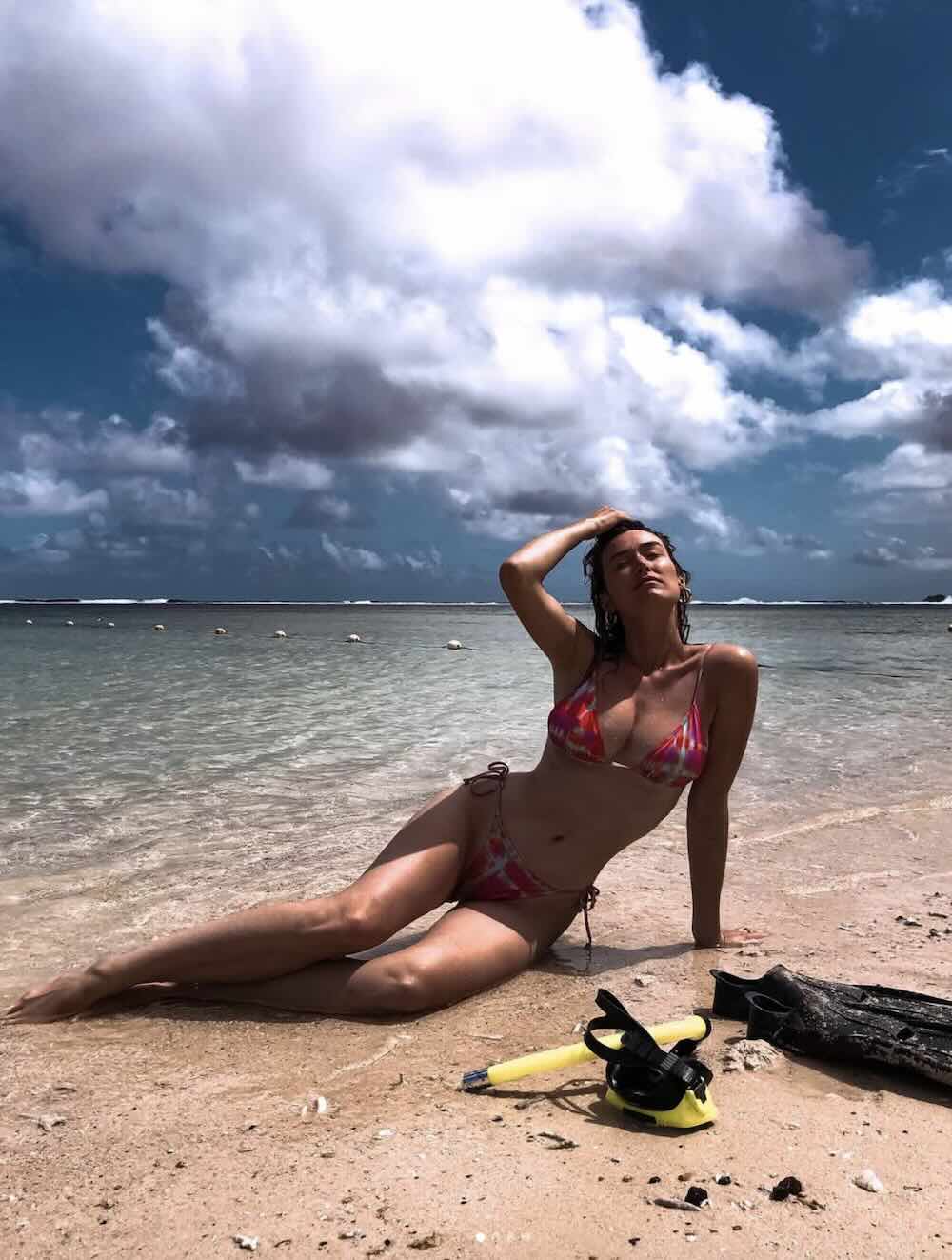
Whale watching in Mauritius
ACTIVITIES
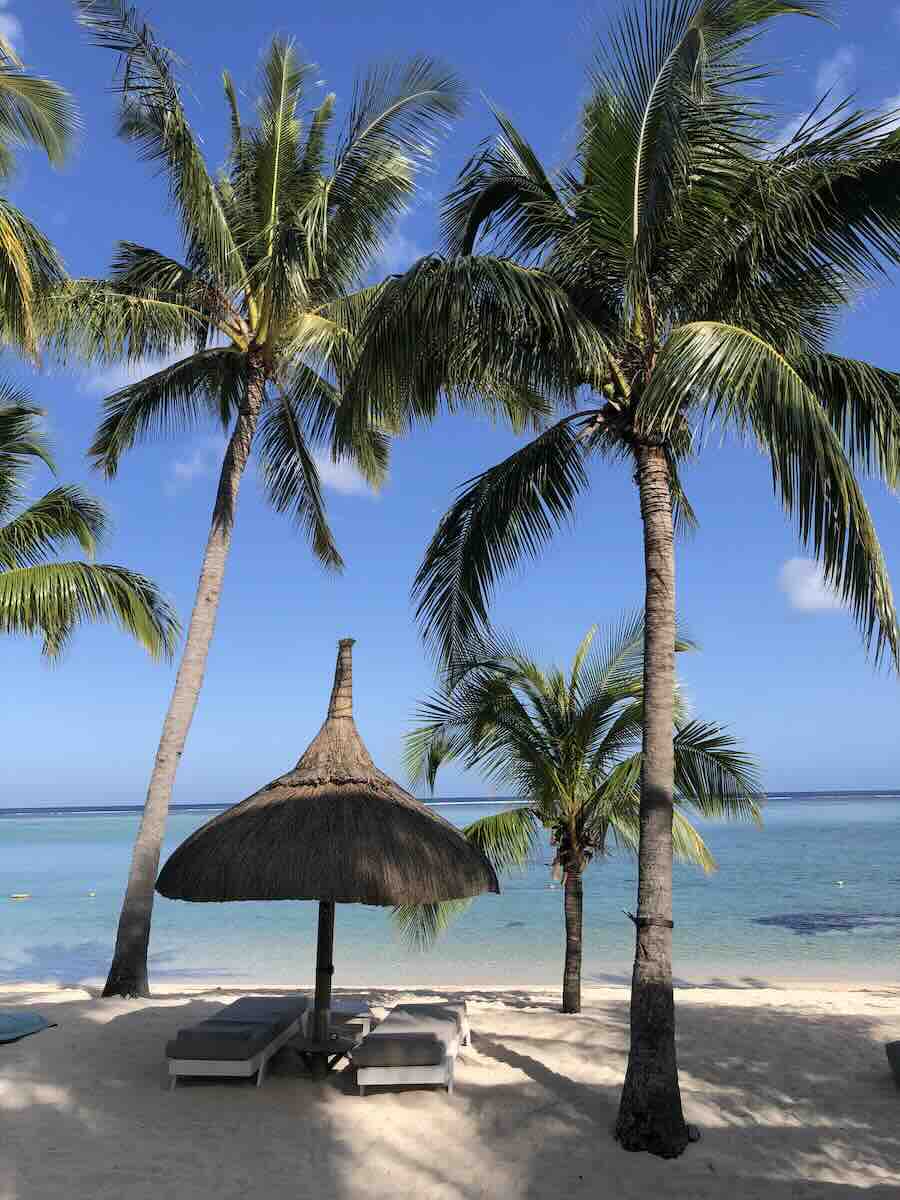
Top things to do in Mauritius
LEISURE
Best Beaches in Mauritius
HOTELS
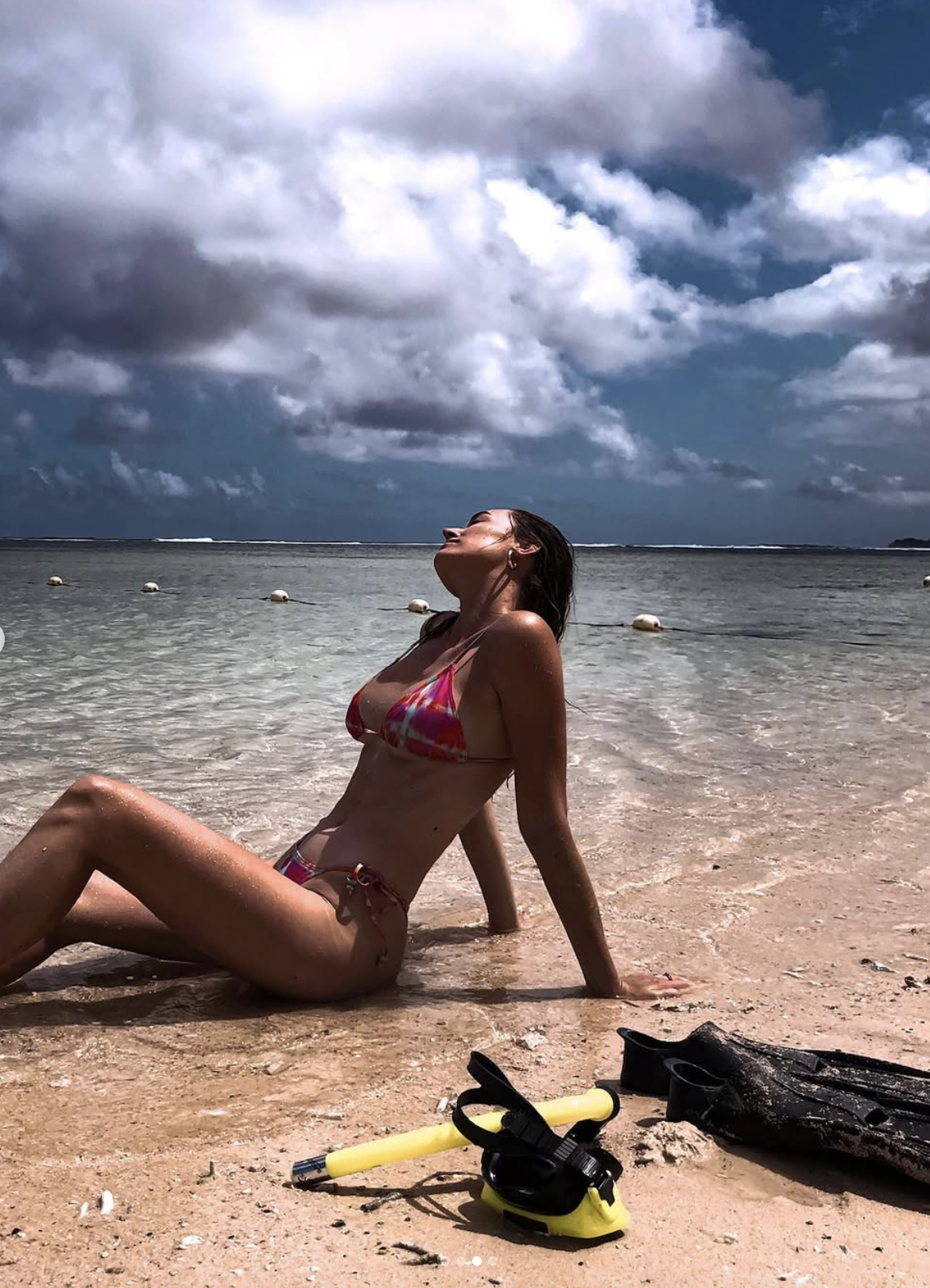
Where to Stay in Mauritius

NEWSLETTER
Subscribe for travel tips, new vlogs & life behind the scenes.
© 2026 Keep Up With Car – All rights reserved.
