Last updated on August 14th 2026
BEST THINGS TO DO IN ROTE ISLAND, INDONESIA
Empty Beaches, Wild Roads & Off-the-Beaten-Path Indonesia
Rote is still one of the best places to experience off-the-beaten-path travel in Indonesia. There are no endless rows of attractions or packed tourist streets here. Instead, you get empty beaches, tiny villages, wild coastal roads, clear water and plenty of places where seeing another traveler still feels mildly surprising.
START EXPLORING
Is Rote, Indonesia’s Most Southern & Remote Island, Worth Exploring?
A lot of what I loved about Rote happened somewhere between the actual destinations. Empty roads, tiny villages, roadside saté, completely deserted beaches and those moments where you turn down a random road simply because it looks interesting.
That said, there are some places you definitely should not miss.
From kayaking through mangroves and swimming at Telaga Nirwana to surfing around Nemberala, snorkeling clear reefs and exploring Rote by scooter, these are my favorite things to do in Rote Island and the places I would prioritise on a first trip.
If you are still planning the practical side of your trip, start with my Rote Island Travel Guide for information on getting there, where to stay, transport, weather, food and how long you actually need on the island.
Or, once you’ve worked your way through the must-do activities in this guide, keep exploring with my Best Beaches in Rote guide or follow my 7-Day Rote Island Itinerary to turn everything into an easy day-by-day trip.
HOW LONG TO STAY
Best Things to Do in Rote Island at a Glance
Rote may be famous for surfing, but you definitely do not need to arrive with a surfboard to enjoy the island.
The obvious attraction is the ocean, with world-class waves, coral reefs, snorkeling, diving and long beaches that can feel almost completely deserted. But spend a few days exploring and you quickly realize that some of Rote’s best experiences happen away from the main surf coast too.
There are mangrove lagoons, dry savanna-like landscapes, limestone formations, freshwater springs, traditional weaving, tiny villages and some seriously remote corners of the island.
For me, that variety is exactly what made spending a full week here worthwhile.
Best overall experience: Exploring Rote by scooter
Most unique place: Telaga Nirwana
Best water activity: Kayaking through Hakara
Best for surfing: Nemberala
Best viewpoint: Mando’o
Best adventurous day trip: Mulut Seribu
Best for snorkeling: Oeseli and offshore reefs
Best for beaches: Western and southwestern Rote
Best cultural experience: Learning about the sasando, Ti’i Langga and Rote weaving
Best place to slow down: Nemberala and Bo’a
| Area | Best For | How Many Days |
| Nemberala & Southwest Rote | Beaches, surf, sunsets, restaurants & slow travel | 3 to 4 days |
| Bo’a | Quiet coastline, beaches & surf | Half day to 1 day |
| Oeseli & Telaga Nirwana | Lagoon, mangroves, paddleboarding & road trip | 1 day |
| Ba’a & Central Rote | Local life, supplies, markets & road-trip stops | Half day to 1 day |
| Mando’o & South Rote | Viewpoints, coastline & scooter exploration | Half day |
| Batu Termanu & surrounding area | Landscapes, limestone formations & quieter Rote | Half day |
ENJOY THE WAVES
Go Surfing in Rote
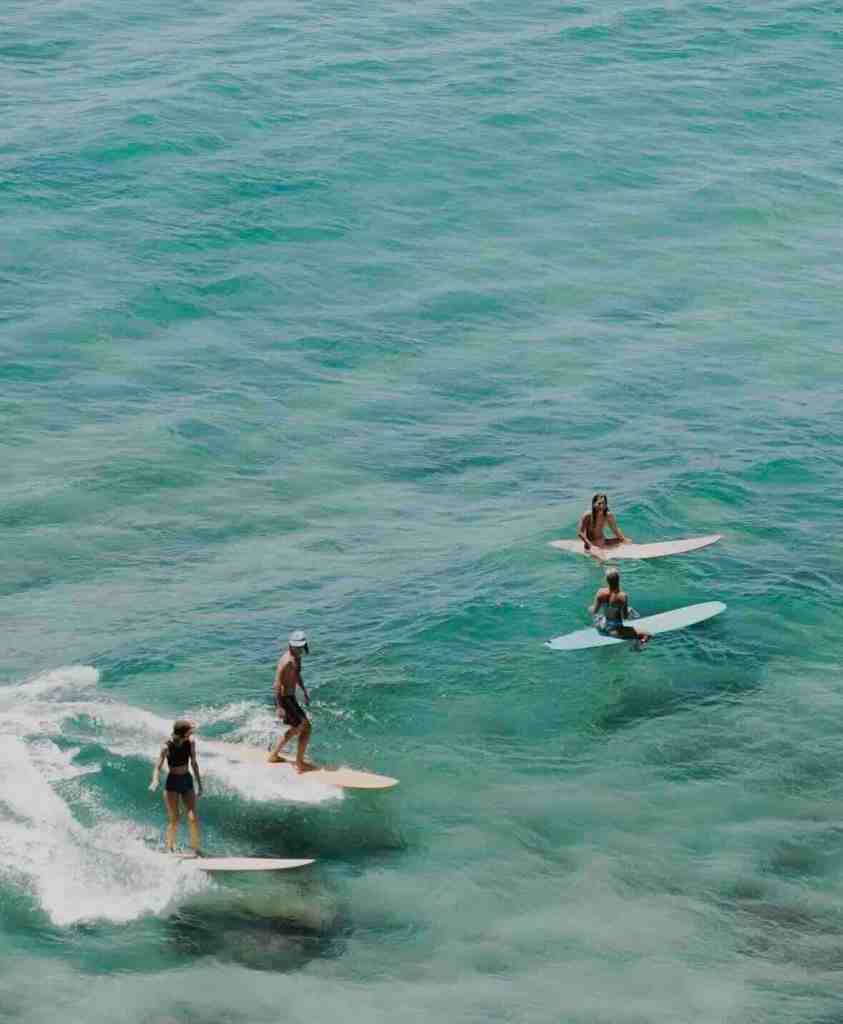
Surfing is what originally put Rote Island on the international travel map.
The southwest coast catches Indian Ocean swell and has a surprisingly large collection of reef breaks, from long, playful walls to fast and technical barrels. The most famous is T-Land at Nemberala, one of Indonesia’s longest left-hand waves. Under the right conditions, rides can stretch for hundreds of metres across several different sections of reef.
What makes Rote particularly appealing is that you have several very different surf spots relatively close together.
Experienced surfers can look towards breaks such as Bo’a, The Bommie and Suckies, while less experienced surfers have gentler options around Nemberala. Squealers, on the northern side of Nemberala harbour, is one of the better-known beginner spots thanks to its softer breaking waves.
You can get swell around Rote throughout the year, but the main surf season generally runs from March to November, with the biggest and most consistent swells typically arriving between May and September. The dry-season trade winds also tend to produce better offshore conditions around Nemberala.
Can Beginners Surf in Rote?
Rote has serious reef breaks, so do not assume every wave you see is suitable for beginners. If you want to learn, speak to a reputable local surf school or guide and choose a spot appropriate for your experience level. A pretty wave is still perfectly capable of removing several layers of dignity.
WATER ACTIVITIES
Diving & Snorkeling In Rote
Rote does not get the same international diving attention as Komodo, Alor or Raja Ampat, but there is still plenty happening underwater.
The island is surrounded by coral reef, with dive sites around the western coast and offshore islands. Depending on the location and conditions, you can encounter tropical reef fish, turtles, rays, sharks, barracuda and other marine life.
Nemberala is the easiest place to arrange scuba diving and snorkeling trips, and there are also operators offering PADI courses if you want to learn while you are here.
I would not travel all the way to Rote solely because you expect a particular animal encounter. Manta rays and other larger marine species are possible, but this is wildlife, and sightings are not guaranteed.
1. Oeseli Bay
Oeseli is one of the easiest places to snorkel without arranging a boat. The sheltered bays here are generally calmer than Rote’s exposed west coast, with shallow water, coral, anemones and plenty of small reef fish.
If you are new to snorkeling or simply want somewhere relaxed rather than fighting swell and current, this is one of the first places I would look.
Access: From shore
Location: Oeseli, Southwest Rote
Best for: Beginners, families & easy shore snorkeling
2. Bo’a Beach
Bo’a has clear water and coral reef close to shore, making it possible to snorkel directly from the beach when conditions are calm.
The important part is when conditions are calm. Bo’a is also a surf area, so swell and currents can make the water very different from one day to the next.
I would ask at your accommodation before heading in. Since I stayed in the Bo’a area, this is also one of the easiest snorkeling options if you are based around Eliana, Boa Vida or NIHI Rote.
Access: From shore when conditions allow
Location: Bo’a, West Rote
Best for: Easy reef access & combining snorkeling with a beach day
3. Nemberela
Nemberala is the easiest snorkeling base if you are staying on the west coast.
You can explore parts of the reef close to shore when the tide and swell are suitable, and turtles are occasionally spotted around the wider reef system. You will also see plenty of local activity along this coastline, including traditional seaweed farming.
For better reef access, I would arrange a local boat rather than assuming every section of Nemberala Beach is suitable for swimming. The famous surf breaks offshore should tell you everything you need to know about how powerful this coastline can become.
Access: Shore or local boat
Location: Nemberala, West Rote
Best for: Convenient snorkeling & arranging boat trips
4. Do’o Island
If you want a more adventurous snorkeling trip, Do’o Island is one of the best options from western Rote.
The uninhabited island sits offshore from Nemberala and is known for clear water, quiet beaches and good snorkeling around its reefs. Local boats can take you across for a day of swimming, snorkeling and exploring the island.
This is the option I would choose if you want snorkeling to be the main activity of the day, rather than simply jumping into the water from a beach.
Access: Boat trip
Location: Offshore west of Rote
Best for: Island hopping, coral gardens & a proper snorkeling day
5. Helehanak Island
Helehanak is a small island off the southwest side of Rote, close to the Oeseli area, and is another good option for clear water and reef snorkeling.
The island is much less visited than Nemberala and feels properly remote, with virtually no tourism infrastructure. Marine life and coral around the island make it an interesting stop if you are arranging a private boat day from southern Rote. Eliana Resort also includes Helehanak among the nearby islands it recommends for snorkeling and marine life.
Access: Local boat
Location: Offshore from Southwest Rote
Best for: Remote snorkeling & fewer people
6. Ndao Island
Ndao lies farther west than Do’o and requires a longer boat trip, but it gives you the chance to combine snorkeling with a visit to one of the inhabited outer islands of Rote Ndao.
The waters around Ndao have reef systems suitable for snorkeling and diving, while the island itself feels very different from the more tourism-oriented Nemberala coast.
I would choose Ndao if you want a full-day island-hopping experience, rather than simply the quickest snorkeling trip available.
Access: Boat trip
Location: West of Rote Island
Best for: Remote reefs & combining snorkeling with island life
ROADTRIP THE ISLAND
Explore Rote Island by Scooter
One of my favorite things about Rote had very little to do with surfing. It was simply getting on a scooter and exploring. The island is much larger and more varied than the small tourism area around Nemberala suggests. Drive away from the southwest coast and you pass dry hills, churches, tiny villages, livestock, lontar palms, empty beaches and long stretches of road where seeing another tourist becomes increasingly unlikely.
You could easily spend several days driving around Rote without running out of places to stop. Some of my favorite stops are:
Explore The Many Fishing Villages Along the Coast of Rote
One of my favorite scooter routes was along the north coast around Ulua towards Namodale, passing small coastal communities and fishing villages along the way. This part of Rote feels completely different from Nemberala. There are fishing boats along the shore, people working around the coast and very little that has been designed specifically for visitors. Namodale itself is part of the Lobalain area around Ba’a, while Ulua lies farther west, making the stretch between them a great route for seeing normal island life rather than hopping between tourist attractions.
Visit Mata Air Oemau Near Mokdale
Visit Mata Air Oemau, a clear water pool near Mokdale. The natural spring-fed swimming pool is only a few minutes by road from Rote’s airport. The water is incredibly clear and shaded by large trees, making it a brilliant stop when you have been riding around in the heat. The pool is roughly 8 metres by 40 metres and around one metre deep, fed continuously by the Oemau spring. It remains an important local water source as well as a popular place for people to swim and cool down. Entry is currently free.
Visit a Local Market
Keep an eye out for weekly traditional markets while exploring Rote. Rather than having one farmers market permanently operating in one central location, different communities around the island have their own scheduled market days. We found one completely by accident in Batutua, and it was exactly the sort of unplanned stop I loved on Rote. Fresh produce, local food, household goods and people from the surrounding villages all come together for market day. These markets give you a better idea of everyday island life than another afternoon sitting beside a resort pool. The Nemberala local farmers market takes place every Tuesday morning, generally from around 6am to 10am. It is the best morning to pick up fresh fruit, vegetables and local produce while seeing a little more of everyday village life.
Watch Local Seaweed Farmers
One thing you will notice while exploring Rote by scooter is how much of everyday life still revolves around the sea. Around Nemberala and other coastal villages, families cultivate seaweed in the shallow water, bringing it back to shore before laying it out to dry in the sun. Seaweed farming is an important part of Rote’s local economy, and Nemberala is particularly well known for it. I loved seeing this while driving around because it is not something set up for tourists. You simply pass people working, seaweed drying beside the road or beach, and boats moving between the farms and shore.
Is It Easy to Ride a Scooter in Rote?
Generally, the main roads are manageable, but conditions change once you turn onto smaller roads leading towards beaches and more remote areas.
Some sections can be sandy, rocky or uneven. I would therefore only rent a scooter if you are already a confident and properly licensed rider. If not, hire a local driver instead. You will still see the same places without spending the day gripping the handlebars for dear life.
Also, fill up before heading into remote areas. Fuel becomes considerably less predictable once you leave the main towns.
LAGOON
Visit Telaga Nirwana
Telaga Nirwana is one of the places I would absolutely put on a first Rote itinerary.
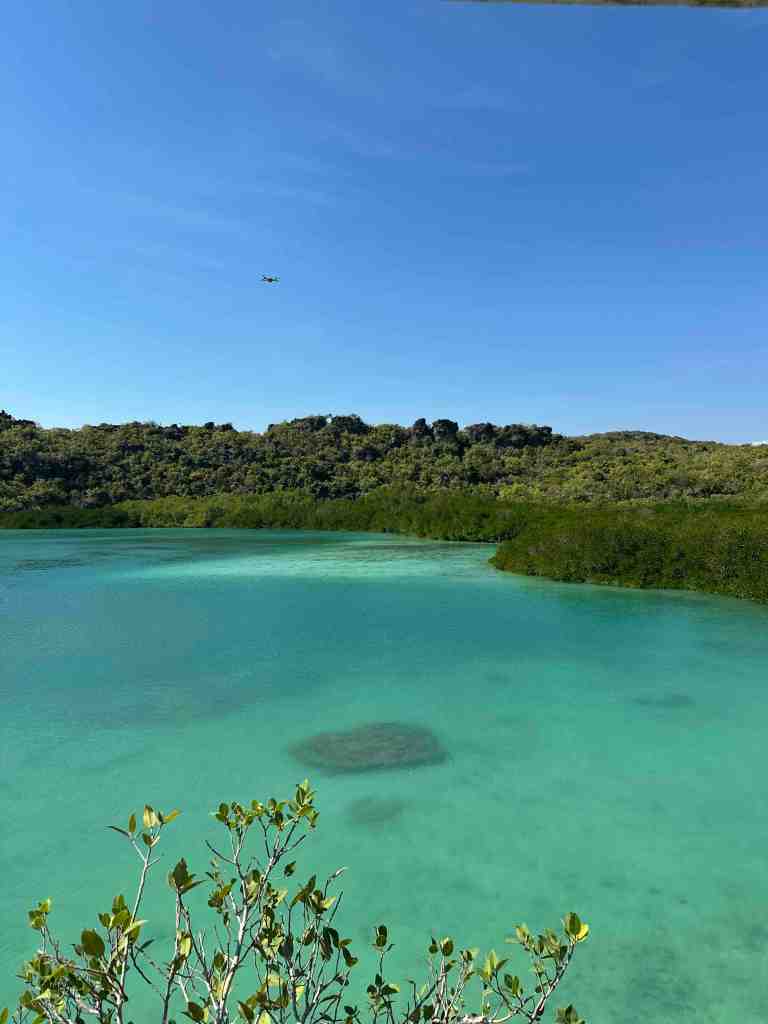
Hidden near Oeseli in Southwest Rote, the lagoon sits behind the coast among mangroves and limestone, with clear turquoise water that is much calmer than the open ocean outside.
The lagoon begins roughly 200 metres from Buedale Beach, and small local boats or canoes can take you through the water to reach it. The official Rote Ndao tourism information describes a roughly 700-metre inlet leading towards the lagoon, with shallow transparent water and a distinctive heart-shaped rock formation inside. You can swim, paddle or simply float around for a while.
Best for: Swimming, kayaking, paddleboarding & mangroves
Location: Oeseli, Southwest Rote
Time needed: Around 1 to 3 hours
MANGROVES
Kayak Through the Mangroves at Hakara
Close to Eliana Resort, Hakara Beach was one of my favorite places for a slower day on Rote. The water here was unbelievably clear and calm when I visited, making it perfect for swimming before heading out by kayak to explore the intricate mangrove forest.
Kayaking through the mangrove channels is easily one of the most peaceful things you can do on this side of the island. You can paddle between the trees, follow the narrow waterways and basically get a little lost in the mangroves before finding your way back out to the open turquoise water.
If you are staying around Bo’a or at Eliana Resort, I would absolutely add this to your Rote itinerary.
Why I Would Include Hakara
Rote is famous for surfing, but you do not need to be remotely interested in surfing to have a brilliant trip here. Hakara is a perfect example. It gives you the calm-water side of Rote and works especially well on an itinerary alongside Oeseli, Telaga Nirwana and the southwestern coast.
Access: Beach + kayak
Location: Near Eliana Resort, Bo’a area
Best time: Calm conditions, ideally earlier in the day
Best for: Swimming, kayaking, mangroves & ridiculously clear water
VIEWPOINT HIKE
Climb Tangga 300 at Bukit Mando’o
For one of the best views in Rote, head to Bukit Mando’o, often called Tangga 300.
Despite the name, the Rote Ndao government describes the climb as having around 388 steps leading towards the top. From the viewpoint you can look across the coastline, mangroves and villages around Kuli.
Best Time to Visit Mando’o
Go early in the morning or later in the afternoon. The climb is relatively short but exposed, so I would avoid tackling it in the hottest part of the day. Bring water and proper shoes.
SOUTHERN POINT OF INDONESIA
Visit Ndana Island; the southern edge of Indonesia
South of Rote lies Ndana Island, also known as Dana or Pamana, one of Indonesia’s outermost islands and the country’s southernmost land territory. It sits in Southwest Rote Ndao, facing the open waters towards Australia.
Ndana is uninhabited by a permanent civilian population and has a military security presence because of its strategic border location. There is very little infrastructure on the island, and the landscape is dry, exposed and surrounded by open ocean. A monument to General Sudirman also stands on the island.
This is not the kind of place where I would simply hire a random boat and assume everything will sort itself out.
Visitor access and security arrangements around Indonesian outer islands can change. If you want to visit Ndana, ask locally in Oeseli about the current procedure, permission requirements and whether visitor trips are operating at the time of your stay. I would deliberately avoid publishing a permanent step-by-step permit procedure because those arrangements can change.
Local boats can make the crossing when conditions allow, but the waters south of Rote can have strong currents and swell. Also, another factor that surprised me about this island are the very strong winds that can be relentless.
For most travelers, Ndana will be more of an adventurous optional day trip than an essential Rote attraction. But there is something undeniably cool about standing at the very bottom edge of Indonesia, knowing that beyond you there is a rather large amount of ocean before Australia begins.
Best for: Adventure, geography & remote travel
Location: South of Rote Island
Time needed: Full day
Access: Arrange locally and confirm current permission requirements before travelling
LANDMARK
Visit Batu Termanu
Batu Termanu is one of Rote’s most recognizable natural landmarks.
Two enormous limestone formations rise from the otherwise open landscape in the Termanu area of Central Rote. They are known locally as Batu Hun and Su’a Lain and are connected to traditional Rotenese stories and folklore. Rote Ndao’s tourism authority lists Batu Termanu as one of the island’s established natural attractions.
Even without the legend, the setting makes it worth stopping during a central Rote scooter trip.
LANDMARK
Visit Tiang Bendera
If you want something beyond beaches and water activities, stop at Tiang Bendera in Baadale.
The site sits close to Ba’a and includes a rocky coastal formation topped by a historic flagpole built during the Dutch colonial period. According to the Rote Ndao government, the structure dates to 1939, and at low tide it is possible to walk towards the rock formation. It is not somewhere I would build an entire day around, but it makes an interesting stop if you are already exploring around Ba’a.
This is exactly the kind of smaller attraction I like adding to a road trip.
EXPLORE MORE
Take a Boat Through Mulut Seribu
If you have enough time to explore farther east, Mulut Seribu is one of the most unusual places to visit in Rote.
The name translates roughly to “a thousand mouths”, referring to the maze-like waterways, inlets, small islands and mangrove-covered channels of the area. This is not really somewhere you simply drive up to, take a photograph and leave. The experience is about exploring the waterways by boat.
The Rote Ndao government recommends using a local guide because the channels can look extremely similar, particularly for first-time visitors. Their tourism information also describes local boats carrying around five to six people including the boat captain.
Is Mulut Seribu Worth It?
Yes, if you have enough time. I would not try to squeeze Mulut Seribu into a short western Rote itinerary. The distances involved make much more sense if you are deliberately spending time in East Rote or have around 10 days on the island. That is also why I would not recommend it as a casual half-day excursion from Nemberala. Rote looks small on the map. It has other ideas once you start driving.
BEACHES
Discover Rote Island’s Best Beaches
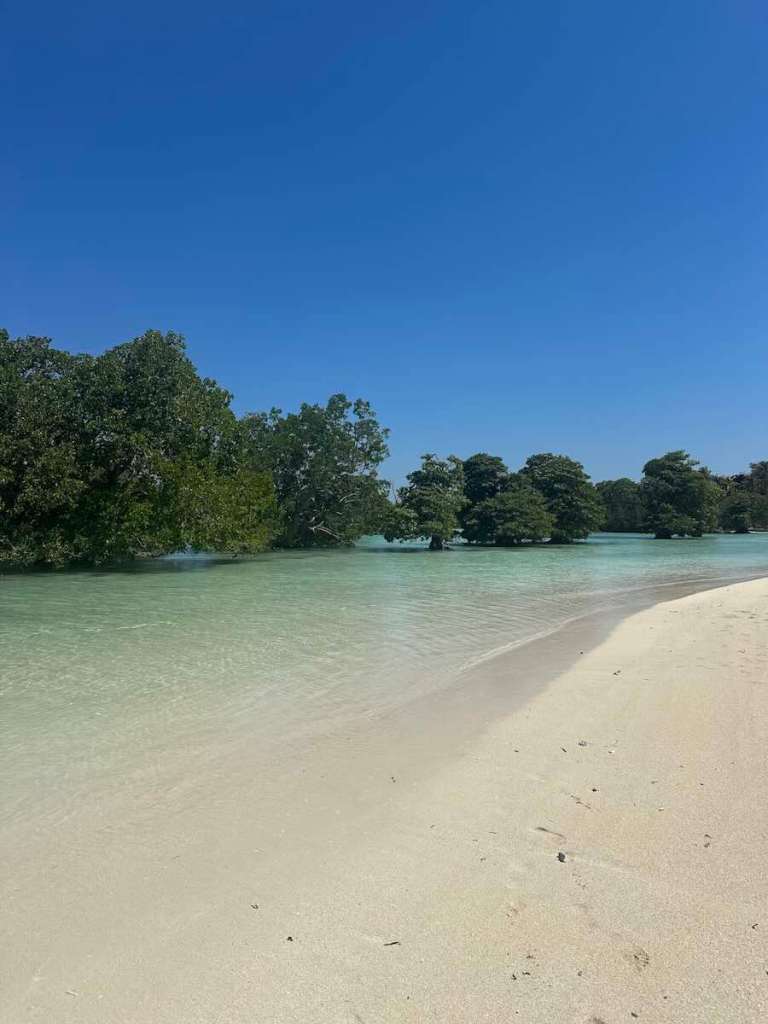
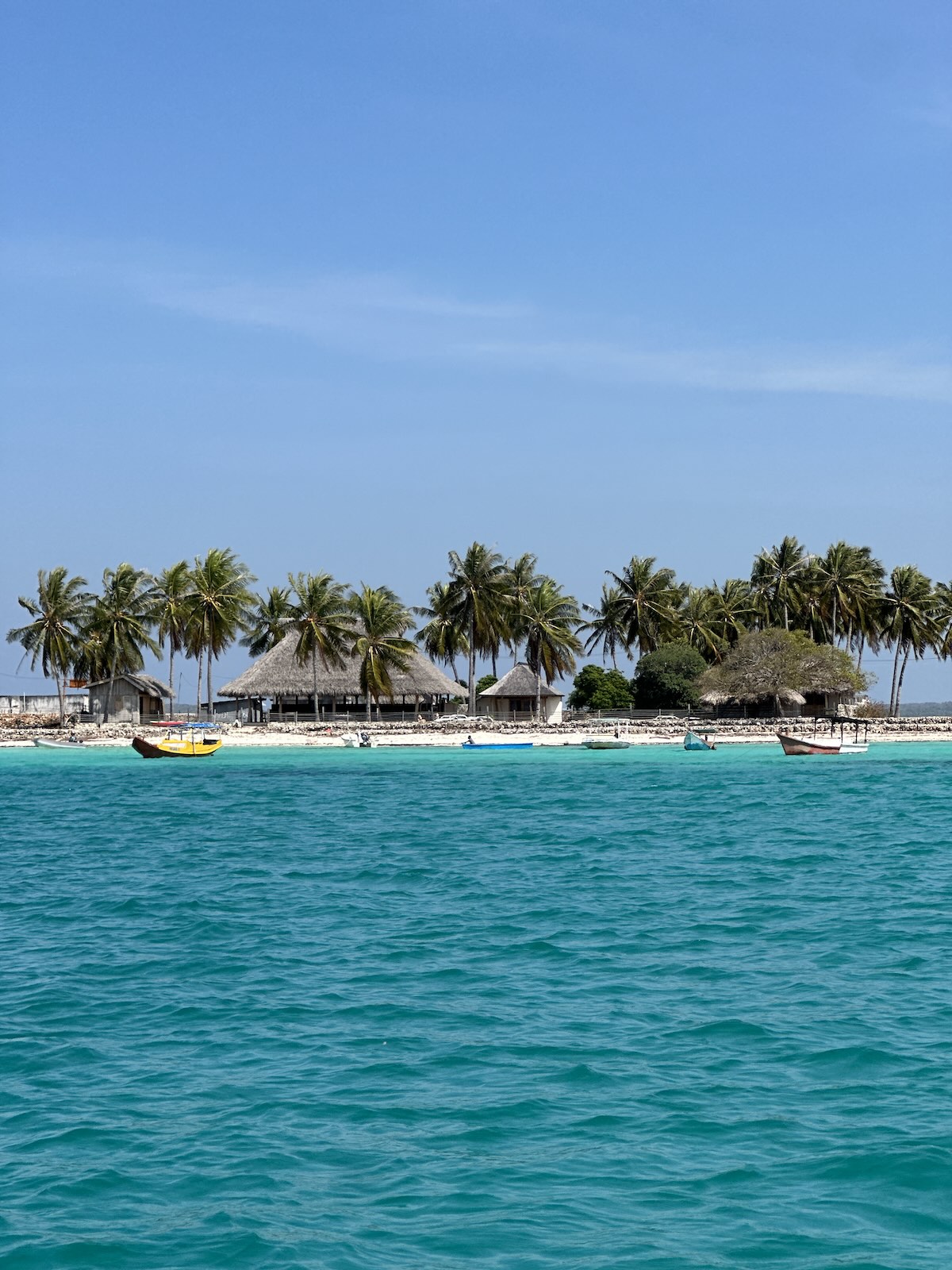
Rote has no shortage of beautiful coastline, but part of the fun is that many of its beaches still feel completely untouched. Nemberala and Bo’a are two of the best-known areas, while Hakara Beach was one of my favorites for swimming and kayaking. If you want something much more remote, Pantai Sai Oebole has that properly deserted, middle-of-nowhere feeling that Rote does so well.
There are plenty more beaches worth finding around the island, so I’ve put together a separate guide to the Best Beaches in Rote Island with all my favorites, swimming spots and quieter stretches of coast. But there are a few worth mentioning here.
Nemberala Beach
Nemberala is one of the most famous beaches in Rote and the centre of the island’s surf scene. It is also the easiest beach area to combine with restaurants, accommodation and sunset drinks, which makes it a good base if this is your first time on Rote.
Bo’a Beach
Just along the western coast, Bo’a feels quieter and more spread out. It is another area strongly associated with Rote’s surf scene, but you do not need to be surfing to enjoy the coast.
Hakara Beach
Hakara was one of my favorites for swimming and kayaking, particularly because the water feels more protected than some of Rote’s exposed western beaches.
Pantai Sai Oebole
If what you want is that completely empty Rote feeling, Pantai Sai Oebole stood out for me. No beach clubs. No rows of sunbeds. Just a huge stretch of coastline and very little happening. Exactly as it should be.
→ Read next: Best Beaches in Rote Island
CULTURE
Learn About Rote’s Culture, Sasando and Ti’i Langga
Rote is not just beaches. One of the things that makes the island genuinely interesting is how distinct its local identity still feels.
The sasando, a traditional stringed instrument originating from Rote, is probably the island’s most famous cultural symbol. It uses bamboo and lontar palm leaves to create its distinctive shape and resonating sound.
Then there is the Ti’i Langga, the striking traditional Rote hat made from woven lontar leaves. Indonesia Tourism describes it as an important symbol of Rote identity and honour, traditionally worn by men during ceremonies and cultural events.
You may also come across Rote ikat weaving, traditional clothing and locally made crafts.
Indonesia’s tourism ministry specifically highlights sasando craftsmanship, Rote clothing and ikat weaving among the cultural experiences visitors can discover on the island.
HOW LONG TO STAY
How Many Days Do You Need for These Rote Activities?
You could see some of western Rote in 4 to 5 days, but I would not recommend rushing it.
For most travelers:
– 5 days: Nemberala, Bo’a, southwestern Rote, Telaga Nirwana and a few beaches
– 7 to 8 days: Ideal for western Rote plus snorkeling, kayaking and slower exploration
– 10 days: Better if you also want to explore East Rote and Mulut Seribu
For the exact route I would follow, continue to my 7-day Rote Island itinerary.
TOP ATTRACTIONS
What Are the Best Things to Do in Rote If You Only Have 3 Days?
If you only have three days, stay around western Rote.
I would prioritise:
Day 1: Nemberala, Bo’a and beach exploring
Day 2: Telaga Nirwana, Oeseli and Hakara
Day 3: Mando’o, snorkeling or another coastal road trip
Do not attempt to add East Rote and Mulut Seribu. You will spend half your trip travelling and the other half wondering why the island feels stressful when literally nothing about Rote is supposed to feel stressful.
KID FRIENDLY?
Are the Best Things to Do in Rote Suitable for Kids?
Many are. Beaches, calm swimming areas, kayaking and shorter road trips can work really well for families, but distances and limited infrastructure require a bit more planning than Bali. For younger children, I would be particularly careful with:
- Long scooter journey
- Exposed beaches with strong currents
- Reef-entry snorkeling
- Long days in the sun
- Remote areas with limited food and facilities
- A private driver makes exploring significantly easier if you are traveling with children.
CONCERNS?
Is Rote Worth Visiting If You Don’t Surf?
Absolutely. Surfing may have put Nemberala on the international travel map, but it is only one part of the island. I don’t surf, and Rote still gave me more than enough to fill over a week.
Come for the beaches, kayaking, snorkeling, road trips, lagoons, mangroves, culture and the fact that many parts of the island still feel wonderfully quiet.
EXPLORE MORE
Continue Exploring Rote
Rote is much easier to plan once you understand how spread out everything is. Use my other Rote guides below to work out where to base yourself, which beaches are actually worth the drive and how to fit everything into one trip. Come for the beaches, kayaking, snorkeling, road trips, lagoons, mangroves, culture and the fact that many parts of the island still feel wonderfully quiet.
LEISURE
Best Beaches in Rote Island
ITINERARY
My 7-day Rote Island Itinerary
MAIN TRAVEL GUIDE
Rote Travel Guide
Frequently Asked Questions About Things to Do in Rote
Is Rote Island worth visiting if you don’t surf?
Absolutely. Surfing is one of the things Rote is best known for, especially around Nemberala, but you definitely do not need to surf to enjoy the island. I don’t surf, and I still had more than enough to fill over a week here.
You can swim and kayak in calm lagoons, snorkel, explore empty beaches, drive across the island by scooter, visit viewpoints like Mando’o, take a boat through the mangroves and waterways of Mulut Seribu, discover small villages and learn more about Rote’s traditional sasando music and weaving.
If anything, Rote is particularly good for travelers who enjoy exploring without needing a huge list of tourist attractions. Some of my favorite days were simply spent driving along the coast and stopping whenever somewhere looked interesting.
What should you not miss in Rote Island?
If it is your first trip to Rote, I would prioritise Telaga Nirwana, the beaches around western and southwestern Rote, Nemberala, Hakara, Mando’o and at least one day simply exploring the island by scooter or private driver.
If you have more time, add snorkeling and a trip farther east to Mulut Seribu and East Rote.
My personal five must-do experiences in Rote would be:
- Explore western Rote by scooter or driver
- Visit and swim at Telaga Nirwana
- Kayak around Hakara
- Spend a day discovering Rote’s beaches
- Slow down around Nemberala and Bo’a
Rote is not somewhere I would try to race around ticking off twenty attractions. Leave some empty space in your itinerary because spontaneous stops are a big part of what makes the island fun.
What are the best free things to do in Rote?
Some of the best things to do in Rote cost little or nothing at all.
Beach hopping, watching the sunset, exploring coastal roads, visiting villages, walking around Nemberala and stopping at viewpoints can all be done very cheaply. Even an entire day of driving around the island can cost little more than scooter rental and fuel.
Rote is actually a great destination if you prefer nature and independent exploring over expensive organised tours.
Some beaches or attractions may ask for a small entrance, parking or local contribution, so I would always carry cash even when you are planning a mostly free day.
What are the best things to do in Rote with kids?
Rote can be a great island to explore with children, particularly if they enjoy beaches, swimming, boats and being outdoors.
Calmer swimming spots, beach days, kayaking, short viewpoints and boat trips can all work well for families. The biggest challenge is that attractions are spread out and facilities become limited once you leave the main towns and tourism areas.
If you are traveling with young children, I would seriously consider hiring a private driver rather than relying on long scooter journeys.
Also bring plenty of drinking water, snacks, sunscreen and anything specific your child may need before heading to more remote parts of the island. Do not assume you will find a convenience store ten minutes later. Sometimes you absolutely will not.
How many days do you need to see the best things in Rote?
I would consider five days the minimum, but seven to eight days is ideal if you want to see Rote without rushing.
With five days, concentrate mainly on Nemberala, Bo’a, Oeseli, Telaga Nirwana, Hakara, Mando’o and the western side of the island.
Seven or eight days gives you much more freedom for snorkeling, beach days and those unplanned road trips that inevitably take longer than expected.
If you also want to properly explore East Rote, Mulut Seribu and the more remote eastern side of the island, I would allow around 10 days.
What is Rote Island best known for?
Rote is best known internationally for surfing, particularly the waves around Nemberala, but there is much more to the island than surf.
It is also known for its quiet beaches, dry tropical landscapes, lontar palms, traditional sasando music, Ti’i Langga hats, ikat weaving and its slower, much less developed style of tourism.
For me, Rote’s biggest attraction is actually the combination of all of those things. It still feels like somewhere you explore rather than somewhere that has been neatly packaged into a tourist itinerary.
Is Rote Island good for off-the-beaten-path travel in Indonesia?
Yes. Rote is one of the places I would recommend if you are specifically looking for off-the-beaten-path travel in Indonesia.
There is tourism around Nemberala, but much of the island remains very quiet. Drive away from the main tourism areas and you quickly find empty roads, small villages, deserted beaches and places where you may not see another foreign traveler for hours.
It is not completely undiscovered, and I would not pretend that it is. Surfers have been coming to Rote for years. But compared with Bali, the Gilis or the main tourist areas of Lombok, Rote still feels remarkably low-key.
That is exactly why I liked it.
Can you explore Rote Island without a scooter?
Yes. A scooter gives you the most freedom, but it is definitely not your only option.
If you are not an experienced rider, hiring a local driver with a car is the safer and more comfortable way to explore. It is particularly useful if you are traveling with children, carrying camera equipment or planning longer days across the island.
Rote’s attractions can be surprisingly far apart, so having some form of private transport is important. This is not really an island where you can rely on taxis appearing whenever you decide you are finished at a beach.
For shorter distances around Nemberala, your accommodation may also be able to help arrange transport.

NEWSLETTER
Subscribe for travel tips, new vlogs & life behind the scenes.
© 2026 Keep Up With Car – All rights reserved.
 Keep Up With Car