
Updated last on August 23rd 2026
INDONESIA TRAVEL GUIDE
Island Guides, Itineraries, Volcanoes, Beaches & Honest Travel Advice
Indonesia is the kind of country where saying “I’m going to Indonesia” tells you almost nothing about what the trip will actually look like.
You could be hiking a volcano before sunrise in Java, snorkeling over coral in Bali, sleeping on a liveaboard in Komodo, driving through the savannas of Sumba, surfing in Lombok or spending a week on the empty beaches of Rote.
I have travelled extensively through Indonesia and built this page as the starting point for all of my Indonesia travel guides. Use it to choose the right island, find a route that actually makes sense and then continue into the detailed destination guides, itineraries and activity guides I have written from places I have explored myself.
Indonesia at a Glance
Best for: Islands, volcanoes, beaches, snorkeling, culture, wildlife and adventure
Best first trip: Bali + Java, or Bali + Lombok
Best for volcanoes: Java
Best for easy first-time travel: Bali
Best for beaches: Bali, Lombok and Rote
Best for remote landscapes: Sumba
Best for snorkeling: Bali, Nusa Islands, Lombok/Gilis and Komodo
Best for wildlife: Komodo National Park
Best for surfing: Bali, Lombok and Rote
Best for slow island life: Rote
Best trip length: 2 weeks minimum, ideally 3 to 4 weeks for multiple islands
Best general travel period: Roughly May to October for many of the destinations covered on this site
Currency: Indonesian Rupiah, IDR
Language: Bahasa Indonesia, plus hundreds of regional languages
If you have around three weeks, start with my 3-Week Indonesia Itinerary.

CHOOSE YOUR ISLAND
Explore Indonesia by Island
Bali
Best for: First-time visitors, temples, rice fields, beaches, waterfalls, cafés and easy travel
How long: 7 to 14 days
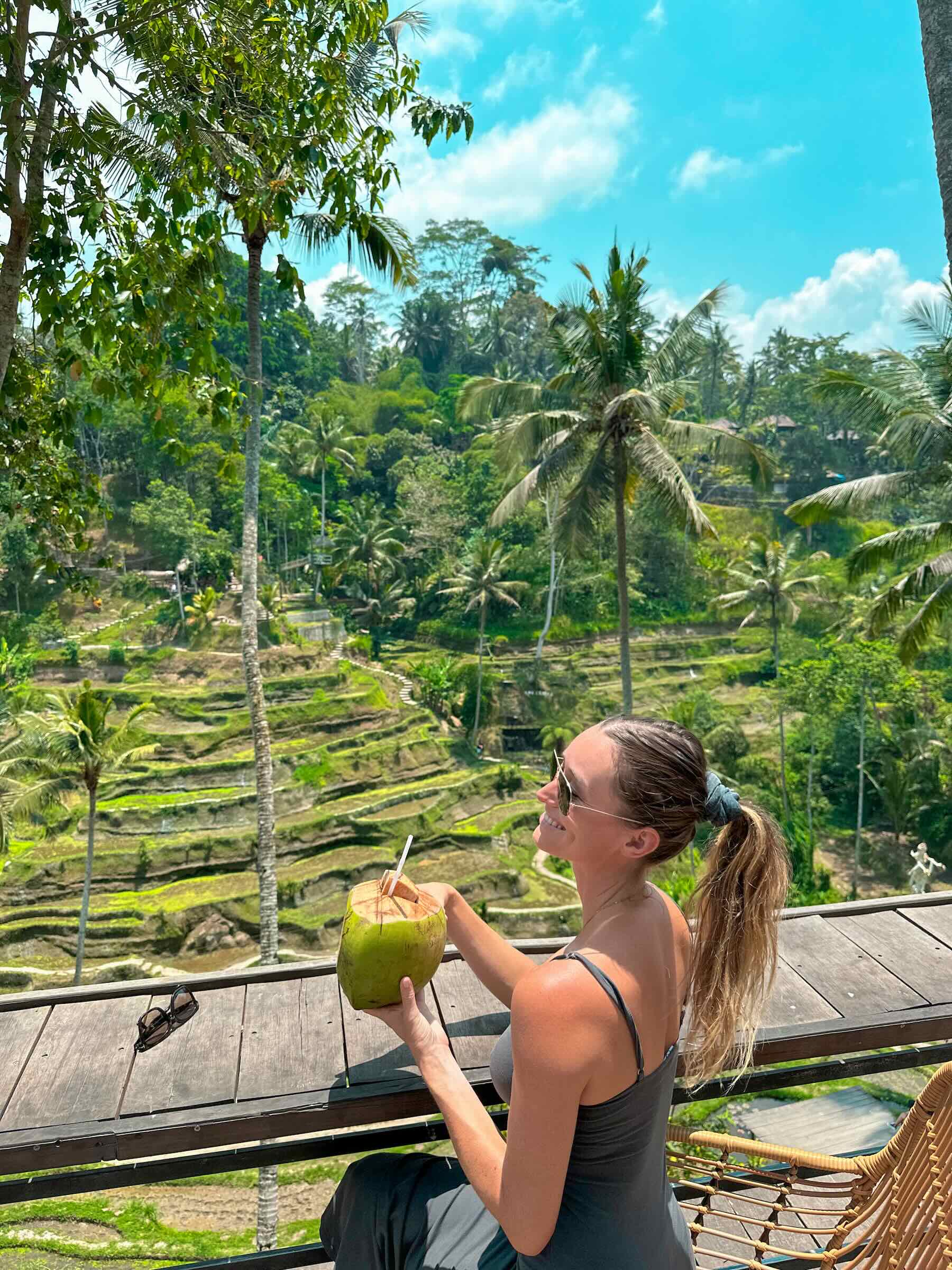
Bali is the easiest introduction to Indonesia and still offers far more variety than its beach-club reputation suggests.
Use my main Bali guide for Ubud, Uluwatu, Amed, Munduk, Sidemen, Sanur, Kintamani, snorkeling and more.
TRAVEL GUIDE
Bali Travel Guide

UNDERWATER GUIDE
Best Snorkeling in Bali

ITINERARY
2-Weeks In Bali Itinerary
Nusa Penida, Lembongan & Ceningan
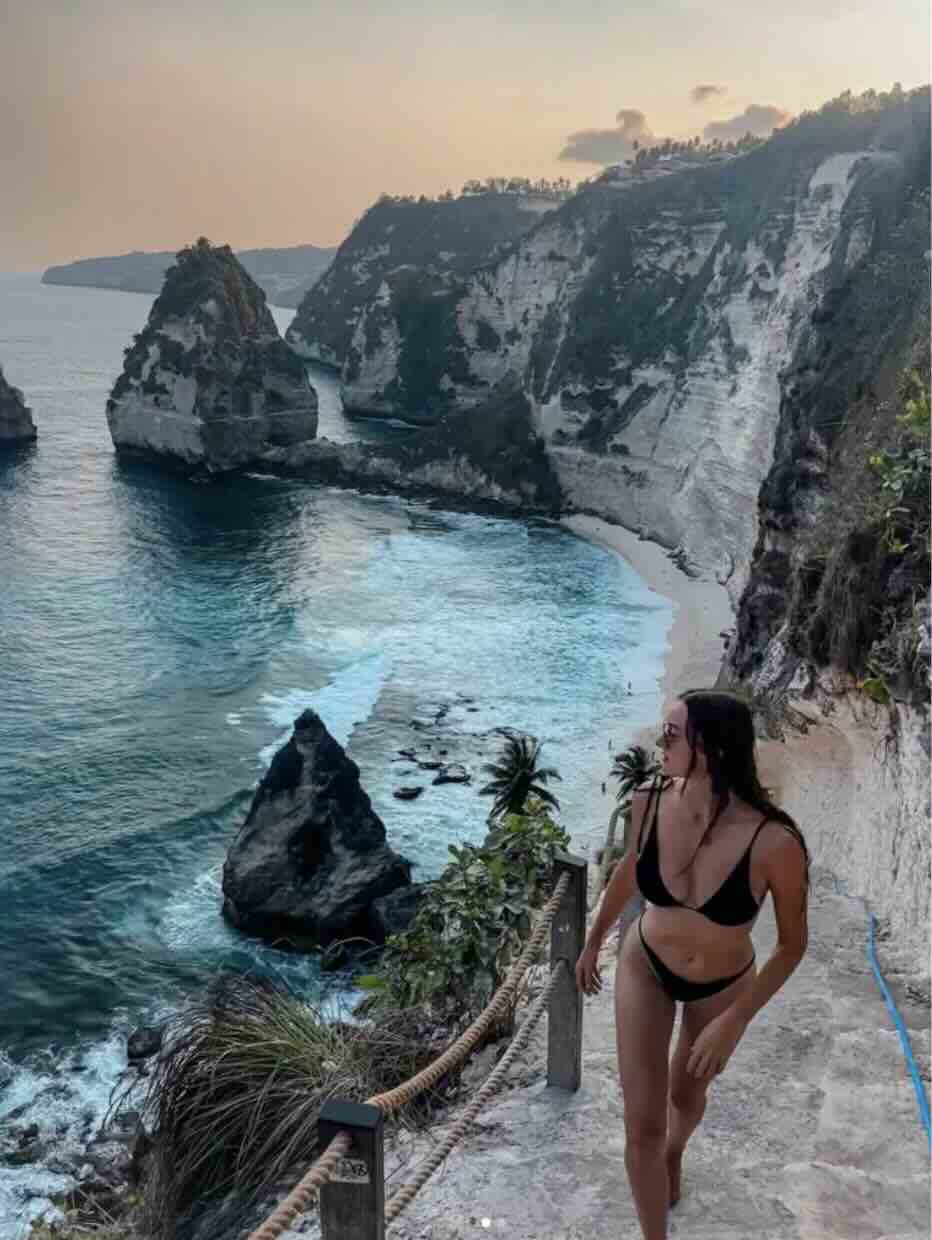
Best for: Dramatic cliffs, manta rays, snorkeling and easy island hopping
How long: 4 to 6 days
The three Nusa Islands sit just off Bali but deserve their own trip.
Choose Penida for huge landscapes and adventure, Lembongan for a relaxed island base and Ceningan for tiny-road exploring and quiet coastal scenery.
UNDERWATER GUIDE
Nusa Islands Travel Guide
ITINERARY
2-Weeks In Bali Itinerary
TRAVEL GUIDE
Top 10 Islands in Indonesia
Java
Best for: Volcanoes, temples, trains, cities, culture and overland travel
How long: 7 to 14 days
Java is my pick if you want your Indonesia trip to feel like an actual journey.
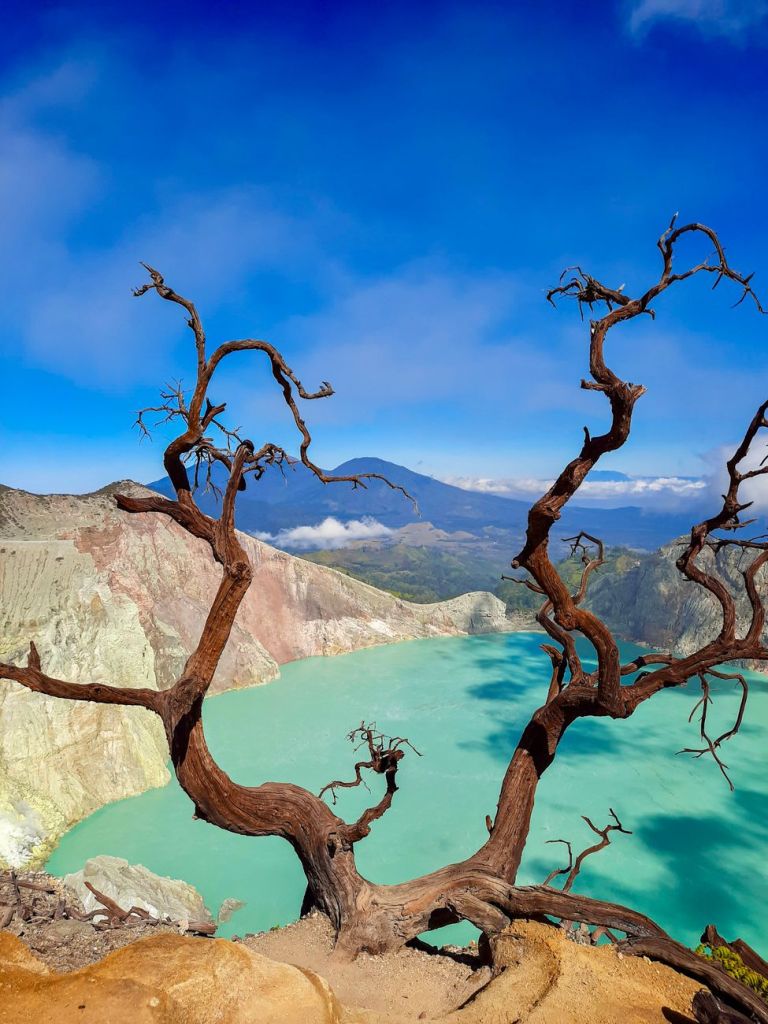
Think Mount Bromo, Ijen, Yogyakarta, Borobudur, cities, trains, local food and a landscape that changes constantly as you move across the island.
TRAVEL GUIDE
Java Travel Guide

TRAVEL GUIDE
Volcanic Hikes in Indonesia
TRAVEL GUIDE
Top 10 Islands in Indonesia
Lombok & the Gili Islands
Best for: Beaches, surfing, Mount Rinjani, waterfalls and small-island life
How long: 5 to 10 days
Lombok gives you some of Bali’s tropical appeal with considerably less intensity.
Add the Gili Islands for snorkeling, turtles and a few days without cars.

TRAVEL GUIDE
Lombok Travel Guide

TRAVEL ITINERARY
3-Week Indonesia Trip
TRAVEL GUIDE
Volcanic Hikes in Indonesia
Sumba
Best for: Road trips, traditional villages, waterfalls, horses and dramatic landscapes
How long: 7 to 10 days
Sumba is for people who want Indonesia to become considerably less convenient.
It is raw, spread out, beautiful and sometimes unpredictable, with huge landscapes, traditional villages, waterfalls and wild coastline.

TRAVEL GUIDE
Sumba Travel Guide
TRAVEL GUIDE
Top 10 Islands in Indonesia
TRAVEL ITINERARY
3-Week Indonesia Trip
Komodo National Park
Best for: Liveaboards, dragons, manta rays, diving and island scenery
How long: 3 to 5 days for most first visits
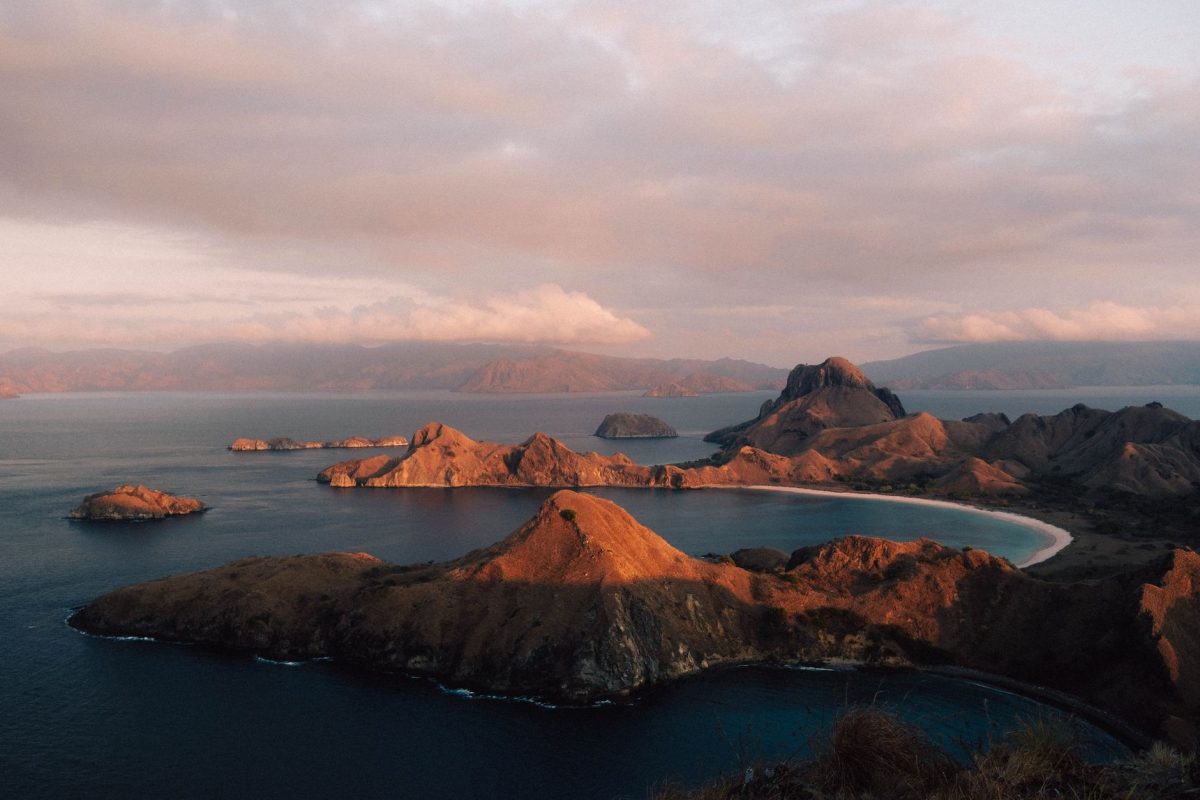
Fly into Labuan Bajo and explore Komodo National Park by boat.
Padar Island, Pink Beach, Komodo dragons, manta rays and some of Indonesia’s most spectacular underwater scenery make this one of the country’s standout trips.

TRAVEL GUIDE
Komodo Travel Guide
TRAVEL GUIDE
Top 10 Islands in Indonesia
TRAVEL ITINERARY
3-Week Indonesia Trip
Rote
Best for: Empty beaches, surfing, snorkeling and slow travel
How long: 7 to 10 days
Rote is one of my favourite places in Indonesia if you want to get away from mass tourism.
It takes more effort to reach, but you get quiet roads, tiny villages, beautiful beaches and a completely different pace of travel.

TRAVEL GUIDE
Rote Island Travel Guide
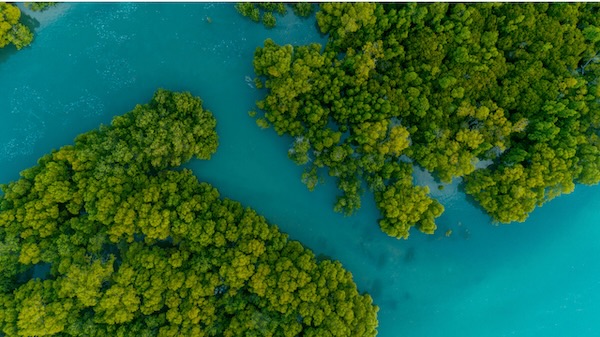
TOP ACTIVITIES
Top Activities In Rote Island
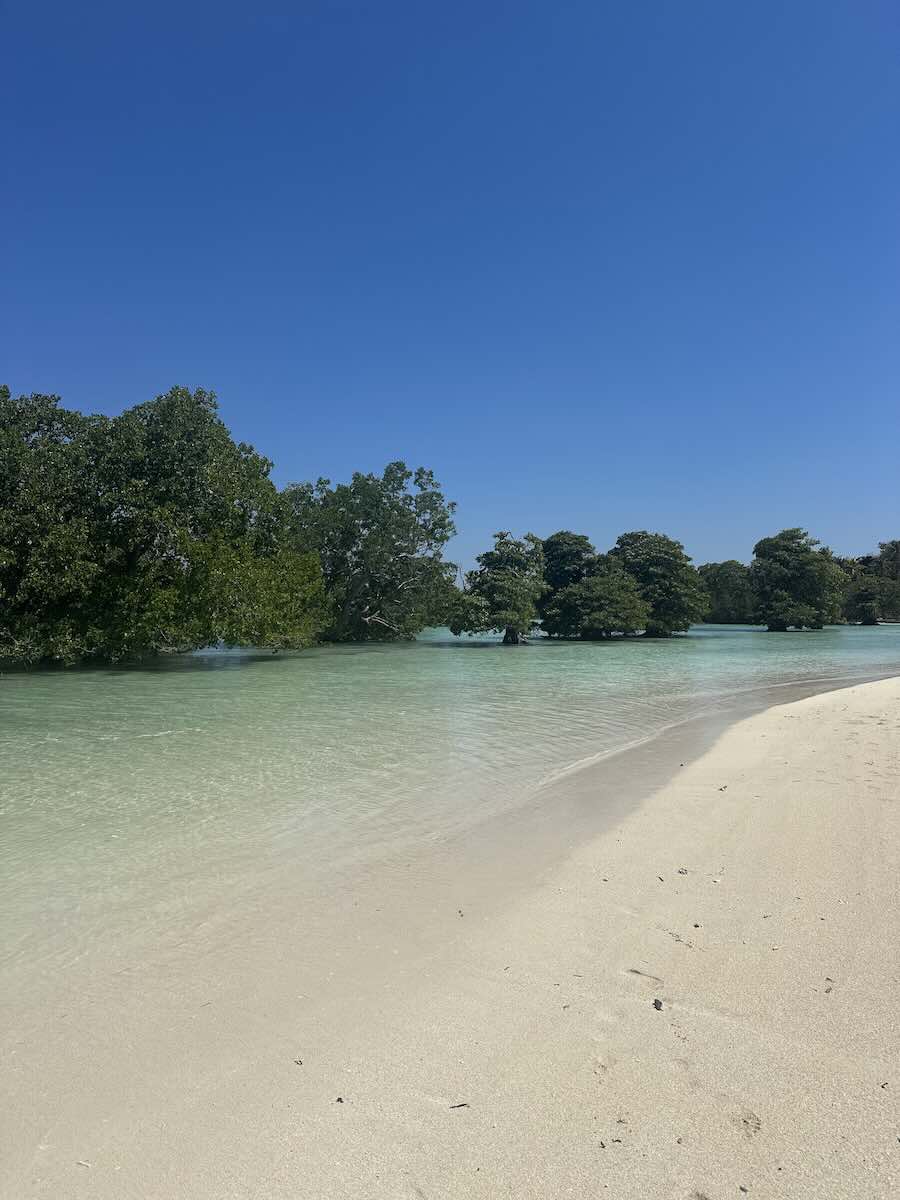
ITINERARY
My 7-day Rote Island Itinerary
WHICH ONE IS FOR YOU?
Which Indonesian Island Should You Visit?
| If you want… | Choose |
| The easiest first Indonesia trip | Bali |
| Temples, cities and volcanoes | Java |
| Beaches + Rinjani + Gilis | Lombok |
| Huge cliffs + manta rays | Nusa Islands |
| Wild road trips and traditional villages | Sumba |
| Dragons, diving and liveaboards | Komodo |
| Empty beaches and slow island life | Rote |
Still deciding? I have a much deeper comparison of the country’s standout islands in my Best Islands in Indonesia guide.
BEFORE YOU GO
Planning Your Indonesia Trip
How Long Do You Need in Indonesia?
2 weeks: Choose two regions. Good combinations include:
- Bali + Lombok
- Java + Bali
- Bali + Komodo
3 weeks: This is the sweet spot for a proper first multi-island trip.
4 weeks+: Add Sumba, the Nusa Islands, Rote or a longer stay somewhere instead of constantly moving.
Best Time to Visit Indonesia
There is no single perfect month for every island in Indonesia, but May to October works well for many of the destinations covered on this website. That said, Indonesia is enormous and weather varies by region. Always check the individual island guide before treating one national weather rule as gospel.
Getting Around Indonesia
For long distances, fly.
For Java, trains are excellent.
For Bali and Lombok, drivers, scooters and ride-hailing apps are useful.
For smaller islands, you may need ferries, fast boats, local drivers or absolutely whatever mode of transportation happens to exist that day.
The biggest mistake is underestimating distance.
Visa & Entry Requirements
Indonesia’s visa rules depend on nationality and length of stay. Eligible travelers can use the Visa on Arrival or e-VOA, while other visa types are available for longer stays. Always check the official Indonesian Immigration website before travelling because entry rules can change.
Money
Indonesia uses the Indonesian Rupiah (IDR).
Cards are widely accepted in major tourist destinations, but cash becomes increasingly important once you travel into villages, remote islands, local warungs and smaller attractions.
If you’re heading somewhere like Sumba or Rote, do not wait until you’re in the middle of nowhere to become interested in finding an ATM.
Culture
Indonesia is incredibly culturally diverse.
Bali is predominantly Hindu. Much of Java and Lombok is Muslim. Sumba has Christian communities alongside traditional Marapu beliefs. Hundreds of ethnic groups, regional traditions and local languages exist across the country.
Dress and behave according to where you actually are rather than assuming beachwear is a national uniform.
WATCH THE JOURNEY
Watch My Travel Vlogs
Want to see what travelling around Indonesia actually looks like?
My Indonesia vlogs cover the polished moments and the considerably less polished ones, from volcano hikes and island hopping to traditional villages, liveaboards, road trips, underwater adventures and the occasional situation that did not go remotely according to plan.
Watch the videos alongside the guides if you want a much better feeling for the roads, distances, atmosphere and places before planning your own route.




ALL INDONESIA GUIDES
All My Indonesia Travel Guides
Island Guides:
Bali Travel Guide
Nusa Islands Travel Guide
Java Travel Guide
Lombok Travel Guide
Sumba Travel Guide
Komodo National Park Travel Guide
Rote Island Travel Guide
Itineraries:
3 Week Indonesia Itinerary
2 Week Bali Itinerary
7-Day Rote Island Itinerary
Activity & Comparison Guides:
Best Islands in Indonesia
Best Volcano Hikes in Indonesia
Best Snorkeling in Bali
Rote Island Deep-Dive Guides:
Best Beaches in Rote
Best Things to Do in Rote
7-Day Rote Island Itinerary
Frequently Asked Questions About Visiting Indonesia
Is Indonesia Worth Seeing?
Yes, Indonesia is absolutely worth seeing. It is one of the most diverse countries in the world, with beaches, volcanoes, rice fields, temples, wildlife, islands, waterfalls, coral reefs, traditional villages, busy cities, and some of the most dramatic landscapes in Southeast Asia.
The mistake many people make is thinking Indonesia means only Bali. Bali is beautiful and easy to love, but Indonesia is much bigger than that. Java has temples, trains, volcanoes, cities, and waterfalls. Lombok has beaches, Mount Rinjani, surf towns, and the Gili Islands. Komodo has dragons, liveaboards, pink beaches, manta rays, and insane boat trip scenery. Sumba has wild beaches, remote villages, lagoons, and raw landscapes. Raja Ampat has some of the best diving in the world.
How Do You Get to Indonesia?
Most international travelers fly into Indonesia through Bali or Jakarta. Bali’s Ngurah Rai International Airport in Denpasar is the easiest gateway if your itinerary focuses on Bali, Lombok, Komodo, the Gili Islands, or Sumba. Jakarta’s Soekarno-Hatta International Airport is the main gateway for Java and works well if you want to start in Jakarta, Bandung, Yogyakarta, or travel across Java by train.
There are also international flights into other cities, but for most first-time visitors, Bali or Jakarta makes the most sense. If your trip is beach-heavy, start in Bali. If your trip is culture, trains, volcanoes, and Java-focused, start in Jakarta or fly straight to Yogyakarta if possible.
What Is the Best Month to Travel to Indonesia?
The best time to visit Indonesia is usually during the dry season, from around May to October. This is when many islands have sunnier weather, calmer seas, easier road conditions, and better chances for volcano hikes, beach days, snorkeling, diving, waterfalls, and boat trips.
July and August are popular, but also busier and more expensive. May, June, September, and October are often better months for good weather with fewer crowds. The rainy season, roughly November to April, can still be worth it, but expect more humidity, sudden rain, rougher seas, and more flexible travel plans.
Is Travel Insurance Necessary for Indonesia?
Yes, travel insurance is very important for Indonesia. Your trip may include scooters, ferries, domestic flights, volcano hikes, snorkeling, diving, waterfalls, boat trips, remote islands, or places where medical help takes time to reach you.
Choose insurance that actually covers what you plan to do, especially scooter riding, trekking, diving, boat trips, cancellations, lost luggage, and emergency medical care. This is not the place to save €20 and then discover your “adventure activity” was apparently not included.
How Do You Get Around Indonesia?
Getting around Indonesia depends completely on the island. There is no single transport system that works everywhere, because Indonesia is spread across a massive archipelago.
For long distances, domestic flights are often the easiest option. They connect major islands like Java, Bali, Lombok, Flores, Sumba, Sulawesi, Kalimantan, and Papua. For Java, trains are one of the best ways to travel between cities like Jakarta, Bandung, Yogyakarta, Surabaya, Malang, and Banyuwangi. For Bali and Lombok, private drivers, scooters, taxis, and ride-hailing apps are more common.
Boats and ferries are also important. Fast boats connect Bali with the Gili Islands, Lombok, and Nusa Penida. Public ferries connect Bali to Java, Bali to Lombok, Lombok to Sumbawa, and other islands across Indonesia. For Komodo National Park, you usually join a day trip, shared boat, or liveaboard from Labuan Bajo.
The most important transport tip for Indonesia is this: do not underestimate distances. On the map, everything looks close. In real life, one journey might involve a taxi, ferry, waiting time, another taxi, a delayed boat, a confused driver, and a chicken staring at you from the back of a truck. Plan buffer time.
How Many Weeks Do You Need in Indonesia?
You can visit Indonesia in 2 weeks, but 3 to 4 weeks is much better if you want to see more than one or two islands. Indonesia is huge, and trying to do too much too quickly will turn your trip into an airport and ferry terminal tour with occasional scenery.
For a 2 week Indonesia itinerary, choose either Bali and Lombok, or Java and Bali, or Komodo and Bali. Do not try to see the whole country in 14 days unless you enjoy suffering with a backpack.
For a 3 week Indonesia itinerary, you can create a beautiful route with Java, Bali, Lombok, and Komodo. This gives you temples, volcanoes, beaches, rice fields, islands, wildlife, and boat trips without moving every single day.
For a 4 week Indonesia itinerary, you can travel more slowly and add places like Sumba, the Nusa Islands, more of Lombok, or a longer Komodo liveaboard. If you want to include remote places like Raja Ampat, Sumba, Sulawesi, or Papua, give yourself extra time. Remote Indonesia rewards slow travel, not frantic island sprinting.
Are Volcanoes, Earthquakes, Tsunamis and Ocean Currents a Risk in Indonesia?
Yes, natural dangers are something to be aware of in Indonesia, especially because the country sits in an active earthquake and volcanic zone. Indonesia has many active volcanoes, including Mount Bromo, Mount Ijen, Mount Rinjani, Mount Agung, and Mount Merapi, and conditions can change because of weather, gas, eruptions, landslides, or official closures. Earthquakes and tsunamis are also possible, especially around coastal areas, smaller islands, and beach destinations, so know your accommodation’s evacuation route, follow local warnings, and move to higher ground if there is a strong earthquake near the coast.
The ocean can also be dangerous in parts of Indonesia, even when it looks beautiful. Some beaches have strong currents, reef breaks, sudden drop-offs, sharp coral, powerful waves, and boat traffic, especially around Nusa Penida, Uluwatu, Lombok, the Gili Islands, Komodo, Sumba, and remote beaches without lifeguards. Always check current conditions, respect volcano closures and beach warning signs, go with reputable guides where needed, avoid swimming alone, and remember that pretty does not always mean gentle.
Are Mosquitoes, Dengue, Malaria, Rabies and Animals a Risk in Indonesia?
Yes, mosquitoes and animal-related risks are things to take seriously in Indonesia, especially if you are traveling beyond the easiest tourist areas. Dengue fever exists across Indonesia and is spread by mosquitoes, especially in warm, humid areas, during rainy season, near rice fields, gardens, jungle areas, standing water, and busy towns. Malaria risk depends more on where you travel. Use mosquito repellent, wear light long sleeves in the early morning and late afternoon, sleep with air conditioning or a mosquito net where needed.
Rabies is also a risk in Indonesia, especially from stray dogs, cats, monkeys, and other mammals. Do not touch, feed, cuddle, or try to rescue unfamiliar animals, even if they look cute or emotionally available. Indonesia also has wildlife, snakes, insects, marine life, and, in Komodo National Park, actual Komodo dragons, so keep your distance and follow local guide instructions.
Is Indonesia Expensive to Visit?
Indonesia can be very affordable, but it depends heavily on where you go and how you travel. Java is often cheaper than Bali, Lombok can be more affordable than Bali, and local warungs, guesthouses, trains, and shared tours keep costs low.
Bali, Komodo, Sumba, Raja Ampat, and luxury resorts can get expensive quickly. Komodo boat trips and liveaboards cost more because of boats, fuel, crew, park fees, and remote logistics. Indonesia can be budget-friendly, mid-range, or very high-end, depending on how badly you enjoy emotional spending.
Is Indonesia Safe?
Indonesia is generally safe for travelers, but common sense matters. Petty theft can happen in tourist areas, crowded markets, nightlife zones, beaches, ferry ports, and busy cities, so keep your phone, wallet, passport, and camera gear secure.
The biggest risks are usually road safety, scooter accidents, strong currents, volcanoes, earthquakes, dengue fever, and remote areas where help takes longer to reach you. Use reputable guides for volcano hikes, respect ocean conditions, wear a helmet, and get proper travel insurance.
Do I Need a Visa to Visit Indonesia?
Most travelers need either a Visa on Arrival, e-VOA, or another visitor visa to enter Indonesia, depending on nationality, length of stay, and purpose of travel. For many tourists, the Visa on Arrival or electronic Visa on Arrival is the easiest option and usually gives 30 days, extendable once for another 30 days.
If you want to stay longer, a tourist visitor visa such as the C1 visa may be a better option. Always check the official Indonesian eVisa website before booking, make sure your passport is valid for at least 6 months, and have proof of onward or return travel. Boring? Yes. Important? Also yes.
For official travel information, visa rules and entry requirements, always double-check the official Indonesia eVisa website, the All Indonesia arrival card platform and the official Indonesia tourism website before your trip. Things can change, and “some guy on Facebook said it was fine” is not a travel strategy.
Which SIM Card Is Best in Indonesia?
For most travelers, Telkomsel is the safest and most reliable SIM card option in Indonesia, especially if you are traveling beyond Bali into Java, Lombok, Sumba, Komodo, or more remote areas. It usually has the widest coverage, which matters once you leave the main tourist zones.
XL and Indosat can also work well in cities and popular islands, but coverage varies. You can buy a local SIM card on arrival or use an eSIM before you land. Make sure your phone is unlocked, and download offline maps because Indonesia will occasionally look at your signal and say, not today.
What Money Do They Use in Indonesia?
Indonesia uses the Indonesian Rupiah, usually written as IDR or Rp. Cash is still important, especially outside big cities, malls, hotels, and tourist restaurants. Smaller warungs, markets, parking, entrance fees, drivers, tips, and remote areas often require cash.
ATMs are common in cities and tourist areas, but can be limited on smaller islands or in remote regions. Always carry enough cash for transport, food, entrance fees, and emergencies, especially if you are going to Sumba, remote Lombok, Karimunjawa, Komodo boat trips, or small villages.
Can You Use Cards in Indonesia?
Yes, you can use cards in many places in Indonesia, especially hotels, modern cafés, restaurants, supermarkets, malls, and tourist businesses. However, cash is still essential for local warungs, street food stalls, local boats, village fees, parking, guides, and small shops.
Card machines can fail, especially in remote areas or when the internet is weak. Carry a mix of cash and card, keep some emergency money separate, and do not expect every tiny place to accept your card like you are in Amsterdam.
What Religion Is Indonesia?
Indonesia is religiously diverse, but the majority of the population is Muslim. Culture and religion vary a lot by island: Bali is mostly Hindu, Lombok is mostly Muslim with strong Sasak culture, Java is mostly Muslim with deep Javanese traditions, and Sumba has Christian communities and Marapu cultural beliefs.
As a traveler, dress modestly in villages, mosques, temples, and religious sites. Cover shoulders and knees where needed, do not enter sacred spaces without permission, and always follow local rules. Indonesia is not just beaches. It has deep spiritual and cultural life.
What Should I Wear in Indonesia?
What you should wear in Indonesia depends on where you are. In beach areas like Bali, the Gili Islands, and Lombok’s tourist beaches, casual summer clothes are normal. Away from the beach, dress more respectfully, especially in villages, temples, mosques, markets, and local towns.
Pack breathable clothes, swimwear, a cover-up, comfortable walking shoes, sandals, a rain jacket for rainy season, and warm layers for volcano areas like Bromo, Ijen, or Rinjani. Indonesia can be boiling on the beach and freezing at sunrise on a volcano.
What Food Should You Try in Indonesia?
Indonesian food is one of the best parts of traveling the country. Classic dishes include nasi goreng, mie goreng, satay, gado-gado, soto ayam, rendang, bakso, nasi campur, ayam goreng, grilled fish, sambal, tempeh, tofu, and endless regional dishes.
Food changes by island. Bali has babi guling and nasi campur, Lombok has spicy Sasak food like ayam taliwang, Java has gudeg and rawon, Sumatra is famous for rendang and Padang food, and coastal areas are great for grilled fish. Eat where food is fresh, busy, and cooked properly.
Can You Drink Tap Water in Indonesia?
No, do not drink tap water in Indonesia. Stick to bottled, filtered, or properly purified water. Many hotels, villas, and cafés offer refill stations, which is better than buying endless plastic bottles.
Be cautious with ice in very local places if your stomach is sensitive, although many tourist restaurants use safe ice. Brush your teeth with bottled or filtered water if you want to be extra careful, and stay hydrated because Indonesia is very good at turning people into boiled noodles.
What Are the Most Important Holidays in Indonesia?
Indonesia has national public holidays, religious holidays, school holidays, and local festivals that can affect travel. The busiest travel periods are usually Eid, Christmas, New Year, school holidays, long weekends, and major local events.
Nyepi is especially important if you are visiting Bali, because the island shuts down for the day, including the airport. Other key events include Waisak at Borobudur in Java, Bau Nyale in Lombok, Pasola in Sumba, Galungan and Kuningan in Bali, and Indonesian Independence Day on August 17.
Is Indonesia Good for Sustainable Travel?
Indonesia can be a wonderful place for sustainable travel, but tourism also puts pressure on the environment. Plastic waste, coral damage, overtourism, water use, and disrespectful behavior at cultural sites are real issues, especially in Bali, the Gili Islands, Komodo, and small island communities.
Travel more responsibly by using refillable water bottles, avoiding single-use plastic, choosing reef-safe sunscreen, not touching coral or wildlife, supporting local guides, eating at local warungs, and respecting temples, villages, rice fields, beaches, and ceremonies. Indonesia is beautiful, but it is also home.
What Language Do They Speak in Indonesia?
The national language is Bahasa Indonesia. It is spoken across the country and is very useful for travelers. Many regions also have local languages, such as Balinese in Bali, Javanese in Java, Sasak in Lombok, and many more.
In tourist areas, many people speak some English, especially in hotels, restaurants, tour companies, and popular destinations. Outside tourist areas, English is more limited, so learn basics like terima kasih, berapa, tidak pedas, permisi, and di mana toilet. Even tragic pronunciation is better than no effort.
Is Bali the Same as Indonesia?
No. Bali is part of Indonesia, but Bali is not the whole country. This is one of the biggest mistakes travelers make. Bali has its own Hindu culture, tourism infrastructure, beach towns, rice fields, temples, cafés, traffic, wellness scene, and influencer chaos.
Indonesia as a whole is much bigger and more diverse. Java, Lombok, Sumatra, Flores, Sumba, Sulawesi, Kalimantan, Papua, and the Maluku Islands all feel different. Bali is a great place to start, but if you only visit Bali, you have seen Bali, not the full picture of Indonesia.
What Are the Best Islands to Visit in Indonesia?
The best islands to visit in Indonesia depend on your travel style. Bali is best for first-timers, temples, rice fields, cafés, beaches, waterfalls, and easy travel. Java is best for culture, trains, volcanoes, temples, cities, and food. Lombok is best for beaches, surfing, Mount Rinjani, waterfalls, and the Gili Islands.
Flores and Komodo are best for boat trips, diving, Komodo dragons, pink beaches, and manta rays. Sumba is best for wild landscapes, remote beaches, traditional villages, and road trips. Raja Ampat is best for diving, snorkeling, and remote marine life. For a first Indonesia trip, Bali, Java, Lombok, and Komodo are the easiest combination.
How Should You Plan an Indonesia Itinerary?
Plan your Indonesia itinerary by region, not by trying to connect every famous place on Instagram. Indonesia is too big for that, and some routes that look easy online involve awkward ferry timing, limited flights, long drives, or overnight stops.
A strong 2 week itinerary could be Bali and Lombok, or Java and Bali. A strong 3 week itinerary could be Java, Bali, Lombok, and Komodo. A strong 4 week itinerary could add Sumba, the Nusa Islands, more time in Lombok, or a longer liveaboard. Slow down. Indonesia rewards travelers who stop sprinting.






NEWSLETTER
Subscribe for travel tips, new vlogs & life behind the scenes.
© 2026 Keep Up With Car – All rights reserved.
