
Last updated on August 10th 2026
3 WEEK INDONESIA ITINERARY: JAVA, BALI, NUSA PENIDA, GILI AIR & LOMBOK
The Ultimate 21-Day Indonesia Route for First-Time Visitors
This 21-day Indonesia itinerary takes you through Java, Bali, Nusa Penida, Gili Air and Lombok without trying to cram half the country into three exhausting weeks. Indonesia is an enormous country made up of more than 17,000 islands, and this itinerary is the perfect way to experience just how diverse it really is. Expect waterfalls, volcano hikes, tropical beaches, rich culture, incredible food, and some of the warmest people you will meet on your travels.
HAVING DOUBTS?
Not Sure About This Indonesia Guide? Explore More Travel Guides Below.
Indonesia is a huge and wildly diverse country, made up of thousands of islands and completely different travel experiences. This route is for travelers who want more than Bali, but still want the trip to make sense. Java gives you temples, trains, volcanoes and city chaos. Bali gives you rice fields, beaches and easier travel days. Nusa Penida adds cliffs and island drama. The Gilis are for slower beach time, and Lombok brings surf, waterfalls, quiet roads and Mount Rinjani if your legs are feeling brave.
If you are looking for another specific itineraries or travel guides, start with my 2 week Bali itinerary, best volcano hikes in Indonesia, best snorkeling spots in Bali and must-see islands in Indonesia.
Or have a look at the full island guides: Sumba, Lombok, Java, Bali and Komodo.

| Area | Best For | How Many Days |
| Yogyakarta, Java | Temples, culture, street food & Jomblang Cave | 2 days |
| Malang, Java | Colorful villages, waterfalls & East Java base | 2 days |
| Mount Bromo, Java | Sunrise viewpoints, jeep tour & volcanic landscapes | 2 days |
| Kawah Ijen, Java | Blue fire hike, crater lake & overnight adventure | 1 to 2 days |
| Ubud, Bali | Rice fields, temples, waterfalls & jungle calm | 2 to 3 days |
| Kintamani, Bali | Mount Batur, lake views, volcano scenery & glamping | 2 days |
| Nusa Penida | Cliffs, beaches, snorkeling & island hopping | 3 days |
| Gili Air/ Gili Meno, Lombok | Turtles, snorkeling, beach cafés & slow island life | 2 to 3 days |
| Lombok, choose one: – Mount Rinjani – Kuta, Lombok | Serious volcano trekking, camping & crater views Beach days and relaxing | 3 days |
- Yogyakarta, Yogyakarta, Indonesia
- Malang, Kabupaten Magetan, East Java, Indonesia
- Gunung Bromo, Indramayu, West Java, Indonesia
- Kawah Ijen Crater Lake, Banyuwangi, East Java, Indonesia
- Ubud, Gianyar, Bali, Indonesia
- Kintamani, Bangli, Bali, Indonesia
- Lembongan Island, Klungkung, Bali, Indonesia
- Gili Air, Kabupaten Lombok Utara, West Nusa Tenggara, Indonesia
- Jalan Rinjani, Kabupaten Lombok Timur, West Nusa Tenggara, Indonesia
- Kuta, Kabupaten Lombok Tengah, West Nusa Tenggara, Indonesia
THE ACTUAL ITINERARY
3 Week Indonesia Itinerary: Day-by-Day Route
This 3 week Indonesia itinerary takes you through Java, Bali, Nusa Penida, Gili Air and Lombok. It is perfect for first-time visitors who want more than just Bali, but still want enough breathing room to actually enjoy the trip. You will start in Java with culture, caves, volcanoes and one very dramatic sunrise. Then you will slow down in Bali, visit Nusa Penida, escape to Gili Air, hike Mount Rinjani, or finish with two proper recovery days in Kuta Lombok.
Java: Yogyakarta Travel Guide
DAY 1-3
Start your Indonesia trip in Yogyakarta, one of the best places in Java for culture, temples, local food and a softer landing into the country. Yogyakarta is a great starting point because it gives you history, real local life and easy access to some of Java’s most famous sights without throwing you straight into full travel chaos on day one.


TOP THINGS TO DO IN YOGYAKARTA
Since you only have two days here, I would not waste the first day doing nothing. Keep it easy, but still make it count. After arriving and settling in, head out for a first taste of the city. Walk around Malioboro Street, try some local street food and soak up the atmosphere of Yogyakarta before the bigger adventure days begin.
If you arrive early enough, use your first day to visit either Prambanan Temple or Borobudur Temple. Prambanan is especially beautiful around sunset and is one of the most impressive Hindu temple complexes in Indonesia. Borobudur is the more iconic Buddhist temple, but it usually takes a bit more planning and is best if you have enough time in the morning or early afternoon.
On your second day, do Jomblang Cave. This is the more adventurous option near Yogyakarta and one of the most unique experiences in Java. You descend into the cave and, if the timing and weather are right, see that famous beam of light coming down from above. It is dramatic, muddy, slightly ridiculous and absolutely worth it.
If you want to spend longer on Java, my full Java Travel Guide covers Yogyakarta, Malang, Bromo, Ijen, Semarang, Surabaya and Karimunjawa in much more detail.

1
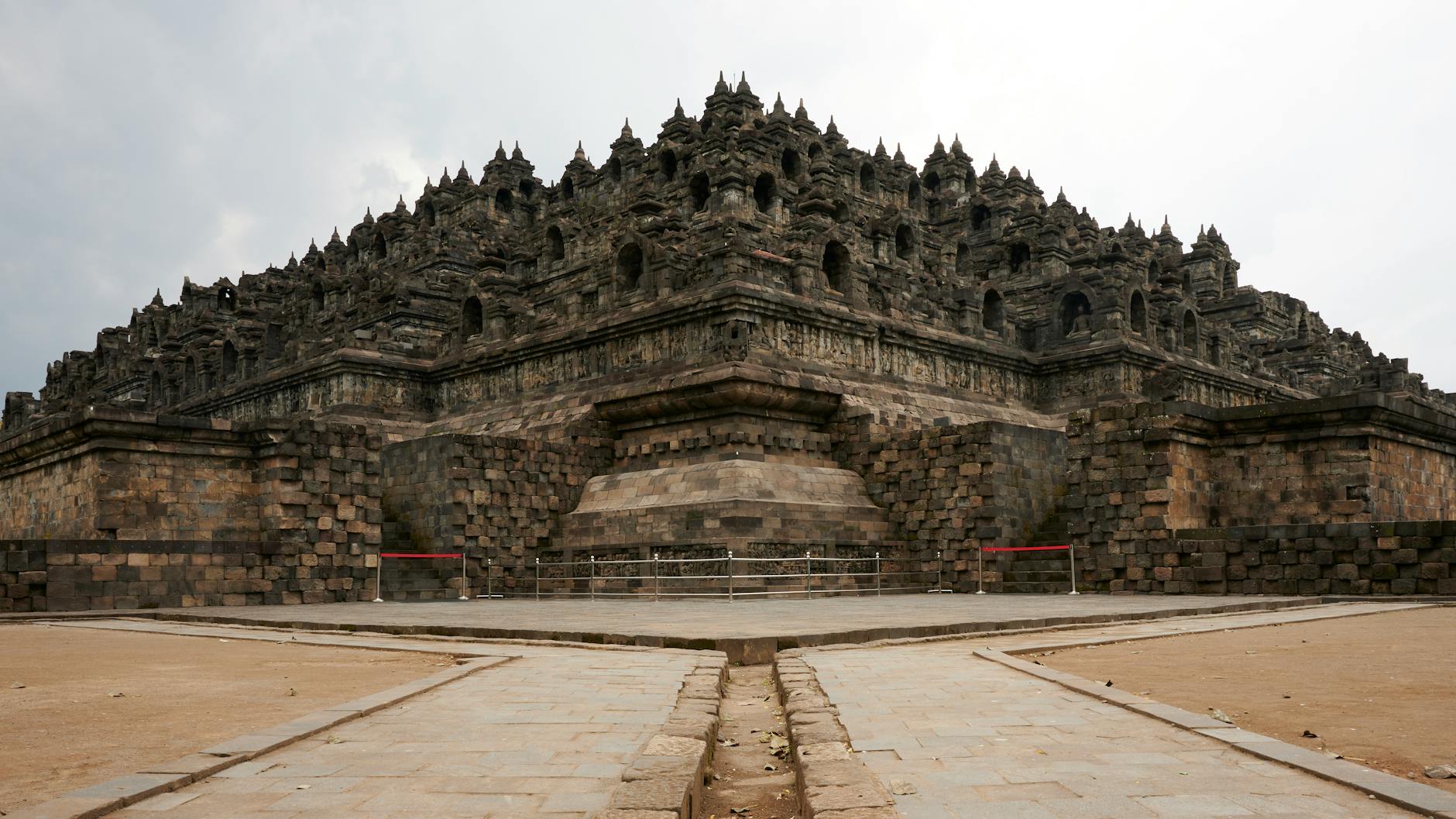
BOROBUDUR TEMPLE
Borobudur is the largest Buddhist temple in the world and one of Indonesia’s most iconic cultural landmarks. It is famous for its huge stone structure, carved reliefs, Buddha statues, and misty morning views over the surrounding landscape. Go early for cooler weather and better light.
Price: Tickets vary by access type and nationality. Check the official Borobudur ticket website for current ticket types and prices.
Location: Around 1-1.5 hours from Yogyakarta.
2
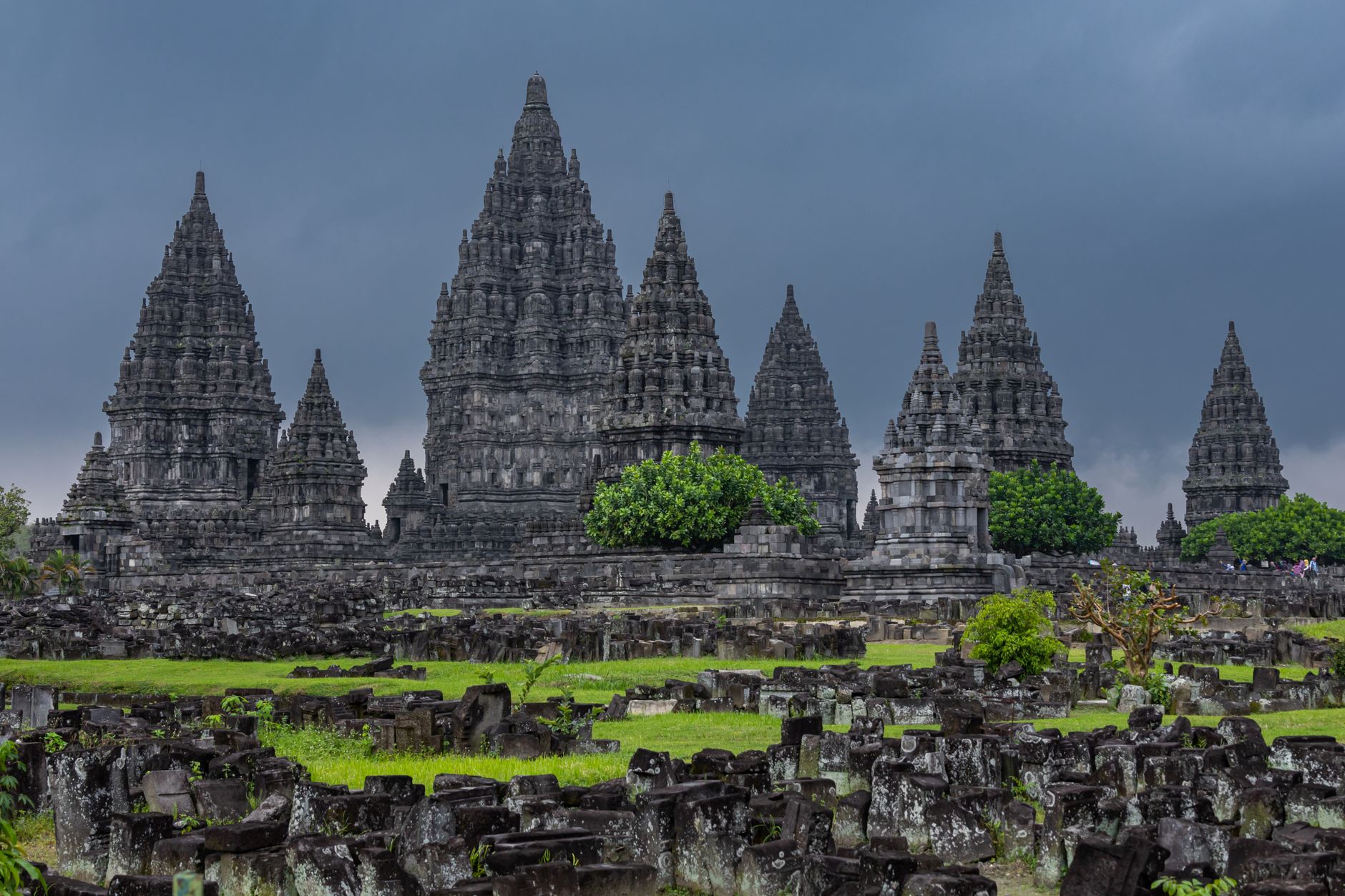
PRAMBANAN TEMPLE
Prambanan is a spectacular Hindu temple complex known for its tall pointed towers and detailed stone carvings. It is one of the most important temple sites in Indonesia and pairs perfectly with Borobudur if you want a full cultural day from Yogyakarta.
Price: Ticket prices vary. Combination tickets may be available.
Location: Around 30 to 45 minutes from Yogyakarta.
3
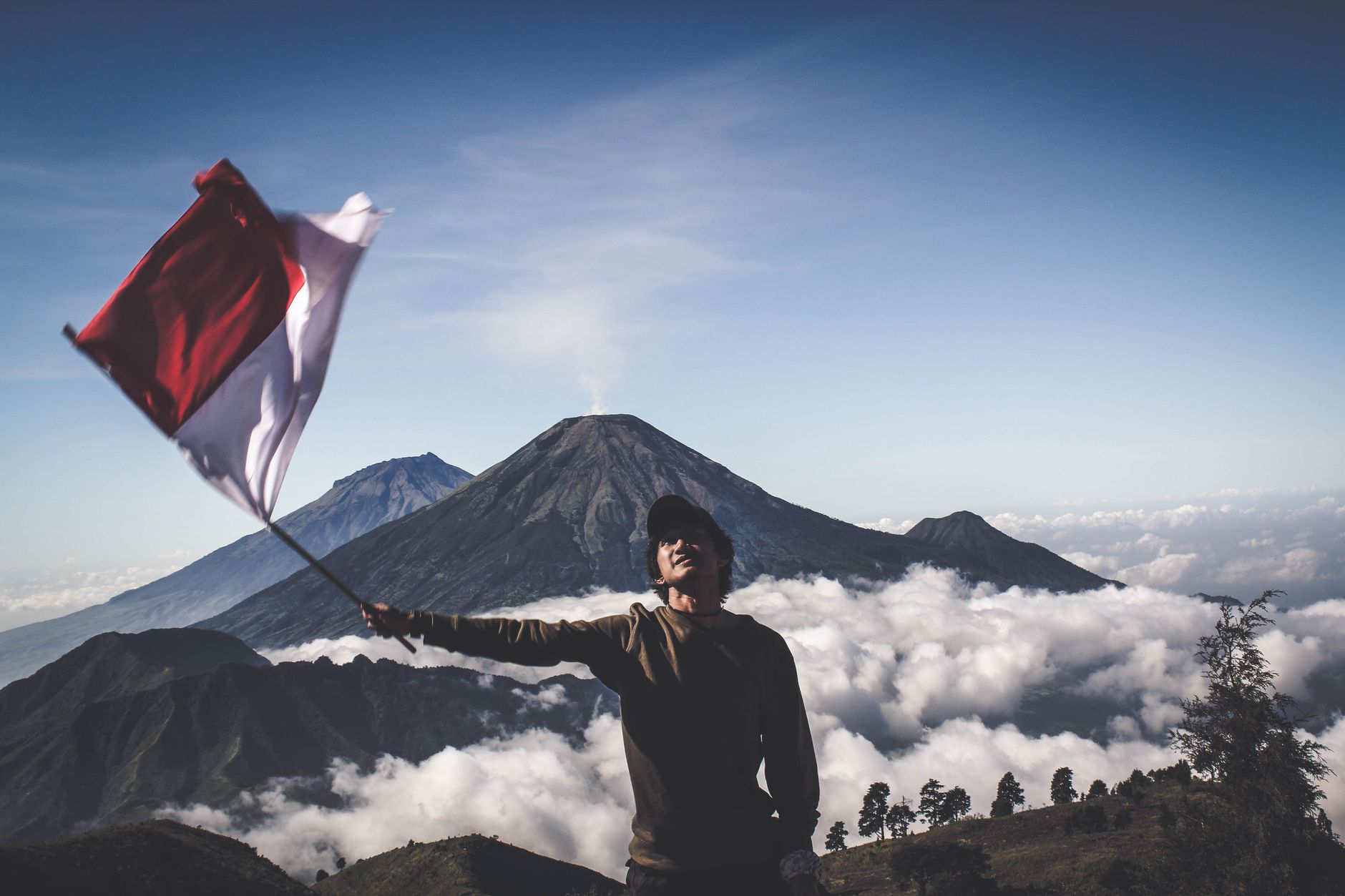
MOUNT MERAPI JEEP TOUR
A Mount Merapi jeep tour is one of the most popular adventure activities near Yogyakarta. You will pass lava trails, viewpoints, villages, and small museums linked to past eruptions. It is not the same as hiking a volcano, but it gives you a dramatic look at one of Java’s most active volcanic landscapes.
Price: Varies by jeep route
Location: Kaliurang / Mount Merapi area, around 1 hour from Yogyakarta.
4
JOMBLANG CAVE
Jomblang Cave is one of the most unique adventure experiences near Yogyakarta, known for its vertical cave entrance and the famous “heaven’s light” beam that shines into the cave at certain times. It is adventurous, muddy, photogenic, and usually combined with a full-day trip.
Price: Tour prices vary and usually include equipment.
Location: around 1.5-2 hours from Yogyakarta.

5
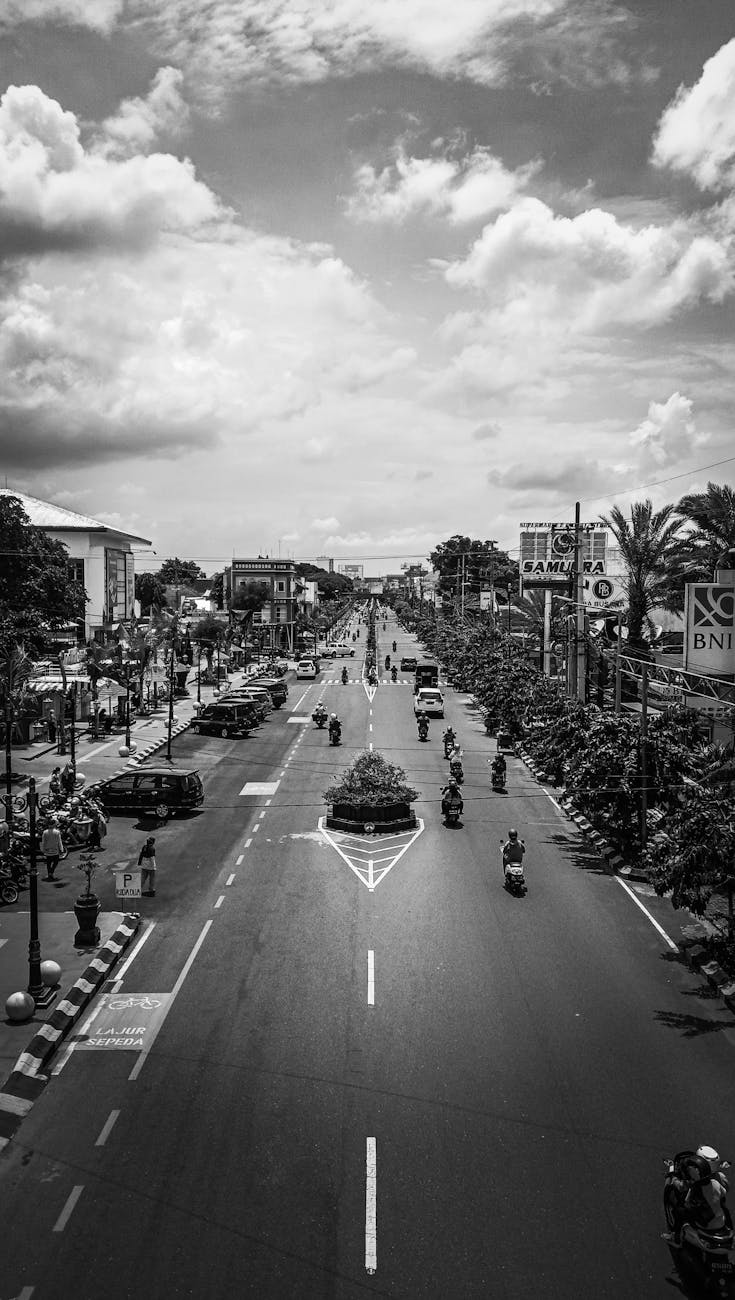
STREET FOOD AT MALIOBORO STREET
Malioboro is Yogyakarta’s most famous shopping and street food area, known for souvenirs, batik shops, street snacks, evening energy, and that slightly chaotic “where do I even start?” feeling. Try local food here at night for the full Jogja street experience, you won’t regret it.
Price: Free to explore, food prices vary.
Location: Central Yogyakarta.
Java: Malang Travel Guide
DAY 3-4
Take the early morning express train from Yogyakarta to Malang. It is a long travel day, around 8 hours, but honestly one of the nicer ways to move across Java. The train is comfortable, scenic and takes you past small villages, rice fields and everyday life outside the usual tourist bubble.
Once you arrive in Malang, keep the evening simple. Check into your hotel, get dinner and settle in. You will want a bit of rest before the more intense Java adventure days begin, because the early wake-ups are coming. Cute? No. Worth it? Unfortunately, yes.
Malang is one of the more surprising stops on this Indonesia itinerary. The city sits higher in the mountains, so the climate feels cooler and more comfortable than many other parts of Java. It is also a great base for exploring waterfalls, tea plantations and some of East Java’s most dramatic landscapes.


TOP THINGS TO DO IN MALANG
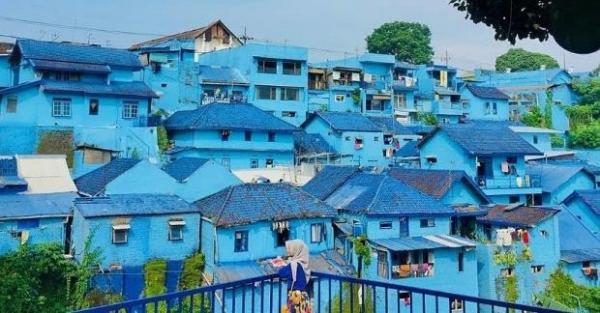
Spend your full day in Malang exploring the city and its surroundings. You can visit Jodipan, the colorful rainbow village that was once a slum area and is now painted in bright colors to attract visitors. If you want more nature, head out to waterfalls like Coban Putri, Coban Rondo or Tumpak Sewu, one of the most impressive waterfalls in Indonesia.
Malang breaks up the Java route perfectly. It gives you a mix of local city life, cooler mountain air, colorful streets and wild nature before you continue towards Mount Bromo and Mount Ijen.

1
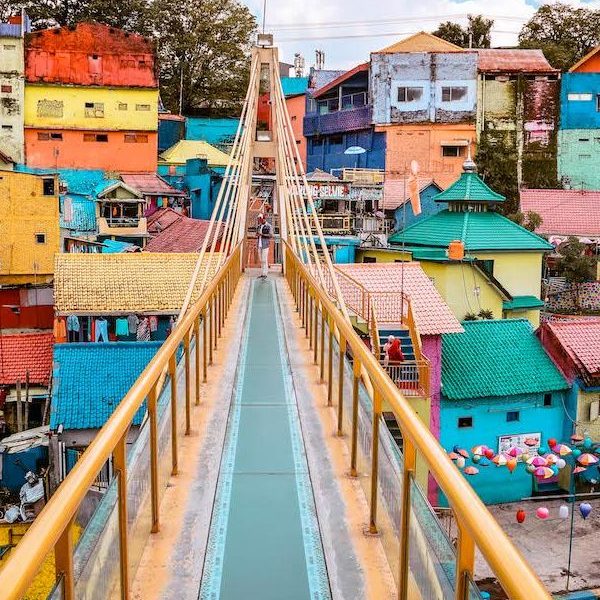
VISIT JODIPAN VILLAGE
Jodipan Colorful Village is one of Malang’s most famous sights, with bright painted houses, murals, bridges, and river views. It is touristy but fun, and it is a quick, easy stop if you want something colorful between volcano and waterfall adventures.
Price: Approx. 5,000 to 10,000 IDR per person.
Location: Central Malang.
2
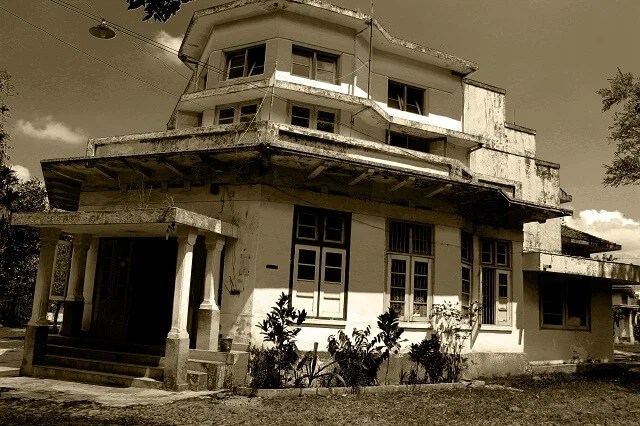
MALANG COLONIAL CENTER
Malang has a charming old city feel, with Dutch colonial buildings, leafy streets, churches, cafés, and historic squares. It is a nice place to walk around slowly and see a softer, more local side of East Java. Plus it is super funny to see ultra Dutch street names here, being Dutch.
Price: Free to explore.
Location: Central Malang.
3
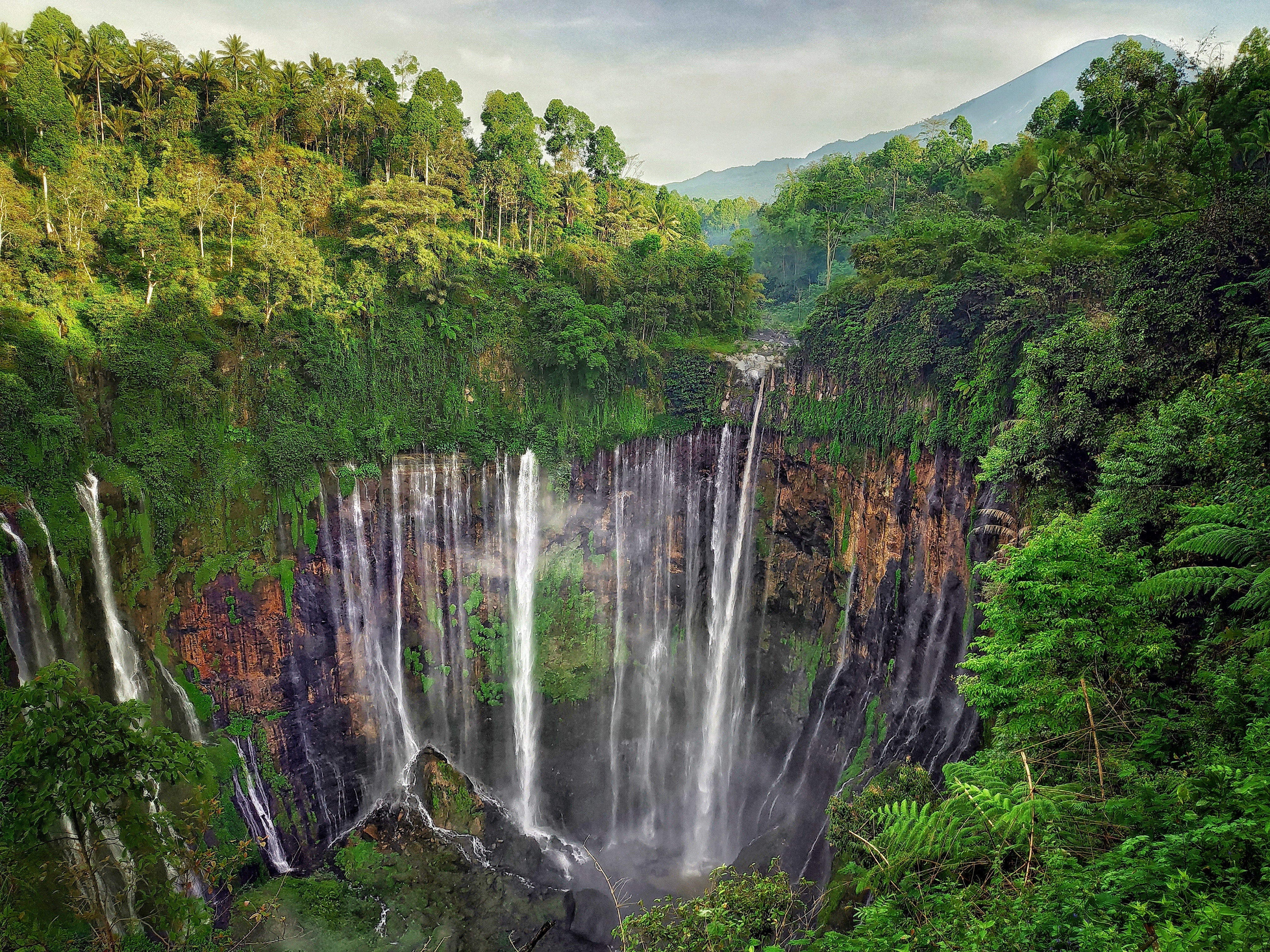
TUMPAK SEWU WATERFALL
Tumpak Sewu is one of the most spectacular waterfalls in Indonesia, with a huge curtain of water dropping into a jungle canyon. It is a long day trip from Malang, and the hike down can be slippery and intense, but the view is properly insane.
Price: Entrance and guide fees vary.
Location: Around 2.5 to 3.5 hours from Malang.
4
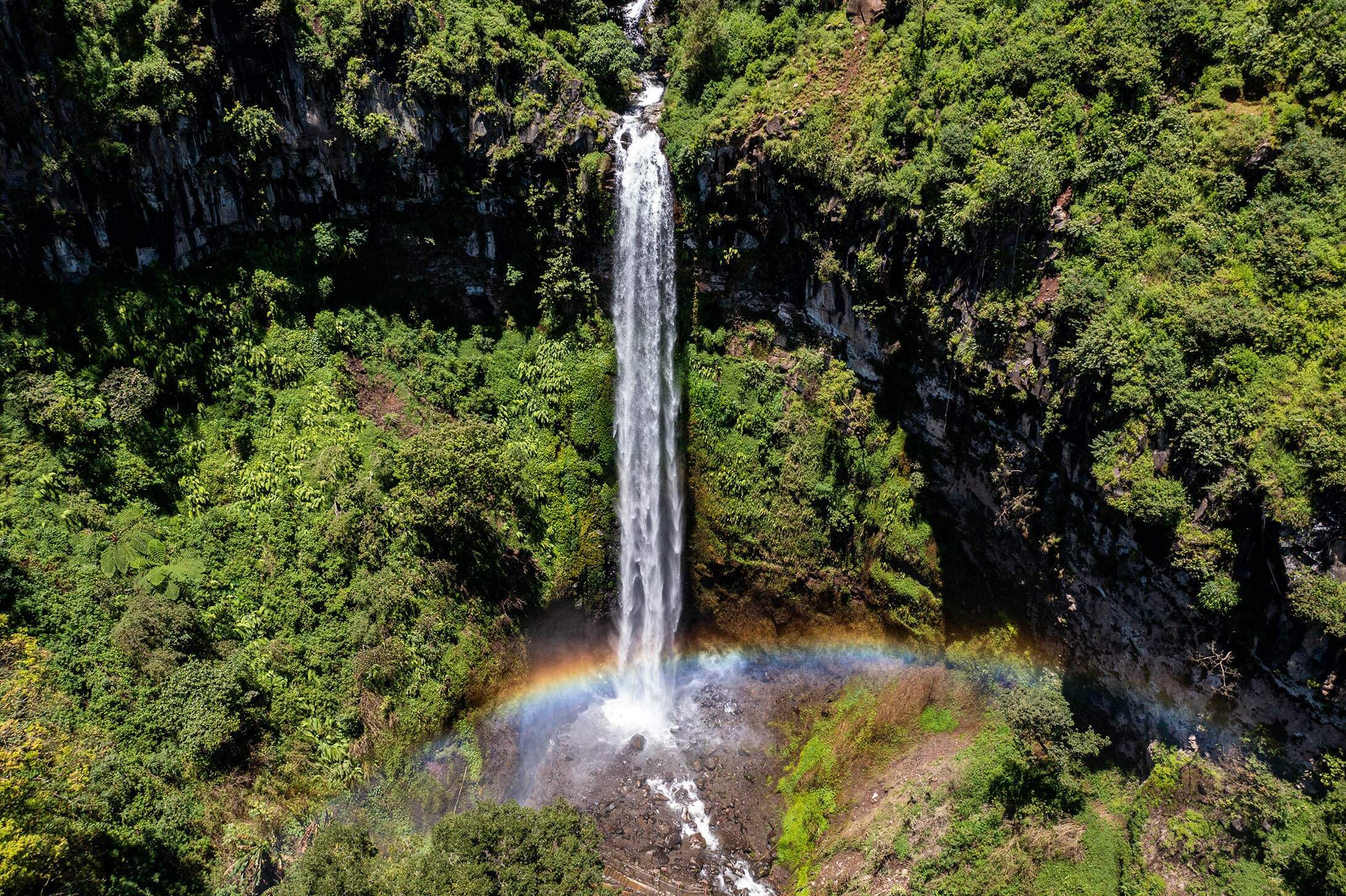
VISIT COBAN RONDO WATERFALL
Coban Rondo is one of the easier waterfalls to visit near Malang, set in a forested area with cooler air and mountain scenery. It is not as dramatic as Tumpak Sewu, but it is much more accessible and works well as a relaxed half-day trip.
Price: Approx. 35,000 to 50,000 IDR per person.
Location: Batu area, near Malang.
5
KAMPUNG BIRU AREMA VILLAGE
Kampung Biru Arema is another colorful neighborhood in Malang, painted mostly in blue as a tribute to the local football club, Arema. It is close to Jodipan and easy to combine in the same short city walk.
Price: Small entrance fee or donation may apply.
Location: Near Jodipan, Central Malang.
Java: Mount Bromo Travel Guide
DAY 5-6
Travel towards the Mount Bromo area and stay overnight near Cemoro Lawang or close enough for a sunrise tour.
HOW TO VISIT MOUNT BROMO
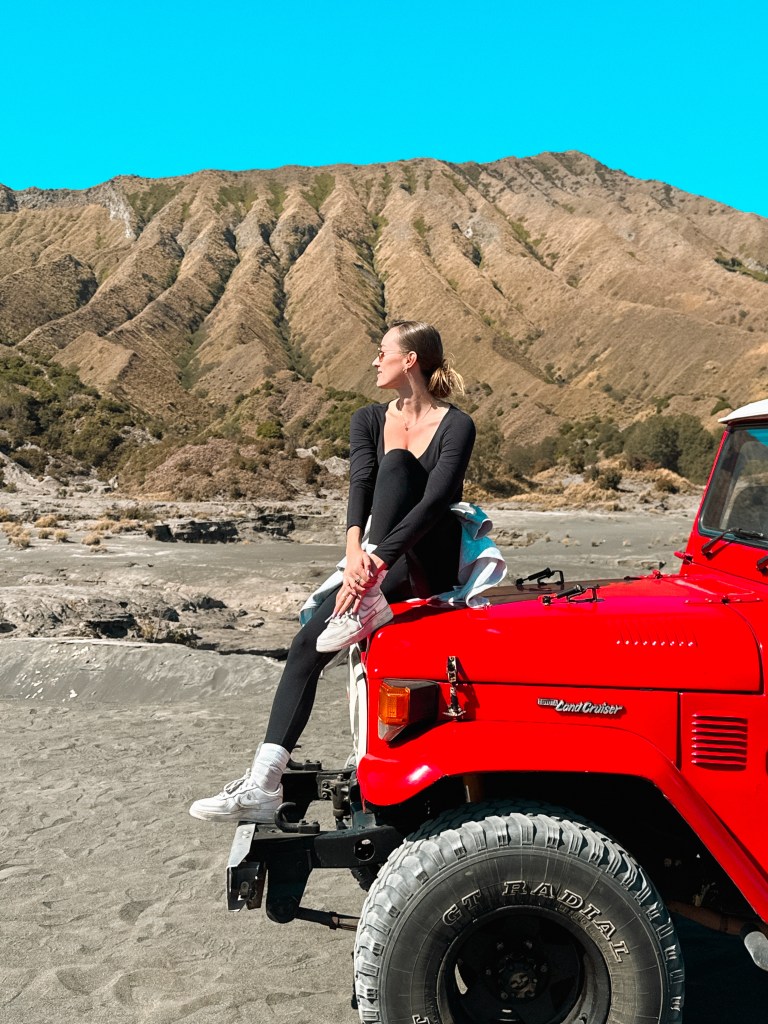
Mount Bromo is one of the most famous volcano experiences in Indonesia, and for once, the hype is not completely unhinged. The classic Mount Bromo sunrise tour starts painfully early, usually around 3 AM, when jeeps drive through the dark toward viewpoints like King Kong Hill, Seruni Point, or the Penanjakan area. From there, you watch the sun rise over Mount Bromo, Mount Batok, Mount Semeru, and the wide volcanic Sea of Sand below. Get a seat early because it gets very crowded here. AND, it is extremely cold and windy at the top.
After sunrise, most tours continue back down into the Sea of Sand, here you will have various pitstops to take plenty of photos with the insane backdrops of the volcano. Afterwards, you walk toward the crater stairs and climb up to the rim. This is around a 1 hour (round trip) walk. The walk itself is not technically difficult, but it is dusty, exposed, crowded and you will most definitely break a sweat. So, don’t forget to bring water. Still, standing on the edge of Bromo’s smoking crater is raw, dramatic, and absolutely worth the early alarm.


Tip:
Bring warm layers, closed shoes, a scarf or dust mask, and leave the viewpoint fairly quickly after sunrise if you want to avoid the worst jeep traffic down to the crater, this is no joke, we were stuck for 3 hours heading down the mountain! If you are planning to visit Mount Bromo, check the official Bromo Tengger Semeru National Park website before your trip for current park information. Access, rules and conditions around volcanoes can change, and this is not the part of travel planning where we freestyle and hope for the best.
Price:
Foreign visitor entrance fees are often listed around 220,000 to 255,000 IDR on weekdays and around 320,000 IDR on weekends or holidays, depending on the most recent park update. Jeep rental is separate and often ranges around 900,000 to 1,200,000 IDR per jeep, while organized tours vary heavily depending on pickup point and inclusions.

Java: Kawah Ijen Travel Guide
DAY 6-7
Mount Ijen, also known as Kawah Ijen, is one of Java’s most surreal volcano experiences. It is famous for its electric-blue fire, acidic turquoise crater lake, sulfur miners, and dramatic night hike. Most tours start in the middle of the night from Banyuwangi or Bondowoso, so you can reach the crater before sunrise and, if conditions allow, see the blue flames caused by burning sulfur gases.
HOW TO HIKE KAWAH IJEN
The hike to the Mount Ijen crater rim usually takes around 1.5 to 2 hours and is steep in parts, but the real challenge is that you do the entire hike in complete darkness. It is manageable if you have a basic fitness level, but the pitch-black trail definitely does not help with your footing.
The real drama starts near the crater, where the sulfur fumes can get intense and visibility can change very quickly. If you want to see the famous blue fire, this is where you are headed. The blue flames are caused by burning sulfur gases escaping from the crater, and they are only clearly visible in darkness. Sulfur fumes can become intense near the crater, and a proper gas mask is essential if you are entering an area where sulfur gas is present. Follow current local access rules and your guide’s instructions, because conditions and permitted areas can change.
Be careful here. You are standing right next to the blue fire, the crowds can be big, and some people may panic because it is dark, overwhelming and suddenly you can be hit by a huge sulfur plume. It does not feel nice to breathe in either, even with a mask. The crater lake itself is beautiful, but it is also highly acidic, so this is very much a look-but-do-not-touch situation.


Price:
Foreign visitor entrance fees are commonly listed around 100,000 IDR on weekdays and 150,000 IDR on weekends, with extra costs for transport, guides, gas masks, and sometimes a health certificate. Entry requirements can change, and health documentation may be requested depending on current regulations. Check the latest official Ijen guidance or confirm with your guide or accommodation before travelling to the trailhead. Hiring a guide is advisable, especially if it is your first time hiking Ijen. Private guided tour prices vary depending on transport, equipment and what is included.
Tip:
Do not underestimate the sulfur fumes. Bring warm clothes, a headlamp, proper shoes, water, and a gas mask. Blue fire visibility depends on volcanic activity, weather, and safety conditions, so never treat it like a guaranteed theme park attraction. For Mount Ijen, it is smart to check the official Ijen Geopark website before planning your hike. Ijen is incredible, but it is still an active volcanic area, so current access, safety guidance and local information matter more than someone’s five-year-old blog post with suspiciously cheerful photos.

Bali: Ubud Travel Guide
DAY 7-9
After the hike in Java, travel to the ferry port and cross from Java to Bali. After crossing from Java to Bali and making your way to Ubud, you can finally slow down somewhere green, calm and beautiful. After an intense week of trains, waterfalls and volcanoes in Java, Ubud is the perfect place to reset. After taking the ferry from Java back to Bali, this ride will take you around 1,5-2 hours depending on traffic.
After a full week in Java, Ubud is the perfect place to reset. Located in the heart of Bali, Ubud feels completely different from the island’s beach towns. Instead of beach clubs and coastal chaos, this part of Bali is all about rice terraces, jungle valleys, temples, waterfalls, wellness retreats, local crafts, yoga studios and slow mornings surrounded by green.


TOP THINGS TO DO IN UBUD
Ubud is one of the best areas to stay in Bali if you want to see the island’s softer, more cultural side. The area is known for its rice fields, waterfalls, Ubud Art Market, Monkey Forest and nearby villages. Both Tegallalang Rice Terrace and the Monkey Forest are classic stops to include on your Bali route, especially if it is your first time visiting. I would also recommend walking the Campuhan Ridge, going white water rafting on the Ayung River and visiting Tirta Empul Temple.
Keep your first day in Ubud slow. Walk through the rice fields, visit a cafe, get a massage and remind your body that it is loved. This is not the day to cram in seventeen waterfalls and another sunrise hike. You have earned a coconut and a little emotional recovery.
On your second day in Ubud, explore more of the classic Bali landscapes. Visit Tegallalang Rice Terrace, stop by a temple, add a waterfall or two, and leave time for the Ubud Art Market if you want to browse local crafts and souvenirs. This is the Bali people dream about before they arrive: green, lush, scenic, cultural and, yes, slightly overrun with people trying to take the exact same photo.
For more options beyond this itinerary, see my full Bali Travel Guide for Ubud, Kintamani, Uluwatu, Canggu, Sidemen, Amed, Menjangan and more.

1
WHITE WATER RAFTING ON THE AYUNG RIVER
White water rafting and river tubing are two of the best adventure activities near Ubud. You’ll float through jungle scenery, river cliffs, small waterfalls, and carved stone walls, with enough rapids to make it fun without feeling like you signed up for survival training.
Price: Approx. 445,000 to 600,000 IDR per person
Location: Around Ubud’s river valleys, often with hotel pickup included

2
ATV RIDE THROUGH THE RICE FIELDS
Take an ATV tour through rice fields, jungle roads, small villages, and muddy trails around Ubud. It is a fun way to see the greener side of Bali, especially if you want something more active than another temple stop. Some tours combine ATV riding with white water rafting, which makes it an easy full-day activity.
Price: Approx. 445,000 to 600,000 IDR per person (including rafting)
Location: Around Ubud’s river valleys, often with hotel pickup included

3
TIRTA EMPUL TEMPLE
Tirta Empul is one of Bali’s most sacred water temples, famous for its holy spring water and traditional purification ritual. Visitors can enter the pools, move through the water fountains, and experience one of Bali’s most meaningful spiritual sites respectfully. They give you a sarong on arrival, and if you plan to join the ritual, bring your swimsuit so you can go into the water.
Price: Approx. 75,000 IDR per person
Location: Around 30 minutes from Ubud

4
CAMPUHAN RIDGE WALK
Campuhan Ridge Walk is a scenic walking trail close to Ubud center, with jungle-covered hills, open views, and a calmer feeling than the busy streets nearby. It is best early in the morning or late afternoon when the light is soft and the heat is less rude. It is not a hard walk, and you pass through several villages from beginning to end.
Price: Free
Location: Near Pura Gunung Lebah, central Ubud

5
VISIT UBUD WATERFALLS
Ubud is surrounded by some of Bali’s most accessible waterfalls, including Kanto Lampo, Tibumana, and Tegenungan. Each one has its own vibe, from rock cascades to powerful jungle falls, but wear proper shoes because the paths can get slippery. They are also great places for photos if you start early.
Price: Approx. 15,000 to 30,000 IDR per waterfall
Location: Around 15 to 45 minutes from Ubud, depending on the waterfall

6
TEGALALANG RICE TERRACES
Tegallalang Rice Terraces are one of the most famous places to visit near Ubud, known for layered green rice fields, jungle views, swings, cafés, and scenic walking paths. It is touristy, yes, but still beautiful, especially early in the morning before the big crowds arrive. This is where you go for the classic rice terrace view.
Price: Approx. 50,000 IDR per person
Location: Around 20 minutes north of Ubud
7
MAKE A BALINESE OFFERING
Join a small Balinese offering workshop to learn how canang sari offerings are made, what the flowers and colors mean, and why daily offerings are such an important part of Balinese Hindu life. This gives you a better understanding of daily rituals, gratitude, and the spiritual side of Balinese culture.
Price: Approx. 250,000 IDR per person
Location: Ubud

8
UBUD MONKEY FOREST
Ubud Monkey Forest is one of the most popular things to do in central Ubud, with ancient trees, temple ruins, walking paths, and hundreds of monkeys roaming freely. It is beautiful, but keep your sunglasses, phone, snacks, and items hidden because the monkeys are very confident opportunists.
Price: Approx. 130,000 IDR per person
Location: Central Ubud

9
SARASWATI TEMPLE
Ubud Water Palace, also known as Saraswati Temple, is a beautiful temple in central Ubud surrounded by lotus ponds, carved details, and peaceful water features. Visit during the day for the architecture or in the evening for a traditional dance performance. It is an easy stop to combine with a Ubud center activity.
Price: Approx. 60,000 IDR per person
Location: Central Ubud

10
SOUND HEALING IN UBUD
Book a sound healing session at Pyramids of Chi, one of Ubud’s best-known wellness spots. The experience takes place inside purpose-built pyramid spaces and combines sound, vibration, meditation, and deep relaxation. It is a good option if you want a wellness activity during your Ubud stay.
Price: Approx. 400,000 IDR per person
Location: Central Ubud

Bali: Kintamani & Mount Batur Travel Guide
DAY 9-10
Travel from Ubud to Kintamani. The easiest way to reach Kintamani is by private driver or scooter from Ubud. The drive usually takes around 1 to 1.5 hours from Ubud. Kintamani is one of the best places in Bali for volcano views, cooler weather, mountain cafés, hot springs and dramatic landscapes around Mount Batur and Lake Batur. It feels completely different from Bali’s beach towns, which is exactly why it is worth adding to this Indonesia itinerary.
Instead of visiting Kintamani as a rushed day trip, spend one night here in a glamping stay overlooking the volcano. This gives you time to slow down, enjoy the cooler mountain air and have coffee with a ridiculous view.


TOP THINGS TO DO IN KINTAMANI
If you are up for another early start, you can hike Mount Batur for sunrise. If your body is still emotionally recovering from Java, skip the hike and do a black lava jeep tour or visit one of the hot springs instead. No shame. We are not machines. If you are considering hiking Mount Batur, it is smart to check the official website before planning your hike.
A very unique stop in the area is Trunyan Village, a traditional village on the edge of Lake Batur known for its unusual burial tradition. Instead of burying or cremating the dead, bodies are placed above ground near a sacred tree believed to neutralize the smell. It is fascinating, but also a deeply cultural and sensitive place, so visit respectfully and do not treat it like a weird tourist attraction.
Before you go, remember that Kintamani is cooler than South Bali, especially early in the morning and at night. Bring a light jacket if you are hiking, visiting for sunrise or staying overnight. The weather can change quickly, and the views are usually best on clear mornings. If you are planning to hike Mount Batur, choose a reliable guide and wear proper shoes. For the volcano-view cafés, go early if you want the best seats without the crowds. Also, Kintamani at times has a bit of a fly problem, be warned!

1
SUNRISE HIKE OF MOUNT BATUR
The Mount Batur sunrise hike is one of Bali’s most famous adventure experiences. You start climbing in the dark with a guide and reach the summit in time to watch the sun rise over Lake Batur, Mount Agung, and sometimes even Mount Rinjani in the distance. It’s early, cold, and slightly rude to your sleep schedule, but the view is worth it. This is a highlight of my trip here!
Price: Varies by tour, often around 350,000 to 700,000 IDR per person
Location: Mount Batur, Kintamani

2
JEEP LAVA FIELD TOUR
A black lava jeep tour is a great way to explore Mount Batur’s volcanic landscape without hiking. You’ll drive through black lava fields, black sand, and dramatic rock formations created by past eruptions. It’s one of the best activities in Kintamani if you want volcano views, adventure, and photos without pretending you love cardio.
Price: Varies by tour, often around 500,000 to 900,000 IDR per jeep or per person
Location: Mount Batur black lava fields, Kintamani

3
HOT SPRINGS IN KINTAMANI
Kintamani is known for natural hot springs near Lake Batur, including Toya Bungkah and Toya Devasya. This is especially nice after the sunrise hike, when your legs are quietly filing a complaint. The warm water, lake views, and mountain air make it one of the most relaxing things to do in the area. Also, this water is actually very warm so make sure to step out every few minutes to cool down a little.
Price: Approx. 100,000 to 250,000 IDR per person, depending on the hot spring
Location: Lake Batur area, Kintamani

4
COFFEE WITH VIEW OF MOUNT BATUR
Kintamani has become famous for cafés and restaurants with panoramic views over Mount Batur and Lake Batur. It’s one of the easiest ways to enjoy the volcano scenery without doing anything too heroic. Come for coffee, breakfast, lunch, or that very specific Bali moment where the view is doing 90 percent of the work.
Price: Varies by café
Location: Penelokan and main Kintamani viewpoint road

5
VISIT LAKE BATUR
Lake Batur sits at the base of Mount Batur and adds to the dramatic volcano scenery of Kintamani. It’s a peaceful place for lake views, photos, local restaurants, and a slower stop after hiking or exploring the black lava fields. The landscape here feels much more rugged and open than most of Bali. You can also take a boat across Lake Batur to Trunyan Village, which is known for its unusual above-ground burial tradition.
Price: Free to view, activity and parking costs vary
Location: Lake Batur, Kintamani

6
COFFEE PLANTATION IN KINTAMANI
Kintamani’s cooler mountain climate makes it a well-known area for coffee, including Bali coffee and local plantation visits. A coffee stop is an easy add-on while exploring the volcano viewpoints, especially if you want to taste local coffee and learn a little about the growing process.
Price: Often free to enter, tastings or purchases vary

7
GO GLAMPING IN KINTAMANI
Kintamani is one of the best places in Bali for glamping, especially if you want mountain air, campfire vibes, sunrise views, and a cozy overnight stay near Mount Batur. It gives you the nature experience without having to sleep on the floor and pretend you’re fine. Romantic, scenic, and still with a real bed. As it should be.
Price: Varies by property
Location: Kintamani

8
BATUR GEOPARK IN KINTAMANI
The Batur Geopark Museum is a good stop if you want to understand more about Mount Batur’s volcanic history, eruptions, geology, and the surrounding landscape. It’s not the most glamorous activity in Bali, but it adds useful context if you’re already exploring Kintamani and want to know what you’re actually looking at.
Price: Approx. 10,000 to 20,000 IDR p.p.
Location: Kintamani, near Penelokan

9
PURA ULUN DANU BATUR TEMPLE
Pura Ulun Danu Batur is one of Bali’s important temples, dedicated to the goddess of Lake Batur. It’s a meaningful cultural stop in Kintamani and a nice contrast to the volcano hikes, cafés, and jeep tours. Dress modestly and wear a sarong out of respect, as you should when visiting temples throughout Bali.
Price: Approx. 30,000 to 50,000 IDR per person
Location: Kintamani, Bangli Regency

10
VISIT TRUNYAN VILLAGE
A very unique stop in the area is Trunyan Village, a traditional village on the edge of Lake Batur known for its unusual burial tradition.
Instead of burying or cremating the dead, bodies are placed above ground near a sacred tree believed to neutralize the smell. It is fascinating, but also a deeply cultural and sensitive place, so visit respectfully and do not treat it like a weird tourist attraction.

Bali: Nusa Penida Travel Guide
DAY 10-13
After your night in Kintamani, travel by car to the harbour and take the boat from Bali to Nusa Penida. The easiest and most common route is from Sanur Harbour, with the boat ride usually taking around 40 to 45 minutes depending on sea conditions.
One thing to know before you go: the ferry and boat rides on this Indonesia route can be intense. The sea around Bali, Nusa Penida, Lombok and the Gili Islands can get rough, and smaller boats can feel very dramatic very quickly. Whenever possible, I recommend choosing a larger, reputable ferry or fast boat instead of the smallest budget option. Your stomach, nervous system and dignity may thank you later.
Nusa Penida is Bali’s wild island escape, known for towering limestone cliffs, turquoise water, white-sand beaches, manta ray snorkeling and some of the most iconic viewpoints in Indonesia. It is the largest of the Nusa Islands and still feels much rougher than mainland Bali, which is exactly why it is worth staying overnight instead of squeezing it into a rushed day trip.


TOP THINGS TO DO IN NUSA PENIDA
Use your first/second day on Nusa Penida to explore the west side of the island. Kelingking Beach, Rumah Pohon Treehouse, Broken Beach and Angel’s Billabong are the famous stops. Yes, they are touristy.
Spend your second/third day on Nusa Penida booking a snorkeling trip if conditions are good. If you want to get in the water, Nusa Penida is also one of the best places near Bali for manta ray snorkeling, although trips depend heavily on weather and sea conditions.

1
KELINGKING BEACH
Kelingking Beach is the most famous viewpoint in Nusa Penida, known for its T-Rex shaped cliff, turquoise water, and dramatic white-sand beach below. The view from the top is the main highlight, but the hike down to the beach is extremely steep and not something to do casually in flip-flops. Go early if you want fewer crowds and better photos.
Price: Approx. 10,000 to 25,000 IDR entrance or parking
Location: West Coast Nusa Penida

2
BROKEN BEACH
Another great stop on your list is Broken Beach. This is a natural rock arch where the ocean flows into a circular cove surrounded by cliffs. It’s one of the easiest and most photogenic stops on a Nusa Penida west coast tour, with no difficult hike needed. The views are beautiful, but you cannot swim here, so treat it as a scenic viewpoint rather than a beach day.
Price: Approx. 5,000 to 10,000 IDR parking
Location: West Coast Nusa Penida

3
ANGEL’S BILLABONG
Angel’s Billabong is a natural rock pool right by the ocean, famous for its clear water, layered rocks, and dramatic coastal setting. It looks peaceful in photos, but the waves can be dangerous, especially during high tide. Visit for the view, but don’t get too confident near the edge because the ocean has absolutely no interest in your Instagram plan.
Price: Included with Broken Beach parking
Location: 150 meters from Broken Beach, West Coast Nusa Penida

4
CRYSTAL BAY
Crystal Bay is one of the most accessible beaches in Nusa Penida, surrounded by palm trees and known for snorkeling, sunset, and relaxed beach time. Compared to the island’s cliff beaches, it’s much easier to reach and better for swimming when conditions are calm. It’s a nice final stop after a busy west coast route. Don’t forget to bring sunscreen, of course!
Price: Approx. 5,000 to 10,000 IDR parking
Location: West Coast Nusa Penida

5
ATUH BEACH
Atuh Beach sits close to Diamond Beach and is another beautiful east coast stop surrounded by cliffs and rock formations. It’s a good place to relax after visiting the viewpoints, and the beach feels slightly more tucked away than the famous west coast stops. Visit both Diamond Beach and Atuh Beach together to make the long drive east worth it.
Price: Included with Diamond Beach entrance
Location: East Coast Nusa Penida

6
DIAMOND BEACH
Diamond Beach is one of the most beautiful beaches in Nusa Penida, with bright blue water, white sand, limestone cliffs, and a staircase carved into the cliffside. The view from above is already worth the trip, but the walk down is steep and can be tiring. Swimming is not always safe because of strong waves and currents, so come for the scenery first.
Price: Approx. 35,000 IDR entrance for the Diamond Beach / Atuh Beach area
Location: East Coast Nusa Penida

7
RUMAH POHON TREE HOUSE
Rumah Pohon Tree House is one of Nusa Penida’s most photographed viewpoints, overlooking the cliffs and ocean near Thousand Islands Viewpoint. It’s popular, yes, but the view is genuinely stunning. Go early if you want photos without waiting in a line while quietly questioning humanity. Sometimes, depending on their mood, the locals will charge you more money to actually take a photo here.
Price: Approx. 10,000 to 25,000 IDR entrance or photo fee
Location: Near Thousand Islands Viewpoint, East Coast Nusa Penida
8
SWIM WITH MANTA RAYS
One of the best things to do in Nusa Penida is a snorkeling or diving trip to see manta rays around places like Manta Bay or Manta Point. Sightings are never guaranteed, because nature is rude like that, but the waters around Nusa Penida are famous for manta rays, coral reefs, and dramatic underwater scenery. This is best booked as a dedicated snorkeling trip rather than squeezed into a rushed land tour.
Price: Varies by tour, around 250,000 to 600,000 IDR pp.
Location: Manta Bay / Manta Point area, off Nusa Penida

9
TELETUBBIES HILLS
Teletubbies Hill is a softer, greener side of Nusa Penida, with rolling hills that look completely different from the island’s dramatic cliffs and beaches. It’s not the most essential stop if you only have one day, but it’s a nice add-on if you’re exploring the east coast and want a change of scenery. We went here on a bit of a gray day but enjoyed it nonetheless. Sure, it’s not an eye stopper by any means but we visited during sunset and had a bintang here.
Price: Usually free or small parking fee
Location: Inland East Nusa Penida

Lombok: Gili Air & Gili Meno Travel Guide
DAY 13-15
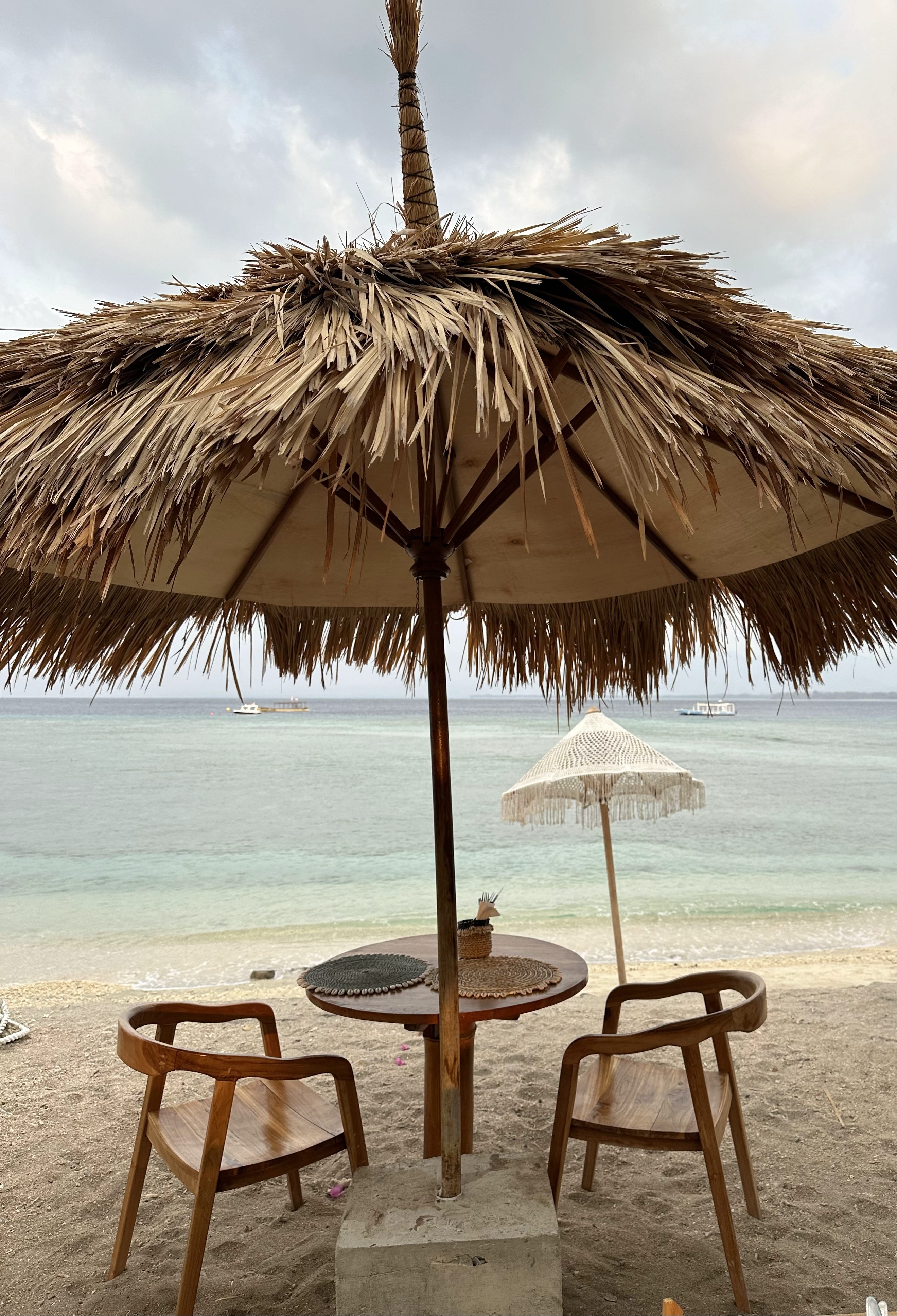
Take the fast boat from Nusa Penida to Gili Air and switch into tiny island mode. Lombok is officially on. Gili Air is one of the three famous Gili Islands off the coast of Lombok, known for white sand, turquoise water, snorkeling, turtles, beach cafés, sunset bars and car-free island life. It sits somewhere between lively Gili Trawangan and ultra-quiet Gili Meno.
There are no cars here, the sunsets are beautiful, and the pace is slow in the best possible way. Spend your first afternoon walking or cycling around the island, swimming, eating seafood and doing very little. That is the whole point.


TOP THINGS TO DO IN GILI AIR & GILI MENO
Use your second day for a boat trip around the Gili Islands. You can snorkel with turtles, visit the underwater statue near Gili Meno, stop by the turtle sanctuary and swim in some of the clearest water in Indonesia. Gili Air is also a great place for diving, beach cafés, sunset drinks and pretending you are now the kind of person who has inner peace.
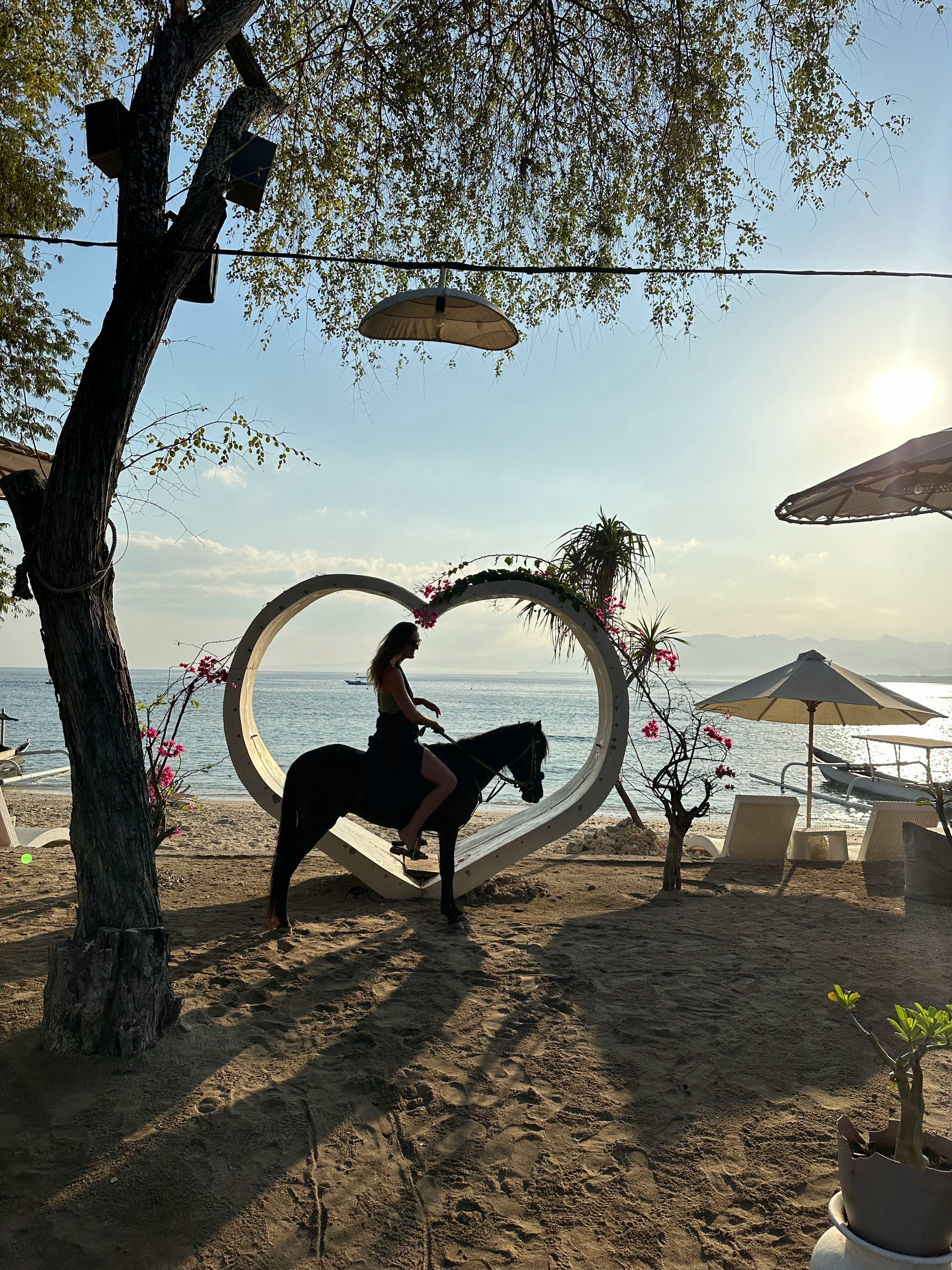
One of the nicest things to do on Gili Air is rent a bicycle and cycle around the island. It is small, flat and easy to explore, although some sandy parts will turn your peaceful bike ride into a small personal battle. Still charming though. You can also do a sunrise pony walk on Gili Air if you want a quiet early-morning moment by the beach. Just choose carefully and skip anything that does not feel ethical or well-run. The Gilis have had animal welfare concerns, especially with horse carts, so I would avoid using those if possible. Walking and cycling are much better ways to get around.
If you want to explore more of the island, my full Lombok Travel Guide covers the Gilis, Mount Rinjani, Kuta Lombok, beaches and road-trip stops in much more detail.


1
SNORKLE WITH TURTLES
Gili Air is one of the best places in Indonesia to snorkel with turtles, especially around the northern side of the island. The water is usually clear, the reef is close to shore, and you have a good chance of spotting turtles, tropical fish, and coral. Avoid snorkeling at very low tide, because the coral gets too close to the surface and you can damage it.
Price: Free if you bring your own gear
Location: North and northeast coast of Gili Air

2
CYCLE AROUND THE ISLAND
One of the best things to do on Gili Air is simply rent a bicycle and loop around the island. There are no cars or motorbikes, so cycling is the easiest way to explore this lovely little island. The island is small enough to circle in under an hour, unless you stop every five minutes for photos.
Price: Bike rental usually varies by hour or day
Location: All around Gili Air
3
UNDERWATER SCULPTURES SNORKELING
The underwater sculptures near Gili Meno are one of the most famous snorkeling spots in the Gili Islands. The circular statues sit beneath the surface and have become a popular place to see coral growth and tropical fish. Tip: go here early in the morning if you don’t want to be surrounded by huge crowds.
Price: Boat rental
Location: West side of Gili Meno
4
VISIT THE TURTLE SANCTUARY
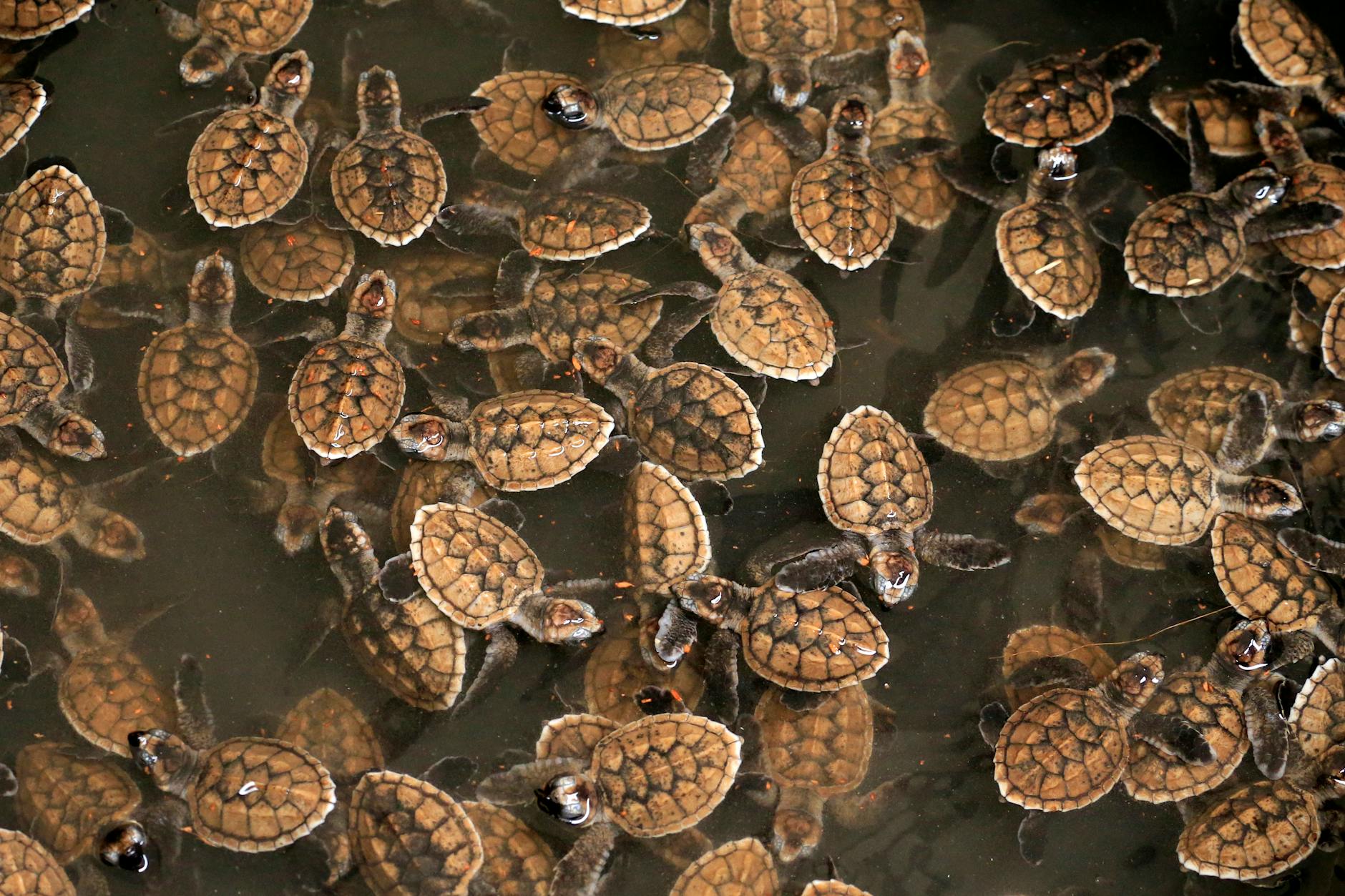
Gili Meno has a small turtle sanctuary where visitors can learn about turtle conservation and see young turtles before release. It’s a simple stop, but a nice one if you care about marine life and want to understand why protecting the reefs and beaches really matters. Plus, who doesn’t like seeing tiny little turtles!?
Price: Donation-based
Location: Gili Meno village / beach area
5
VISIT GILI MENO BY BOAT
The underwater sculptures near Gili Meno are one of the most famous snorkeling spots around the Gili Islands. You can visit them on a boat trip from Gili Air, usually combined with other snorkel stops around Gili Meno and Gili Trawangan. It’s beautiful, photogenic, and very popular, so go early if you want fewer fins in your face.
Price: 150,000 to 300,000 IDR pp
Location: 15 minutes by boat from Gili Air

6
SUNRISE HORSEBACK RIDING
Sunrise horseback riding is one of the more unusual ways to experience Gili Air early in the morning, when the beaches are still quiet and the island has barely woken up. Guided rides usually follow sections of the coastline, giving you ocean views in the softer morning light. Choose your operator carefully and pay attention to the condition and treatment of the horses before booking.
Price: Varies by operator
Location: Gili Air coastline
Lombok: Mount Rinjani Travel Guide (option 1)
DAY 15-18
By this point in the itinerary, you may already have hiked three volcanoes: Mount Bromo, Mount Ijen and Mount Batur. So yes, your legs have been through enough drama. But if you still have adventure left in you, the next hike is the big one: Mount Rinjani. Either take on Mount Rinjani for one of the most unforgettable adventure experiences in Indonesia, or skip the mountain and head straight to Kuta Lombok for a few quiet beach days, good food and a much softer ending to your trip.
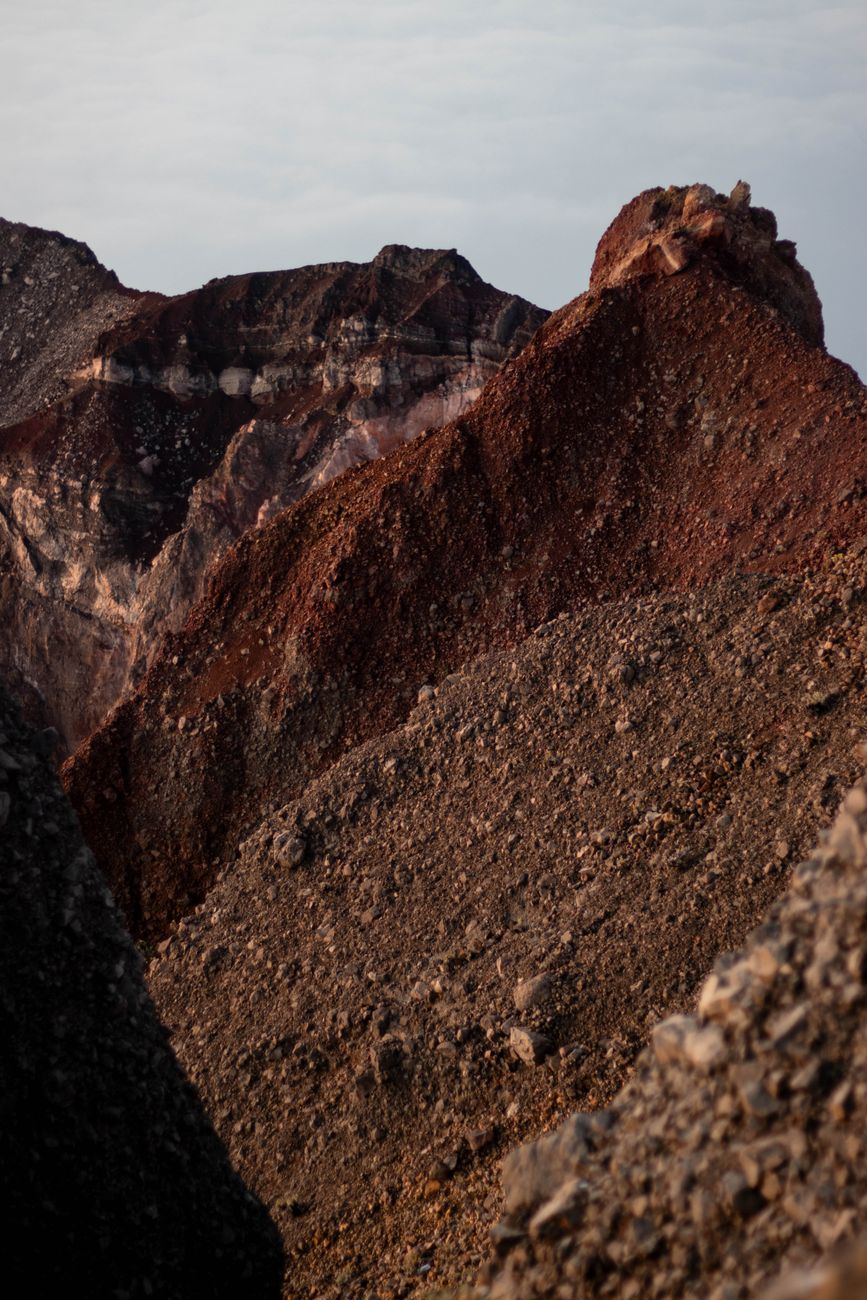
HOW TO HIKE MOUNT RINJANI
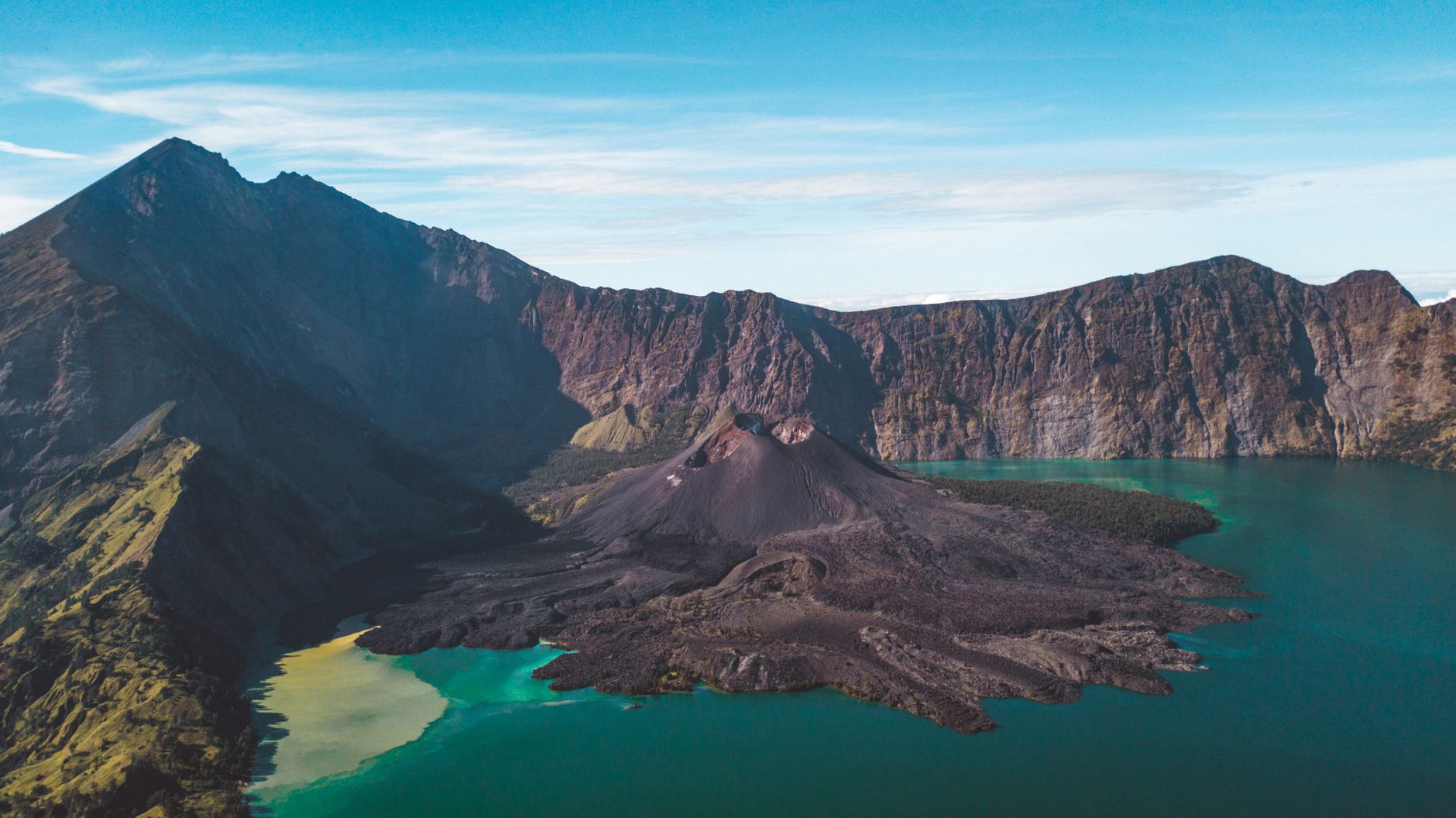
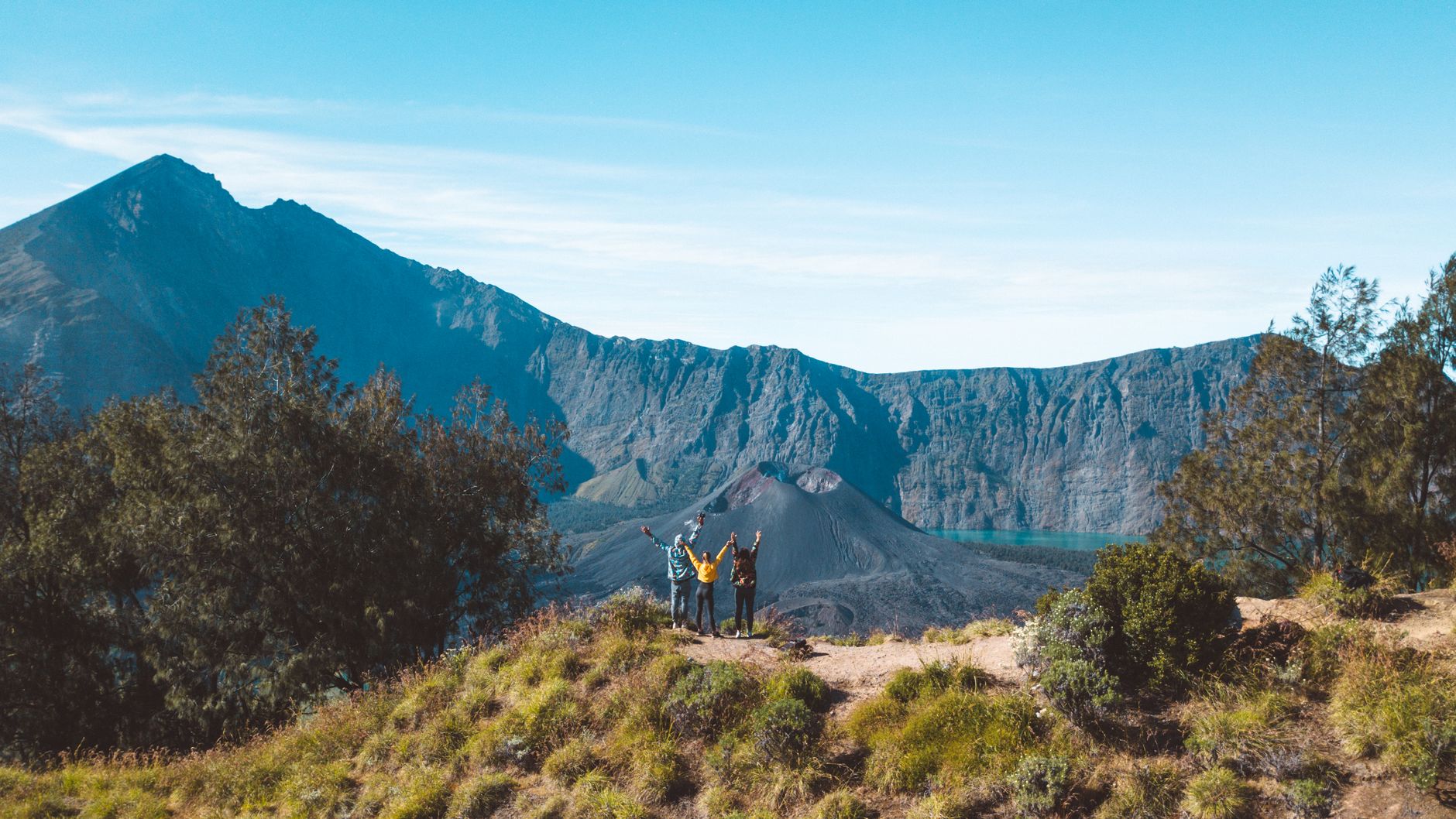
Mount Rinjani is Lombok’s most famous volcano and one of the most challenging hikes in Indonesia. It rises 3,726 meters above sea level and is very much a proper mountain trek, with steep climbs, loose volcanic gravel, cold nights, basic camping and long hiking days. For this 3-week itinerary, I would choose a 2-day, 1-night crater-rim trek rather than trying to squeeze a longer summit itinerary into the route. If reaching the 3,726-meter summit is your priority, give Rinjani more time and choose an itinerary specifically designed for the summit.
Rinjani is hard. Not impossible, but hard. You need decent fitness, good knees, proper hiking shoes and a realistic attitude. The summit push usually starts in the middle of the night, and the final section can feel brutal because the volcanic sand makes every step forward feel like half a step back. Very rude behaviour from a mountain, honestly.
Mount Rinjani has routine seasonal trekking closures during the wettest part of the year, and additional temporary closures can happen because of weather or safety conditions. Always check the official Mount Rinjani National Park website before booking.
You should hike Mount Rinjani with a licensed trekking company. A good guide and porter team makes a huge difference for safety, pacing, camping gear, food, permits and knowing what to do if the weather changes. Do not just book the cheapest option. Ask about group size, guide experience, sleeping gear, meals, toilet setup, safety procedures and whether they carry out their rubbish.
Pack proper hiking shoes, warm layers, a rain jacket, headlamp, sunscreen, sunglasses, hat, small backpack, reusable water bottle, toilet paper, wet wipes, snacks, power bank and blister plasters. It can be hot during the day and freezing at night near the crater rim, so do not pack like you are going to a beach resort. Mount Rinjani is sweaty, dusty, cold, dramatic and completely worth it if you are prepared. Come for the volcano views, stay for the crater lake, and leave with legs that feel like they have personally filed a complaint.
Expect to pay around €150 to €250 per person for a standard 2 days / 1 night Mount Rinjani trek with a licensed guide, porter, camping gear, meals, water, entrance fee and basic transfers included. Solo or private trips cost more, often around €300 to €450+ for private/solo arrangements, while very cheap tours usually mean fewer comforts, bigger groups or weaker safety standards. Do not just book the cheapest option. For Rinjani, a good guide and porter team is worth paying for. Before booking a Mount Rinjani trek, check the official Mount Rinjani National Park website for current park information. Rinjani is not a casual “let’s see how we feel in the morning” walk, so it is worth checking official updates before committing to the climb.
Lombok: Kuta Travel Guide (option 2)
DAY 15-18
If you are tired of hikes and would rather lounge on the beach, sip cocktails and enjoy a softer ending to your trip, choose option 2 and head straight to Kuta Lombok.
The easiest way to reach Lombok is by flying into Lombok International Airport. There are domestic flights from Bali, Jakarta, Surabaya and other Indonesian cities. You can also take a fast boat from Bali, Nusa Penida or the Gili Islands to Lombok, but sea conditions can be rough and travel times depend heavily on the operator and weather. If you are short on time, flying is usually the easiest option.


TOP THINGS TO DO IN KUTA, LOMBOK
Lombok is one of the best places in Indonesia if you want beaches, space and adventure without feeling like you are following the exact same Bali route as everyone else. It is quieter, wilder and more rugged than Bali, with dramatic coastlines, rolling hills, turquoise bays, traditional villages and some of the most beautiful beaches in Indonesia.
Lombok is much bigger than it looks, so you will need a scooter, private driver or organized tour to explore properly. For longer routes to Pink Beach, Senaru, Sembalun, Tetebatu, Senggigi or the waterfalls, a private driver is usually more comfortable and safer.
South Lombok is the easiest area to base yourself if you want beach-hopping, scooter rides and slow island days. Kuta Lombok is the main travel hub in the south, with cafés, restaurants, surf shops and easy access to nearby beaches like Tanjung Aan, Mawun Beach, Lancing Beach and Pink Beach. For sunset, Merese Hill is one of the best viewpoints in the area, with wide views over the coastline and soft green or golden hills depending on the season. Lombok is also a great place to learn more about local Sasak culture, the island’s largest ethnic group.

1
VISIT KUTA
Kuta Lombok is the main travel hub in South Lombok, known for cafés, restaurants, surf shops, beach stays, and easy access to some of the island’s best beaches. It’s nothing like Kuta Bali, thankfully. This version is more laid-back, scenic, and surrounded by rolling hills.
Price: Free to explore
Location: South Lombok, around 30 minutes from Lombok International Airport
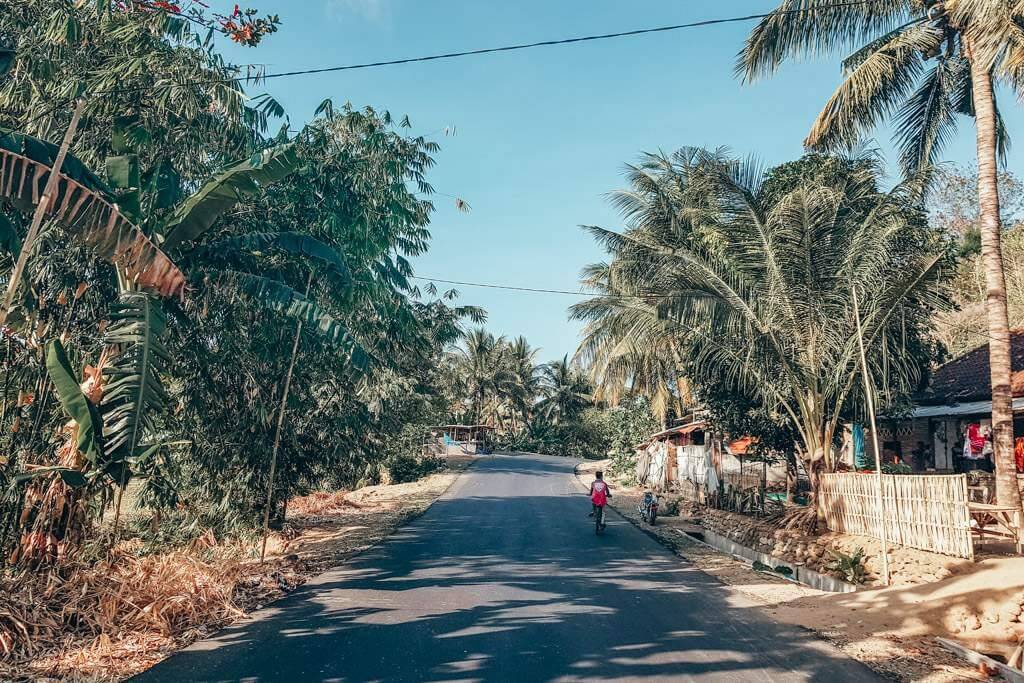
2
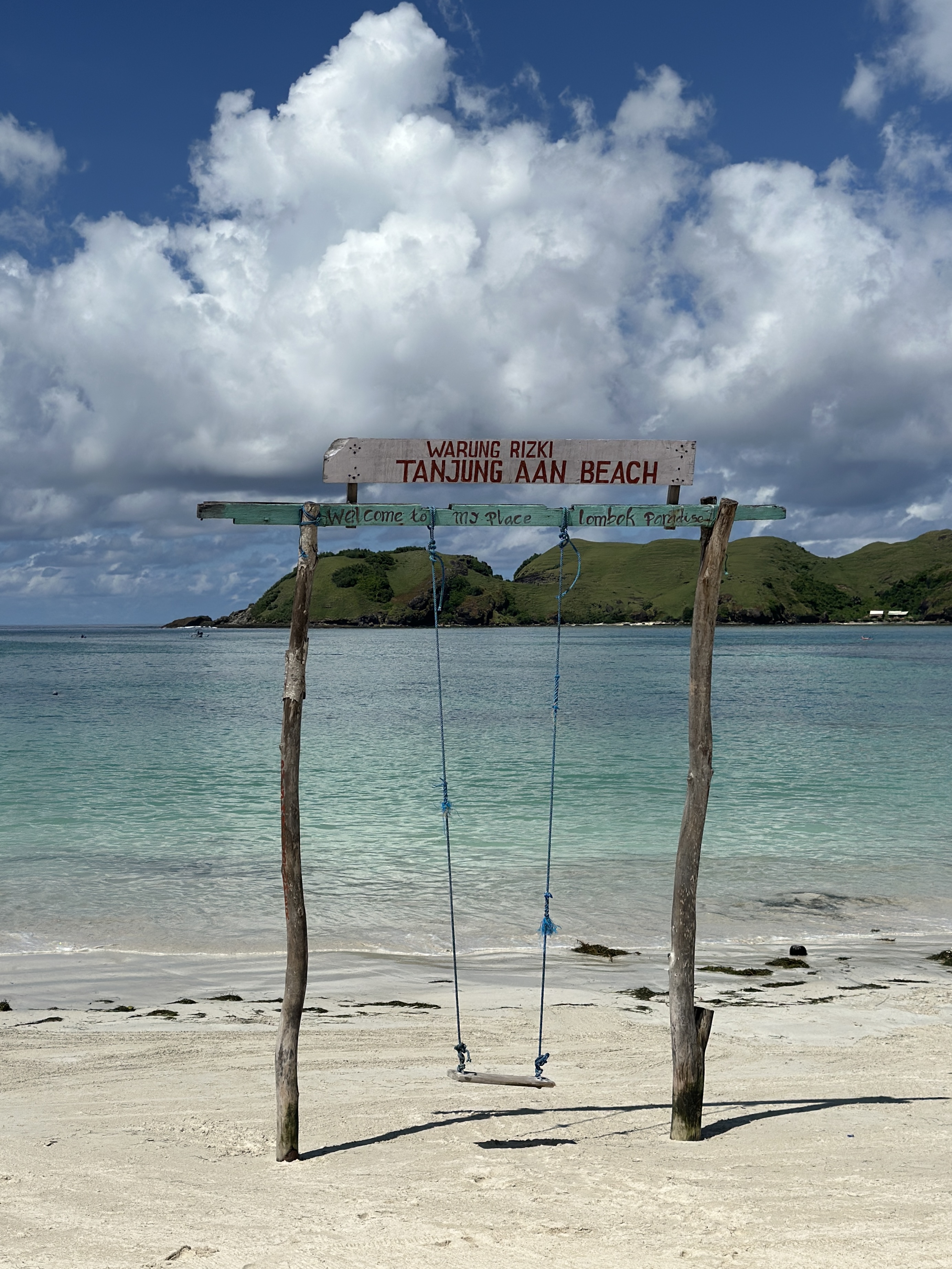
TANJUNG AAN
Tanjung Aan is one of the most beautiful beaches in Lombok, with soft white sand, clear turquoise water, and dramatic hills around the bay. It’s great for swimming when conditions are calm, relaxing on the beach, and climbing near Merese Hill for sunset.
Price: Small parking or entrance fee may apply
Location: Around 15 to 20 minutes from Kuta Lombok
3
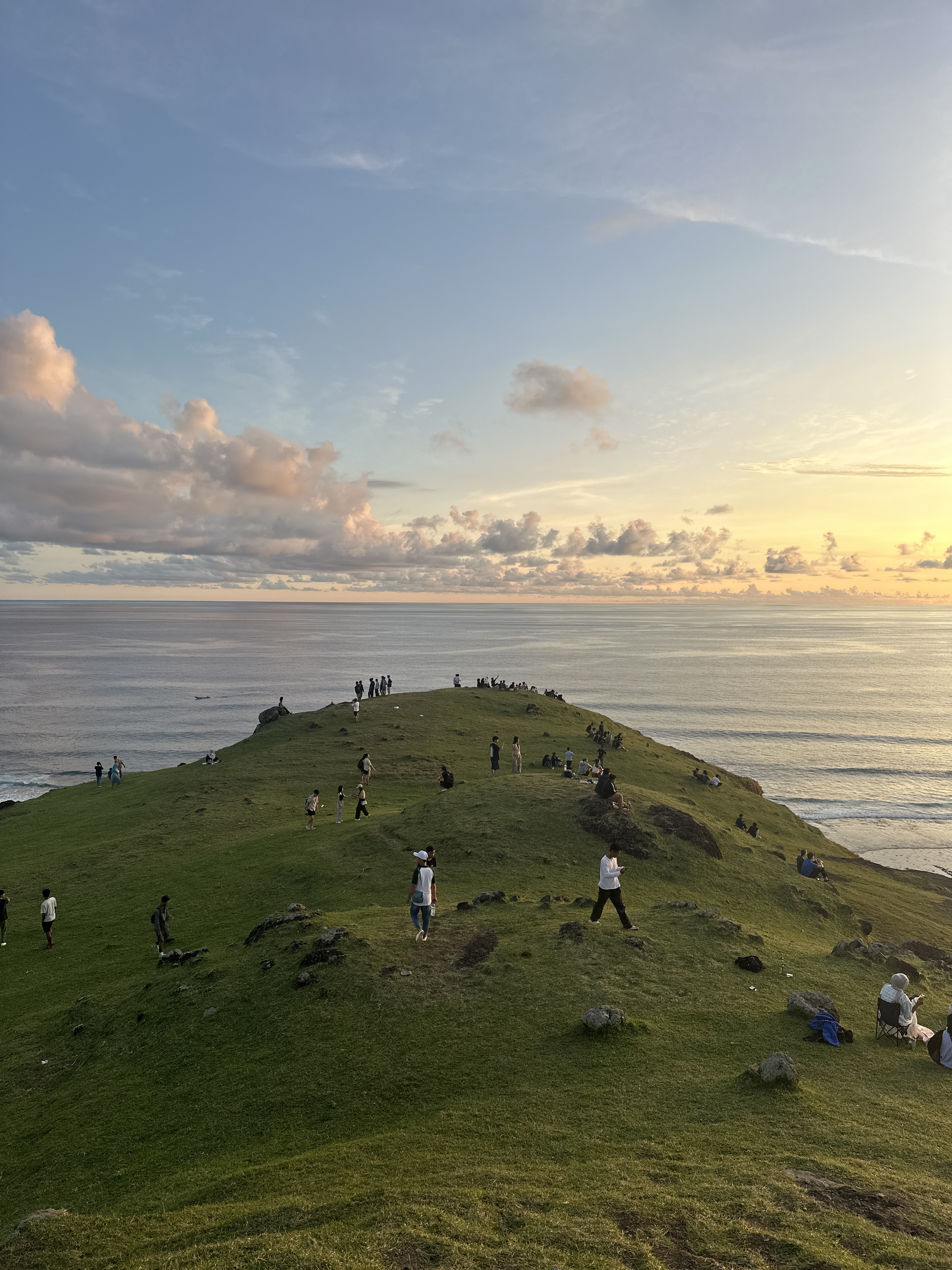
MERESE HILL
Merese Hill is one of the best sunset viewpoints in South Lombok, with wide views over Tanjung Aan, the coastline, and rolling green or golden hills depending on the season. It’s an easy short walk up, but the views make it look like you worked much harder than you actually did. Don’t forget to bring a bintang here.
Price: Small parking fee may apply
Location: Near Tanjung Aan, South Lombok
4
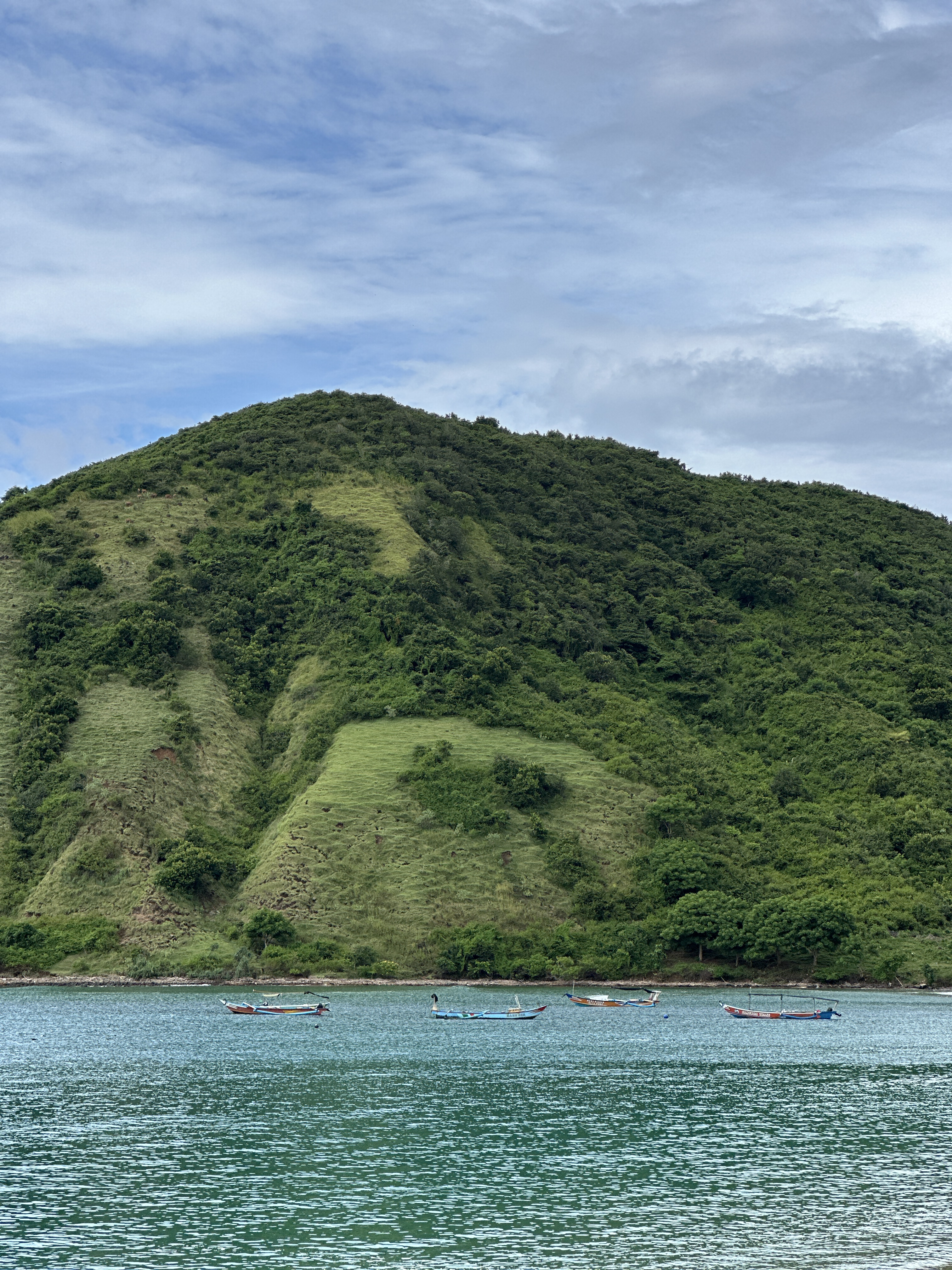
MAWUN BEACH
Mawun Beach is a quiet horseshoe-shaped bay surrounded by hills, with soft sand and calm-looking water. It’s less developed than some of the more popular beaches, which makes it a lovely stop if you want something simpler and less crowded. I highly recommend this beach.
Price: Small entrance or parking fee may apply
Location: Around 25 to 30 minutes from Kuta Lombok
5
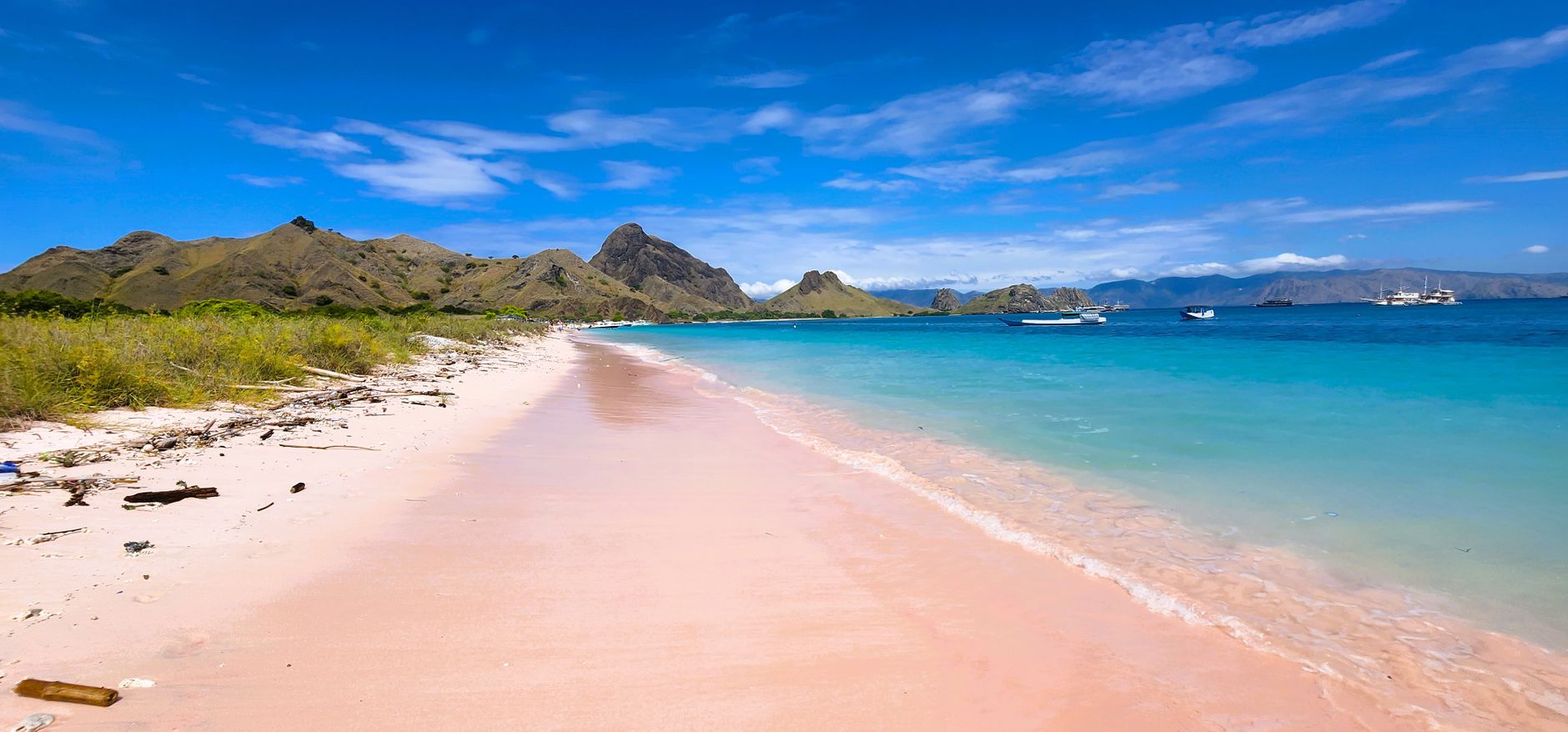
PINK BEACH
Pink Beach, also known as Tangsi Beach, is one of Lombok’s more remote coastal spots, known for pale pinkish sand, clear water, cliffs, and snorkeling nearby. The color can be subtle depending on the light, so don’t arrive expecting Barbie Beach, but the area is still beautiful and adventurous.
Price: Entrance or boat tour fees vary
Location: 2/3 hours from Kuta Lombok by road
6
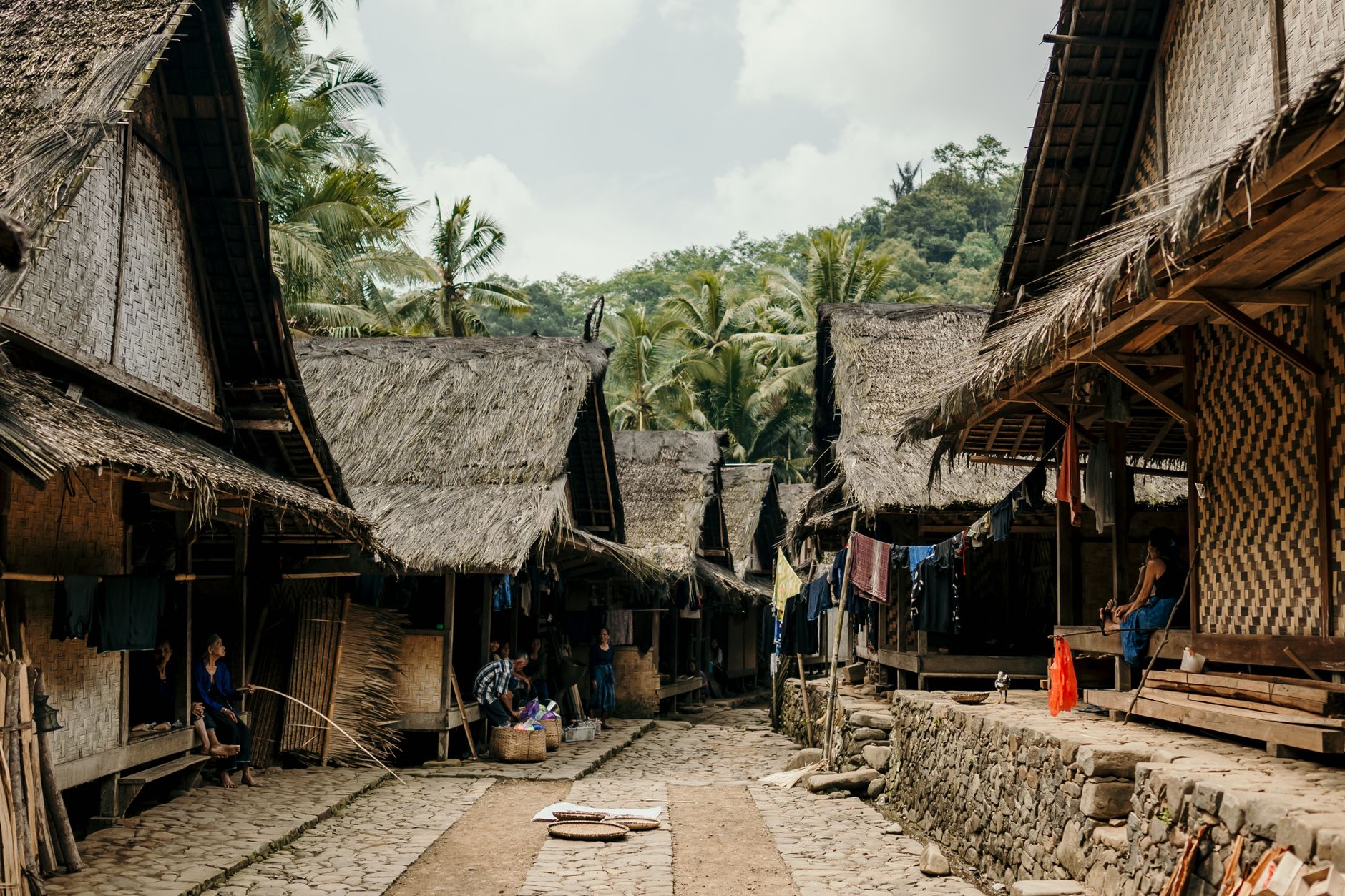
TRADITIONAL SASAK VILLAGE
Lombok is home to the Sasak people, and visiting a traditional village is one of the best ways to understand the island beyond beaches and surf. Villages like Sade and Ende are known for traditional houses, weaving, local customs, and Sasak culture. Go respectfully, ask before taking photos, and support local artisans if you can.
Price: Donations may apply
Bali: Canggu Travel Guide
DAY 18-21
After Lombok, travel back to Bali and end your Indonesia itinerary with a few final days in Canggu, Sanur or Uluwatu. Personally, I would choose Canggu. By this point, you have had plenty of quiet island moments, volcano drama and slow beach days, so now it is time to finish the trip with a bit of chaos, good food, sunsets, surf, cafés and one last proper Bali banger before heading home.
TOP THINGS TO DO IN CANGGU
Canggu is Bali’s surf, café and social hub, known for beach sunsets, beginner surf lessons, brunch spots, boutiques, beach clubs, gyms, coworking spaces and a very modern version of Bali life. It is not the quietest or most traditional part of the island, and the traffic can be absolutely ridiculous, but it is a fun final stop if you want easy food, nightlife, beach access and a lively social atmosphere before heading home.


The easiest way to reach Canggu is by car, taxi or private driver. From Bali airport, the drive usually takes around 45 minutes to 1.5 hours depending on traffic. From other parts of Bali, travel times can vary wildly, especially around sunset, school hours and rainy days. Canggu looks harmless on the map. It lies.
Canggu is easiest to explore by scooter if you are confident riding in busy Bali traffic. You can also use Grab or Gojek for short rides. Walking is possible in certain parts like Batu Bolong, Berawa and Echo Beach, but Canggu is spread out, and sidewalks are not always your friend here. For longer distances or when carrying luggage, a private driver is the easiest option.

1
TAKE A SURF LESSON
Canggu is one of Bali’s most popular surf areas, with waves for both beginners and more experienced surfers. Batu Bolong is usually the easiest place to start, while Echo Beach, Berawa, and Pererenan are better if you already know what you’re doing.
Price: Around 250K-450.000 IDR per lesson
Location: Batu Bolong, Echo Beach, Berawa, and Pererenan

2
SUNSET DRINKS AT CARAVAN
Watch sunset at Caravan for a relaxed Canggu evening with ocean air, good drinks, and that golden-hour Bali feeling. It is a nice spot if you want something social but not too intense, especially after a beach day or surf lesson. It has a relaxed atmosphere, good food and a social crowd, making it an easy sunset stop after a beach day or surf lesson.
Price: Depends on what you order.
Location: Berawa

3
LUNCH AT TIMES NEW WARUNG
Have lunch at Times Warung on the beach if you want a simple, easy Canggu meal with your feet close to the sand. It is a good stop for great food, ocean views, and a break between surfing, and exploring Batu Bolong. The food here is really good and not expensive.
Price: Varies depending on what you order
Location: Canggu

4
LA BRISA SUNDAY MARKET
Canggu has lots of small boutiques, swimwear shops, homeware stores, and weekend markets. It is a good place to pick up clothes, jewelry, souvenirs, and Bali-made pieces without doing a full shopping day elsewhere. This is a nice activity to just shop or go for a leisurely stroll amongst artisans.
Price: Free to enter, shopping prices vary
Location: La Brisa, Echo Beach, Canggu

5
TANAH LOT TEMPLE
Tanah Lot is one of Bali’s most famous sea temples, built on a rocky ocean outcrop just outside Canggu. It’s especially popular at sunset, when the temple silhouette, waves, and golden light do the whole dramatic Bali postcard thing.
Price: Approx. 75,000 IDR per person
Location: Around 30 to 45 minutes from Canggu

6
FRIDAY DRINKS AT BLACK SAND BREWERY
Go for Friday drinks at Black Sand Brewery, one of Canggu’s best-known craft beer spots on Batu Bolong. It is a good place if you want something more casual than a beach club: beer, food, music, and a cool Friday-night atmosphere. This is an amazing spot to get to know other people.
Price: Varies by venue, some have minimum spend
Location: Batu Bolong, Canggu

7
FRIDAY NIGHT AT MORABITO
If you want a more dressed-up Friday night, check what is happening at Morabito in Berawa before planning your evening around it. Event schedules and opening hours can change, but when there is something on, it can be a fun option for a more stylish Canggu night out.
Price: Varies by event; entry fees and drinks can be expensive.
Location: Berawa, Canggu

8
BEACH CLUBS IN CANGGU
Canggu is full of beach bars and beach clubs, from low-key beanbags on the sand to bigger venues like La Brisa, The Lawn, and Sol Rooftop. Come for daytime lying at the pool, or sunset, cocktails, music, ocean views, and the very specific feeling that everyone somehow owns linen trousers.
Price: Varies by venue, some have minimum spend
Location: Batu Bolong, Echo Beach, Berawa, and nearby beaches

9
YOGA, PILATES & GYM IN CANGGU
Canggu has a big wellness and fitness scene, with yoga studios, pilates classes, gyms, padel courts, recovery spaces, and wellness clubs. You will, in fact, see an impressive number of shirtless men parading their six-packs around Canggu. It’s ideal if you want to balance beach clubs and cocktails with at least one activity that makes you feel like a responsible adult.
Price: Varies by class, gym, or day pass
Location: Canggu, Berawa, and Pererenan

10
RESTAURANTS IN CANGGU
Canggu is one of the best food areas in Bali, with everything from smoothie bowls and brunch cafés to sushi, Italian, Mexican, Indonesian food, seafood, cocktail bars, and romantic dinner spots. Some favorites include Moana, Milano, Indigo, and Santanera. There is an absurd amount of choice when it comes to restaurants in Canggu, and plenty of them genuinely deliver.
Price: Varies by restaurant
Location: Batu Bolong, Berawa, Pererenan, and Echo Beach area

Frequently Asked Questions About a 3-Week Indonesia Itinerary
Is 3 Weeks Enough for Indonesia?
Yes, three weeks is enough to see several very different parts of Indonesia without spending the entire trip in transit. You obviously cannot see the whole country in 21 days, but you can build an incredible first-time route through Java, Bali, Nusa Penida, the Gili Islands and Lombok.
The key is not trying to add every famous Indonesian island into one trip. Indonesia is enormous, and travel between islands often takes longer than it looks on a map. I would rather experience five areas properly than spend three weeks continuously checking in, checking out and sitting in traffic.
What Is the Best 3-Week Indonesia Itinerary for First-Time Visitors?
or a first trip, I recommend starting in Java before travelling east towards Bali and Lombok.
My 21-day route is:
Days 1–2: Yogyakarta
Days 3–4: Malang
Day 5: Mount Bromo
Day 6: Kawah Ijen
Day 7: Travel from Java to Bali
Days 8–9: Ubud
Day 10: Kintamani
Days 11–13: Nusa Penida
Days 14–15: Gili Air and Gili Meno
Days 16–17: Mount Rinjani or Kuta Lombok
Days 18–20: Canggu
Day 21: Departure from Bali
This gives you temples, volcanoes, waterfalls, beaches, snorkeling, island life, local culture and a few slower days without trying to squeeze half of Indonesia into three weeks.
Should You Start a 3-Week Indonesia Trip in Java or Bali?
I prefer starting in Java.
Java is more intense, adventurous and travel-heavy, so it makes sense to tackle the early trains, waterfalls and volcano mornings while you still have maximum holiday enthusiasm.
From there, the trip gradually becomes easier as you move through Bali, Nusa Penida, the Gilis and Lombok before returning to Bali.
You can absolutely do the route in reverse, especially if your international flights are cheaper that way, but geographically I think Java to Bali to Lombok flows very naturally.
How Many Islands Can You Realistically Visit in 3 Weeks?
Around three to five major areas is realistic, depending on how much moving around you enjoy.
This itinerary combines Java, Bali, Nusa Penida, the Gili Islands and Lombok, but some of those stops are relatively close together and connected by short boat journeys.
I would not keep adding places simply because they look close on Google Maps. Every extra island usually means another hotel checkout, transfer, boat, taxi and half a day disappearing somewhere along the way.
If you want a slower trip, remove one destination rather than adding more.
Is This 21-Day Indonesia Itinerary Too Fast?
It is active, but I would not call it ridiculously fast.
Java is the busiest part because you are moving between Yogyakarta, Malang, Bromo and Ijen. Once you reach Bali, the pace becomes easier, with longer stays in Ubud, Nusa Penida, the Gilis and Canggu.
If you prefer slow travel, the easiest way to relax the itinerary is to skip either Mount Rinjani or Kuta Lombok, spend longer in Bali and remove one of the East Java stops.
The route is meant to be adapted. You do not receive a medal for completing every stop.
Should You Choose Mount Rinjani or Kuta Lombok?
For this itinerary, I would choose one, not both.
Choose Mount Rinjani if you love hiking, camping and physically challenging adventures. Even the shorter trekking routes are demanding and will take up a significant part of your Lombok stay.
Choose Kuta Lombok if you would rather spend those days swimming, surfing, exploring beaches and recovering after two busy weeks of travelling.
If you are already doing Bromo, Ijen and Mount Batur earlier in the itinerary, choosing Kuta Lombok can also give the trip a better balance.
How Do You Travel From Java to Bali on This Itinerary?
After visiting Kawah Ijen, travel towards Ketapang in East Java and cross the Bali Strait by ferry to Gilimanuk in West Bali.
From Gilimanuk, continue overland towards Ubud.
I recommend treating this as a proper travel day rather than planning major activities on the same day. Indonesia often looks compact on a map, but ferry waiting times, traffic and long drives can turn a transfer into a much bigger part of the day than expected.
How Do You Travel Between Bali, Nusa Penida, the Gili Islands and Lombok?
Fast boats connect Bali with Nusa Penida, the Gili Islands and Lombok, but routes and schedules vary by operator and season.
For this itinerary, you will travel from Bali to Nusa Penida, continue towards the Gili Islands and Lombok, and eventually return to Bali for the final part of the trip.
Always check the actual route before booking because some boats travel directly while others include stops or require a connection.
I would also avoid booking a tight international flight immediately after an island boat transfer. Sea conditions have absolutely no interest in your perfectly organized spreadsheet.
Should You Book Transport in Indonesia in Advance?
For the major parts of a 3-week itinerary, yes.
I would book international flights, important domestic transport, accommodation around major stops and any time-sensitive activities in advance, particularly if you are travelling during Indonesian holidays or the busiest months.
Smaller local transfers, drivers and flexible day trips can often be organized closer to the date.
For boats between islands, I prefer having the important travel days arranged rather than arriving at the harbour with a suitcase and optimism.
Can You Add Komodo to This 3-Week Indonesia Itinerary?
Yes, but I would replace something rather than simply adding Komodo on top.
Komodo deserves several days once you include travelling to Labuan Bajo and taking a boat trip through Komodo National Park.
If Komodo is one of your absolute priorities, I would consider removing Mount Rinjani/Kuta Lombok or shortening another part of Bali.
Trying to do Java, Bali, Nusa Penida, the Gilis, Lombok and Komodo properly in only three weeks turns a great trip into a transport challenge.
How Much Does a 3-Week Indonesia Trip Cost?
The cost varies enormously depending on your accommodation, transport and activities.
Indonesia can still be relatively affordable if you stay in guesthouses, eat locally and use shared transport, but this particular itinerary includes several experiences that can increase the budget quickly, such as volcano tours, private drivers, snorkeling trips, fast boats and potentially a Mount Rinjani trek.
Bali and the more touristy islands are generally where it is easiest to accidentally turn a budget holiday into a suspiciously expensive one.
I would calculate your trip based on accommodation, major transfers and the expensive activities you definitely want to do, then add a buffer for food, smaller transport and spontaneous plans.
Do You Need a Scooter for This Indonesia Itinerary?
No.
A scooter can be convenient in Bali, Lombok and some smaller destinations, but you can complete this entire itinerary using trains, ferries, fast boats, taxis, private drivers and organized tours.
Only rent a scooter if you are already comfortable riding, have the appropriate licence and insurance, and understand local traffic conditions.
Indonesia is not the ideal place to discover whether you possess a previously unknown talent for motorcycling.
Should You Stay Overnight on Nusa Penida or Visit on a Day Trip?
For this itinerary, stay overnight.
Nusa Penida is much more enjoyable when you are not trying to squeeze several famous viewpoints, beaches and a snorkeling tour into one rushed day.
With three days, you can explore different parts of the island, take a manta-ray snorkeling trip and experience the island outside the busiest day-trip hours.
A day trip works when time is extremely limited, but it would not be my choice during a three-week trip.
What Should You Pack for a 3-Week Indonesia Trip?
Pack light because you will be moving frequently.
Bring lightweight clothing for the tropical climate, comfortable walking shoes, swimwear, reef-safe sun protection, a reusable water bottle and something modest enough for temples and religious sites.
You will also need warmer layers for sunrise volcano trips such as Bromo, Ijen, Batur and especially Mount Rinjani.
A small backpack or day bag is extremely useful for overnight volcano trips and boat journeys when you do not want to drag your entire suitcase around with you.
What If You Have Less Than 3 Weeks in Indonesia?
If you have around two weeks, I would not try to compress this exact route.
Instead, choose fewer regions. For example, combine Java and Bali, or focus on Bali, Nusa Penida and Lombok.
Your trip becomes much better the moment you accept that Indonesia will still exist when you come back.
For a shorter Bali-focused route, check out my 2-Week Bali Itinerary.

NEWSLETTER
Subscribe for travel tips, new vlogs & life behind the scenes.
© 2026 Keep Up With Car – All rights reserved.
