Last updated on August 28th 2026
LOMBOK TRAVEL GUIDE
Wild beaches, Mount Rinjani, tropical islands, surf towns and a much slower side of Indonesia.
Lombok is often described as “Bali before Bali became Bali”, which sounds lovely but does the island a bit of a disservice. Lombok is not unfinished Bali. It has its own culture, landscapes and rhythm, and once you actually start exploring it, the differences are pretty obvious.
Lombok At A Glance
South Lombok has beautiful beaches, surf towns and rolling hills around Kuta. The north is dominated by Mount Rinjani, waterfalls and mountain villages. Off the coast are the famous Gili Islands, while the southwest hides a completely different collection of tiny islands where life gets considerably quieter.
For a first Lombok trip, I would spend at least 5 to 7 days, longer if you want to hike Mount Rinjani or spend several nights on the Gilis.
If Lombok is part of a bigger Indonesia trip, have a look at my complete Indonesia Travel Guide, 3-Week Indonesia Itinerary, Volcanic Hikes In Indonesia and Best Islands In Indonesia.
Use this Lombok travel guide to compare where to stay, what to do, how long to spend in each area, and which places actually fit your travel style.
- Kuta, Kabupaten Lombok Tengah, West Nusa Tenggara, Indonesia
- Jalan Rinjani, Kabupaten Lombok Timur, West Nusa Tenggara, Indonesia
- Gili Asahan, Kabupaten Lombok Barat, West Nusa Tenggara, Indonesia
- Gili Gede, Kabupaten Lombok Barat, West Nusa Tenggara, Indonesia
- Gili Meno, Kabupaten Lombok Utara, West Nusa Tenggara, Indonesia
- Gili Air, Kabupaten Lombok Utara, West Nusa Tenggara, Indonesia
- Jalan Masuk Pantai Pink, Kabupaten Lombok Timur, West Nusa Tenggara, Indonesia
- Jalur Pendakian Gunung Rinjani via Senaru, Kabupaten Lombok Utara, West Nusa Tenggara, Indonesia
Is Lombok Worth Visiting?
Absolutely, especially if you want the tropical landscapes of Indonesia without quite as much tourism packed into every square metre.
Lombok has some genuinely spectacular beaches, excellent surfing, volcano trekking, waterfalls, traditional Sasak villages, beautiful coastal roads and easy access to dozens of small islands.
It is still developed enough that travelling here is relatively straightforward, particularly around Kuta Lombok and the northern Gilis, but once you drive outside those areas things quickly become much more local.
The biggest mistake is treating Lombok as a quick extension of Bali and trying to see the entire island in three days.
It is bigger than it looks.
QUICK GUIDE
Best Places To Visit In Lombok
For a first trip, I would prioritize Kuta Lombok + North Lombok/Rinjani + one of the Gili Islands.
That already gives you beaches, mountains, waterfalls and island life without spending your entire holiday changing hotels.
| Destination | Best For | How Many Days |
| Kuta, Lombok | Beaches, surfing, viewpoints & scenic road trips | 4 to 5 days |
| North Lombok / Senaru | Waterfalls, mountain scenery & Rinjani access | 1 to 2 days |
| Mount Rinjani | Multi-day trekking, crater views & adventure | 2 to 4 days |
| Gili Asahan | Quiet beaches, snorkeling & secluded island stays | 2 to 3 days |
| Southwest Gilis | Island hopping, reefs & quiet beaches | 2 to 3 days |
| Gili Meno | Romantic stays, underwater statues & turtle snorkeling | 1 to 2 days |
| Gili Air | Beach cafés, snorkeling & relaxed island nightlife | 2 to 3 days |
| Tetebatu | Rice terraces, village life & waterfalls | 1 to 2 days |
HOW LONG
How Many Days Do You Need in Lombok?
For a first Lombok trip, I would spend at least 5 to 7 days.
4 to 5 Days in Lombok: Keep things simple: Kuta Lombok → South Lombok beaches → Gili Air. You will get the beaches, road-trip scenery and a little island life without crossing Lombok six times for no sensible reason.
7 Days in Lombok: My favorite first-time route: Kuta Lombok → North Lombok / Senaru → Gili Air or Gili Meno. This gives you South Lombok beaches, waterfalls, mountain scenery and the Gilis.
10 Days in Lombok: With ten days, you can slow down or add: Kuta Lombok → Mount Rinjani → Gili Air → Southwest Lombok / Gili Asahan If you are doing the full Mount Rinjani trek, this is the amount of time I would want.
WHERE TO STAY
Where To Stay in Lombok?
Where you stay matters because Lombok is far too large to use one hotel as a base for everything.
Kuta Lombok: Best for First-Time Visitors
If you have never been to Lombok, Kuta is the easiest place to start.
There are plenty of hotels, restaurants, cafés and scooter rentals, and you are surrounded by some of Lombok’s best beaches.
Stay here for:
- Tanjung Aan
- Bukit Merese
- Selong Belanak
- Mawun Beach
- surfing
- southern road trips
- restaurants and nightlife
Do not confuse it with Kuta in Bali. Thankfully, this one has considerably more hills and considerably fewer people trying to sell you shots at 11 AM.
Senaru: Best for Waterfalls & North Lombok
Stay in Senaru if you want to visit Sendang Gile and Tiu Kelep waterfalls, explore North Lombok or use the area before or after a Rinjani trek.
It is much quieter and cooler than South Lombok.
Sembalun: Best for Mount Rinjani & Mountain Views
Sembalun sits on the eastern side of Mount Rinjani and is one of the main starting points for summit treks.
Even if you are not climbing Rinjani, the valley and mountain scenery make it worth considering for a night.
Senggigi: Best for a Relaxed West Coast Base
Senggigi is Lombok’s older resort area.
It has hotels, restaurants, beaches and easy access toward North Lombok and Bangsal Harbour.
I personally find Kuta more interesting for a first trip, but Senggigi can make more logistical sense if you are heading toward the Gilis.
Gili Air: Best Island Base
If you want one Gili Island that gives you a little bit of everything, choose Gili Air.
You have snorkeling, restaurants, beach cafés and some nightlife without the full party atmosphere of Gili Trawangan.
Gili Meno: Best for Peace
Gili Meno is the quiet one.
Come here if your dream itinerary consists mostly of snorkeling, beaches and nobody asking what your plans are tomorrow.
Gili Asahan: Best for Getting Away From Everything
Gili Asahan feels completely different from the famous northern Gilis.
There are fewer hotels, fewer restaurants and essentially no reason to arrive with a long list of activities.
That is exactly the appeal.
SOUTH LOMBOK
Kuta Lombok Travel Guide
Recommended stay: 3 to 5 days
Best for: Beaches, surfing, viewpoints, restaurants and road trips
Getting around: Scooter or private driver
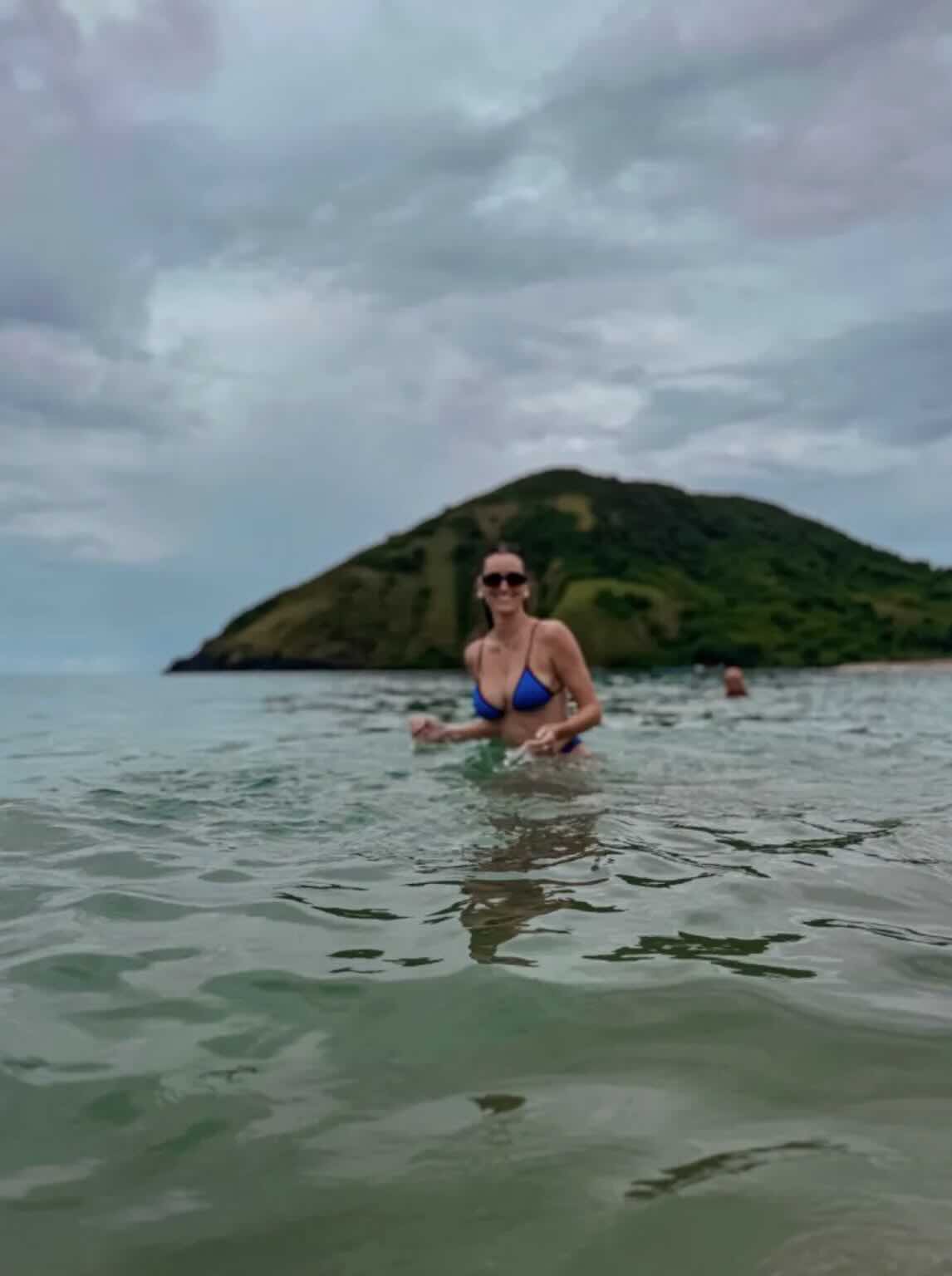
Kuta Lombok is the obvious base for exploring South Lombok.
The town itself has developed quite a lot, with boutique hotels, cafés, restaurants, surf shops and bars, but drive ten or fifteen minutes outside it and you are immediately back among hills, beaches and small villages.
You could easily spend several days simply choosing a different beach every morning.


Best Things to Do Around Kuta Lombok
1. Tanjung Aan Beach
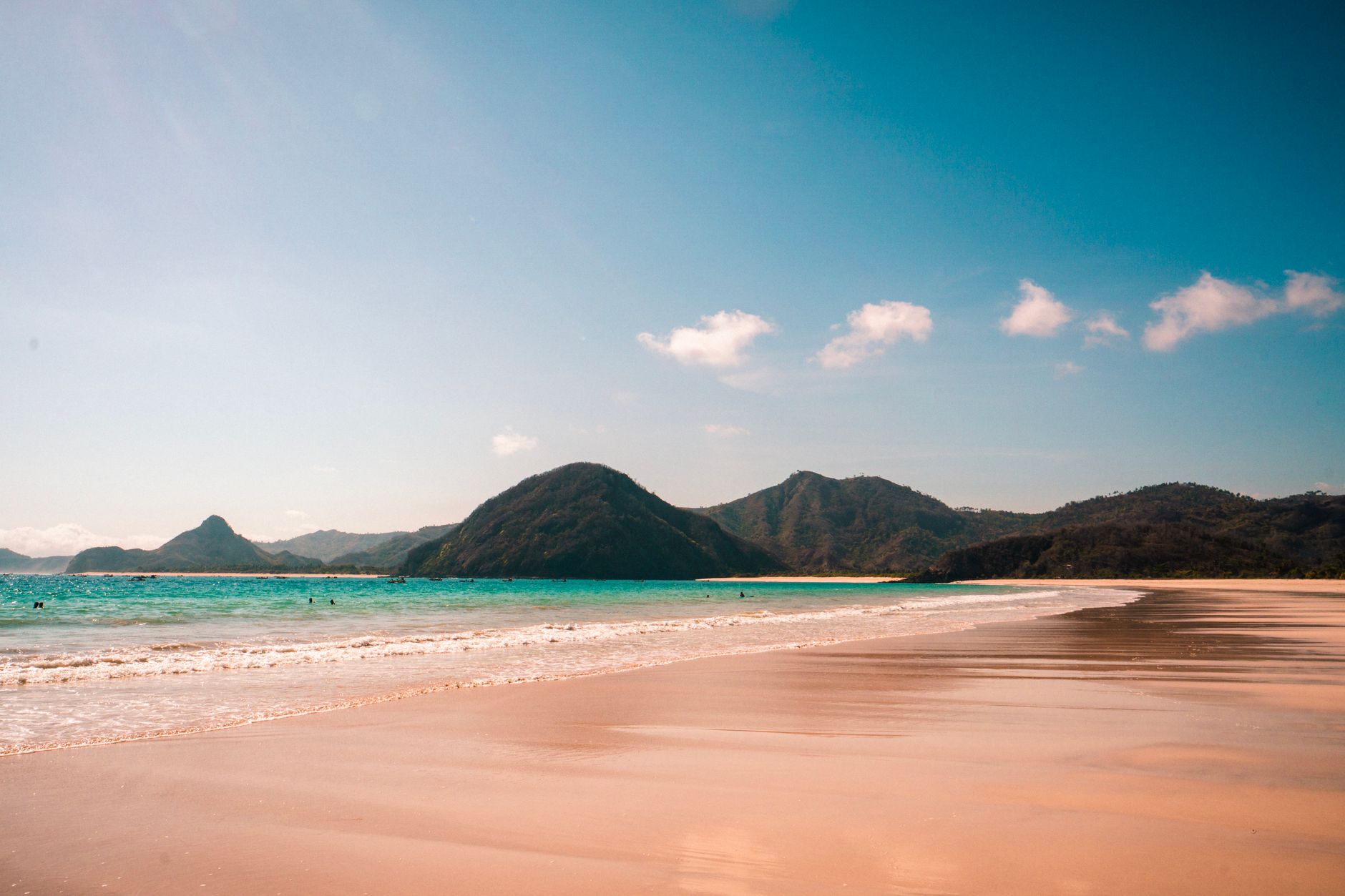
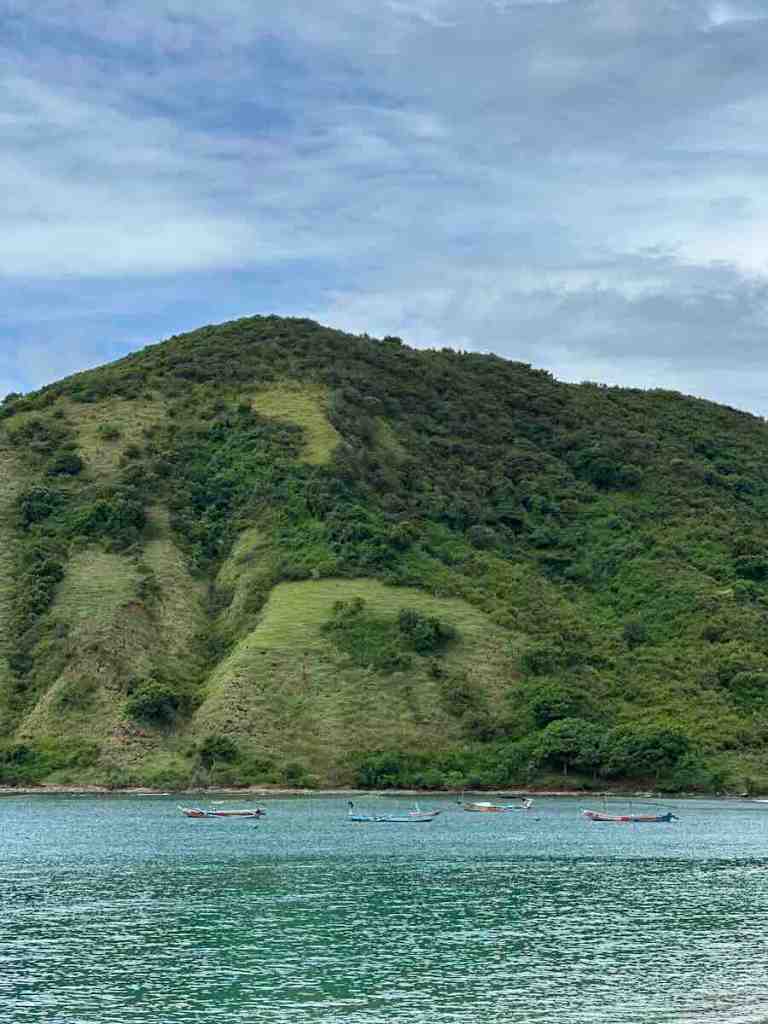
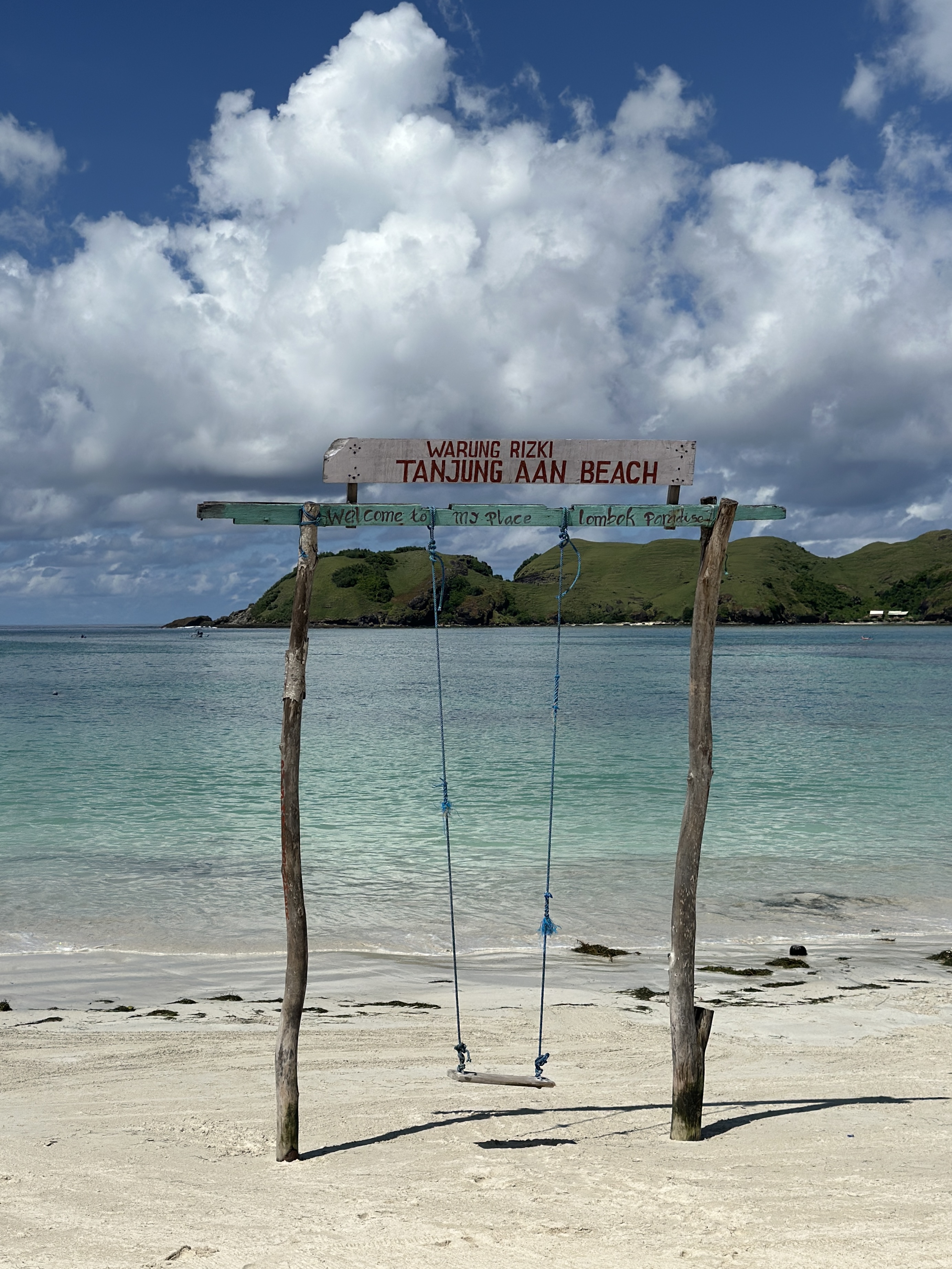
Tanjung Aan is one of the prettiest beaches close to Kuta Lombok, with pale sand, turquoise water and hills surrounding the bay. It is one of my favorite places for an easy beach day because you can combine it with Bukit Merese right next door. Swimming is usually possible when conditions are calm, although always judge the sea when you arrive rather than assuming turquoise automatically means harmless.
From Kuta: Around 15 to 20 minutes.
2. Watch Sunset From Bukit Merese
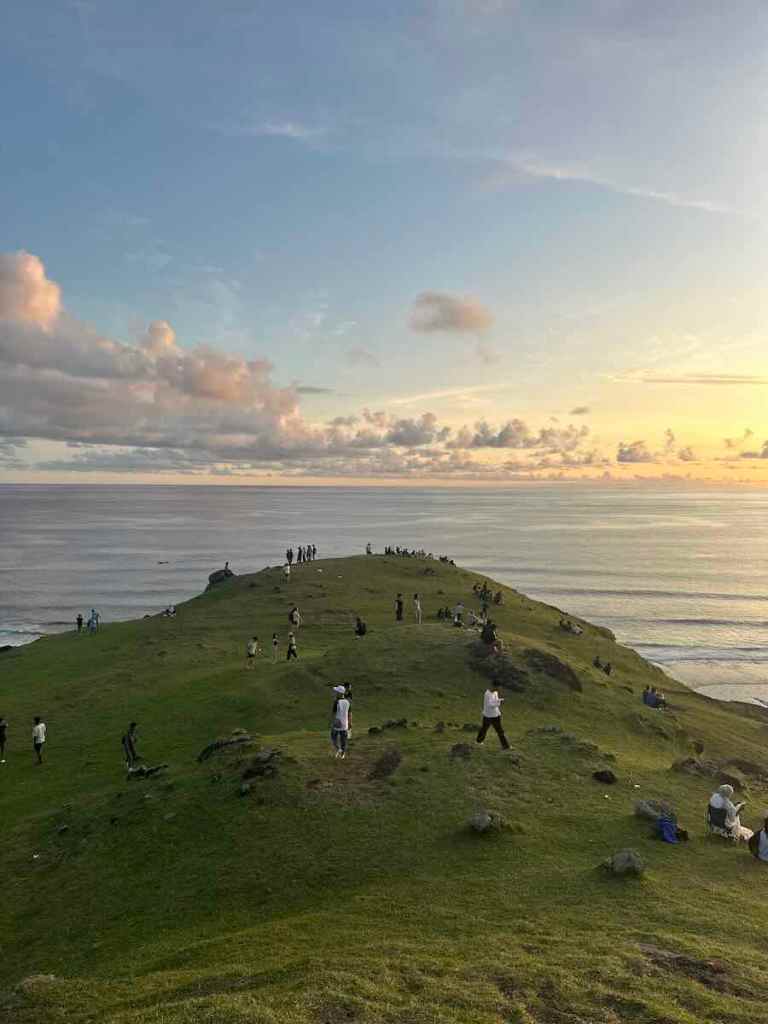
Bukit Merese is one of the easiest viewpoints in South Lombok. The walk is short, but once you reach the top you get huge views across Tanjung Aan, the surrounding coastline and Lombok’s rolling hills.
Come for sunset. You will absolutely not be the only person who had this brilliant idea, but there is enough space on the hill that it rarely matters.
3. Selong Belanak Beach
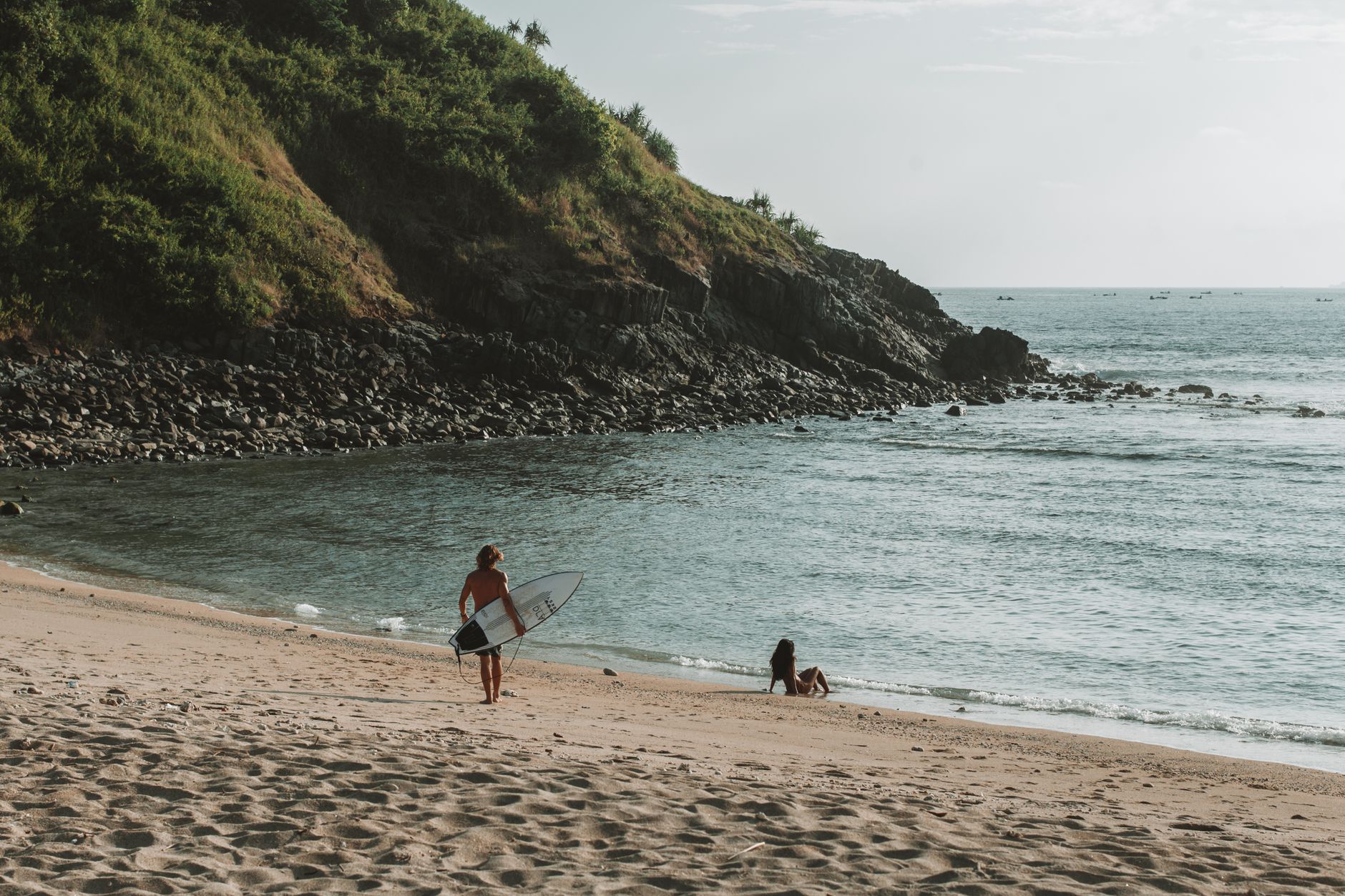
Selong Belanak is one of the best places in Lombok to try surfing for the first time.
The huge sandy bay has beginner-friendly areas, surf schools and little beach restaurants where you can recover after discovering that standing on a surfboard is apparently more complicated than YouTube suggested. Even if you do not surf, the beach itself is worth visiting.
4. Mawun Beach
Mawun is a beautiful horseshoe-shaped bay west of Kuta. It is less developed than Tanjung Aan and Selong Belanak and makes an easy stop on a South Lombok beach-hopping day. I highly recommend this one.
5. Lancing Beach
Lancing is another quieter beach along the south coast and usually feels much less busy than Lombok’s more famous beaches. It is easy to combine with Mawun and the surrounding coastline.
6. Visit a Traditional Sasak Village
Lombok is home to the Sasak people, and understanding that culture makes the island much more interesting than simply moving from beach to beach. Villages such as Sade and Ende preserve traditional architecture, weaving and cultural practices. Go respectfully, ask before photographing people and buy directly from local artisans if you genuinely like something.
Update August 2026: Sade Traditional Village was badly affected by a major fire on August 22, which damaged homes, art shops and community buildings. Recovery work is ongoing, so check the latest local situation before visiting and be especially respectful if you do go.
7. Explore Kuta Lombok
Do not spend your entire stay driving away from Kuta. The town has become a great place for cafés, restaurants and evenings out, and it works particularly well as the place where you do very little after spending eight hours bouncing around Lombok on a scooter.

EAST LOMBOK
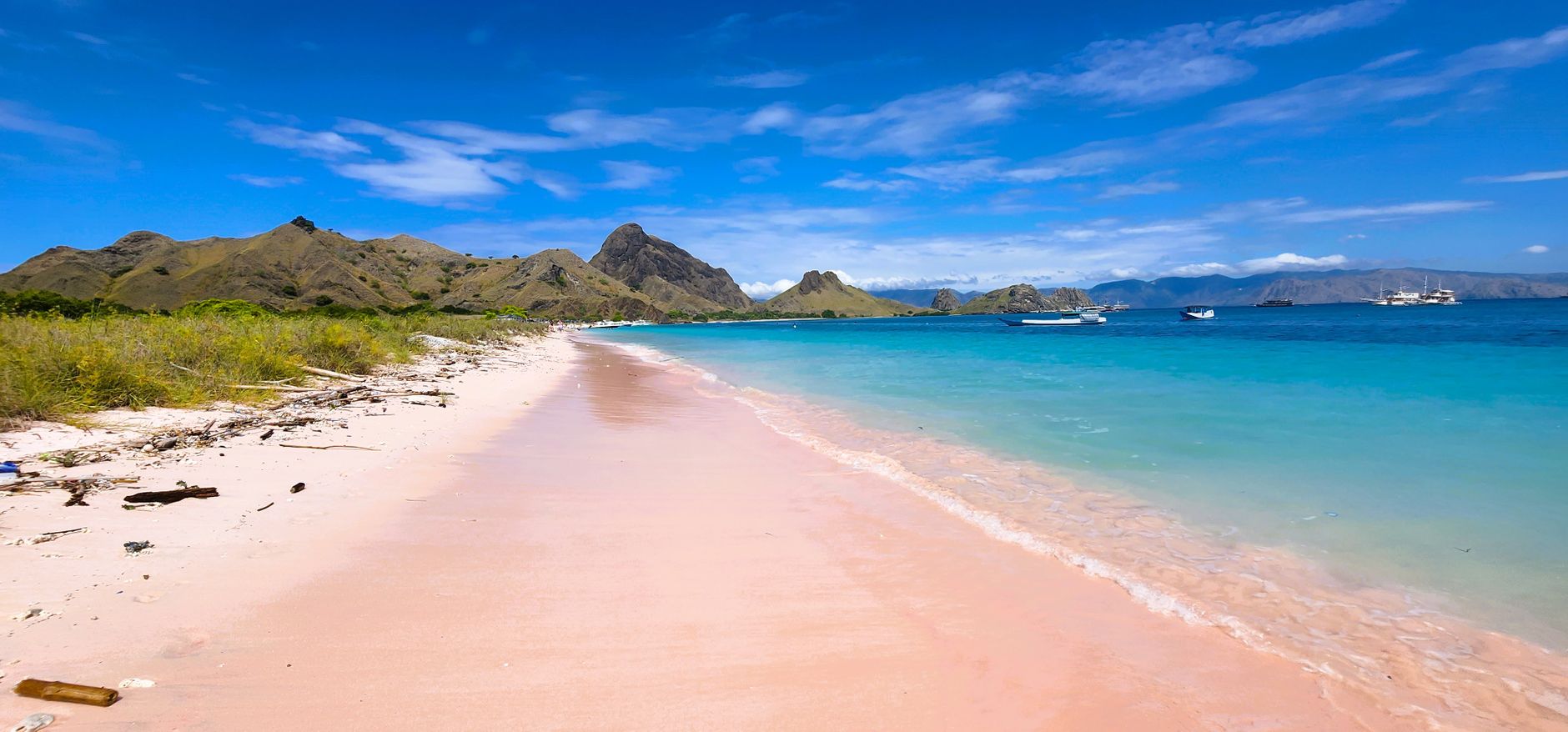
Pink Beach Lombok
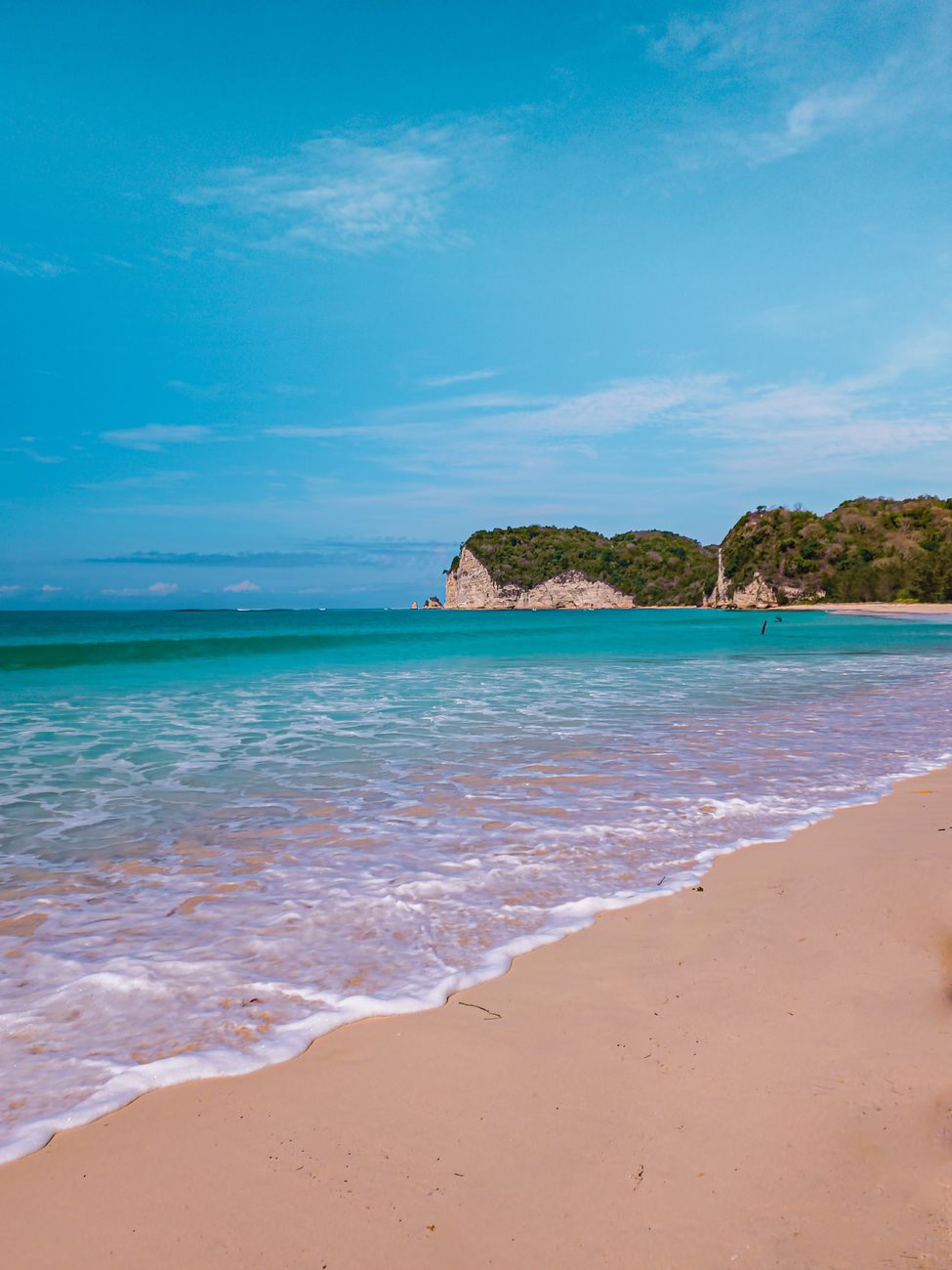
Pink Beach, also known as Tangsi Beach, sits much farther east than the main Kuta beach circuit.
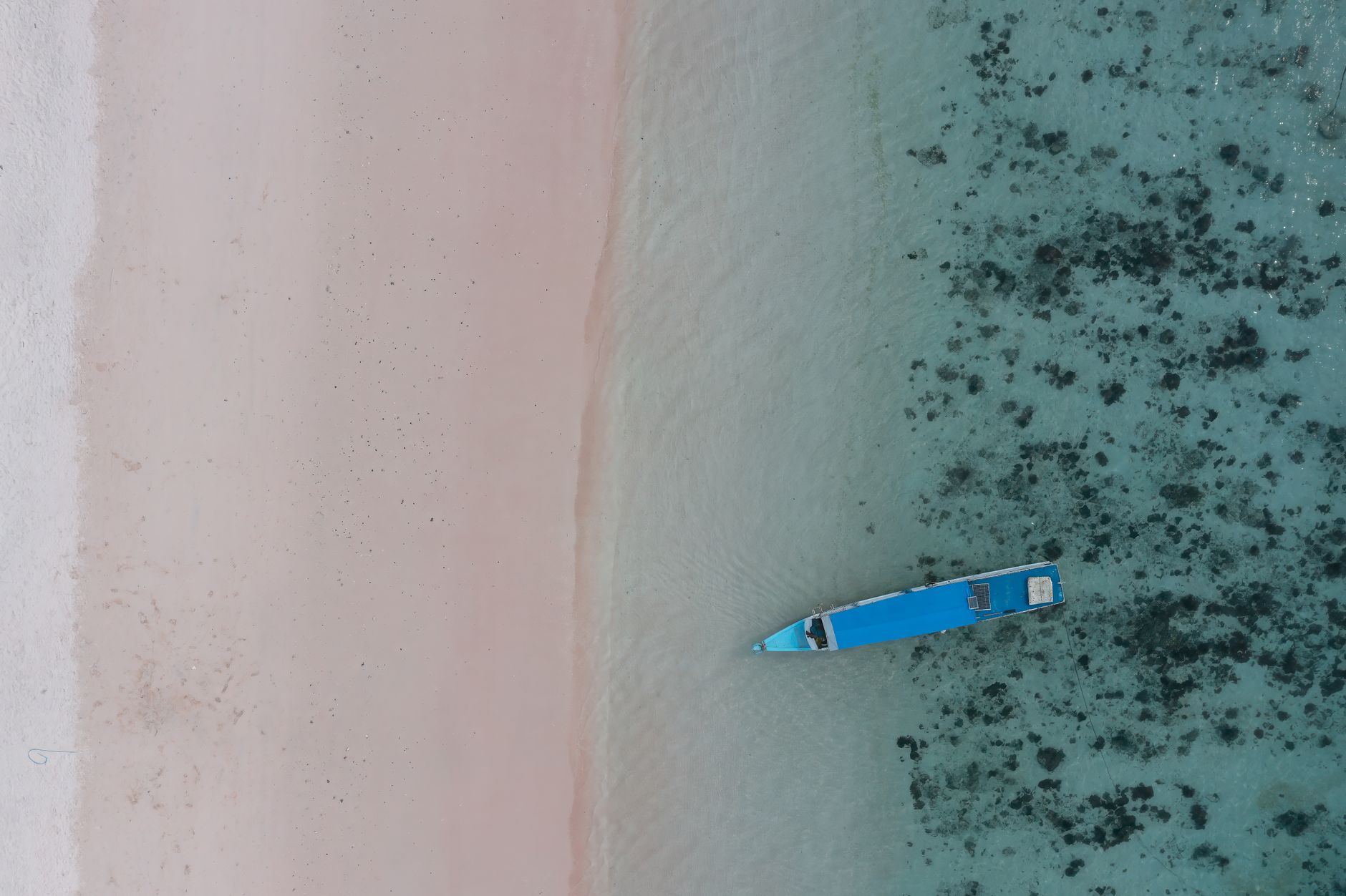
The sand has a subtle pink tone created partly by fragments of red coral mixing with pale sand.
And I do mean subtle.
If you arrive expecting somebody to have poured a bottle of Barbie-pink food coloring over the coastline, you may be disappointed.
The real reason to visit is the combination of remote coastline, viewpoints, clear water and snorkeling.
From Kuta Lombok, the drive can take several hours each way, so I would treat this as a proper day trip rather than casually adding it after breakfast.
Boat trips are another option and can combine several coastal and snorkeling stops.
NORTH LOMBOK
Waterfalls & Mountain Villages
North Lombok is completely different from the beaches around Kuta.
The landscape becomes greener and more mountainous as you approach Mount Rinjani, and the village of Senaru is the main base for two of Lombok’s best-known waterfalls.
Sendang Gile Waterfall
Sendang Gile is the easier waterfall to reach. From the entrance, a relatively straightforward path and staircase takes you down into the forest. You can visit it on its own, but I would continue to Tiu Kelep while you are already there.
Tiu Kelep Waterfall
Tiu Kelep is the more dramatic of the two. The trail continues through jungle and includes river crossings, so wear shoes that can get wet rather than arriving dressed for a civilized brunch.
The waterfall drops into a large pool surrounded by dense greenery and is one of the best reasons to spend time in North Lombok even if you have absolutely no intention of climbing Mount Rinjani.
INLAND & RURAL LOMBOK
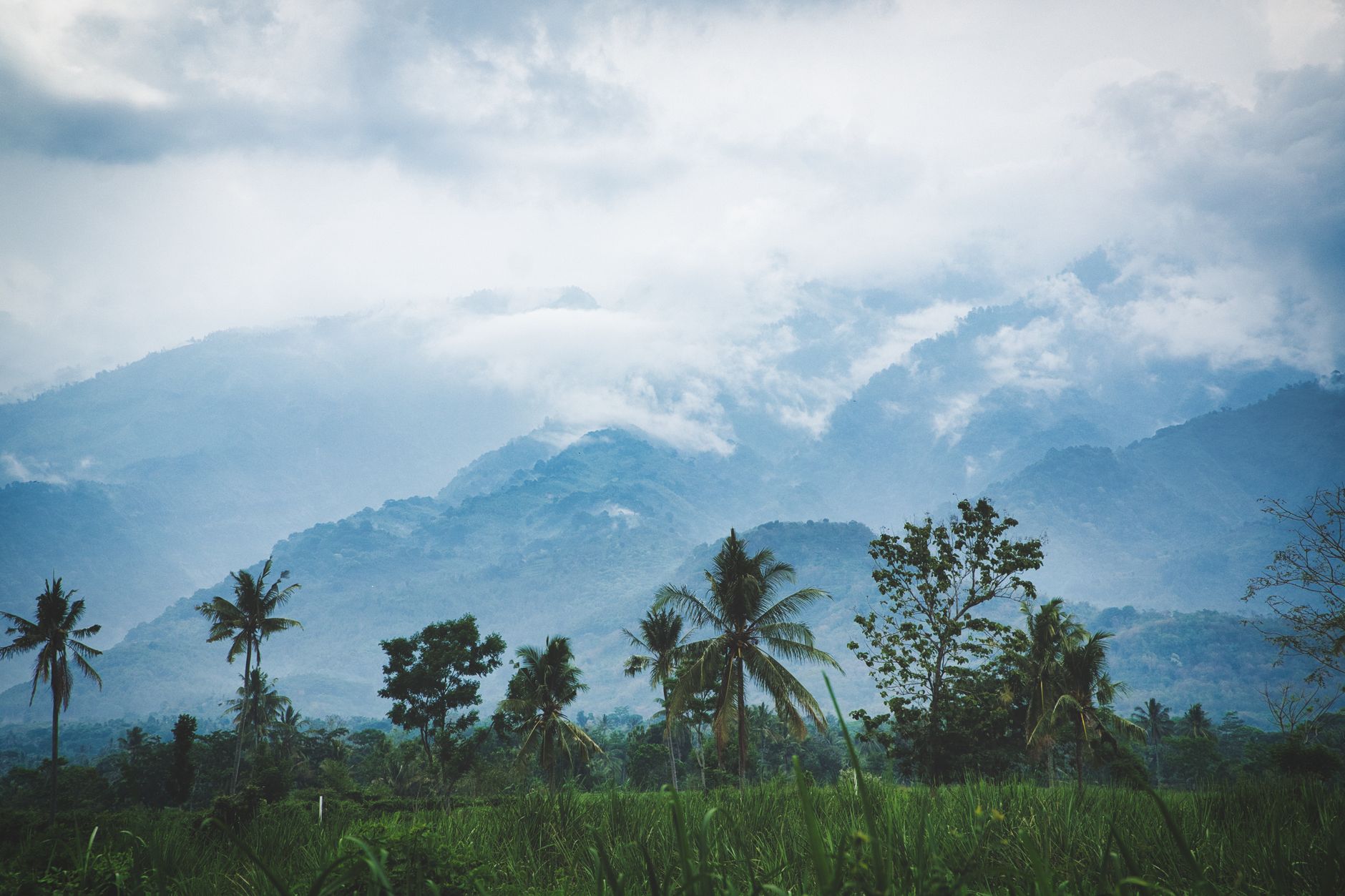
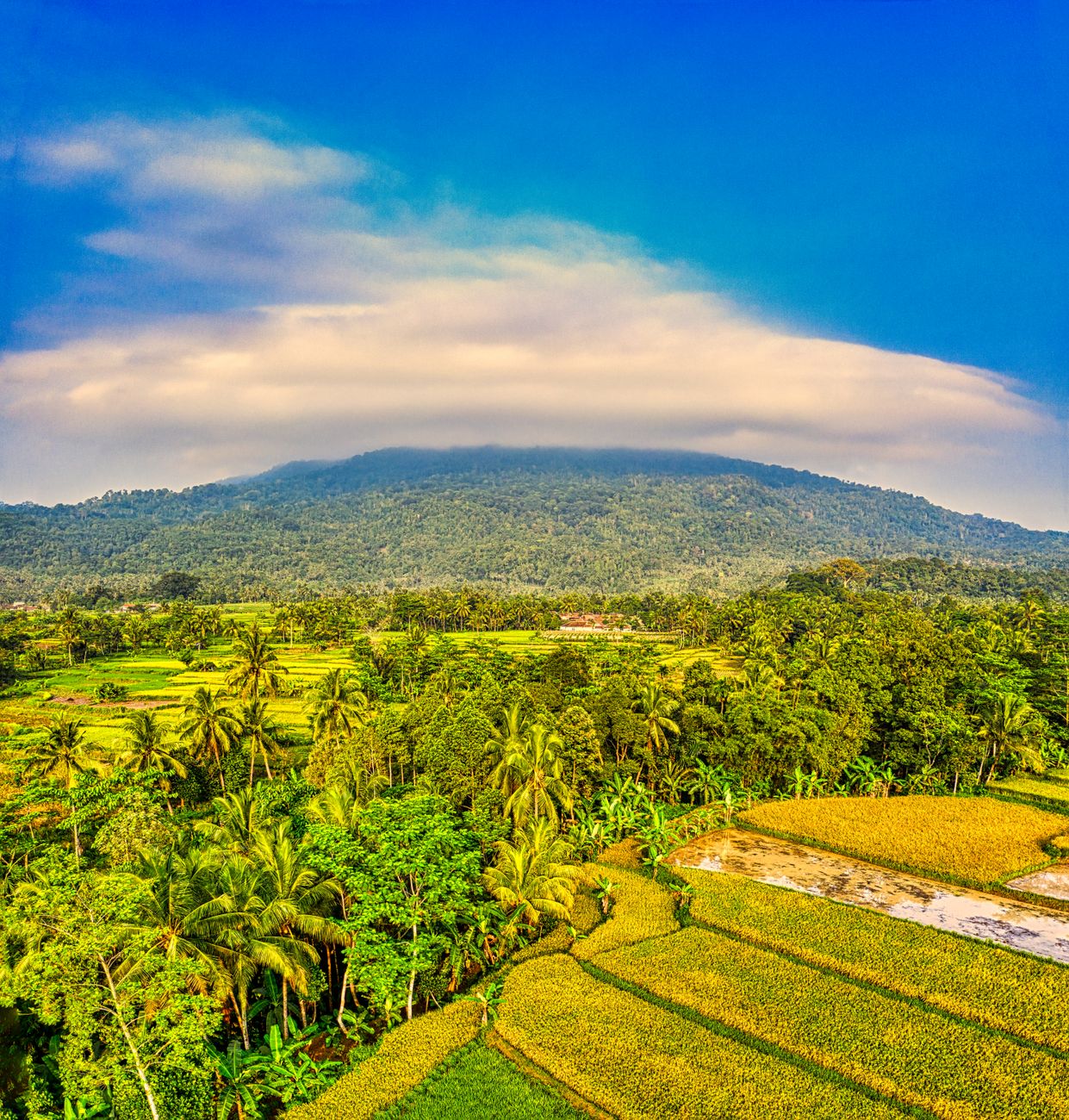
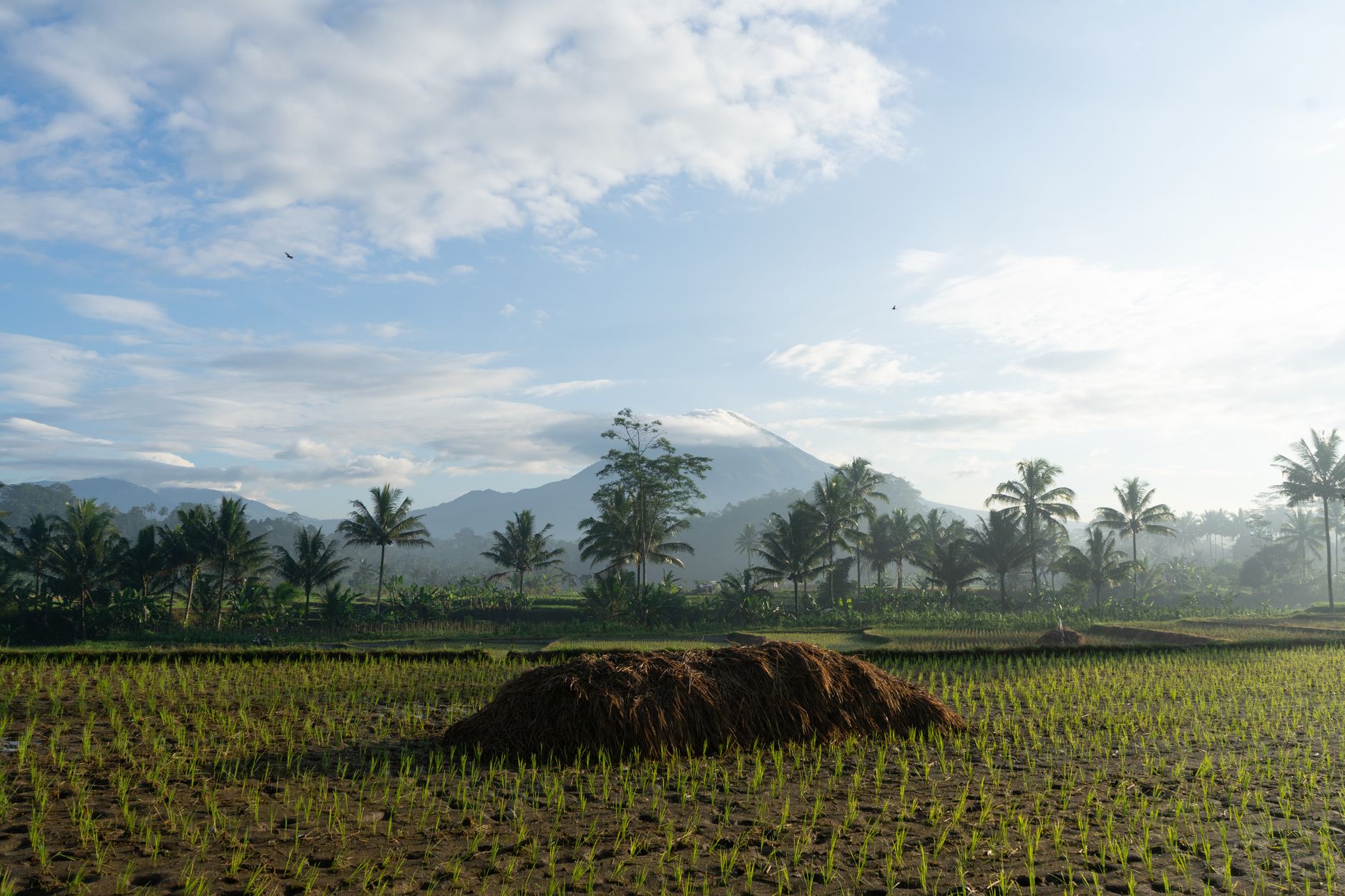
Tetebatu: Rice terraces
Best for: Rice fields, village life, waterfalls and cooler mountain scenery
Recommended stay: 1 to 2 nights
If you want to break up a route between South and North Lombok, Tetebatu fits nicely between the two and is worth considering for a night or two.
Tetebatu sits in the foothills of Mount Rinjani and gives you a completely different side of Lombok from the beaches around Kuta. The area is known for rice terraces, small villages, forest walks and waterfalls, with a much cooler and slower atmosphere than the coast.
MOUNTAIN HIKE
Mount Rinjani Trekking Guide
Recommended time: 2 to 4 days
Elevation: 3,726 metres
Best for: Serious trekking, crater views and one enormous physical challenge
Main starting areas: Sembalun and Senaru
Mount Rinjani is the adventure that completely changes a Lombok itinerary.
This is not an early-morning hike where you are back at your hotel for breakfast.
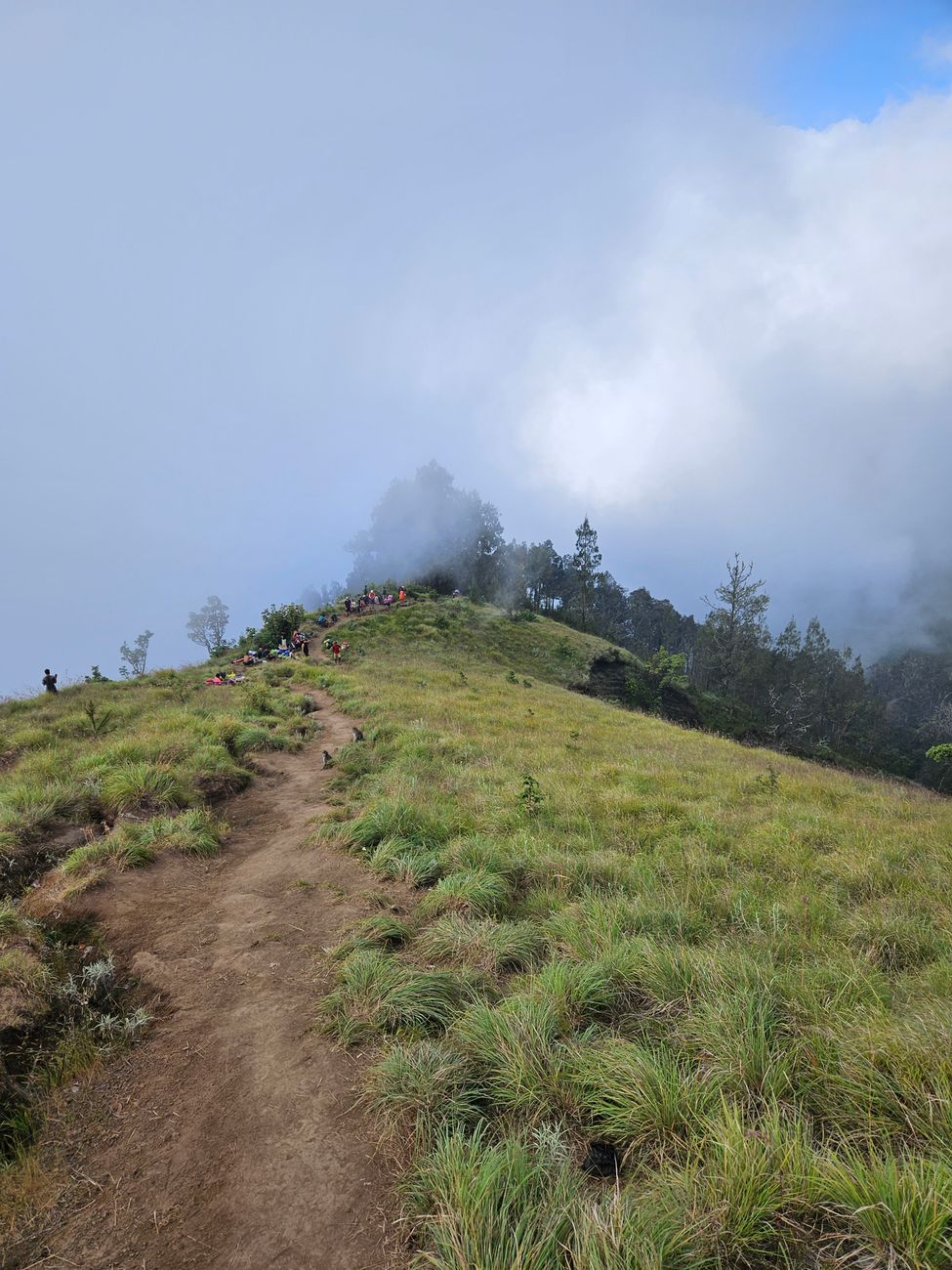
Rinjani is a proper multi-day mountain trek involving long hiking days, camping, cold nights, steep slopes and a summit section famous for loose volcanic gravel that seems personally committed to sending you backwards.
The scenery, however, is incredible.
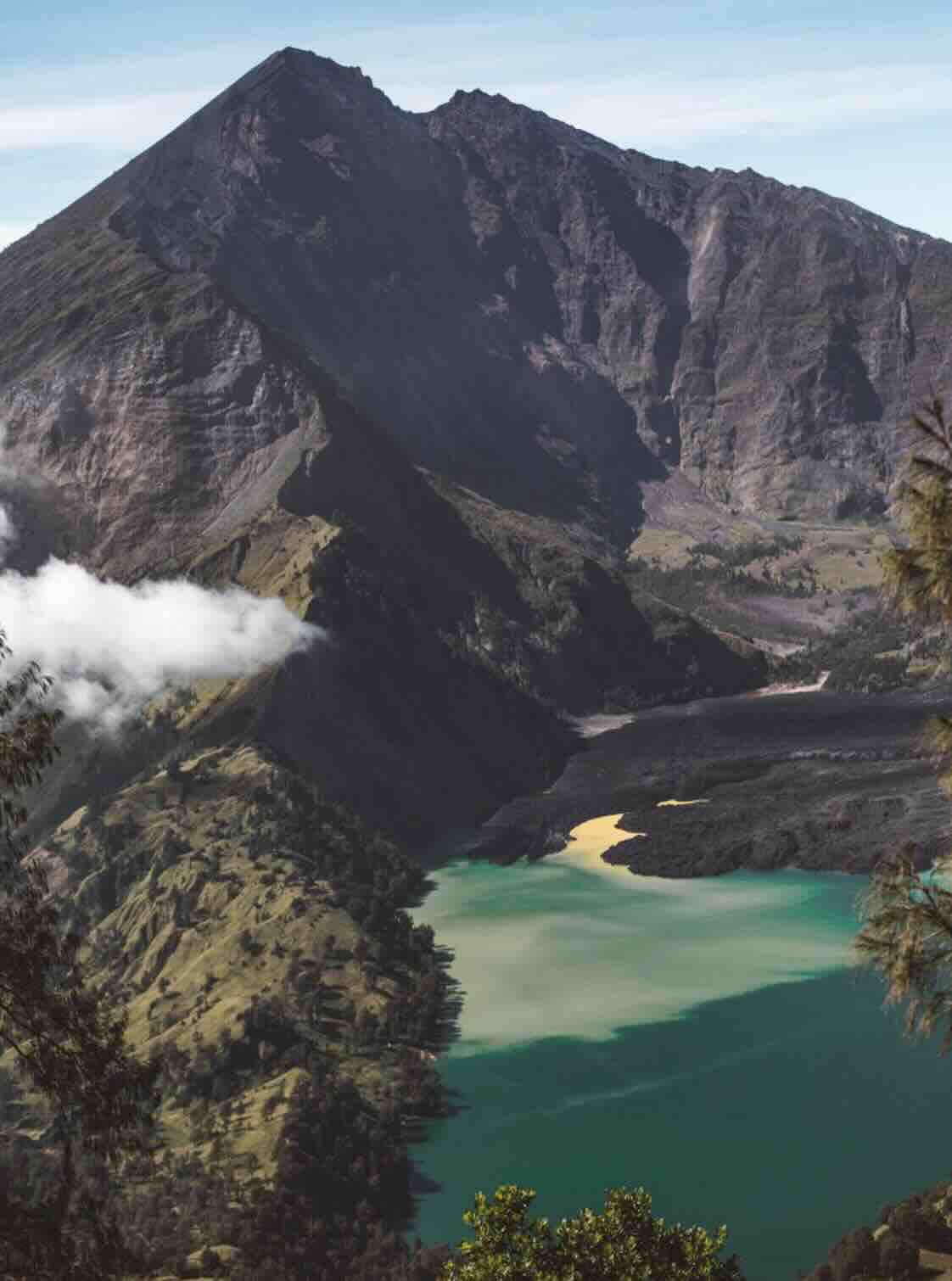
You hike through forests and open savannah toward enormous crater views, Segara Anak Lake and the active volcanic landscape inside the caldera.


How Long Does Mount Rinjani Take?
The main options are:
2 days / 1 night: Usually a crater-rim-focused trek and the fastest option.
3 days / 2 nights: The most common choice if you want the fuller Rinjani experience.
4 days / 3 nights: Better if you want a slower pace and more time around the mountain.
If reaching the actual summit matters to you, ask exactly which route your package follows because not every Rinjani trek includes the summit.
How Difficult Is Mount Rinjani?
Hard.
You do not need to be a professional mountaineer, but you should have decent fitness and be comfortable hiking for many hours over steep terrain. The final summit push usually begins during the night, and the loose volcanic surface makes the last section particularly exhausting.
I would not climb Rinjani because Instagram told me I should. Do it because you genuinely like hiking and want the challenge.
Sembalun vs Senaru
Sembalun is commonly used for summit routes because the trail approaches the mountain through open grassland before climbing toward the crater rim.
Senaru has greener forest sections and is often used as part of routes descending from the mountain.
There are also other official trekking routes, including Torean. Your trekking operator should explain exactly where you begin and finish.
When Can You Hike Mount Rinjani?
The main trekking routes normally close each year during the wettest part of the season.
For 2026, the national park closed the trekking routes from January 1 through March 31, and temporary closures can also happen because of weather, natural hazards or park management decisions.
Always check directly with official Mount Rinjani National Park website before your trek.
Choosing a Rinjani Trekking Company
Do not automatically book the cheapest operator.
Ask about:
- guide experience
- porter conditions
- group size
- tents and sleeping equipment
- food and drinking water
- permits
- transport
- toilets
- safety procedures
- rubbish removal
A mountain is an odd place to discover that your bargain package mainly consisted of optimism.
→ READ NEXT: My Best Volcano Hikes in Indonesia guide compares Rinjani with Bromo, Kawah Ijen, Batur and Agung.
WHERE TO GO
Which Gili Island Should You Choose?
There are many small islands around Lombok, but Gili Trawangan, Gili Meno and Gili Air are the famous northern three.
They are completely car-free and each has a different personality.
| Island | Best For | Vibe |
| Gili Trawangan | Nightlife, diving & social travel | Busiest |
| Gili Air | Snorkeling, cafés & balance | Relaxed but social |
| Gili Meno | Couples, quiet beaches & turtles | Very peaceful |
| Gili Asahan | Snorkeling, kayaking, quiet beaches and doing almost nothing | Very peaceful |
| Gili Gede, Gili Layar & Gili Rengit | Quiet island hopping, reefs & very little development | Very peaceful & remote |
If I had to choose one for most travelers, I would choose Gili Air.
THE BEST ALL-ROUNDER
Gili Air Travel Guide
Recommended stay: 2 to 3 days
Best for: Snorkeling, turtles, beaches, cafés and sunsets
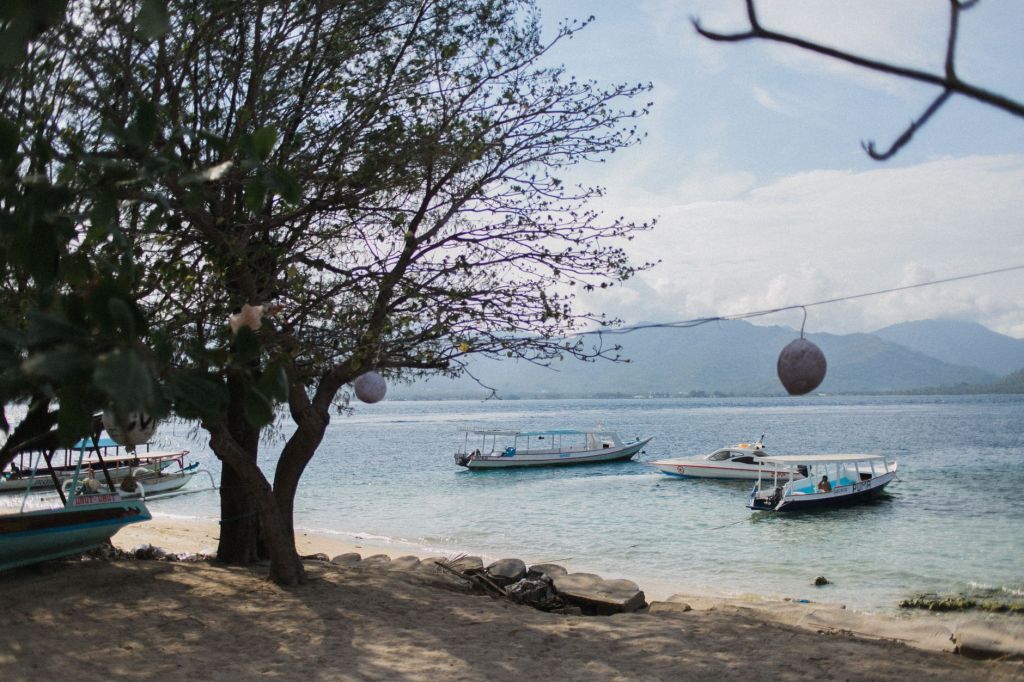
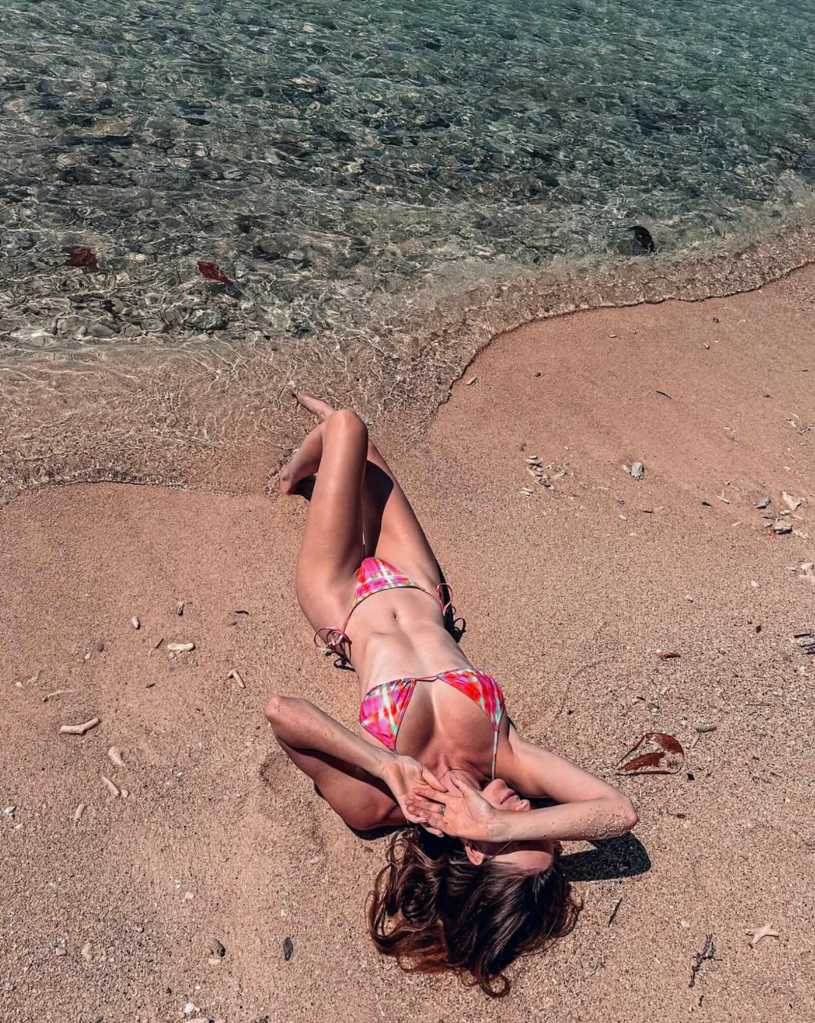
Gili Air sits nicely between the other two famous Gilis. It has enough restaurants and beach bars that you do not feel stranded on a deserted island, but it is considerably calmer than Gili Trawangan. There are no cars or petrol motorbikes, so most people walk or cycle around the island. Traditional horse-drawn cidomo carts also operate here, although I generally prefer walking or cycling where possible.

Best Things to Do in Gili Air
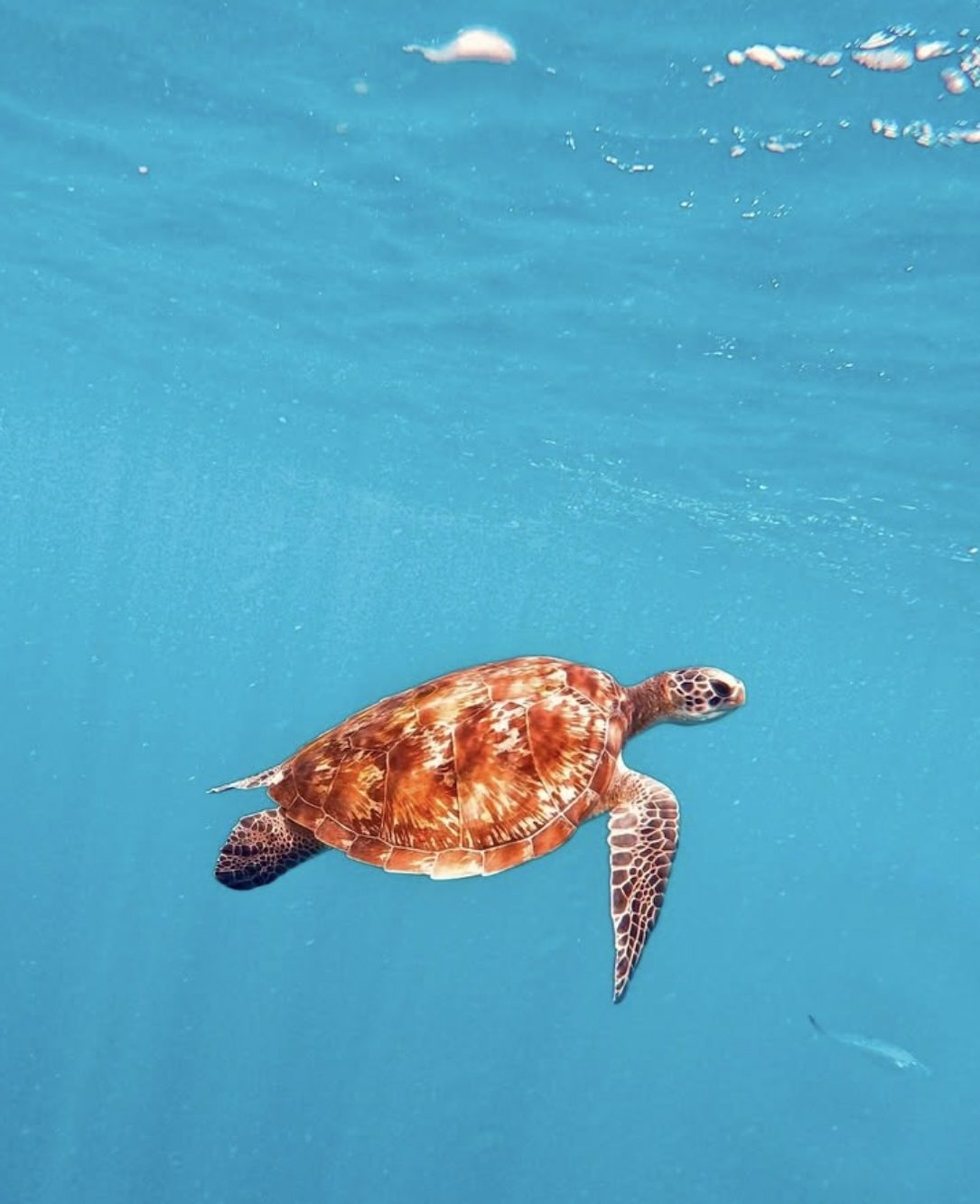
1. Swim with turtles
One of the biggest reasons to visit Gili Air is snorkeling. You can enter directly from shore in several places and potentially see turtles, reef fish and coral.
The north and northeast coasts are popular snorkeling areas. Pay attention to tides because the reef can become very shallow, and never stand on coral simply because your legs have become tired.
2. Cycle around Gili Air
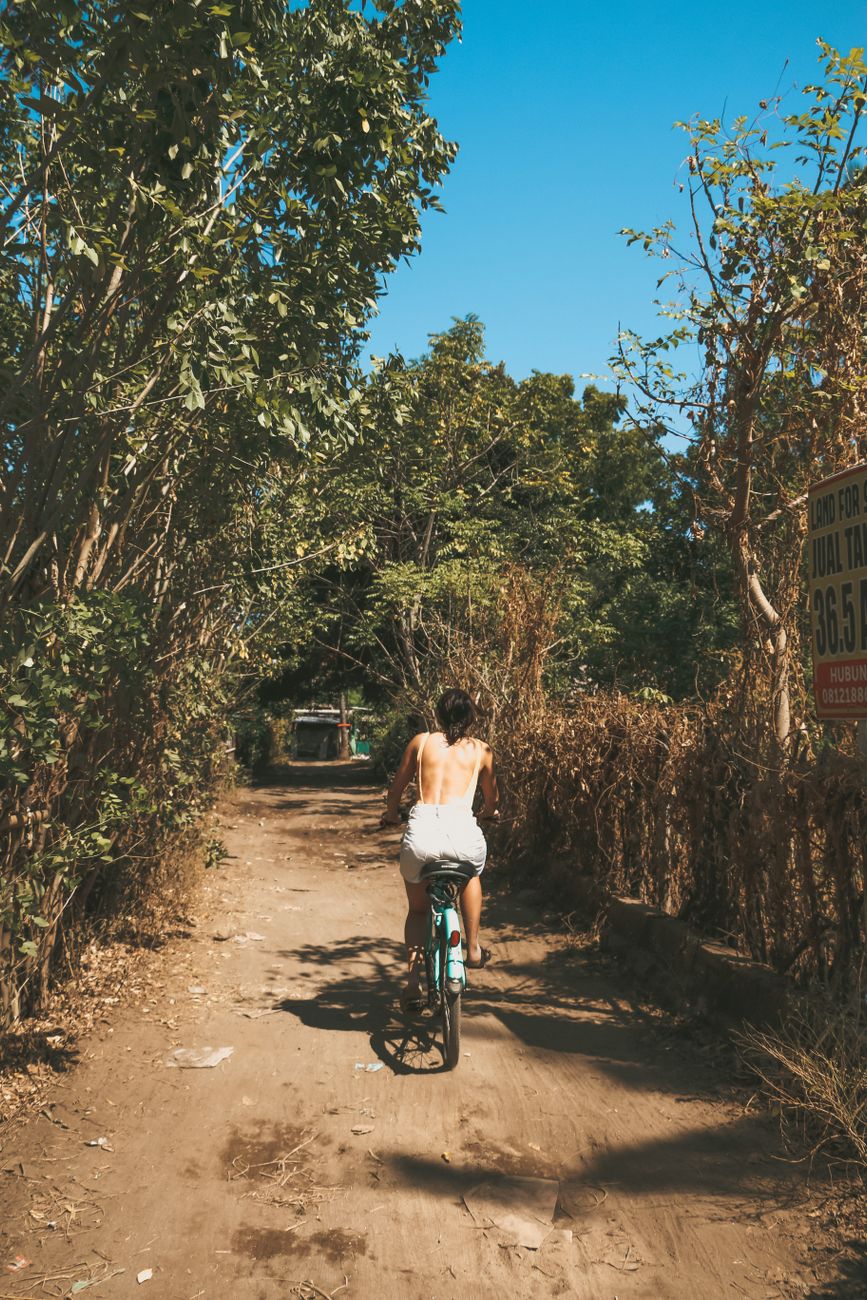
Rent a bicycle and explore. The island is small enough to circle relatively quickly, although sand and rougher paths occasionally turn your graceful bicycle tour into an unexpected CrossFit session.
3. Watch Sunset
Head to the western side of the island for sunset. On clear evenings, you may see Bali and Mount Agung across the water.
4. Take a Snorkeling Trip Around the Three Gilis
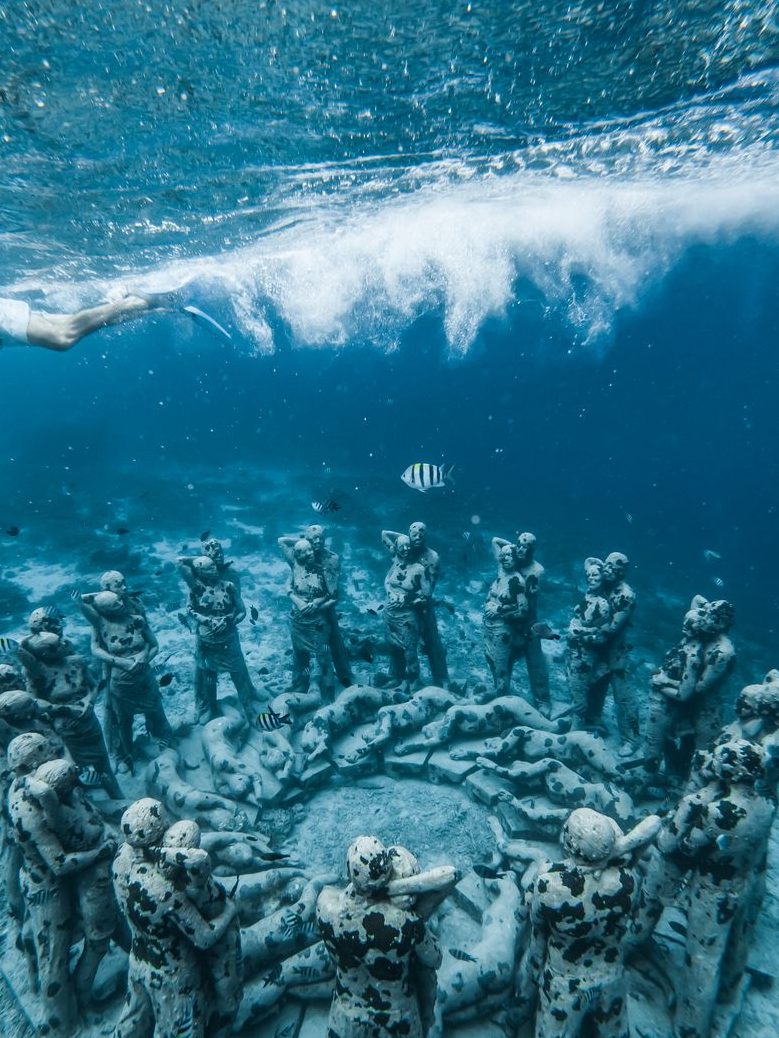
Shared and private boats travel between Gili Air, Gili Meno and Gili Trawangan, stopping at reefs, turtle areas and the famous underwater sculptures near Gili Meno. Go earlier if possible. The sculptures are not exactly a secret.

THE QUIETEST ISLAND
Gili Meno Travel Guide
Recommended stay: 1 to 2 days
Best for: Quiet beaches, snorkeling, turtles and couples
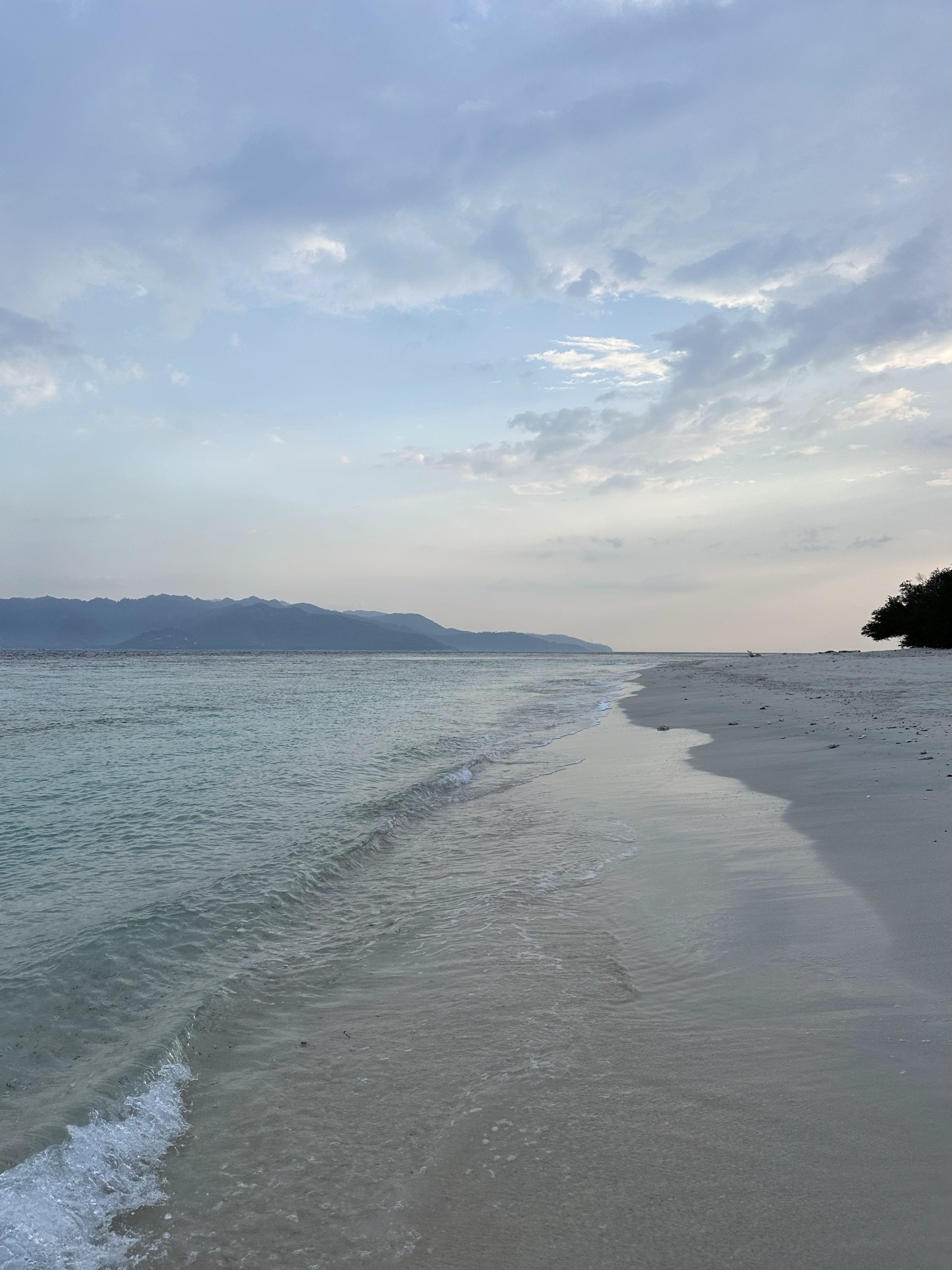
Gili Meno is the quietest of the famous three Gilis.
There are fewer restaurants and considerably less nightlife, which is either its greatest strength or a reason to choose Gili Air instead.
For me, this is somewhere you come specifically because you want less.

Best Things to Do in Gili Meno
1. Snorkel the Underwater Sculptures
The underwater sculptures near Gili Meno are one of the most famous snorkeling spots in the Gili Islands. The circular statues sit beneath the surface and have become a popular place to see coral growth and tropical fish.
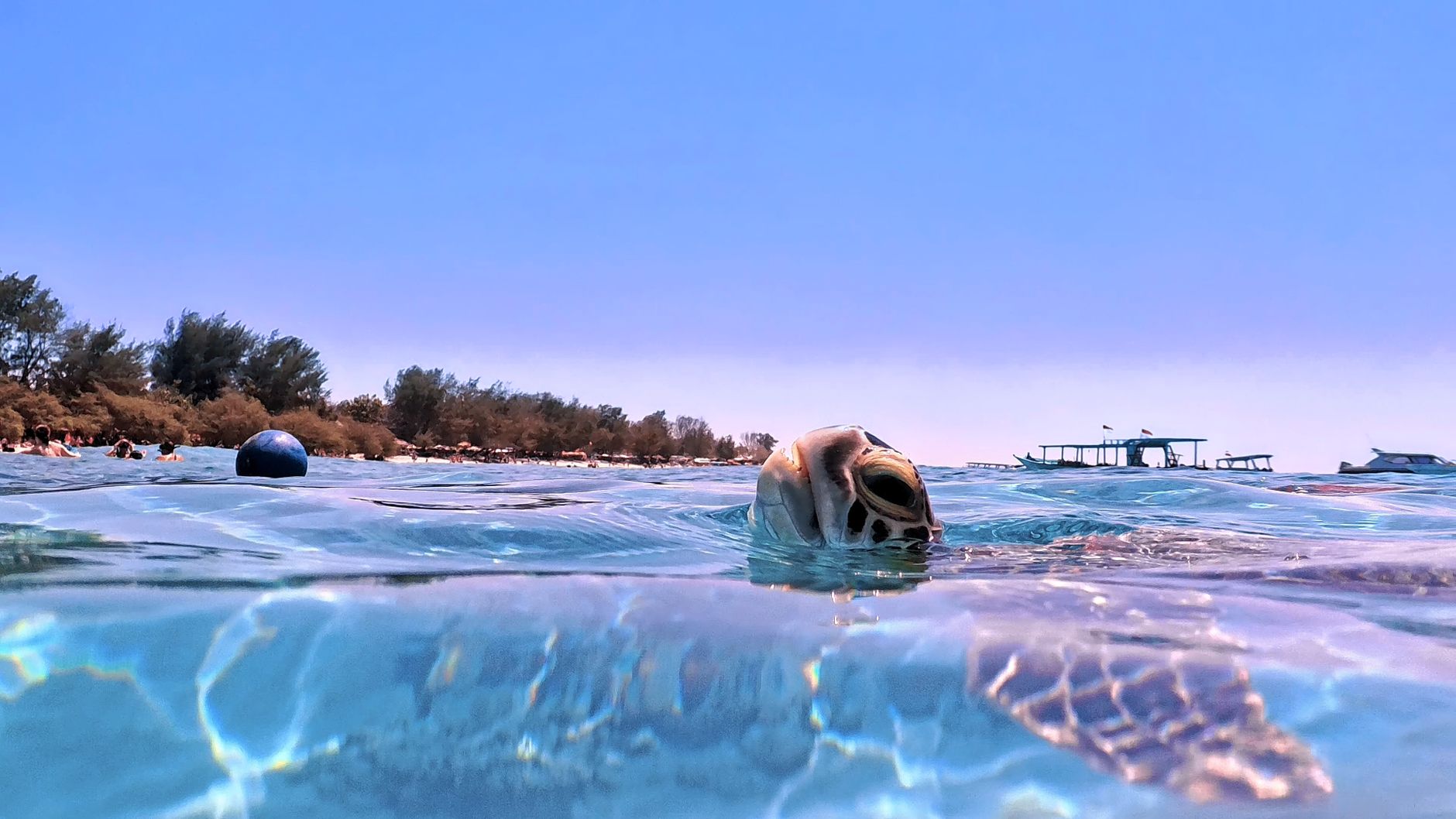
2. Visit the Gili Meno Turtle Sanctuary
Another interesting stop on Gili Meno is the small turtle sanctuary, where you can learn about the project’s work and see young turtles before they are released. Depending on timing, visitors may also be able to take part in a turtle release. The sanctuary says it operates largely through donations, so if you visit, ask about how the program works and decide for yourself whether you want to support it.
3. Walk Around the Island and stay for sunset
Meno is small enough to explore almost entirely on foot. This is probably the best way to experience it.

THE REMOTE ISLAND
Gili Asahan Travel Guide
Recommended stay: 2 to 3 days
Best for: Snorkeling, kayaking, quiet beaches and doing almost nothing
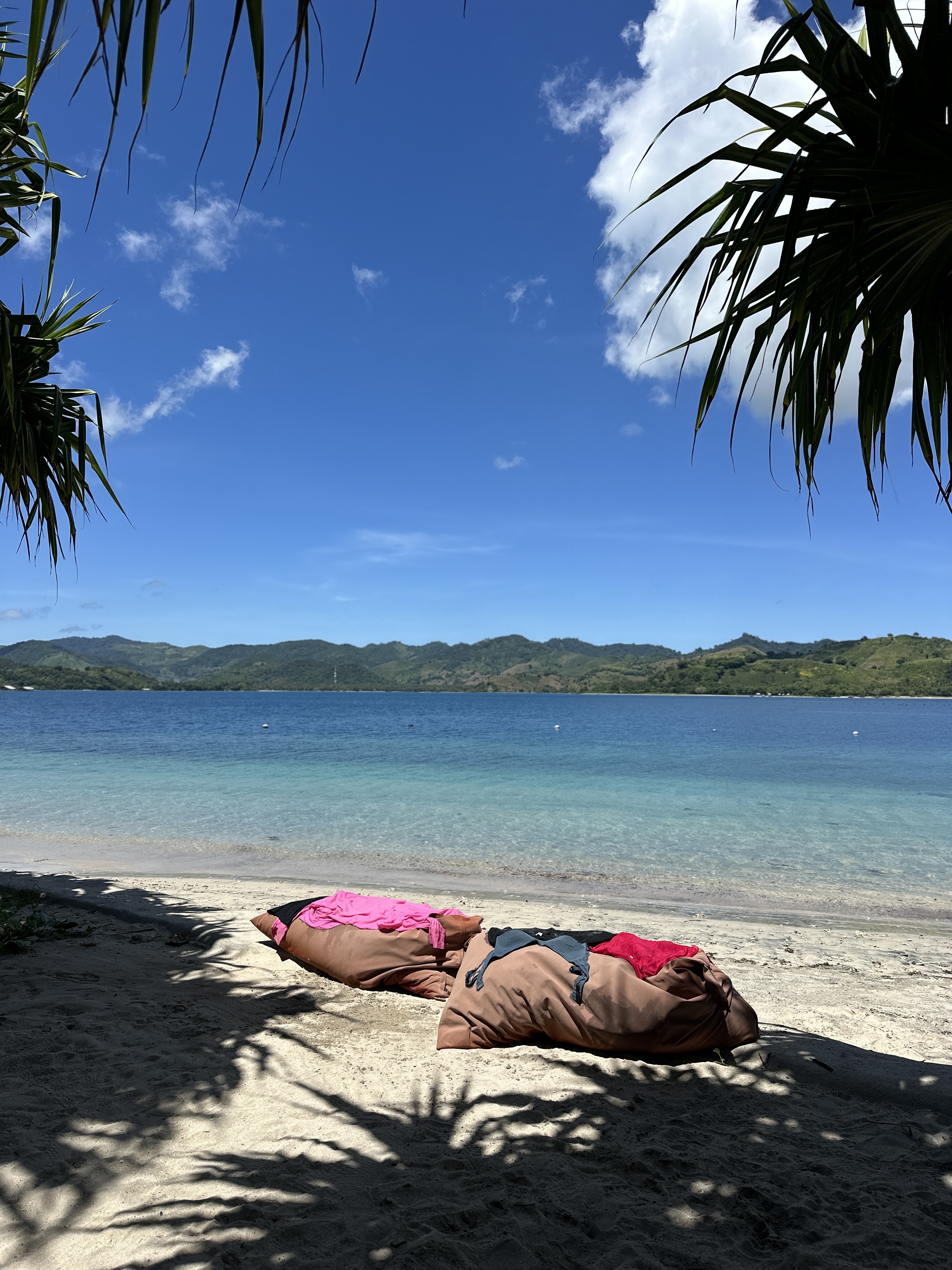
This is where Lombok gets properly quiet.
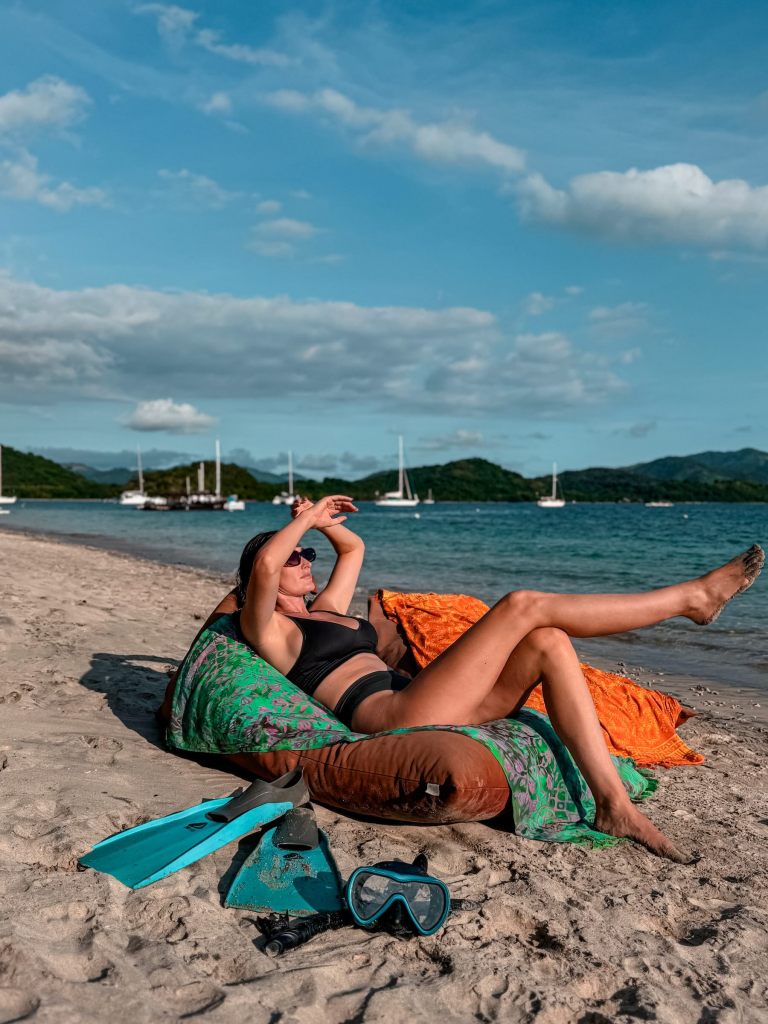
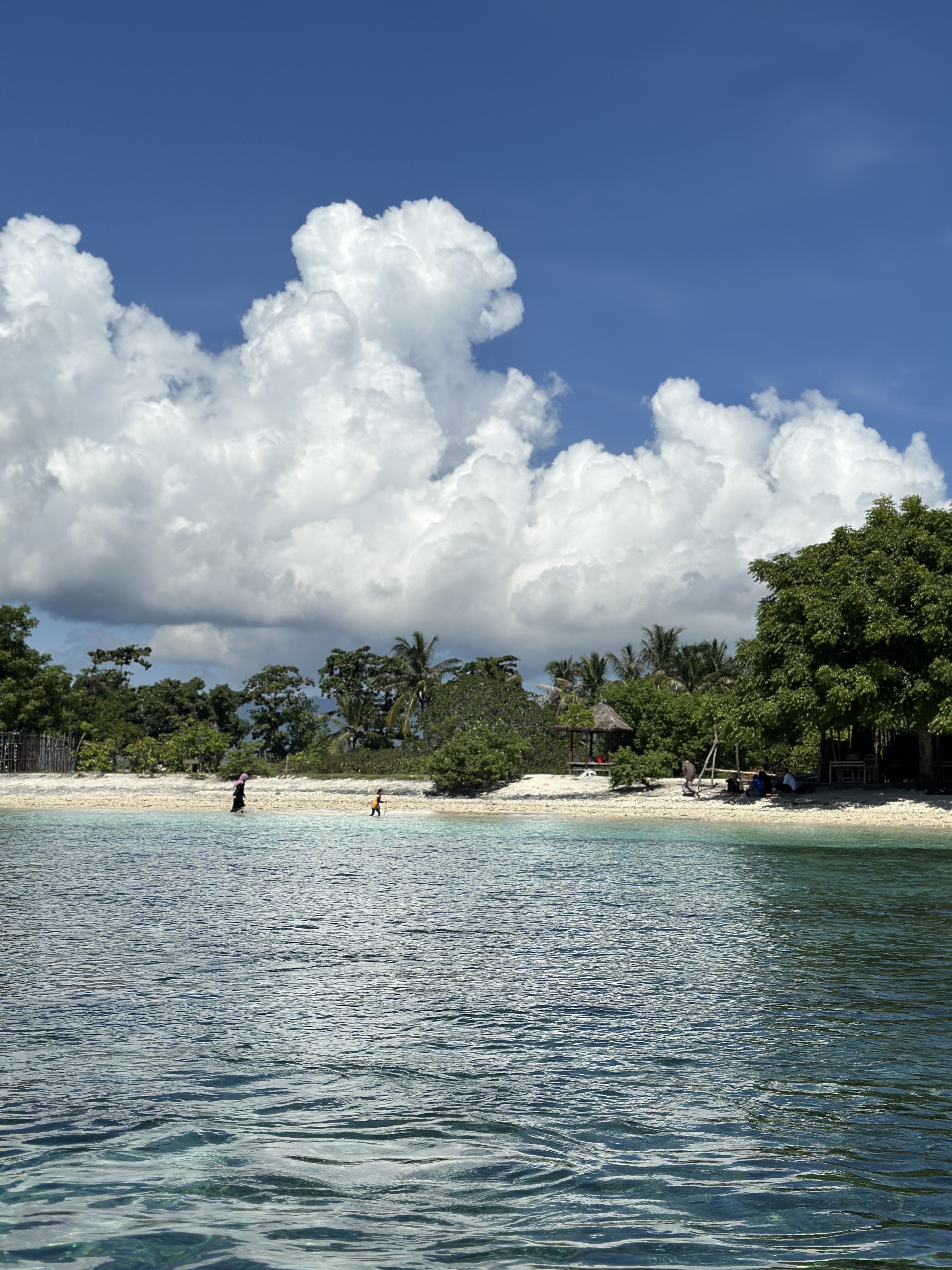
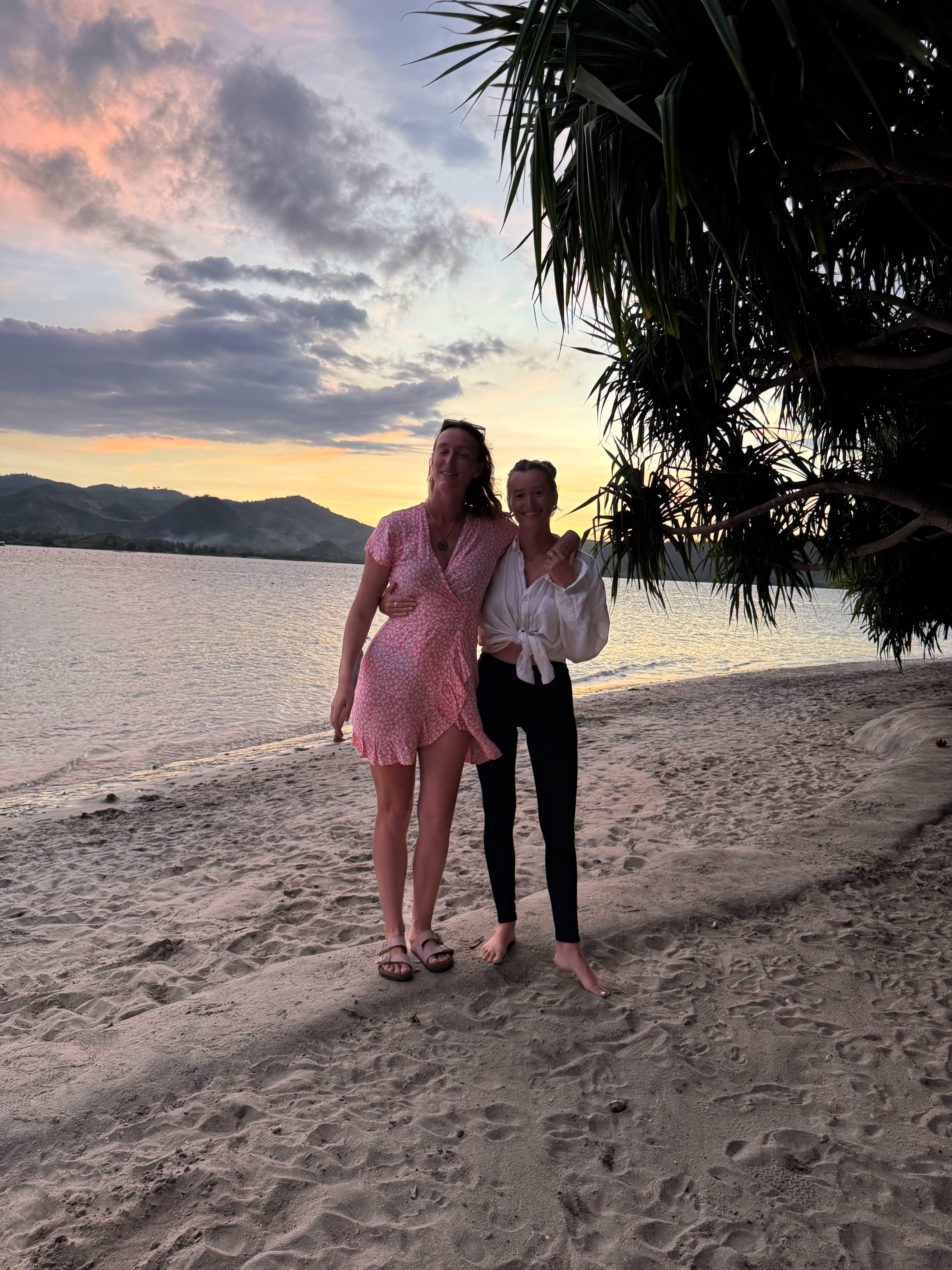
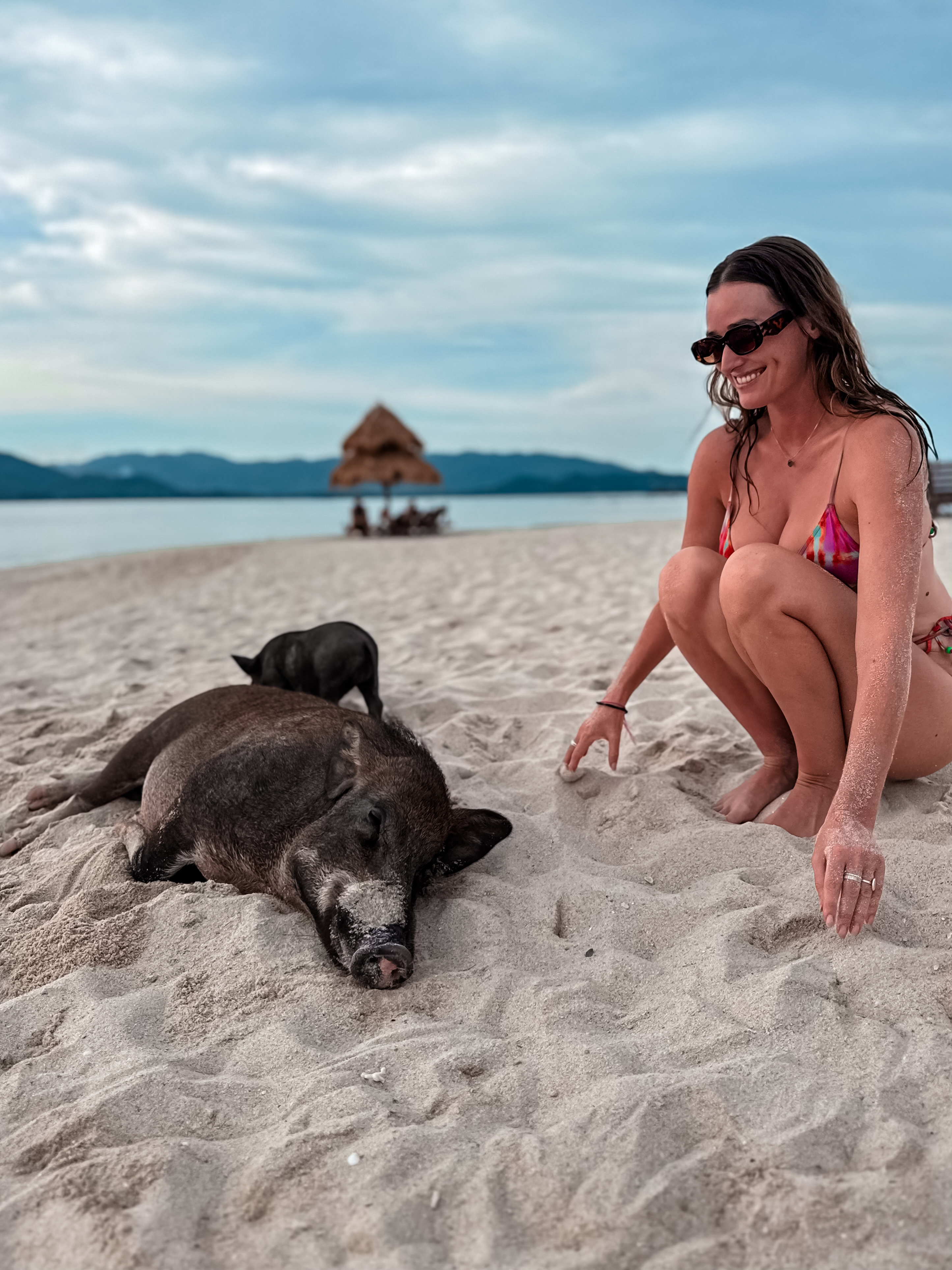
Gili Asahan sits off Lombok’s southwest coast and feels worlds away from the busier Gili Air/Gili Trawangan route. There are only a handful of places to stay, very little traffic or infrastructure, and the pace drops dramatically. We stayed here and I absolutely loved it.

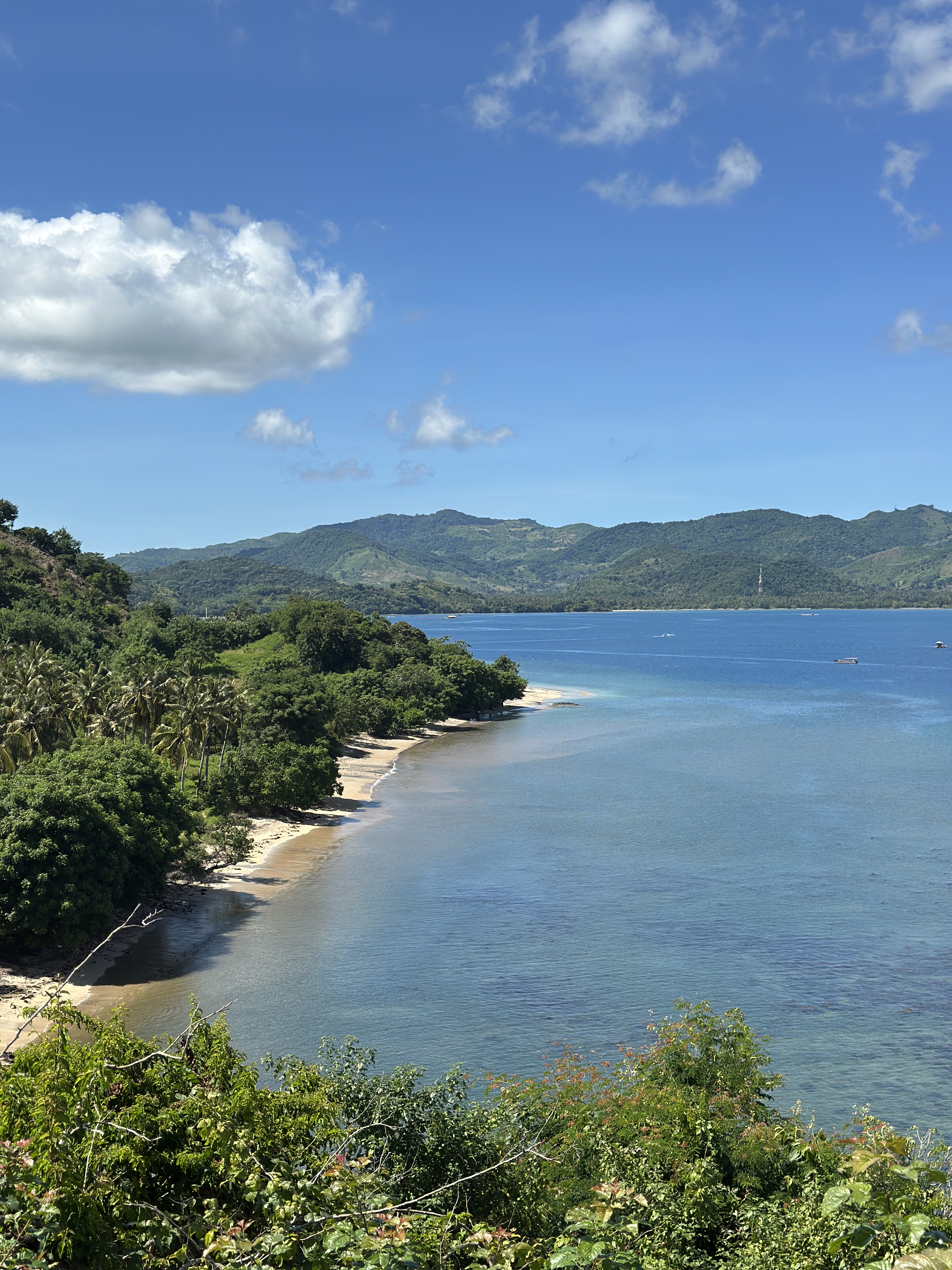
Best Things to Do in Gili Asahan
1. Snorkeling & Diving
The surrounding water has coral reefs, tropical fish and several snorkeling and diving sites. You can snorkel close to shore or arrange a local boat to explore farther away.
2. Kayak Around the Island
Kayaking is one of the easiest ways to explore the coastline. Several accommodations have kayaks available, sometimes even free of charge.
3. Hike to the Viewpoint
There is a short viewpoint hike overlooking the surrounding Southwest Gilis and Lombok coastline. Go early or late. The middle of the day here is aggressively hot.
4. Go Fishing With a Local Fisherman
You can also arrange a small fishing trip with a local fisherman. This was one of those simple activities I liked because it actually gets you out onto the water with somebody who lives here rather than putting you onto another standardized tourism excursion.
5. Go looking for shells
It is honestly insane how many beautiful shells wash up around Gili Asahan. Go for a sundowner stroll and see what you can find. I could spend ages doing this here, although I’d leave the best ones on the beach rather than slowly turning the island into my personal souvenir collection.

THE SOUTHWEST GILIS
Gili Gede, Gili Layar, Gili Rengit
You do not necessarily need to stay on every Southwest Gili.
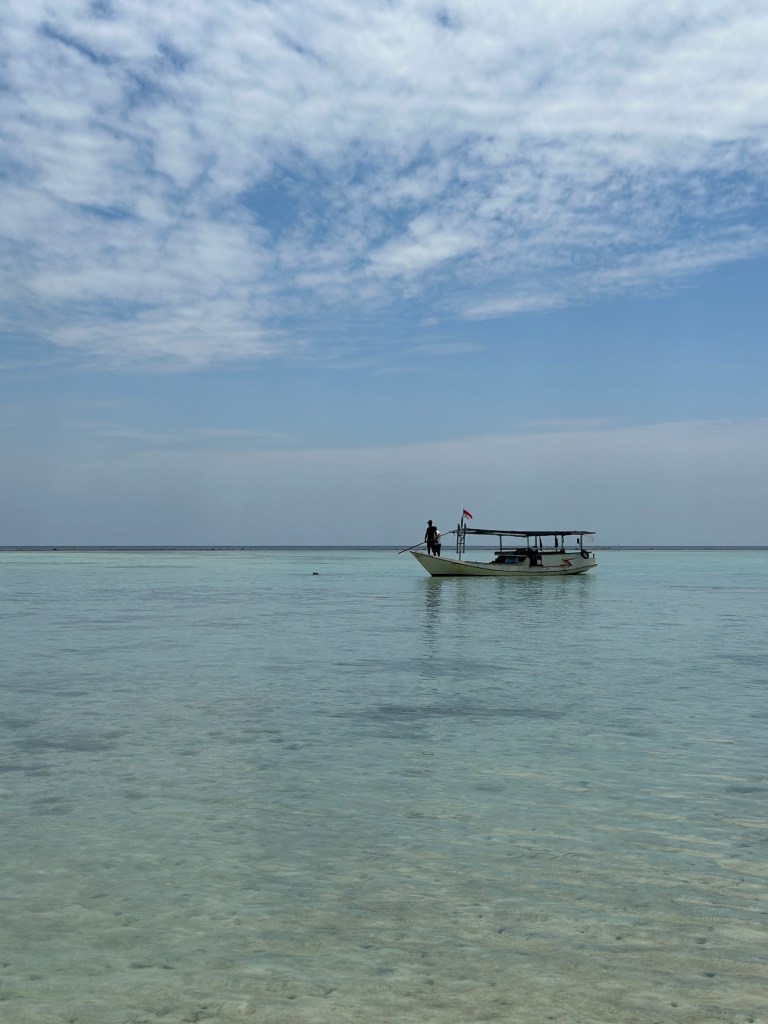
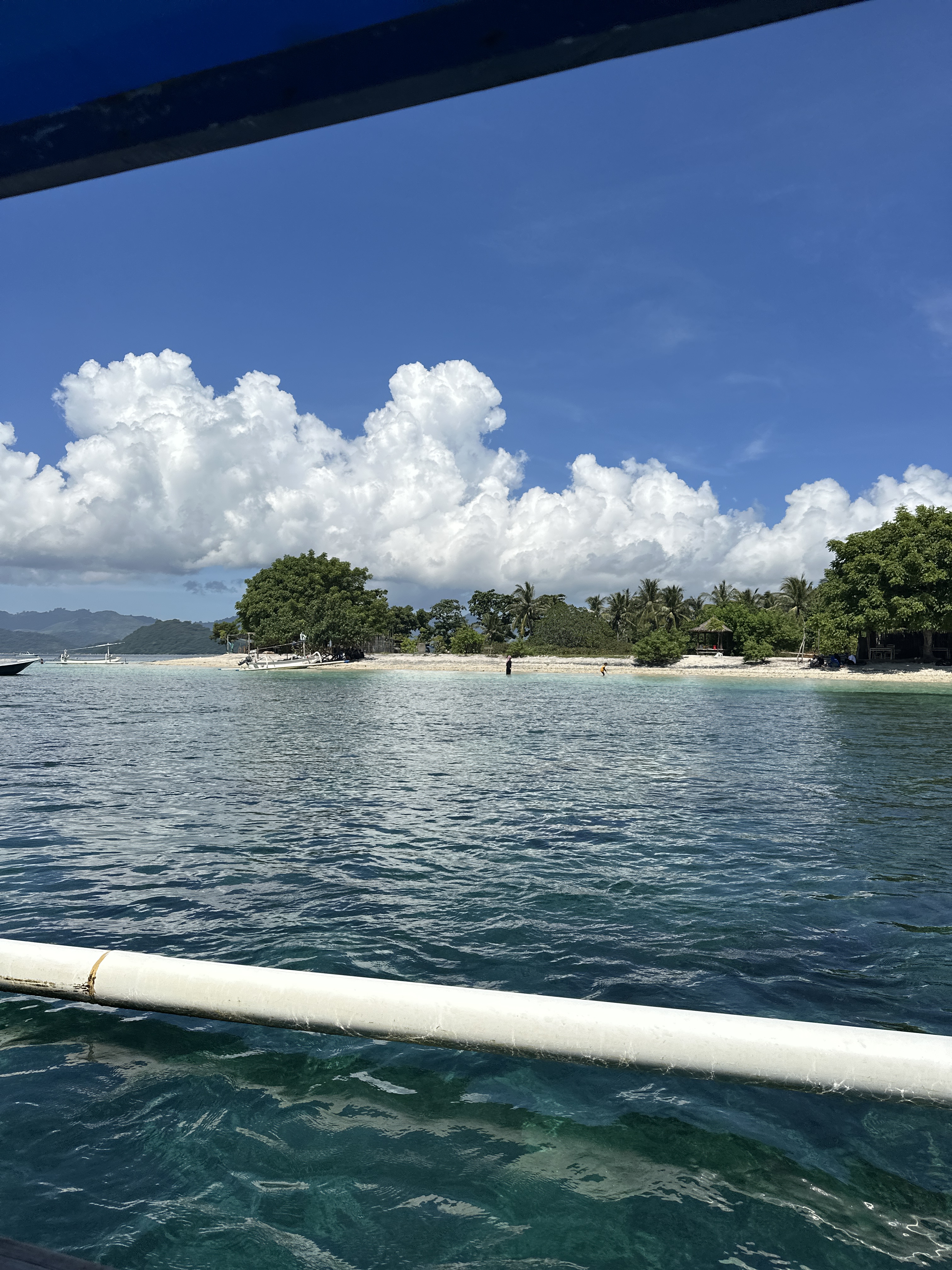
One of the easiest ways to explore this area is to hire a local boat from Gili Asahan or the Sekotong coast and spend the day hopping between islands.
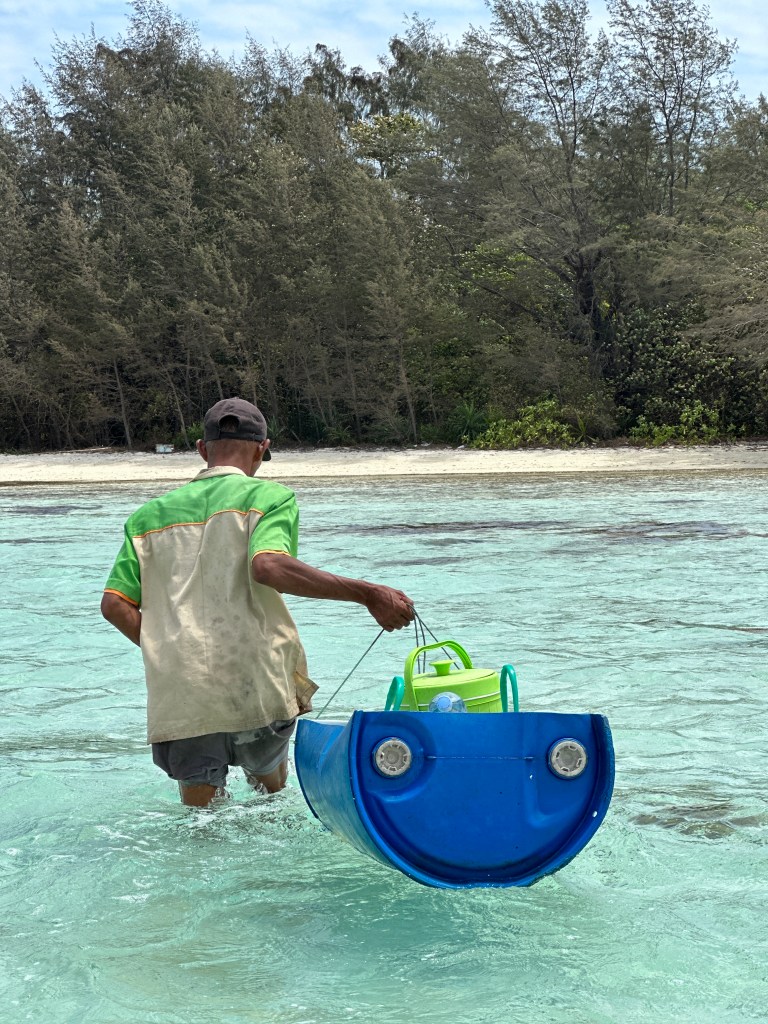
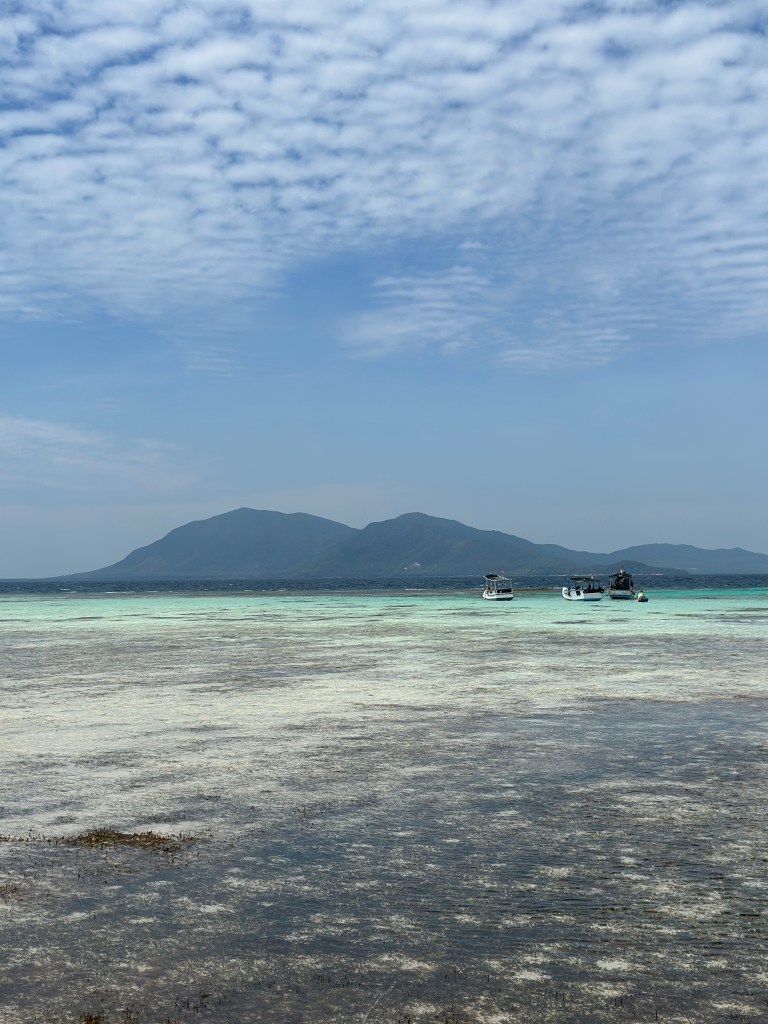
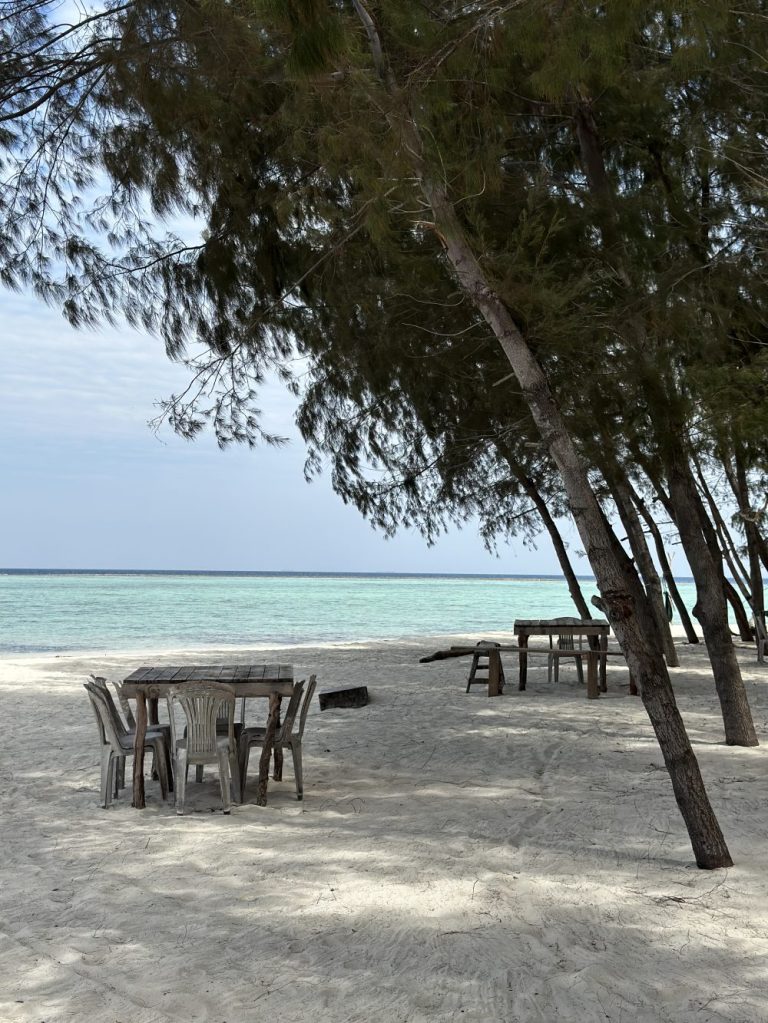
Take an Island-Hopping Boat Trip
Gili Gede is the largest and has more local life.
Gili Layar has peaceful beaches and snorkeling.
Gili Rengit is another beautiful snorkeling stop with clear water and coral.
We did this by private boat, which I would recommend if you want the freedom to stay longer somewhere rather than being told you have exactly seventeen minutes to enjoy paradise.
Other islands in the region include Gili Nanggu, Gili Sudak and Gili Kedis, so the exact route can depend on where you are staying and sea conditions.

BEACHES
Best Beaches in Lombok
Lombok has some genuinely beautiful beaches, particularly along the south coast where you can spend days driving between wide sandy bays, surf breaks and quieter stretches of coastline. The beaches around Kuta Lombok are the easiest to explore independently, while Pink Beach in East Lombok takes considerably more effort to reach.
If you only have a few days, I would focus on Tanjung Aan, Mawun and Selong Belanak. They all feel different enough that visiting several does not turn into one long blur of sand and coconuts.
Tanjung Aan Beach
Tanjung Aan is one of my favorite beaches near Kuta Lombok. The bay has pale sand, clear turquoise water and rolling green hills surrounding it, while Bukit Merese sits right beside the beach and makes an easy sunset stop afterward.
The water is often suitable for swimming when conditions are calm, although this is still the ocean, so judge the conditions when you arrive rather than assuming turquoise automatically means harmless.
From Kuta Lombok: Around 15 to 20 minutes.
Selong Belanak Beach
Selong Belanak is probably the best beach in Lombok if you want to try surfing for the first time.
The huge sandy bay has several beginner-friendly areas, plenty of surf schools and small beach restaurants where you can recover after discovering that standing on a surfboard is apparently much more difficult than everybody on Instagram makes it look.
Even if you have absolutely no interest in surfing, I would still visit. The beach is enormous and one of the easiest places to spend a full lazy afternoon.
Mawun Beach
Mawun Beach is a beautiful horseshoe-shaped bay west of Kuta Lombok and one of the beaches I would definitely include on a South Lombok road trip.
It feels less developed than Tanjung Aan and Selong Belanak, with green hills wrapping around the bay and considerably less going on behind the beach.
I really liked this one.
Swimming can be lovely when the water is calm, but conditions vary across the bay, so always check before getting too adventurous.
Lancing Beach
Lancing Beach is one of the quieter beaches along Lombok’s south coast and makes an easy addition if you are already exploring Mawun and the surrounding area.
There is much less development here than at some of Lombok’s better-known beaches, which is exactly why I would stop.
I would treat Lancing more as part of a South Lombok beach-hopping day than somewhere you necessarily need to build an entire day around.
Pink Beach Lombok
Pink Beach, also known as Tangsi Beach, sits much farther east than the main Kuta Lombok beach circuit.
The sand has a subtle pink tone created partly by fragments of red coral mixing with pale sand.
And I do mean subtle.
If you arrive expecting somebody to have poured a bottle of Barbie-pink food coloring over the coastline, you may be disappointed.
The real reason to visit is the combination of remote coastline, viewpoints, clear water and snorkeling. It feels much more adventurous than the beaches around Kuta, but reaching it also takes considerably longer.
From Kuta Lombok, the journey can take several hours each way, so I would treat Pink Beach as a proper East Lombok day trip rather than casually adding it after breakfast. Boat trips are another option and can combine Pink Beach with snorkeling and other coastal stops.
Which Lombok beach is the best?
For an easy first visit, I would choose Tanjung Aan.
For learning to surf, go to Selong Belanak.
For a quieter beach day, I loved Mawun.
And if you want something more remote and are happy to dedicate most of a day to getting there, Pink Beach gives you a completely different side of Lombok.
ITINERARY
7-Day Lombok Itinerary for First-Time Visitors
If you have one week in Lombok and are not doing a multi-day Rinjani summit trek, I would divide the trip between South Lombok, North Lombok and the Gilis.
Days 1 to 3: Kuta Lombok
Use Kuta as your base for the first three nights. Spend one day exploring Tanjung Aan and Bukit Merese, another driving west toward Mawun and Selong Belanak, and leave some time for Kuta itself rather than making every day an endurance challenge. If surfing interests you, take a lesson at Selong Belanak.
Day 4: Kuta → North Lombok
Leave the south and head toward Senaru. Lombok changes dramatically as you drive north, and this is exactly why I think moving bases is worth it. Spend the afternoon around the village and stay overnight near the waterfalls.
Day 5: Sendang Gile & Tiu Kelep → Gili Air
Visit Sendang Gile and Tiu Kelep in the morning. Afterward, continue toward Bangsal or Teluk Nare and take a boat across to Gili Air. By this point, doing nothing on a beach will probably sound excellent.
Days 6 to 7: Gili Air
Spend your last days snorkeling, cycling around the island, taking a boat trip around the Gilis and watching sunset. From Gili Air you can continue directly toward Bali, return to Lombok Airport or travel farther through Indonesia.
If You Want to Hike Mount Rinjani
Add at least 3 to 4 extra days to this route. I would not try to squeeze a three-day Rinjani trek into a seven-day Lombok holiday unless the entire point of your trip is hiking. A better route becomes: Kuta Lombok → Sembalun → Mount Rinjani Trek → Gili Air
After Rinjani, lying horizontally next to the ocean for two days feels particularly deserved.
COSTS
How Much Does a Lombok Trip Cost?
Lombok can still be considerably cheaper than Bali, particularly if you stay in guesthouses, eat at local warungs and explore independently.
For a comfortable independent trip, I would roughly budget IDR 700,000 to 1,500,000 per person per day if you are sharing accommodation, including food and normal transport but excluding major activities such as Mount Rinjani and private boat trips.
| Expense | Rough Cost |
| Budget accommodation | IDR 200,000 to 450,000/night |
| Mid-range hotel | IDR 500,000 to 1,500,000+/night |
| Local meal | IDR 20,000 to 60,000 |
| Restaurant meal | IDR 70,000 to 200,000+ |
| Scooter rental | Around IDR 70,000 to 120,000/day |
| Private driver | Roughly IDR 600,000 to 1,000,000+/day |
| Shared snorkeling trip | Roughly IDR 150,000 to 400,000+ |
| Private island-hopping boat | Around IDR 600,000 to 1,500,000+ |
| Mount Rinjani trek | Often several million IDR depending on duration/operator |
Rinjani is the big budget wildcard.
A good trekking package normally includes the guide, porters, camping equipment, food, water, permits and sometimes transfers.
This is not where I would automatically choose whichever WhatsApp number offers the lowest quote.
WHEN TO GO
Best Time to Visit Lombok?
The best time to visit Lombok is generally from May to October, during the drier season.
This is usually better for:
- beach days
- surfing
- hiking
- road trips
- snorkeling
- island hopping
- boat transfers
July and August are among the busiest months.
If you want good weather without peak-season crowds, May, June, September and October can be particularly good.
The wetter season runs roughly from November through April.
Lombok becomes much greener, waterfalls can be spectacular and there are fewer visitors, but you also have a greater chance of heavy rain, rough boat crossings and muddy roads.
If Mount Rinjani is the reason for your trip, check the official trekking calendar separately rather than assuming Lombok’s general weather season equals Rinjani’s opening season.
HOW TO GO
How To Get To Lombok?
Flying to Lombok
Lombok International Airport (LOP) is the easiest entry point if Lombok is your main destination.
There are domestic connections from Bali, Jakarta, Surabaya and other Indonesian cities.
Kuta Lombok is roughly half an hour from the airport depending on traffic.
Bali to Lombok by Fast Boat
Fast boats connect Bali with Lombok and the Gili Islands.
Common Bali departure points include Padang Bai, Serangan and Sanur, depending on operator.
Crossing times vary enormously depending on your departure point, destination, vessel and sea conditions.
Do not schedule a tight international flight immediately after a fast-boat journey.
The Lombok Strait does not care about your boarding time.
Public Ferry From Bali
The public vehicle ferry travels between Padang Bai in Bali and Lembar in Lombok.
It is significantly slower than the tourist fast boats but cheaper and useful if you are travelling with a vehicle.
Use the official Ferizy platform for public ferry information.
GET AROUND
How to Get Around Lombok
Lombok is much larger than many visitors expect. There is no convenient tourist transport network connecting Kuta, Senaru, Sembalun, Senggigi, Bangsal and Southwest Lombok.
Scooter
A scooter is brilliant around Kuta if you are experienced, correctly licensed and properly insured.
Many beaches are spread along the south coast, so having your own transport gives you huge freedom.
Some smaller roads can be sandy, potholed or uneven.
Wear a helmet.
Your holiday does not automatically grant you motorbike skills.
Private Driver
For longer transfers, waterfalls, North Lombok or multi-stop sightseeing days, I would hire a driver.
This is often far more comfortable than spending six hours on a scooter because Google Maps described something as “only 85 km away.”
Grab & Gojek
Ride-hailing apps work in some areas but are nowhere near as universally useful as in Bali’s major tourist zones.
Do not build an entire remote-Lombok itinerary around assuming somebody will accept your Grab request.
Boats
Local boats connect Lombok with the Gili Islands and the smaller islands around the southwest coast.
Bangsal and Teluk Nare are major departure areas for the northern Gilis.
Southwest island transfers are normally arranged locally or through your accommodation.
FOOD
What To Eat In Lombok?
Lombok food does not believe in being shy about chili. The local Sasak cuisine is spicy, smoky and one of the things I would actively make time for rather than living entirely on hotel breakfasts.
Ayam Taliwang
Probably Lombok’s most famous dish. Chicken is grilled and covered in a spicy sauce made with chili and spices.
Plecing Kangkung
Water spinach served with a spicy tomato-chili sauce. It is often served alongside ayam taliwang.
Sate Rembiga
Spicy beef satay associated with Lombok.
Bebalung
A rich beef rib soup with herbs and spices. Then obviously you have all the Indonesian staples: nasi goreng, mie goreng, grilled fish, bakso, satay and enough sambal to make you briefly reconsider your confidence level.
CULTURE
Sasak Culture & Etiquette in Lombok
Most people in Lombok are Sasak, and the island has a Muslim majority.
This is one of the biggest cultural differences visitors notice after arriving from Hindu-majority Bali. Around Kuta and the Gilis, beachwear and tourism culture are normal. Once you leave those areas, dress more conservatively in villages, local towns, markets and religious sites.
Cover shoulders and knees when appropriate, ask before photographing people and remove your shoes when requested. You will also hear the call to prayer throughout much of the island. It is part of everyday life here, not an inconvenience created specifically for your hotel review.
LEGAL REQUIREMENTS
Visa Requirements for Lombok, Indonesia
There is no separate Lombok visa. Lombok follows Indonesia’s national immigration rules.
Many eligible travelers use a Visa on Arrival or electronic Visa on Arrival, which normally gives an initial 30-day stay and can currently be extended once for another 30 days.
Depending on your nationality and intended length of stay, other Indonesian visitor visas may be more appropriate.
Always check the official Indonesian immigration website before travelling because visa categories and requirements can change.
Also check:
- passport validity requirements
- onward or return ticket requirements
- the current All Indonesia arrival declaration
- airline-specific entry rules
Bureaucracy is boring right up until you are standing at an immigration desk discovering you misunderstood it.
SAFETY
Lombok Travel Tips & Safety
Lombok is generally safe to travel, but there are a few things worth taking seriously.
Be careful on scooters
Road accidents are one of the most realistic risks.
Wear a helmet, do not ride after drinking and only drive if your license and insurance actually cover you.
Do not leave valuables in your scooter
Do not leave passports, phones or cameras sitting underneath the seat while you disappear swimming for two hours.
Agree on prices beforehand
At beaches, harbors and waterfalls you may encounter parking, entrance, guide and boat fees.
Most are completely normal.
Just agree on the price before saying yes.
Respect ocean conditions
Lombok has surf beaches, reefs, strong currents and areas without lifeguards.
If the water looks rough, do not assume the absence of a warning flag means the ocean has formally approved your swim.
Mosquitos & Dengue
Use mosquito repellent, particularly around dawn and dusk.
Rabies
Avoid touching stray dogs, monkeys or other mammals.
If you are bitten or scratched, wash the wound thoroughly and seek medical advice immediately.
Mount Rinjani
Use a proper trekking operator, check current park conditions and make sure your insurance covers trekking at the altitude you intend to reach.
HOLIDAYS
Holidays & Festivals in Lombok
Bau Nyale
Bau Nyale is one of Lombok’s most distinctive cultural festivals.
The Sasak tradition takes place around the south coast and is connected to the legend of Princess Mandalika and the seasonal appearance of nyale sea worms.
Dates vary each year according to the traditional calendar.
If your visit overlaps, expect crowds and considerably more activity around Kuta and Seger Beach.
Ramadan & Eid
Lombok’s Muslim majority means Ramadan and Eid can affect opening hours, traffic, ferries and local routines.
Tourist areas continue operating, but things may be quieter during the day in more local areas.
Eid is an extremely busy domestic travel period, so book transport early.
Indonesian Independence Day
August 17 brings flags, neighborhood competitions and celebrations throughout Indonesia.
It is a fun time to be travelling around local villages and towns.
Frequently Asked Questions About Visiting Lombok
Is Lombok worth visiting?
Yes, Lombok is worth visiting if you want beaches, surf, waterfalls, volcano trekking and a quieter feel than Bali. It is less polished and less crowded, but still has enough infrastructure to make travel manageable. Lombok is especially good if you want nature, road trips and island escapes without the full Canggu circus.
How many days do you need in Lombok?
For a first Lombok trip, I would spend at least 5 to 7 days. That gives you time for Kuta Lombok, a few beaches, waterfalls or villages, and maybe a short Gili Islands trip. If you want to hike Mount Rinjani, add extra days because the trek is not exactly a casual morning stroll.
What is the best time to visit Lombok?
The best time to visit Lombok is usually during the dry season, from around May to October. This is better for beaches, road trips, hiking and boat transfers. The rainy season can still be beautiful and quieter, but outdoor plans and roads can be less predictable.
Is Lombok better than Bali?
Lombok is not “better” than Bali, it is different. Bali has more cafés, hotels, nightlife, temples and easy tourism infrastructure. Lombok has quieter beaches, wilder landscapes, excellent surf in some areas, fewer crowds and Mount Rinjani. Choose Bali if you want variety and convenience. Choose Lombok if you want more space and less polish.
Where should you stay in Lombok?
Kuta Lombok is the best base for most first-time visitors because it has beaches, restaurants, scooter routes and easy access to places like Tanjung Aan, Selong Belanak and Bukit Merese. Senggigi is calmer and practical if you want access to the northwest or the Gilis. For Rinjani, stay near Senaru or Sembalun before your trek.
Which Gili Island Should You Visit?
Gili Air is the best all-rounder because it is relaxed but still social. Gili Meno is quieter and more romantic, good if you want peace. Gili Trawangan is the busiest and best for nightlife. If you want something more offbeat, look at the Southwest Gilis like Gili Asahan, Gili Gede or Gili Layar.
Is Mount Rinjani worth it?
Mount Rinjani is worth it if you enjoy serious hiking and want one of the most dramatic volcano treks in Indonesia. But it is hard, cold at night and physically demanding. Do not do it just because the photos look pretty. Do it because you actually want the challenge and are happy to be humbled by a mountain.
Is Lombok safe for tourists?
Lombok is generally safe for tourists, but it feels less developed than Bali in some areas. Be careful on scooters, do not leave valuables on beaches or in scooter storage, and use reliable transport after dark. In remote areas, plan ahead and do not assume you can always just “figure it out later” with no signal and one sad granola bar.

NEWSLETTER
Subscribe for travel tips, new vlogs & life behind the scenes.
© 2026 Keep Up With Car – All rights reserved.
