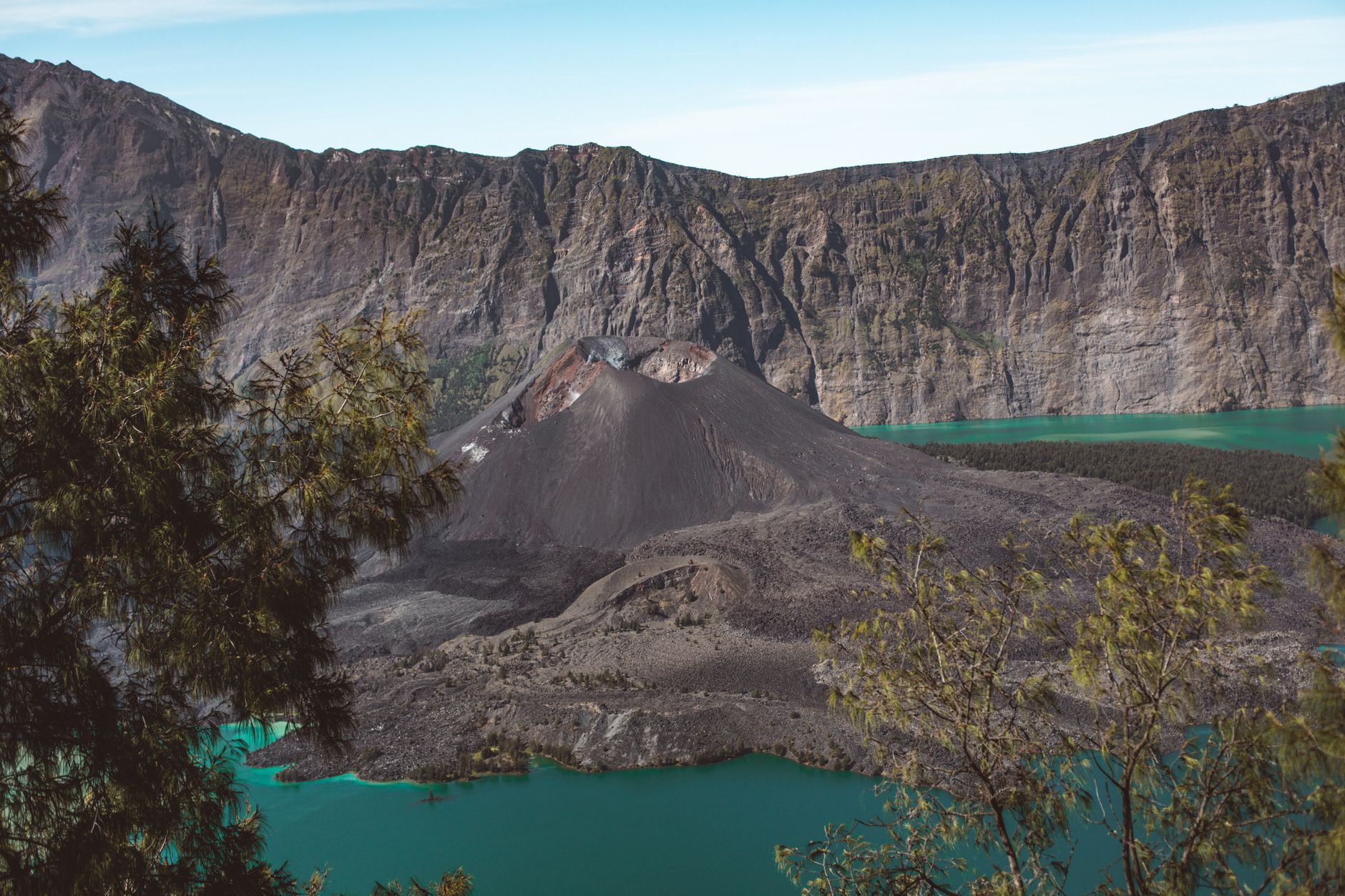
Last updated on August 22nd 2026
BEST VOLCANO HIKES IN INDONESIA
The ultimate guide to hiking Indonesia’s most epic volcanoes, from easy Bali sunrise hikes to blue fire, smoking craters and the brutal summit of Mount Rinjani.
Indonesia is easily one of the best countries in the world for volcano hiking. You can watch the sun rise over the surreal volcanic landscape of Mount Bromo, hike through darkness toward the sulfur crater of Kawah Ijen, climb Mount Batur for one of Bali’s most famous sunrise views, tackle sacred Mount Agung, or disappear into the mountains for several days on a Mount Rinjani trek.
And these are very different experiences. Some of the best volcano hikes in Indonesia are surprisingly manageable for beginners, while others involve camping, steep volcanic scree, middle-of-the-night summit attempts and several days of asking yourself why you voluntarily paid money for this.
NOT SURE WHICH VOLCANO TO HIKE?
The 5 Best Volcano Hikes in Indonesia
Not sure which volcano to hike in Indonesia? For a first volcano hike in Indonesia, I would choose Mount Batur. For the most iconic scenery with relatively little hiking, choose Mount Bromo. For something stranger and more adventurous, Kawah Ijen is difficult to beat. Mount Rinjani is the best choice if you want a proper multi-day trekking experience, while Mount Agung is for fit hikers looking for something significantly harder than the standard Bali sunrise hike.
⚠️ For current volcanic activity levels and official hazard information, check MAGMA Indonesia before travelling.
If you are looking for other specific itineraries and travel guides, start with my 3-Week Indonesia itinerary, 2-Weeks in Bali guide, Snorkeling spots in Bali and best islands in Indonesia.
Or have a look at the full island guides for to-do activities: Sumba, Lombok, Java, Bali and Komodo.
| Area | Best For | Time Needed |
| Kawah Ijen, Java | Blue fire hike, acid crater lake & overnight adventure | Half day / overnight start |
| Mount Bromo, Java | Sunrise viewpoints, jeep tours & dramatic volcanic landscapes | Half day to 1 day |
| Mount Batur, Bali | Beginner-friendly sunrise hike & easy volcano views | Half a day |
| Mount Rinjani, Lombok | Serious trekking, camping, crater views & full-body regret | 2 to 4 days |
| Mount Agung, Bali | Challenging sacred volcano hike for experienced hikers | 8 to 12+ hours depending on route |
Kawah Ijen in Java: Best Blue Fire and Acid Crater Lake Hike
Difficulty: ★★★☆☆
Best for: Blue fire, sulfur fumes and one of Java’s most unique crater views
Duration: Around 1.5 to 2 hours up, plus time at the crater and descent
Typical Cost: Guide and transport packages vary widely depending on pickup point, group size and inclusions. Budget roughly 500,000 to 1,500,000 IDR for many private or small-group arrangements, plus the current entrance fee where applicable. Confirm whether a gas mask, transport and any required documentation are included before booking.
Guide needed: Strongly recommended
Best time to go: Dry season, especially May to October
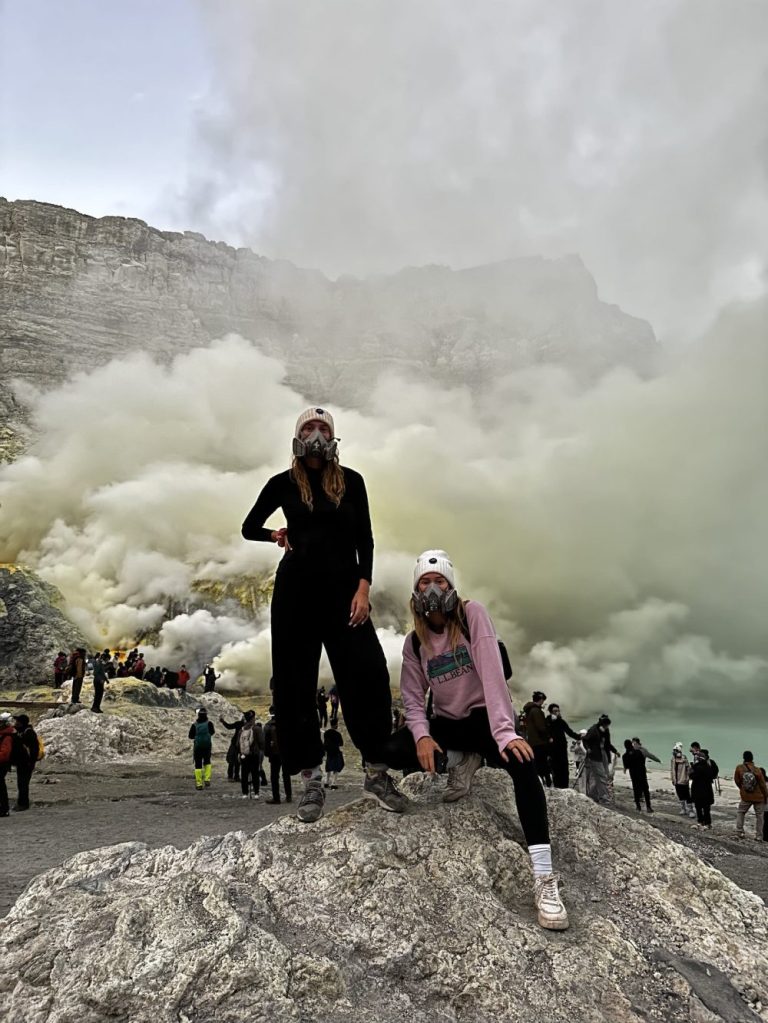
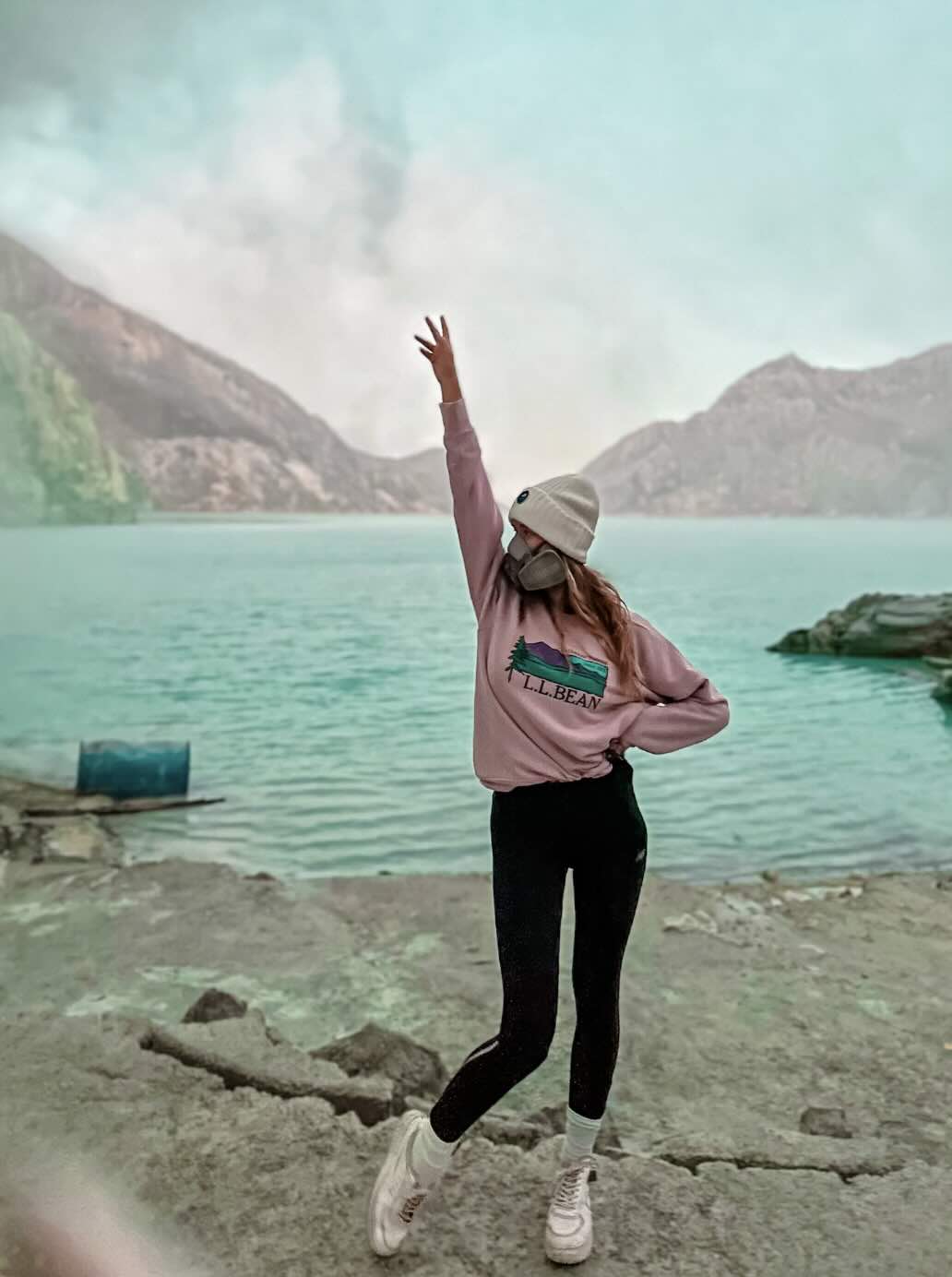
Kawah Ijen, also commonly called Mount Ijen, is one of the most unusual volcano hikes in Indonesia. Instead of hiking purely for a sunrise viewpoint, you climb toward an active volcanic crater filled with sulfur fumes, working sulfur miners and an enormous turquoise acidic lake.
The most famous attraction is Ijen’s blue fire, an eerie electric-blue flame caused by burning sulfur gases escaping from the volcano. It is not blue lava, despite what half the internet seems determined to call it.



What to Expect on the Kawah Ijen Hike
The adventure normally begins in the middle of the night from the Paltuding trailhead. You climb roughly three kilometres uphill in darkness, with some steep sections along the way. The trail itself is not particularly technical, but the combination of the hour, cold temperatures, darkness and volcanic fumes makes the experience more intense than the distance suggests.
If authorities allow access toward the blue-fire area, your guide may take you farther into the crater before sunrise. Access is never something I would assume is guaranteed. Gas levels, volcanic activity and local safety restrictions can all affect how far visitors are allowed to go.
Once daylight arrives, the landscape completely changes. What looked like a black volcanic hole at night suddenly reveals a huge turquoise crater lake surrounded by pale rock, sulfur deposits and smoke pouring from the crater.
Is the Kawah Ijen Blue Fire Guaranteed?
No. I would actually plan this trip around Kawah Ijen itself, rather than treating the blue fire as the only reason to go.
Visibility depends on darkness, weather, sulfur activity and whether access to the lower crater is permitted. Even without seeing the flames, the combination of the night hike, crater lake, sulfur mining landscape and sunrise makes Ijen one of the best volcano hikes in Java.
Is Kawah Ijen Safe?
Ijen deserves more respect than its relatively short hike suggests. Sulfur fumes can become extremely strong and may sting your eyes and make breathing uncomfortable, even while wearing a proper respirator.
Always follow your guide and never ignore instructions because you want a better photograph. The lake itself is also extremely acidic, so this is very much a look-at-it-from-a-distance situation.
As of 2026, visitors are also required to have a medical health certificate before entering the hiking area, so confirm the latest requirements before arriving.
What to Bring for Kawah Ijen
Bring warm layers, proper shoes with grip, water, a headlamp and a suitable gas mask or respirator. Many organized tours provide the mask, but confirm this before booking rather than discovering at 1:30 in the morning that everybody assumed somebody else was bringing one.
Banyuwangi is one of the easiest places to base yourself for Kawah Ijen, particularly if you are continuing toward Bali afterward.
→ READ NEXT: My Java Travel Guide covers Kawah Ijen, Mount Bromo, Yogyakarta, Malang and how to put the whole East Java route together.

Mount Bromo: Best Sunrise Volcano View in Java
Difficulty: ★☆☆☆☆
Best for: Sunrise views, photography and dramatic volcanic landscapes
Duration: Half day to 2 days
Typical Cost: Official park entrance fees vary by visitor category and day, plus extra for jeep rental, transport or a guided tour. The Jeep rental often costs around 1.500.000-3.000.000 IDR depending on where you travel from.
Guide needed: Not always, but a tour or jeep driver makes the logistics much easier
Best time to go: Dry season, especially May to October
Mount Bromo is one of the most famous volcanoes in Indonesia, and this is one popular place where I actually think the hype is justified.
The classic view stretches across the enormous Tengger caldera, with Mount Bromo smoking in the foreground, Mount Batok beside it and Mount Semeru rising dramatically behind everything. When the weather cooperates, sunrise here looks borderline ridiculous.


What to Expect on a Mount Bromo Sunrise Tour
The Most Mount Bromo tours begin long before sunrise, when a jeep collects you and drives toward one of the viewpoints overlooking the caldera.
One important thing to understand is that the famous Mount Bromo sunrise photo is not taken from the summit of Mount Bromo itself. You first watch sunrise from a viewpoint overlooking the volcanic landscape. Afterward, you drive down into the huge Sea of Sand before walking toward Bromo and climbing the staircase to the crater rim.
Standing on the edge of an active smoking crater while the volcano rumbles underneath you is slightly different from staring at it from a hotel infinity pool, which is precisely why I would include it on a Java itinerary.
Is Mount Bromo Actually a Hike?
Technically yes, but I would describe the classic Bromo experience as more of a volcano adventure with some hiking rather than a serious mountain trek.
The sunrise viewpoint requires relatively little walking, while the section across the Sea of Sand and up to the crater rim is short but dusty. You certainly do not need Rinjani-level fitness for this one.
That makes Mount Bromo one of the best volcano experiences in Indonesia for travelers who want spectacular scenery without committing to a difficult trek.
The Part Nobody Warns You About: Bromo Traffic
Mount Bromo is extremely popular, and the sunrise jeep situation can become complete organized chaos.
Hundreds of jeeps may be moving between the same viewpoints and crater area at roughly the same time. During our visit, the drive back down after sunrise took us around three hours because of traffic, which was very much not part of the romantic volcano fantasy I had in mind.
If possible, visit on a weekday and avoid Indonesian public holidays and school holidays. Leaving the sunrise viewpoint reasonably quickly can also help you get ahead of some of the traffic heading toward the Sea of Sand.
What to Bring to Mount Bromo
Bring warm layers for sunrise because the viewpoints can be genuinely cold before dawn. Once the sun is up, the temperature changes quickly, so layers work better than one enormous jacket.
Closed shoes, sunscreen, water, a hat and something to cover your mouth and nose from the volcanic dust are also useful.
Access to Mount Bromo can occasionally change because of volcanic activity, wildfire risk, weather, religious events or park management decisions, so check the official Bromo Tengger Semeru National Park website immediately before travelling. shortly before visiting.
→ READ NEXT: My Java Travel Guide shows you how to combine Mount Bromo with Malang, Kawah Ijen and the rest of an East Java itinerary.

Mount Rinjani in Lombok: Best Multi-Day Volcano Trek in Indonesia
Difficulty: ★★★★★
Best for: The ultimate volcano trek in Indonesia
Duration: 2 days / 1 night, 3 days / 2 nights or 4 days / 3 nights
Typical Cost: Often around US$210 to US$300+ per person for many standard 2-day, 1-night shared or small-group treks, with private and higher-comfort options costing more. Prices vary by route, operator and inclusions.
Guide needed: Yes, absolutely
Best time to go: Dry season, usually May to October
Mount Batur is the friendly introduction to volcano hiking in Indonesia, Mount Rinjani is the point where the mountain politely removes the training wheels and throws them into the crater.
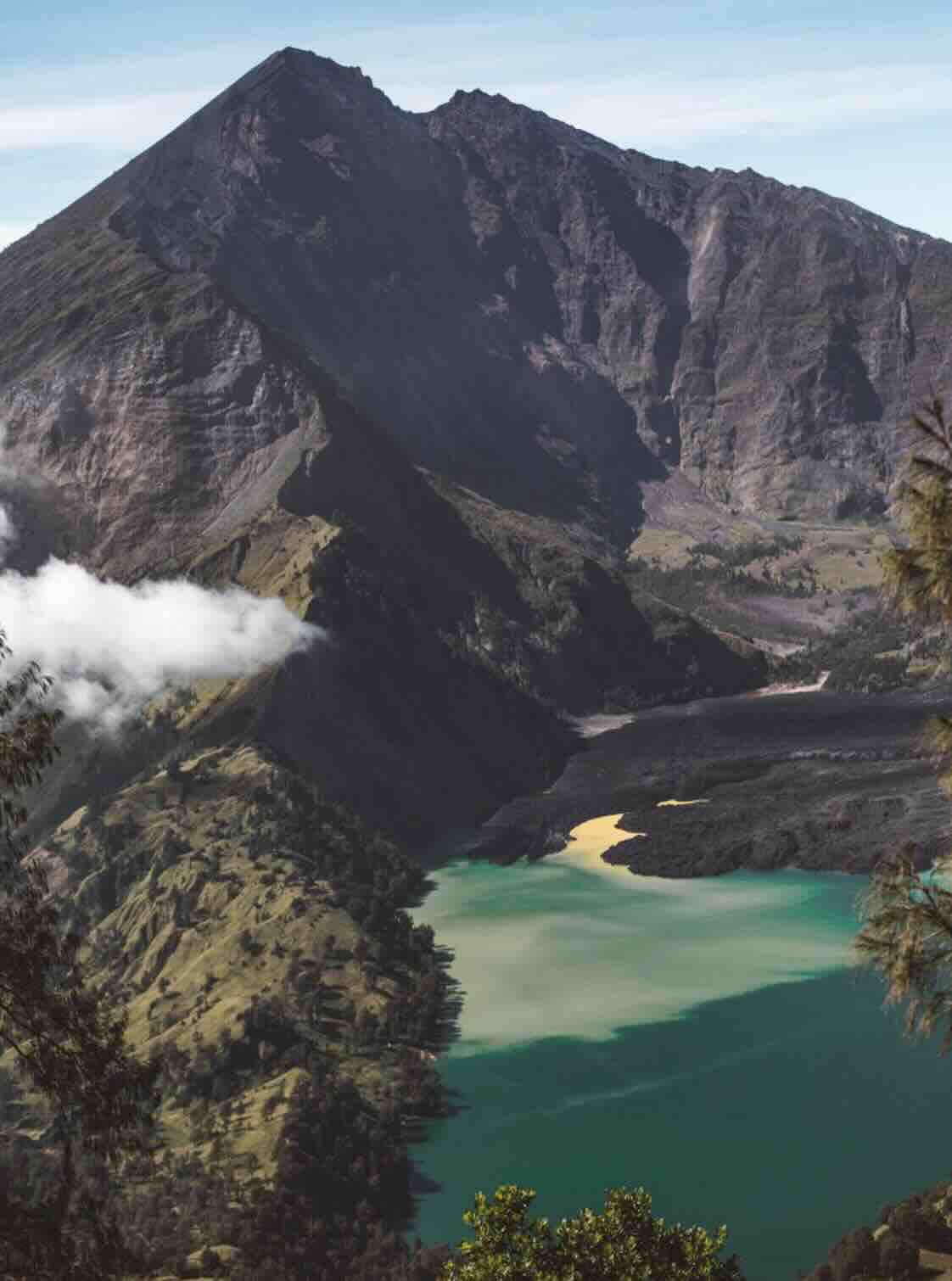
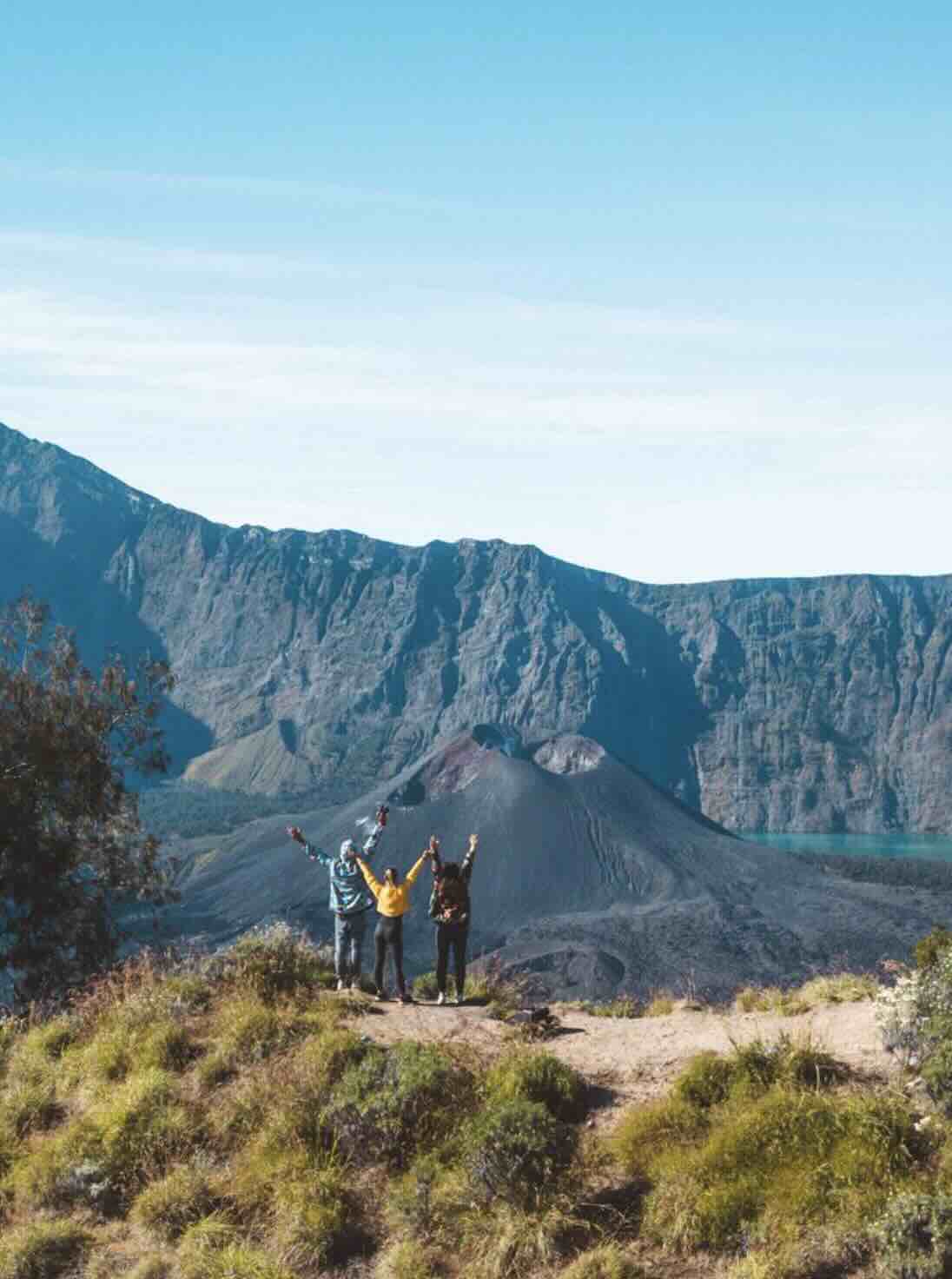
At 3,726 metres, Rinjani is the second-highest volcano in Indonesia and one of the most famous trekking adventures in Southeast Asia.
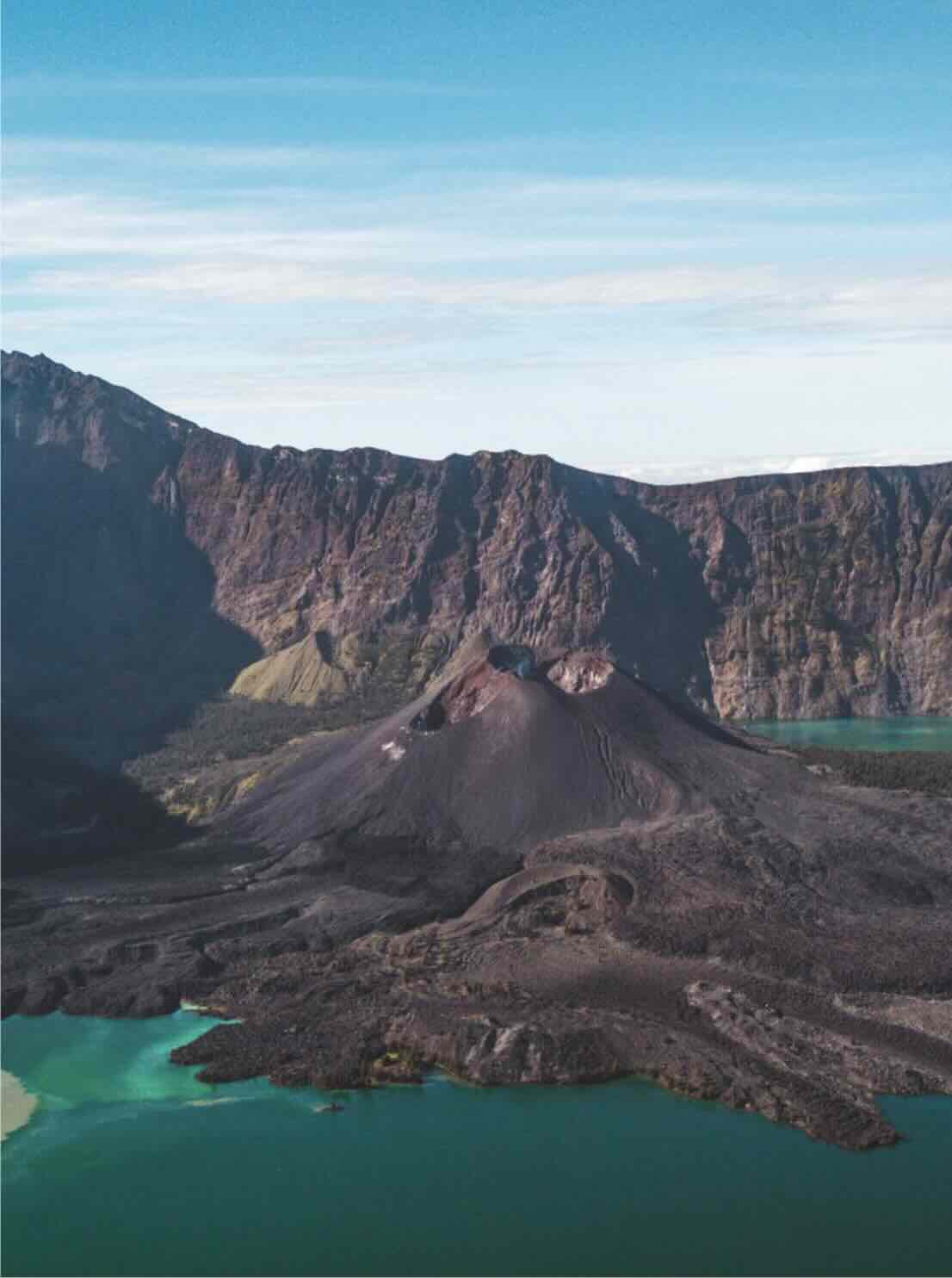
This is not just a sunrise hike. Depending on your route, you can spend several days crossing ridges, camping above the clouds, hiking toward Segara Anak crater lake, soaking in hot springs and attempting the summit before sunrise.

What to Expect on a Mount Rinjani Trek
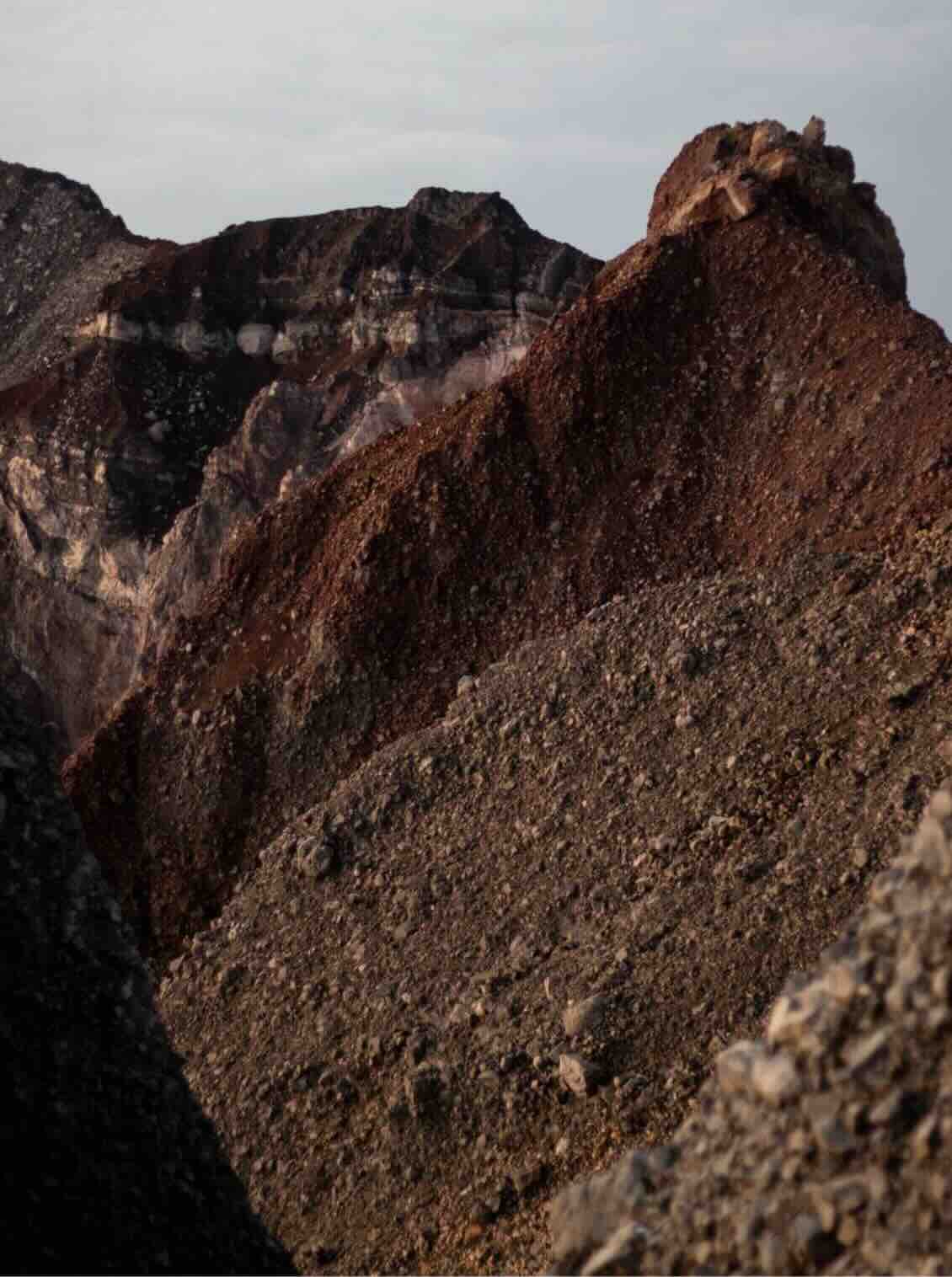
The scenery changes constantly as you climb, from greener lower slopes and forest to enormous open ridges and exposed volcanic terrain.
Most trekkers sleep in tents, with local guides and porters carrying camping equipment, food and much of the heavier gear. Conditions are basic, but waking up on a volcanic ridge above the clouds is one of those travel experiences that makes the lack of showering temporarily feel very reasonable.
The infamous part is the summit push. You normally begin climbing while it is still completely dark, and the final section consists of steep, loose volcanic gravel. Every time you step forward, part of the ground appears personally committed to sliding you backward again.
It is exhausting.
But if the weather is clear and you reach the summit around sunrise, the views can stretch across Lombok toward the Gili Islands, Bali and Sumbawa, with Segara Anak far below inside the enormous crater.
Mount Rinjani: 2-Day vs 3-Day vs 4-Day Trek
A 2-day / 1-night Rinjani trek works if you have limited time and mainly want a crater-rim or summit-focused experience. It is intense, though, because you are squeezing a serious amount of climbing into a short period.
For most travelers who want the fuller Mount Rinjani experience, I think 3 days / 2 nights makes more sense. Longer routes give you more time around the crater, lake and hot springs without turning every day into a race against your own legs.
A 4-day Rinjani trek slows things down further and is worth considering if you love trekking and want to actually enjoy the mountain rather than simply conquer it and stagger back toward civilization.
What Does a Mount Rinjani Trek Usually Include?
Most proper trekking packages include a licensed guide, porters, camping equipment, meals, drinking water, park permits and basic transfers.
Your exact package may include tents, sleeping mats, sleeping bags, cooking equipment, meals, snacks and hot drinks. Always ask before booking, especially about the quality of the camping equipment, group size, toilet arrangements, safety procedures and how the operator handles rubbish.
The cheapest Rinjani trekking company is not automatically the one I would trust with several days on an active volcano.
When Is Mount Rinjani Closed?
Mount Rinjani has an annual trekking closure during the wettest part of the year, normally from January 1 until March 31, allowing for ecosystem recovery and reducing weather-related risk.
Temporary closures can also happen because of fires, severe weather, accidents or other safety issues. Always check the official Mount Rinjani National Park website information and current eRinjani booking conditions before organizing the rest of your Lombok itinerary around the trek.
→ READ NEXT: My Lombok Travel Guide covers Mount Rinjani, Kuta Lombok, waterfalls, beaches and the Gili Islands.
Mount Batur: Best Beginner Volcano Hike in Bali
Difficulty: ★★☆☆☆
Best for: Beginner-friendly volcano hiking in Bali
Duration: Around 1.5 to 2 hours up, usually half-day tour from very early morning
Typical Cost: Often around 400,000 to 700,000 IDR per person for a guided sunrise hike, depending on pickup location, group size and inclusions
Guide needed: Usually yes
Best time to go: Dry season, especially April to October
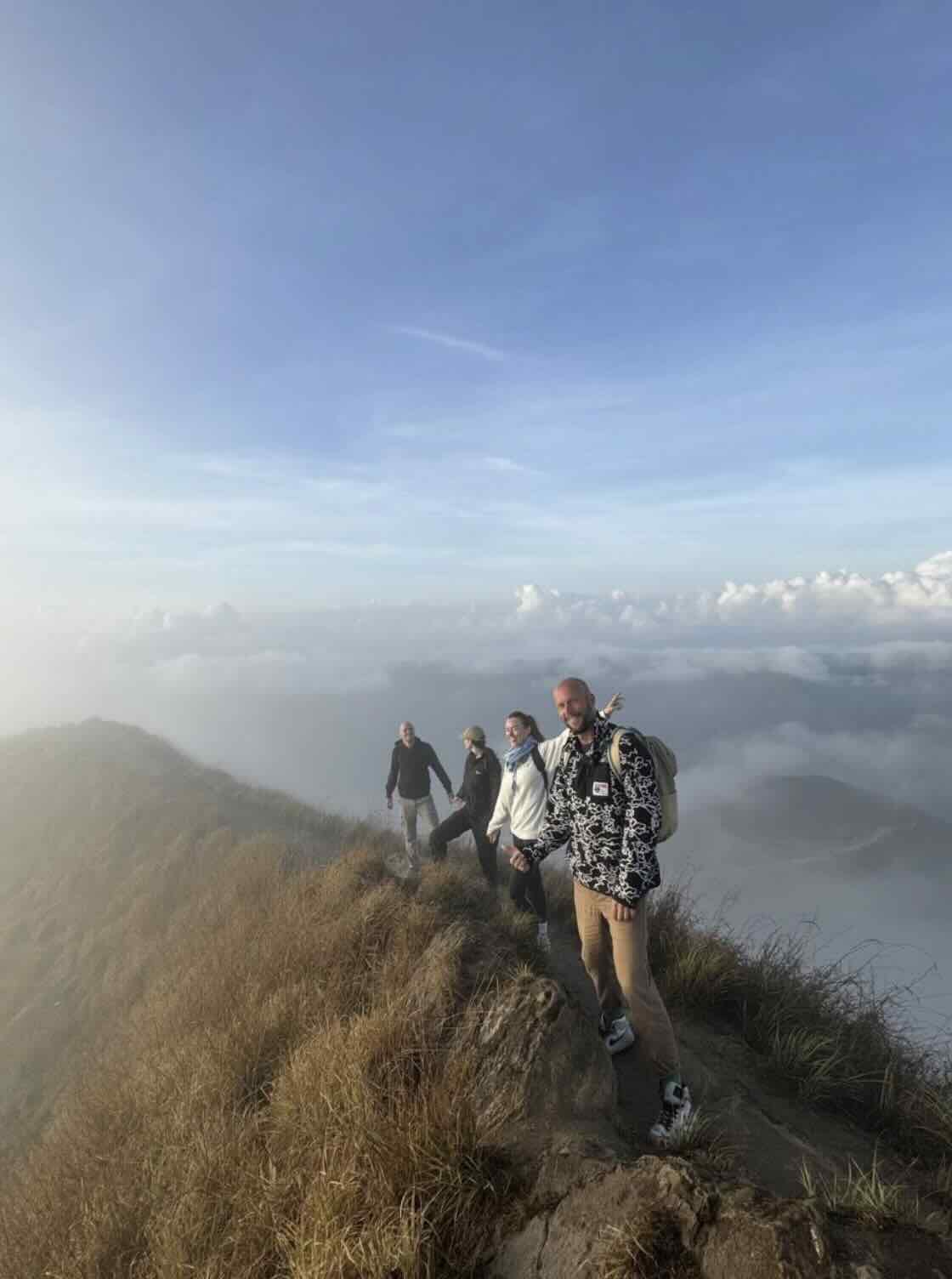
Mount Batur is the most popular volcano hike in Bali and easily the most accessible hike on this list.
It is still uphill, you still have to wake up at an offensive hour and you will probably still be sweaty by the time you reach the top, but you do not need to be an experienced trekker to do it.
What to Expect on the Mount Batur Sunrise Hike
Most Mount Batur sunrise tours begin with an extremely early pickup from places like Ubud, Canggu, Seminyak or Uluwatu.
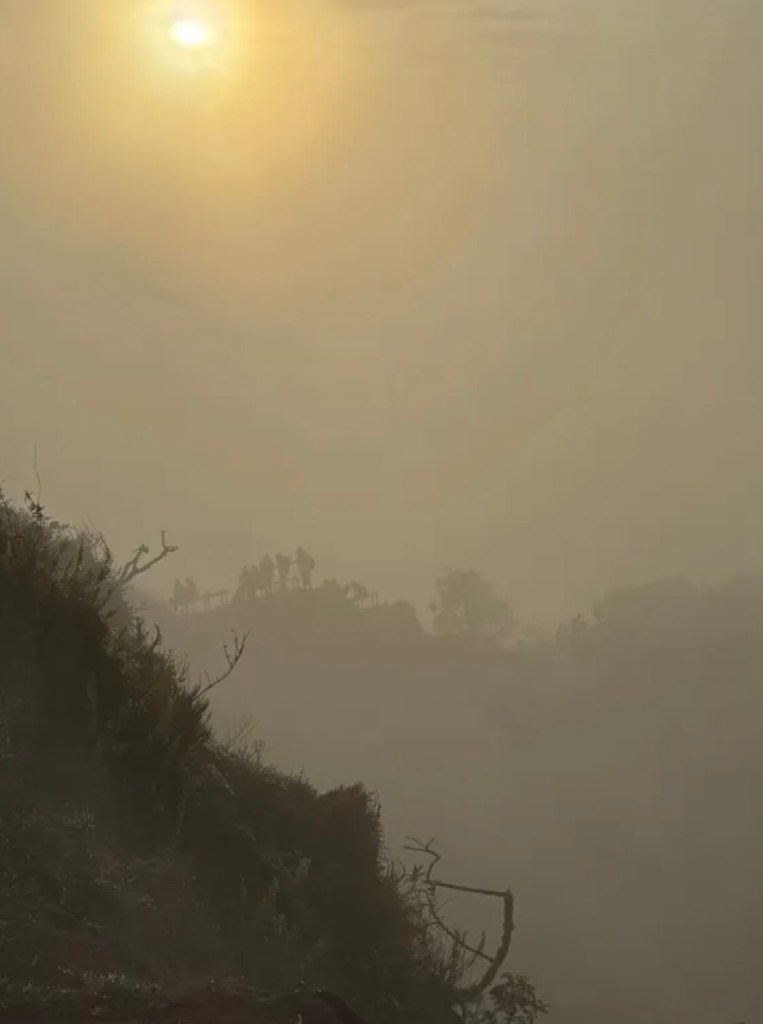
You start hiking in darkness and normally need around 1.5 to 2 hours to reach the summit, depending on your fitness and pace. The trail becomes rockier and looser toward the top, but it is not technical climbing.
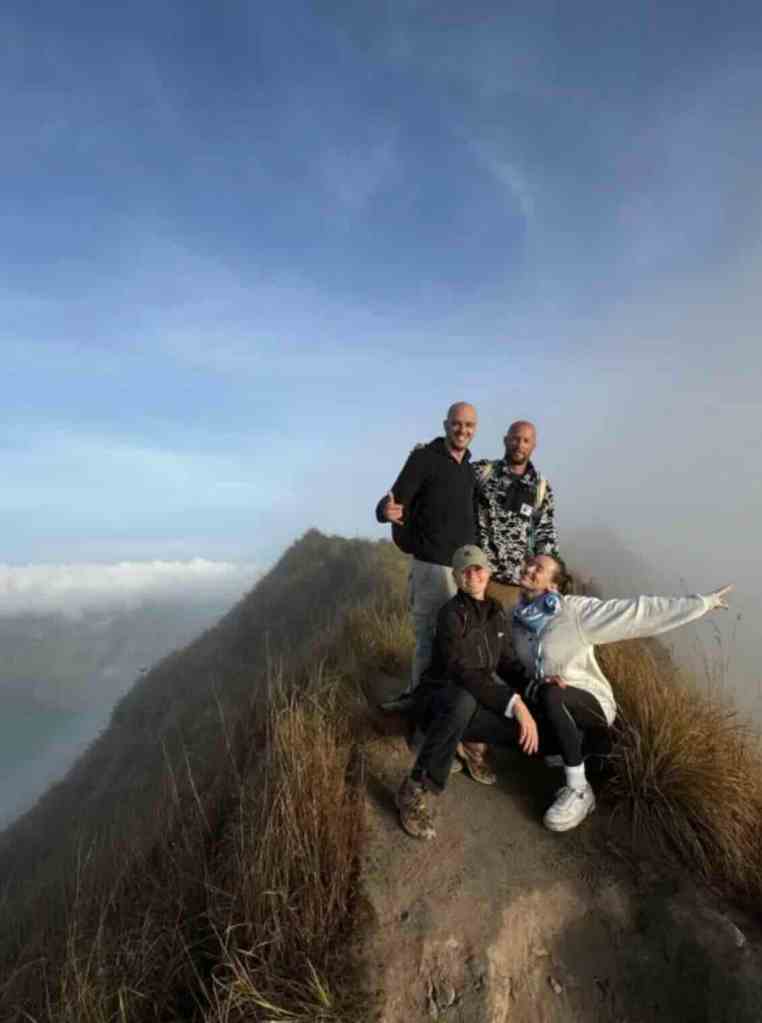
At sunrise, you get views across Lake Batur, Kintamani, Mount Abang and the surrounding caldera, with Mount Agung appearing in the distance when visibility is good.
Yes, Mount Batur is touristy. You will not be alone dramatically contemplating existence on an empty summit while a cinematic eagle circles overhead.
There will probably be other hikers, local guides, breakfast being prepared and monkeys hanging around looking suspiciously confident. But the scenery is still beautiful.


Is Mount Batur Worth It?
I think so, particularly if this is your first volcano hike in Indonesia.
Batur gives you the early-morning adventure, volcanic terrain and proper summit sunrise without requiring several days of trekking or elite fitness.
If you want to make the experience less painful, consider spending the night in Kintamani rather than being collected from southern Bali in the middle of the night. You can hike Batur at sunrise, have breakfast overlooking the caldera and spend the rest of the day around the hot springs or volcanic landscape.
If hiking really is not your thing, there are also Mount Batur black lava jeep tours across the volcanic fields below the mountain. It is a completely different experience, but a good way to explore the area without climbing to the summit.
What to Bring for Mount Batur
Wear trainers or hiking shoes with decent grip, bring water and carry a light jacket for the summit. The temperature before sunrise feels much colder than most people expect from Bali.
Try to avoid weekends, Indonesian public holidays and peak holiday periods if you want slightly fewer people on the trail. If you are considering hiking Mount Batur, it is smart to check the official website before planning your hike.
→ READ NEXT: My Complete Bali Travel Guide covers Kintamani, Ubud, Amed, Uluwatu, North Bali and how to build Mount Batur naturally into your route.

Mount Agung: Best Challenging Volcano Hike in Bali
Difficulty: ★★★★☆
Best for: Serious hikers who want Bali’s highest volcano
Duration: Around 8 to 12 hours round trip, depending on route
Typical Cost: Roughly 550,000 to 1,250,000 IDR+. But, costs vary considerably by route, guide, pickup location, group size and inclusions.
Guide needed: Strongly recommended
Best time to go: Dry season, especially May to October
If Mount Batur is Bali’s friendly sunrise volcano hike, Mount Agung is an entirely different proposition.
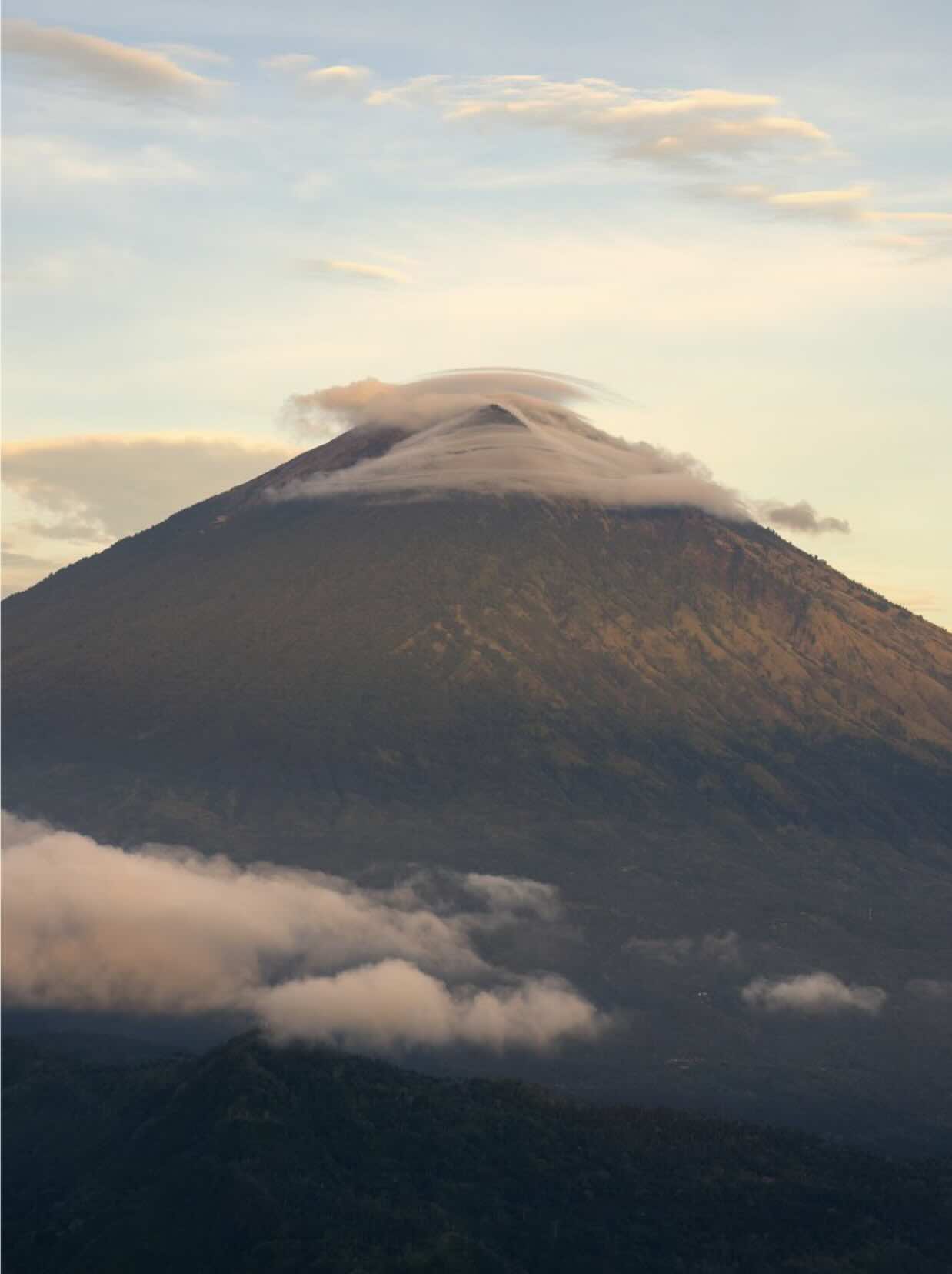
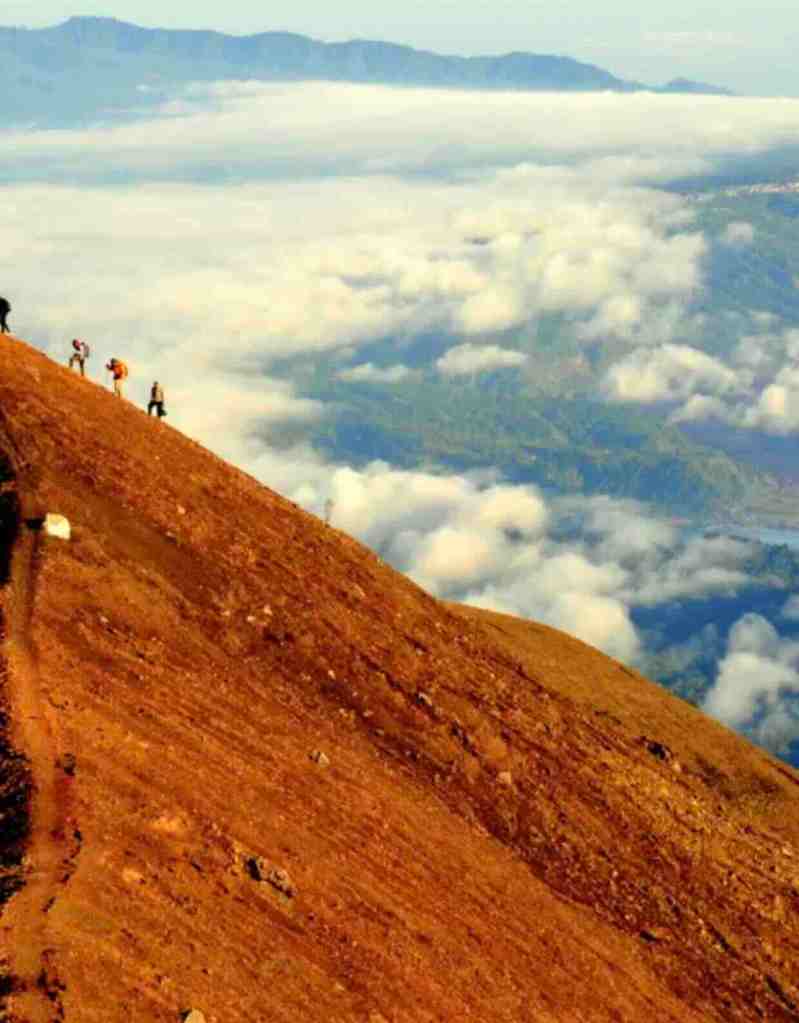
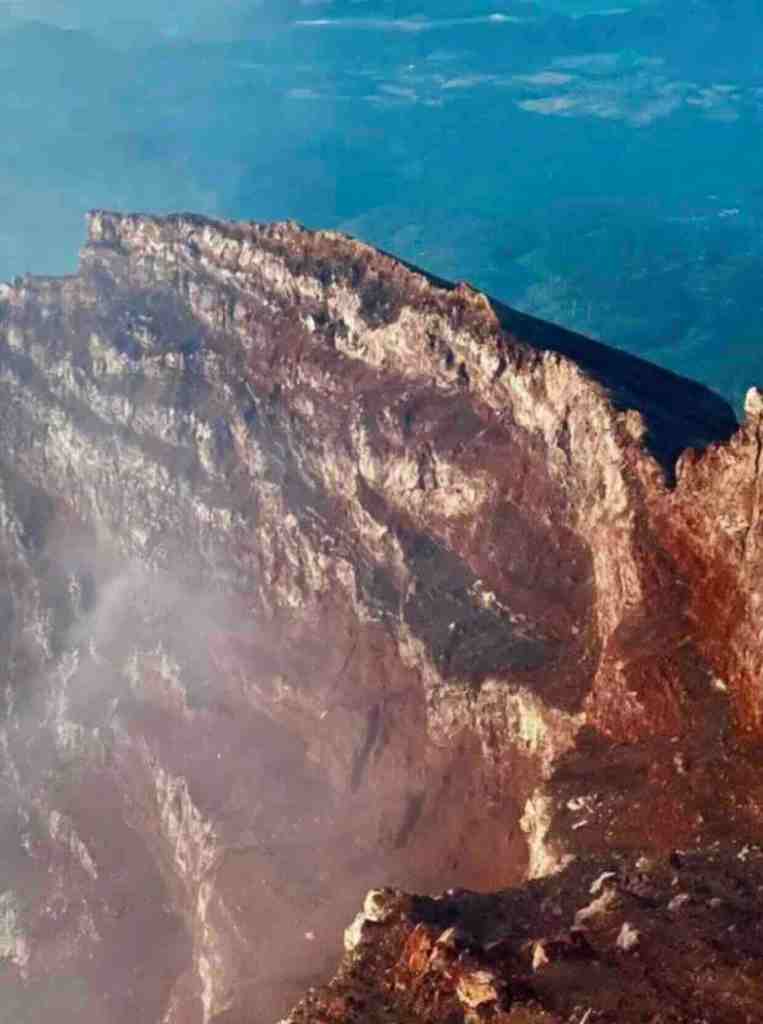
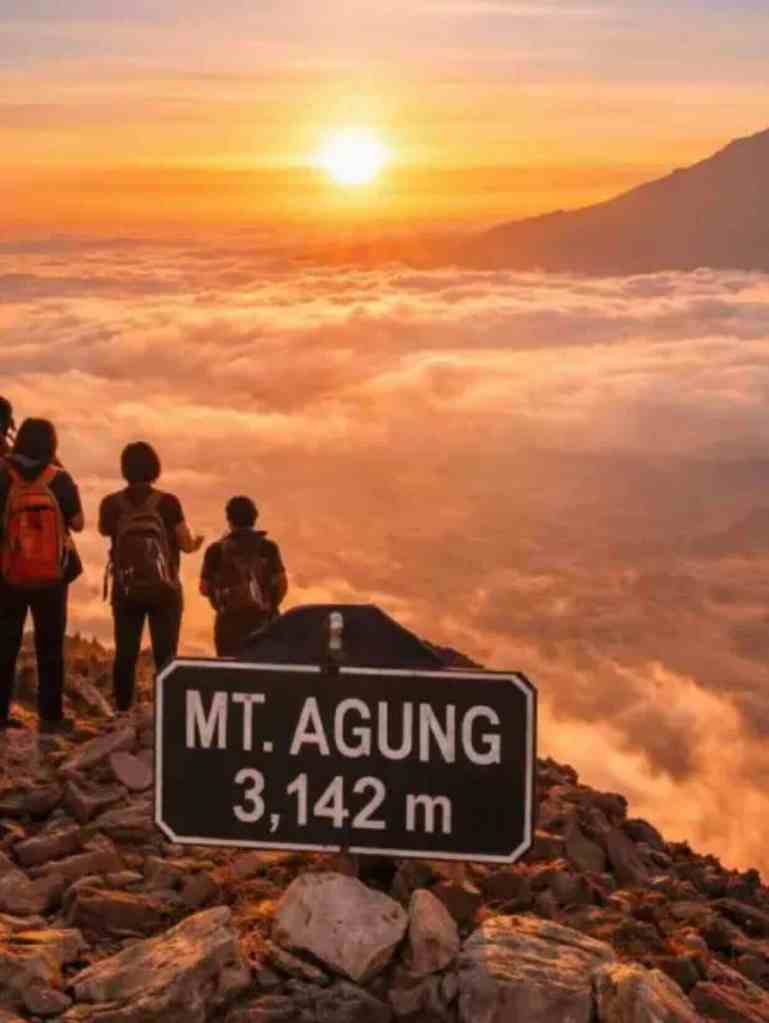
Mount Agung is Bali’s highest mountain and one of the island’s most sacred places. The hike is longer, steeper and considerably more physically demanding than Batur. This is the volcano I would choose if the actual hiking challenge matters just as much as the sunrise.
Mount Agung Hiking Routes
Several routes exist, but the two best-known options for travelers are the routes from Pasar Agung and Besakih.
The Pasar Agung route is shorter and reaches the southern crater area rather than the highest summit. The ascent commonly takes around three to four hours.
The Besakih route is much longer and more demanding, reaching the highest summit area after roughly six to seven hours of climbing, meaning the complete hike can turn into a very long night and morning.
There is also a less commonly used route from the Budakeling area.
Whichever route you choose, this is steep mountain terrain and not something I would approach with the same casual attitude as Mount Batur.
What to Expect Hiking Mount Agung
Most summit attempts begin in the middle of the night so that you reach the upper slopes close to sunrise.
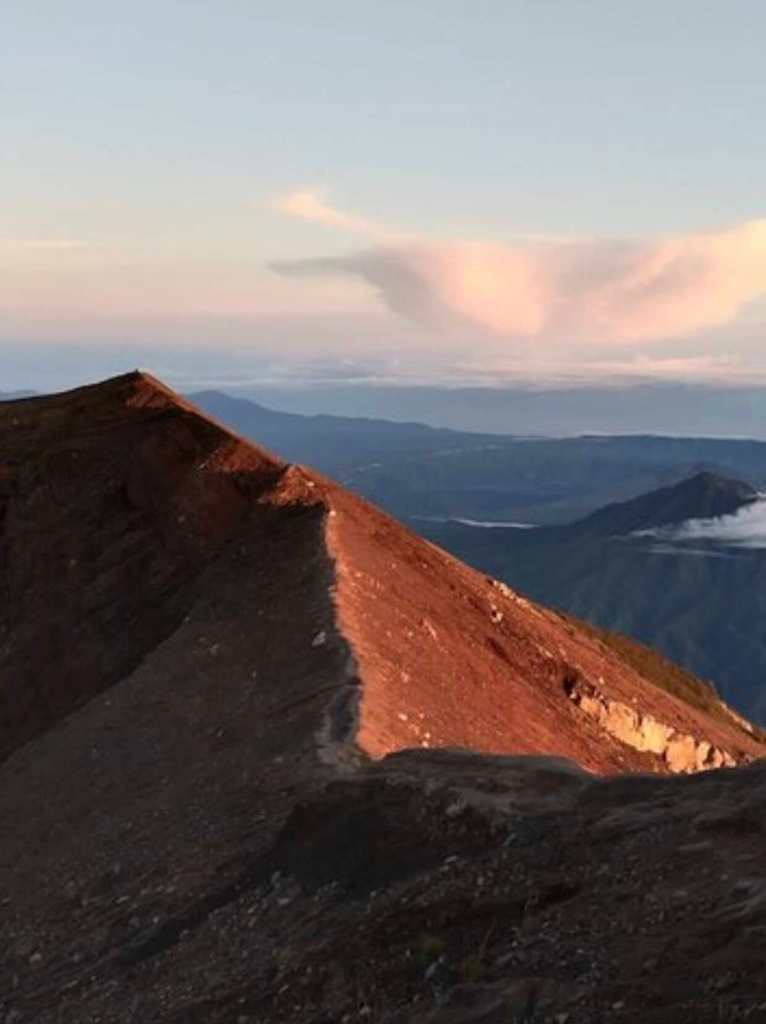
The route passes through forest before becoming progressively steeper and rockier. Higher sections are much more exposed, with loose volcanic rock and cooler temperatures.
On a clear morning, you can get enormous views across Bali, toward Mount Batur and sometimes as far as Lombok. But Mount Agung is also sacred to Balinese Hindus, so access is not based purely on whether the weather looks nice. Trekking routes can temporarily close during important religious ceremonies. Do not try to ignore those restrictions because your itinerary says Tuesday is volcano day.
Check the latest volcanic activity, weather conditions and local access rules on MAGMA Indonesia before booking, and go with an experienced local guide who understands both the mountain and its cultural importance.
Good to know before hiking Mount Agung
This is a hike for fit travelers. Bring good shoes, warm layers, water, snacks, a headlamp and modest clothing if your route includes a temple area. During certain religious ceremonies, trekking may not be allowed.
WHICH TO PICK
Which Volcano Hike in Indonesia Should You Choose?
If you only have time for one, I would choose based on the experience rather than simply picking whichever volcano happens to be closest.
Choose Mount Batur if you want an accessible sunrise hike and have limited trekking experience. Choose Mount Bromo if the dramatic volcanic scenery matters more to you than doing a long hike. Choose Kawah Ijen if you want something stranger and more adventurous, with sulfur fumes, a crater lake and the possibility of seeing blue fire.
Choose Mount Rinjani if you want a serious multi-day trekking adventure and are prepared to suffer a little for it. Choose Mount Agung if you are fit, already comfortable hiking and want Bali’s more demanding volcano experience.
COMBINE HIKES
How to Combine Indonesia’s Best Volcano Hikes
If volcano hiking is one of the main reasons you are traveling through Indonesia, you can actually connect several of these without creating a ridiculous itinerary.
A great route is: Yogyakarta → Mount Bromo → Kawah Ijen → Bali → Mount Batur → Lombok → Mount Rinjani
Start in Java and travel east toward Bromo and Ijen before crossing by ferry into Bali. Spend some time actually enjoying Bali rather than immediately hiking another mountain, then head toward Kintamani for Mount Batur. From Bali, continue to Lombok if you want to finish with Mount Rinjani.
I would not try to squeeze every volcano on this page into one trip unless hiking is basically your entire personality. Bromo, Ijen, Batur and Rinjani already give you four completely different volcanic experiences.
→ READ NEXT: My 3-Week Indonesia Itinerary shows you how to combine Java, Bali and Lombok without spending every second day packing your bag.
BEST TIME TO HIKE
Best Time for Volcano Hiking in Indonesia
For many of the best volcano hikes in Indonesia, the dry season from roughly April or May through October gives you the best chance of clearer views and drier trails.
That does not mean sunshine is guaranteed. Mountains create their own weather, and conditions can change surprisingly quickly even during the dry season.
Rainy-season hiking is possible on some volcanoes, but trails can become muddy and slippery, clouds may completely erase the sunrise you woke up at 2 AM for, and certain routes can close altogether.
Mount Rinjani is the biggest exception to casual year-round planning because its main trekking routes normally close from January through March.
Always check the individual volcano rather than relying on a generic Indonesia weather chart.
Frequently Asked Questions About Volcanic Hikes in Indonesia
What Is the Best Volcano Hike in Indonesia for Beginners?
Mount Batur is probably the best beginner volcano hike in Indonesia because the ascent normally takes around two hours and does not require technical climbing. Mount Bromo is even easier physically, although the classic experience is more of a jeep tour combined with a short crater walk than a traditional mountain hike.
What Is the Hardest Volcano Hike in Indonesia?
Of the volcanoes covered here, Mount Rinjani is the most demanding overall because it involves several days of trekking and a notoriously difficult summit section through loose volcanic gravel. Mount Agung is also a serious hike, particularly if you take one of the longer summit routes.
Should I Hike Mount Bromo or Kawah Ijen?
Choose Mount Bromo if you want the iconic East Java sunrise landscape, jeep adventure and relatively easy crater walk. Choose Kawah Ijen if you prefer something more unusual, with a night hike, sulfur fumes, an acidic crater lake and the chance to see blue fire.
If your Java itinerary allows it, do both. They feel completely different.
Is Mount Batur or Mount Agung Better?
Mount Batur is better for beginners, travelers short on time and anyone who mainly wants a beautiful Bali sunrise hike.
Mount Agung is longer, harder, quieter and much more physically demanding. Choose Agung because you want the challenge, not because somebody told you the view is technically higher.
Do You Need a Guide to Hike Volcanoes in Indonesia?
It depends on the volcano, but I would use a guide for Kawah Ijen, Mount Rinjani and Mount Agung. Mount Bromo is easier to organize independently, although most visitors still use a jeep driver or tour for the sunrise logistics.
For Mount Batur, guided sunrise hikes are the standard option and make the early-morning logistics much simpler.
What Should You Wear for Volcano Hiking in Indonesia?
Wear comfortable hiking clothing and shoes with proper grip. For sunrise hikes, take warm layers because temperatures at higher elevations can feel surprisingly cold before dawn despite Indonesia’s tropical climate.
For Kawah Ijen you will also need appropriate respiratory protection because of the sulfur fumes, while multi-day Rinjani treks require warmer sleeping clothes, extra socks and more serious hiking equipment.
Are Volcano Hikes in Indonesia Safe?
Thousands of travelers hike Indonesia’s volcanoes every year, but these are still active mountains with changing weather, volcanic activity and occasionally difficult terrain.
Check official conditions before leaving, respect closures and listen to experienced local guides. If authorities close a crater or trekking route, that is not an invitation to find a creative alternative entrance.
Are Indonesia Volcano Hikes Crowded?
Some definitely are.
Mount Batur and Mount Bromo can become extremely busy around sunrise, particularly during weekends and Indonesian holidays. Kawah Ijen can also attract large groups overnight.
Mount Rinjani and Mount Agung generally feel less like one giant sunrise tour group, although that comes with the minor trade-off of having to work considerably harder.
Avoid weekends, national holidays and peak travel periods where possible if crowds bother you.
Are volcano hikes in Indonesia expensive?
The cost depends on the volcano, transport, entrance fees, guide, group size and what is included. Mount Batur and Mount Bromo are usually more affordable. Mount Ijen costs more if you include transport, guide and gas mask rental. Mount Rinjani is the most expensive because it is a multi-day trek with guides, porters, camping gear, food and permits included.
Is Volcano Hiking in Indonesia Worth It?
Absolutely.
Indonesia’s volcanoes are some of the most spectacular landscapes in the country, but the best part is that no two experiences on this list feel the same. Bromo gives you enormous cinematic landscapes, Ijen feels strange and almost otherworldly, Batur is an easy introduction, Agung gives you a proper mountain challenge and Rinjani turns volcano hiking into a full multi-day adventure.
Just choose the hike that actually suits your fitness level and itinerary. There is no prize for climbing the hardest mountain if you spend the following four days unable to walk down a staircase.
EXPLORE MORE
Continue Exploring Indonesia
Not sure what comes next, continue with my 2-Week in Bali Itinerary or have a look at my 3-Week Indonesia Itinerary to see how I would combine different parts of the country without turning the entire holiday into transport.
Trying to decide which islands are actually worth your time? Read my 10 Best Islands in Indonesia, or have a look at my Travel Guides below.
TROPICAL GETAWAY
Nusa Islands Travel Guide

TRAVEL GUIDE
Best Snorkeling in Bali
TRAVEL GUIDE
Top 10 Islands in Indonesia

ITINERARY
2 Weeks In Bali
ITINERARY
3 Weeks In Indonesia

TRAVEL GUIDE
Bali Travel Guide



NEWSLETTER
Subscribe for travel tips, new vlogs & life behind the scenes.
© 2026 Keep Up With Car – All rights reserved.
