Last updated on August 20th 2026
SUMBA TRAVEL GUIDE
Wild Beaches, Traditional Villages, Waterfalls & the Ultimate Sumba Road Trip
Sumba is not Bali without the beach clubs. It is bigger, drier, rougher around the edges and considerably more unpredictable. Roads disappear into savanna, horses wander through enormous landscapes, traditional villages still sit around ancestral tombs, waterfalls hide down slippery paths and some of the island’s most spectacular beaches are places I would admire long before casually jumping into the water.
That is exactly why I loved it.
WHY SUMBA?
Why Visit Sumba?
I road-tripped through different parts of Sumba rather than staying inside the luxury-resort bubble, and the experience was a strange mix of ridiculously beautiful landscapes, genuinely warm encounters with local people, long drives, empty beaches, rough roads and a few situations that were considerably less comfortable.
This guide is therefore not going to tell you that every beach is “paradise” and every interaction was magical. Most were lovely. A few absolutely were not.
And I think both are useful to know before you arrive.
Planning a bigger trip? Continue with my 3-Week Indonesia Itinerary or compare Sumba with my Best Islands in Indonesia guide.

- Weekuri Lagoon, Kabupaten Sumba Barat Daya, East Nusa Tenggara, Indonesia
- Simpang Walakiri, Kabupaten Sumba Timur, East Nusa Tenggara, Indonesia
- Homba Rande, Kabupaten Sumba Barat Daya, East Nusa Tenggara, Indonesia
- Waingapu, Kabupaten Sumba Timur, East Nusa Tenggara, Indonesia
- Jalan Waikabukak – Wanokaka, Kabupaten Sumba Barat, East Nusa Tenggara, Indonesia
- Kota Waikabubak, Kabupaten Sumba Barat, East Nusa Tenggara, Indonesia
SUMBA ESSENTIALS
Sumba At A Glance
Best for: Road trips, traditional villages, waterfalls, horses, dramatic beaches and landscapes
Location: East Nusa Tenggara, Indonesia
Ideal first trip: 7 to 10 days
Minimum worthwhile trip: 4 days if you concentrate on one side
Main airports: Waingapu in East Sumba and Tambolaka in Southwest Sumba
Best time for road trips: Roughly May to October
Best for green landscapes: Wet season and the transition into the dry season
Best cultural experience: Traditional villages and Pasola
Best place to swim: Weekuri Lagoon
Best viewpoint: Wairinding Hills
Best wildlife scenery: Horses around East Sumba and Puru Kambera
Best way to travel: Private driver or driver-guide
Main downside: Long distances, rough roads and limited tourism infrastructure outside major areas
Sumba has two airports, one serving the eastern side around Waingapu and another near Tambolaka in Southwest Sumba, which makes it possible to road-trip across the island without driving all the way back again. Indonesia’s official tourism information also identifies these as the island’s two main air gateways.

Is Sumba Worth Visiting?
Yes, if you want the adventure part of Indonesia rather than the easy part.
Sumba has huge open savannas, limestone hills, traditional thatched villages, megalithic tombs, horses, waterfalls and an Indian Ocean coastline that feels far more exposed and powerful than most of Bali.
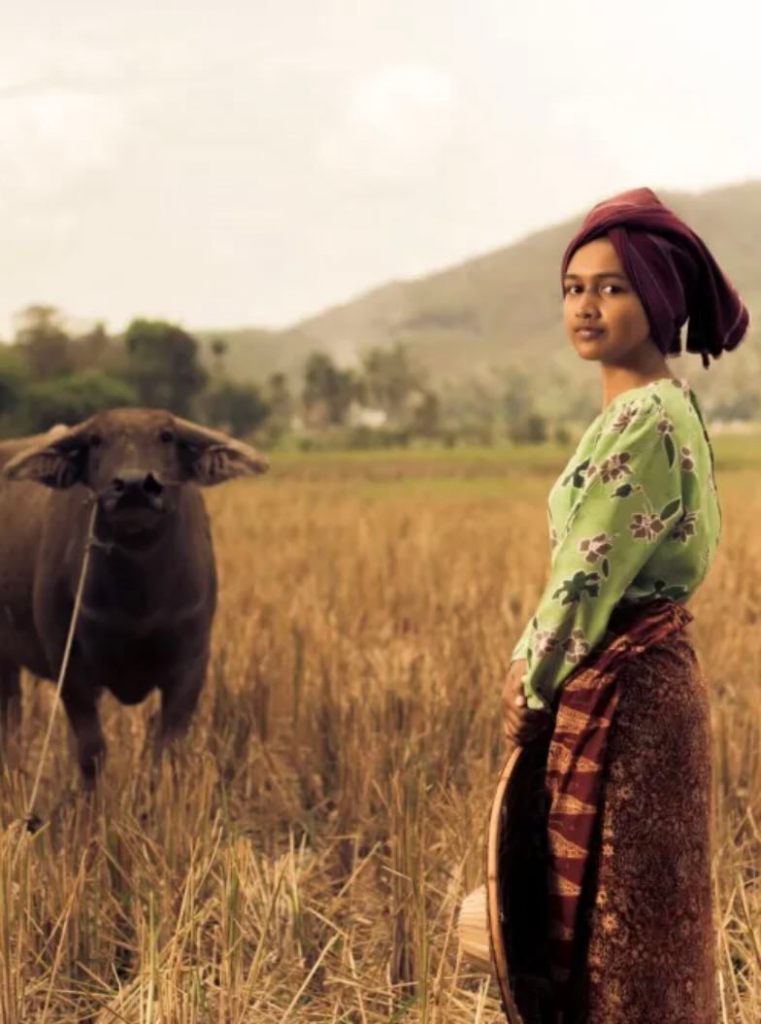
Traditional Marapu beliefs also remain an important part of Sumbanese culture, while ikat weaving and the island’s famous Sandalwood horses form part of Sumba’s cultural identity.
It is not the island I would choose if you want to unpack once, walk to restaurants every night and spend five days rotating between a pool and a calm beach. It is the island I would choose if driving through enormous empty landscapes sounds like part of the holiday.
What Makes Sumba Different From Bali?
Bali is vastly easier. More hotels. More restaurants. Better roads. Easier transport. More cafés. More people who already understand exactly what tourists want.
Sumba makes you work a little harder. Distances are bigger than they look. Google Maps can be wildly optimistic. Fuel becomes something you actually think about. Restaurant options disappear once you leave the main towns, and a beach that looks twenty minutes away may involve a road with opinions. But the reward is that Sumba still feels like Sumba. You are not simply moving between tourism businesses.
You’re travelling through an island where agriculture, villages, ceremonies, horses and traditional architecture are still part of daily life.
HOW LONG TO STAY
How Many Days Do You Need in Sumba?
3 to 4 Days
With three or four days, choose one side of the island. Do not attempt the full thing.
For a first short trip, I would concentrate on Southwest and West Sumba because Weekuri Lagoon, Ratenggaro, Prai Ijing, Lapopu and several dramatic beaches can be combined relatively efficiently.
Alternatively, base yourself in Waingapu and concentrate entirely on East Sumba.
5 to 7 Days
This gives you enough time to combine East and West/Southwest Sumba, but you will still need to choose your stops carefully.
I would fly into one airport and out of the other rather than wasting a day retracing the entire island.
8 to 10 Days
This is what I would choose for a proper first road trip. You can spend two to three days in East Sumba, cross toward Waikabubak, explore the western villages and waterfalls and then slow down around Southwest Sumba and the south coast.
You also get some breathing room when a road takes twice as long as expected. Which will happen.
Two Weeks
You can genuinely travel slowly. Add more remote beaches, smaller villages, longer waterfall trips, resort days, surfing or simply stop trying to turn every day into an achievement. Sumba benefits enormously from having spare time.
KNOW THE ISLAND
Which Part Of Sumba Should You Visit?
One thing I would change immediately from the way Sumba is often described online is treating “North Sumba” as if it were another major tourism region. For travel planning, it is much clearer to think in terms of East Sumba, West Sumba, Southwest Sumba and the south coast.
| Area | Best For | How Many Days |
| East Sumba | Wairinding, Walakiri, Puru Kambera, waterfalls, horses | 2 to 3 days |
| West Sumba | Prai Ijing, Lapopu, traditional villages, Waikabubak | 1 to 2 days |
| Southwest Sumba | Weekuri, Ratenggaro, Mandorak, Kodi, beaches | 2 to 3 days |
| South Coast | Wild beaches, cliffs, road trips, surf scenery | 1 to 2 days |
East Sumba
East Sumba feels enormous.
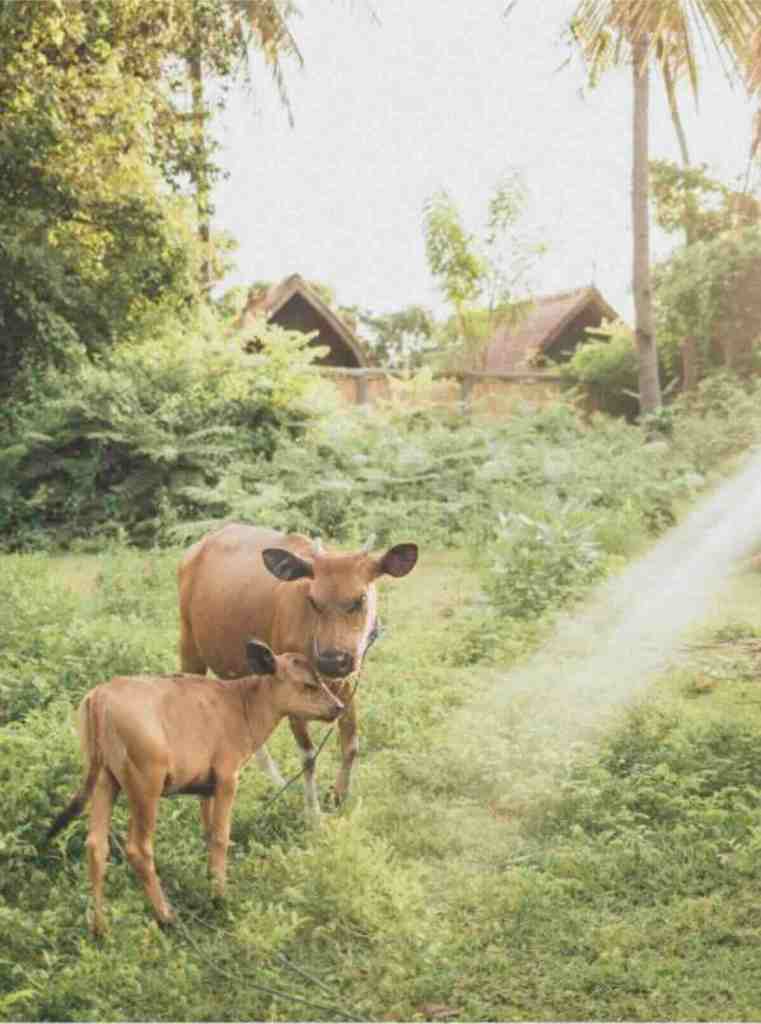
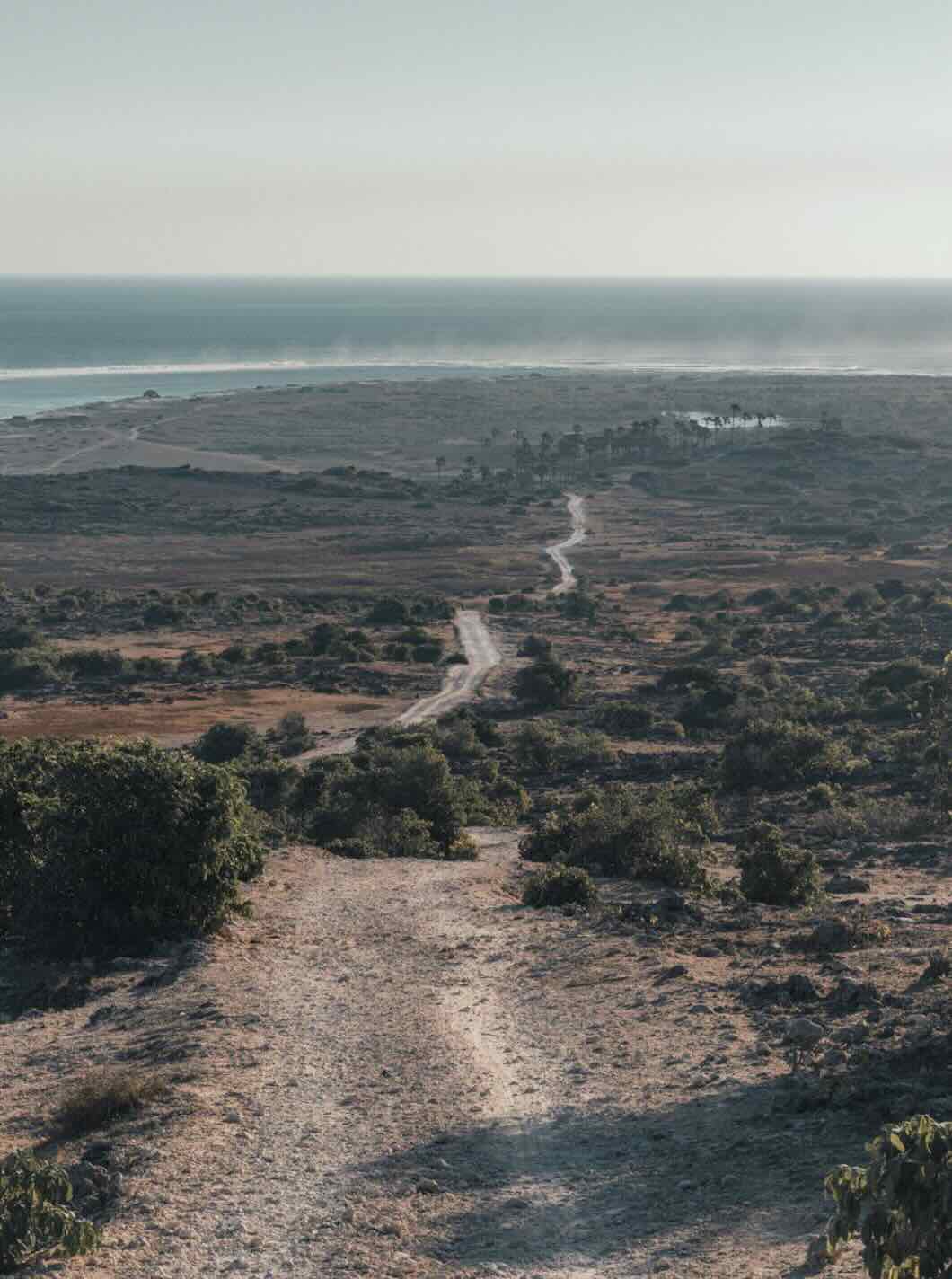
This is where you find open savannas, rolling hills, long empty roads, traditional villages, waterfalls and some of the island’s best horse country.
Waingapu is the practical base. From there you can reach Wairinding Hills, Walakiri Beach, Puru Kambera and several villages and waterfalls.
The north coast around Puru Kambera is quieter and flatter, while inland East Sumba becomes more dramatic and mountainous.
If photography and landscapes are one of your main reasons for coming to Sumba, I would not skip the east.

West Sumba
West Sumba is smaller geographically but packed with cultural interest.
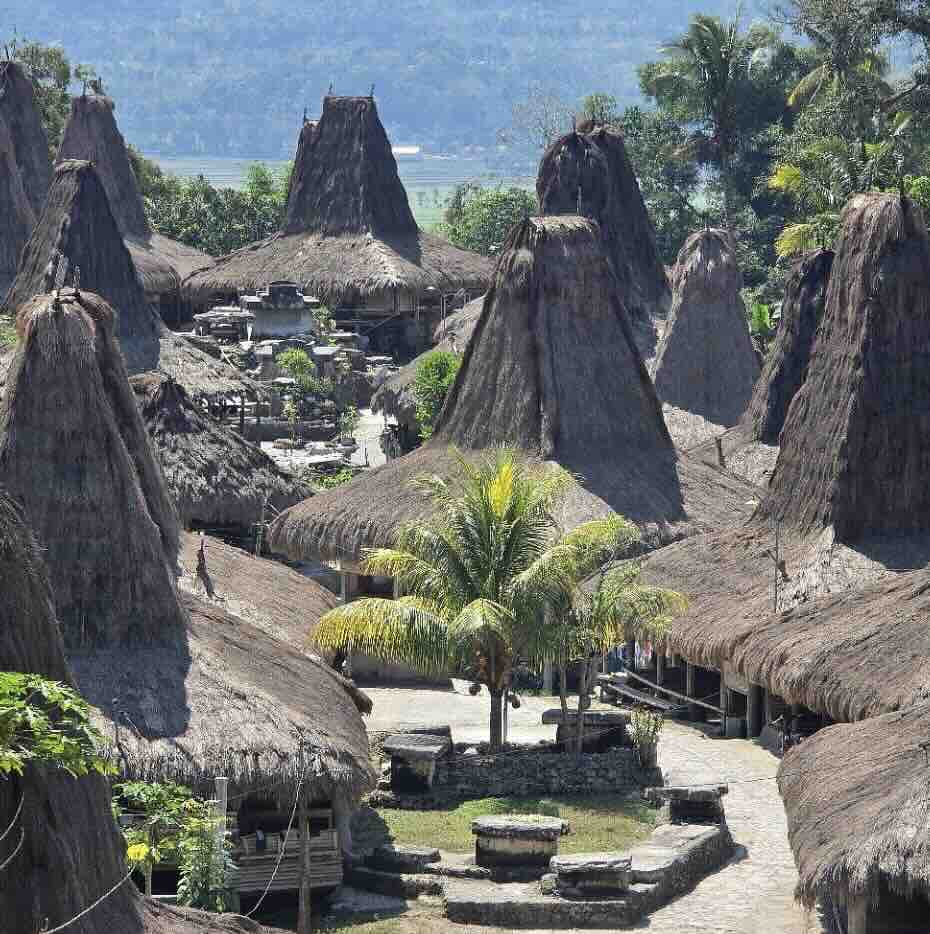
Waikabubak makes a useful base for Prai Ijing and other traditional villages, as well as Lapopu Waterfall and the surrounding countryside. This is also one of the best areas to learn more about Sumbanese architecture and Marapu culture without needing to turn every day into another six-hour drive.

Southwest Sumba
This is where many of Sumba’s most recognizable attractions are concentrated.
Think Weekuri Lagoon, Ratenggaro Village, Mandorak Beach, Kodi and the western coastline. It is also where you’ll find more high-end resort development than in East Sumba. Southwest Sumba is beautiful, but I would also travel here with slightly more awareness around informal fees and isolated coastal areas. More on that later.
The South Coast
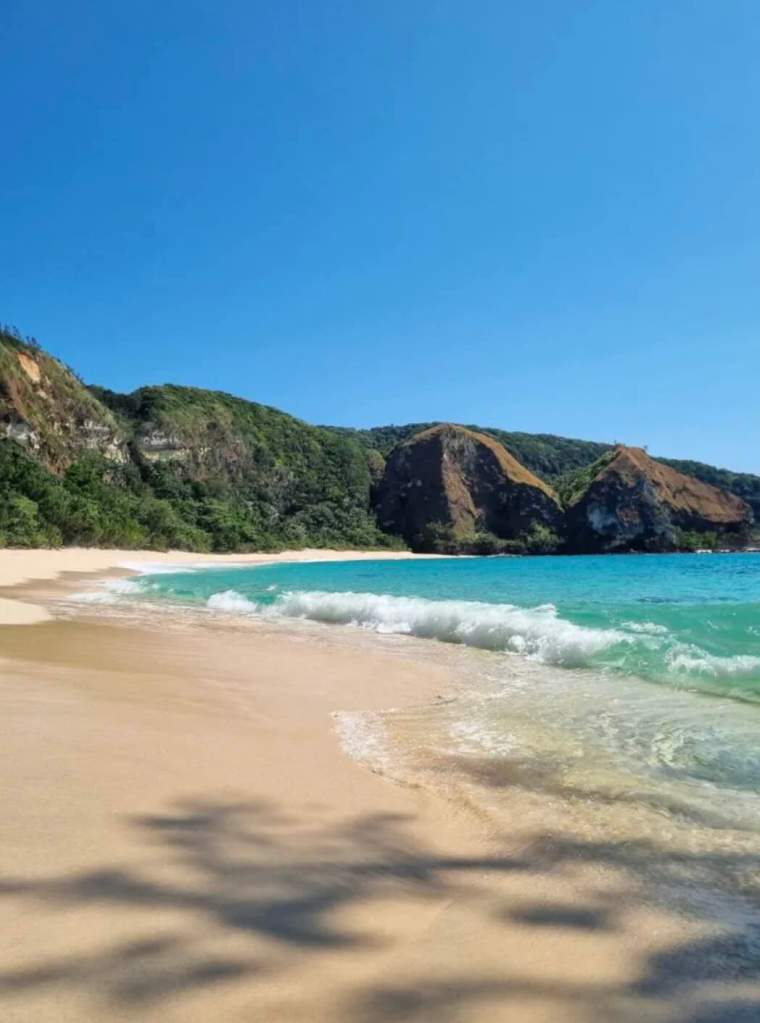
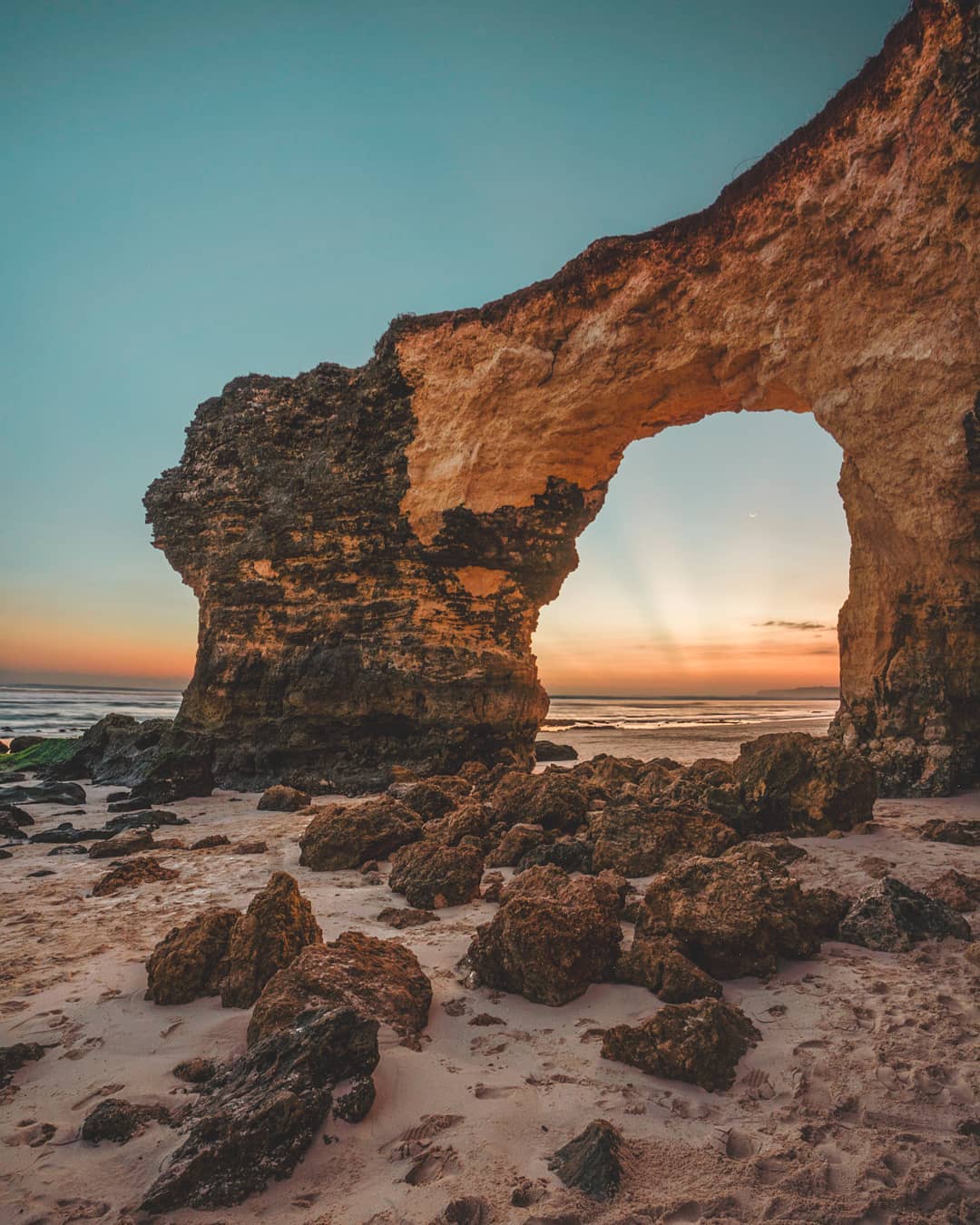
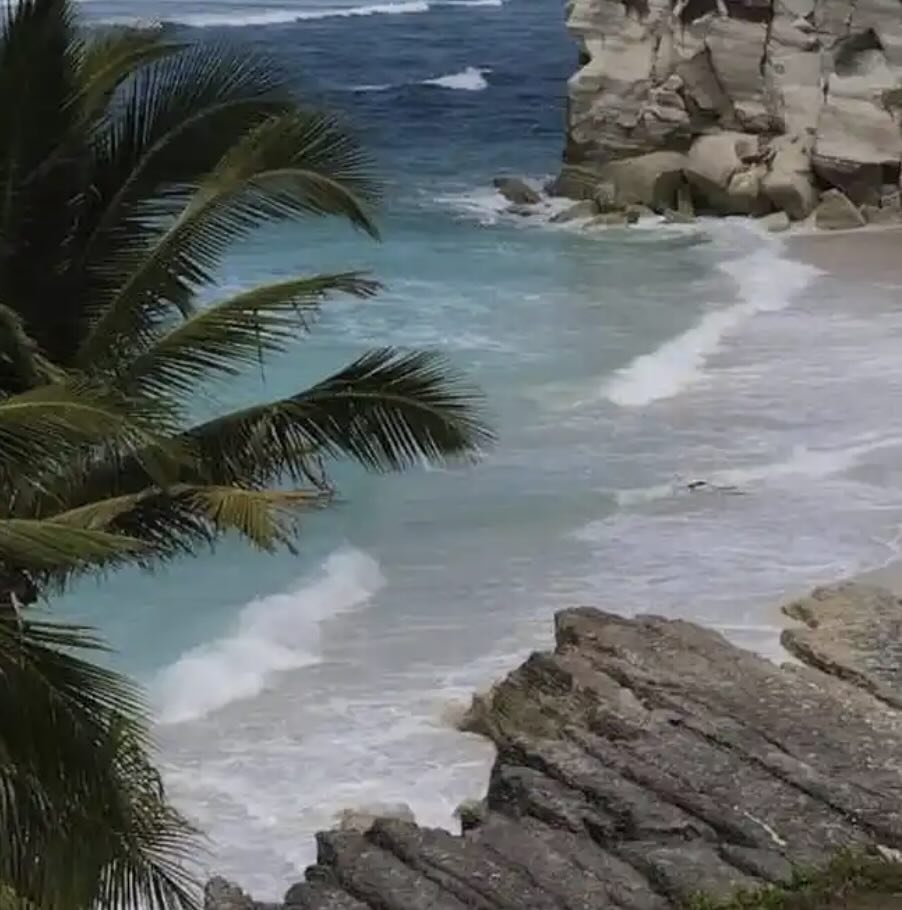
The south coast is where Sumba becomes properly wild. Huge beaches. Cliffs. Strong surf. Long stretches with very little infrastructure.
Places like Watu Maladong, Marosi, Watubela and Mbawana work better as a road trip than as individual bucket-list attractions. Come for scenery first. Swimming second. Possibly not at all depending on conditions.
WHEN TO GO
Best Time To Visit Sumba
Sumba can look completely different depending on the season.
May to October: Best for Road Trips
This is generally the drier period and the easiest time for driving, beaches and outdoor exploration.
Indonesia’s tourism authority broadly describes April to October as Indonesia’s dry season, while Sumba’s strongest surf is commonly associated with roughly May to October.
The landscapes progressively become more golden as the dry season continues.
November to April: Greener Sumba
The wetter season transforms many of Sumba’s hills.
Wairinding can become intensely green, waterfalls carry more water and the island looks completely different from the dusty golden Sumba you see in many photographs.
The downside is that remote roads can become muddier and harder to access.
When Would I Go?
For a first full road trip, I like the transition period around May or June.
You have a better chance of easier road conditions without the entire island being at its driest.
For those iconic golden hills, go later in the dry season.
For green Sumba, accept that the weather comes with the package.
GETTING THERE
How To Get To Sumba?
Fly to Waingapu
Umbu Mehang Kunda Airport (WGP) serves East Sumba.
Choose this if you’re beginning with:
- Wairinding
- Walakiri
- Puru Kambera
- East Sumba waterfalls
Fly to Tambolaka
Tambolaka / Lede Kalumbang Airport (TMC) serves Southwest Sumba.
Choose this for:
- Weekuri
- Ratenggaro
- Kodi
- Southwest Sumba
- Western resorts
Indonesia’s official tourism information confirms that Sumba is served by the airports at Waingapu and Tambolaka.
Best Option: Fly Into One and Out of the Other
This is easily my favourite option.
Fly: Waingapu → road trip west → Tambolaka (or reverse it). That saves an enormous amount of backtracking.
Flight routes change, so check actual schedules when planning rather than relying on a travel blog that confidently lists an airline route from three years ago.
Ferries to Sumba
Ferries also connect Sumba with other parts of eastern Indonesia, but services and schedules are much less convenient for a short holiday.
If you are travelling slowly, carrying a vehicle or continuing a longer overland trip, check current routes directly with ASDP Indonesia Ferry rather than planning around an old timetable. Check current ASDP ferry information
For most short trips, I would fly.
THINGS TO DO
Best Things To Do In Sumba
1. Swim at Weekuri Lagoon
Best for: Swimming, clear water and an easy half-day stop
Location: Southwest Sumba
Combine with: Mandorak Beach and Kodi
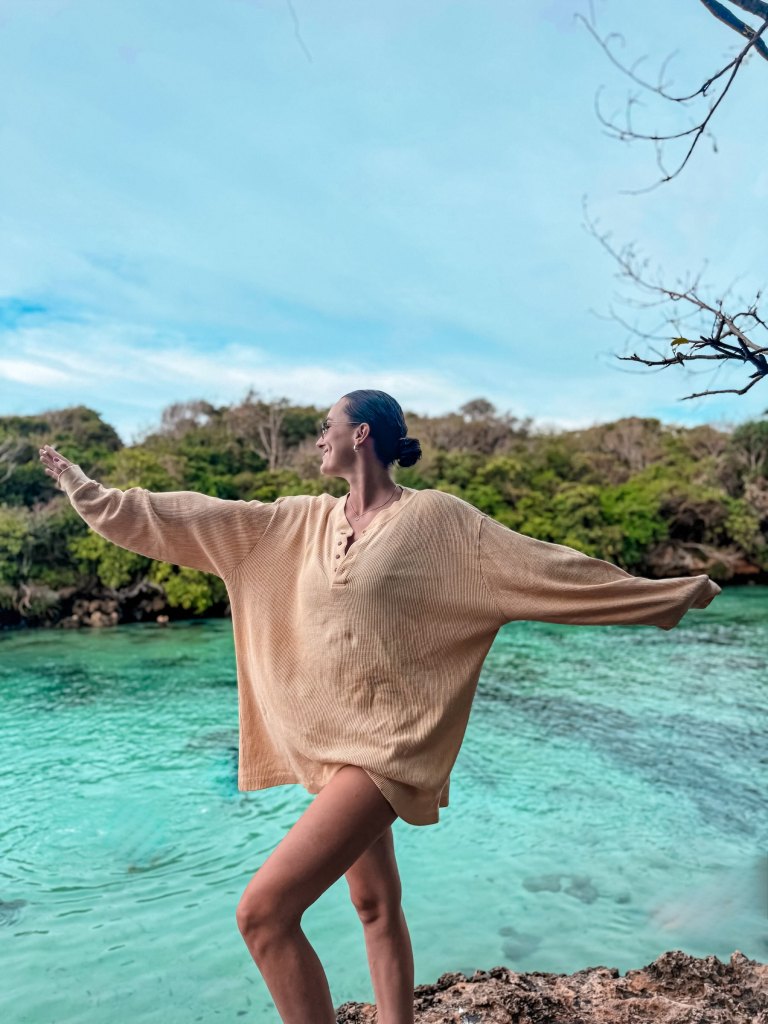
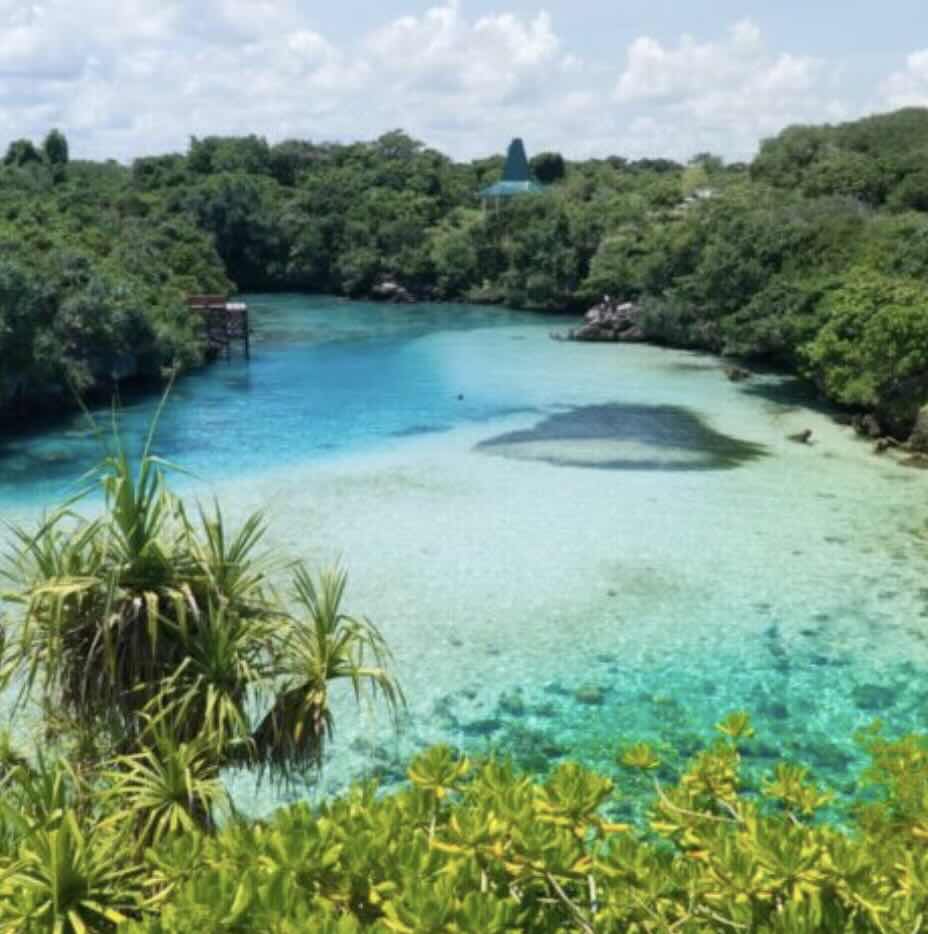
Weekuri is one of the few famous Sumba attractions that I think is genuinely worth the hype. The lagoon is saltwater, with incredibly clear blue-green water enclosed by limestone and coral rock. Indonesia’s tourism authority places it in Kalena Rongo Village in Southwest Sumba and specifically identifies swimming as one of the main activities here.
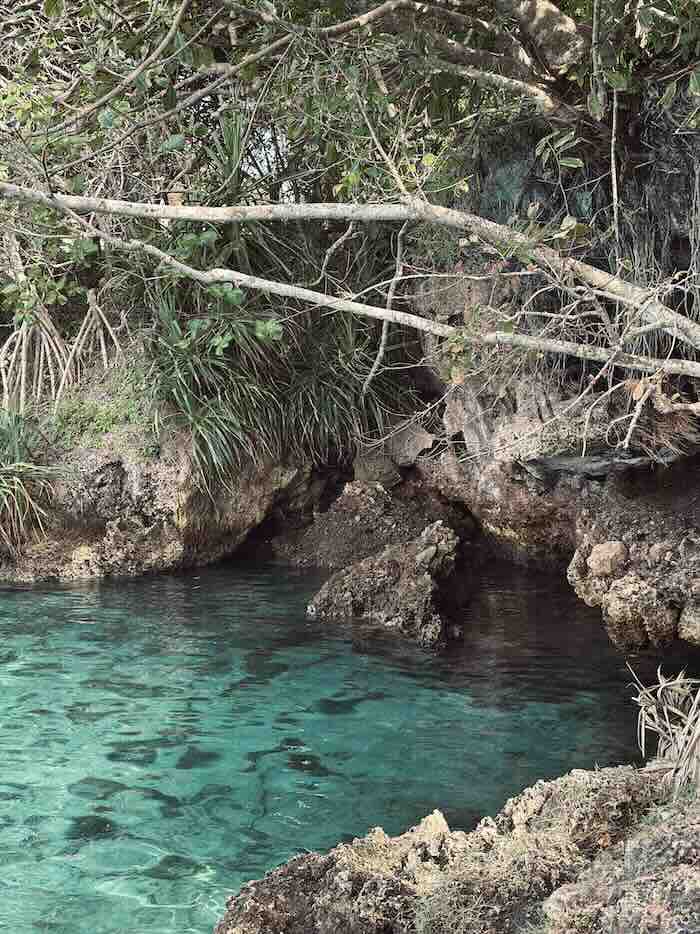
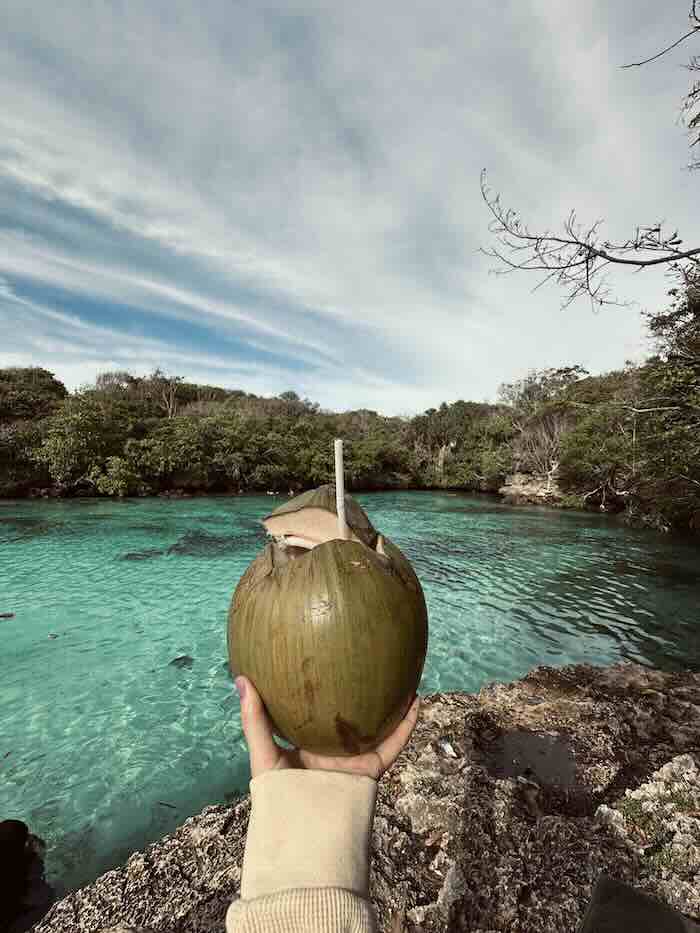
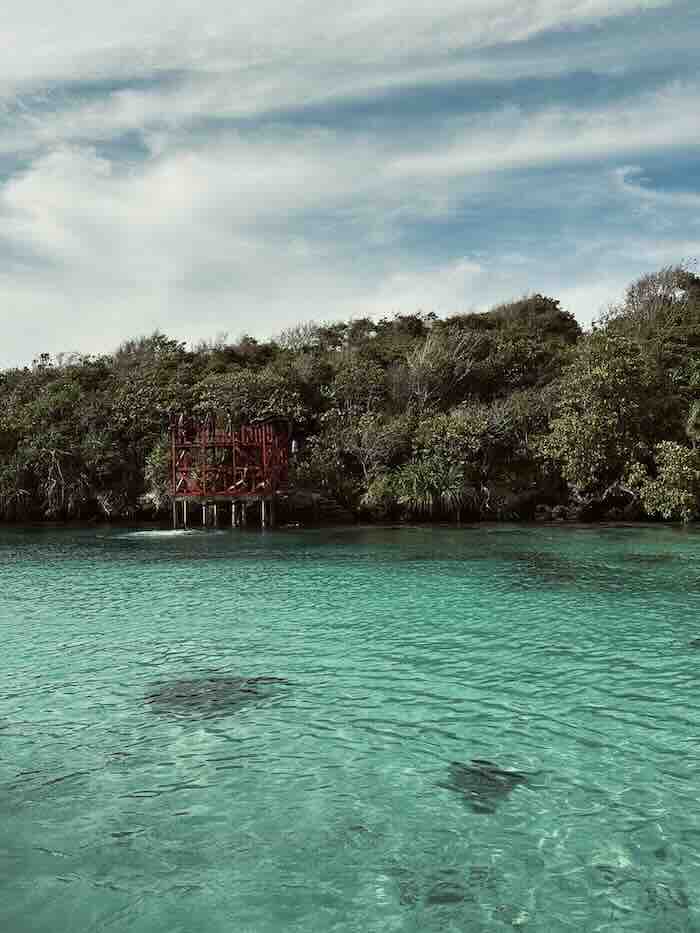
The water was calm when we visited, which made it feel completely different from Sumba’s much rougher open-ocean beaches.
Walk around the boardwalk and rocks first because the higher viewpoint gives you a much better idea of the lagoon’s shape. Then get in.
Car’s Tip: Bring water shoes if you have them. The exposed coral and limestone around the lagoon can be extremely sharp, and this is not the moment to discover how little protection wet flip-flops actually provide.
You can find official visitor information through Indonesia Travel’s Weekuri Lagoon page.
2. Visit Ratenggaro Village
Best for: Traditional architecture, culture and photography
Location: Kodi, Southwest Sumba
Combine with: Weekuri, Pero and Southwest Sumba beaches
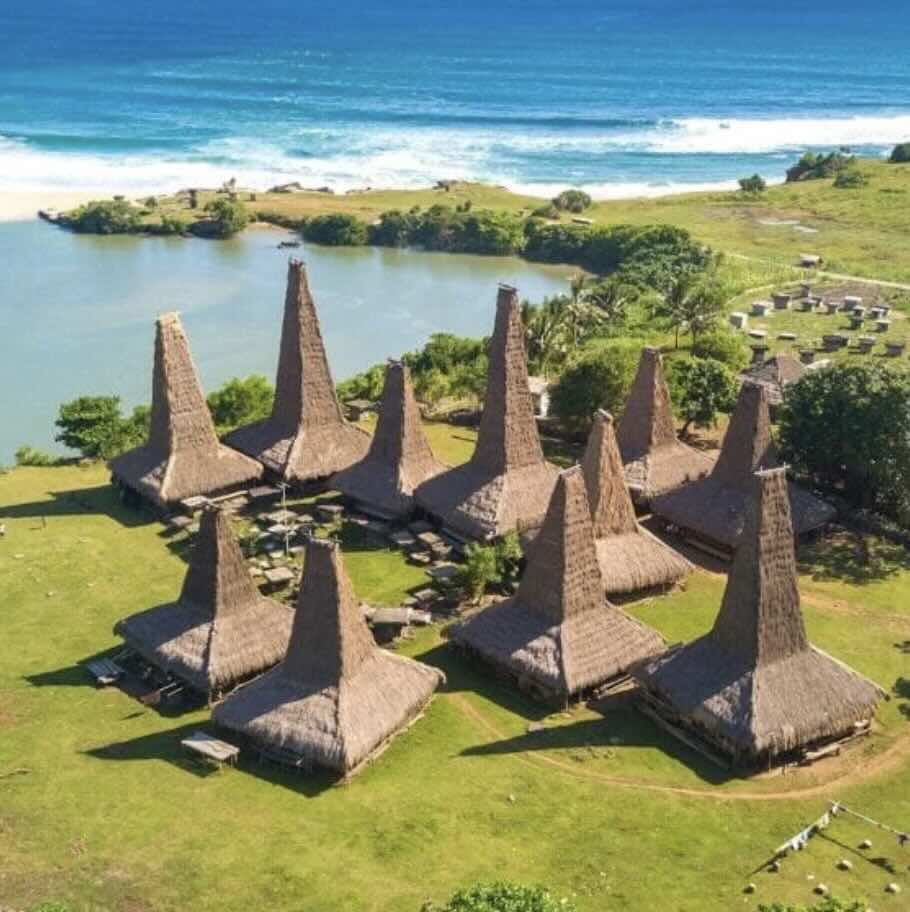
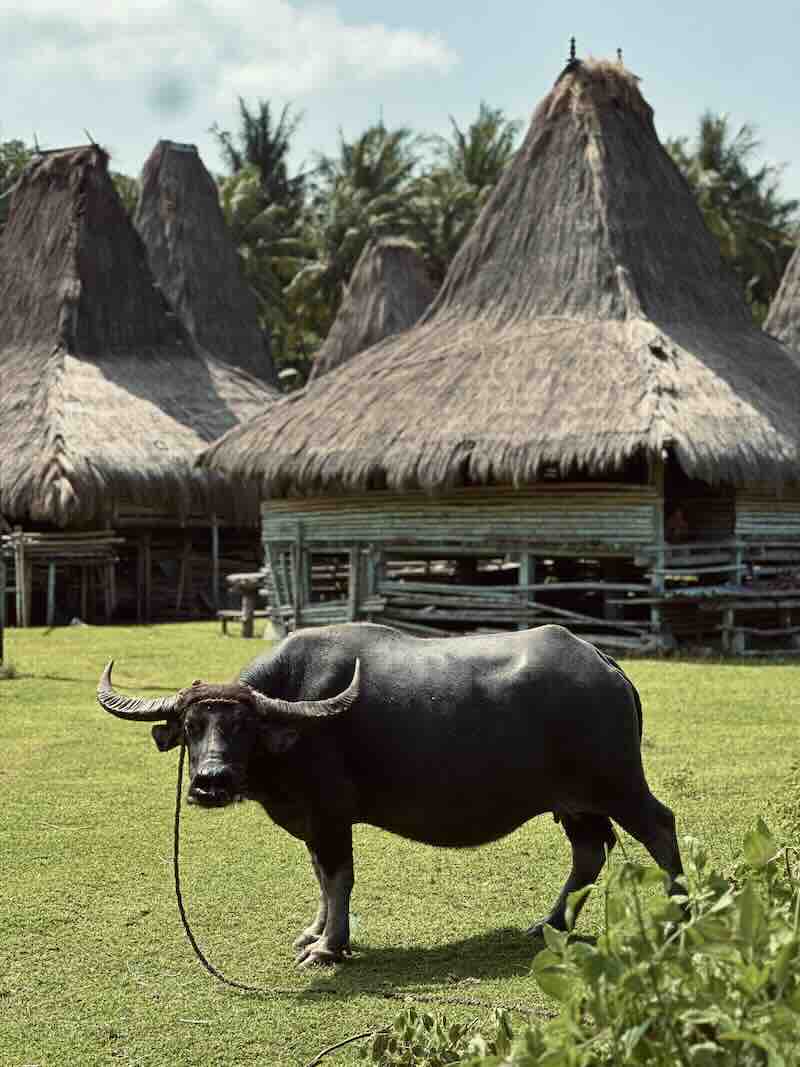
Ratenggaro is one of Sumba’s most recognizable traditional villages. The houses have incredibly tall pointed roofs, while large megalithic tombs sit around the village and the coast lies just beyond it. This is a living village, not a reconstructed tourist attraction. Treat it accordingly. Ask before photographing people at close range, don’t climb on tombs and don’t walk into houses unless you are invited.
Buying ikat, bracelets or handmade crafts directly from families is also a much better way to leave money behind than randomly handing cash to children.
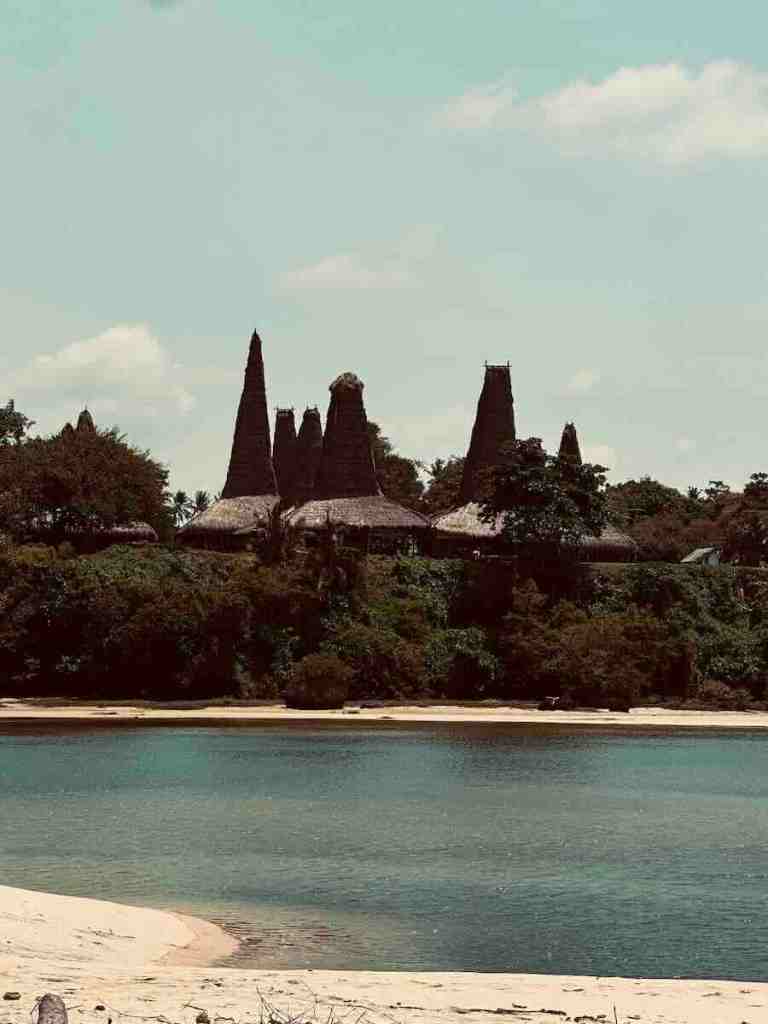
Important Safety Warning Around Ratenggaro: Do not casually swim in nearby river mouths or estuaries just because the water looks inviting. In January 2026, an 11-year-old boy was reportedly attacked by a crocodile at Muara Ratenggaro while entering the water after collecting crabs. Another fatal crocodile incident was reported in a Southwest Sumba river in February 2025. This does not mean Ratenggaro itself is unsafe to visit. It means crocodiles are a real consideration around some rivers and estuaries in Southwest Sumba. If someone says there are crocodiles, believe them. This is not the moment for independent research.
3. Watch Sunset at Wairinding Hills
Best for: Landscapes, sunset and photography
Location: East Sumba
Combine with: Waingapu
Wairinding is probably Sumba’s most famous hill viewpoint, and it looks almost like two different places depending on when you visit. During the wetter months the hills can turn incredibly green. During the dry season they become golden brown.
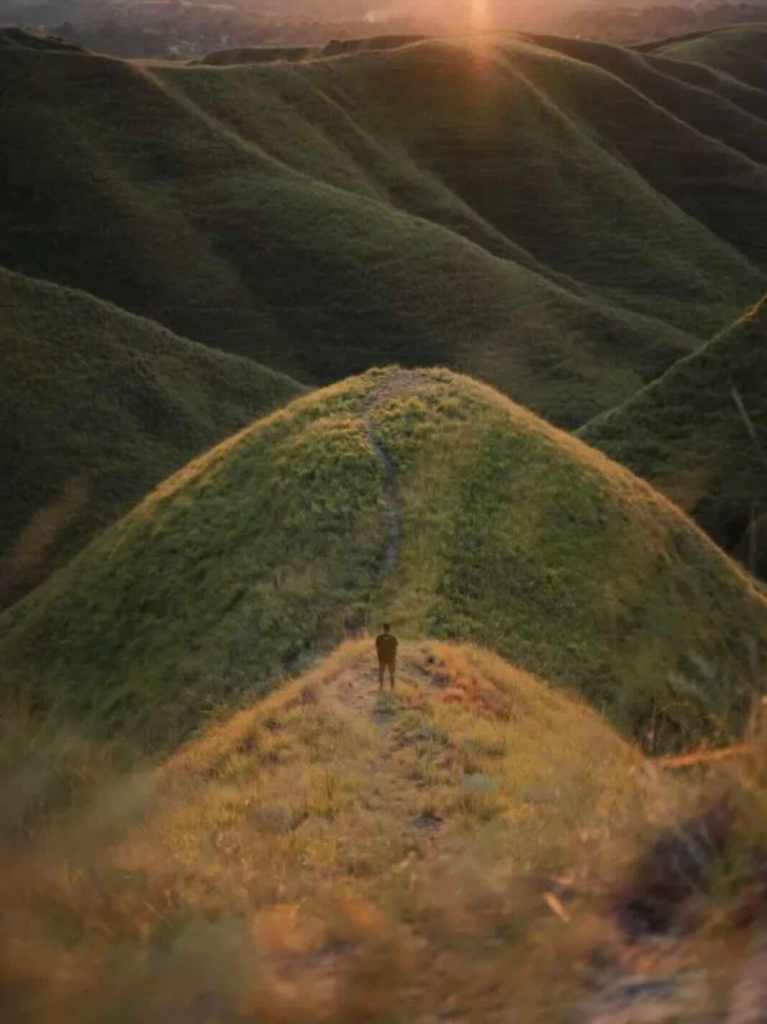
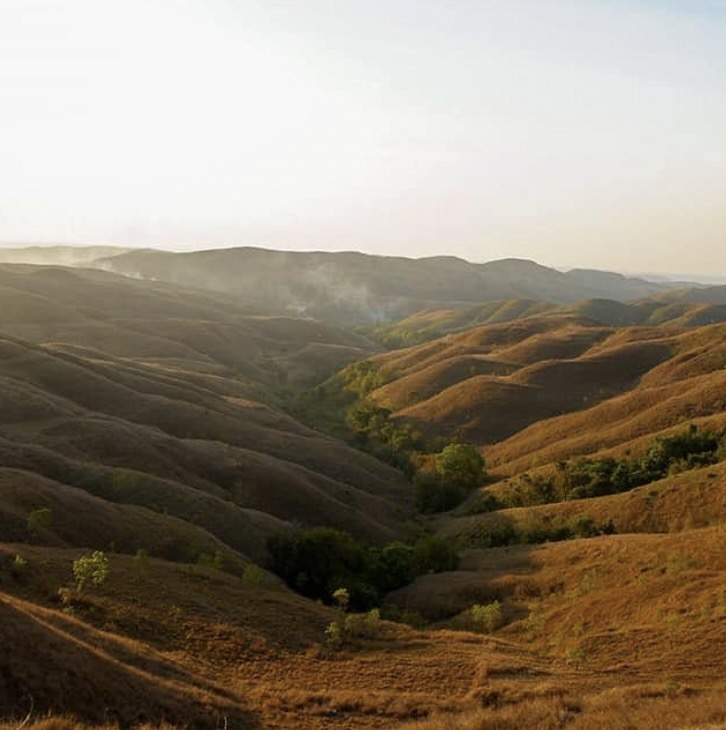
Indonesia Travel describes exactly this seasonal transformation and places Wairinding roughly half an hour from central Waingapu.
I prefer coming later in the afternoon when the light gets softer and the ridges become more defined. There isn’t a giant list of things to do. Walk. Find a viewpoint. Watch the hills change colour. Sometimes an attraction is allowed to simply look good.
Official information: Wairinding Hills on Indonesia Travel.
4. Look for Horses Around Puru Kambera
Best for: Horses, open landscapes and quiet coastal roads
Location: North coast of East Sumba
Combine with: Puru Kambera Beach and Waingapu
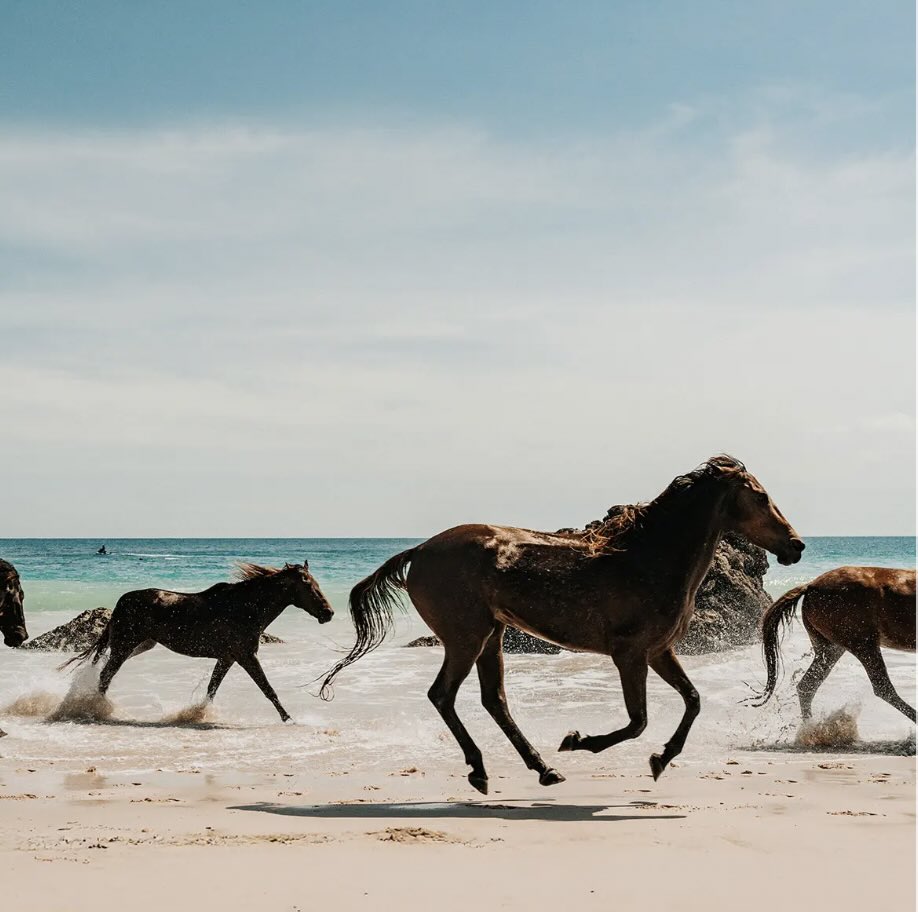
Sumba and horses are deeply intertwined. The island is known for its Sandalwood horses, and East Sumba is one of the best areas to experience those enormous dry landscapes where horses actually make sense in the scenery rather than looking like they were placed there for a tourism campaign.
Around Puru Kambera, you may see horses in the savanna and around the surrounding coastal area. Do not build the entire day around a guaranteed cinematic herd galloping through the surf. They are animals. They have not read your itinerary.
Puru Kambera Beach itself is also quiet and relatively undeveloped, with pale sand and clear water.
5. See the Dancing Trees at Walakiri Beach
Best for: Sunset
Location: East Sumba
Combine with: Waingapu
Walakiri is known for the small mangrove trees that become strange little silhouettes when the tide recedes. People call them the dancing trees, and once you’ve seen them at sunset it becomes obvious why every photographer on Sumba eventually ends up standing here with a tripod.
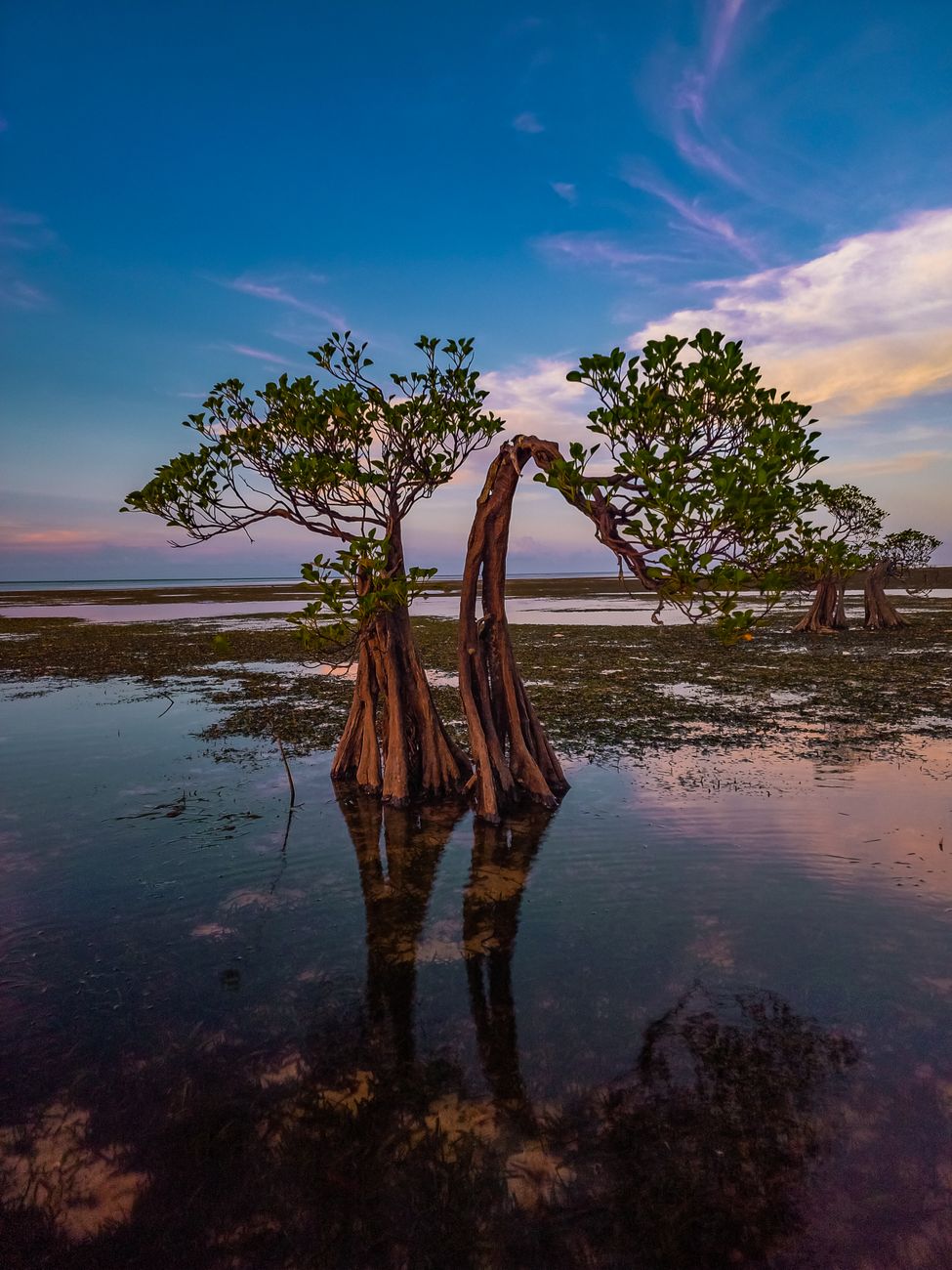
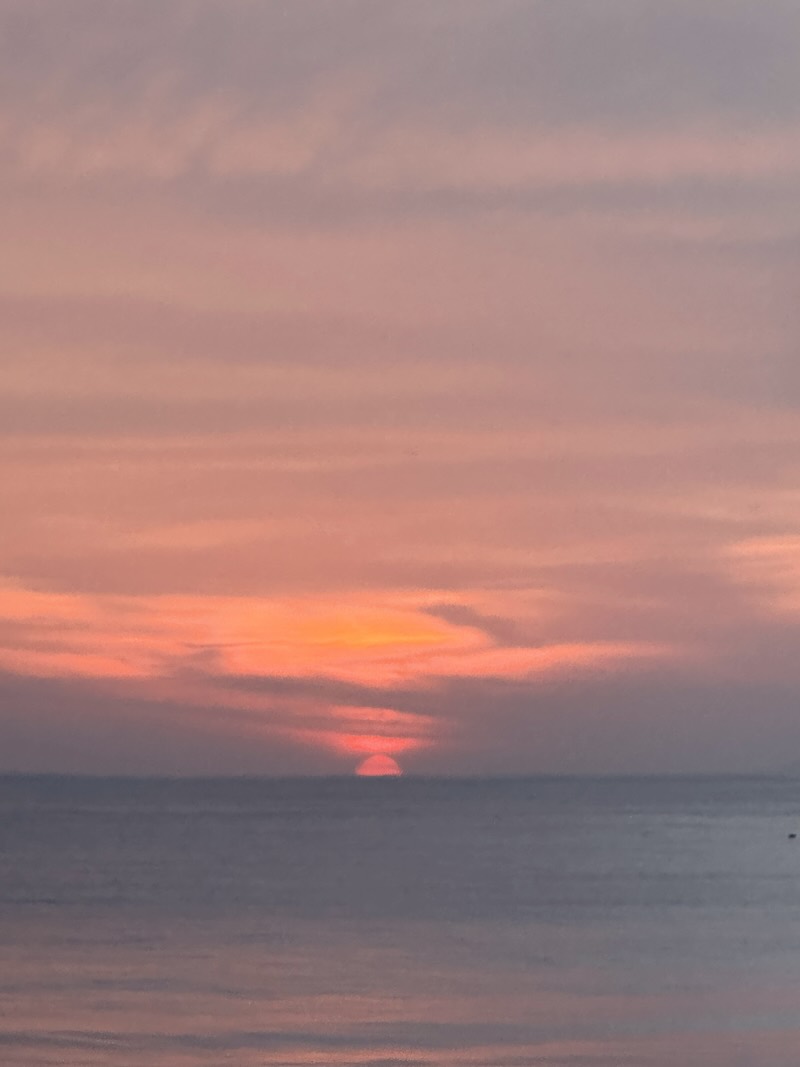
Timing matters. At high tide, the entire effect is different. Check sunset and tide conditions before you drive out. Indonesia’s official tourism site also highlights Walakiri specifically for its sunset silhouettes and dwarf mangroves.
Official information: Walakiri Beach on Indonesia Travel.
6. Swim at Waimarang Waterfall
Best for: Swimming and adventure
Location: East Sumba
Combine with: An East Sumba road-trip day
Waimarang is one of the prettier swimming spots in East Sumba. The water collects inside a rocky gorge, with a beautiful blue-green pool surrounded by cliff walls.
Getting there involves a walk downhill and, inevitably, the same walk uphill again. The path can become slippery after rain, so wear proper footwear. I would also avoid assuming every waterfall looks exactly like Instagram year-round. Rain changes water colour, flow and access.
7. Explore Tanggedu Waterfall
Best for: Canyon scenery and a more adventurous waterfall trip
Location: Kanatang, East Sumba
Tanggedu is frequently nicknamed the Grand Canyon of Sumba because water runs between layered rock walls and narrow canyon formations.
Indonesia Travel places the waterfall in Tanggedu Village, Kanatang District, and notes that reaching the area involves trekking. This one requires more effort than Weekuri or Walakiri, so I wouldn’t sandwich it between five other attractions. Give it time. Bring water. Wear shoes you don’t mind getting wet. And check local conditions after heavy rain.
Official information: Tanggedu Waterfall on Indonesia Travel.
8. Visit Prai Ijing Village
Best for: Culture, architecture and a more personal village experience
Location: Near Waikabubak, West Sumba
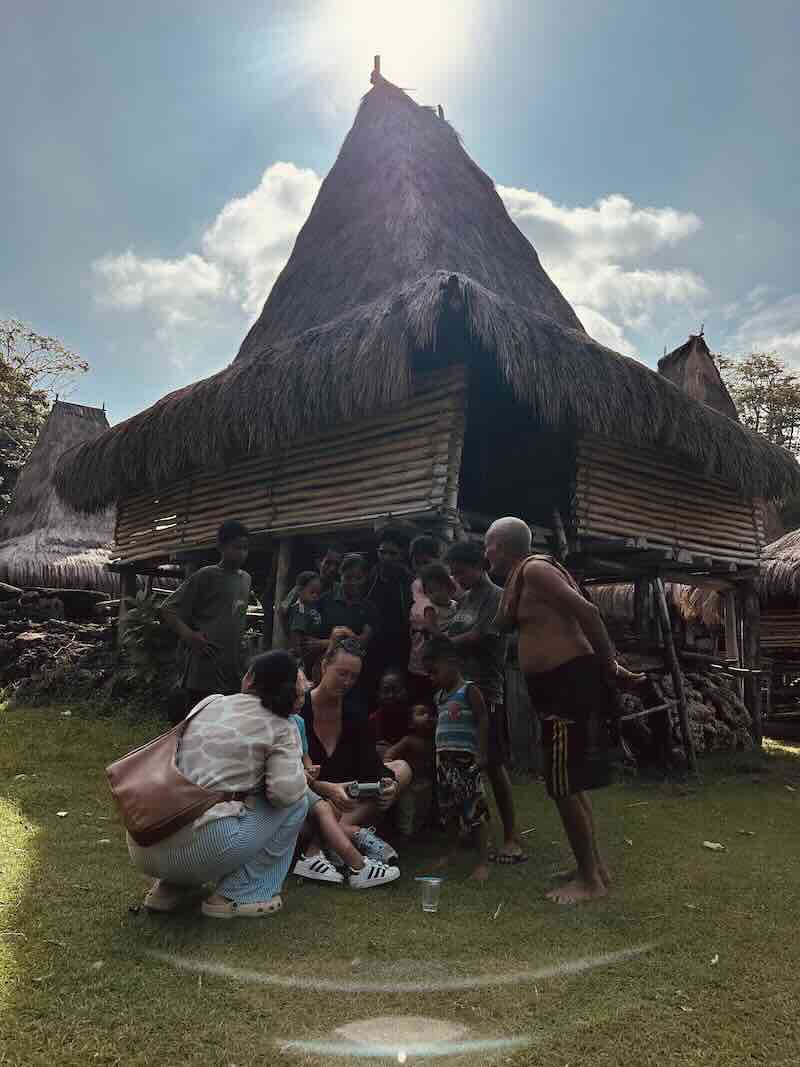
Prai Ijing was one of the village experiences I personally enjoyed most. The traditional houses are beautiful, but what stayed with me more were the people. We were welcomed extremely warmly and were invited inside a local home, which made the visit feel far more human than simply walking around photographing roofs from outside. That is the difference between seeing a village and actually having a small interaction there.
Go with curiosity. Ask questions. Buy something if you genuinely like it.
9. Visit Lapopu Waterfall
Best for: Waterfall scenery and swimming
Location: West Sumba
Combine with: Waikabubak and Prai Ijing
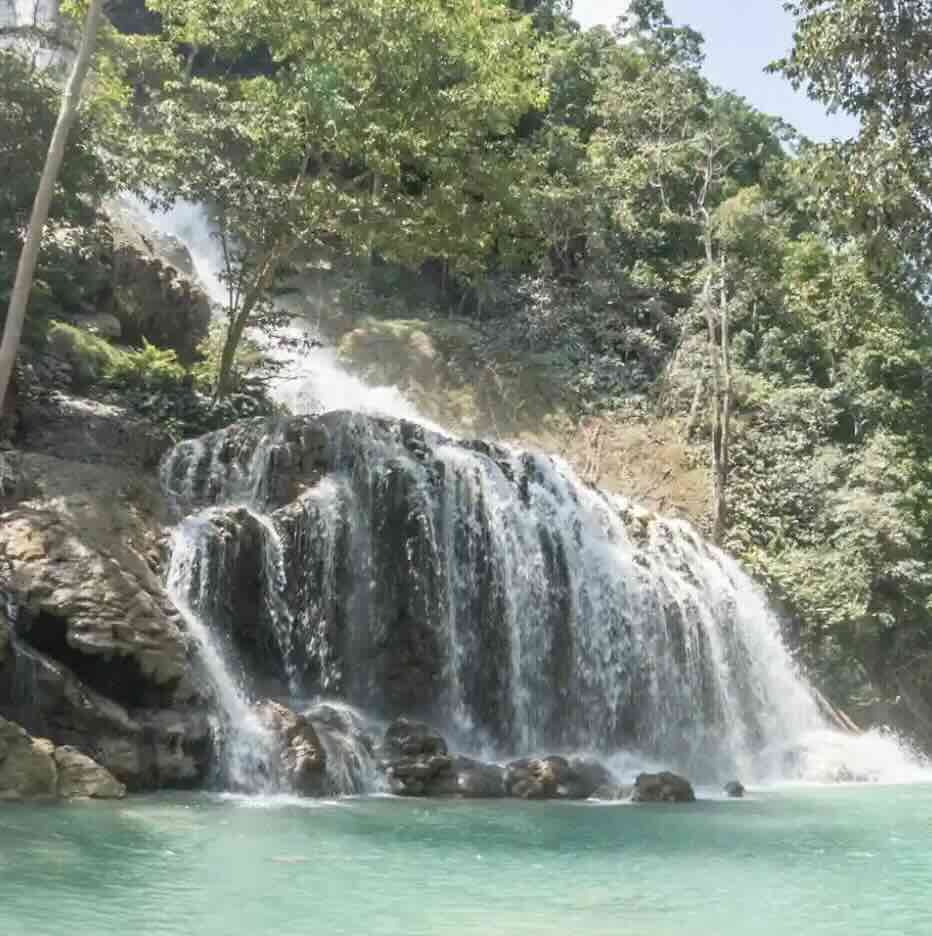
Lapopu is one of Sumba’s largest and most dramatic waterfalls, with water cascading down several levels through forest.
It works particularly well on a West Sumba day because it is much easier to combine with Waikabubak and Prai Ijing than trying to drag it into an East Sumba itinerary. The final approach involves walking, and conditions change with rain.
If the water is high or muddy, don’t force a swim!
10. Road Trip the Wild South Coast
Best for: Beaches, cliffs, road trips and feeling extremely far from Canggu
Location: Southern and Southwestern Sumba
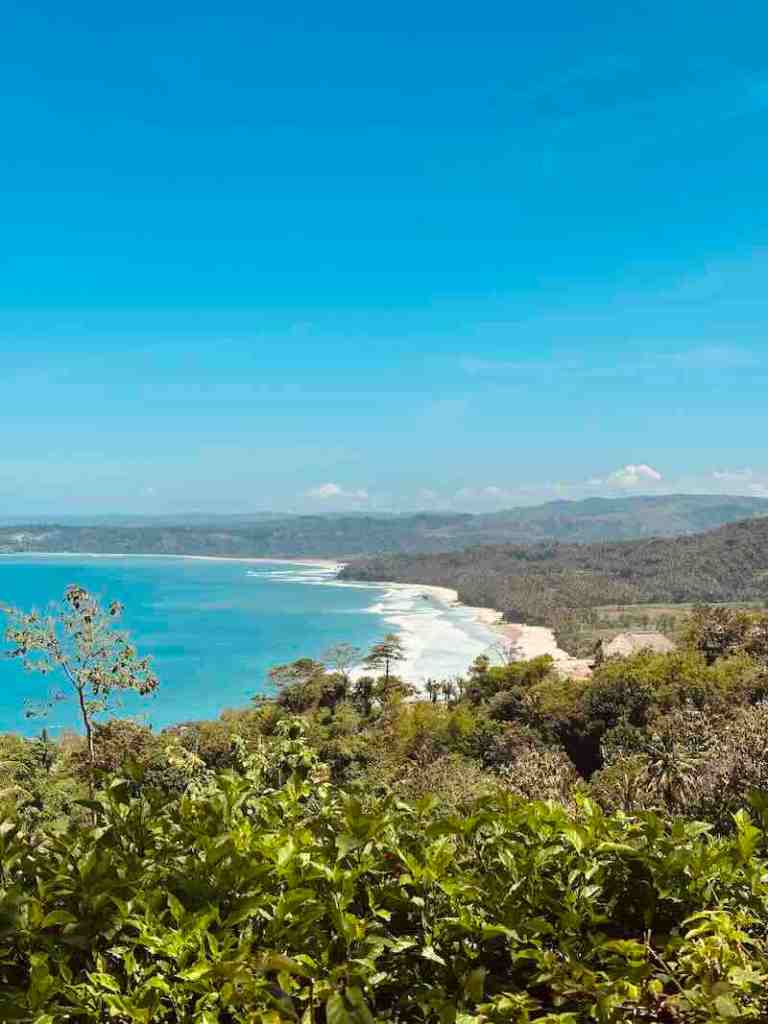
Rather than treating every south-coast beach as a separate must-do attraction, I would make the road trip itself the experience. Choose one or two places. Not seven.
Watu Maladong
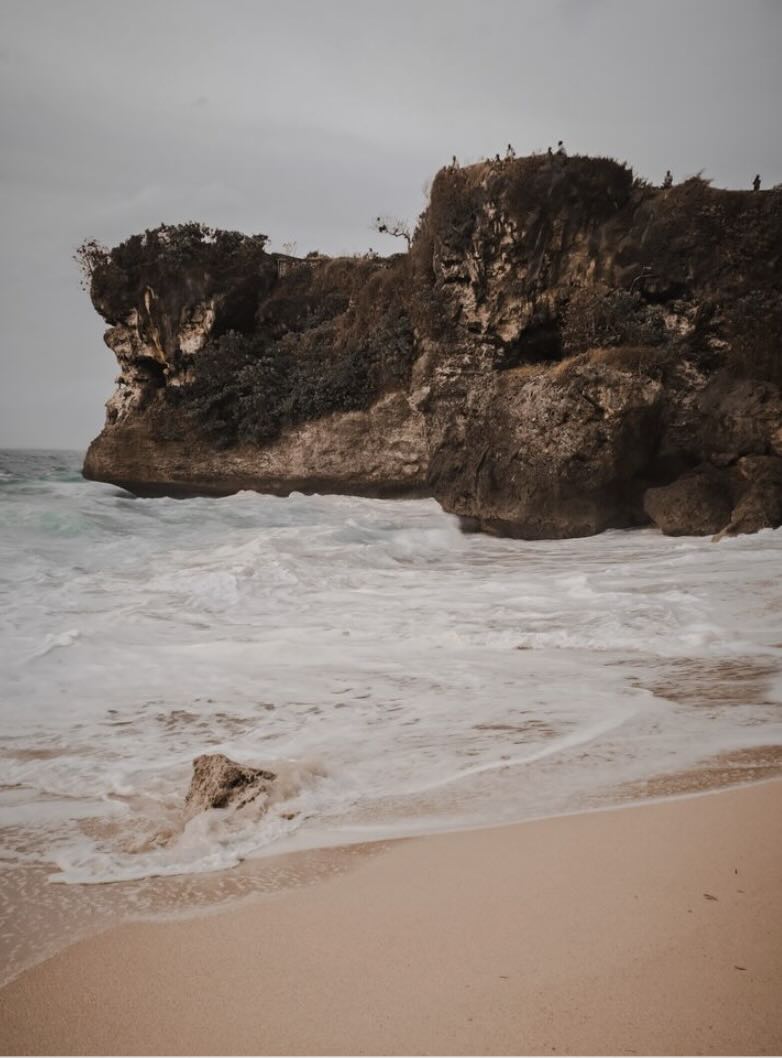
One of my favourites for scenery. The beach has huge offshore rock formations and a raw, almost moody atmosphere. Come later in the day when the light gets softer.
Marosi Beach
A broad, quiet beach with very little development. The surf can be powerful, so I would approach it as a scenic beach first rather than assuming swimming is safe.
Watubela Beach
Another remote coastal stop where the journey is half the experience. Bring water and don’t expect facilities.
Mbawana / Bawana Beach
You may still see old photographs showing the famous Batu Cincin rock arch at Mbawana. That arch collapsed in November 2020 following years of erosion, earthquakes and powerful waves, so do not plan the trip expecting to see the old formation.
The beach and surrounding cliffs are still dramatic, but current information and old photographs online can be confusing. Also be very careful around the shoreline. This coastline is exposed to strong Indian Ocean swell.
11. Mandorak Beach
Best for: Dramatic coastal scenery, photography and a quick stop near Weekuri
Location: Kodi Utara, Southwest Sumba
Combine with: Weekuri Lagoon and Ratenggaro Village
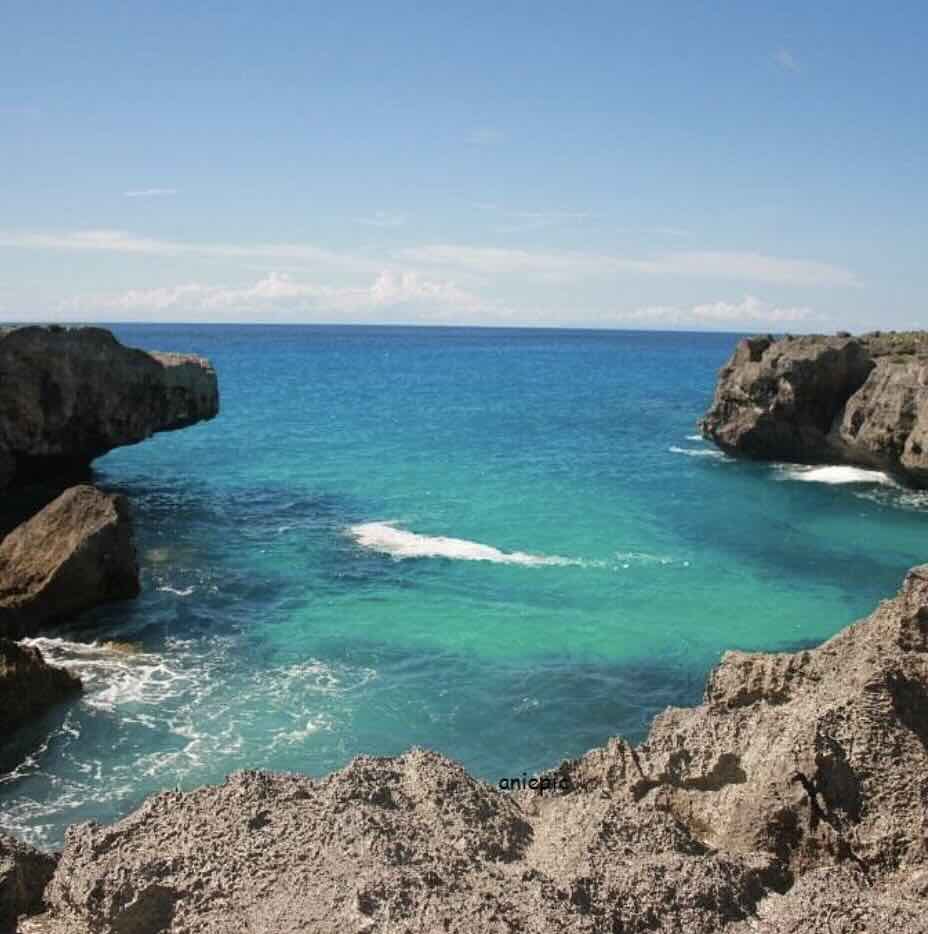
Mandorak is tiny, but visually it packs a lot into a very small space. The beach sits inside a narrow limestone cove where turquoise water pushes between two rugged cliffs. When the swell is running, waves explode through the gap and send spray high into the air, which makes the whole place feel considerably more dramatic than your average white-sand beach.
It is also very easy to combine with Weekuri Lagoon, so you do not need to dedicate an entire day to Mandorak. I would treat it as a short scenic stop rather than somewhere to settle in for hours.
The Southwest Sumba tourism authority lists Mandorak in Kodi Utara, close to Weekuri, and includes it among the area’s established coastal attractions.
My own experience here was unfortunately much less pretty than the setting. We had an aggressive dispute over money with a group of men around the beach, and the situation became threatening enough that I was extremely happy we were not completely isolated. I want to be very clear that this experience does not represent Sumba as a whole. We met many incredibly kind people elsewhere on the island.
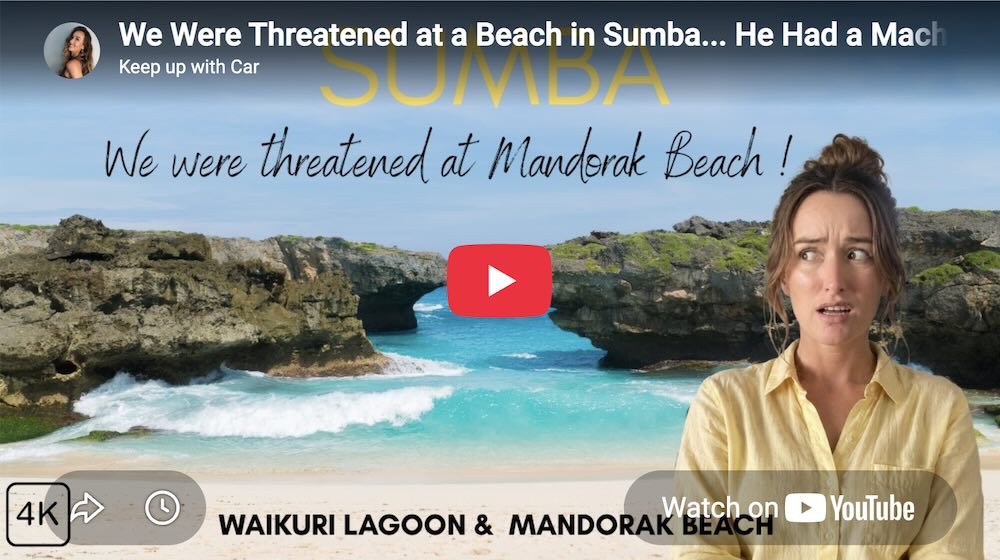
But I would personally visit Mandorak with a trusted local driver, ask about entrance or parking fees before entering and avoid getting pulled into an argument over money once you’re already there.
Car’s Tip: Take the view, take the photo and leave if the atmosphere feels wrong. No beach is important enough to prove a point over 50,000 rupiah. And I would not automatically swim here. The cove is narrow and directly exposed to ocean swell, so judge conditions when you arrive rather than assuming turquoise equals friendly.
12. Pero Beach
Best for: Fishing village atmosphere, sunsets, surfing and local coastal life
Location: Pero Batang, Kodi, Southwest Sumba
Combine with: Ratenggaro Village or a Southwest Sumba road-trip day
Pero is completely different from places like Weekuri or Mandorak. It is not a polished beauty stop where everybody arrives, takes the exact same photograph and leaves. Pero is a working fishing coastline.
The beach sits beside an estuary and local fish-landing area, so you can see boats coming and going, fishermen working around the shoreline and a much more everyday side of coastal Sumba. The official Southwest Sumba tourism authority describes Pero as a fishing harbour and also notes the mangrove-lined estuary, where local boat trips can be arranged. That is exactly why I would include it. Pero gives you a bit more context for how people actually live around this coastline.
The beach is also known for stronger, more consistent waves, and local tourism information identifies it as one of Southwest Sumba’s surfing areas. It is around 40 to 45 kilometres from Tambolaka, and public transport is limited, so a driver is the easiest option. Late afternoon makes the most sense to me. Walk around the coast, watch the fishing boats and stay for sunset if the weather behaves.
13. Palindi Piarakuku Hills
Best for: Savanna landscapes, photography and scenic driving
Location: Matawai La Pawu, East Sumba
Combine with: Hiliwuku Hills or an inland East Sumba road trip
Palindi Piarakuku is one of those places where the road itself becomes part of the attraction. The landscape is made up of rolling savanna hills, long ridgelines and open grassland that changes completely depending on the season. During the wetter months everything can be incredibly green. Come later in the dry season and those same hills turn the dusty gold that most people associate with Sumba.
Palindi Piarakuku sits in the Matawai La Pawu area of East Sumba and has become increasingly popular with local visitors and photographers. The area is also used for cultural events including the Humba Sandalwood Festival, where Sumbanese horses and ikat weaving form part of the celebrations.
Drive slowly, pull over somewhere sensible and let the landscape do its thing.
Best Time to Visit: Early morning or late afternoon. There is basically nowhere to hide from the sun in the middle of the day, and the lower light makes all those curves in the hills look far better anyway.
Car’s Tip: Do not confuse Palindi Piarakuku with a giant managed tourism complex. Facilities are limited, so bring water and snacks and don’t expect cafés or bathrooms to magically appear over the next ridge.
14. Rende Village
Best for: Traditional architecture, megalithic tombs, history and ikat
Location: East Sumba
Combine with: An East Sumba culture day or Melolo
If you want to understand more of East Sumba beyond beaches and hills, the Rende area is worth making time for.
Rende is known for its traditional villages, megalithic tombs and ikat weaving, with much of the area’s cultural interest concentrated around Praiyawang Traditional Village. Academic research on Rende specifically identifies its traditional settlement, stone tombs and woven ikat as key cultural assets.
The village layout feels very different from the coastal scenery you’ve probably spent the previous few days photographing. Traditional houses sit around enormous stone graves, and the textiles you see here are not simply colourful souvenirs. Ikat is woven deeply into Sumbanese identity, ceremony and status.
Visiting Respectfully: This is a living community. Ask before photographing people closely. Do not sit or climb on the tombs. Do not enter houses without permission.
Car’s Tip: Handwoven Sumba ikat can be expensive because the real thing can take months to produce. If something looks incredibly intricate and costs more than your entire Zara outfit, that is not necessarily somebody trying to rip you off. Human labour remains expensive.
15. Hiliwuku Hill
Best for: Quiet viewpoints, green or golden savanna and scenic road trips
Location: Matawai La Pawu, East Sumba
Combine with: Palindi Piarakuku Hills
If Wairinding is Sumba’s famous hill viewpoint, Hiliwuku is the quieter cousin. The area is made up of broad rolling savanna, valleys and grass-covered ridges. Local reporting describes two main roadside viewpoint areas, both reached along the route through Matawai La Pawu, around 35 kilometres from Waingapu.
You simply drive through a very Sumba-looking landscape and stop when somewhere looks good. Wet-season Hiliwuku can be almost neon green, while the dry-season hills become golden brown. If you’re lucky, horses may appear across the grassland as well.
16. Cap Karoso
Best for: Sunset drinks, beautiful design, food and recovering from Sumba’s roads
Location: Ate Dalo / Kodi, Southwest Sumba
Combine with: Weekuri Lagoon, Mandorak and the Kodi coast
After several days of dust, potholes, waterfalls and rural warungs, suddenly walking into Cap Karoso feels mildly illegal.
It is a luxury beachfront resort in the Kodi area of Southwest Sumba, surrounded by a much quieter stretch of coastline. The property has restaurants, a beach club, pools, surfing and other activities, with Tambolaka as the nearest airport.
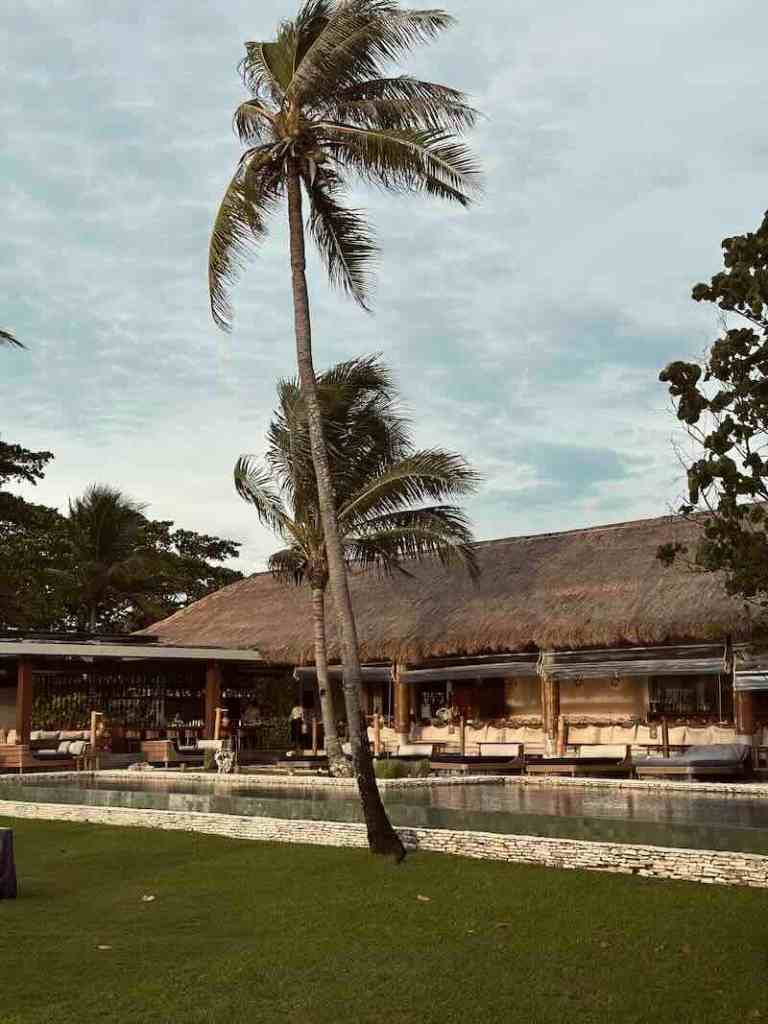
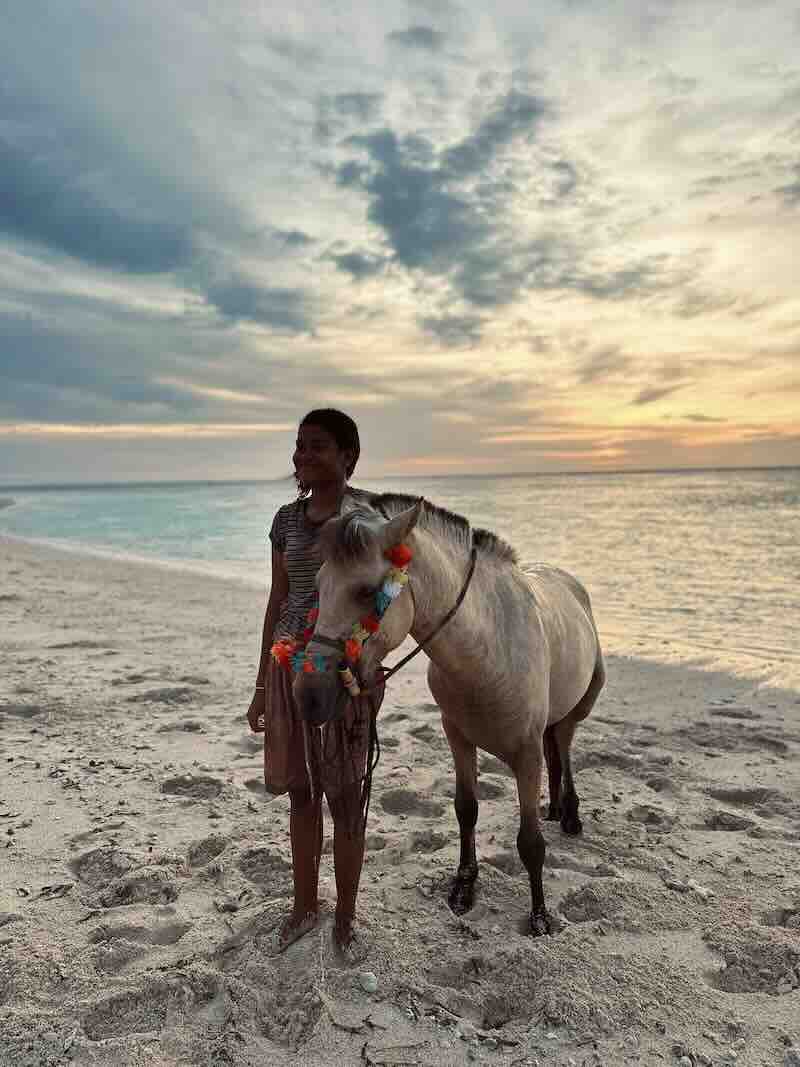
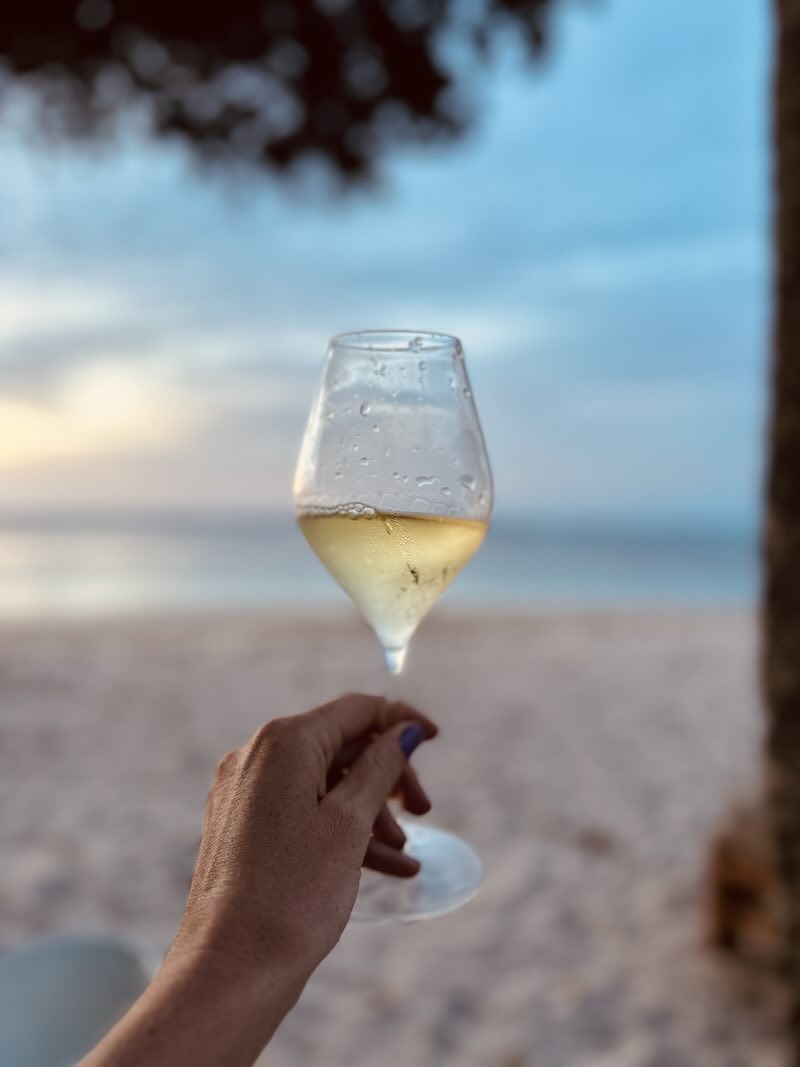
I mainly like this as a reset stop. Have lunch. Get a proper coffee. Drink something cold. Watch sunset over the beach.
The resort’s Beach Club sits directly by the water, and Cap Karoso also runs activities including surfing, snorkeling, fishing, horse riding and cultural experiences around Kodi.
Can You Visit if You Aren’t Staying There? I would contact Cap Karoso in advance rather than simply arriving and assuming the restaurants or Beach Club accept outside visitors that day.
17. Lailiang Beach
Best for: Quiet beach time, coastal scenery and escaping the famous stops
Location: Bali Loku, Wanokaka, West Sumba
Combine with: Lapopu Waterfall, Waikabubak or a West Sumba coastal road trip
Lailiang sits on the Wanokaka coastline in West Sumba, in Bali Loku village, and is officially listed by the West Sumba government as one of the district’s natural tourism sites. The beach itself forms a compact bay surrounded by green cliffs and vegetation, with pale sand and clear blue water. That said, this is still Sumba’s Indian Ocean coast.
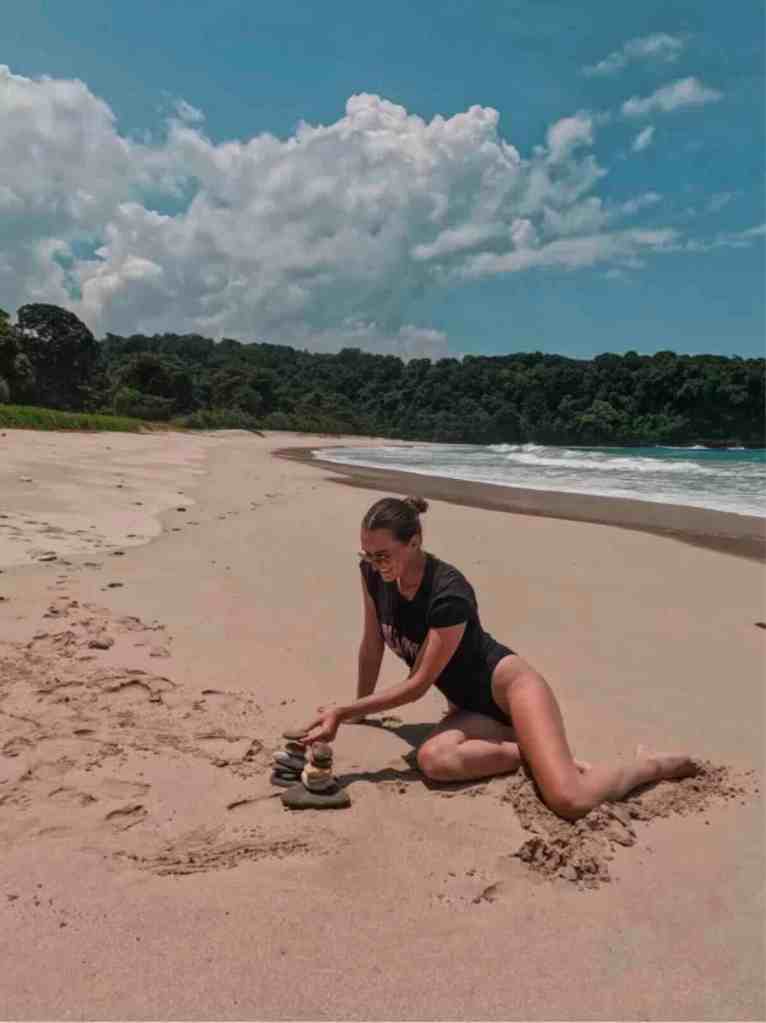
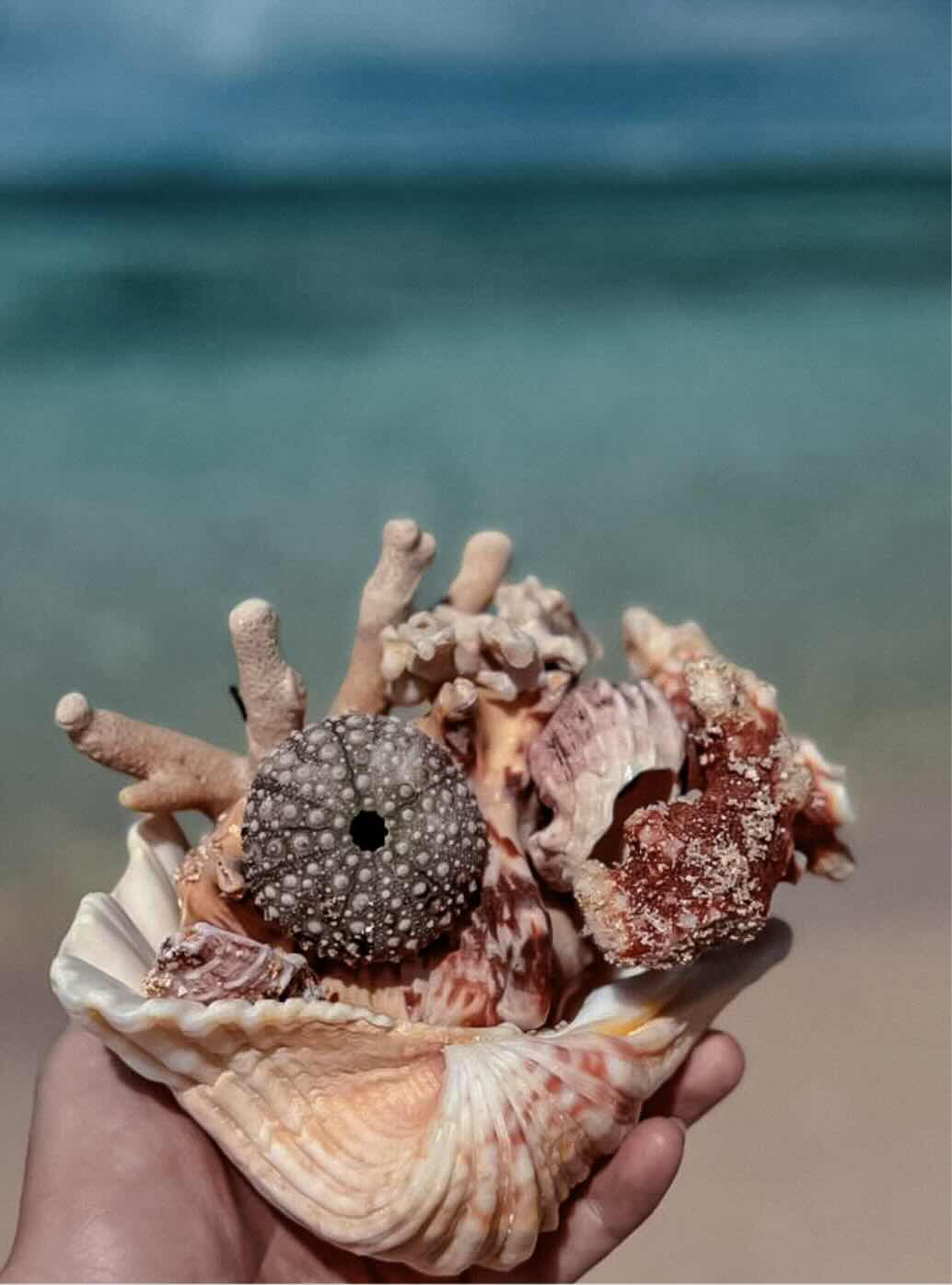
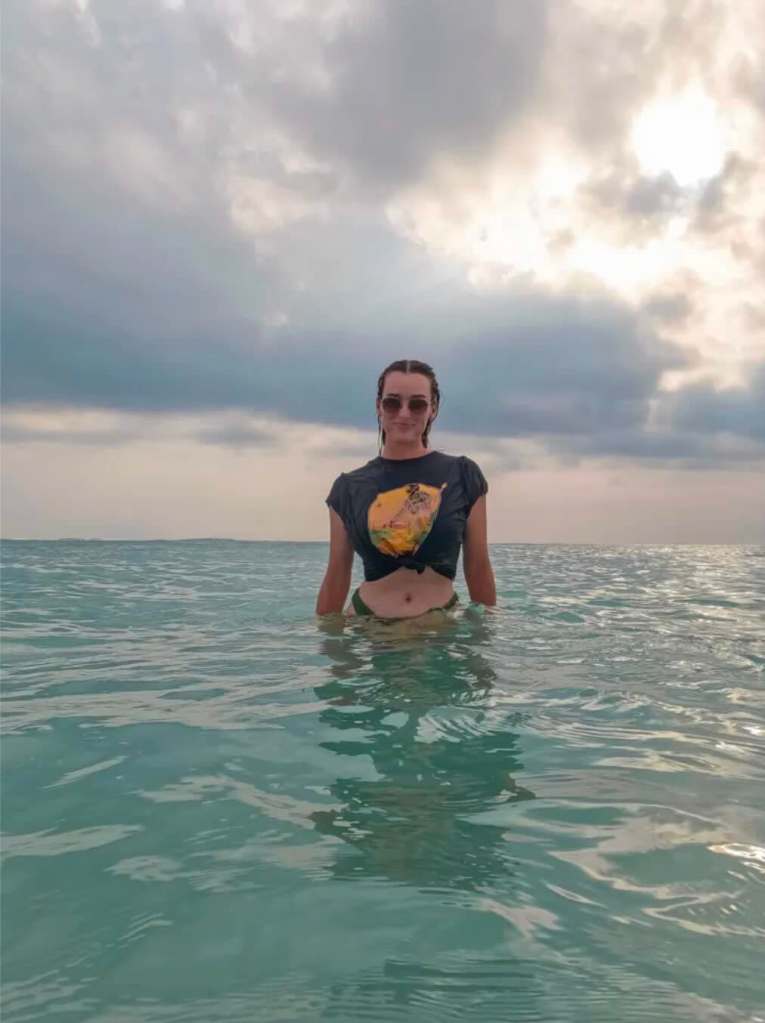
I would judge the sea when you arrive rather than writing “safe for swimming” permanently into your brain because one person had calm water in 2016.
Why I Would Add It: Lailiang gives your itinerary a different kind of beach. Mandorak is dramatic. Pero is local and rougher. Watu Maladong is all about the rock formations. Lailiang is where I would go when I actually want to sit down for a while.
Car’s Tip: This works particularly well on a West Sumba day with Lapopu or the Wanokaka area.
THE ROUTE
My Ideal 8-Day Sumba Road Trip
If this were my first proper Sumba trip and I wanted to see both sides without completely ruining it by overplanning, this is roughly how I would do it.
Day 1: Arrive in Waingapu + Walakiri Sunset
Fly into Waingapu. Do not immediately begin a six-hour sightseeing marathon. Check in, eat, recover from travel and head to Walakiri Beach later in the afternoon for sunset.
Sleep: Waingapu
Day 2: Wairinding Hills + East Sumba Landscapes
Start with the open landscapes around East Sumba. Visit Wairinding Hills, then spend the day road-tripping rather than obsessing over a huge checklist. If timing works, add another viewpoint or village.
Sleep: Waingapu
Day 3: Puru Kambera OR East Sumba Waterfall Day
Choose. For a calmer day, drive north toward Puru Kambera, look for horses and explore the coast. For more adventure, dedicate the day to Tanggedu or Waimarang Waterfall. I would not attempt both plus three beaches and a village.
Sleep: Waingapu
Day 4: Cross Sumba + Prai Ijing
This is your travel day. Drive from East Sumba toward Waikabubak and use the journey as part of the experience. Stop somewhere interesting along the way rather than racing across the island. Visit Prai Ijing Village later if timing works.
Sleep: Waikabubak
Day 5: Lapopu + West Sumba
Visit Lapopu Waterfall in the morning. Spend the rest of the day around West Sumba, villages or countryside rather than immediately driving another enormous distance.
Sleep: Waikabubak or continue toward Southwest Sumba
Day 6: Weekuri Lagoon + Mandorak
Head into Southwest Sumba. Swim at Weekuri Lagoon, then stop at Mandorak Beach if you want to see the cove. As mentioned earlier, I would visit Mandorak with a driver and keep the stop relatively simple.
Sleep: Kodi / Tambolaka area
Day 7: Ratenggaro + Southwest Coast
Visit Ratenggaro Village and explore the surrounding coastline.
Add Pero Beach or another nearby stop if you still feel like sightseeing.
Sleep: Southwest Sumba
Day 8: Slow Morning + Fly From Tambolaka
Have breakfast. Maybe go to the beach. Maybe do absolutely nothing. Then fly out from Tambolaka rather than driving all the way back to Waingapu. That is the entire point of using both airports.
WHERE TO STAY
Where To Stay In Sumba
Where you stay matters enormously in Sumba because the island is far too big to use one hotel as a base for everything. Do not book seven nights in one place and assume you’ll casually day-trip across the island. You may end up knowing the inside of your car better than Sumba.
Waingapu
The most practical base for East Sumba.
Waingapu isn’t somewhere I would necessarily spend two days sightseeing in town, but it gives you:
- ATMs
- Fuel
- Restaurants
- Airport access
- Drivers
- Shops and supplies
Most importantly, you’re positioned properly for East Sumba.
Waikabubak
A good central base for West Sumba. Stay here if Prai Ijing, Lapopu and traditional village visits are priorities.
The town itself feels local rather than tourism-polished, which is part of the appeal.
Tambolaka / Kodi
Best for Southwest Sumba.
You’re much closer to Weekuri, Ratenggaro and the Kodi region and also conveniently positioned for Tambolaka Airport.
South Coast Resorts
If your budget allows it and you want to finish the trip with a few days of doing considerably less, the southern and southwestern coastline has several high-end resorts.
I would put these at the end of a road trip, not at the beginning.
After Sumba has shaken you around for six days, suddenly lying beside a pool with someone bringing you a cold drink feels extremely reasonable.
GETTING AROUND
How To Get Around Sumba?
Hire a Private Driver
For most travelers, this is the answer. Not because I think everybody needs to be driven around like royalty. Because Sumba is enormous.
A local driver helps with:
- Road conditions
- Village access
- Entrance fees
- Language
- Fuel stops
- Navigation
- Finding remote attractions
- Knowing when a road has become a terrible idea
Drivers also make uncomfortable situations considerably easier to handle because you are not standing alone trying to negotiate in a language you don’t speak.
Renting a Scooter
Possible? Yes. Would I recommend it for a full-island first trip? Depends.
If you are an experienced, properly licensed rider and only exploring relatively close to a base, fine. But some Sumba days involve hours of driving on roads that deteriorate significantly once you leave the main routes. A scooter does make everything feel more adventurous, sure, but so does pushing one or yourself out of the mud.
Road Conditions
The main roads between major towns can be perfectly manageable.
The roads to the places you actually want to see are another story. Expect:
- Potholes
- Dust
- Broken asphalt
- Loose surfaces
- Mud after rain
- Animals on the road
- Almost no lighting at night
Avoid unnecessarily long night drives. You don’t need to discover a buffalo in your lane at 70 km/h.
CULTURE & TRADITIONS
Sumba Culture & Traditional Villages
This is one of the biggest reasons I think Sumba is worth visiting. The island isn’t interesting only because the beaches are pretty.
Marapu
Traditional Marapu beliefs remain central to parts of Sumbanese culture and are closely connected with ancestors, ritual life, village architecture and megalithic tombs.
Traditional houses are often built around ancestral spaces and tombs, particularly in western Sumba. Do not treat sacred spaces as props. If you’re unsure whether you can enter somewhere or photograph something, ask.
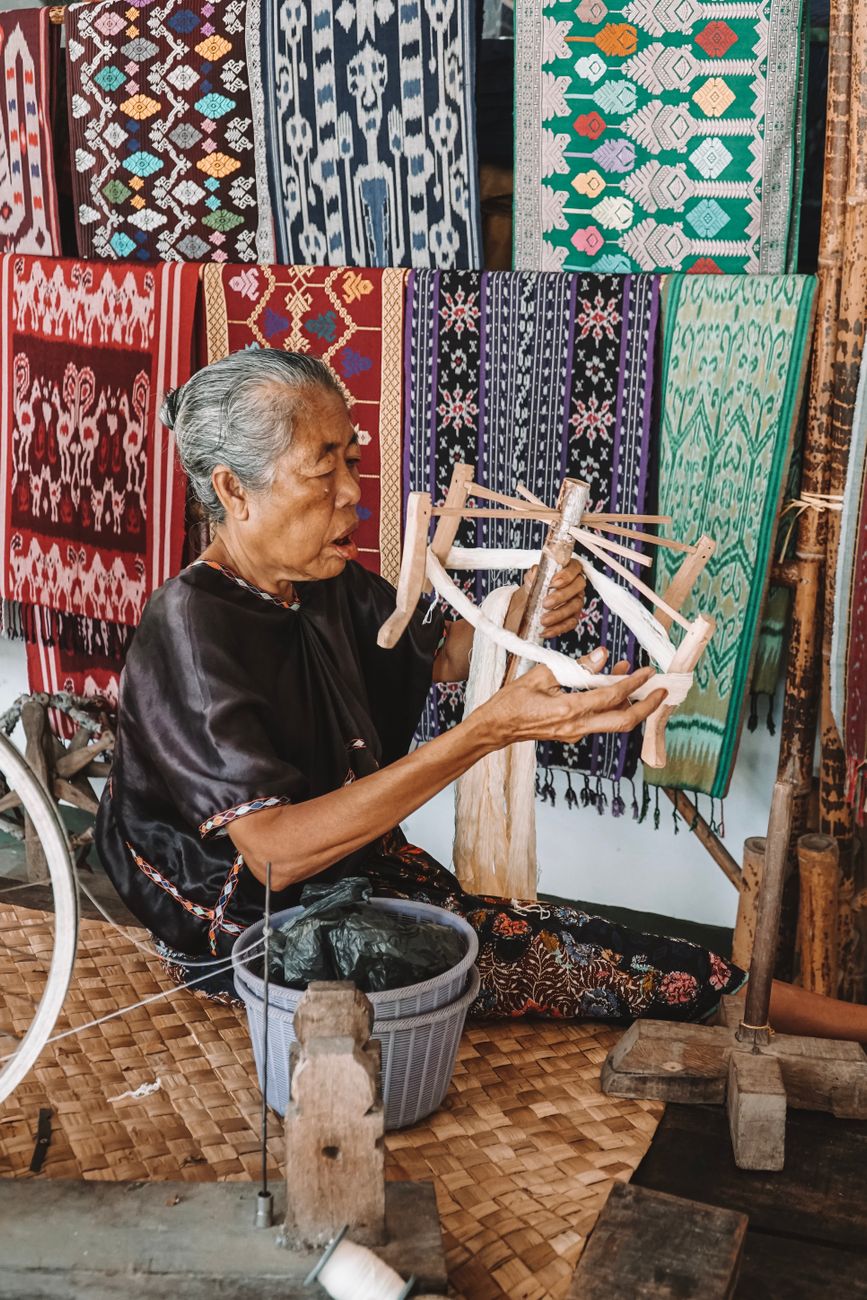
Ikat Weaving
Sumba is famous for its handwoven ikat textiles.
Traditional motifs can include horses, human figures, animals and symbolic patterns, with different areas developing distinct styles. East Sumba in particular is well known for intricate ikat production, and Indonesia’s official tourism guide notes villages around Waingapu where visitors can see the weaving process.
A real handwoven ikat can require extraordinary amounts of labour. So if somebody tells you a handmade textile costs more than the €4 sarong you found outside a Bali temple, that is because one was made by a human being over months and the other possibly arrived in a cardboard box.
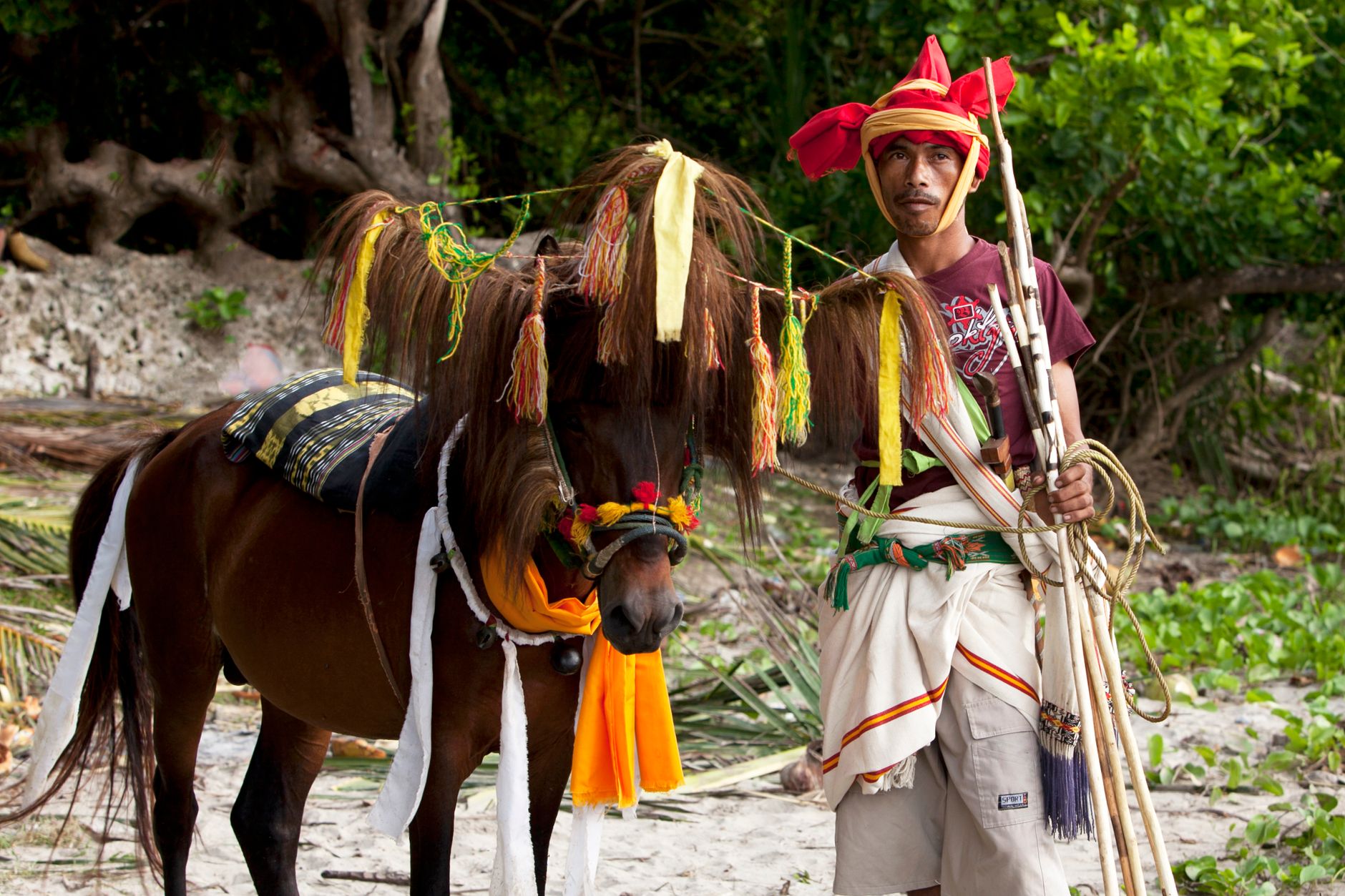
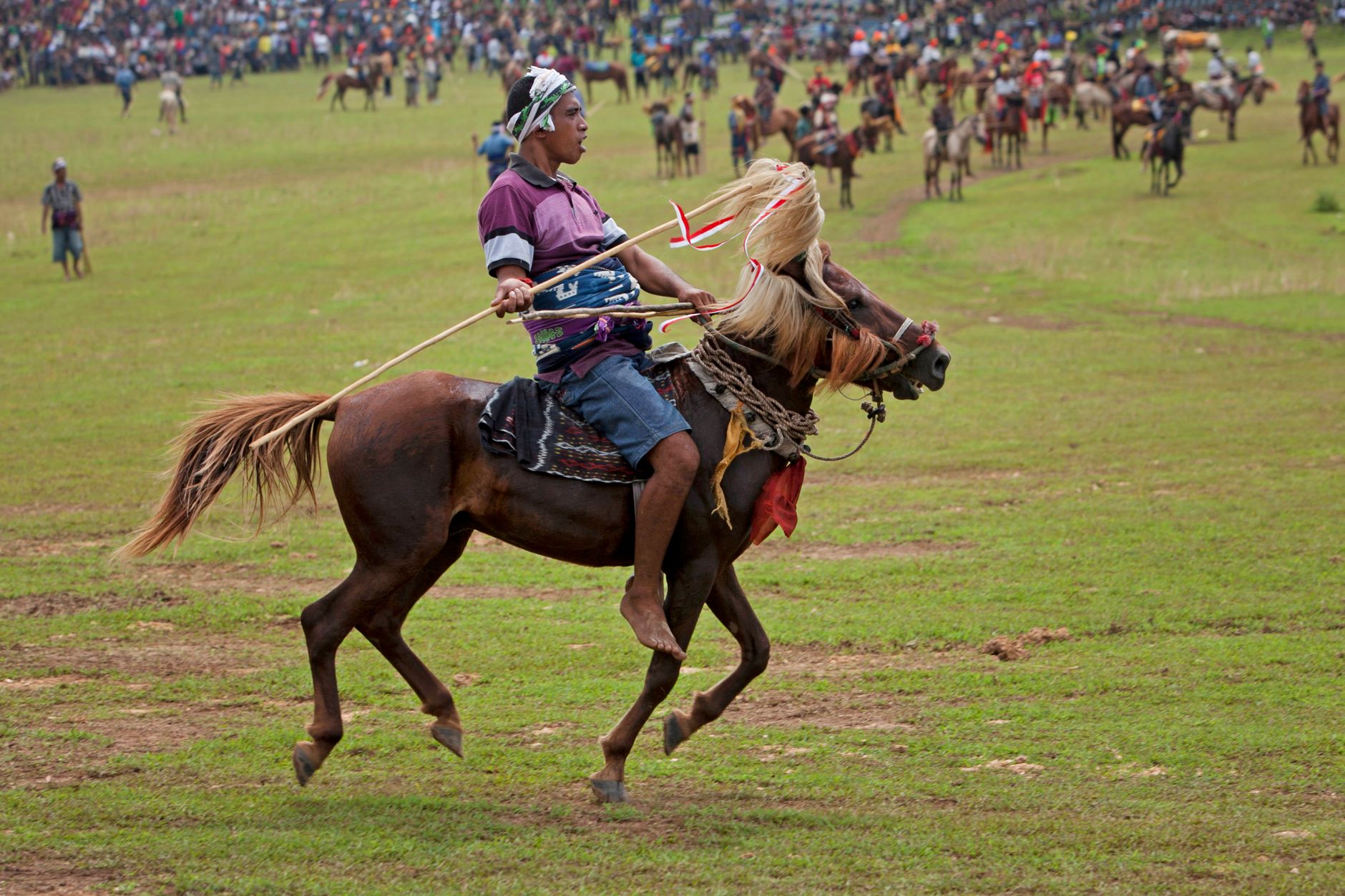
Pasola Festival
Pasola is one of Sumba’s most famous cultural traditions.
Groups of horsemen face each other while throwing wooden spears as part of ceremonies associated with Marapu beliefs and agricultural fertility.
The event generally takes place during February and March, with timing connected to traditional ceremonies and the arrival of nyale sea worms.
If Pasola is one of the main reasons for your trip, confirm locally before booking flights and accommodation. And remember this is a real cultural ritual. Not Medieval Times with horses.
SAFETY
Is Sumba Safe?
Overall, I would still visit Sumba again. But I would not describe every part of the island as effortless or universally comfortable.
Remote Roads & Driving
The most common practical problem is simply being far away from everything. Phone signal drops. Roads become terrible. Fuel stations become less frequent. Medical help can be far away.
Download offline maps, carry water, keep your phone charged and tell somebody roughly where you’re going on long road-trip days.
Beaches, Waves & Currents
Sumba’s Indian Ocean coastline is powerful. Many of the most spectacular beaches are places I would visit for scenery rather than swimming. If the surf looks rough, stay out. If a local tells you a current is dangerous, stay out.
If nobody is swimming, maybe don’t conclude that you are simply braver than an entire village.
Crocodiles Around Rivers and Estuaries
This deserves its own warning now. Recent attacks have been reported in Southwest Sumba, including at Muara Ratenggaro in January 2026 and the Ledewero River in 2025. Do not assume freshwater, brackish lagoons, rivers or river mouths are safe for swimming. Ask locally.
This matters especially in isolated areas where there are no warning signs.
Local Fees & Uncomfortable Situations
Small entrance fees, parking charges and village donations are normal in Sumba. The annoying part is that they are not always clearly posted. Ask the amount before committing whenever possible. Carry smaller notes.
Most interactions we had were absolutely fine. At Mandorak, ours was not. The disagreement over money became aggressive and threatening, which is why I now recommend visiting with a driver rather than arriving alone.
Again, one bad experience does not define an island. But pretending it didn’t happen would make this guide less useful.
Solo Female Travel in Sumba
I would be considerably more comfortable travelling solo around established areas with a driver than independently arriving at remote beaches and villages by scooter. That isn’t because Sumba is some lawless island. It is because the combination of remote roads, limited signal, few other tourists and occasional unclear local dynamics means having someone who knows the area is valuable. Trust your instincts. If a place feels wrong, leave.
SUMBA VS ROTE
Sumba vs Rote: Which is Better?
I’ve travelled both, and they give you completely different trips.
Choose Sumba If…
You want variety and adventure. Sumba is the better choice for waterfalls, culture, villages, road trips and dramatic landscapes. It also requires more planning.
Choose Rote If…
You want beaches, snorkeling, surfing and a trip that slows down once you arrive. Rote still feels remote, but I found it easier to settle into, particularly around Nemberala.
Which Has Better Beaches? For dramatic scenery, Sumba. For actually spending the day swimming and relaxing, Rote. That distinction matters. Some of Sumba’s most impressive beaches are wild, exposed and considerably better viewed from the sand.
Read my complete Rote Island Travel Guide if you’re deciding between the two.
PACKING LIST
What To Pack for Sumba
Bring:
- Lightweight clothing
- Hat
- Sunscreen
- Mosquito repellent
- Reusable water bottle
- Proper sandals or walking shoes
- Swimwear
- Rash guard
- Dry bag
- Power bank
- Motion-sickness tablets if winding roads bother you
- Small cash
- Offline maps
- Basic first-aid supplies
- Travel insurance
- Water shoes for lagoons and rocky beaches
- Light layer for early mornings and evenings
If you plan to ride a scooter, make sure your licence and insurance actually cover it.
LOCAL FOOD
Food in Sumba
Sumba is not where I would travel purely to restaurant-hop.
But local food becomes part of the road trip because you quickly learn to eat when food is available, rather than assuming another charming café will appear fifteen minutes down the road. It may not.
Fresh Fish
Along the coast, grilled fish is one of the safest bets. Simple grilled fish, rice, vegetables and sambal after a full day on the road is difficult to improve upon.
Local Vegetables
You may come across cassava leaves, watercress, banana heart and other locally grown vegetables. Indonesia Travel also specifically mentions sautéed papaya flower as a dish associated with East Sumba.
Bokosawu Nyale
If you want to try something genuinely local, look out for Bokosawu Nyale, a Sumbanese preparation involving sea worms.
The nyale also have cultural significance in western Sumba and are connected with Pasola traditions. Yes. Sea worms. You wanted local.
Warungs
Do not dismiss small local warungs because they have plastic chairs and no branding strategy. Rice, noodles, chicken, fish and sambal are exactly what you want after six hours of driving. Bring cash. And on remote road-trip days, bring snacks. Hunger dramatically lowers everyone’s appreciation for cultural immersion.
WATCH THE VLOGS
Watch My Sumba Travel Vlogs
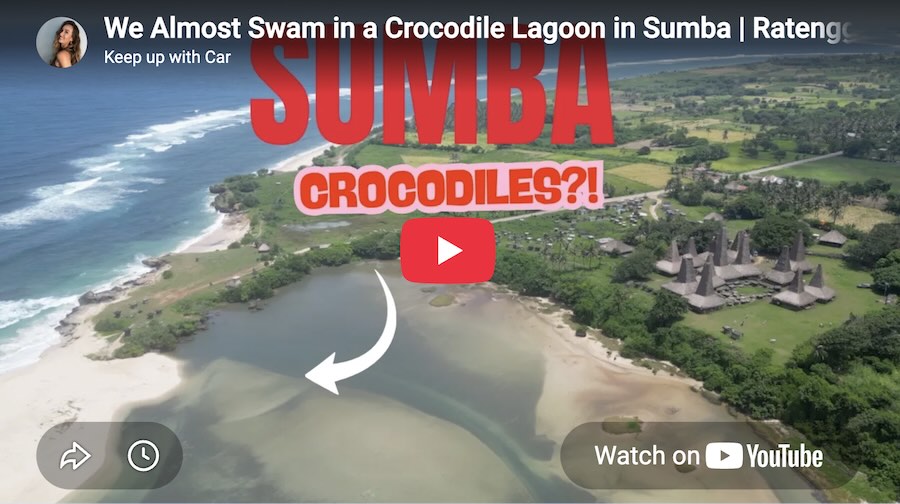
Want to see Sumba beyond the pretty photos?
I filmed our entire journey across the island, including the beautiful bits, the rough roads, traditional villages, wild beaches, waterfalls and some genuinely chaotic moments along the way. Watching the vlogs will give you a much better feeling for what travelling around Sumba is actually like before you plan your own trip.

VISA & ENTRY
Visa For Sumba & Indonesia
Sumba does not have a separate visa. You enter under Indonesia’s national immigration rules.
Eligible travelers can currently use Indonesia’s Visa on Arrival or e-VOA, which provides an initial stay of up to 30 days and can be extended once to a total of 60 days. Eligibility depends on nationality. Check the official system rather than relying on a travel blog for something that can change: Official Indonesian eVisa website Indonesia also uses an online arrival declaration system, so check the latest requirements shortly before travelling. Official All Indonesia arrival declaration
GOOD TO KNOW
Sumba Travel Tips
1. Hire a Driver for a Full-Island Trip
This is the single biggest thing I would recommend. You will enjoy the island much more when you are looking at the landscape rather than spending four hours wondering whether Google Maps is trying to kill you.
2. Use Both Airports
Fly into Waingapu and out of Tambolaka, or vice versa. It saves time and makes the entire route more logical.
3. Carry Cash
Outside the main towns, cards are not something I would rely on.
Carry enough for:
- Food
- Entrance fees
- Drivers
- Fuel
- Village donations
- Parking
- Random situations involving a handwritten ticket
4. Fuel Up Before Remote Drives
Do not wait until the fuel gauge has become an emergency announcement. You can sometimes buy petrol from roadside bottles in villages, but that should be backup, not strategy.
5. Download Offline Maps
Signal isn’t guaranteed. Google Maps isn’t guaranteed to know the current road condition either, but at least offline maps give you something to argue with.
6. Don’t Overload Your Days
This is probably the most important itinerary advice. Two places can easily be a full Sumba day. Not because you’re lazy. Because the road to attraction number four may resemble the surface of the moon.
7. Ask Before Swimming
Ocean beach. River. Lagoon. Waterfall. Estuary. Ask. Conditions change and local knowledge matters here more than the colour of the water in somebody else’s photograph.
8. Travel Insurance Is Worth It
Sumba is remote. Make sure your policy covers your actual activities, especially:
- Scooter riding
- Waterfalls
- Hiking
- Domestic flights
- Medical emergencies
Frequently Asked Questions About Visiting Sumba
Is Sumba worth visiting?
Yes, Sumba is worth visiting if you want raw landscapes, traditional villages, wild beaches, turquoise lagoons and road trips that feel nothing like Bali. It is not the easiest island in Indonesia, but that is part of the appeal. Sumba feels less polished, less crowded and more adventurous.
How many days do you need in Sumba?
I would spend at least 5 to 7 days in Sumba. You can see a few West Sumba highlights in 3 or 4 days, but the island is spread out and travel times are longer than they look. If you want to see both East and West Sumba without rushing, one week is much better.
What is the best time to visit Sumba?
The best time to visit Sumba is usually during the dry season, around May to October. This is better for roads, beaches, photography and road trips. The rainy season can make the landscapes greener and waterfalls stronger, but roads can get more difficult and travel days can become less predictable.
Do you need a driver in Sumba?
Yes, I would strongly recommend hiring a driver in Sumba unless you are very experienced with rough roads and remote travel. Distances are long, signage is limited, and some roads are not exactly having their best personality day. A good local driver makes the trip much smoother and helps avoid wasting hours figuring things out.
Is Sumba safe to travel?
Sumba is generally safe, but it is more remote and less developed for tourism than Bali or Lombok. You need to be more prepared with transport, cash, accommodation and realistic travel times. Some places may have unofficial fees or local pressure around parking or access, so stay calm, be respectful and go with a reliable driver where possible. From my own experience in Kodi specifically, I would advise not to wander the deserted roads after dark by yourself. Locals are generally very kind but as a woman, I felt a bit uncomfortable at times.
Which is better, East Sumba or West Sumba?
West and Southwest Sumba are better for turquoise lagoons, beaches, traditional villages and the more classic first-time Sumba route. East Sumba is better for open hills, horses, Walakiri Beach and dramatic road-trip scenery.
Is Sumba expensive?
Sumba can be more expensive than people expect because transport and distances are the real cost. Hotels range from simple stays to very expensive luxury resorts, but private drivers, long routes and limited infrastructure can add up. It is not a “cheap and easy backpacker island” in the same way parts of Bali or Java can be.
What is Sumba known for?
Sumba is known for traditional villages, megalithic tombs, wild beaches, horses, the Pasola festival, dramatic hills, turquoise lagoons and landscapes that feel raw and cinematic. It is not famous for nightlife, smoothie bowls or easy transport. Thank God, honestly.
EXPLORE MORE
Continue Exploring Indonesia
Sumba is one of the most adventurous islands I’ve travelled through in Indonesia, but it is only one version of the country.
For a completely different East Nusa Tenggara experience, continue to my Rote Island Travel Guide for beaches, snorkeling and much slower island life.
If wildlife, diving and liveaboards are more your thing, read my Komodo National Park Travel Guide.
Or continue with:
Sumba isn’t polished. It isn’t always easy. And some days will probably involve more dust, potholes and weird logistical conversations than you anticipated. But that is also why it still feels like somewhere you actually travelled through rather than somewhere that had already been prepared for you.
I would go back.

NEWSLETTER
Subscribe for travel tips, new vlogs & life behind the scenes.
© 2026 Keep Up With Car – All rights reserved.
