
Last updated on August 28th 2026
JAVA TRAVEL GUIDE
Volcanoes, ancient temples, chaotic cities, incredible street food, waterfalls, scenic train journeys and some of Indonesia’s most dramatic landscapes.
Java feels completely different from Bali. It is busier, more chaotic and considerably less polished in places, but it is also one of the most interesting islands to travel through in Indonesia. You can watch the sun rise over smoking volcanoes, explore some of Southeast Asia’s most important temples, eat ridiculously good street food, travel between cities by train and finish the whole thing on a tropical island that looks like it belongs somewhere else entirely.
FIRST TIME
First Time In Java
For a first trip, I would focus on Yogyakarta, Mount Bromo and Kawah Ijen, then add Malang, Tumpak Sewu, Semarang or Karimunjawa if you have more time. This gives you the strongest mix of culture, volcanoes, cities and nature without turning every day into a ten-hour transfer.
If Java is part of a bigger Indonesia trip, continue with my Complete Indonesia Travel Guide, Best Volcano Hikes in Indonesia or Best Islands in Indonesia.
Or have a look at the full island guides: Sumba, Lombok, Bali, Rote and Komodo.

- Kawah Ijen Crater Lake, Banyuwangi, East Java, Indonesia
- Semarang, Central Java, Indonesia
- Borobudur, Magelang, Central Java, Indonesia
- Malang, East Java, Indonesia
- Yogyakarta, Yogyakarta, Indonesia
- Karimunjawa, Jepara, Central Java, Indonesia
- Gunung Bromo, Indramayu, West Java, Indonesia
- Surabaya, East Java, Indonesia
QUICK GUIDE
Java At A Glance
Java is enormous, so choosing the right stops matters much more than trying to squeeze every famous place into one trip.
Yogyakarta is my favorite starting point for temples, culture, food and day trips. Mount Bromo gives you Java’s most iconic volcanic landscape, while Kawah Ijen is the more adventurous volcano experience with its turquoise crater lake and sulfur landscape. Malang makes a relaxed East Java base and puts you within reach of Tumpak Sewu Waterfall, while Semarang offers colonial architecture and a much more local city experience.
Then there is Karimunjawa, which basically throws the Java rulebook out of the window and gives you turquoise water, coral reefs and island hopping instead.
| Destination | Best For | How Many Days |
| Mount Bromo | Sunrise views, volcanic landscapes & jeep tours | 1 to 2 days |
| Mount Ijen | Blue fire, crater hiking & turquoise lake views | 1 to 2 days |
| Semarang | Colonial architecture, street food & city culture | 1 to 2 days |
| Surabaya | History, street food & access to Mount Bromo | 1 to 2 days |
| Borobudur | Ancient temples, history & sunrise views | 1 day |
| Malang | Colorful villages, waterfalls & mountain scenery | 2 to 3 days |
| Yogyakarta | Temples, traditional arts, culture & street food | 3 to 4 days |
| Karimunjawa | Tropical beaches, snorkeling & island hopping | 3 to 4 days |
HOW MANY DAYS
How Many Days Do You Need in Java?
I would give Java at least 7 to 10 days if this is your first visit.
Five days is enough for a very fast route through Yogyakarta, Mount Bromo and Ijen, but you will spend quite a bit of that time moving between places and waking up at offensive hours.
With 7 to 10 days, you can travel at a much more reasonable pace and add Malang or Tumpak Sewu. Two weeks gives you enough time to include something completely different like Semarang and Karimunjawa.
5 Days in Java
Yogyakarta → Mount Bromo → Kawah Ijen
This is the classic highlights route and works well if you are continuing directly into Bali.
7 Days in Java
Yogyakarta → Mount Bromo → Kawah Ijen → Bali
This would be my strongest first-time Java itinerary. You get culture, temples, cities, waterfalls and two completely different volcano experiences without wasting too much time backtracking.
10 Days in Java
Yogyakarta → Malang → Mount Bromo → Tumpak Sewu → Kawah Ijen → Bali
2 Weeks in Java
Add Semarang and Karimunjawa, or begin farther west with Jakarta, Bandung or Dieng Plateau.
Java becomes much more enjoyable once you stop treating every transfer day like a competitive sport.
CENTRAL JAVA
Yogyakarta Travel Guide
Days recommended: 3 to 4 days
Best for: Temples, street food, batik, history, art, markets and cultural experiences
Pair it with: Borobudur, Prambanan, Jomblang Cave, Mount Merapi or Semarang
Yogyakarta, usually called Jogja, is one of the best places to start a Java itinerary. The city is the cultural heart of the island and feels much more manageable than Jakarta or Surabaya, while still giving you that unmistakably busy, lived-in Java energy.
It is the main base for visiting Borobudur and Prambanan, but do not make the mistake of treating Yogyakarta as nothing more than somewhere to sleep between temples.
The city itself is full of markets, street food, batik workshops, royal history, art spaces, student neighborhoods and little cafés hidden down side streets. Spend at least one day simply wandering around.


How to Get to Yogyakarta
Yogyakarta has a major international airport and excellent train connections with cities including Jakarta, Bandung, Solo, Semarang, Surabaya and Malang.
If you are crossing Java overland, the train is one of the easiest and nicest ways to arrive.
How to Get Around Yogyakarta
Grab and Gojek work well inside the city, while a private driver is useful for longer day trips.
Scooters are also available, but traffic can get busy and distances to places like Borobudur and Jomblang Cave are much longer than they first appear.
For a temple-heavy day, I would personally hire a driver and remove the unnecessary logistics from my life.
Top Things to Do in Yogyakarta
1. Visit Borobudur Temple
Borobudur is one of Indonesia’s most important historical sites and one of the most famous Buddhist monuments in the world. The huge stone complex is made up of multiple terraces covered with detailed reliefs, Buddha statues and bell-shaped stupas, with views over the surrounding landscape.
Borobudur is around 1 to 1.5 hours from Yogyakarta by car, depending on traffic. The easiest option is a private driver, tour, or scooter if you are comfortable driving in Java. Many travelers combine Borobudur with Prambanan, but that makes for a long temple-heavy day, so bring water, patience, and an attention span.
One important thing to understand before booking is that courtyard access and temple-structure access are different tickets. If you actually want to climb Borobudur, make sure you book the structure ticket rather than discovering at the entrance that you have essentially purchased permission to admire it from below.
Ticket prices vary by nationality and access type, especially because courtyard tickets and structure tickets are different. Always check the official ticket website before visiting because access rules and quotas can change.
Location: Magelang, around 1 to 1.5 hours from Yogyakarta
Time needed: Half day
Tip: Go early for cooler temperatures and softer light.
2. Explore Prambanan Temple
Prambanan is Java’s spectacular Hindu counterpart to Borobudur, with towering pointed temples dedicated to Shiva, Vishnu and Brahma.
It feels completely different from Borobudur and is much closer to Yogyakarta, so you can comfortably visit it in half a day.
You can combine Borobudur and Prambanan into one enormous temple day, but unless your enthusiasm for ancient stone architecture is genuinely limitless, spreading them over two days is much more enjoyable.
Location: Around 30 to 45 minutes from central Yogyakarta
Time needed: 2 to 3 hours
3. Visit the Kraton Palace
The Kraton, or Sultan’s Palace, is at the heart of Yogyakarta’s royal history.
Parts of the complex are open to visitors, and the palace gives you a much better understanding of Javanese traditions, royal culture, music and architecture than simply wandering through the city without context.
Combine it with nearby Taman Sari Water Castle.
4. Walk Around Malioboro Street
Malioboro is Yogyakarta’s most famous shopping street and becomes especially lively later in the day.
Expect batik shops, souvenirs, street snacks, becak drivers, food stalls and a lot of people.
It is touristy, obviously, but still worth seeing once. Come in the evening when the street feels much more alive.
5. Descend Into Jomblang Cave
Jomblang Cave is easily one of the strangest and most memorable day trips from Yogyakarta.
You are lowered into a huge vertical sinkhole by rope before walking through a muddy underground tunnel toward the famous beam of sunlight known as the “heaven light.”
It is dramatic, dirty and an absolutely terrible day to wear your cute white linen travel outfit.
The experience takes most of a day once you include the drive from Yogyakarta, so do not squeeze it between three other attractions.
Location: Gunungkidul, around 1.5 to 2 hours from Yogyakarta
6. Learn About Batik
Yogyakarta is one of the best places in Indonesia to learn about batik, the traditional wax-resist textile technique that is deeply connected to Javanese culture.
Instead of simply buying something in a shop, join a short workshop and actually see how the patterns are drawn, waxed and dyed.
7. Try Gudeg and Yogyakarta Street Food
You cannot come to Jogja and skip the food.
Try gudeg, a sweet jackfruit dish usually served with rice, chicken, egg, tofu or tempeh, then continue with satay, bakso, noodles and whatever else smells good enough to distract you.
Street food around Malioboro and the night markets is cheap, local and considerably more interesting than eating another Western brunch.


EAST JAVA
Mount Bromo Travel Guide
Days recommended: 1 to 2 days
Best for: Sunrise views, volcanic landscapes, jeep tours and crater walks
Pair it with: Malang, Surabaya, Tumpak Sewu or Kawah Ijen
Mount Bromo is one of the most iconic landscapes in Indonesia, and this is one touristy experience where I still think the hype is justified.
The classic sunrise view looks across the Tengger caldera, with Mount Bromo smoking in the foreground, Mount Batok beside it and Mount Semeru rising behind everything.
When the weather cooperates, it looks completely ridiculous.


What to expect on Mount Bromo
The day normally begins around 2 or 3 AM when a jeep picks you up and drives toward one of the sunrise viewpoints.
After sunrise, you head down into the huge Sea of Sand, stop at several viewpoints and eventually walk toward Mount Bromo itself.
From the jeep parking area, expect roughly an hour round trip on foot, depending on your pace and how long you spend around the crater.
The final staircase takes you to the rim, where you can look directly into Bromo’s smoking crater.
The hiking itself is not difficult, but the combination of dust, altitude, crowds and the very early start makes the morning surprisingly tiring.
How to get to Mount Bromo
The most common bases are Malang, Surabaya, Probolinggo and Cemoro Lawang.
Malang is my favorite option if you want to combine Bromo with other East Java experiences, while Cemoro Lawang puts you closest to the national park.
Most travelers use a jeep for the classic sunrise route.
How much does it cost?
Foreign visitors currently pay IDR 255,000 per person for entry to the Bromo area, both on weekdays and holidays. Jeep rental is separate and prices vary depending on the route, pickup point and number of passengers. Always check the official Bromo Tengger Semeru National Park website before visiting because entrance fees and park rules can change.
Before you go
It gets properly cold before sunrise, especially when the wind picks up. Bring warm layers, closed shoes and something to cover your mouth from the dust.
Also prepare yourself mentally for the jeeps. There can be hundreds. When we visited, the traffic after sunrise became so bad that we were stuck for around three hours. Mount Bromo is spectacular, but apparently even volcanoes are not immune to rush hour.
If you are planning to visit Mount Bromo, check the official Bromo Tengger Semeru National Park website before your trip for current park information. Access, rules and conditions around volcanoes can change, and this is not the part of travel planning where we freestyle and hope for the best.
→ READ NEXT: Best Volcano Hikes in Indonesia for a full comparison of Bromo, Ijen, Rinjani, Batur and Agung.

EAST JAVA
Malang Travel Guide
Days recommended: 2 days
Best for: Colorful villages, cooler weather, cafés, colonial architecture and East Java day trips
Pair it with: Mount Bromo, Tumpak Sewu, Batu or Surabaya
Malang is one of the easiest cities in East Java to actually enjoy spending time in.
Compared with Surabaya, it feels greener, cooler and much less frantic. There are leafy streets, old Dutch architecture, cafés, student neighborhoods and easy access to some of East Java’s biggest natural attractions.
Most travelers use Malang purely as a base for Mount Bromo, but I would give the city at least a day of its own.


How to Get to Malang
Malang is well connected by train with Surabaya, Yogyakarta and other cities across Java.
If you are arriving by air, Surabaya usually has more useful connections, followed by a train or road transfer to Malang.
Top Things to Do in Malang
1. Jodipan Colorful Village
Jodipan Colorful Village is one of Malang’s most famous sights, with brightly painted houses, murals, bridges and river views. It is touristy but fun, and makes an easy stop between East Java’s bigger volcano and waterfall adventures.
Price: Approx. 5,000 to 10,000 IDR per person.
Location: Central Malang.
2. Kampung Biru Arema
Directly across from Jodipan is Kampung Biru Arema, where the neighborhood has been painted almost entirely blue in tribute to Malang’s football club.
You can easily visit both villages together.
3. Explore Malang’s Colonial Center
Parts of central Malang still have Dutch colonial architecture, broad streets, churches and old civic buildings.
Being Dutch myself, seeing very familiar architectural details and street influences sitting in the middle of East Java is slightly surreal.
4. Eat Bakso Malang
Malang is famous for its version of bakso, Indonesia’s much-loved meatball soup.
You will find everything from tiny street stalls to restaurants specializing entirely in it.
5. Tumpak Sewu Waterfall
Tumpak Sewu is easily one of the most spectacular waterfalls in Java.
Instead of one narrow stream of water, hundreds of falls drop over a huge semicircular cliff into a deep green canyon, creating one enormous curtain of water.
The upper viewpoint is easy enough to reach, but hiking down toward the base is a completely different story. The trail can be steep, wet and very slippery, with ladders and water crossings in places.
Wear shoes with proper grip and expect to get wet.
It is often visited as a long day trip from Malang, although staying closer to the waterfall makes the morning considerably less painful. The drive from Malang to the waterfall is around 2,5/3 hours long.

EAST JAVA
Kawah Ijen Travel Guide
Days recommended: 1 to 2 days
Best for: Night hiking, sulfur landscapes, blue fire and crater-lake views
Pair it with: Mount Bromo, Banyuwangi or Bali
Kawah Ijen, often simply called Mount Ijen, is one of the most unusual volcano experiences in Indonesia.
The adventure normally starts in the middle of the night, when you hike uphill in darkness toward a huge active volcanic crater.
Ijen is famous for its blue fire, which is caused by burning sulfur gases rather than blue lava, despite what certain dramatic captions on the internet would like you to believe.
Once daylight arrives, the landscape completely changes and the enormous turquoise acidic crater lake becomes visible below.


How difficult is the Ijen Hike?
The climb to the crater rim generally takes around 1.5 to 2 hours.
It is steep in sections but manageable for most reasonably fit travelers.
The bigger issue is the sulfur.
Fumes can become extremely strong near the crater, making your eyes sting and breathing uncomfortable. Bring proper respiratory protection and listen to your guide if conditions change.
How to get to Kawah Ijen
Banyuwangi is the most convenient base, especially if you plan to continue to Bali afterward.
From Banyuwangi, you can travel toward the Paltuding trailhead by driver or organized tour.
Bondowoso is another possible base.
Before you go
Bring warm clothing, water, decent shoes and a proper mask.
Important: Visitors to Kawah Ijen currently need to show a valid health certificate issued by a doctor no more than three days before the hike. Requirements can change, so check the official booking information before travelling to Banyuwangi.
Access around the crater and blue-fire area can change because of volcanic activity, gas levels or safety restrictions, so never treat seeing the blue flames as guaranteed.
Ijen has had temporary closures even in 2026, which is exactly why checking the latest official information before hiking matters.
→ READ NEXT: Best Volcano Hikes in Indonesia for my full Ijen guide and comparison with Indonesia’s other major volcano treks.

CENTRAL JAVA
Semarang Travel Guide
Days recommended: 1 to 2 days
Best for: Colonial architecture, Old Town, Chinese-Indonesian heritage and local food
Pair it with: Karimunjawa, Yogyakarta or Dieng Plateau
Semarang is one of those cities people often pass through without really looking at it.
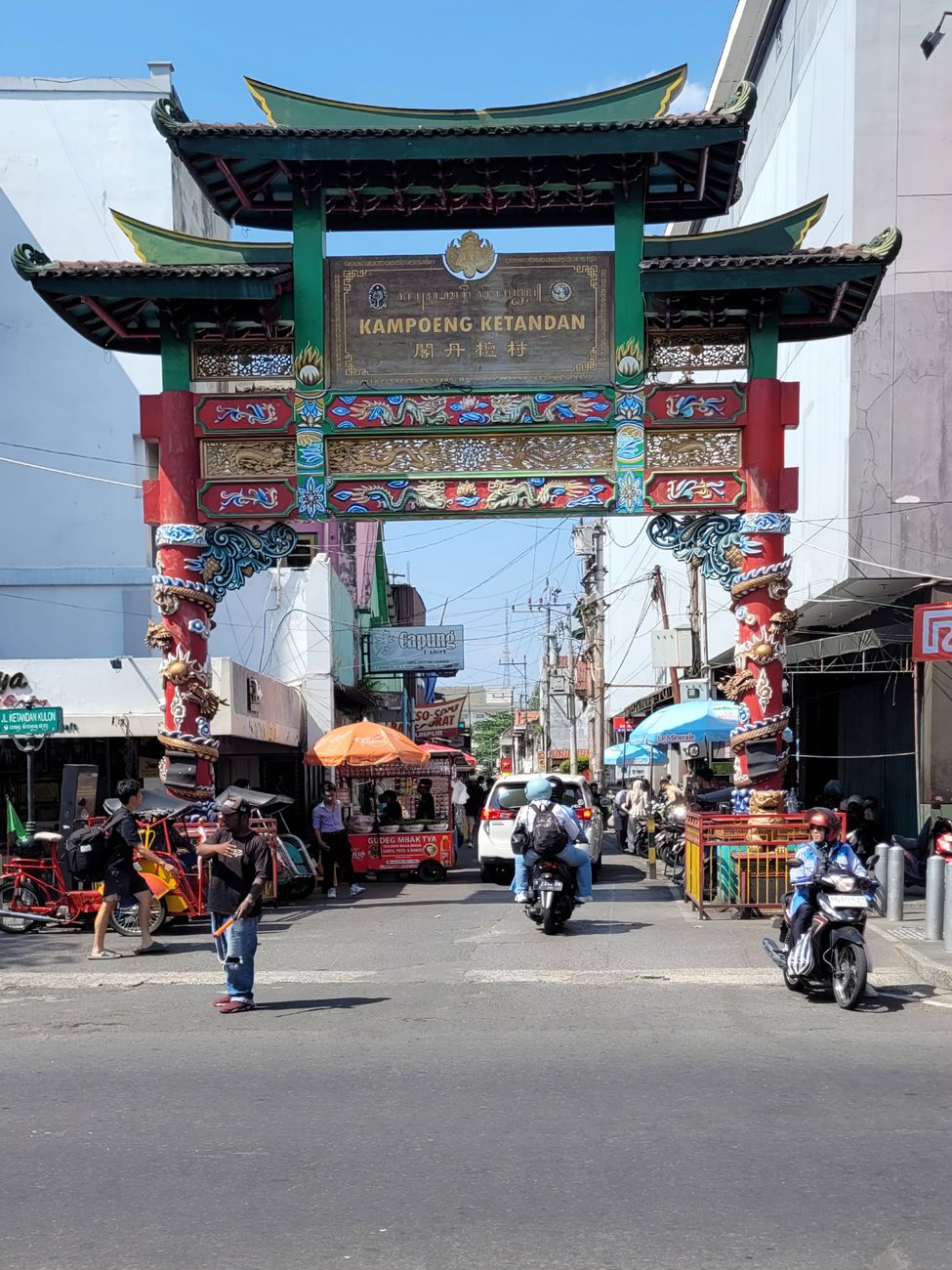
It is a historic port city with Dutch colonial architecture, Chinese-Indonesian heritage, temples, food markets and an atmospheric old quarter.
It does not have Yogyakarta’s obvious tourism appeal, which is precisely why I enjoyed it. Semarang feels more like a working Indonesian city than somewhere carefully assembled for visitors.


Top things to do in Semarang
1. Explore Kota Lama
Kota Lama, Semarang’s Old Town, is the easiest place to begin.
The neighborhood contains Dutch-era warehouses, churches and restored colonial buildings, many of which now contain cafés and galleries.
Go later in the afternoon when the temperature drops slightly.
2. Visit Lawang Sewu
Lawang Sewu is probably Semarang’s most famous landmark.
Its name means “a thousand doors,” and the huge colonial-era building has long corridors, stained glass and enough dramatic history to have developed a slightly haunted reputation.
3. Explore Chinatown
Semarang’s Pecinan district is one of the best areas for temples, shop houses and food.
Come in the late afternoon and stay into the evening.
4. Eat Lumpia Semarang
Lumpia is the city’s signature snack, generally filled with bamboo shoots alongside egg, chicken or shrimp.
Eating the local speciality technically counts as cultural research, which is convenient.

EAST JAVA
Surabaya Travel Guide
Days recommended: 1 day
Best for: History, food, old neighborhoods and transport connections
Pair it with: Mount Bromo, Malang or Madakaripura
Surabaya is Indonesia’s second-largest city and one of Java’s most useful transport hubs.
I would not prioritize it over Yogyakarta or Malang on a first trip, but if your route brings you through Surabaya, it is worth giving the city more than the inside of an airport terminal.


Things to do in Surabaya
Explore the Old Town, wander around Ampel Arab Quarter, visit Chinese-Indonesian neighborhoods and eat your way through local dishes including rawon, rujak cingur and sate klopo.
The appeal is not polished sightseeing.
It is the feeling of being inside a huge working Indonesian city.
CENTRAL JAVA
Karimunjawa Travel Guide
Days recommended: 3 to 4 days
Best for: Beaches, snorkeling, island hopping and slowing down
Pair it with: Semarang and Jepara
Karimunjawa is the plot twist in a Java itinerary.
After days of cities, volcanoes, trains and temple ruins, you suddenly arrive somewhere with clear turquoise water, white-sand beaches and tiny tropical islands.
The archipelago sits off Java’s north coast and feels completely removed from the rest of the island.
If you have at least two weeks in Java, this is the place I would add when you need a break from 3 AM alarms and volcanic dust.


How to Get to Karimunjawa
Most travelers first travel to Jepara, then take a ferry or fast boat to Karimunjawa.
Semarang is one of the most convenient larger cities to use before Jepara.
Boat schedules can change with weather and sea conditions, so I would never arrange an important international flight immediately after your planned return.
Give yourself buffer time.
Top Things to Do in Karimunjawa
1. Take an Island-Hopping Boat Trip
This is easily the best thing to do in Karimunjawa. A full-day boat trip usually combines small islands, snorkeling, coral reefs, beach stops and lunch. We did a private trip, which gave us much more freedom over where we stopped and how long we stayed.
Price: Around 650,000 IDR per person.
Location: Cemara Kecil, Cemara Besar.
2. Snorkel the Reefs
Karimunjawa National Park protects marine ecosystems around the islands, and snorkeling is one of the main reasons to visit. Conditions vary, so your boat captain should choose the day’s sites based on weather and visibility.
3. Visit a Turtle Conservation Project
Visiting a turtle conservation project gives you a closer look at local marine protection efforts and why Karimunjawa is more than just a pretty island escape. Boat transport may cost extra.
4. Visit Pantai Bobby
Pantai Bobby is an easy beach stop on the main island with calm-looking tropical scenery and plenty of space to slow down.
5. Bukit Love Viewpoint
Bukit Love gives you an easy elevated view over Karimunjawa’s green interior and coastline.
It gets busier around sunset, so arrive slightly before everyone else has the exact same brilliant idea.
6. Watch Sunset With Absolutely Nothing Planned
Karimunjawa is also one of those places where doing absolutely nothing is part of the experience. After Java’s volcanoes, trains and 3 AM alarms, sitting on a beach watching the sunset suddenly feels like a perfectly legitimate itinerary item.
After Java’s volcanoes and cities, you have earned it.

CENTRAL JAVA
Other Java Destinations
Other Places Worth Visiting in Java
You could spend months crossing Java and still miss places, so this guide focuses mainly on the destinations I know best.
If you have more time, these are some of the other places worth researching.
Jakarta
Indonesia’s capital is chaotic, enormous and one of the main international gateways into Java.
It is worth considering for Kota Tua, museums, food and modern Indonesian city life, but I would not sacrifice Yogyakarta, Bromo or Ijen simply to squeeze Jakarta into a short first trip.
Bandung
Bandung is known for cooler weather, Art Deco architecture, cafés, food and the volcanic landscapes and tea plantations surrounding the city.
It works especially well if you are traveling overland from Jakarta toward Central Java.
Dieng Plateau
The Dieng Plateau is a high-altitude region in Central Java known for volcanic scenery, colorful lakes, small Hindu temples and misty mountain landscapes.
It makes a good addition if you have more time around Central Java and want something quieter than Java’s major cities.
Solo
Solo, also called Surakarta, is another important center of Javanese culture and batik.
It is smaller and generally calmer than Yogyakarta and works well as a cultural stop between Central and East Java.
PLANNING JAVA
Where To Stay In Java
There is no single “best area to stay in Java” because the island is far too large.
Instead, choose a base for each part of your route.
| Destination | Best Area to Base Yourself |
| Yogyakarta | Prawirotaman for cafés and guesthouses, or near Malioboro for central access |
| Mount Bromo | Cemoro Lawang for closest access, or Malang for a more comfortable city base |
| Malang | Central Malang / Klojen |
| Kawah Ijen | Banyuwangi |
| Semarang | Around Kota Lama or the central city |
| Surabaya | Central Surabaya / Tunjungan area |
| Karimunjawa | Around Karimunjawa town or the quieter beaches outside town |
COSTS
How Much Does a Java Trip Cost?
Java is generally much cheaper to travel around than Bali, especially when it comes to food, hotels and getting between cities. The part that pushes the budget up are the big-ticket experiences like Mount Bromo, Kawah Ijen, private drivers and guided day trips.
For a comfortable trip, I would budget roughly IDR 700,000 to 1,500,000 per person per day, excluding international flights. You can absolutely spend less if you stay in simple guesthouses, eat locally and use trains, while private tours and nicer hotels can push you well above that.
| Expense | Rough 2026 cost |
| Budget guesthouse | IDR 200,000 to 450,000 per night |
| Mid-range hotel | IDR 500,000 to 1,200,000 per night |
| Local meal | IDR 20,000 to 60,000 |
| Restaurant meal | IDR 70,000 to 200,000 |
| Intercity train | IDR 100,000 to 500,000+ |
| Private driver for the day | IDR 600,000 to 1,000,000+ |
| Mount Bromo trip | Around IDR 500,000 to 1,500,000+ depending on group size and inclusions |
| Kawah Ijen tour | Around IDR 400,000 to 1,000,000+ |
| Scooter rental | Around IDR 70,000 to 120,000 per day |
The easiest way to keep costs under control is to use trains between the major cities and only hire drivers where they actually make sense. Yogyakarta to Malang, for example, is far easier by train than paying somebody to sit in traffic with you for half a day.
Food is where Java is ridiculously good value. A proper local meal can cost less than a coffee in Canggu, and some of the best things I ate on the island came from tiny warungs and street stalls rather than restaurants trying to impress anyone.
The volcanoes are where I would not automatically go for the cheapest option. For Mount Bromo and especially Kawah Ijen, I would rather pay a little more for a reliable operator, decent transport and somebody who actually takes safety seriously.
As always in Indonesia, prices change quickly, so use these as a rough planning guide rather than fixed rates.
ITINERARY
10-Day Java Itinerary for First-Time Visitors
If this is your first trip to Java, I would travel west to east, starting in Yogyakarta and slowly making your way toward Bali.
The route I would choose is: Yogyakarta → Malang → Mount Bromo → Tumpak Sewu → Banyuwangi → Kawah Ijen → Bali
It gives you the best mix of temples, cities, food, volcanoes and nature without constantly backtracking across an island that is much bigger than it looks on Google Maps.
Days 1 to 3: Yogyakarta Start your Java trip in Yogyakarta, because it is probably the easiest place to ease yourself into the island.
Spend your first day getting to know the city rather than immediately disappearing on a twelve-hour temple marathon. Walk around Malioboro, visit the Kraton and Taman Sari, try gudeg and get used to the fact that Java operates at a slightly different volume level than Bali.
Day 2: visit Borobudur. I would give it a proper half day rather than rushing through it, especially if you have booked a ticket that allows you to climb the temple structure.
Day 3: Prambanan, Jomblang Cave, or another day trip depending on what interests you most. Jomblang is the more adventurous choice and will take up most of the day.
Day 4: Take the train from Yogyakarta to Malang. This is deliberately a slower day. Java has some beautiful train journeys, and I actually think traveling overland is part of the experience here rather than something you need to get over with as quickly as possible. Once you arrive, check into your hotel, find some food and do very little else unless you still have energy. You are going to need it.
Day 5: Spend a full day in Malang before throwing yourself into the volcano section of the trip. Visit Jodipan Colorful Village and Kampung Biru Arema, walk through some of the older colonial areas and try bakso Malang. Malang is not one of those cities where you need to tick off fifteen attractions. I liked it because it felt calmer and greener than some of Java’s bigger cities, and it gives you a decent breather before the 2 AM alarms begin.
Day 6: Today is Mount Bromo, which means you will probably be awake before your body has even accepted that yesterday ended. Most sunrise trips begin around 2 or 3 AM. You will drive up to the viewpoint, watch sunrise over the Tengger caldera, then head down into the Sea of Sand before walking up to Bromo’s crater rim. It is touristy and the jeep traffic can be completely ridiculous, but the landscape is still one of the most spectacular things I saw in Java. Afterward, I would not plan anything ambitious. Have food, shower off the volcanic dust and accept that you have already done enough with your day.
Day 7: Use the next day for Tumpak Sewu, one of Java’s most dramatic waterfalls. The upper viewpoint is easy, but if you hike down into the canyon, expect a proper adventure. The path is wet, steep and slippery in places, so wear shoes with grip and bring clothes you do not mind getting soaked. You can visit Tumpak Sewu from Malang, but it makes for a long day. If your itinerary allows it, staying closer to the waterfall the night before or afterward makes the whole thing much easier.
Day 8: Continue east toward Banyuwangi, the main base for hiking Kawah Ijen. This is another day where I would resist the urge to fill every free hour. Check into your accommodation, organize your Ijen transport, prepare warm clothes and your hiking gear, then get some sleep because your alarm is going to be offensive again.
Day 9: Your Kawah Ijen trip normally starts in the middle of the night. The hike itself is not extremely long, but the darkness, steep sections, cold temperatures and sulfur fumes make it feel more intense than the distance suggests. If conditions allow, you may see the famous blue fire before sunrise. Afterward, daylight reveals the huge turquoise crater lake and the strange yellow sulfur landscape around it. Go with a reliable guide, take the fumes seriously and do not treat getting as close as physically possible to the crater as some sort of travel achievement. Once you are back in Banyuwangi, spend the rest of the day recovering.
Day 10: Finish your Java trip by continuing to Bali. From Banyuwangi, head to Ketapang Harbour and take the ferry across to Gilimanuk in West Bali. The ferry crossing itself is short, but remember that Gilimanuk is on the far western side of Bali. If you are heading straight to Ubud, Canggu or Uluwatu, you still have several hours of driving ahead of you. I would either continue toward North Bali or Munduk, which makes geographical sense, or accept that Day 10 is mostly a travel day.
→ READ NEXT: Complete Bali Travel Guide for where to go after crossing from Java and how to plan the rest of your route.
What If You Only Have 7 Days in Java? If you only have one week, I would simplify the route to:
Yogyakarta → Mount Bromo → Kawah Ijen → Bali
Skip Malang as a full sightseeing day and leave Tumpak Sewu for another trip. It is faster and you lose some variety, but you still get Java’s three biggest first-time highlights without trying to squeeze ten days of travel into seven.
WHEN TO VISIT
Best Time to Visit Java
The best time to visit Java is generally from May to October during the drier season, with April and November acting as shoulder months depending on the region and year.
This usually gives you better conditions for Mount Bromo, Kawah Ijen, waterfalls, temple visits and long overland travel days.
The wetter months from roughly November through April can still be beautiful. Landscapes are greener, waterfalls are fuller and there are fewer visitors in some places.
The trade-off is more rain, muddier trails and a higher chance that your spectacular sunrise consists entirely of one large grey cloud.
For volcano trips, always check conditions immediately before going rather than relying only on seasonal averages.
BEFORE YOU GO
Visa Requirements for Java, Indonesia
Java follows exactly the same immigration rules as the rest of Indonesia.
Many eligible travelers use a Visa on Arrival or electronic Visa on Arrival, which provides an initial stay of up to 30 days and can currently be extended once for another 30 days.
Eligibility depends on nationality, so always check the official Indonesian immigration website rather than assuming the visa rules somebody posted on Facebook three years ago still apply.
Make sure your passport meets the current validity requirements and keep proof of onward or return travel available.
If you are staying longer, check the current visitor-visa options directly through Indonesian Immigration because visa categories and procedures do change.
TRAVEL ADVICE
Travel Advice
How to Get Around Java
Java has one enormous advantage over many Indonesian islands: trains.
The railway system connects many of the major cities and makes overland travel considerably easier than trying to organize drivers across the entire island.
Traveling Java by Train
For routes between places like Jakarta, Bandung, Yogyakarta, Solo, Semarang, Surabaya and Malang, trains are often the best option.
They are generally comfortable, relatively straightforward and let you see the countryside instead of spending another day staring at airport security trays.
Book popular routes in advance, especially during weekends and Indonesian holidays.
The official Access by KAI app and KAI website are the safest places to check schedules and tickets.
Private Drivers
Drivers are useful for:
- temple days around Yogyakarta
- Bromo transfers
- waterfall trips
- Ijen
- remote attractions
- days where public transport would require seventeen unnecessary steps
Always agree on the route, total price and waiting time before leaving.
Grab and Gojek
Ride-hailing apps are useful in major cities including Yogyakarta, Malang, Semarang, Surabaya and Jakarta.
Availability drops once you reach smaller villages and remote volcano areas.
Scooters
Scooters can be useful locally but I would not use one to cross huge sections of Java unless you genuinely know what you are doing.
Traffic can be intense and distances are enormous.
Only ride if you have the correct license, experience and insurance.
Java to Bali Ferry
If you travel east through Ijen, the natural next step is the Ketapang to Gilimanuk ferry.
This route connects Banyuwangi in East Java with West Bali and makes the classic Yogyakarta → Bromo → Ijen → Bali journey extremely easy to build.
Leave extra time around onward connections because ferry and road conditions can change.
JAVA FOOD
What To Eat In Java
What to Eat in Java
Food is one of the best reasons to travel around Java because every region seems to have decided it needs its own dish.
Gudeg
Yogyakarta’s famous sweet jackfruit dish, usually served with rice, chicken, egg, tofu or tempeh.
Rawon
A rich dark beef soup from East Java made with keluak. The color looks slightly alarming. The taste is excellent.
Bakso Malang
Malang’s famous meatball soup, usually served with noodles, dumplings and various fried additions.
Soto Ayam
A comforting yellow chicken soup with turmeric, noodles, egg and herbs.
Lumpia Semarang
Semarang’s signature spring rolls, traditionally filled with bamboo shoots alongside other ingredients.
Pecel
Rice and vegetables covered in a spicy peanut sauce.
Nasi Liwet
Fragrant rice served with various side dishes and especially associated with Central Java.
And obviously, Java is still Indonesia, so nasi goreng, mie goreng, satay, martabak and more sambal than your digestive system requested will never be far away.
DATES TO KNOW
Holidays
Holidays and Festivals in Java
Indonesia’s major public holidays can dramatically affect travel in Java because so many people live on the island.
The biggest one to plan around is Eid, when millions of Indonesians travel home to visit family during the annual mudik migration.
Trains, flights, ferries, hotels and roads can become extremely busy.
If you are traveling around Eid, book transportation well in advance.
Waisak at Borobudur
Waisak, or Vesak, is one of the most important Buddhist celebrations in Indonesia and Borobudur is one of the country’s most significant places to experience it.
Expect ceremonies, processions and much higher visitor numbers around the event.
Indonesian Independence Day
August 17 brings flags, neighborhood games, celebrations and events across Java.
It is a fun time to be on the island and gives you a completely different glimpse of everyday community life.
Frequently Asked Questions About Visiting Java
Is Java worth visiting?
Yes, Java is absolutely worth visiting if you want more than beaches. This is where you get volcanoes, temples, train journeys, chaotic cities, waterfalls, street food and a more intense side of Indonesia. It is less polished than Bali, but that is exactly what makes it interesting.
How many days do you need in Java?
For a good first Java trip, I would plan at least 7 to 10 days. That gives you enough time for Yogyakarta, Borobudur, Mount Bromo, Mount Ijen and one or two extra stops like Malang, Surabaya or Karimunjawa. You can rush Bromo and Ijen in a few days, but Java is better when you give yourself some breathing room.
What is the best time to visit Java?
The best time to visit Java is usually during the dry season, roughly April or May to October. This is better for volcano hikes, sunrise viewpoints and long travel days. The rainy season can still be beautiful, especially for waterfalls and greener landscapes, but hikes and transport can be less predictable.
Is Mount Bromo or Mount Ijen better?
Mount Bromo is better if you want iconic sunrise views with less physical effort. Mount Ijen is better if you want a more intense overnight hike, the crater lake and the famous blue fire. If you have time, do both. They are completely different experiences, and together they make one of the best adventure routes in East Java.
Do you need a guide for Mount Bromo and Mount Ijen?
For Mount Bromo, many travelers join a jeep tour because it makes the sunrise route much easier. For Mount Ijen, I would strongly recommend going with a guide, especially because the hike starts at night and the crater area can be dangerous. You also need to take the sulfur fumes seriously. This is not the moment to freestyle because you saw a TikTok. If you want to hike these volcanoes, have a look at my best volcano hikes in Indonesia.
What is the best way to travel around Java?
Trains are one of the best ways to travel across Java, especially between cities like Yogyakarta, Malang, Surabaya and Banyuwangi. For volcano areas, you will usually need a driver, tour or local transport connection because the actual viewpoints and trailheads are not always close to the train stations. Java looks simple on a map, then immediately starts adding plot twists.
Is Java safe for tourists?
Java is generally safe for tourists, but it is bigger, busier and more intense than Bali. Watch your belongings in crowded areas, be careful with overnight travel, use reliable drivers or tours for volcano trips, and leave enough time between long transfers. The main “danger” is usually bad planning, tight schedules and thinking everything is closer than it is.
Is Java or Bali Better?
Java = volcanoes, temples, trains, cities, more adventure
Bali = beaches, easier tourism, accommodation, cafés, island holiday
Where should I go in Java for a first trip?
For a first Java trip, I would focus on Yogyakarta, Mount Bromo and Mount Ijen. Yogyakarta gives you culture, temples and city life. Bromo gives you the classic volcanic sunrise. Ijen gives you the crater lake and a proper adventure. If you have more time, add Malang, Tumpak Sewu or Karimunjawa.




NEWSLETTER
Subscribe for travel tips, new vlogs & life behind the scenes.
© 2026 Keep Up With Car – All rights reserved.
