Last updated on September 9th 2026
NEW ZEALAND SOUTH ISLAND TRAVEL GUIDE
Everything You Need to Know Before You Go
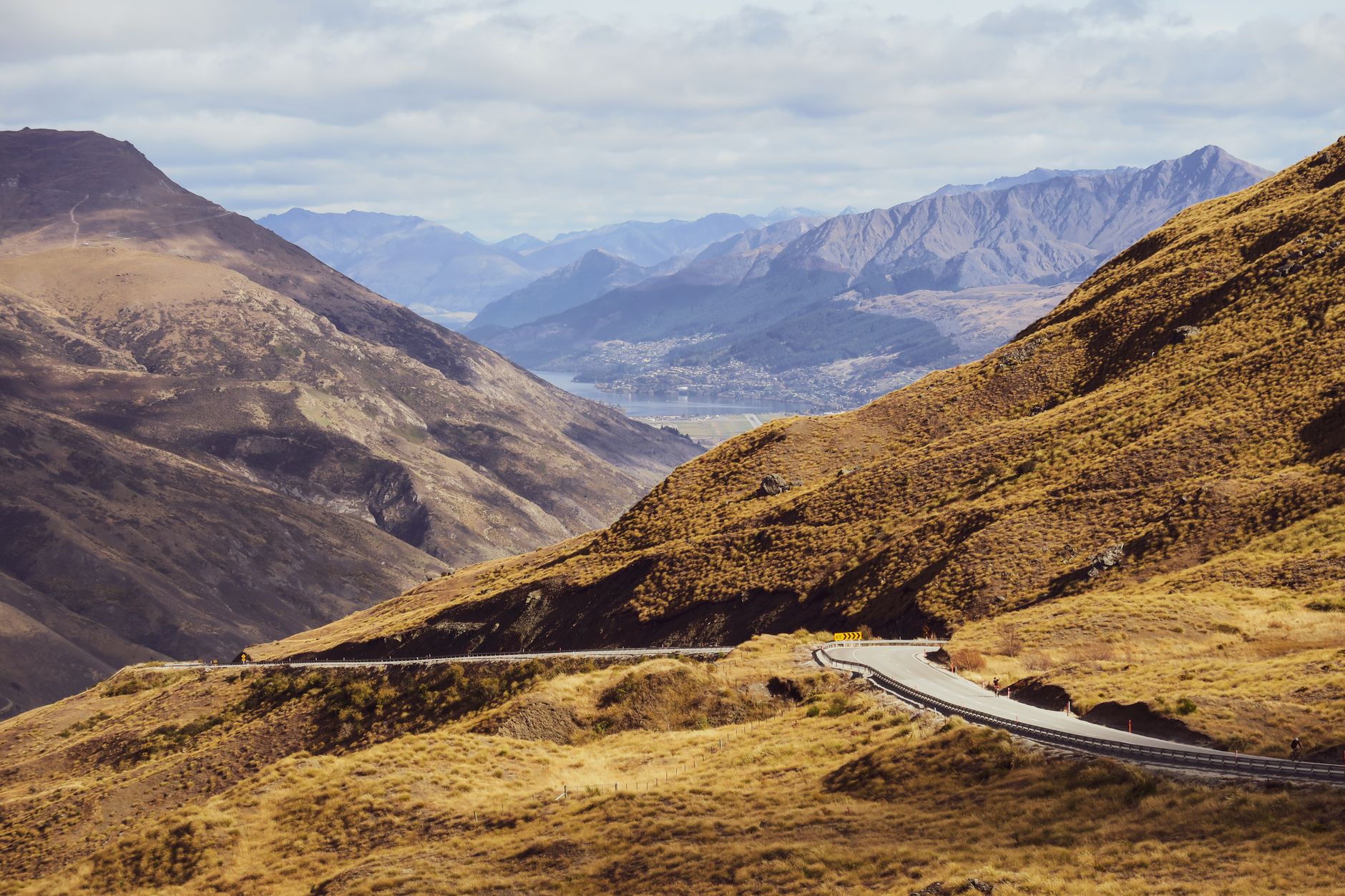
New Zealand’s South Island, known in te reo Māori as Te Waipounamu, is one of those places where the journey genuinely matters as much as the destination. The Southern Alps run through the island, separating wild rainforest and glaciers on the West Coast from the drier landscapes of Canterbury and Central Otago, while places like Milford Sound, Aoraki/Mount Cook, Wānaka and Lake Tekapo somehow manage to make even the most aggressively edited Instagram photos look fairly realistic.
It’s also ridiculously well suited to road trips. You can cross an alpine pass in the morning, walk beside a glacier that afternoon and wake up beside a completely different lake the following day.
That’s exactly why I chose to explore the South Island by campervan.
FIRST TIMER
First Time on New Zealand’s South Island?
New Zealand’s South Island is the larger but less populated of the country’s two main islands, and it’s where you’ll find many of the landscapes New Zealand is most famous for. The Southern Alps run almost the entire length of the island, with glaciers and rainforest to the west, wide plains to the east and lakes, vineyards and dramatic mountain scenery throughout the south.
For travellers, the big appeal is how easy it is to combine completely different landscapes into one trip. You can cross Arthur’s Pass, explore glaciers on the West Coast, drive through the mountains around Wānaka and Queenstown, cruise through Milford Sound and finish among the turquoise lakes surrounding Aoraki/Mount Cook and Lake Tekapo.
Best starting point: Christchurch
Best trip length: 10–14 days
Best transport: Rental car or campervan
Don’t miss: Milford Sound, Aoraki/Mount Cook, Wānaka, West Coast
Best road-trip season: November–April for easiest conditions
Best shoulder season: September–November or March–May
Allow extra driving time: Always
If you’re planning something similar, I’ve separated the detailed road-trip planning into individual guides. Start with my 10-Day New Zealand South Island Itinerary for the route, or use my Must-See Spots in New Zealand’s South Island to decide what belongs on yours. For the practical side, my How to Plan a New Zealand Road Trip, Freedom Camping in New Zealand South Island Guide and New Zealand Campervan Tour + 10-Day RV Road Trip Cost cover everything from driving and campsites to the actual budget.
START EXPLORING
Explore New Zealand
South Island
Planning a South Island road trip gets much easier once you separate the route from the logistics. Use the guides below to build your itinerary, choose the places worth stopping for, understand the camping rules and work out what a campervan road trip through New Zealand actually costs.
DAY BY DAY ROUTE
10-Day New Zealand South Island Itinerary
HOW TO?
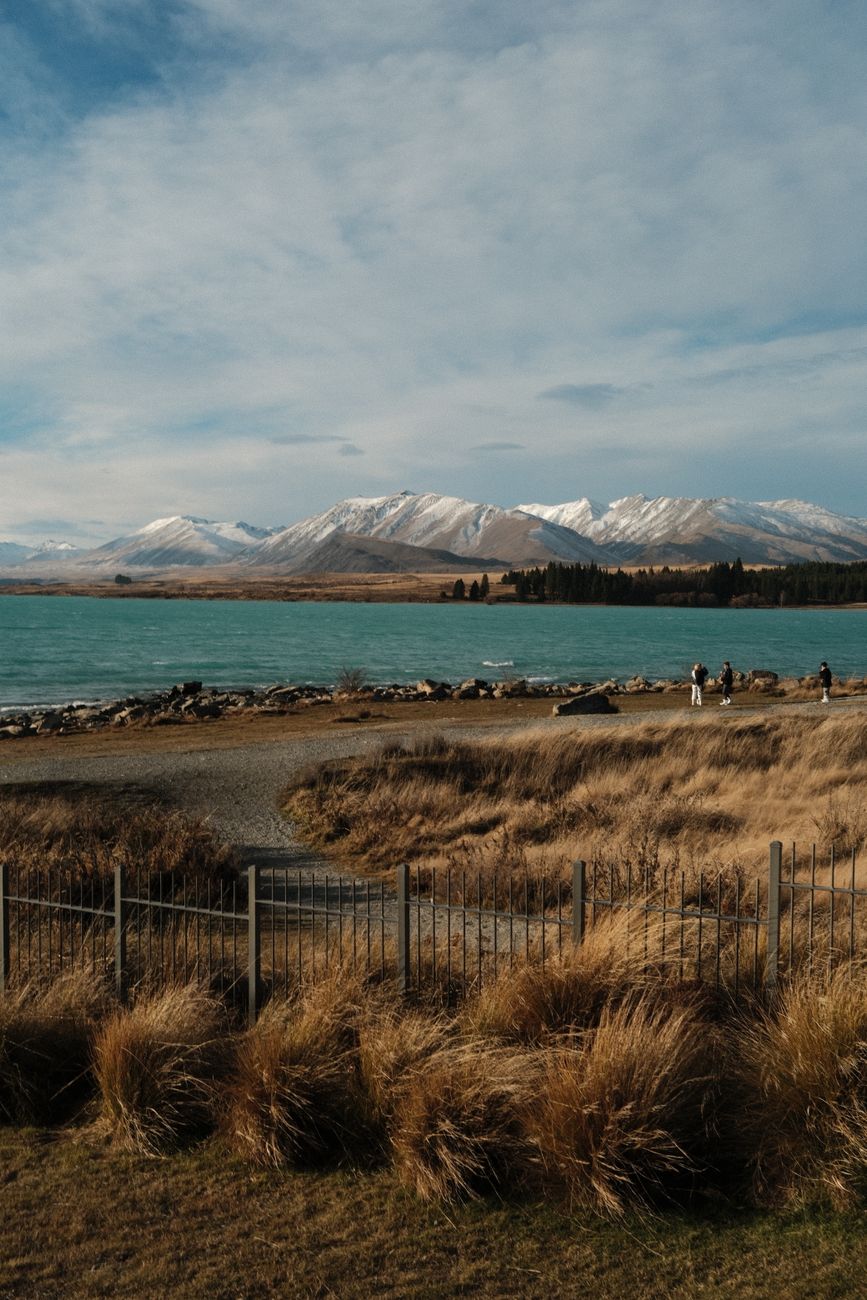
How To Plan A Road Trip In New Zealand
RULES & CAMPSITES
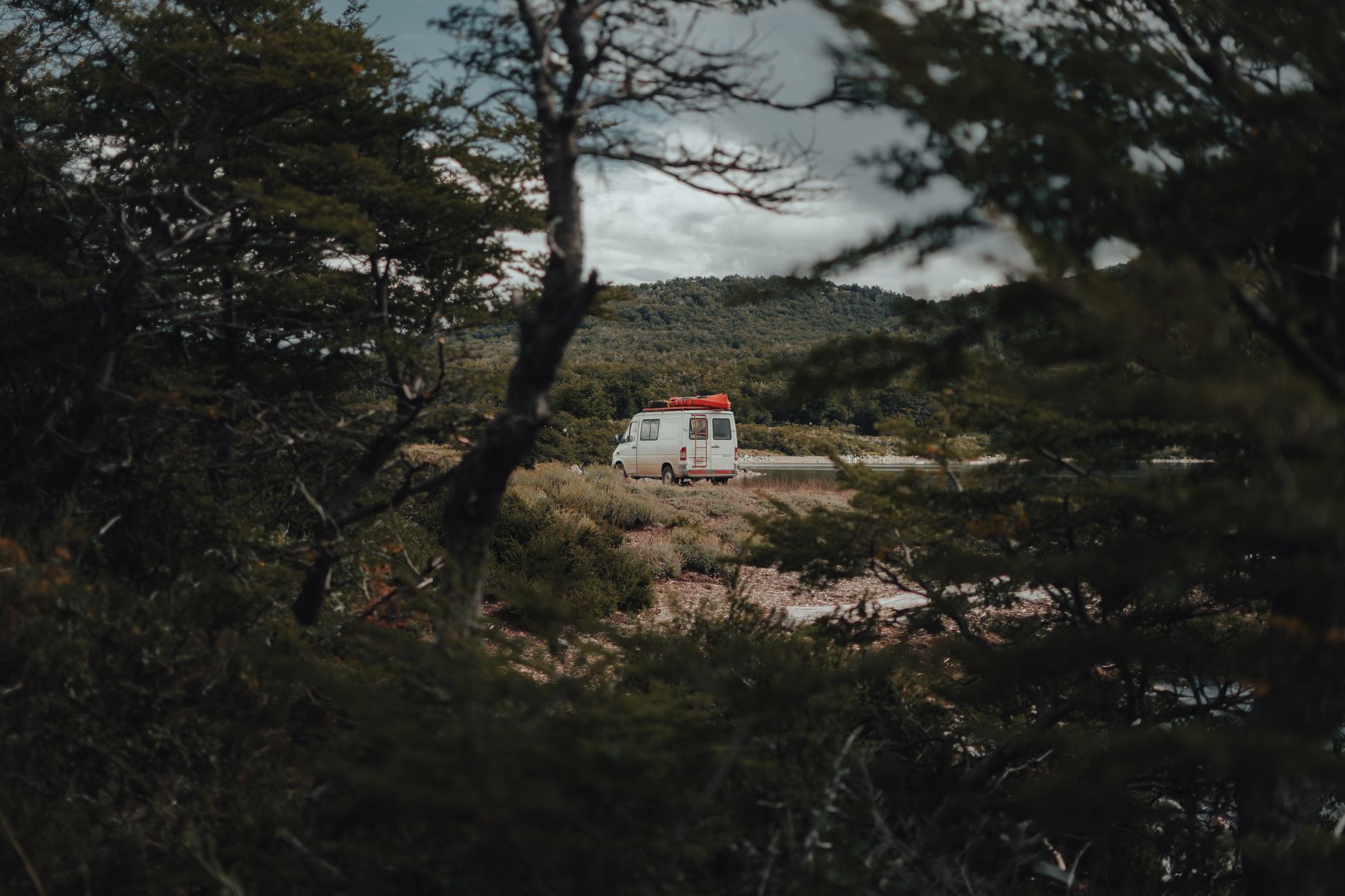
Freedom Camping in New Zealand Explained
RV TOUR & COST
New Zealand Campervan Tour + Cost Breakdown
PLACES TO PRIORITIZE
Must-See Spots in New Zealand’s South Island!
BEST TIME
Best Time to Visit New Zealand’s South Island
You can visit the South Island throughout the year, but the experience changes enormously depending on the season.
New Zealand’s seasons are opposite to Europe and North America:
| Season | Months | Best For |
|---|---|---|
| Summer | December to February | Hiking, long days and warmest weather |
| Autumn | March to May | Autumn colours, road trips and fewer crowds |
| Winter | June to August | Skiing, snow and alpine scenery |
| Spring | September to November | Shoulder season, snow-capped mountains and fewer crowds |
Summer is the busiest period overall, while spring and autumn are generally considered shoulder seasons. Winter is quieter in many parts of the country but remains busy around ski destinations such as Queenstown and Wānaka. You can compare the seasons in more detail through the official New Zealand climate and weather guide.
What Is the Weather Like on the South Island?
There isn’t really one useful answer to this because the Southern Alps create completely different climates across the island.
The West Coast is much wetter and greener, which is exactly why you find rainforest and glaciers around Franz Josef and Fox Glacier.
Cross the mountains toward Canterbury and Central Otago, and conditions become noticeably drier.
Then you have the alpine areas around Arthur’s Pass, Aoraki/Mount Cook, Wānaka and Queenstown, where temperatures can change quickly and snow can affect roads well outside the middle of winter.
Basically, pack layers. Even in summer.
For forecasts during the actual trip, I would use MetService rather than relying only on whatever little weather icon Google happens to be showing you.
Why I Chose September
For me, September offered a really interesting compromise. Campervan prices can be considerably lower than during the summer peak, crowds are smaller, there’s still snow on the mountains and skiing around Wānaka and Queenstown may still be possible.
The downside is unpredictability.
Spring weather can change quickly and snow or ice can still affect alpine roads. September therefore isn’t the month to create an itinerary where absolutely nothing can move.
I’ve gone much deeper into shoulder season, road closures, snow chains and how I built flexibility into our route in my How to Plan a New Zealand Road Trip.
HOW MANY DAYS
How Many Days Do You Need for the South Island?
How long you need depends entirely on how much of the island you’re trying to cover.
5 to 7 Days
Choose one section of the island rather than attempting the whole thing.
A route such as: Christchurch → Lake Tekapo → Aoraki/Mount Cook → Wānaka → Queenstown would already give you a fantastic first look at the South Island.
Trying to throw Milford Sound, the West Coast and everything else into the same week turns the trip into a driving competition nobody asked to enter.
10 Days
This is roughly what we did. Ten days gives you enough time for a proper loop through many of the South Island’s biggest highlights, but you still have to make choices. I cut places such as Kaikōura, Marlborough and the Catlins because adding everything would have made our itinerary ridiculous.
You can see exactly what made the final cut in my 10-Day New Zealand South Island Itinerary.
2 to 3 Weeks
This would be my ideal amount of time if you want to explore a much larger portion of the island without constantly moving.
You could add places like Kaikōura, Marlborough, Nelson, Abel Tasman, Dunedin or the Catlins and still have time to actually enjoy them.
WHY VISIT
Why Visit New Zealand’s South Island?
The South Island packs an enormous variety of landscapes into a relatively small area. According to New Zealand’s official tourism site, the Southern Alps stretch for roughly 500 kilometres through the island, surrounded by glaciers, alpine lakes, dramatic mountain passes, rainforest and some seriously wild coastline.
What Is the South Island Famous For?
Some of the biggest reasons to visit include:
- Aoraki/Mount Cook, New Zealand’s highest mountain
- The fjords and waterfalls of Milford Sound
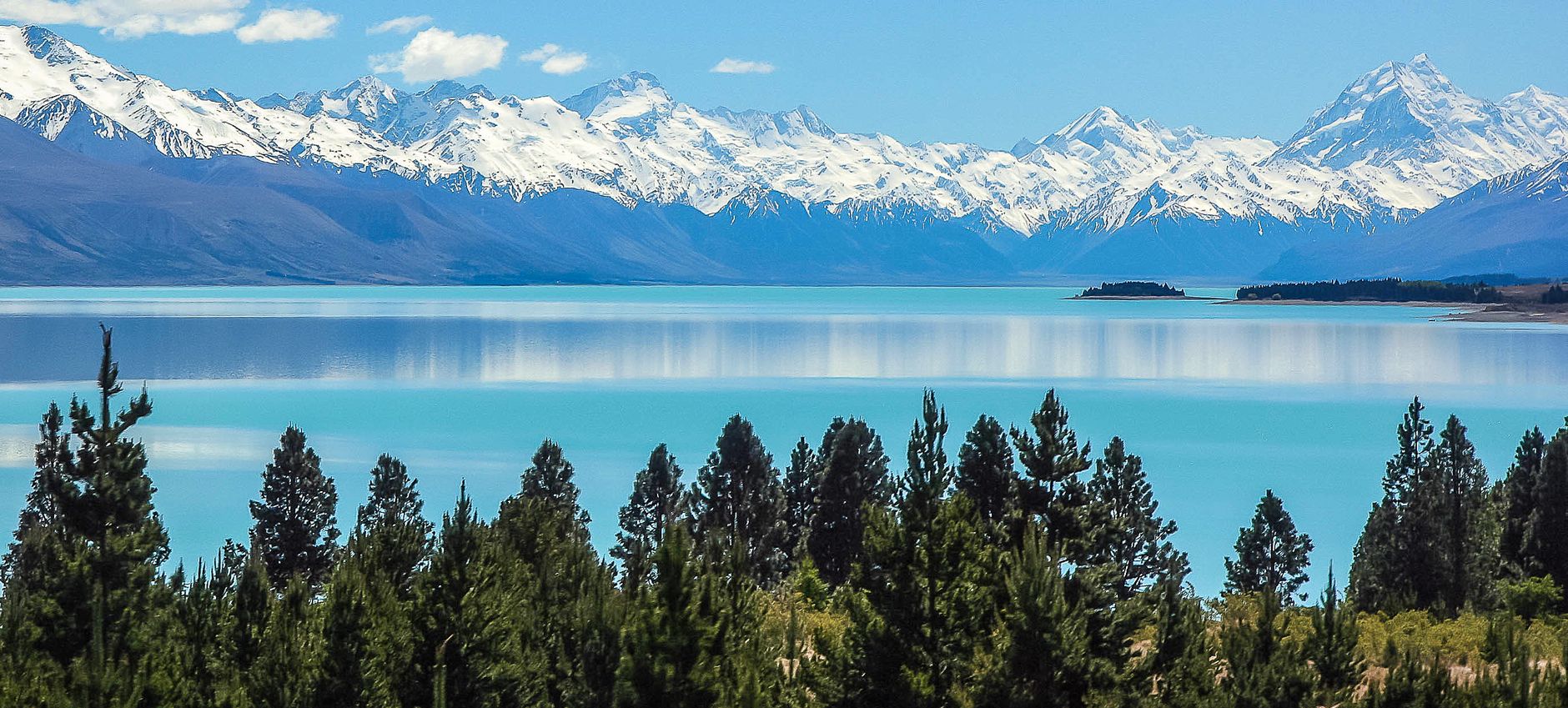
- The turquoise waters of Lake Pūkaki and Lake Tekapo
- The mountains surrounding Wānaka and Queenstown
- Franz Josef and Fox Glacier on the West Coast
- The wild landscapes of Arthur’s Pass and Haast Pass
- Wine regions such as Central Otago and Gibbston Valley
- Hundreds of hiking trails ranging from quick walks to serious multi-day adventures
But I think what makes the South Island particularly special is how much happens between those famous places.
Some of the most memorable parts of a trip can simply be driving through Arthur’s Pass, following SH6 along the West Coast, crossing Haast Pass or watching Aoraki suddenly appear at the end of the road beside Lake Pūkaki.
That’s exactly why I would road trip the South Island rather than base myself in one city.
If you’re trying to work out which places actually deserve a spot on your route, I’ve narrowed them down in my Must-See Spots in New Zealand’s South Island.
BEFORE YOU GO
New Zealand Entry Requirements & Essential Travel Information
There are a few practical things worth sorting before you fly, particularly your visa or NZeTA, Traveller Declaration and New Zealand’s fairly serious biosecurity requirements.
Do You Need a Visa or NZeTA for New Zealand?
Your entry requirements depend on your passport.
Travellers from many countries, including the Netherlands, France, the United Kingdom, Canada and the United States, are part of New Zealand’s visa-waiver programme. If you hold a passport from a visa-waiver country, you generally don’t need to apply for a traditional visitor visa before travelling, but you do need an NZeTA.
You can check whether your passport qualifies on the official Immigration New Zealand visa-waiver list.
The NZeTA is currently valid for two years for travellers, and Immigration New Zealand recommends allowing up to 72 hours for processing. The current application fee is NZ$17 through the official app or NZ$23 online, with the NZ$100 International Visitor Conservation and Tourism Levy generally paid at the same time.
Apply only through the official New Zealand Electronic Travel Authority website.
Entry rules can change, so always check your own situation before travelling.
New Zealand Traveller Declaration
The NZeTA isn’t the only thing you need to do before arrival.
Everyone entering New Zealand must also complete a New Zealand Traveller Declaration, including babies and children.
The declaration collects travel, customs, immigration and biosecurity information and is completely free. You can complete it using the official New Zealand Traveller Declaration website or app.
Don’t confuse this with your NZeTA.
They are two different things.
New Zealand’s Biosecurity Rules Are Strict
This is one thing I genuinely wouldn’t ignore before flying.
New Zealand takes biosecurity very seriously because imported pests and diseases can cause major damage to its environment and agriculture.
You need to declare risk items such as food, plants, seeds, animal products and certain outdoor equipment. Used hiking boots, camping gear, fishing equipment and other items that may contain soil, seeds or organic material can also need to be declared.
The New Zealand Ministry for Primary Industries explains exactly what must be declared.
Clean your hiking shoes and outdoor equipment properly before travelling, and if you’re unsure about an item, declare it.
Failing to declare biosecurity risk goods can currently result in an instant NZ$400 fine.
This is one border where “I forgot there was an apple in my backpack” doesn’t land particularly well.
Currency & Paying in New Zealand
New Zealand uses the New Zealand Dollar (NZD).
Major credit and debit cards are widely accepted, with Visa and Mastercard among the most commonly used, and contactless payments are normal in most towns and cities. You can find more information on the official New Zealand currency and costs guide.
I would still carry a small amount of cash while road tripping, particularly if you’re heading into more remote areas.
A few useful things to know:
- GST is already included in displayed prices
- Tipping is not compulsory
- ATMs are easy to find in towns and cities
- Check whether your own bank charges foreign transaction or ATM fees
Is New Zealand’s South Island Expensive?
Yes.
This is probably not the destination where your €12 Southeast Asian daily budget is going to thrive.
The biggest costs on a South Island trip are generally accommodation or campervan rental, fuel, restaurants, activities, insurance and campsites.
Travelling in a campervan can offset some of that because you can cook for yourself and mix paid campsites with legal freedom camping.
We’re tracking exactly what our own motorhome costs during the trip, including rental, insurance, fuel and campsites. I’ll break down the real numbers in my New Zealand Campervan Tour + 10-Day RV Road Trip Cost.
Language in New Zealand
English is the language you’ll encounter most often as a traveller, but you’ll also see te reo Māori throughout New Zealand, particularly in place names, signage and official terminology.
Some places use both Māori and English names, including:
Aoraki / Mount Cook
Ōtautahi Christchurch
You’ll also hear words such as kia ora, commonly used as a greeting.
Plugs & Electricity in New Zealand
New Zealand uses Type I plugs, the same style used in Australia.
The electricity supply is 230/240V at 50Hz. The official New Zealand electricity and internet guide explains the plug and voltage system in more detail.
If you’re travelling from mainland Europe, the UK or North America, you’ll normally need a plug adapter.
Most modern phones, laptops, cameras and drone chargers support multiple voltages, but check the label first.
Especially if you’ve brought half a camera shop with you like I normally do.
Internet & SIM Cards on the South Island
Mobile reception is generally good around towns and populated areas, but don’t expect permanent coverage while road tripping the South Island.
Parts of the West Coast, Fiordland, mountain passes and remote highways can have limited or nonexistent reception.
Before leaving a city, I would download:
- Google Maps offline
- Campervan and camping maps
- Important reservations
- Your itinerary
- Tickets stored inside apps
I also screenshot anything I absolutely need.
The mountains do not care that your ticket is “in the cloud.”
GETTING AROUND
How to Get to and Around New Zealand’s South Island
For most international travellers, Christchurch and Queenstown are the two most useful gateways to the South Island.
Christchurch or Queenstown: Where Should You Start?
Christchurch Airport is my preferred starting point for a larger South Island road trip.
It’s particularly convenient if you want to include:
- Arthur’s Pass
- The West Coast
- Lake Tekapo
- Aoraki/Mount Cook
- A large circular road-trip route
- Campervan pickup and return in the same city
This is where we started our trip.
Queenstown Airport makes more sense if you’re concentrating on the lower South Island.
It’s particularly convenient for:
- Queenstown
- Wānaka
- Milford Sound
- Central Otago
- Skiing
- Adventure activities
For our full South Island loop, Christchurch made more sense.
Arriving From the North Island via Picton
If you’re travelling down from Wellington, you can take the ferry across Cook Strait to Picton, giving you a completely different way to arrive on the South Island without flying. The crossing takes roughly three and a half hours, and Picton puts you straight beside the Marlborough Sounds with easy access to Marlborough, Nelson, Abel Tasman and the road south toward Kaikōura and Christchurch.
Rental Car or Campervan?
You can travel around by bus and organised tours, but if landscapes are the main reason you’re visiting, I think having your own vehicle makes a huge difference.
Rental Car
A rental car makes more sense if you:
- Prefer staying in hotels
- Want a smaller vehicle
- Don’t want to deal with water, waste or campervan systems
- Mainly stay in towns
Campervan or Motorhome
A campervan makes more sense if you:
- Want more flexibility
- Want to camp
- Plan on visiting remote areas
- Want to cook for yourself
- Like having your accommodation travelling with you
We chose the second option.
You can see exactly how I planned around the RV in my How to Plan a New Zealand Road Trip, while my New Zealand Campervan Tour + 10-Day RV Road Trip Cost goes through the actual motorhome and how everything works.
Driving in New Zealand as a Tourist
New Zealand drives on the left-hand side of the road.
Visitors can drive using a current and valid overseas licence as long as they meet New Zealand’s requirements. If your licence isn’t in English, you also need an accurate English translation or International Driving Permit alongside your original licence.
Check the current requirements through the official NZ Transport Agency guide for overseas drivers.
One thing I wouldn’t underestimate is driving time.
South Island roads can be narrow, winding and mountainous, and a campervan naturally moves more slowly than a normal car.
Then there is the other issue.
New Zealand keeps putting lakes, waterfalls and mountains beside the road.
Your three-hour drive will not take three hours.
I’ve covered driving times, road closures, snow chains, Arthur’s Pass, Haast Pass and Milford Road properly in my New Zealand Road Trip Planning Guide.
Can You Freedom Camp on the South Island?
Yes, but freedom camping does not mean you can sleep wherever you want.
Rules vary between councils, conservation land and individual locations. Some areas prohibit camping completely, while others only allow vehicles that are certified self-contained.
From 7 June 2026, vehicles relying on self-containment certification must display the current Green Warrant, and portable toilets are no longer enough to qualify. You can check the current rules directly through the Department of Conservation freedom camping guide.
I’ve deliberately kept this brief because it’s a big subject on its own. My Freedom Camping in New Zealand South Island Guide covers the rules, DOC campsites, apps, restrictions and the best overnight spots along our route.
BEST PLACES
Best Places to Visit on New Zealand’s South Island
You could make this list enormous, but for a first South Island road trip I would concentrate on a few main regions rather than trying to collect every famous location.
Christchurch, Banks Peninsula & Arthur’s Pass
Christchurch is a practical starting point for a road trip and gives you easy access to Banks Peninsula, Akaroa, Kura Tāwhiti / Castle Hill and Arthur’s Pass.
Arthur’s Pass is one of the most dramatic ways to cross the Southern Alps, with mountain scenery, waterfalls and a decent chance of meeting a kea that appears to have absolutely no respect for personal property.
The West Coast: Hokitika, Franz Josef & Fox Glacier
The West Coast feels completely different from the eastern side of the island.
Hokitika makes a good stop for Hokitika Gorge, while Franz Josef and Fox Glacier bring you into New Zealand’s glacier country.
Lake Matheson near Fox Glacier is another major stop, particularly when conditions are clear enough for the mountains to reflect in the lake.
Haast Pass, Wānaka & Lake Hāwea
The drive through Haast Pass connects the West Coast with the landscapes around Wānaka and is packed with waterfalls, mountain passes and short walks.
Wānaka gives you mountain scenery, hiking, skiing and lake views with slightly less intensity than Queenstown.
Nearby Lake Hāwea is another place I wouldn’t rush past.
Queenstown, Arrowtown, Glenorchy & Central Otago
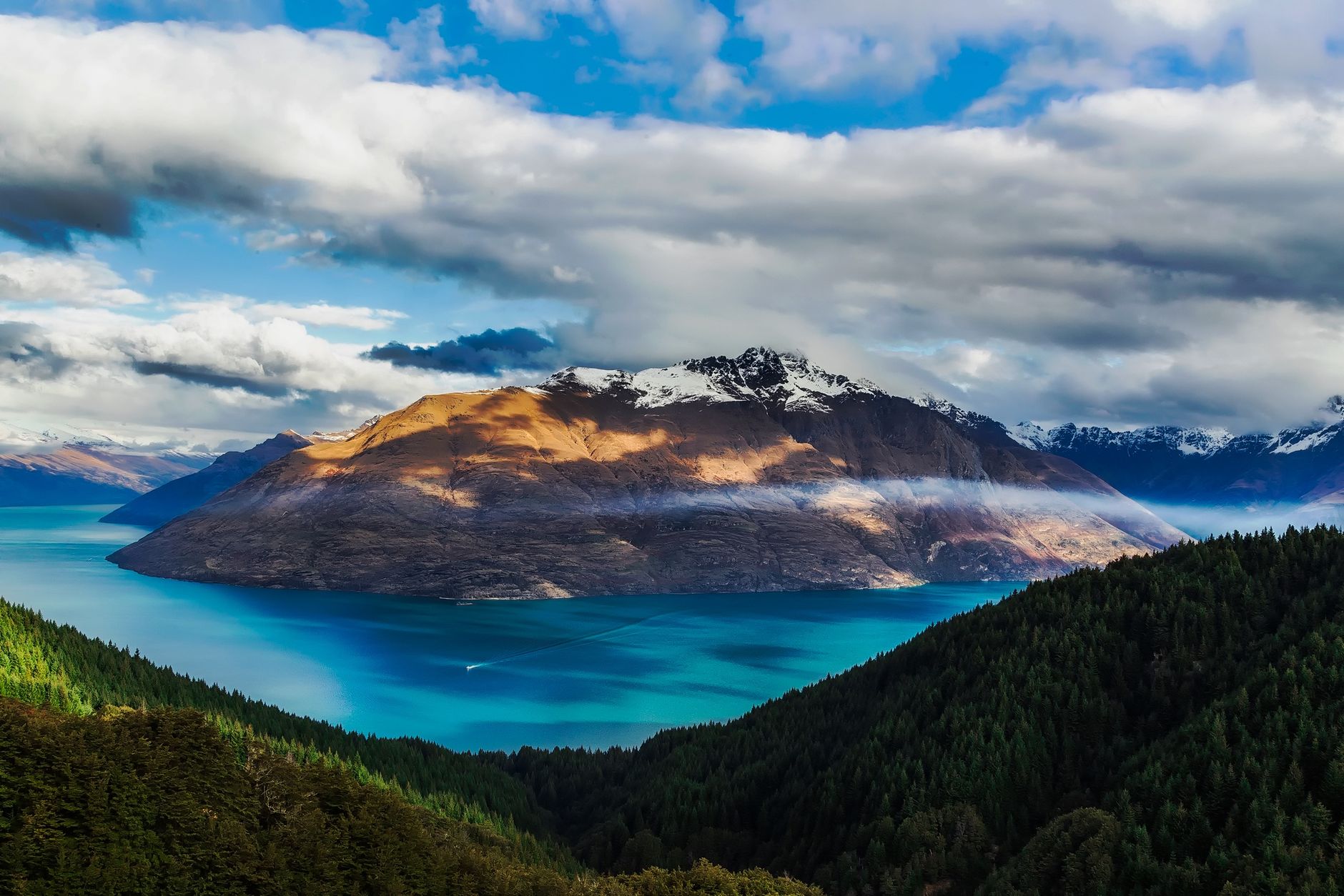
Queenstown is the South Island’s adventure hub, surrounded by mountains and Lake Wakatipu.
From here you can visit historic Arrowtown, go wine tasting around Gibbston Valley and drive one of the most beautiful stretches of road on our trip toward Glenorchy.
Central Otago brings a completely different landscape again, with dry mountains, vineyards and old gold-mining towns.
Te Anau & Milford Sound
Te Anau is the main gateway to Fiordland and the logical base for driving to Milford Sound.
The journey along Milford Road is almost as important as the destination, passing mountains, valleys, lakes and the Homer Tunnel before eventually dropping down toward the fjord.
Lake Pūkaki, Aoraki/Mount Cook & Lake Tekapo
For me, this is one of the strongest parts of the entire South Island.
Lake Pūkaki is that almost suspiciously blue lake you see in Mount Cook photos, while the road beside it leads directly toward Aoraki/Mount Cook National Park.
Nearby Lake Tekapo combines turquoise water, mountain scenery and one of New Zealand’s best-known stargazing areas.
I’ve gone into the individual places, what to do and which ones I would actually prioritise in my Must-See Spots in New Zealand’s South Island.
Dunedin & The Catlins
Our first South Island road trip concentrated on Christchurch, the West Coast, Wānaka, Queenstown, Fiordland and the Mackenzie Basin, so we deliberately left Kaikōura, Marlborough, Nelson and Abel Tasman for another trip. If you have two to three weeks rather than ten days, those are the first places I would consider adding.
Dunedin gives you a completely different side of the South Island, mixing historic architecture with the wild coastline and wildlife of the Otago Peninsula. Penguins, fur seals, sea lions and albatross are some of the biggest reasons to head out of the city and explore the peninsula.
Continue south and the landscape becomes considerably wilder in the Catlins, where forest, waterfalls and rugged coastline replace the alpine scenery farther north. Nugget Point, Pūrākaunui Falls and the coastal roads are among the main draws. If you have another two or three days and prefer remote scenery over bigger towns, this would be a very easy addition to justify.
Kaikōura
Kaikōura sits between the Pacific Ocean and the dramatic Seaward Kaikōura Range, making the scenery alone worth the stop. What really sets it apart, though, is the marine life: whales, dolphins and fur seals can all be found around the coast, and whale-watching is possible throughout the year.
It also fits naturally into a northern South Island route between Christchurch and Marlborough, so I would allow at least one night rather than racing through purely to tick off another town.
Marlborough
Marlborough is the South Island stop for anyone who considers wine a legitimate road-trip activity. The region is particularly famous for Sauvignon Blanc, with Blenheim surrounded by cellar doors and vineyards that can easily occupy an afternoon or considerably longer if nobody is volunteering to drive.
But Marlborough is not only wine. The Marlborough Sounds around Picton are a maze of sheltered bays, forested hills and waterways, with kayaking, cruises and sections of the Queen Charlotte Track giving you plenty of reasons to stay beyond one vineyard lunch.
Nelson & Abel Tasman
Nelson makes a useful base for exploring the northern end of the South Island, particularly if Abel Tasman National Park is high on your list.
Abel Tasman is known for golden beaches, clear sheltered water, native forest and the Abel Tasman Coast Track. You can hike sections of the trail, use water taxis to jump between different parts of the park or explore the coastline by kayak, which makes this one of the better additions if you want something completely different from mountains and glaciers.
THE ROUTE
Our South Island New Zealand Road Trip Route
For our first trip, I wanted a route that combined mountains, glaciers, lakes, Fiordland and several of New Zealand’s most scenic drives without trying to cover the entire island.
Our route is: Christchurch → Akaroa → Castle Hill → Arthur’s Pass → Hokitika → Franz Josef → Fox Glacier → Haast Pass → Wānaka → Queenstown → Arrowtown → Gibbston → Glenorchy → Te Anau → Milford Sound → Cromwell → Lindis Pass → Lake Pūkaki → Aoraki/Mount Cook → Lake Tekapo → Christchurch
Why We Chose an Anticlockwise Route
We decided to travel anticlockwise, crossing Arthur’s Pass and heading down the West Coast first before gradually moving into the bigger alpine landscapes around Wānaka, Queenstown, Fiordland and Mount Cook.
I also liked finishing with Aoraki/Mount Cook and Lake Tekapo because it means the final part of the trip naturally brings us closer to Christchurch again rather than leaving a major mountain range between us and the campervan depot.
You can find all the driving distances, scenic roads, activities, hikes and overnight stops in my 10-Day New Zealand South Island Itinerary.
WHERE TO SLEEP
Where to Stay on New Zealand’s South Island
Where you stay on the South Island depends largely on whether you’re travelling by car or campervan.
If you’re travelling by rental car, the most useful bases along a classic South Island route include Christchurch, Franz Josef or Fox Glacier, Wānaka, Queenstown, Te Anau, Aoraki/Mount Cook and Lake Tekapo. I wouldn’t book a new hotel every single night if you can avoid it. Places like Queenstown, Wānaka and Te Anau work much better when you give yourself at least two nights and actually have time to explore.
Travelling by campervan gives you considerably more flexibility. You can mix holiday parks and DOC campsites with legal freedom-camping areas, although the rules vary between councils and sleeping in a self-contained vehicle does not mean you can simply park anywhere that looks pretty.
I’ve covered the current rules, Green Warrant requirements, campsite types, apps and the actual overnight options along our route in my Freedom Camping in New Zealand South Island Guide.
For popular places such as Queenstown, Milford Sound, Aoraki/Mount Cook and Lake Tekapo, I would still book anything you absolutely don’t want to miss in advance, particularly during summer and other busy travel periods.
WHAT TO BRING
What to Pack & Download for a South Island Road Trip
Exactly what you’ll need depends on the season, but I would prioritise layers rather than packing around one expected temperature.
What to pack?
For a South Island road trip, I’d bring:
- Waterproof jacket
- Insect repellent
- Warm mid-layer or fleece
- Comfortable hiking shoes
- Trainers
- Warm socks
- Hat or beanie
- Sunglasses
- Sunscreen
- Small daypack
- Reusable water bottle
- Power bank
- New Zealand plug adapter
- Camera gear
- Swimwear
- Quick-dry towel
- Gloves during colder months
If you’re travelling in spring, autumn or winter, bring proper warm clothing.
And remember those biosecurity rules. Hiking shoes and outdoor equipment should be thoroughly cleaned before you arrive in New Zealand.
Useful Apps for a South Island Road Trip
I would download these before leaving Christchurch:
Google Maps: For general navigation. Download your route offline before heading into remote areas.
MetService: MetService is the one I would use for local weather forecasts and severe weather information.
NZTA Journey Planner: The NZTA Journey Planner shows current road closures, delays, incidents and highway conditions. This becomes particularly useful around alpine roads.
CamperMate: CamperMate helps locate campsites, dump stations, water points, toilets and other campervan facilities.
Camping NZ by Rankers: Camping NZ by Rankers is another useful option for finding legal camping locations and traveller reviews.
Gaspy: Gaspy helps compare nearby fuel prices.
Department of Conservation: for current track conditions, closures and alerts.
I’ve explained how I use these while travelling and which ones matter most in my New Zealand Road Trip Planning Guide.
FINAL VERDICT
Is New Zealand’s South Island Worth Visiting?
For me, absolutely.
If you’re looking for dramatic nature, hiking, scenic drives and the freedom to build a trip around landscapes rather than cities, the South Island is very difficult to beat.
It isn’t necessarily a cheap destination, and road tripping it requires a little more preparation than hiring a campervan and driving toward whichever mountain looks nicest.
But that preparation is also what gives you freedom once you’re there.
Sort out the entry requirements, understand the camping rules, keep an eye on the weather and don’t try to squeeze the entire island into one week.
Then leave enough room to stop when New Zealand inevitably puts something ridiculous beside the road.
New Zealand South Island Travel FAQ
What Is the Best Month to Visit New Zealand’s South Island?
There isn’t one perfect month. December to February offers the warmest weather and longest days but also the biggest crowds. March to May is excellent for road trips and autumn scenery, June to August is best for skiing, while September to November brings spring conditions, fewer crowds and snow still lingering on the mountains.
How Many Days Do You Need for the South Island?
I would recommend at least 7 to 10 days for a focused road trip. Two to three weeks gives you much more freedom to explore multiple regions without constantly moving.
Do You Need a Visa for New Zealand?
It depends on your nationality. Travellers from visa-waiver countries generally need an NZeTA rather than a traditional visitor visa. Check your passport on the official Immigration New Zealand website.
Do You Need a Car on New Zealand’s South Island?
Not technically, but I would highly recommend renting a car or campervan if you want to explore beyond the main towns. Many of the South Island’s best landscapes sit along scenic highways and in relatively remote areas.
Can You Freedom Camp Anywhere on the South Island?
No. Freedom camping is regulated and restrictions vary between councils and individual locations. Some areas only allow certified self-contained vehicles, while others prohibit overnight camping entirely.
Is New Zealand’s South Island Expensive?
Compared with many destinations, yes. Accommodation or campervan rental, fuel and paid activities can add up quickly. Travelling during shoulder season, cooking for yourself and mixing paid campsites with legal freedom camping can help.
Is September a Good Time to Visit the South Island?
I think so, especially if you prefer fewer crowds and lower shoulder-season prices. The trade-off is unpredictable spring weather and the possibility of snow or ice on alpine roads.
What Side of the Road Do They Drive on in New Zealand?
New Zealand drives on the left-hand side of the road.
Is the North Island or South Island Better for a First New Zealand Trip?
It depends on what you want from New Zealand. The North Island is brilliant for Māori culture, geothermal landscapes, cities, beaches and places such as Rotorua, Taupō and the Bay of Islands. The South Island is stronger if your dream trip revolves around mountains, alpine lakes, hiking, glaciers, scenic drives and a proper road trip.
If I only had time for one island and dramatic landscapes were the priority, I would choose the South Island. If you have three weeks or longer, combining both islands makes far more sense than forcing yourself to choose.
What Should You Not Miss on New Zealand’s South Island?
For a first trip, I would build the route around Aoraki/Mount Cook, Milford Sound, Wānaka, Queenstown, the West Coast and the turquoise lakes around Lake Pūkaki and Lake Tekapo. Arthur’s Pass and the drive through Haast Pass are also worth treating as destinations rather than simply roads between places.
You absolutely do not need to see every famous South Island destination in one trip. Pick the regions that fit together geographically and leave enough time for hikes, weather changes and the inevitable unplanned stops that make a New Zealand road trip so good.
ALL NEW ZEALAND GUIDES
Continue Exploring New Zealand
Island Guides:
Itineraries:
Activity & Comparison Guides:
Must-See Spots in New Zealand’s South Island
Freedom Camping In New Zealand’s South Island
How Much Does a Campervan Road Trip In New Zealand Cost?
How To Plan A Roadtrip in New Zealand

NEWSLETTER
Subscribe for travel tips, new vlogs & life behind the scenes.
© 2026 Keep Up With Car – All rights reserved.
