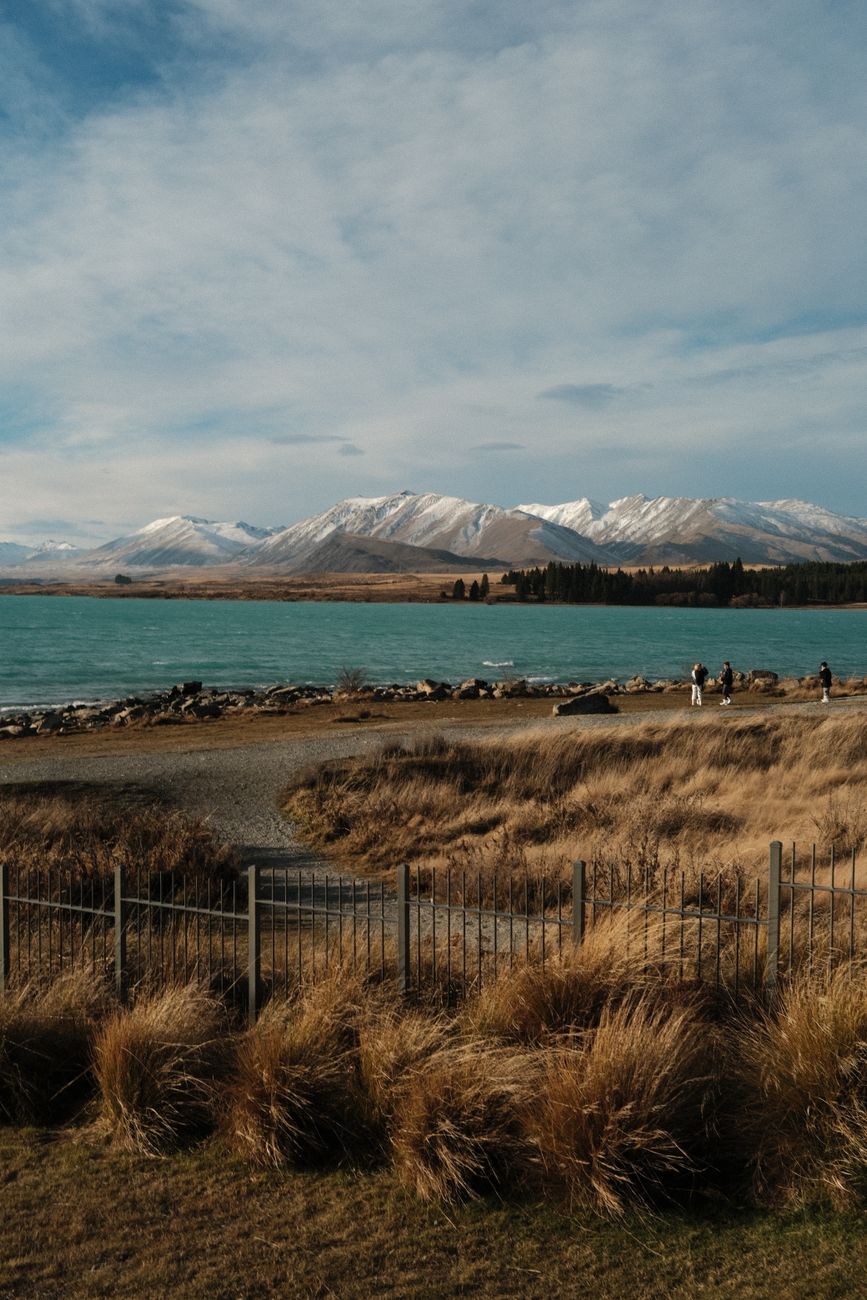
Last updated on September 9th 2026
FREEDOM CAMPING IN NEW ZEALAND’S SOUTH ISLAND
Rules & Regulations, DOC Campsites & Best Spots
Freedom camping was one of the things I was most excited about when we started planning our New Zealand South Island road trip.
The idea sounds pretty perfect. Rent a campervan, spend the day driving through mountains and past ridiculous turquoise lakes, then find somewhere beautiful to park for the night.
And you absolutely can do that. You just can’t do the part where you find any beautiful lake and decide the parking area belongs to you until breakfast.
Freedom Camping on New Zealand’s South Island: What You Need to Know
New Zealand has fairly strict freedom camping rules, and those rules can change depending on whether the land belongs to a local council, the Department of Conservation, LINZ or somebody privately. Some places allow overnight camping, some only permit certified self-contained vehicles, some restrict you to a handful of marked spaces, and others don’t allow camping at all.
The rules around self-contained campervans have also changed. From 7 June 2026, vehicles relying on self-containment certification need the new Green Warrant, and a portable toilet is no longer enough.
So before our trip, I went fairly deep down the New Zealand camping rabbit hole.
This guide covers everything I wanted to know before picking up our RV, including where you can legally freedom camp on the South Island, how the Green Warrant works, DOC campsites, campsite costs, bookings, apps, fines and the best camping spots I researched and saved along our route.
For the rest of the trip planning, start with my New Zealand South Island Travel Guide, follow our complete 10-Day New Zealand South Island Itinerary or choose your own must-see spots in Must-See Spots in New Zealand’s South Island. Then read my How to Plan a New Zealand Road Trip. I’ve also put together our full New Zealand Campervan Tour + 10-Day RV Road Trip Cost if you want to see exactly how our Wilderness motorhome works and what travelling in it actually cost us.
QUICK GUIDE
Freedom Camping New Zealand South Island: Quick Answers
If you don’t fancy reading several thousand words about toilets and council bylaws before understanding the basics, here’s the short version.
Can you freedom camp anywhere on the South Island?
No.
Do you need a certified self-contained campervan?
For vehicle-based freedom camping on local authority land, the general rule is yes unless a site has specifically been designated for non-self-contained vehicles.
What certification do you need in 2026?
A current Green Warrant. From 7 June 2026, the old blue certification is no longer sufficient.
Can a portable toilet make a campervan self-contained?
No. The toilet now needs to be permanently fixed to the vehicle.
Is freedom camping actually free?
Usually, yes. Some community-operated responsible camping areas ask for a donation.
Are DOC campsites the same as freedom camping?
No. DOC campsites are designated campgrounds operated by the Department of Conservation. Some are free, while others charge a nightly fee.
Do you need to book campsites?
Some DOC campsites require reservations. Most council freedom camping areas are first come, first served.
Best apps?
CamperMate and Camping NZ by Rankers are useful, but always cross-check with the relevant council or DOC website and read the signs when you arrive.
Can you just sleep in a normal car park?
No. A car park being public does not automatically make overnight camping legal.
Important: Freedom camping rules can change quickly. All campsite fees, space numbers, overnight hours and local restrictions in this guide were checked in September 2026. I’ve linked the relevant council, DOC and LINZ sources throughout, but always check the latest official information and read the signs when you arrive.
FREEDOM CAMPING EXPLAINED
What Is Freedom Camping in New Zealand?
Freedom camping basically means camping on land that isn’t a traditional commercial campground.
That could mean spending the night in a designated council car park, beside a river, at a LINZ-managed camping area or on public conservation land where camping is permitted.
What it does not mean is that every public parking space becomes a campsite once the sun goes down.
The national freedom camping rules are governed by the Freedom Camping Act, but local councils, DOC and other land managers can impose additional restrictions.
The official Department of Conservation freedom camping guide is one of the best places to start because it explains the national rules and links to areas where camping is prohibited or restricted.
Can You Freedom Camp Anywhere in New Zealand?
No. And this is probably the single most important thing to understand before renting a campervan.
You need to know who controls the land you’re parking on and what their rules are.
Freedom Camping on Council Land
Vehicle-based freedom camping on land managed by local councils is generally restricted to certified self-contained vehicles, unless the council has specifically designated a location where non-self-contained vehicles are allowed.
Councils can also:
- Completely prohibit camping in certain areas
- Limit camping to particular spaces
- Set arrival and departure times
- Limit how many nights you can stay
- Require you to check in
- Restrict the number or size of vehicles
That means Queenstown’s rules can be completely different from Wānaka’s, Westland’s or Mackenzie’s.
You need to check the individual council.
Freedom Camping on DOC Land
The Department of Conservation manages huge areas of New Zealand’s public conservation land, but that doesn’t mean every DOC car park is open for overnight camping.
DOC maintains a specific list and map of areas where freedom camping is prohibited or restricted.
Some very tempting South Island car parks are explicitly off limits overnight.
For example, DOC currently prohibits freedom camping at:
- Kura Tāwhiti / Castle Hill car park
- Devil’s Punchbowl Falls car park in Arthur’s Pass
- Lake Matheson car park
- Southside Road car parks around Fox Glacier
- Roys Peak Track car park
- Albert Town Outlet car park
- Ship Creek
- Knights Point viewpoint
So the fact that a car park sits in an incredible location doesn’t mean you can wake up there.
Unfortunately.
Freedom Camping on LINZ Land
Toitū Te Whenua Land Information New Zealand also manages some excellent camping areas.
Around Central Otago, for example, LINZ currently manages several free, first-come, first-served camping areas, including Lowburn and Bendigo near Cromwell.
The rules differ by location. Lowburn currently allows self-contained vehicles, has toilets and permits a maximum stay of three nights per calendar month.
You can check the current locations and conditions on the official LINZ Central Otago and South Canterbury camping page.
Can You Freedom Camp on Private Land?
Only with the landowner’s permission.
If somebody owns a farm, vineyard or other private property and allows you to stay there, that’s different from simply assuming an empty piece of land is available because nobody appears to be watching.
When in doubt, don’t guess.
CERTIFIED SELF CONTAINED
What Does Certified Self-Contained Mean in New Zealand?
If you’re planning a New Zealand campervan trip specifically because you want to freedom camp, this is one of the first things I would check before booking your vehicle.
A certified self-contained vehicle is designed to allow its occupants to live in it without relying on external toilets, water or waste facilities for at least three days.
Under the current regulations, that means the vehicle needs systems for:
- Fresh drinking water
- A permanently fixed toilet
- Grey and black wastewater
- A sink
- Ventilation
- Safe loading and disposal of water and wastewater
- Secure rubbish storage
You can read the detailed technical requirements in the official New Zealand self-contained vehicle regulations.
What Is the New Zealand Green Warrant?
The Green Warrant is the current proof that a vehicle meets New Zealand’s regulated self-containment requirements.
From 7 June 2026, every vehicle relying on self-containment certification needs a Green Warrant. The old blue warrant system has now finished its transition period.
The warrant card must also be displayed on the vehicle when you’re using areas restricted to certified self-contained campers.
The DOC freedom camping rules confirm the current Green Warrant requirement.
Does a Portable Toilet Count as Self-Contained?
No.
This is one of the biggest changes to the system.
A portable toilet sitting underneath a seat or inside a cupboard is no longer sufficient for certification.
Under the current regulations, the toilet must be fixed to the vehicle, with the base permanently mounted in place. It then needs to drain into an appropriate cassette or black-water tank.
You can see the exact toilet specifications in the New Zealand Self-Contained Vehicles Regulations.
Do Rental Campervans Need a Green Warrant?
Yes, if you’re relying on the vehicle’s self-contained status for freedom camping.
This is one reason I chose a Wilderness motorhome for our trip. Their vehicles are certified self-contained, which gave us considerably more flexibility when choosing where to stay.
I go through the actual vehicle, bathroom, toilet, tanks, electricity and off-grid setup in my New Zealand Campervan Tour + 10-Day RV Road Trip Cost.
Check the Warrant When You Pick Up Your Campervan
Don’t just ask: “Is it self-contained?” Ask whether it has a current Green Warrant, and check that the warrant is actually displayed when you collect it. Especially if you’re renting a cheaper or older campervan. This is one bureaucratic sticker that can genuinely change where you’re legally allowed to sleep.
RULES & FINES
New Zealand Freedom Camping Rules & Fines
The easiest way to avoid freedom camping fines is surprisingly revolutionary:
Read the signs. Rules can be incredibly specific.
A site might say:
- Certified self-contained vehicles only
- Three spaces
- 6 pm to 8 am
- Maximum two nights
- No tents
- No fires
- Park only inside the marked bays
How Much Are Freedom Camping Fines in New Zealand?
Freedom camping penalties are tiered depending on the offence.
Current infringement fees include NZ$400 for camping in breach of a prohibition or restriction, while failing to display a required self-containment warrant can carry a NZ$200 fee. More serious offences, including damaging an area or improperly depositing waste, can carry an NZ$800 infringement fee.
You can see the current offence categories in the official MBIE freedom camping infringement table.
The lesson here is pretty simple. A NZ$400 ticket is a very expensive way to save NZ$18 on a campsite.
How Long Can You Stay at a Freedom Camping Spot?
There isn’t one national limit. It depends on the site.
For example, the current Queenstown Lakes rules generally limit campers using its marked responsible camping spaces to two nights within a 30-day period, while LINZ allows up to three nights per calendar month at Lowburn.
Always check the rules for the specific location.
Can You Set Up Chairs and Tables Outside?
Sometimes, but don’t assume.
Many urban freedom camping areas are basically overnight parking spaces rather than traditional campsites. Queenstown Lakes, for example, requires your vehicle, camping equipment and personal belongings to remain fully contained within the designated space.
If you’re in a council car park with twelve other campervans, it is probably not the moment to unveil the awning, barbecue, table, fairy lights and complete outdoor living room.
CAMPING OPTIONS
Freedom Camping VS DOC Campsites VS Holiday Parks
I wouldn’t recommend trying to freedom camp every single night. For a South Island road trip, I think the best approach is to mix three types of overnight stays.
| Camping Type | Typical Cost | Facilities | Best For |
|---|---|---|---|
| Freedom camping | Free | Limited or none | Scenery, flexibility, saving money |
| DOC campsite | Free to around NZ$25 pp | Basic to serviced | Nature and national parks |
| Holiday park | Varies | Showers, power, laundry, kitchens | Resetting the RV |
Freedom Camping
Proper freedom camping is usually free.
You might have:
- A parking space
- A basic toilet
- A rubbish bin
Or you might have none of those things.
That’s why being genuinely self-contained matters.
I like the idea of using freedom camping when the location is special rather than doing it purely to avoid paying for accommodation.
Waking up at Lake Pūkaki? Yes. Saving NZ$15 so I can sleep in an industrial car park while being surrounded by other campervans? Slightly less romantic.
DOC Campsites
The Department of Conservation operates more than 320 campsites around New Zealand.
These range from very basic sites in the middle of nowhere to serviced campgrounds with considerably better facilities.
DOC currently divides campsites into several categories.
Basic DOC Campsites
Basic campsites are generally free.
Facilities are extremely limited and may include little more than basic toilets and untreated water.
Standard DOC Campsites
Standard campsites generally cost around NZ$10 to NZ$20 per adult per night.
They usually provide toilets, some form of water supply and vehicle access, with other facilities varying between sites.
Serviced DOC Campsites
Serviced campsites have more facilities and typically cost around NZ$25 per adult for an unpowered site, although individual campsite pricing can vary.
They may offer:
- Flush toilets
- Water
- Hot showers
- Cooking areas
- Rubbish collection
- Laundry
- Powered sites
The latest category prices are listed on the official DOC campsite facilities and fees page.
Holiday Parks
Holiday parks are the most expensive option but also the one that will probably save your sanity every few days.
This is where you can usually:
- Plug the RV into power
- Take a long hot shower
- Fill freshwater
- Empty wastewater
- Use laundry facilities
- Cook in a larger kitchen
- Get Wi-Fi
- Deal with whatever mysterious damp objects have accumulated inside your campervan
I wouldn’t necessarily stay in one every night.
But I also wouldn’t underestimate how glorious a washing machine starts looking after several days of camping.
DOC CAMPSITES
DOC Campsites on New Zealand’s South Island: Bookings, Prices & Campsite Pass
DOC campsites are particularly useful on the South Island because many sit exactly where you actually want to be.
Near lakes. Inside national parks. Along remote scenic roads.
Far away from the hotel that Google says is “only” a 90-minute drive away.
Do You Need to Book DOC Campsites?
Some yes, some no.
Many popular DOC campsites now require reservations, and if a campsite page says booking is required, I would book it before you arrive.
Some sites also have limited mobile reception, which makes the strategy of “we’ll deal with it when we get there” slightly less clever.
You can search individual sites through the official DOC campsite finder.
Can You Book a DOC Campsite on the Same Day?
At many bookable sites, yes, provided spaces remain.
Several campsites on our route currently allow online same-day bookings until 8 pm.
I still wouldn’t depend on that at popular places like Mount Cook, Milford Road or Wānaka during peak season.
Is the DOC Campsite Pass Worth It?
DOC currently sells a one-year Campsite Pass for NZ$295 per adult and NZ$147.50 per child aged 5 to 17.
The pass covers many DOC campsites, but not all of them. It also doesn’t give you magical VIP access.
Bookable campsites still need to be reserved, while non-bookable sites remain first come, first served.
There is also a maximum of seven nights in a 30-day period at one campsite when using the pass.
For a longer New Zealand road trip, the pass can make sense.
For our shorter ten-day trip, where we combined freedom camping, DOC sites and other options, I calculated the individual campsite fees before deciding whether the pass made sense for us.
You can check the current price and exclusions on the official DOC Campsite Pass page.
HOW TO
How to Find Legal Freedom Camping Spots on New Zealand’s South Island
I would never depend on one source.
My system is: App → official website → sign when you arrive.
Check the Local Council Website
This should be your most important source.
For the areas on our route, these are particularly useful:
Queenstown Lakes Responsible Camping Map
Westland District Camping & Responsible Camping
Mackenzie District Camping Information
Southland District Freedom Camping
These are the places I checked again immediately before our trip because council bylaws can change.
CamperMate
CamperMate is extremely useful for finding:
- Freedom camping
- DOC campsites
- Holiday parks
- Dump stations
- Public toilets
- Water
- Showers
It also has reviews and offline maps.
Camping NZ by Rankers
Camping NZ by Rankers was another app I kept on my phone throughout the trip.
I particularly like having two apps because recent reviews can tell you things an official campsite description won’t.
For example: “Beautiful lake views.” Useful.
“The entire site becomes a swamp when it rains.” Extremely useful.
Read the Sign When You Arrive
The sign wins. Not the blog you read six months ago. Not a CamperMate review from 2022. Not somebody parked next to you who confidently announces that they’ve “done it loads of times.” If the current sign says no camping, move.
BEST SPOTS
Best Freedom Camping Spots & Campsites on Our South Island Route
This is the part I spent the most time researching for our trip.
Rather than trying to compile every campsite across the entire South Island, these are the best freedom camping areas and useful DOC alternatives along our actual anticlockwise route.
Our route runs from Christchurch through Arthur’s Pass and the West Coast before continuing to Wānaka, Queenstown, Milford Sound, Central Otago, Aoraki/Mount Cook and Lake Tekapo.
You can see exactly how all of these stops fit together in my 10-Day New Zealand South Island Itinerary.
| Area | Best Free Option | Paid / DOC Backup |
|---|---|---|
| Hokitika | Woodstock Domain | Lake Māhinapua |
| Franz Josef | No formal council option | Otto/MacDonalds |
| Haast | Paringa Salmon Farm | Lake Paringa / Pleasant Flat |
| Wānaka | Wānaka Recreation Centre | Cameron Flat |
| Queenstown | Boundary Street / Kingston | Twelve Mile Delta |
| Milford Road | No improvised roadside camping | Henry Creek / Cascade Creek |
| Cromwell | Lowburn | Bendigo as another free option |
| Lake Pūkaki | The Pines | Lake Poaka |
| Aoraki/Mount Cook | No freedom camping | White Horse Hill |
| Lake Tekapo | No camping in township | Use an authorised area / campground |
Freedom Camping Around Arthur’s Pass
Arthur’s Pass is exactly the kind of place where you look at a dramatic mountain car park and think:
“Surely we can just sleep here?” Careful.
DOC specifically prohibits freedom camping at the Devil’s Punchbowl Falls car park, and camping is also prohibited at the Kura Tāwhiti / Castle Hill car park.
If you’re planning to overnight around Arthur’s Pass rather than continue toward Hokitika, use an actual campground rather than assuming one of the hiking car parks is legal.
Check the DOC prohibited and restricted freedom camping areas before travelling.
Best Camping Around Hokitika
For our first night on the West Coast, Hokitika was the obvious base.
One important thing I found while checking the current council information is that older guides mentioning Sunset Point should not automatically be trusted.
Westland District Council’s current responsible camping page lists three formal council responsible camping sites:
- Kumara Domain
- Woodstock Domain
- Paringa Salmon Farm
Sunset Point is not currently included in that list.
So this is exactly why I would check the current council website rather than building an itinerary from an old blog post.
Woodstock Domain
Type: Council responsible camping
Location: 47 Back Creek Road, Rimu/Woodstock
Vehicle: Certified self-contained
Cost: Donation requested
Woodstock is the current council-listed responsible camping option closest to Hokitika.
It’s not as central as parking directly in town, but it gives you a legal overnight option without having to invent your own interpretation of the rules.
Check current conditions on the Westland District Council camping page.
Lake Māhinapua Campsite
Type: DOC campsite
Location: 10 km south of Hokitika
Price: NZ$18 per adult
Booking: Required
Campsite Pass: Accepted
If you don’t mind paying a little, Lake Māhinapua was one of the paid alternatives I liked most when researching our first night.
It’s surrounded by forest, sits directly beside the lake and is only about ten kilometres south of Hokitika.
It’s also much more of an actual campsite than an overnight parking area.
Best Camping Around Franz Josef & Fox Glacier
This is one area where I wouldn’t waste time trying to hunt down some secret free car park in town.
Westland District Council’s current list of formal responsible freedom camping sites does not include Franz Josef or Fox Glacier.
There are commercial campgrounds and some very good DOC options nearby instead.
Otto/MacDonalds Campsite
Type: DOC
Location: Lake Mapourika, around 15 km north of Franz Josef
Price: NZ$18 per adult
Booking: Required year-round
Campsite Pass: Accepted
Otto/MacDonalds was the scenic DOC alternative I would have chosen if we wanted to stay outside Franz Josef.
The campsite sits beside Lake Mapourika, and DOC specifically notes that it’s easily accessible.
One important detail: mobile coverage is limited, so book before arriving.
What About Gillespies Beach Near Fox Glacier?
Gillespies Beach looks fantastic.
Unfortunately, DOC explicitly says that the long, narrow gravel access road is not suitable for campervans or caravans.
So with our larger Wilderness RV, we ruled it out.
This is another good example of why a campsite being technically available doesn’t automatically mean it works for your vehicle.
Best Camping Around Haast & Haast Pass
This part of the route has some really beautiful options.
Paringa Salmon Farm
Type: Responsible freedom camping
Area: Paringa
Vehicle: Certified self-contained
Cost: Donation requested
Paringa Salmon Farm is one of Westland District Council‘s three current formal responsible freedom camping sites.
It’s useful if you’re travelling south between Fox Glacier and Haast and want to keep the overnight cost low.
Lake Paringa Campsite
Type: DOC
Location: Beside SH6, around 40 km north of Haast
Price: NZ$18 per adult
Booking: Required
Campsite Pass: Accepted
If you want something more scenic and don’t mind paying, Lake Paringa is a great alternative.
The campsite sits directly beside the lake and has designated vehicle spaces.
Large vehicles need to book the appropriate sites, so don’t randomly select the cutest little tent space and then arrive with a small apartment on wheels.
Pleasant Flat Campsite
Type: DOC
Location: SH6, around 45 km east of Haast
Price: NZ$15 per adult
Booking: Required
Campsite Pass: Accepted
Pleasant Flat was one of my favourite backup options when I planned the Haast Pass section.
Pleasant Flat sits beside the Haast River with views toward Mount Hooker and has sealed access, which is useful when you’re travelling in a larger campervan.
Best Freedom Camping Around Wānaka & Lake Hāwea
Freedom camping around Wānaka is tightly controlled.
Queenstown Lakes District Council currently uses designated responsible camping sites with a specific number of spaces and overnight hours.
All sites are first come, first served, and campers need to use the QR code to check in when they arrive.
Check the live Queenstown Lakes Responsible Camping Map before travelling because the rules and availability can change.
Wānaka Recreation Centre
Spaces: 21
Hours: 8 pm to 7 am
Vehicle: Certified self-contained
Booking: No, first come
This is currently the largest council freedom camping option in Wānaka itself.
It isn’t going to give you the remote lakeside camping fantasy, but when you want to be near Wānaka without paying for a campground, 21 spaces is considerably more reassuring than three.
Beacon Point Road
Spaces: 3
Hours: 6 pm to 8 am
Vehicle: Certified self-contained
Three spaces. That is not a campsite. That is a competitive sport.
The council has also been reviewing seasonal restrictions at Beacon Point, so this is one I would absolutely double-check on the live responsible camping map before depending on it.
Camp Hill Road, Hāwea
Spaces: 10
Hours: 5 pm to 10 am
Vehicle: Certified self-contained
If you’re happy staying outside Wānaka, this gives you another option around Lake Hāwea.
Ten spaces still isn’t huge, but it’s a more realistic backup than arriving somewhere with only two or three.
Cameron Flat Campsite
Type: DOC
Location: Near Makarora
Price: NZ$15 per adult
Booking: Required
Campsite Pass: Accepted
If you’re coming through Haast Pass and don’t need to reach Wānaka that night, Cameron Flat gives you a beautiful paid alternative near the Makarora River.
Best Freedom Camping Around Queenstown
Queenstown is one of the places where I definitely wouldn’t freestyle the camping situation.
The current council bylaw has specifically designated overnight spaces around Queenstown, Frankton, Arrowtown, Gibbston and Glenorchy.
Many have only a handful of spaces.
Boundary Street Car Park, Queenstown
Spaces: 15
Hours: 6 pm to 8 am
Vehicle: Certified self-contained
For staying reasonably close to Queenstown, this is one of the more useful options because it currently has 15 marked spaces.
Still, I wouldn’t turn up at midnight and expect miracles.
Queenstown Events Centre, Frankton
Spaces: 9
Hours: 8 pm to 7 am
Vehicle: Certified self-contained
A useful backup if you’re more interested in having somewhere legal to sleep than waking up to a cinematic lake view.
Hansen Place, Arrowtown
Spaces: 3
Hours: 6 pm to 8 am
Useful if you’re planning Arrowtown early the following morning. Not useful if you and four other campervans all had the same idea.
Gibbston Highway / SH6
Spaces: 2
Hours: 6 pm to 8 am
Yes, it only has two spots. So, I would not build my entire evening around getting one of them.
Glenorchy Domain
Spaces: 3
Hours: 6 pm to 8 am
A very small council option if you want to overnight in Glenorchy.
Kingston Road / SH6
Spaces: 50
Hours: 5 pm to 10 am
Now we’re talking.
With 50 spaces, Kingston is by far one of the more realistic council freedom camping options in the district.
It can also work really well if you’re leaving Queenstown and heading south toward Te Anau the following day.
Best Paid Camping Alternative Near Queenstown
Twelve Mile Delta Campsite
Type: DOC
Location: 12 km west of Queenstown on Glenorchy Road
Price: NZ$15 per adult
Booking: Not required, first come
Campsite Pass: Not accepted
Twelve Mile Delta is a very useful alternative if the urban freedom camping options aren’t appealing.
It’s near Lake Wakatipu, only around twelve kilometres from Queenstown and has around 100 non-powered camping spaces.
It also sits directly on the scenic Queenstown to Glenorchy road.
Best Camping Around Te Anau & Milford Road
If you’re driving to Milford Sound, I would use proper DOC campsites rather than trying to improvise an overnight stop along SH94.
Fiordland is remote, weather changes quickly and many obvious roadside pull-offs are there for sightseeing rather than camping.
Henry Creek Campsite
Type: DOC
Location: 23 km north of Te Anau on Milford Road
Price: NZ$18 per adult
Booking: Required
Campsite Pass: Accepted
Henry Creek is the closest DOC campsite to Te Anau on Milford Road and sits beside Lake Te Anau.
It comfortably accommodates campervans and works well if you want an early start toward Milford Sound the following morning.
Cascade Creek Campsite
Type: DOC
Location: Milford Road, around 71 km north of Te Anau
Price: NZ$18 per adult
Booking: Required
Campsite Pass: Accepted
Cascade Creek takes you much deeper into Fiordland and puts you closer to Milford Sound for the following morning.
It can accommodate larger vehicles, which makes it especially useful for motorhomes.
Best Freedom Camping Around Cromwell
Cromwell was actually one of the easier parts of our route for scenic free camping.
Lowburn
Type: LINZ freedom camping
Cost: Free
Vehicle: Self-contained campervans
Maximum stay: 3 nights per calendar month
Facilities: Toilets
Booking: None, first come
Lowburn was one of the South Island freedom camping spots that interested me most when I planned our route.
It’s free, has toilets and can accommodate self-contained vehicles.
The current LINZ rules allow up to three nights per calendar month.
Check the exact current conditions through the LINZ camping areas page.
Recent CamperMate reviews also consistently mention the lake views and large amount of space, which was reassuring given that we were travelling in a larger motorhome.
Bendigo
Type: LINZ camping area
Cost: Free
Maximum stay: 3 nights per calendar month
Facilities: Toilets
Self-contained vehicles: Allowed
Tents: Allowed
Bendigo is another free LINZ-managed option near Cromwell.
Unlike Lowburn, tents are currently permitted here as well.
Best Freedom Camping at Lake Pūkaki
This is the one.
Of all the freedom camping locations on our route, Lake Pūkaki Reserve / The Pines was the one I had been most excited about before the trip. It is basically the image I had in my head when I pictured freedom camping in New Zealand: campervan, ridiculous turquoise lake and Aoraki/Mount Cook sitting in the distance.
Lake Pūkaki Reserve / The Pines
Type: Mackenzie District responsible camping
Cost: Free
Vehicle: Certified self-contained
Facilities: Basic toilets
Setting: Lake Pūkaki with Aoraki/Mount Cook views
The Mackenzie District Council currently lists The Pines at Lake Pūkaki as one of its authorised certified self-contained camping areas.
You can check the current list on the Mackenzie District camping page.
Recent CamperMate information confirms the current legal camping area is around the top car park, rather than simply anywhere along the lakefront. It also notes that the site is for self-contained vehicles and can become very popular.
So again:
Don’t arrive, see fifteen vans parked farther down the road and assume they’ve collectively rewritten the bylaw.
Check the signs.
See the current CamperMate listing for Lake Pūkaki Reserve.
Best Camping at Aoraki/Mount Cook
You cannot just park somewhere inside Aoraki/Mount Cook National Park for the night.
If you want to sleep right beneath the mountains, the obvious choice is White Horse Hill.
White Horse Hill Campsite
Type: DOC
Location: Aoraki/Mount Cook National Park
Price: NZ$20 per adult
Booking: Required to guarantee a site
Campsite Pass: Accepted
Power: No
Showers: No
This is probably one of the most spectacular paid campsites on our entire route.
White Horse Hill sits at the end of Hooker Valley Road and gives you immediate access to several of Mount Cook’s best walks.
DOC warns that the campground is often full throughout the year, so I would absolutely book this one rather than arriving with optimism and nowhere else to sleep.
There is drinking water and a cooking shelter, but no power and no showers at the campsite.
Book White Horse Hill Campsite through DOC.
Can You Freedom Camp in Lake Tekapo?
Not inside the township.
Mackenzie District Council currently lists Tekapo as a prohibited camping area, so don’t assume you can simply park near the lake or Church of the Good Shepherd overnight.
The same applies to central Fairlie and parts of Lake Ruataniwha.
The council instead provides designated responsible camping areas elsewhere in the district.
Check the current Mackenzie District camping map and rules before travelling.
Free Alternative Near Twizel & Lake Pūkaki
Lake Poaka Campsite
Type: DOC basic campsite
Cost: Free
Facilities: Long-drop toilet
Maximum stay: 4 nights
Lake Poaka is a useful backup if Lake Pūkaki is packed or the weather isn’t playing nicely.
It’s a proper DOC campsite but currently free, with a maximum stay of four nights.
RESPONSIBLE CAMPING
Responsible Camping in New Zealand
The rules can sound slightly exhausting when you’re first researching them, but the basic principle isn’t complicated.
Leave the place exactly as you found it. Or preferably slightly better.
Where Do You Empty Campervan Waste?
Only use an approved dump station.
Never empty grey water or toilet waste onto the ground, into storm drains, rivers, lakes or public toilets that aren’t designed for it.
CamperMate and Rankers both show dump stations, while council websites often list them too.
For example, Westland District Council currently provides public dump stations in:
- Haast
- Hokitika
- Franz Josef
Where Do You Fill Fresh Water?
Use designated drinking-water points. Don’t automatically assume every tap you see contains treated drinking water. DOC campsites frequently use untreated water, and DOC specifically advises boiling untreated campsite water before drinking it.
Can You Light Fires While Freedom Camping?
Often no.
Many councils and conservation areas prohibit fires completely, particularly during periods of high fire risk.
Mackenzie District, for example, prohibits open fires and fire pits at its responsible camping sites.
Check the rules before lighting anything.
A mountain sunset doesn’t become less romantic because dinner was cooked on the stove inside the van.
Take Your Rubbish With You
Not every campsite provides rubbish bins.
Several DOC sites operate on a pack in, pack out basis.
If there isn’t a bin, your rubbish leaves with you.
The empty wine bottle unfortunately does not become native wildlife once you’ve finished it.
Use Your Own Toilet
If you’re staying at a self-contained freedom camping location, actually use the facilities you paid extra to have inside the vehicle.
New Zealand’s tighter certification rules weren’t introduced because the country has a personal vendetta against campervans.
They exist because large numbers of campers using areas without adequate waste facilities eventually cause very predictable problems.
Freedom Camping New Zealand South Island FAQ
Can You Freedom Camp Anywhere in New Zealand’s South Island?
No. Freedom camping rules vary depending on who manages the land and the local regulations. Some areas allow certified self-contained vehicles, others restrict camping to marked spaces, and some prohibit camping altogether.
Always check the local council, DOC or LINZ rules and read the signs at the location.
Do You Need a Self-Contained Campervan to Freedom Camp in New Zealand?
For vehicle-based freedom camping on local authority land, the general rule is that you need a certified self-contained vehicle, unless the council has specifically designated the area for non-self-contained vehicles.
Different rules can apply on DOC land, designated campsites and private campgrounds.
Can I Freedom Camp With a Portable Toilet?
A portable toilet is no longer enough for a vehicle to qualify as certified self-contained.
The toilet must be permanently fixed to the vehicle.
Can You Sleep in a Car in New Zealand?
You can sleep in a car where camping is legally permitted for that type of vehicle.
You cannot simply park in any public car park and sleep there.
On council land, vehicle-based freedom camping normally requires a certified self-contained vehicle unless the council has specifically designated the area for non-self-contained vehicles.
Is Freedom Camping Free?
Usually, yes. Designated council and LINZ freedom camping areas generally do not charge a nightly camping fee, although some community-operated responsible camping areas ask for a donation.
DOC campsites are different. Some are free, while others charge a nightly fee depending on the campsite category and facilities. So while “freedom camping” is usually free, not every legal place where you can park a campervan overnight costs nothing.
Do Freedom Camping Spots Have Toilets?
Some do. Some don’t.
The whole point of requiring certified self-contained vehicles in many areas is that campers shouldn’t depend on public toilets.
Never assume a free campsite will have showers, water, bins or even a toilet.
Do You Need to Book Freedom Camping Spots?
Usually no. Most council freedom camping areas operate on a first-come, first-served basis.
That can become a problem in places such as Queenstown and Wānaka where some designated sites have only two or three legal spaces.
DOC campsites are different and many now require online bookings.
What Happens if a Freedom Camping Site Is Full?
Go somewhere else.
You can’t park outside the marked spaces, on the grass or beside the site and argue that you’re technically “next to” the camping area.
This is why I always save backup options.
What Are the Best Freedom Camping Apps for New Zealand?
My two main ones are: CamperMate and Camping NZ by Rankers
But I would never rely solely on an app. Always check the relevant local council or DOC rules as well.
Can You Freedom Camp in Queenstown?
Yes, but only in designated locations and subject to strict conditions.
Queenstown Lakes District Council currently provides specific marked spaces in Queenstown, Frankton, Arrowtown, Gibbston, Glenorchy, Kingston and Wānaka.
Some locations have only two or three spaces.
Check the live QLDC Responsible Camping Map before arriving.
Can You Freedom Camp in Wānaka?
Yes, but only at designated areas under the current council rules.
Current options include Wānaka Recreation Centre, Beacon Point Road and Camp Hill Road near Hāwea.
Availability and seasonal restrictions can change, so check the current QLDC map.
Can You Freedom Camp at Lake Pūkaki?
Yes, but only in authorised areas.
Mackenzie District Council currently recognises The Pines at Lake Pūkaki as a designated certified self-contained vehicle camping area.
Do not assume the entire Lake Pūkaki shoreline is legal for overnight camping.
Can You Freedom Camp at Lake Tekapo?
Not inside Tekapo township under the current Mackenzie District rules.
Use an authorised camping area or campground instead.
Can You Freedom Camp at Aoraki/Mount Cook?
You cannot simply park overnight anywhere inside Aoraki/Mount Cook National Park.
The main campervan option inside the national park is the paid White Horse Hill DOC Campsite, which I would reserve in advance.
Can You Freedom Camp at Milford Sound?
Don’t plan on simply parking beside Milford Road or Milford Sound.
Use one of the official DOC campsites along Milford Road, such as Henry Creek or Cascade Creek, and check DOC’s current rules before travelling.
Is Freedom Camping Safe in New Zealand?
Generally, yes, but I would use the same common sense I use anywhere else.
Stay in legal areas, lock the vehicle, don’t leave expensive camera equipment visible and move if somewhere makes you uncomfortable.
Weather can actually be a bigger concern than crime in remote South Island locations, particularly around rivers, lakes and alpine areas.
Is Freedom Camping Worth It?
After doing a South Island campervan trip ourselves, yes. But probably not for the reason people assume. The biggest appeal isn’t just saving NZ$20 on a campsite. It’s being able to wake up somewhere spectacular, make coffee inside your campervan and realise that the ridiculously blue lake outside your window is actually real.
The trick is doing it legally. Get a properly certified campervan, understand the local rules, download the apps, save backups and accept that occasionally the sensible option is simply paying for a campsite.
Freedom camping is still freedom. It just comes with slightly more signage than the name suggests.
What Is the Green Warrant in New Zealand?
The Green Warrant is the current proof that a campervan or motorhome meets New Zealand’s regulated self-containment requirements.
EXPLORE MORE
Continue Exploring New Zealand
Planning a South Island road trip gets much easier once you separate the route from the logistics. Use the guides below to build your itinerary, choose the places worth stopping for, understand the camping rules and work out what a campervan road trip through New Zealand actually costs.
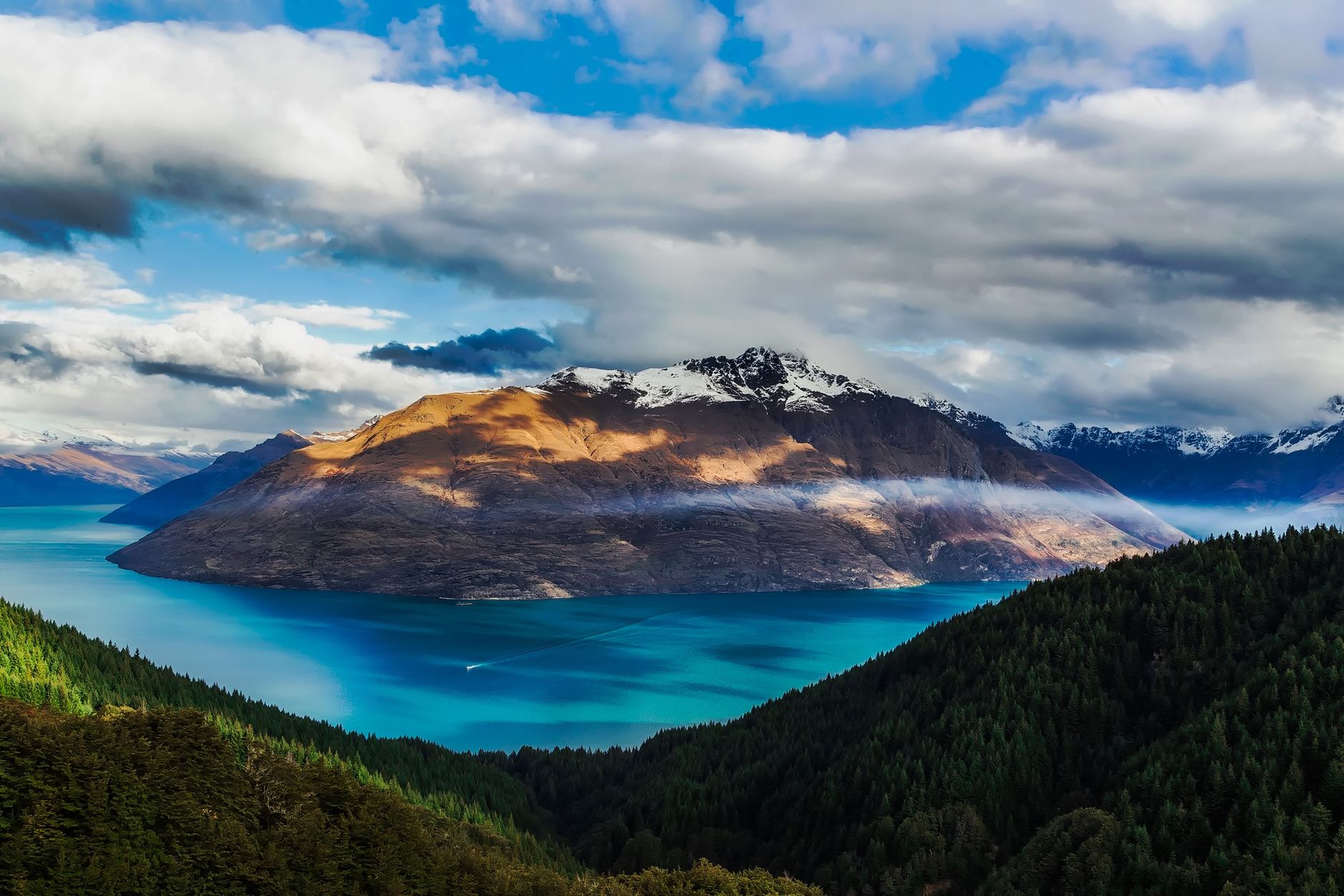
HOW TO?
How To Plan A Road Trip In New Zealand
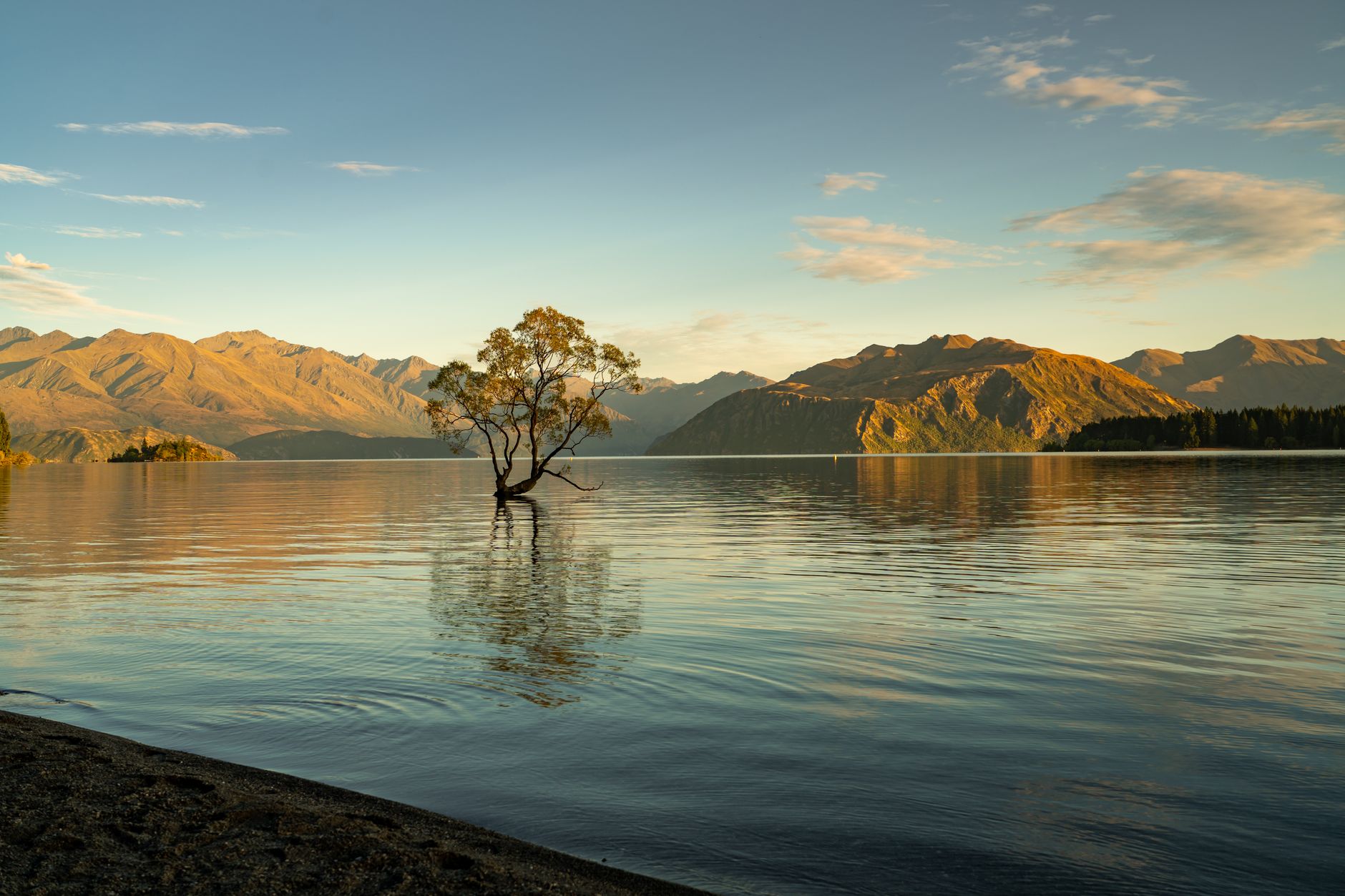
DAY BY DAY ROUTE
My 10-Day New Zealand South Island Itinerary
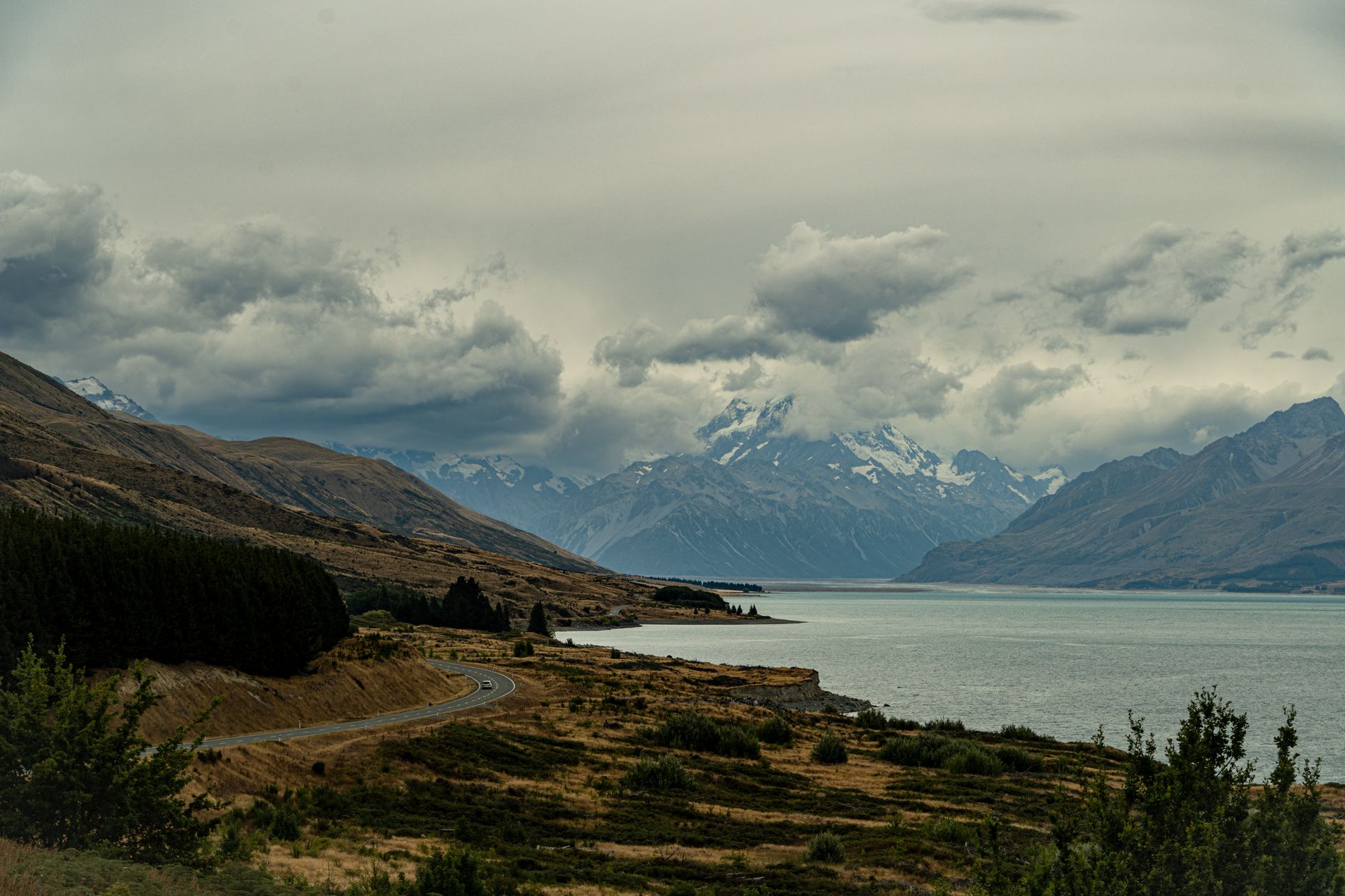
TOP THINGS TO DO
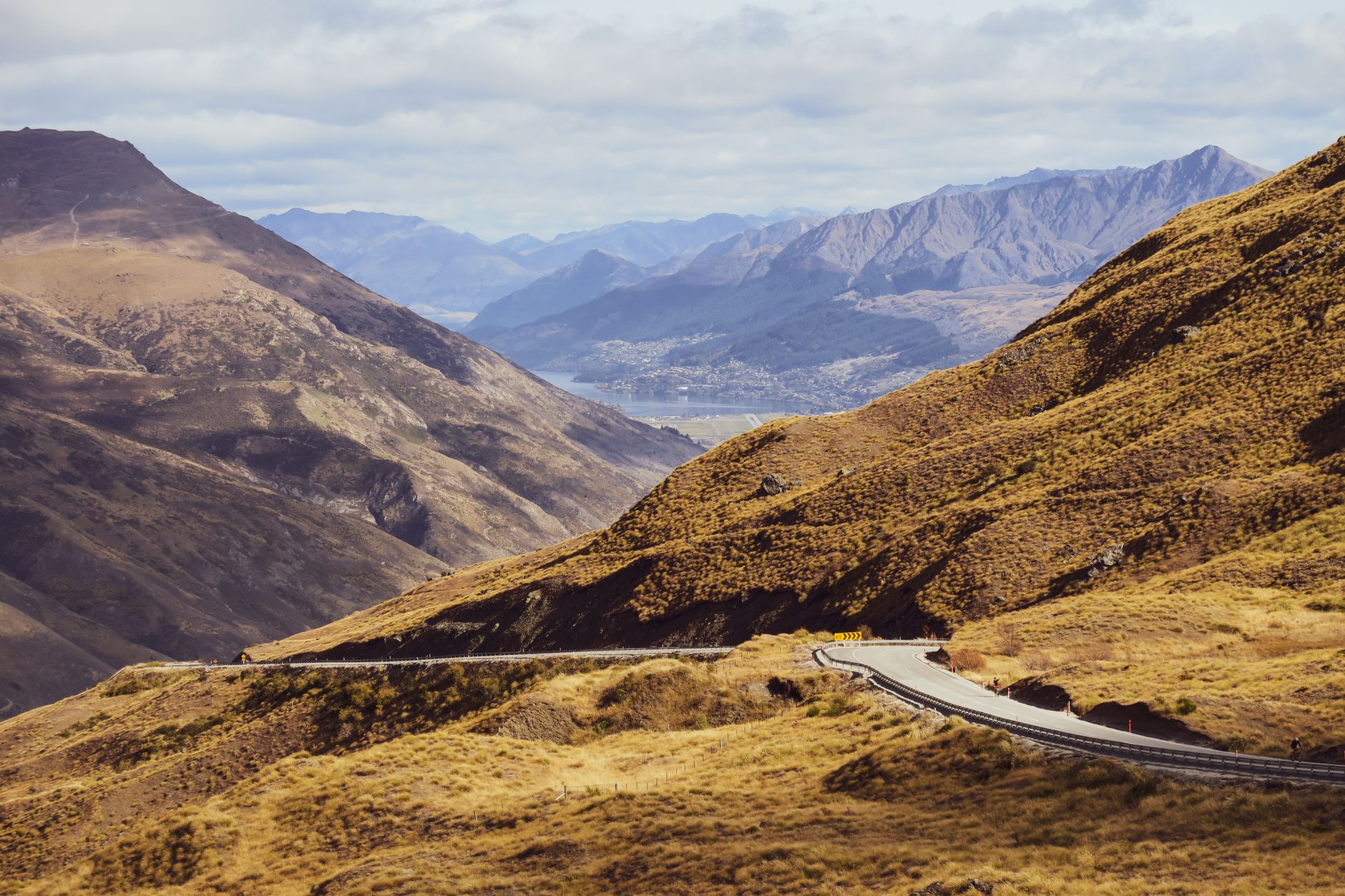
Must-See Spots in New Zealand’s South Island
WEATHER, VISA, TRANSPORT & GENERAL INFO
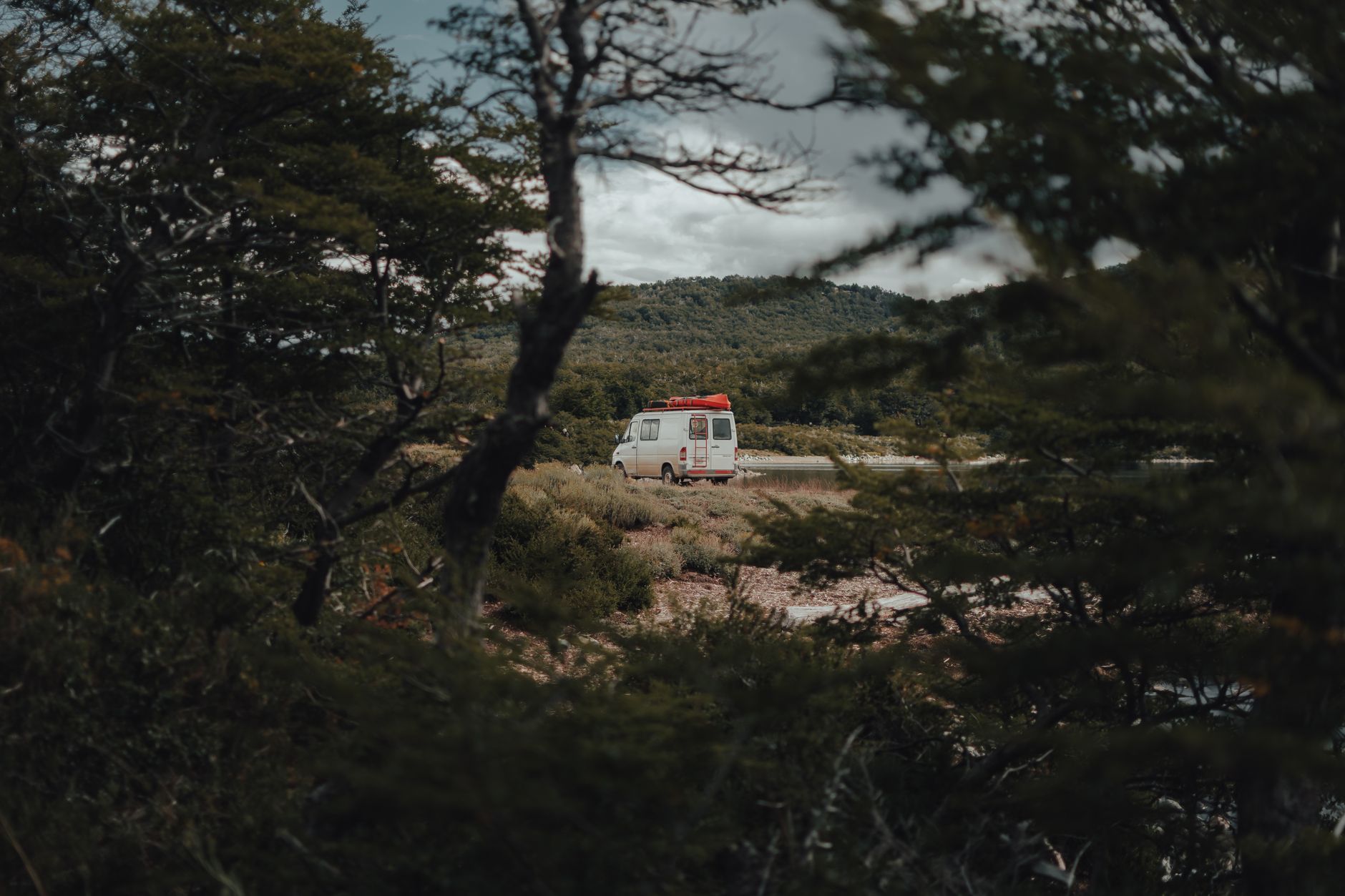
New Zealand – South Island Travel Guide
RV TOUR & COSTS
Our New Zealand Campervan Tour + 10-Day RV Road Trip Cost

NEWSLETTER
Subscribe for travel tips, new vlogs & life behind the scenes.
© 2026 Keep Up With Car – All rights reserved.
