Last updated on August 22nd 2026
BEST SNORKELING SPOTS IN BALI
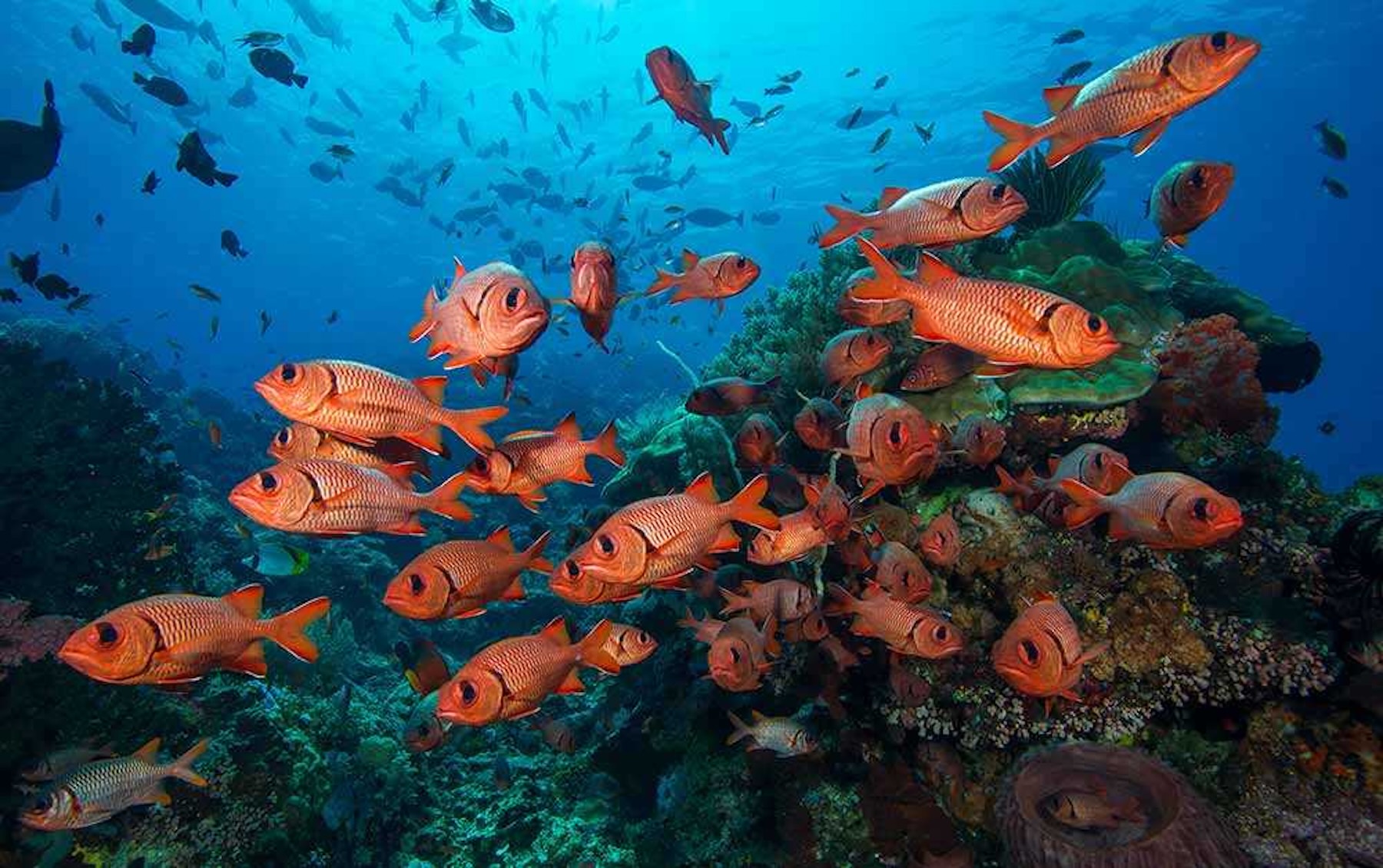
The honest guide to where snorkeling in Bali is actually worth it, from Amed’s reefs and shipwrecks to Nusa Penida manta rays, Menjangan Island and easy beginner snorkeling near Padang Bai.
Bali is not always the first place people think of for incredible snorkeling. Go to the right parts of the island, though, and the story changes completely.
The best snorkeling spots in Bali are mostly found along the east and north coasts or around the islands just offshore. You can snorkel directly from the beach in Amed, swim above a shipwreck in Tulamben, take a boat around the reefs of Menjangan Island or head to the Nusa Islands for the chance to swim with manta rays.
This guide covers where I actually think snorkeling in Bali is worth your time, what you can expect to see, which spots work for beginners and where you need to take currents and sea conditions a little more seriously.
The Best Places to Snorkel in Bali
Not every snorkeling spot in Bali gives you the same kind of experience.
For the best overall snorkeling in Bali, I would start with Amed. For shipwrecks, go to Tulamben. For an easy snorkeling day trip from Ubud or East Bali, choose Blue Lagoon near Padang Bai. For manta rays and dramatic island scenery, look at Nusa Penida. For a more relaxed island base, choose Nusa Lembongan. For fewer crowds and clearer reefs, make the effort to visit Menjangan Island. For North Bali, Lovina can work if you want dolphin watching combined with simple reef snorkeling. Or add the Gili Islands near Lombok by fast boat if you have a few extra days and want turtles, clear water and slower island life.

- Jalan Binaria Pantai Lovina, Kabupaten Buleleng, Bali, Indonesia
- Menjangan Island, Kabupaten Buleleng, Bali, Indonesia
- Tulamben, Karangasem, Bali, Indonesia
- Nusa Penida, Klungkung, Bali, Indonesia
- Lembongan Island, Klungkung, Bali, Indonesia
- Gili Air, Kabupaten Lombok Utara, West Nusa Tenggara, Indonesia
| Snorkeling Spot | Best For | Shore or Boat? | Best For Beginners? |
| Amed | Reefs, turtles, relaxed snorkeling | Shore + boat | Yes |
| Tulamben | USAT Liberty shipwreck | Shore | Confident swimmers |
| Blue Lagoon | Easy day trip, colorful fish | Shore + boat | Yes |
| Nusa Penida | Manta rays, adventure | Boat | Not always |
| Nusa Lembongan | Relaxed island base | Mostly boat | Yes, with good conditions |
| Menjangan Island | Clear water, coral walls | Boat | Yes, with operator |
| Lovina | Dolphins + simple snorkeling | Boat | Yes |
| Gili Air & Gili Meno | Turtles, island escape | Shore + boat | Yes |
Amed: Bali’s Best Overall Snorkeling Area
Best for: Coral reefs, easy beach snorkeling, turtles, relaxed coastal stays and beginner-friendly water
Location: East Bali
How long to stay: 2 to 4 days
Best time to visit: Dry season, especially May to October
Good for families: Yes, especially around calmer bays
Vibe: Quiet, coastal, relaxed and much less polished than South Bali
Getting around: Scooter, private driver or local boat
Main downside: It is far from Canggu, Seminyak and Uluwatu, so staying overnight is much better
If somebody asked me where to go for the best overall snorkeling in Bali, I would send them to Amed.
The big advantage is that you do not need to book an elaborate snorkeling excursion every time you want to get in the water. Several of Amed’s reefs can be reached directly from the beach, which means you can grab a mask, walk into the sea and snorkel for an hour without turning the whole thing into an organized military operation.
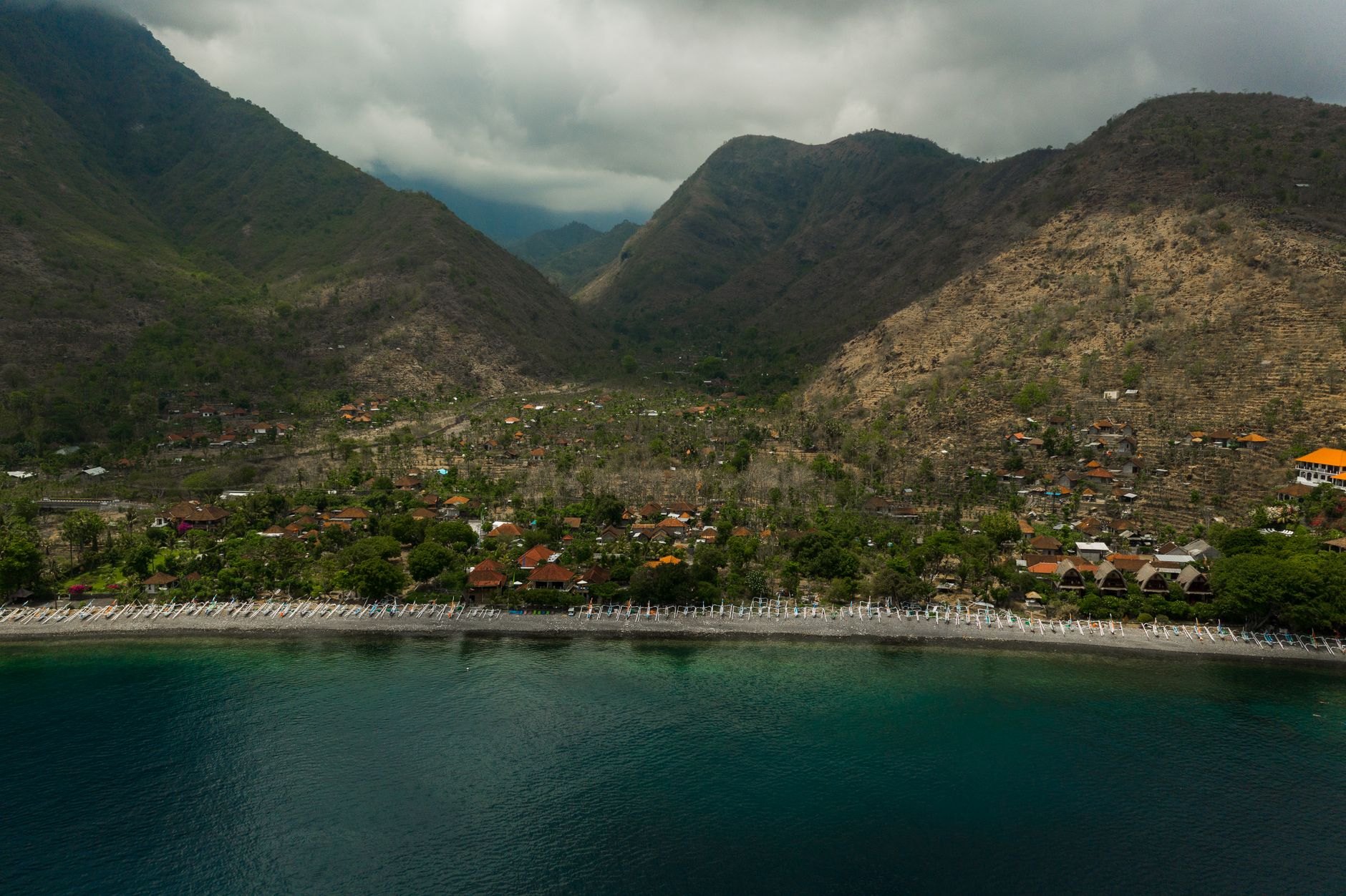
Amed also feels completely different from South Bali. The coastline is lined with black volcanic beaches and traditional fishing boats, Mount Agung dominates the landscape behind you, and the entire area moves at a much slower pace.
What to Expect When Snorkeling in Amed
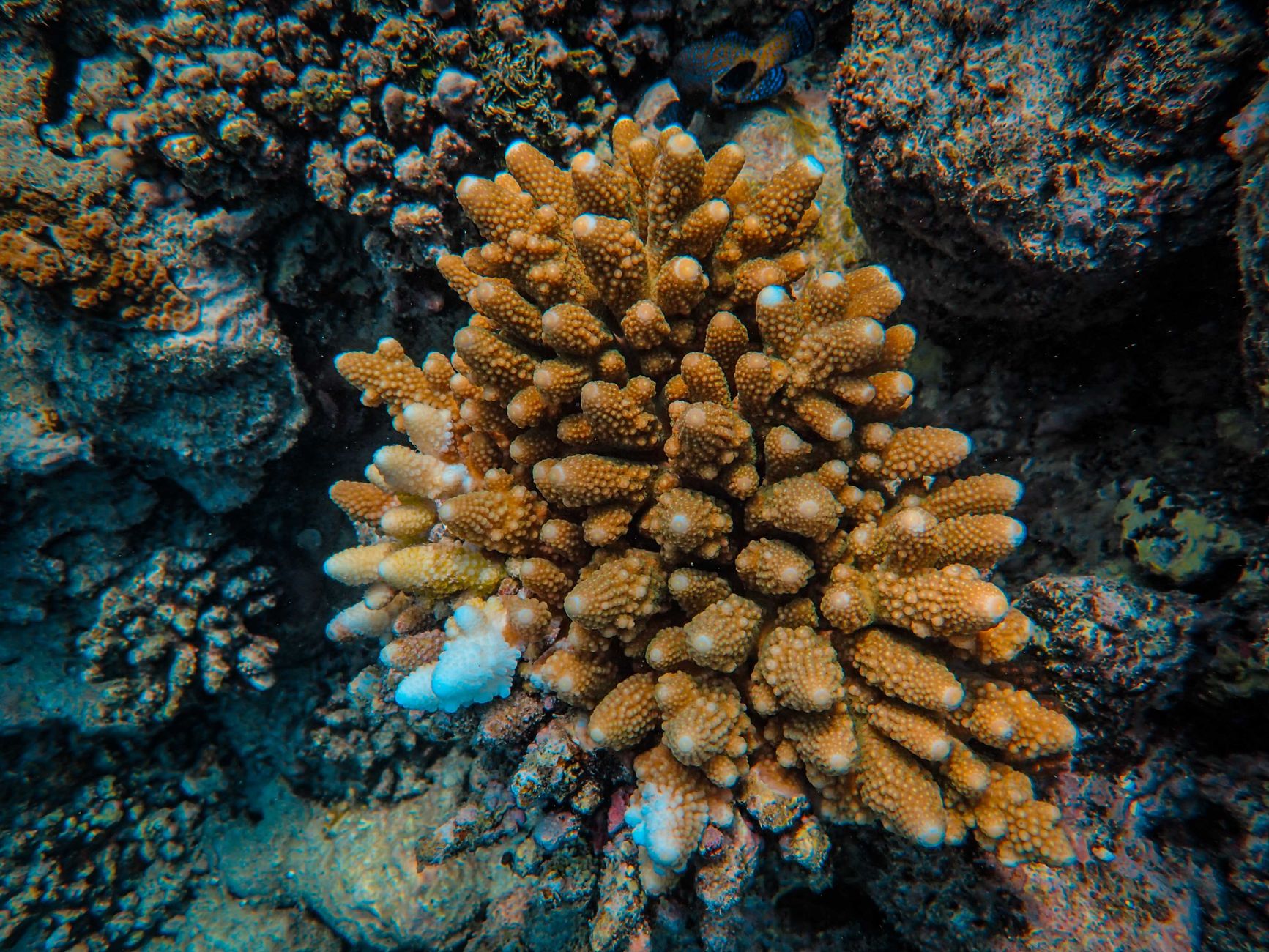
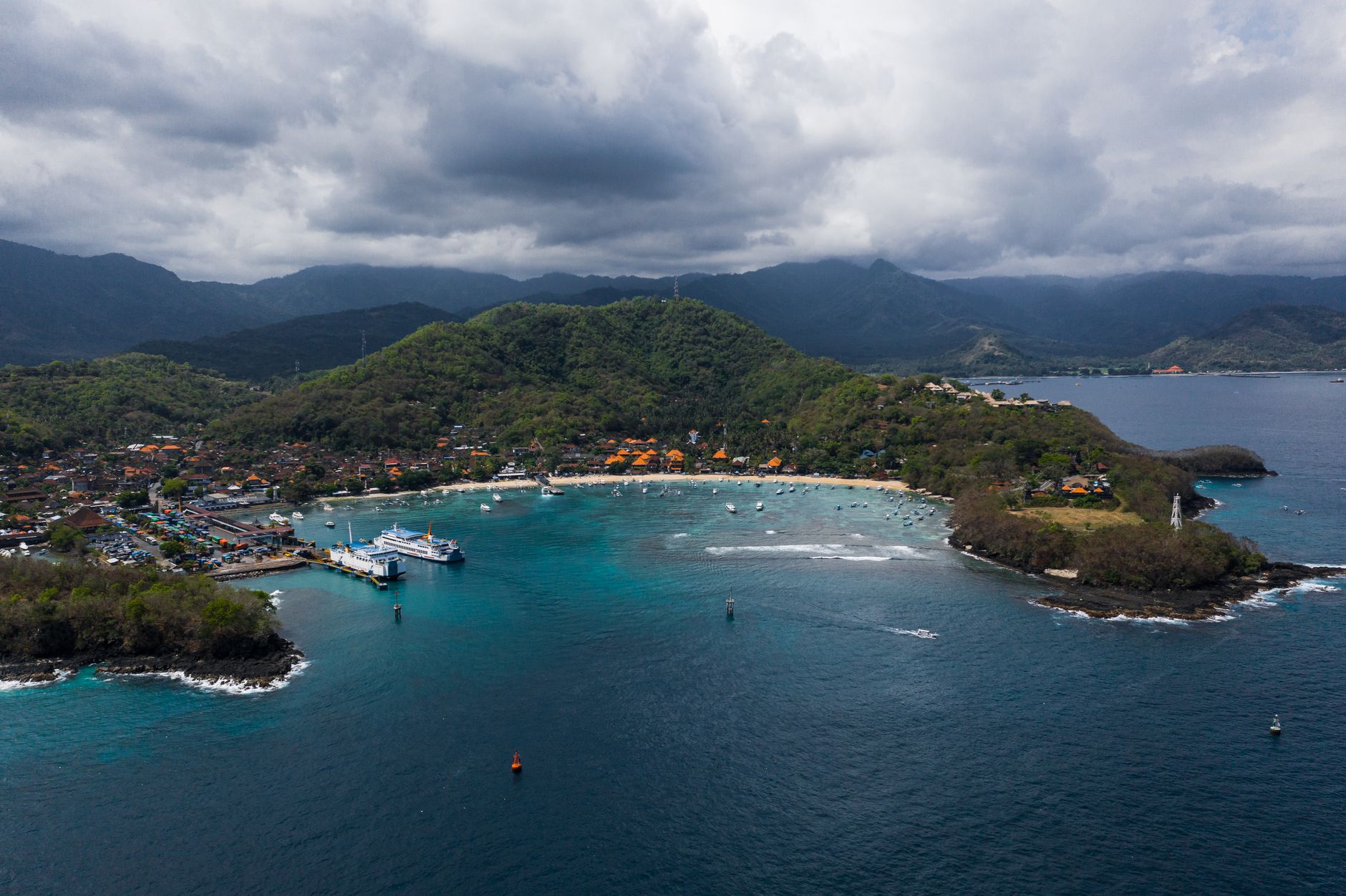
Jemeluk Bay is probably the easiest place to start. The bay has coral gardens, tropical fish and relatively easy shore access when conditions are calm.
Lipah Beach is another good option for snorkeling directly from shore, with coral starting reasonably close to the beach.
Around Amed you can also snorkel near the Japanese Shipwreck, explore artificial reef structures around the Amed Pyramids, or take a local jukung boat farther along the coastline.
Indonesia’s official tourism site also lists the Japanese Shipwreck, Amed Wall and Bunutan Point among Amed’s snorkeling locations.

What Can You See Snorkeling in Amed?
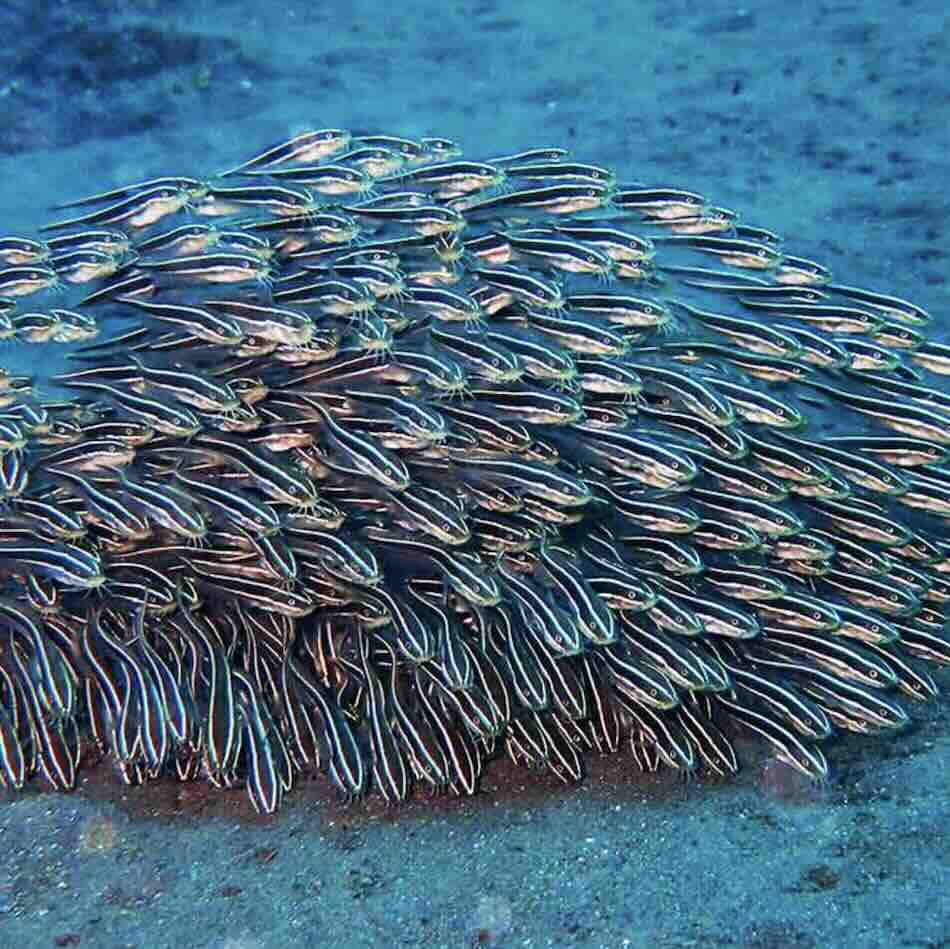
Expect tropical reef fish, coral gardens and occasionally turtles. What you see will obviously depend on the exact site and conditions that day.
The main appeal for me is not one giant bucket-list animal. It is the fact that Amed gives you consistently accessible snorkeling without having to take a speedboat somewhere every morning.
You can snorkel, have lunch, get back in the water somewhere else and then watch the sunset without spending your entire day being moved around on somebody else’s schedule.
Good to Know Before Snorkeling in Amed
Go earlier in the morning when possible. Conditions are often calmer and visibility can be better before wind and boat traffic pick up.
Some beaches are rocky or covered in larger pebbles, so water shoes are useful. Never stand on coral, even if it looks like a convenient little underwater platform.
I also would not visit Amed as a rushed day trip from Canggu, Seminyak or Uluwatu. Stay at least one or two nights. Spending half your day sitting in Bali traffic simply to snorkel for 45 minutes slightly defeats the point.
→ READ NEXT: Complete Bali Travel Guide for Amed, East Bali and how to work this part of the island into your itinerary.

Tulamben: Best Snorkeling Spot in Bali for Shipwrecks
Best for: Shipwreck snorkeling, underwater history, reef fish and more adventurous snorkelers
Location: Northeast Bali, near Amed
How long to stay: Half-day from Amed or 1 night in Tulamben
Best time to visit: Dry season, especially May to October
Good for families: Better for confident swimmers and older kids
Vibe: Quiet, dive-focused and less touristy
Getting around: Private driver, scooter or local dive/snorkel operator
Main downside: Rocky beach entry and deeper water in places
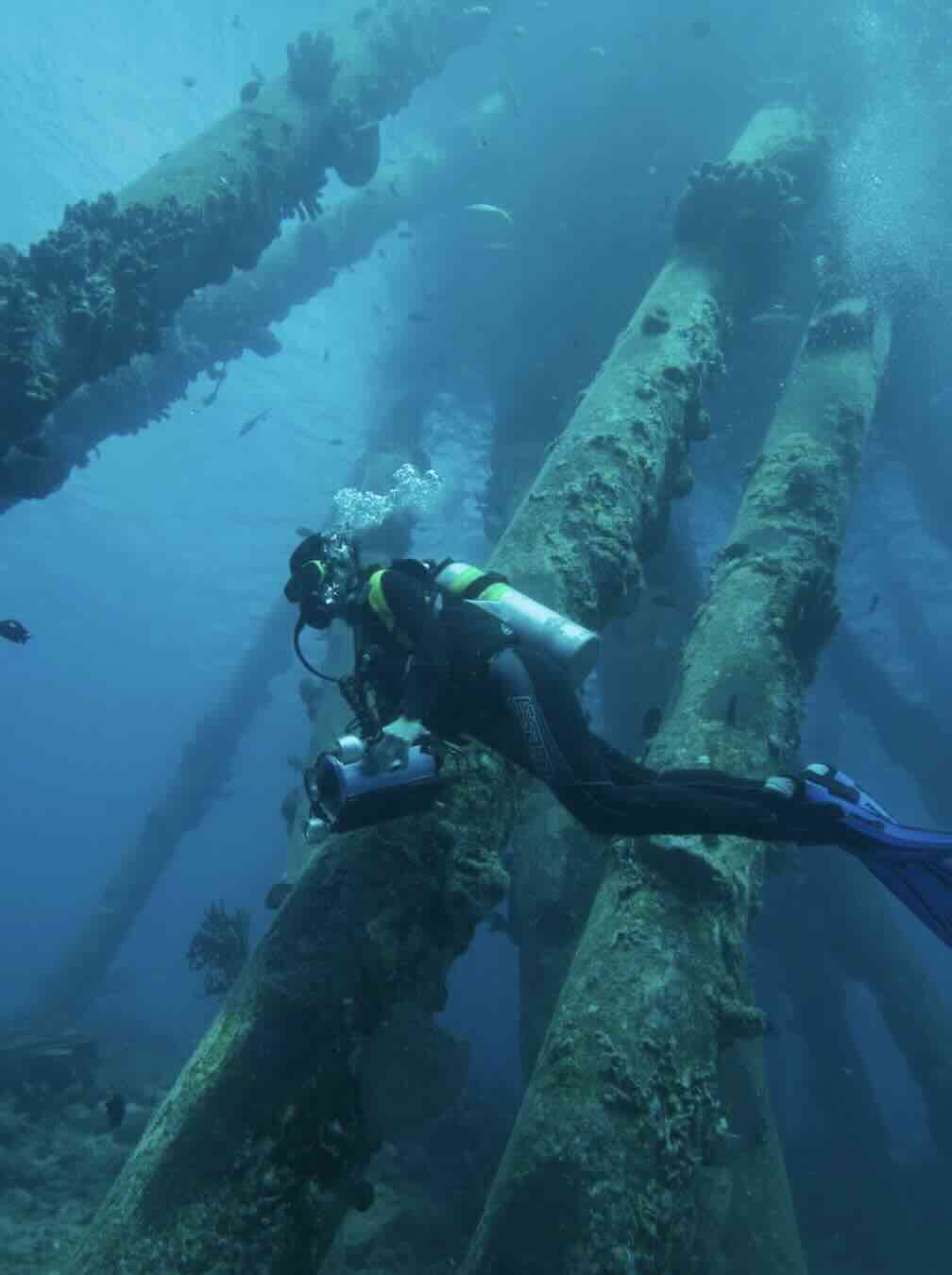
Tulamben is famous for the USAT Liberty shipwreck, one of Bali’s most recognizable underwater sites.
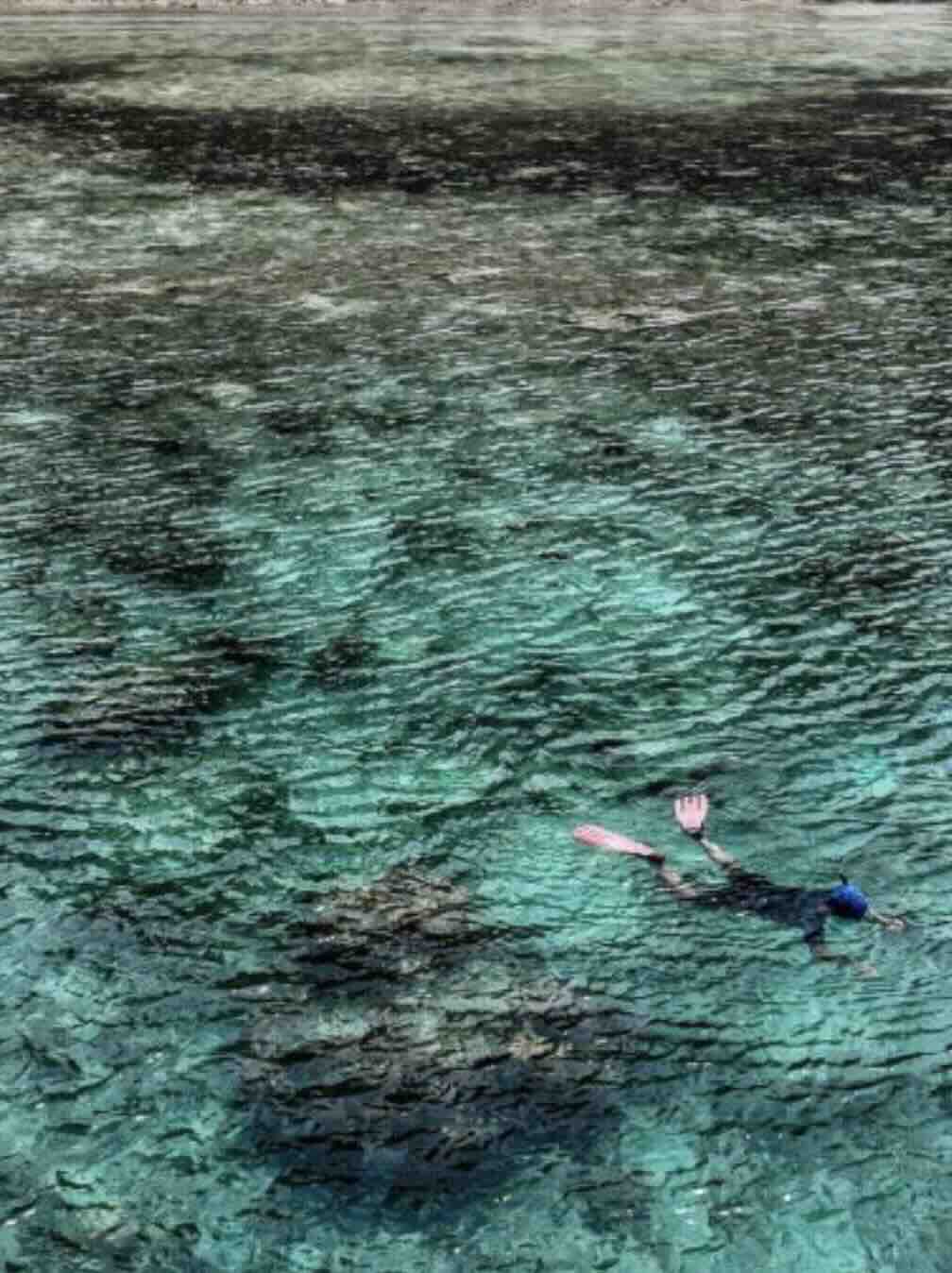
The wreck is best known as a diving location, but parts of it sit shallow enough that snorkelers can also explore the site when visibility and sea conditions are good.
This is not your classic soft-white-sand snorkeling day. Tulamben Beach is covered in volcanic stones and getting into the water can be awkward, particularly while wearing fins and trying to maintain any sense of elegance.
Is Tulamben Worth Visiting If You Only Snorkel?
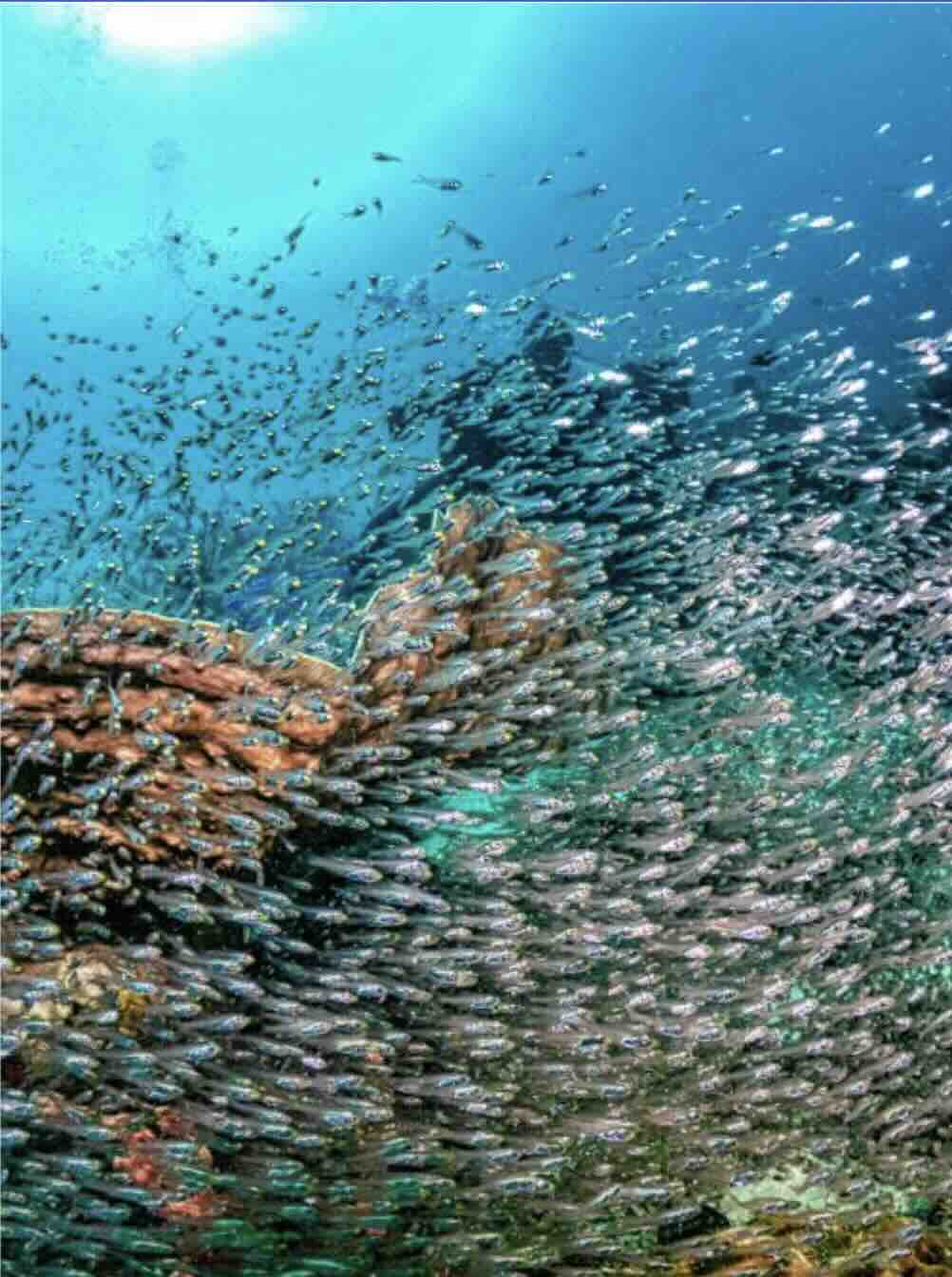
The wreck has become part of the marine environment, with coral growth and schools of fish moving around the structure. Official Indonesian tourism information also lists Coral Garden and Noisy Reefs among Tulamben’s snorkeling and diving sites.
This is not the softest, prettiest beach day in Bali. The beach is rocky, the entry can be awkward, and the area feels more practical than glamorous. But underwater, Tulamben is special. You can see fish moving around the wreck, coral growth and that slightly eerie shipwreck atmosphere that makes you feel like you are in a very low-budget ocean documentary, in the best way.
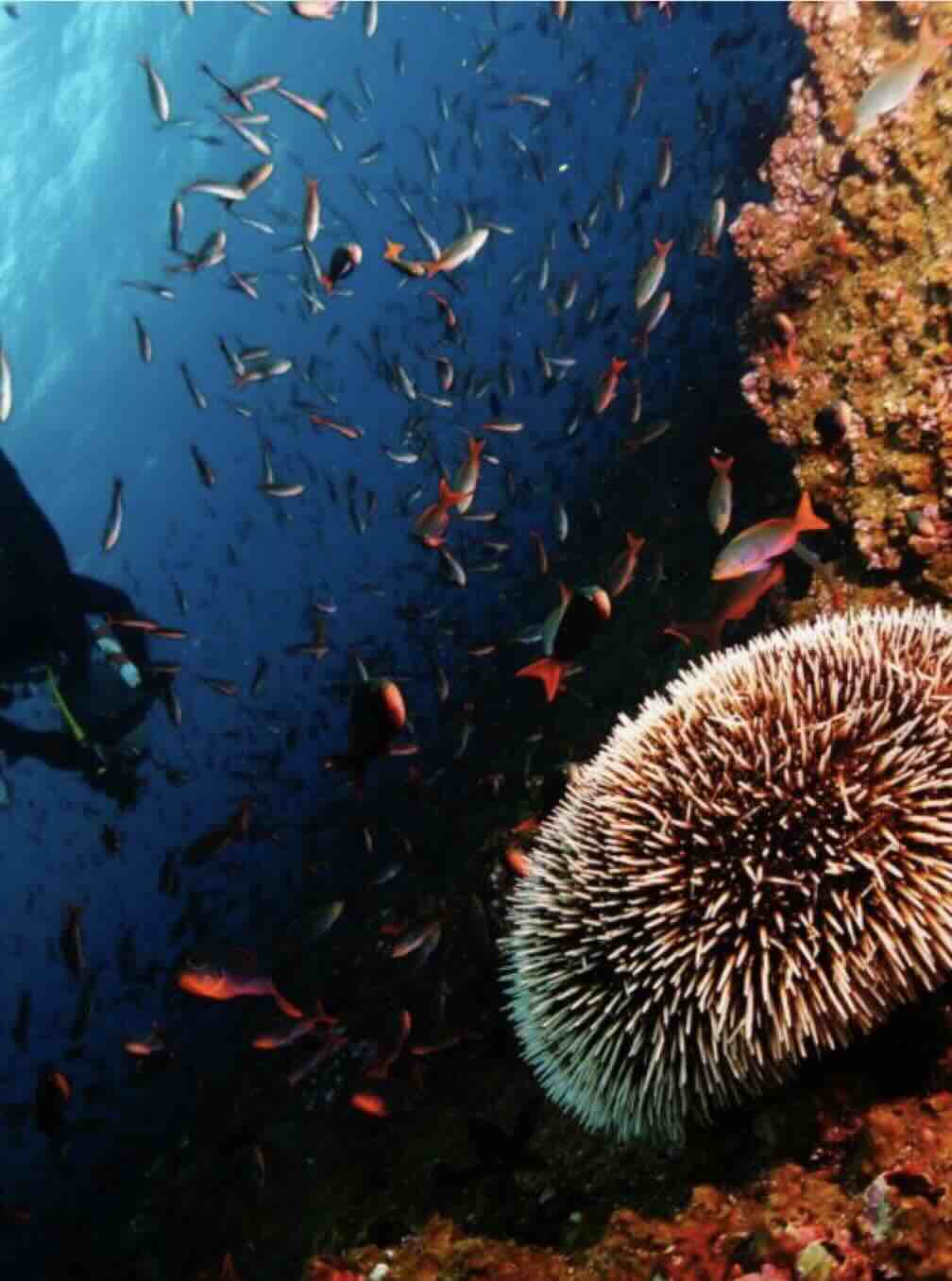
What to expect when snorkeling in Tulamben?
Tulamben is best if you are comfortable in the water. The beach entry is not as easy as Blue Lagoon or some parts of Amed, and the water can feel deeper quite quickly. If you are nervous, go with a local guide. If you are confident, it can be one of the most memorable snorkeling experiences in Bali.
Many people combine Tulamben with Amed because they are close enough to visit on the same East Bali route. This makes sense if you want a few days focused on snorkeling, diving, quiet beaches and fewer South Bali crowds.
Good to know before snorkeling in Tulamben
Wear water shoes or proper reef booties. The stones are not kind to delicate little city feet. Go early if you want calmer conditions and fewer people. If you are not a strong swimmer, use a guide and do not push yourself too far from shore just because someone on Instagram made it look casual.
Blue Lagoon, Padang Bai: Best Snorkeling in Bali for Beginners
Best for: Beginners, families, day trips, calm water and colorful fish
Location: Padang Bai, East Bali
How long to stay: Half-day or full-day trip
Best time to visit: Dry season, especially May to October
Good for families: Yes
Vibe: Easy, accessible and tour-friendly
Getting around: Private driver, scooter or organized snorkeling tour
Main downside: It can get busy, and visibility depends heavily on sea conditions
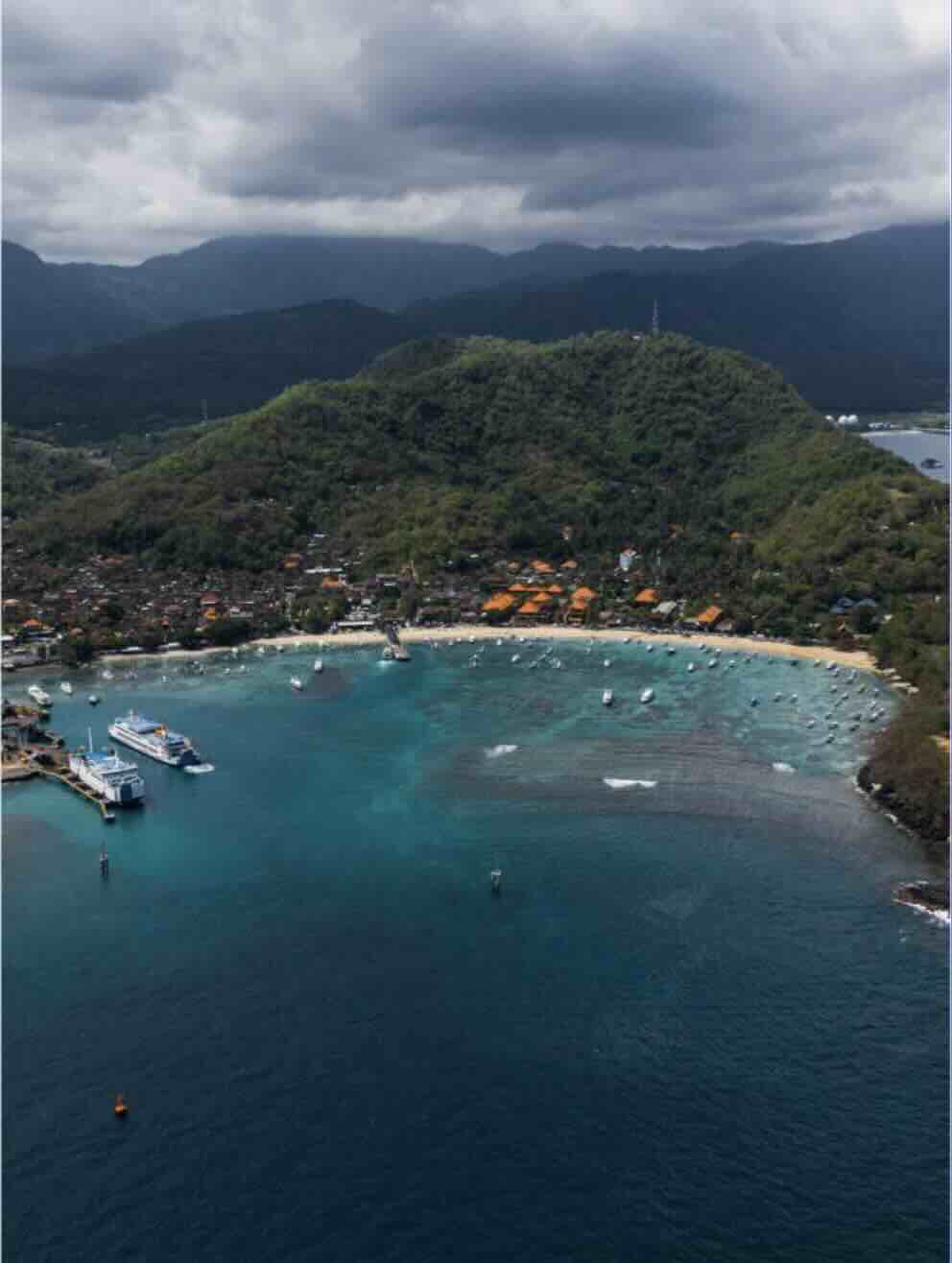
Blue Lagoon near Padang Bai is one of the easiest places to go snorkeling in Bali if you do not have time to travel all the way to Amed or West Bali.
It is particularly convenient from Ubud, Sidemen, Sanur or other parts of East Bali, which is why it appears on so many snorkeling tours.
Most trips combine Blue Lagoon with another nearby reef, often around Tanjung Jepun, giving you two snorkeling stops within one excursion.
You can see reef fish, patches of coral and occasionally turtles, although wildlife is obviously never guaranteed.
Is Blue Lagoon Actually Worth It?
Yes, as long as you understand what it is. I would not rank Blue Lagoon above Amed, Menjangan or the Nusa Islands for overall underwater scenery. Its strength is accessibility.
You can do it in half a day, it works well for people snorkeling for the first time, equipment rental and tours are easy to arrange, and you do not need to build three days of your itinerary around getting there.
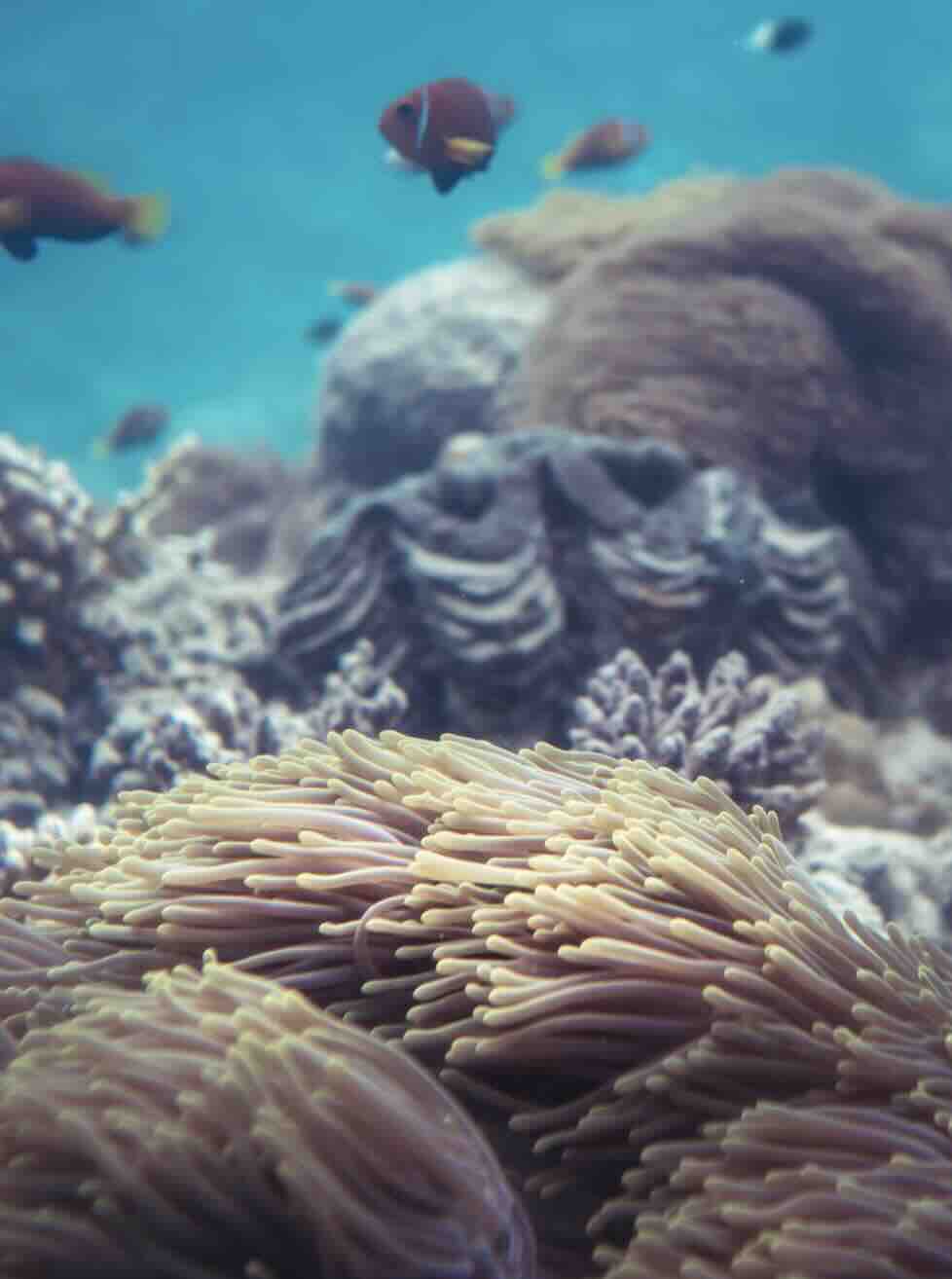
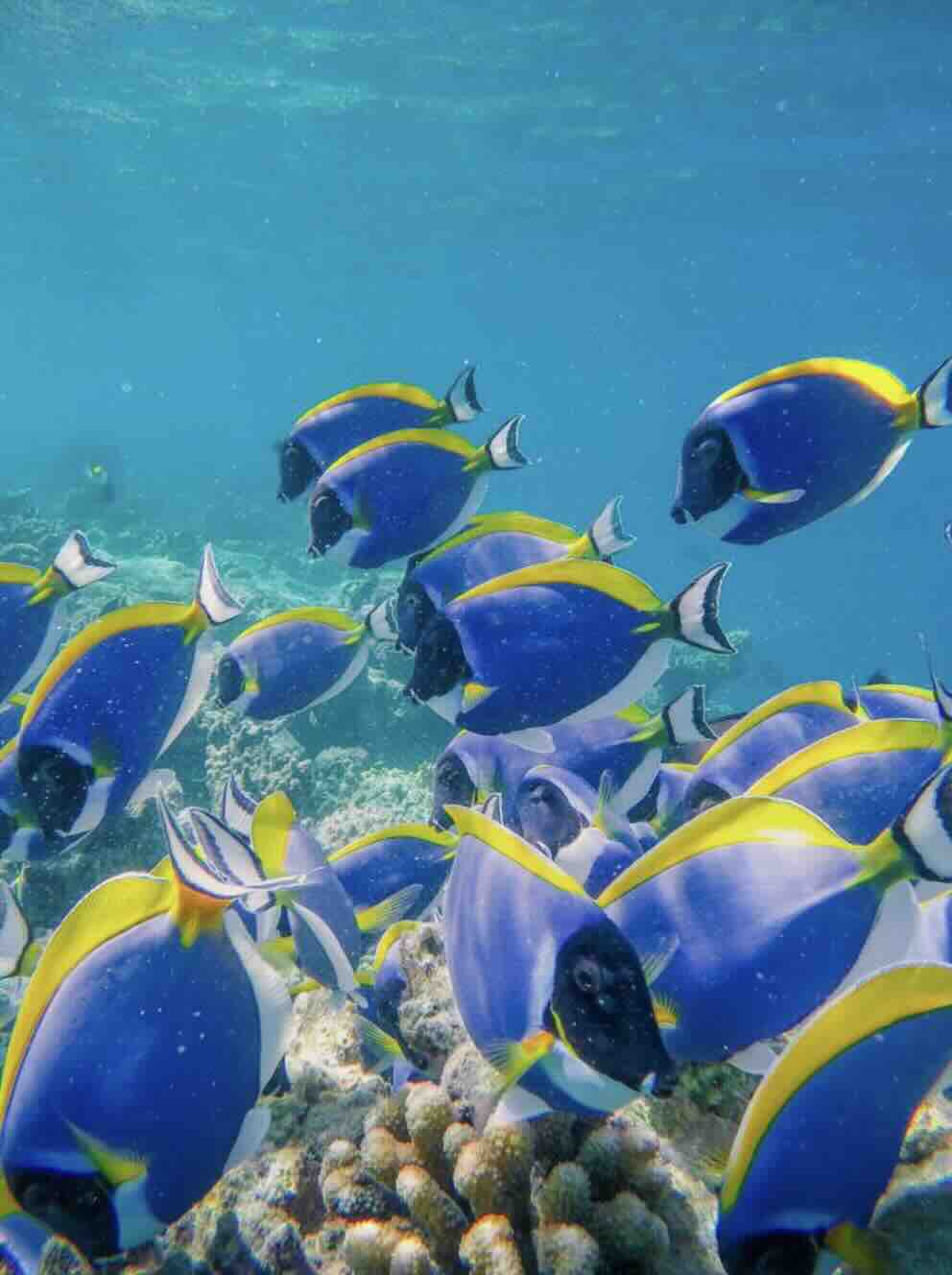
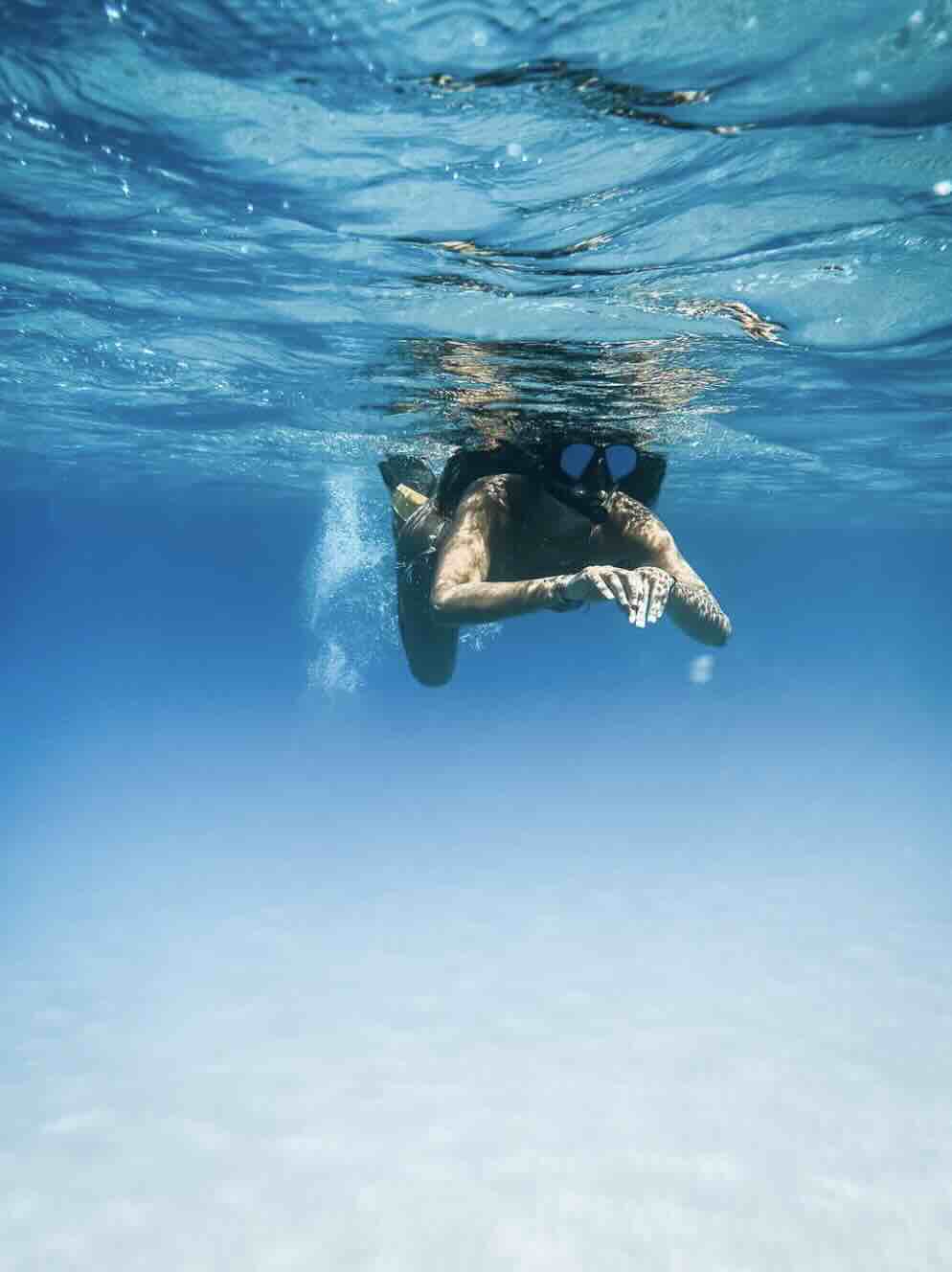
Good to know before going to the Blue Lagoon
Go in the morning if possible, because conditions are often calmer and visibility can be better. Check recent reviews before booking a tour, because boat quality, guide quality and group sizes can vary. Also, do not expect perfect visibility every day. The ocean has moods. Bali has traffic. Life is complicated.
This is not the wildest or most remote snorkeling in Bali, but it is accessible and beginner-friendly. For families or first-time snorkelers, that matters more than pretending every travel experience needs to be some secret untouched paradise.
Nusa Islands: Manta Rays, Reefs & Some of Bali’s Best Snorkeling
Best for: Manta rays, colorful reefs, turtles, dramatic underwater scenery and boat trips
Location: Southeast of Bali
How long to stay: Day trip or 2 to 5 days across the islands
Best time to visit: Dry season, especially May to October, although manta sightings can happen year-round
Good for families: Yes, with a reputable operator and suitable sea conditions
Vibe: Adventurous, tropical and considerably wilder than snorkeling from mainland Bali
Getting around: Fast boat, snorkeling boat, scooter, private driver or local transport
Main downside: Strong currents, rough seas and manta sightings are never guaranteed
The Nusa Islands, made up of Nusa Penida, Nusa Lembongan and Nusa Ceningan, offer some of the most exciting snorkeling near Bali. This is where you come if swimming with manta rays is high on your bucket list, but there are also coral reefs, turtles, tropical fish and beautiful drift-snorkeling spots around the three islands.
Popular snorkeling areas include Manta Point, Crystal Bay, Gamat Bay and Mangrove Point, although conditions change constantly and a good operator should choose the day’s route based on currents, swell and visibility. The waters around Nusa Penida can be much stronger than the sheltered bays around mainland Bali, so this is not the place to ignore your guide because you spotted a manta in the distance.
I would also recommend staying on the islands rather than squeezing them into a rushed Bali day trip. Nusa Lembongan is particularly easygoing and makes a great base for exploring all three islands, while Nusa Penida offers the bigger landscapes and most famous sights.
→ READ NEXT: Complete Nusa Islands Travel Guide for the best beaches, snorkeling spots, things to do, where to stay and how to divide your time between Nusa Penida, Nusa Lembongan and Nusa Ceningan.


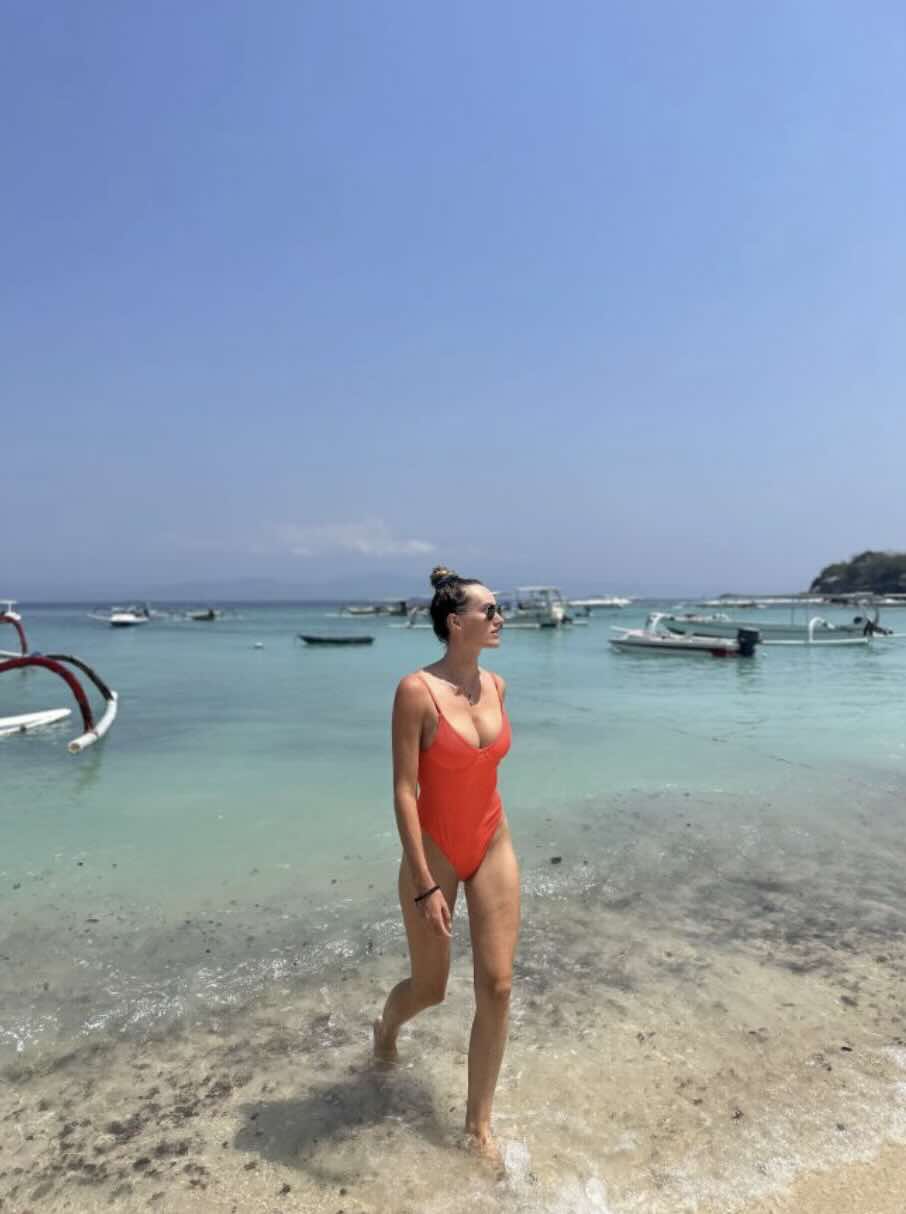


Good to know before going to the Nusa Islands
Choose your operator carefully. Ask how many people will be on the boat, whether life jackets are provided, which snorkeling sites they plan to visit and what happens if the conditions at Manta Point are too rough.
The manta rays aren’t the dangerous part here. The ocean can be. Currents around Penida, Lembongan and Ceningan can be strong, and sea conditions can change quickly. If your guide says a site isn’t safe that day, consider that a good sign rather than complaining that it wasn’t on the itinerary.
Bring motion-sickness tablets if you get seasick, reef-safe sunscreen, a rash guard and a dry bag.
And please don’t chase, touch or block manta rays and turtles. We are visiting their home.


Menjangan Island: Best Snorkeling in Bali for Clear Water and Coral
Best for: Clear water, coral walls, reef fish, quieter snorkeling and West Bali nature
Location: West Bali National Park
How long to stay: Full-day trip or 1 to 2 nights in Pemuteran
Best time to visit: Dry season, especially May to October
Good for families: Yes, with a proper boat tour
Vibe: Peaceful, remote and nature-focused
Getting around: Private driver plus boat from the mainland
Main downside: It is far from South Bali, so you need time
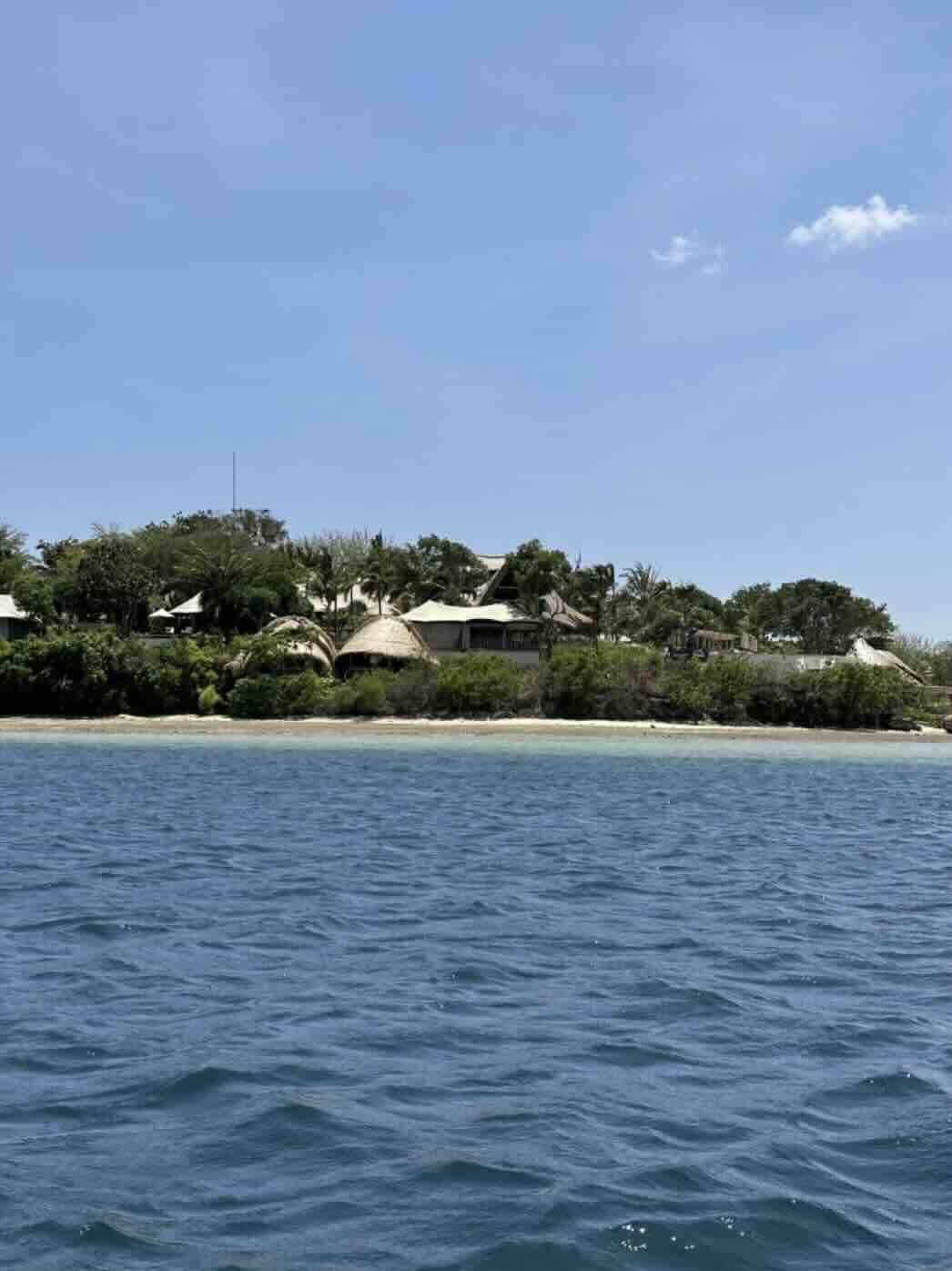
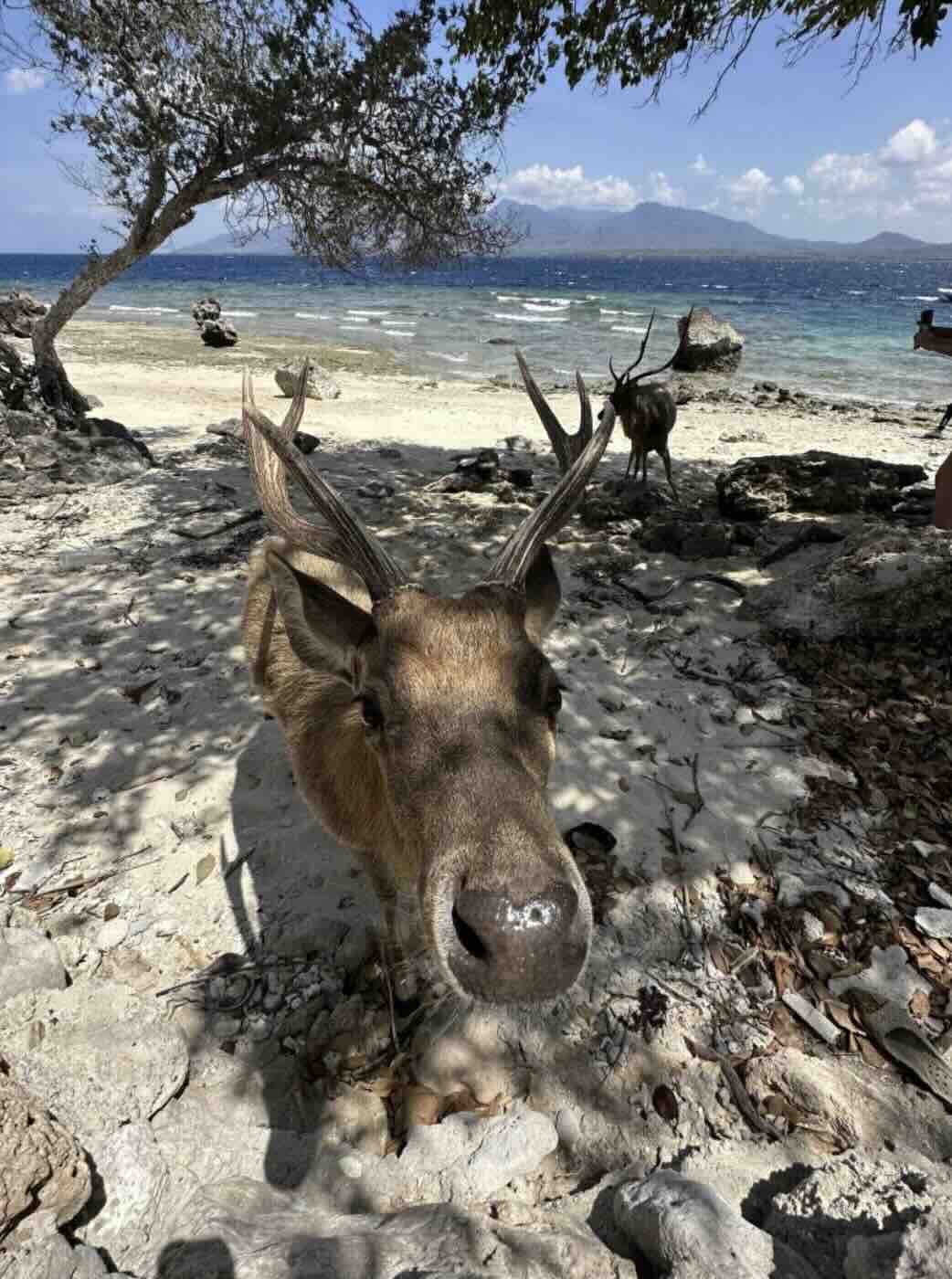
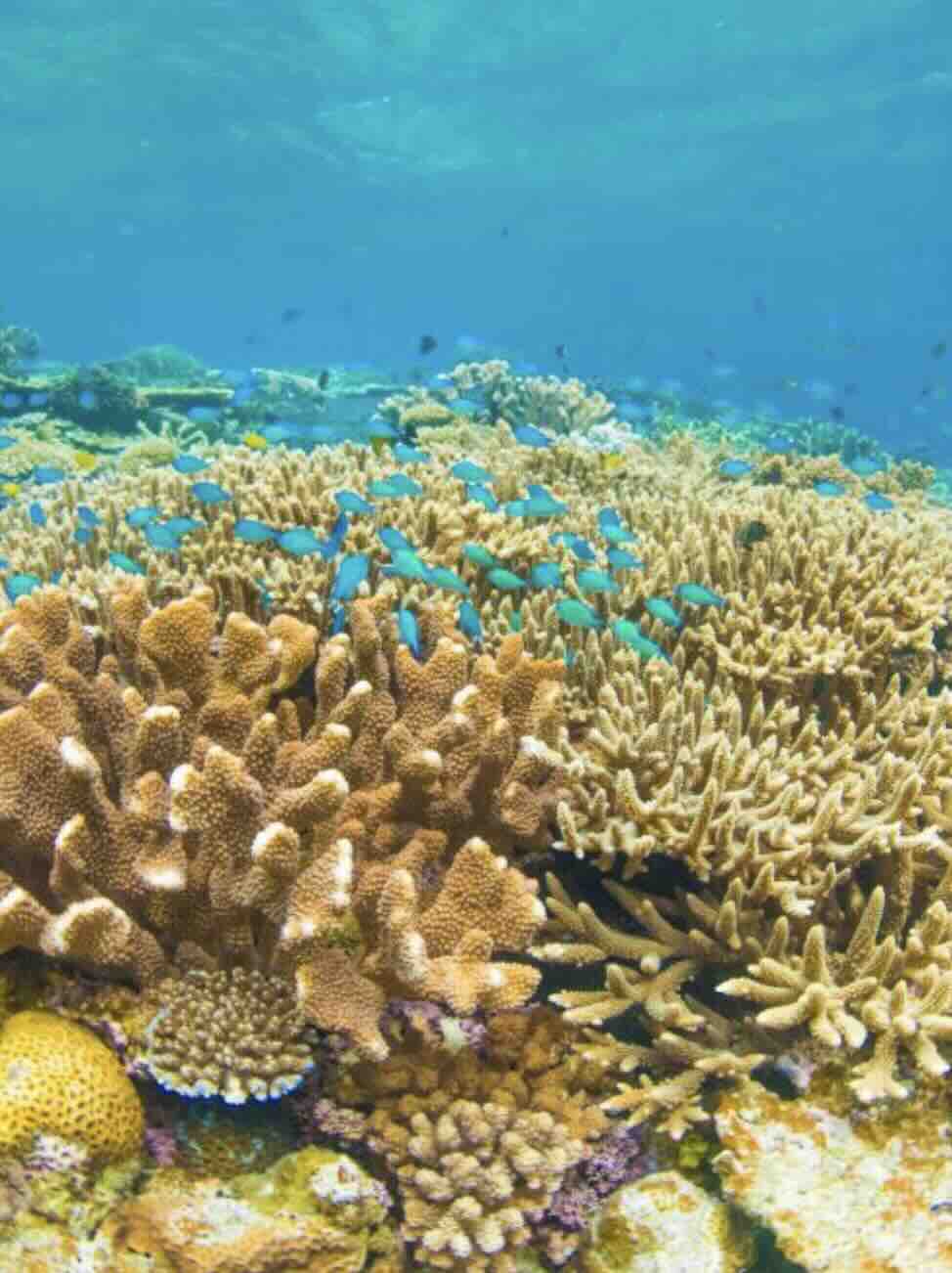
I think Menjangan Island deserves more attention than it gets. It sits within West Bali National Park, away from Bali’s busiest tourism areas, and is surrounded by reef walls, coral gardens and clear water. Indonesia’s tourism authority highlights the island’s coral reefs and sites such as Coral Garden and Eel Garden.
The fact that it takes considerably more effort to reach is both its greatest inconvenience and part of the reason I like it. You do not accidentally end up on Menjangan after brunch in Seminyak.
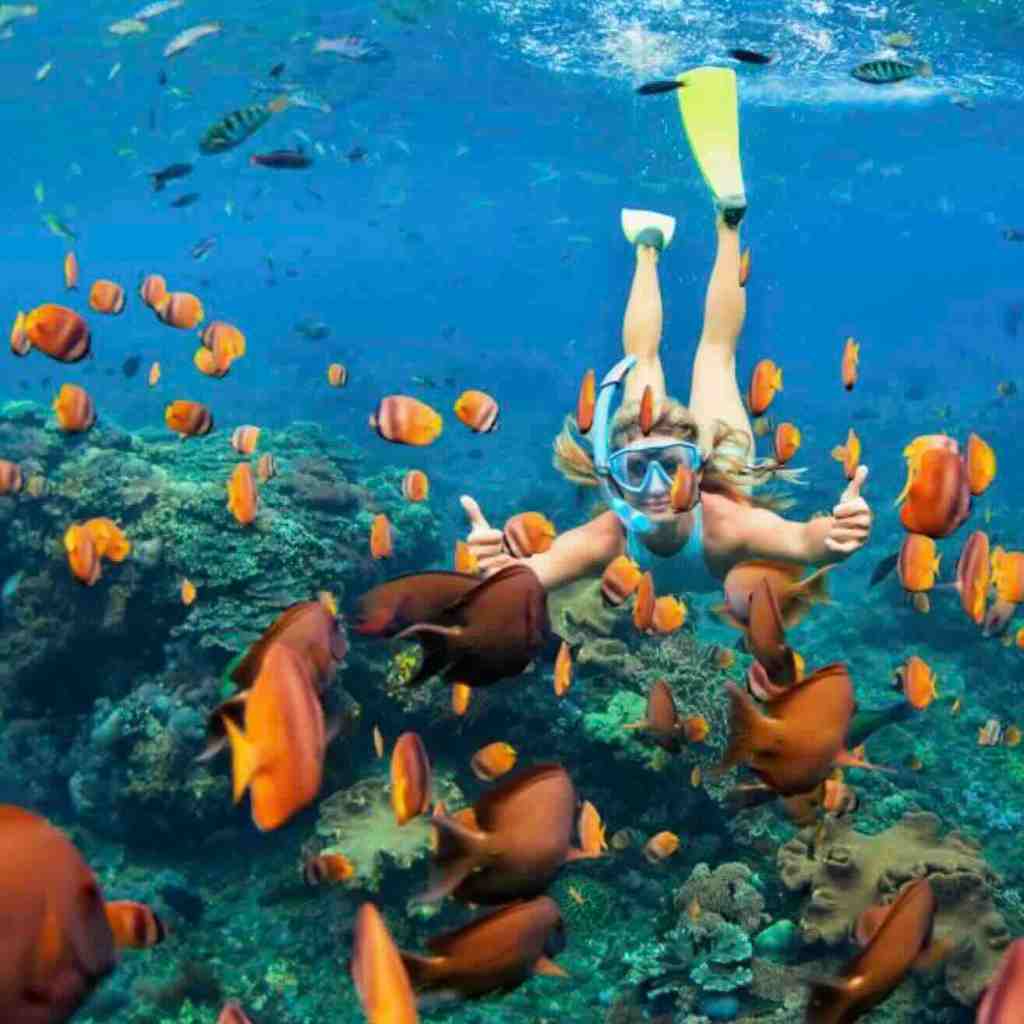
What Is Snorkeling at Menjangan Like?
Snorkeling trips are normally done by boat, moving between different reef sites around the island.
Expect coral walls, reef fish and deeper blue water beside the reef drop-offs. Depending on the day, turtles and larger marine life may also appear.
Menjangan is especially good if you care more about the reef itself than ticking off one particular animal.
It also works beautifully as part of a North and West Bali road trip, particularly if you stay around Pemuteran rather than attempting an extremely long return journey from South Bali.
Is Menjangan Better Than Amed?
They are different.
Choose Amed if you want easy snorkeling directly from the beach, restaurants nearby and several days of relaxed coastal living.
Choose Menjangan if you are willing to travel farther for a quieter boat-snorkeling experience with beautiful reefs and generally less chaos.
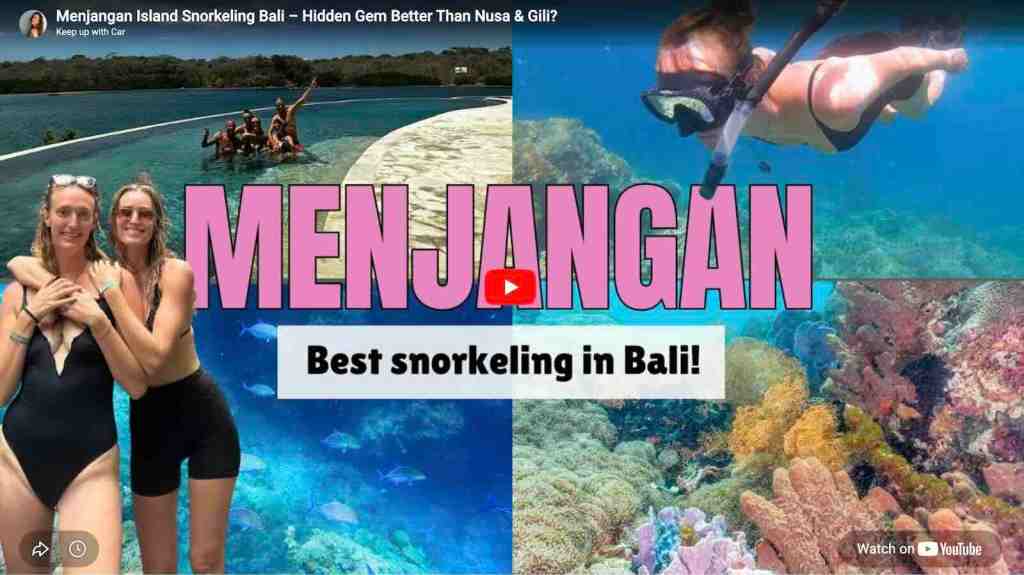
If snorkeling is one of the main reasons you are coming to Bali, I would prioritize Menjangan because the water and reef here are truly something else.
Lovina: Snorkeling in North Bali
Best for: North Bali stays, dolphin watching, sunrise boat trips and simple reef snorkeling
Location: North Bali
How long to stay: Half-day trip or 1 to 2 nights in Lovina
Best time to visit: Dry season, especially May to October
Good for families: Yes, with the right operator
Vibe: Quiet, local, slower and less polished than South Bali
Getting around: Private driver, scooter or local boat
Main downside: Dolphin tours can be crowded, and operators vary a lot
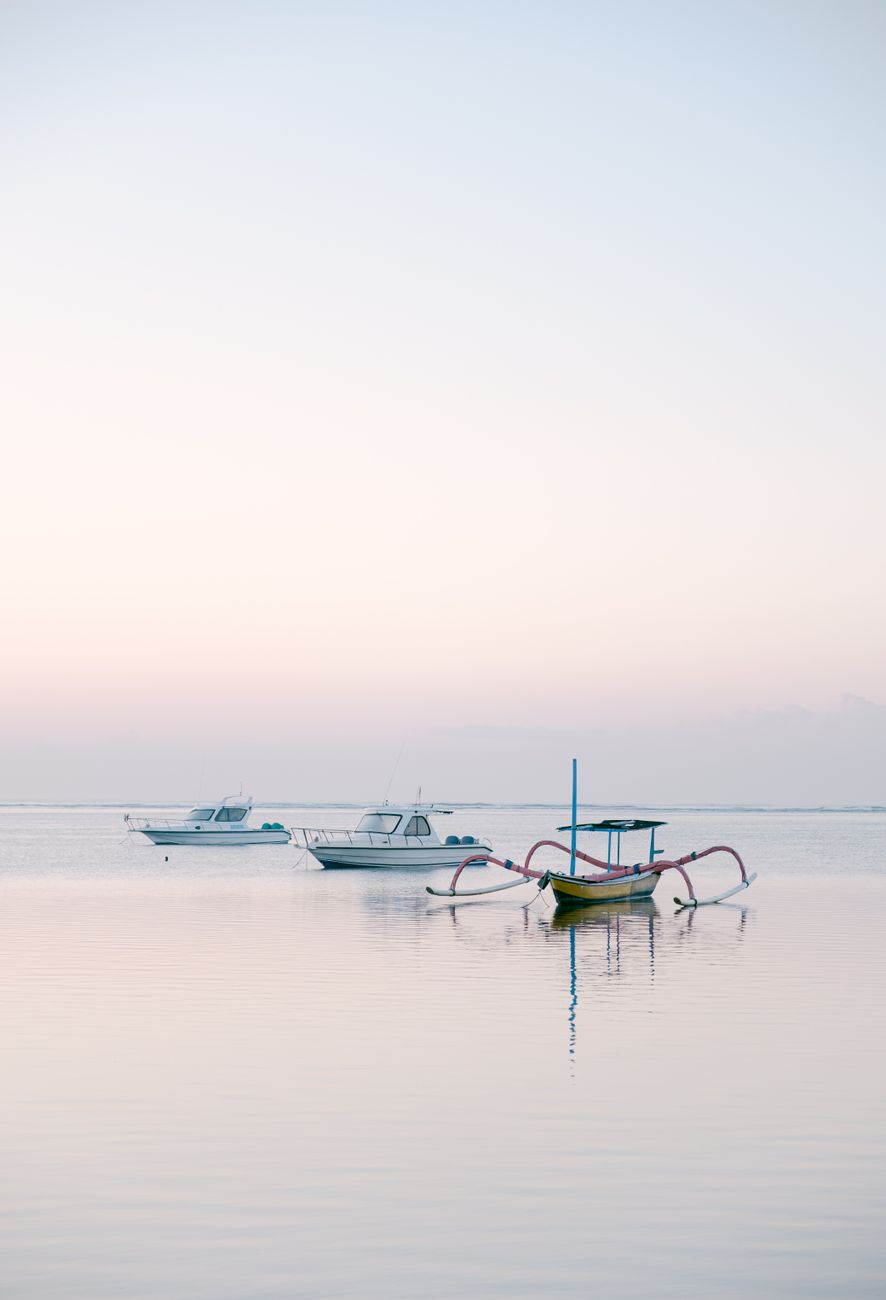
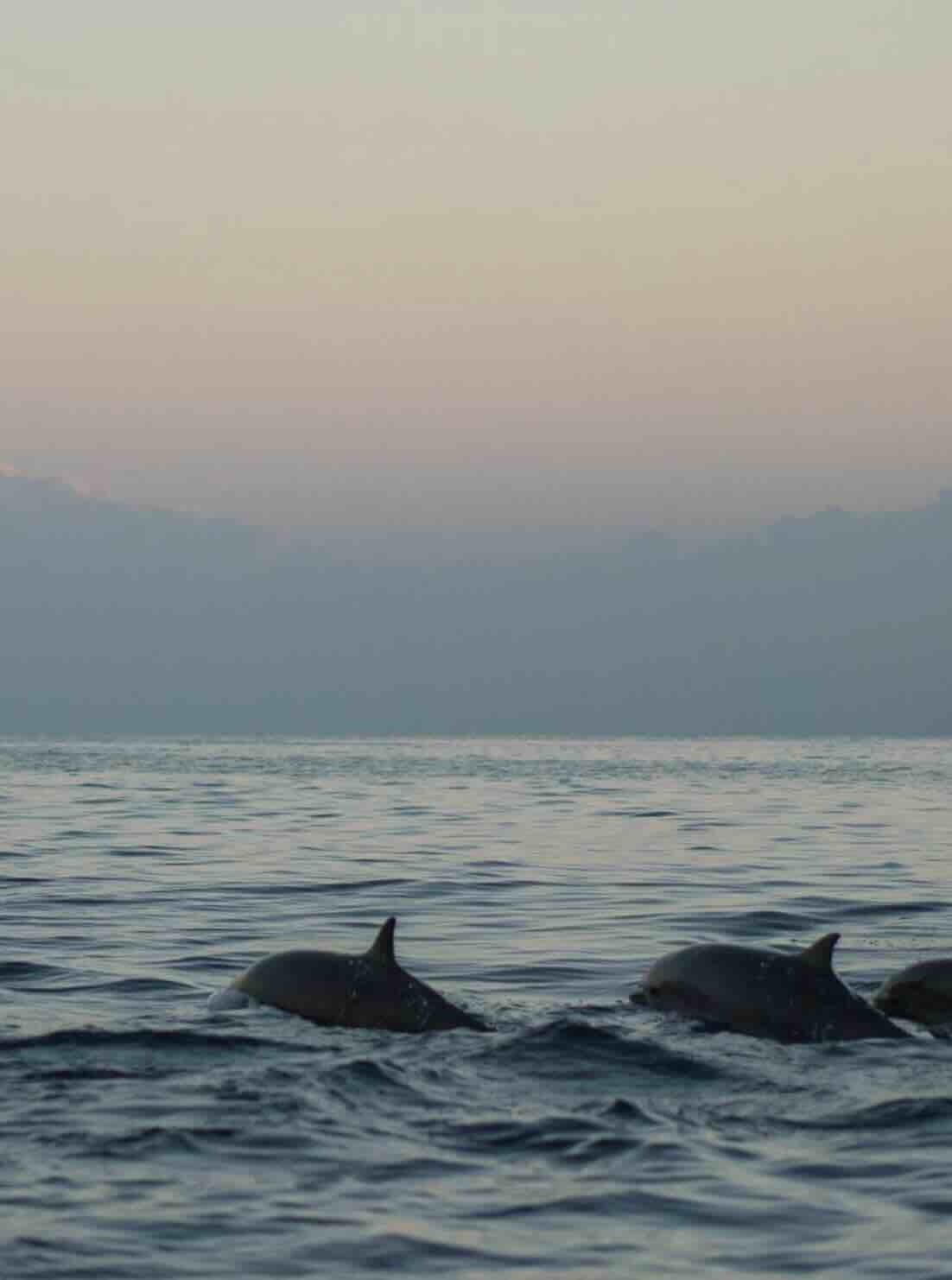
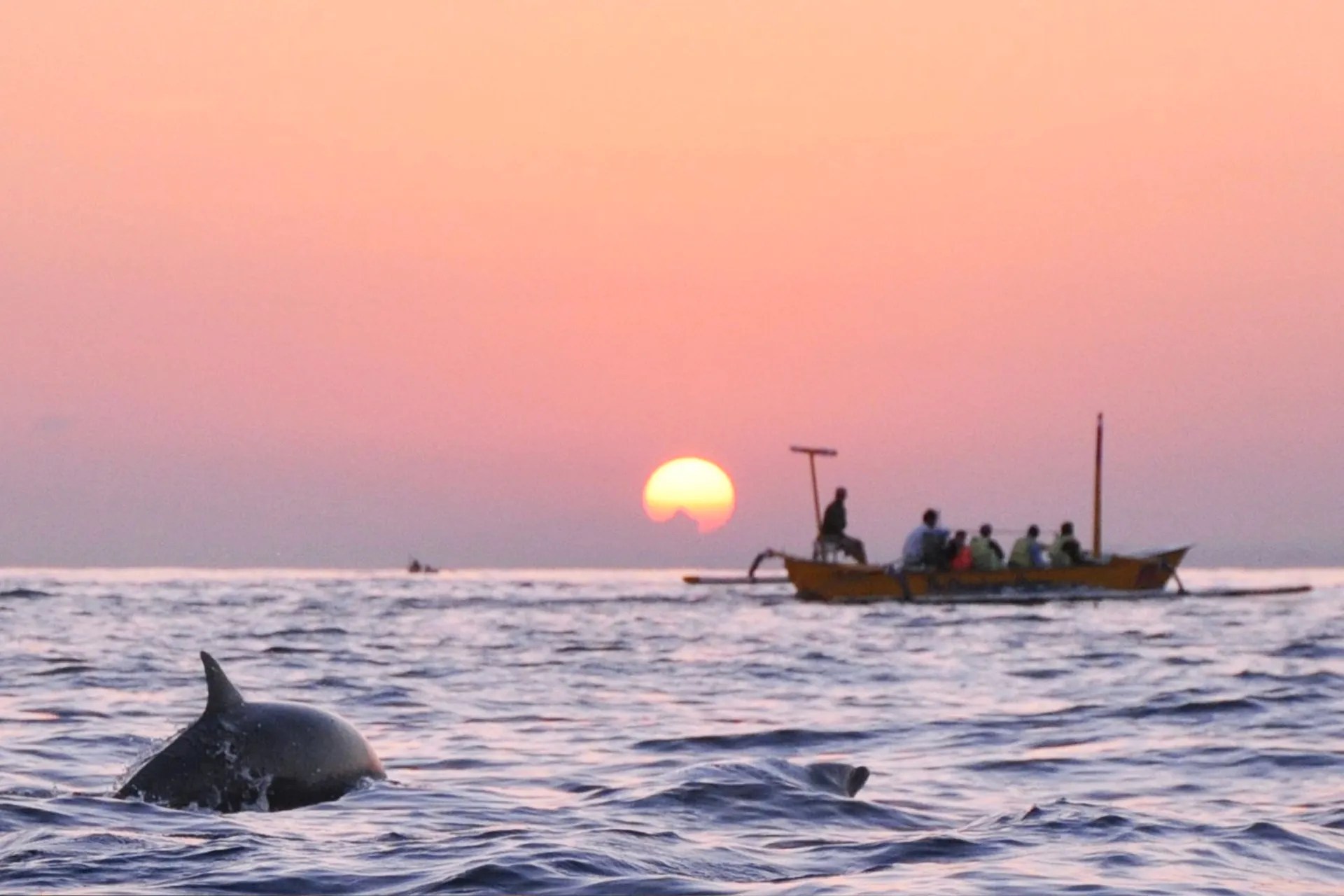
Lovina is famous for its sunrise dolphin tours, not because it has Bali’s greatest coral reefs. If you are already exploring North Bali, a local boat can take you to simple reef snorkeling spots and it can make for a nice morning on the water. But if someone asked me to choose between Lovina and Amed purely for snorkeling, I would choose Amed without hesitation.
A Note About Dolphin Tours in Lovina
Lovina’s dolphin trips can get extremely busy, with many boats following the same groups of dolphins. Choose an operator that keeps its distance rather than aggressively chasing animals around the ocean. A hundred boats surrounding a dolphin is not suddenly ethical because everybody has a reusable water bottle.
Come to Lovina for the combination of North Bali, sunrise, dolphins and snorkeling, not because you expect the strongest underwater experience on this list.
BONUS: Gili Air & Gili Meno, Best Snorkeling Near Bali
Best for: Turtles, clear water, beach snorkeling, island hopping and relaxed Gili Islands vibes
Location: Gili Islands, northwest of Lombok
How long to stay: 2 to 4 days
Best time to visit: Dry season, especially May to October
Good for families: Yes, especially Gili Air and Gili Meno
Vibe: Tropical, relaxed, car-free and much slower than Bali
Getting around: Walking, bicycle or horse cart
Main downside: Not technically Bali, and some beaches have coral underfoot, so water shoes are useful
The Gili Islands are not Bali, and I would make that painfully clear because geographically confused travel blogs have caused enough damage already. But they are easy to combine with a Bali itinerary and have some of the most enjoyable snorkeling in the region, particularly if you want to see turtles.
Gili Air is the better all-round choice if you still want restaurants, cafés and a little atmosphere.
Gili Meno is much quieter and is especially popular for turtle snorkeling and the famous underwater sculptures.


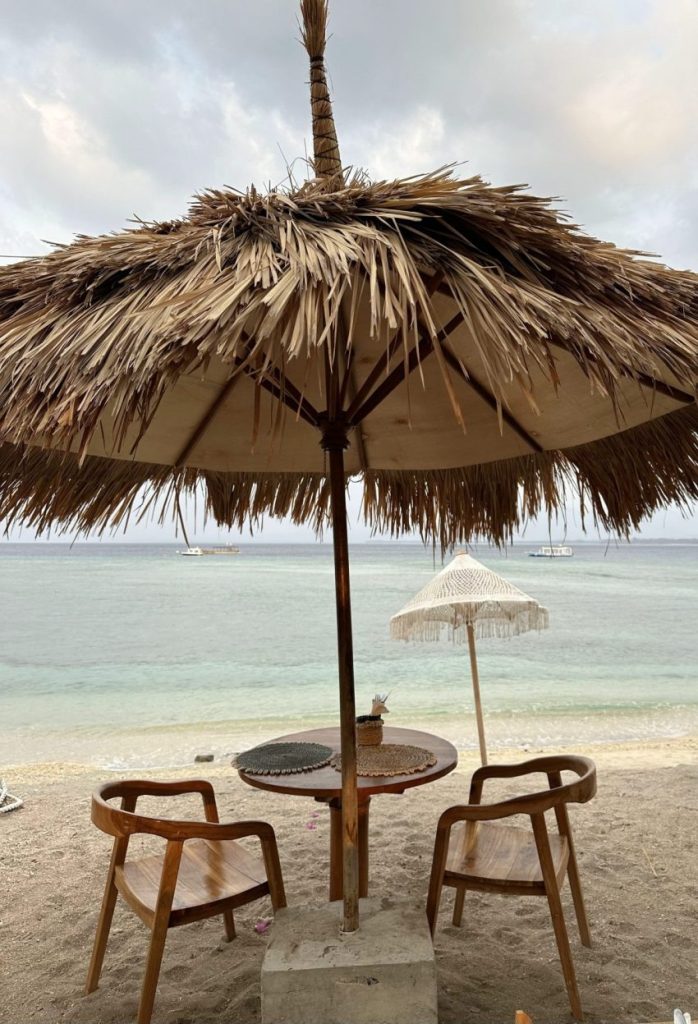
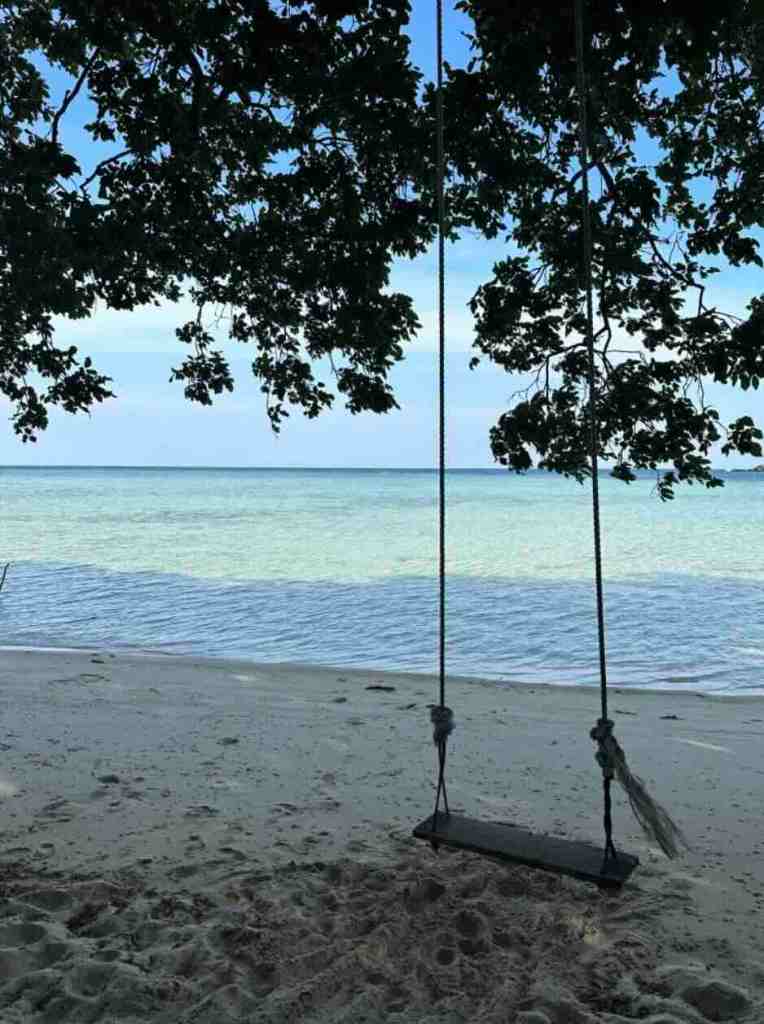

You can join boat trips around all three Gili Islands or snorkel directly from shore in certain areas. The water is often beautifully clear, although some beaches have dead coral and sharp pieces underfoot, so water shoes are useful.
If you already plan to visit Lombok, adding a few nights on Gili Air or Gili Meno makes much more sense than treating this as a Bali day trip.
→ READ NEXT: My Lombok Travel Guide for the Gili Islands, beaches, Mount Rinjani and how to combine Lombok with Bali.


Where Can You Snorkel From the Beach in Bali?
If you specifically want shore snorkeling in Bali, Amed is your best option.
Jemeluk Bay and Lipah Beach are among the easiest places to walk directly into the water and start snorkeling. Tulamben can also be accessed directly from the beach, although the rocky entrance makes it slightly less graceful.
Around the Gili Islands, several snorkeling areas can also be reached from shore, but remember that the Gilis are technically part of Lombok rather than Bali.
For Nusa Penida, Menjangan Island and many of the best Blue Lagoon sites, taking a boat is generally the easier option.
Snorkeling Safety in Bali
Snorkeling in Bali can be extremely easy in one bay and surprisingly serious somewhere else.
Do not assume that clear tropical water automatically means calm water.
Currents are particularly important around Nusa Penida, Nusa Lembongan and Nusa Ceningan, while swell, wind and tides can change conditions almost anywhere.
If you are not a strong swimmer:
- Tell your guide before entering the water.
- Wear a flotation vest.
- Stay close to the boat or shoreline.
- Never swim against a strong current until you are exhausted.
- Do not snorkel alone in unfamiliar water.
- Also avoid touching coral, standing on reefs, feeding fish or chasing turtles and manta rays.
And watch where you put your feet. Coral, rocks, sea urchins and other marine life have absolutely no interest in your holiday schedule.
Best Time to Snorkel in Bali
The best time for snorkeling in Bali is generally during the dry season from around April or May through October, when rainfall is lower and many snorkeling areas experience clearer conditions.
That does not mean you cannot snorkel during the wet season. You absolutely can.
More important than the month printed on your calendar are the conditions at the exact snorkeling spot that morning. Wind, swell, tides and currents can affect visibility and safety even during the middle of the dry season.
Morning snorkeling is often a good choice because the sea tends to be calmer before afternoon wind develops.
If you are traveling specifically for snorkeling, build a little flexibility into your itinerary instead of expecting the ocean to respect the spreadsheet.
Which Bali Snorkeling Spot Should You Choose?
If I had to narrow everything down:
Best snorkeling overall: Amed
Best for manta rays: Nusa Penida
Best for coral and clear water: Menjangan Island
Best for shipwrecks: Tulamben
Best for beginners: Blue Lagoon or Amed
Best snorkeling from the beach: Amed
Best for turtles near Bali: Gili Air and Gili Meno
Best snorkeling while exploring North Bali: Lovina
For most first-time visitors who genuinely love snorkeling, I would build the trip around Amed + the Nusa Islands. If you have more time and want to explore beyond Bali’s usual route, add Menjangan Island.
Frequently Asked Questions About Snorkeling in Bali
Where is the best snorkeling in Bali?
Amed is the best overall snorkeling area in Bali because it has easy beach access, reefs, relaxed coastal stays and several snorkeling spots nearby. Menjangan Island is better if you want clearer water and fewer crowds, but it takes more effort to reach.
Is Bali good for snorkeling?
Bali can be good for snorkeling if you choose the right areas. Do not expect every beach to have beautiful reefs. For the best snorkeling in Bali, look at Amed, Tulamben, Blue Lagoon, Menjangan Island, Nusa Penida and Nusa Lembongan.
Can you snorkel with manta rays in Bali?
The most popular manta ray snorkeling trips near Bali are around Nusa Penida, especially Manta Point. Manta sightings are never guaranteed, and sea conditions can be rough, so book with a reliable operator and keep expectations realistic.
What is the best snorkeling spot in Bali for beginners?
Blue Lagoon near Padang Bai is one of the easiest snorkeling spots in Bali for beginners and families. Amed can also be good for beginners, especially in calmer areas like Jemeluk Bay.
What is the best snorkeling spot in Bali for families?
Blue Lagoon, Amed and Nusa Lembongan are good choices for families. They are easier to plan than more remote places like Menjangan or rougher manta trips around Nusa Penida.
When is the best time to snorkel in Bali?
The best time to snorkel in Bali is usually during the dry season, especially from May to October. The sea is often calmer and visibility is usually better, although conditions can change any time.
Do you need a tour to snorkel in Bali?
Not always. In Amed, you can snorkel from the beach in some areas. For Nusa Penida, Menjangan, Blue Lagoon, Tulamben or Nusa Lembongan boat spots, a tour or local operator is usually easier and safer.
Is Amed or Nusa Penida better for snorkeling?
Amed is better for relaxed, easy snorkeling from the beach. Nusa Penida is better if you want a chance to see manta rays and do a more adventurous boat trip. If you want calm and easy, choose Amed. If you want drama and manta potential, choose Nusa Penida.
Is snorkeling in Bali safe?
Snorkeling in Bali is usually safe if you choose the right spot for your swimming level, check the conditions and avoid strong currents. Always listen to local advice, wear a life jacket if you are not confident, and never touch coral, turtles or manta rays.
What should I bring for snorkeling in Bali?
Bring reef-safe sunscreen, a rash guard, water shoes, a towel, dry bag, water, cash and motion sickness tablets if you are taking a boat. If you are using rental gear, check the mask fit before getting into the water, because a leaky mask can ruin the whole mood very quickly.
EXPLORE MORE
Continue Exploring Indonesia
Not sure what comes next, continue with my 2-Week in Bali Itinerary or have a look at my 3-Week Indonesia Itinerary to see how I would combine different parts of the country without turning the entire holiday into transport.
Trying to decide which islands are actually worth your time? Read my 10 Best Islands in Indonesia, or have a look at my Travel Guides below.
TROPICAL GETAWAY
Nusa Islands Travel Guide

TRAVEL GUIDE
Lombok Travel Guide

TRAVEL GUIDE
Bali Travel Guide

ITINERARY
2 Weeks In Bali
ITINERARY
3 Weeks In Indonesia
TRAVEL GUIDE
Top 10 Islands in Indonesia



NEWSLETTER
Subscribe for travel tips, new vlogs & life behind the scenes.
© 2026 Keep Up With Car – All rights reserved.
