Last updated on August 30th 2026
Mauritius Travel Guide
Where to Stay, When to Go & Everything You Need to Plan Your Trip
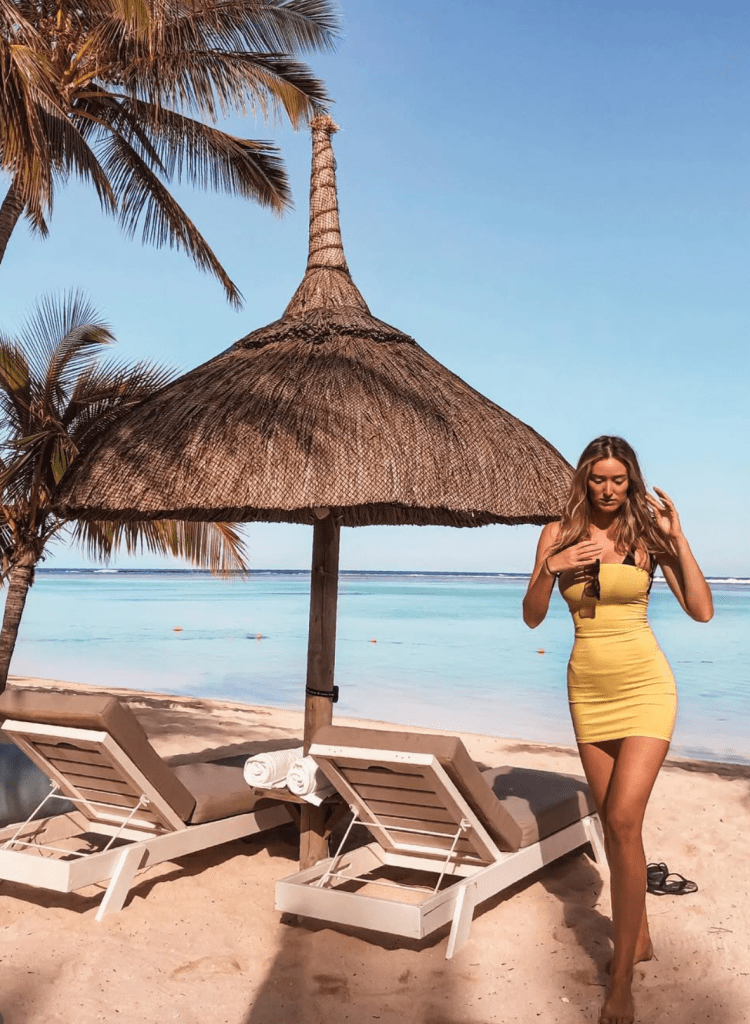
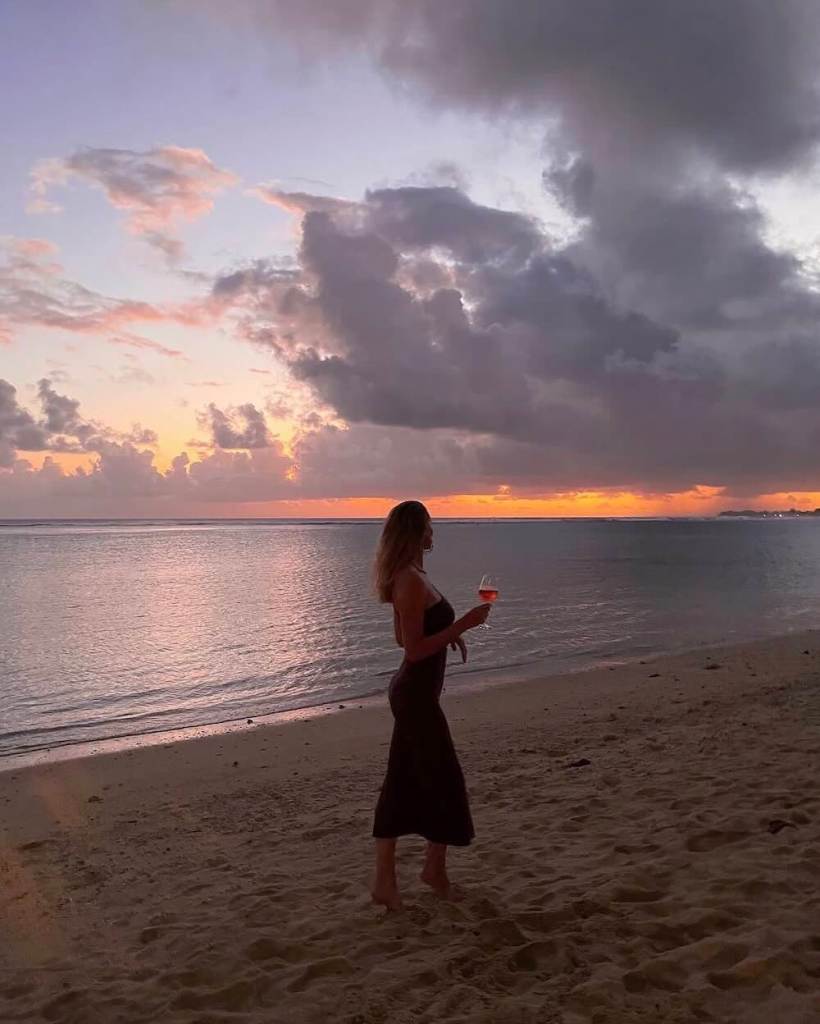
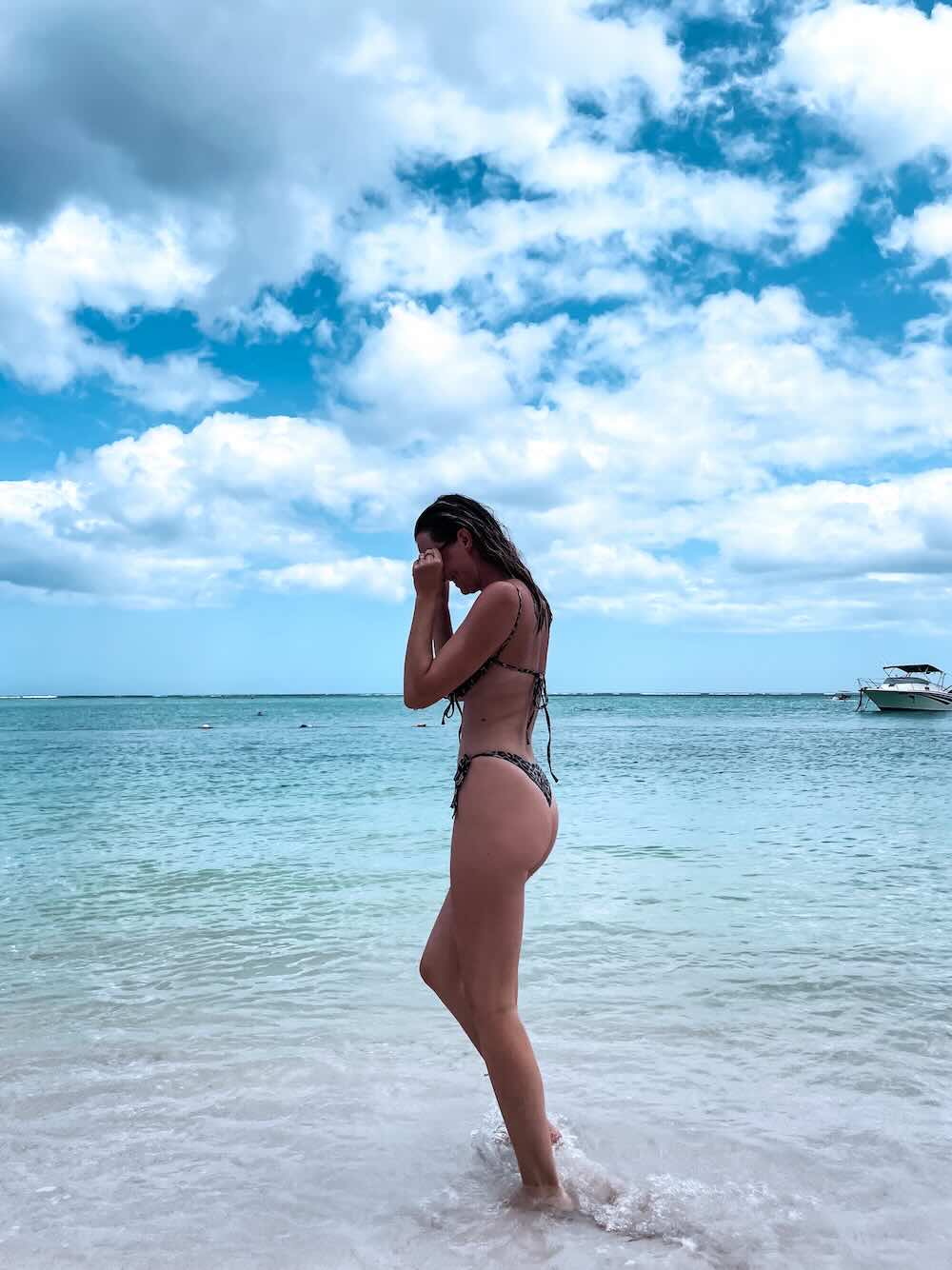
Mauritius completely stole my heart. My twin sister, my mum and I spent three weeks exploring beautiful beaches, hiking Le Morne Brabant, chasing waterfalls, discovering colourful villages and eating incredible local food. It turned out to be the most magical girls’ trip and honestly one of the best holidays I’ve ever been on.
If you’re planning a trip to Mauritius, this guide includes all my favourite places, practical tips and everything you need to plan an unforgettable adventure.
The Perfect Holiday Destination
Mauritius is located in the Indian Ocean, around 2,000 kilometres off the southeast coast of Africa. Thanks to its tropical climate, warm hospitality and excellent infrastructure, it’s one of the easiest islands to explore independently.
If you’re looking for a destination that combines tropical beaches, mountain hikes, waterfalls, wildlife and a fascinating blend of cultures, Mauritius ticks all the boxes. Although the island is relatively small, every region feels different, making it the perfect destination for an adventurous road trip as well as a relaxing and luxurious beach holiday.
This Mauritius travel guide is the starting point for everything I have written about the island. I will help you choose the right coast, decide where to stay, understand how many days you need and plan the practical side of the trip. When you want the deeper details, continue into my dedicated guides to The Best Things To Do, the island’s Most Beautiful Beaches, Where To Stay, incredible Whale Watching tours and practical travel tips, all based on my own experiences exploring every corner of Mauritius.
- Le Morne, Mauritius
- Les Gorges Road, Grande Rivière Noire, Mauritius
- Chamarel, Mauritius
- Grand-Baie, Mauritius
- Trou aux Biches, Mauritius
- Flic En Flac, Mauritius
- Botanical Gardens Avenue, Curepipe, Mauritius
- Ile aux Cerfs, Mauritius
- Chamarel, Mauritius
- Port Louis, Mauritius
- Bois Cheri Road, Saint Pierre, Mauritius
QUICK GUIDE
Mauritius at a Glance
Best for: Beaches, road trips, hiking, wildlife, waterfalls, food and relaxed island travel
Ideal first trip: 10 to 14 days
Minimum worthwhile trip: Around 5 to 7 days
Capital: Port Louis
Main airport: Sir Seewoosagur Ramgoolam International Airport (MRU)
Currency: Mauritian Rupee (MUR)
Languages: Mauritian Creole is widely spoken, while English and French are commonly used throughout the island.
Driving: Left-hand side
Power: Type C and G plugs, 230V
Best all-round weather: Generally May to October for cooler and drier conditions
My favourite period: September to November
Best area for first-time explorers: West or southwest
Best for restaurants & nightlife: North
Best for luxury resorts: East
Best for snorkeling: Southeast around Blue Bay
Best for hiking: Southwest and Black River
Best for whale watching: West coast
Best beach setting: Le Morne
Mauritius is a year-round destination, but the island has a warm, humid summer and a cooler, drier winter. Official tourism guidance describes summer as November to April and winter as May to October, while the Mauritius Meteorological Services notes that May and October can act as transition months.
WHY MAURITIUS
Is Mauritius Worth Visiting?
Yes, especially if you want a tropical island that gives you more to do than simply choose which beach to lie on.
The coastline is obviously a major reason to come, but Mauritius also has mountains, rainforest, waterfalls, offshore islands, markets, temples, rum distilleries, tea plantations, wildlife trips and a surprisingly good road-trip culture.
The different parts of the island also feel noticeably different.
The north is livelier and more developed. The west is brilliant for sunsets and wildlife. The southwest has the most dramatic landscapes. The east is quieter and more resort-focused, while the south becomes increasingly rugged and local.
That variety is what I liked most.
You can have a full day of exploring and still end it in turquoise water.


START PLANNING
My Mauritius Travel Guides
After three weeks of exploring Mauritius, I’ve turned everything I learned into practical travel guides to help you plan your own adventure. Whether you’re looking for the best beaches, where to stay, whale watching tours or hidden gems, you’ll find everything you need right here.

TOP ACTIVITIES
Things to Do in Mauritius
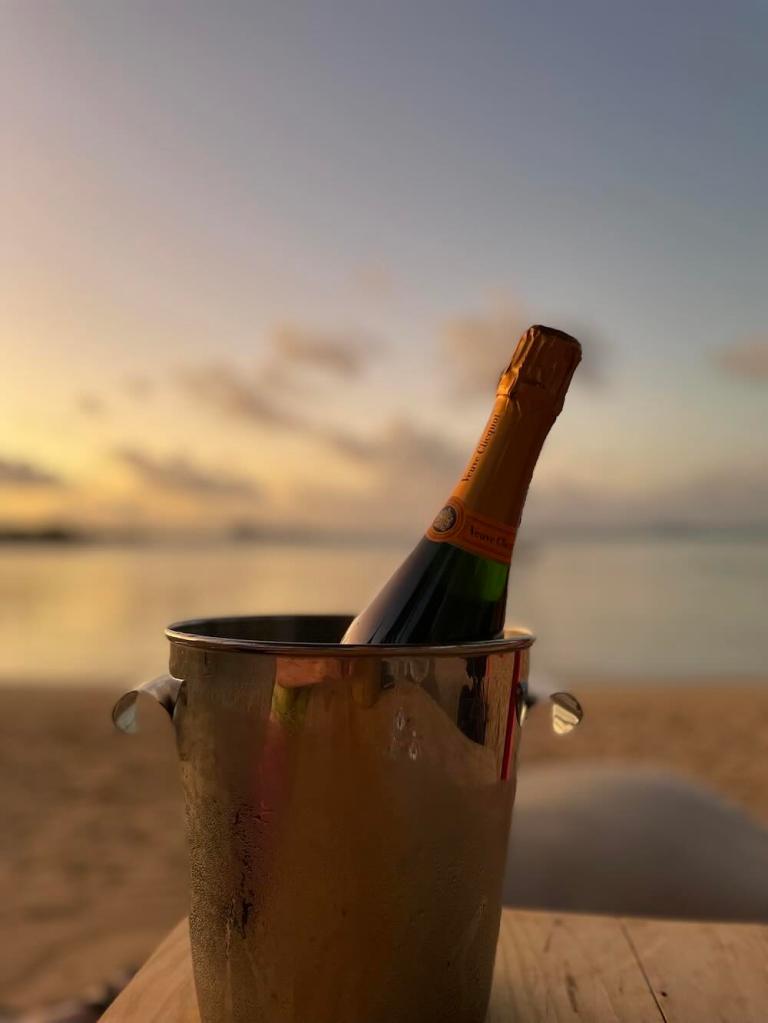
HOTELS
Where to Stay in Mauritius
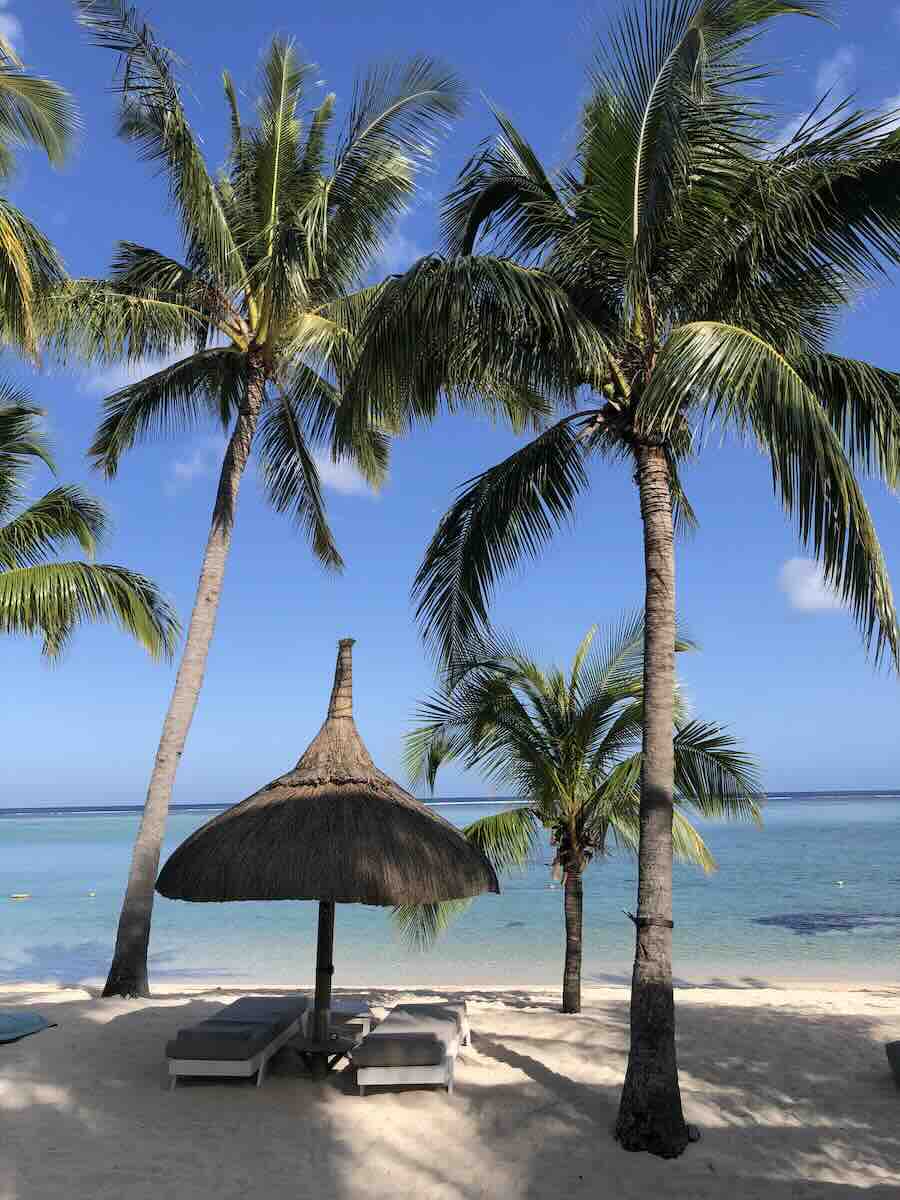
LEISURE
Best Beaches in Mauritius

OCEAN WONDERS
Whale watching in Mauritius
CHOOSE YOUR BASE
Which Part of Mauritius Is Best?
Choosing where to stay in Mauritius matters more than it first appears.
The island looks tiny on a map, but crossing it repeatedly adds a surprising amount of driving to your holiday. Traffic around towns can slow things down, and each coast has a noticeably different atmosphere.
There isn’t one universally best area.
| Area | Best For | Main Places | My Take |
|---|---|---|---|
| North | Restaurants, nightlife & convenience | Grand Baie, Pereybère, Mont Choisy | Best if you want activity around you |
| West | Sunsets, wildlife & exploring | Flic-en-Flac, Tamarin, Black River | Excellent all-round base |
| Southwest | Hiking & dramatic scenery | Le Morne, La Gaulette | My favourite for landscapes |
| East | Resorts & long beaches | Belle Mare, Trou d’Eau Douce | Peaceful and more resort-focused |
| South / Southeast | Snorkeling & quieter travel | Blue Bay, Mahébourg | More local atmosphere |
| Central Plateau | Inland sightseeing | Curepipe, Grand Bassin | Better for day trips than beach stays |
North Mauritius
Best for: Restaurants, nightlife, shopping and convenience
The north is the liveliest part of Mauritius.
Grand Baie is the main tourist centre, with restaurants, supermarkets, shops, bars and boat operators clustered around the bay. Nearby Mont Choisy and Trou aux Biches offer better beach days while keeping you close to everything.
I would stay in the north if you want plenty of choice around you and don’t particularly enjoy the idea of retreating into an isolated resort every evening.
It is also a useful base for visiting Pamplemousses Botanical Garden, Château de Labourdonnais and Port Louis.
West Mauritius
Best for: Sunsets, wildlife, beaches and sightseeing
For a first visit, the west is probably the most useful all-round base.
Around Flic-en-Flac, Tamarin and Black River, you have easy access to beaches, restaurants, whale and dolphin tours, Casela and the landscapes farther southwest.
The sunsets are excellent, and you are positioned much better for exploring than you would be from some of the more isolated east-coast resorts.
If somebody asked me where to stay for their first independent Mauritius trip, the west would be very high on my list.
Southwest Mauritius
Best for: Mountains, hiking, lagoon scenery and outdoor adventure
The southwest was one of my favourite parts of the island.
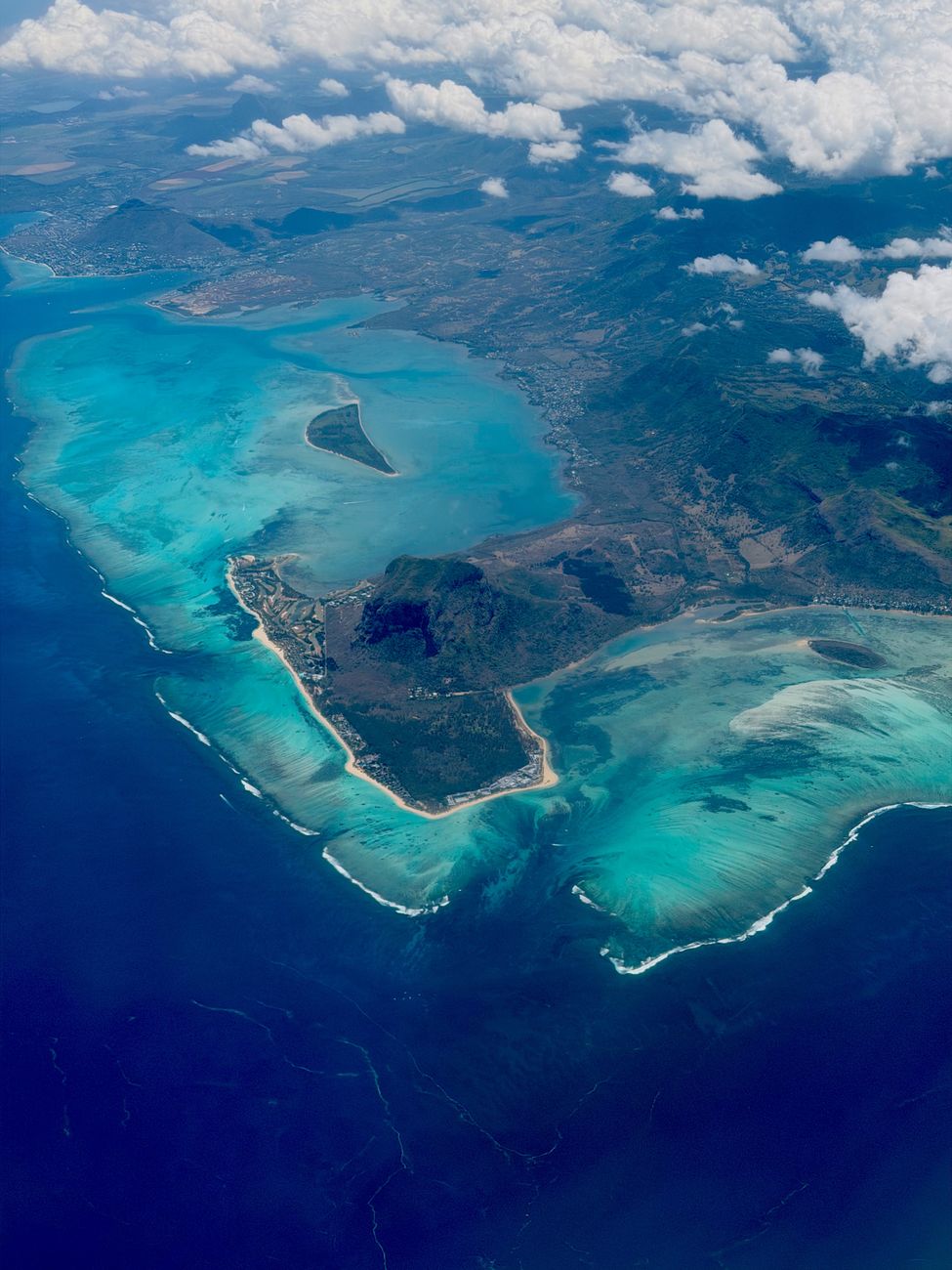
Le Morne Brabant dominates the landscape, with a huge turquoise lagoon below it and some of Mauritius’ most dramatic scenery surrounding the peninsula.
Nearby La Gaulette is particularly useful if you prefer apartments, smaller accommodation and local restaurants rather than a large resort.
You are also close to Black River Gorges, Chamarel, Île aux Bénitiers and Le Morne.
If scenery and outdoor activities matter more to you than nightlife, I would seriously consider staying here.
East Mauritius
Best for: Luxury resorts, white beaches and relaxing
The east feels quieter and more resort-oriented.
Belle Mare has a long stretch of pale sand, while Trou d’Eau Douce is a common jumping-off point for trips to Île aux Cerfs.
There are some beautiful hotels on this side of Mauritius, so it is particularly attractive if your priority is relaxing somewhere lovely rather than eating in a different independent restaurant every night.
The downside is that it can feel more isolated when you want to explore other parts of the island.
South & Southeast Mauritius
Best for: Snorkeling, local atmosphere and slower travel
The southeast around Blue Bay and Mahébourg feels considerably more local than the major resort regions.
Blue Bay is particularly attractive if snorkeling is important to you, while Mahébourg gives you markets, local restaurants and a more everyday Mauritian atmosphere.
Continue west and the sheltered lagoons eventually give way to Mauritius’ wild southern coastline around places such as Gris Gris.
This part of the island is not where I would stay for nightlife.
It is where I would stay if I wanted something quieter and less resort-dominated.
ACCOMMODATION
Where to Stay in Mauritius
For a trip of ten days or longer, I would split your stay between at least two regions.
One of the biggest mistakes you can make is seeing Mauritius on a map, deciding everything looks nearby and then booking fourteen nights in one hotel at the opposite end of the island from half the places you want to visit.
Best Overall Base for First-Time Visitors: West Coast. Flic-en-Flac, Tamarin and Black River give you a good balance of beach access, restaurants and sightseeing.
Best for Scenery: Le Morne / Southwest. If you want to wake up somewhere that actually looks like Mauritius travel advertising, this is difficult to beat.
Best for Restaurants & Nightlife: Grand Baie / North. The easiest choice if you want plenty going on around you.
Best for Luxury Resorts: East Coast. Belle Mare and the surrounding coast have some of Mauritius’ best-known resort properties.
Best for Snorkeling: Blue Bay / Southeast. Particularly useful if the marine environment is one of your priorities.
Best for a More Local Stay: Mahébourg. A good choice if you want a quieter atmosphere and somewhere that feels less purpose-built for tourism.
How I Would Split Two Weeks. I would roughly do:
5–6 nights West / Southwest, then 4 nights South / East, then 3–4 nights North. You can adjust that depending on whether your priorities are hiking, beaches, restaurants or doing as little as humanly possible.
EXPLORE THE ISLAND
Things to Do in Mauritius
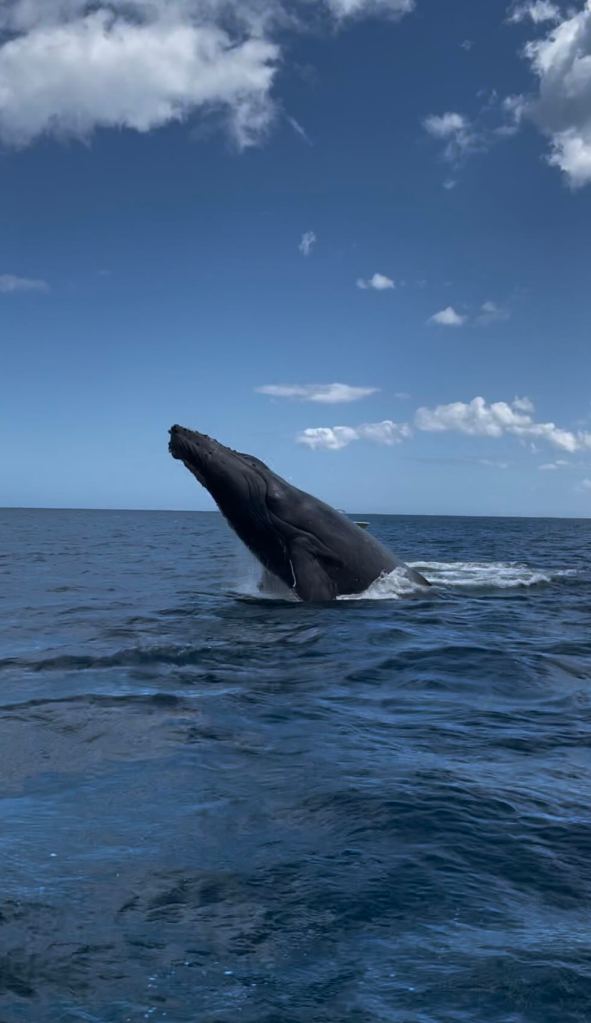
Mauritius has far more to do than its resort reputation suggests. Some of my favourite experiences were hiking around Le Morne, exploring the southwest around Chamarel and Black River Gorges, heading out on the ocean for whale watching, visiting Île aux Bénitiers, eating around Port Louis and simply road-tripping through parts of the island I had never planned to visit.
I have deliberately kept this section short because I already have a complete guide covering 22 of The Best Things To Do In Mauritius, including waterfalls, hikes, wildlife, island trips, culture and adventure activities.
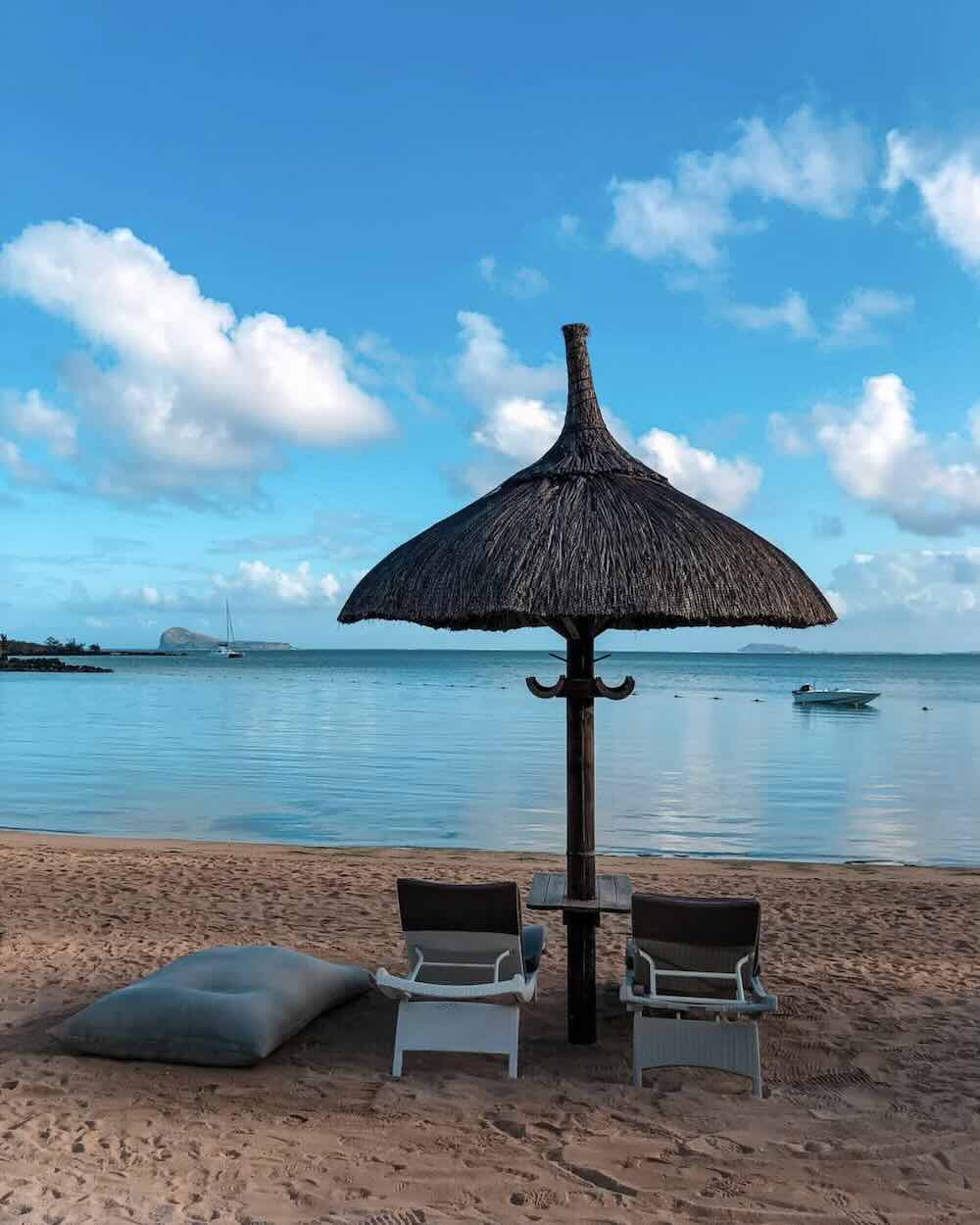
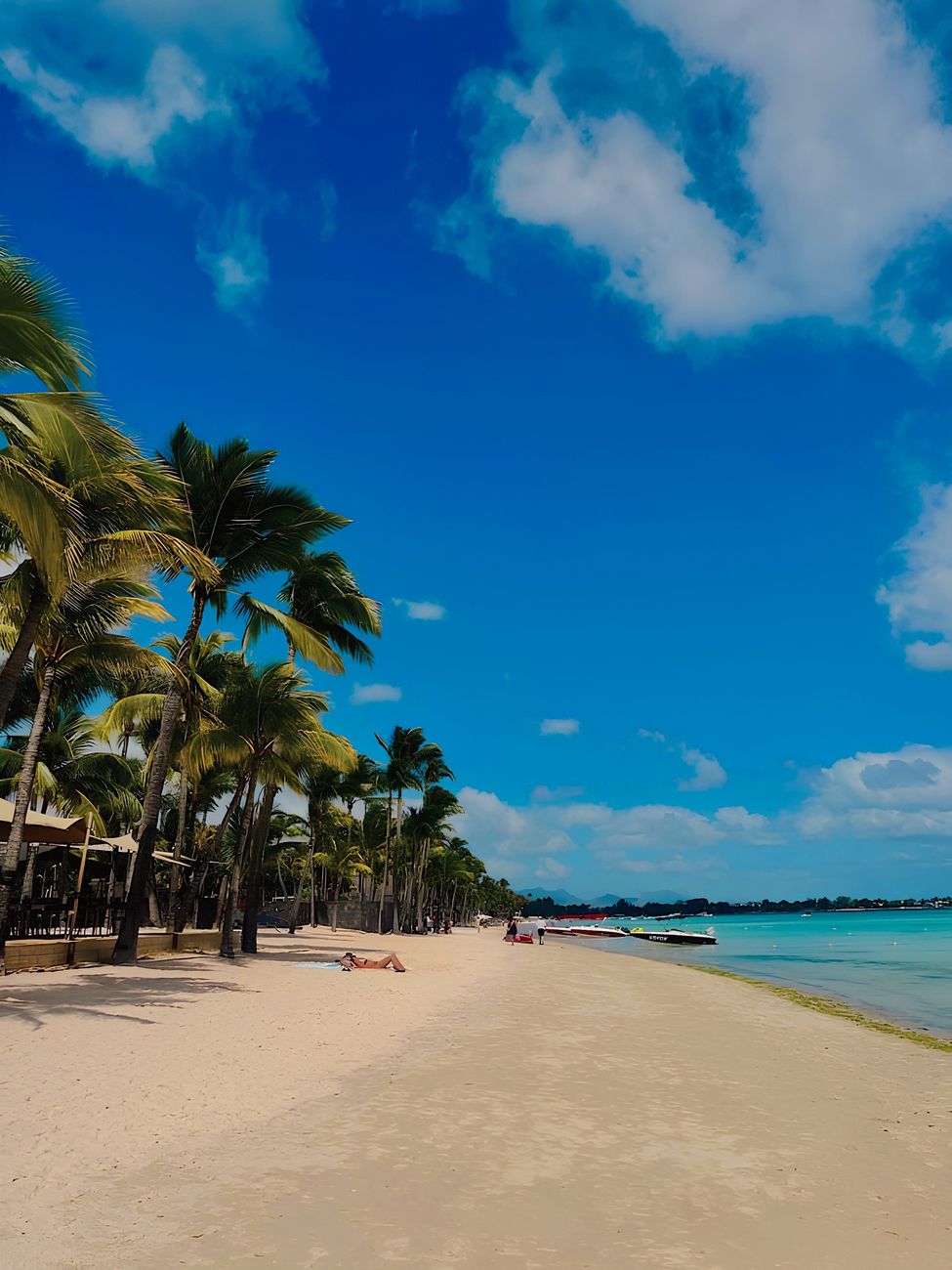
BEACH GUIDE
Beaches in Mauritius
Mauritius has everything from calm lagoon beaches to exposed stretches of wild coastline, and choosing the right beach depends heavily on what you actually want to do.
I loved Le Morne for the scenery, while places such as Trou aux Biches, Flic-en-Flac, Belle Mare and Blue Bay each suit very different kinds of beach days.
Rather than repeat all of them here, I have put together a separate guide comparing 15 of The Best Beaches In Mauritius, including which ones are best for swimming, snorkeling, sunsets, families and quieter days.
TRIP LENGHT
How Many Days Do You Need in Mauritius?
You can visit Mauritius for five days, but I would stay longer if you have the option.
5 to 7 Days: Enough for one or two bases, a few major attractions and plenty of beach time. You’ll see the highlights, but you will have to choose your priorities.
10 Days: A very comfortable amount of time for a first trip. You can explore two or three parts of Mauritius, add some proper sightseeing and still have enough time to remember that you are technically on holiday.
2 Weeks: My recommendation for a first proper trip. Two weeks gives you time to move around the island, enjoy different beaches, hike, take boat trips, visit Port Louis and still leave completely empty days in the itinerary.
3 Weeks: This is how long I spent in Mauritius. It allows you to travel much more slowly, repeat places you loved, wait for better weather and occasionally spend an entire day doing absolutely nothing without feeling guilty about it.
PLAN YOUR ROUTE
Mauritius Itinerary
For a longer trip, I would travel around Mauritius rather than stay in one resort. A logical route moves between the west or southwest, the south and east, and finishes in the north so you’re not constantly crossing the island.
I have already worked out the route day by day in my dedicated itinerary, including where to base yourself, what to combine and how to avoid wasting half your trip driving backwards and forwards.
→ READ: COMPLETE 2-WEEK MAURITIUS ITINERARY


BUDGET
How Much Does a Mauritius Trip Cost?
Mauritius can be expensive, especially if your entire trip revolves around luxury beachfront resorts. It absolutely does not have to.
You can find apartments and guesthouses, eat in local restaurants, rent your own car and spend plenty of days hiking, road-tripping and using public beaches without continuously paying for organised activities.
As a rough planning guide, excluding international flights:
| Travel Style | Approximate Daily Budget |
|---|---|
| Budget | €50–90 per person |
| Mid-range | €110–200 per person |
| Luxury | €250+ per person |
These amounts can vary enormously depending on accommodation and whether you are travelling alone or sharing costs.
Accommodation
This is likely to be your biggest variable.
You can find relatively affordable guesthouses and apartments, while beachfront resorts can easily become the majority of your daily budget.
Food
Local food is much cheaper than eating exclusively in resort restaurants.
Street food and casual Mauritian restaurants also happen to be considerably more interesting than spending two weeks eating club sandwiches beside a hotel pool.
Transport
A rental car becomes relatively economical when shared between two people and gives you far more flexibility than booking individual transfers every day.
Activities
Boat trips, whale watching, private tours and scenic flights can quickly push your daily spending upward.
Balance those expensive activity days with free beach days and road trips.
Mauritius does not need to be a €500-a-day holiday unless you very specifically want it to be one.
WEATHER
Best Time to Visit Mauritius
Mauritius can be visited throughout the year, but there are two broad seasons.
November to April: Summer
Summer is hotter and more humid, with warm sea temperatures and more rainfall.
Expect temperatures commonly approaching the high 20s or low 30s along the coast.
This period also overlaps with cyclone season, particularly during the wetter months.
May to October: Winter
Winter is cooler, less humid and generally drier.
Daytime temperatures remain pleasant, particularly along the coast, while evenings can feel considerably cooler in the interior.
This is an excellent period for hiking, road trips and sightseeing.
My Pick: September to November
For me, this is a particularly attractive window.
September and October tend to be relatively dry, while November begins warming up toward summer.
You get comfortable sightseeing weather without giving up tropical beach temperatures.
When is Cyclone Season in Mauritius?
The southwest Indian Ocean cyclone season officially runs roughly from November into May.
That does not mean you should avoid Mauritius for six months.
It simply means weather becomes more unpredictable, particularly during the heart of summer.
If travelling during this period, monitor the Mauritius Meteorological Services rather than relying on random weather apps several weeks in advance.
ARRIVAL
How to Get to Mauritius
Most international travellers arrive through Sir Seewoosagur Ramgoolam International Airport (MRU).
The airport is located in the southeast, close to Mahébourg and Blue Bay, rather than near Port Louis.
That matters when planning your first and last night.
Driving roughly from the airport to:
Blue Bay: around 15 minutes
Mahébourg: around 15–20 minutes
Belle Mare: around 45–60 minutes
Le Morne: around 1 hour
Flic-en-Flac: around 1 hour
Grand Baie: around 1 hour 15 to 1 hour 30 depending on traffic
These are only approximate because traffic can make a significant difference.
Airport Transfer Options:
You can:
Rent a car at the airport
Take a taxi
Pre-arrange a private transfer
Use a hotel transfer
If you’re road-tripping, collecting your rental car directly at the airport is usually easiest.
If your flight lands very late and you aren’t comfortable driving on unfamiliar roads in darkness, stay near the southeast for the first night or arrange a driver.
Mauritius will still be there in the morning.
BEFORE YOU FLY
Visa & Entry Requirements for Mauritius
Visa requirements depend on your nationality.
Many visitors can enter Mauritius for tourism without arranging a visa in advance, but you should always check the official Mauritius Passport and Immigration Office for your passport before travelling.
In general, travellers should be prepared to show:
- A valid passport
- Return or onward travel
- Confirmed accommodation
- Evidence of sufficient funds if requested
Mauritius All-in-One Travel Digital Form
Mauritius also uses an All-in-One Travel Digital Form for arriving travellers.
Complete the official form before departure if required for your trip.
Use the government website rather than paying a third-party company to submit a free travel form on your behalf.
Check these again shortly before flying because entry requirements can change.
TRANSPORT
How to Get Around Mauritius
Rent a Car
This is how I would explore Mauritius.
The island is very well suited to road trips because attractions and beaches are scattered around different regions.
Having your own car allows you to stop spontaneously instead of structuring your entire day around transfers and tour pickup times.
Mauritius drives on the left-hand side.
Expect:
- Busy roundabouts
- Traffic around towns
- Narrow village roads
- Mountain roads
- Buses that occasionally appear to have considerably more confidence than you do
Google Maps generally works well.
Download offline maps as a backup.
Private Driver
If you don’t want to drive, hiring a driver is probably the next-best option for sightseeing.
You can organise a driver for an entire regional day and combine several attractions.
Taxis
Good for:
Airport transfers
Restaurants
Occasional journeys
Less practical as your only form of transport if you plan to explore heavily.
Buses
Mauritius has a relatively extensive and affordable bus network.
It works well if you are travelling slowly.
For a one-week holiday where you want to see several different regions, the time involved would probably frustrate me.
EAT LOCAL
What to Eat in Mauritius
Mauritian food is one of the parts of the island I would make a point of exploring outside your hotel.
The cuisine blends Indian, Creole, Chinese and French influences, so dishes change considerably depending on where and what you eat.
Dholl Puri: Probably the Mauritian street food everyone should try at least once. Thin flatbread filled with ground split peas and served with curries, chutneys and pickles.
Gateaux Piments: Small fried chilli cakes made from split peas. Extremely easy to continue eating after the phrase “I’ll just try one.”
Farata / Roti: Flatbread commonly eaten with curries and chutneys.
Mine Frite: Mauritian-style fried noodles.
Rougaille: A Creole tomato-based dish often served with fish, sausage or meat.
Seafood: Unsurprisingly, fish and seafood appear everywhere around the coast.
Don’t spend your entire trip eating inside hotels. Markets, food stalls and smaller restaurants are a much better way to understand Mauritius than another international buffet.
STAY CONNECTED
SIM Cards & Internet in Mauritius
Mobile internet is widely available around the populated parts of Mauritius.
You can either buy a local SIM after arrival or install an eSIM before travelling.
If you are driving, I would definitely arrange mobile data.
You’ll use it for:
- Navigation
- Opening hours
- Restaurant searches
- Weather
- Tour confirmations
- Finding petrol stations
Download offline maps anyway, particularly if you’re heading through the interior or exploring quieter parts of the island.
PRACTICAL INFO
Money & Payments in Mauritius
The local currency is the Mauritian Rupee (MUR).
Cards are widely accepted in:
- Hotels
- Resorts
- Supermarkets
- Larger restaurants
- Major attractions
But I would always carry some cash.
You’ll still want it for:
- Markets
- Small shops
- Street food
- Local restaurants
- Parking
- Occasional small businesses
ATMs are widely available in towns and resort areas.
If a card terminal offers to charge you in your home currency instead of Mauritian Rupees, I would normally choose the local currency and allow your own bank to handle the conversion.
TRAVEL SMART
Is Mauritius Safe?
Mauritius felt comfortable to travel around independently during my trip. Normal travel precautions still apply.
Avoid leaving valuables visible in a parked car, keep an eye on belongings in crowded areas and use reputable operators for tours and ocean activities.
Most of the situations I would pay particular attention to are actually related to nature rather than crime.
Swimming: Do not assume every beautiful stretch of coastline is safe for swimming. Much of Mauritius is protected by reef, but parts of the south are exposed to powerful ocean conditions and currents.
Hiking: Trails can become slippery after rain. Check current conditions before hiking and do not ignore closures because somebody on TikTok climbed it yesterday.
Ocean Activities: Use licensed, responsible operators for whale and dolphin trips. Wild animals should not be chased, touched or surrounded simply to guarantee somebody a photograph.
Cyclone Season: Follow Mauritius Meteorological Services when severe weather is forecast.
GOOD TO KNOW
Mauritius Travel Tips I Wish I Knew
- Split your stay between different regions. Mauritius is small, but driving back and forth every day becomes annoying.
- Rent a car if you’re comfortable driving on the left. It gives you much more freedom.
- Do not underestimate traffic. Particularly around towns and commuter hours.
- Keep some cash. Cards are common, but not universal.
- Do not plan every hour of every day. Weather varies across the island and flexibility is useful.
- Start hikes early. Mauritius becomes hot surprisingly quickly.
- Get outside the resorts. Even if you booked a gorgeous one.
- Try local food. Dholl puri should outrank another hotel Caesar salad.
- Check sea conditions before snorkeling or swimming. Coastlines behave very differently.
- Don’t assume every excursion needs to be booked through your hotel. Compare independent operators as well.
- Carry reef-safe sun protection and plenty of water.
- And most importantly: Leave room to change your plans.
Some of my favourite parts of Mauritius came from places I had not originally planned to visit.
LOCAL CULTURE
Culture & Etiquette in Mauritius
Mauritius is incredibly multicultural. Hindu, Christian, Muslim, Chinese and Creole traditions all form part of daily life on the island, which becomes particularly obvious through food, religious sites and festivals.
In general, Mauritius is relaxed, but a few basic rules are worth remembering.
Religious Sites
Dress more conservatively around temples, mosques and churches. Cover shoulders and knees where appropriate. Remove shoes when requested.
Do not treat active religious ceremonies as photo opportunities without considering the people actually participating in them.
People
Mauritians were generally warm and easy to speak with during my trip. A simple greeting before launching directly into a request goes a long way.
Beaches
Swimwear belongs at the beach or pool. Throw something on before walking into towns, restaurants or shops. Nothing complicated.
WATCH THE TRIP
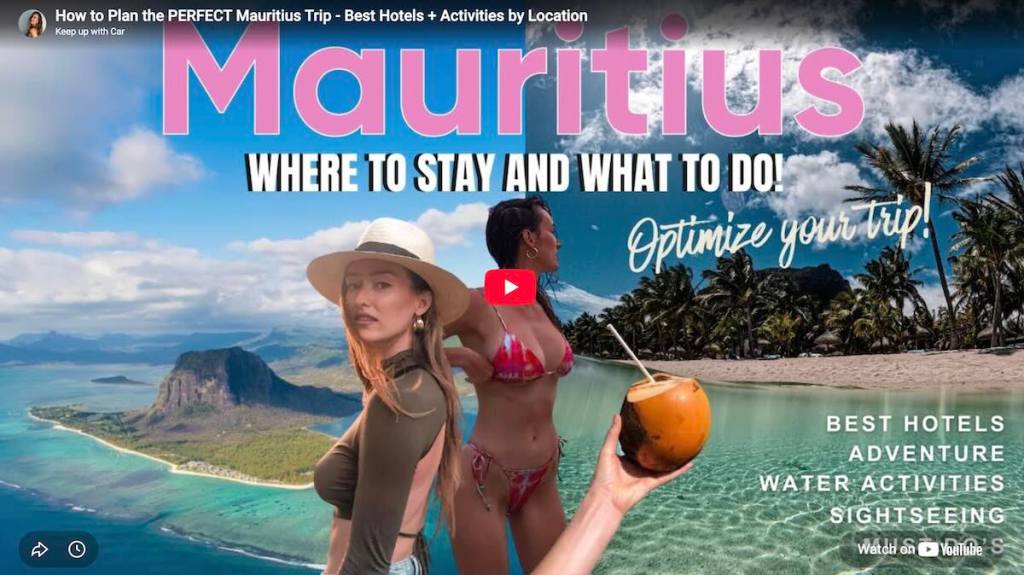
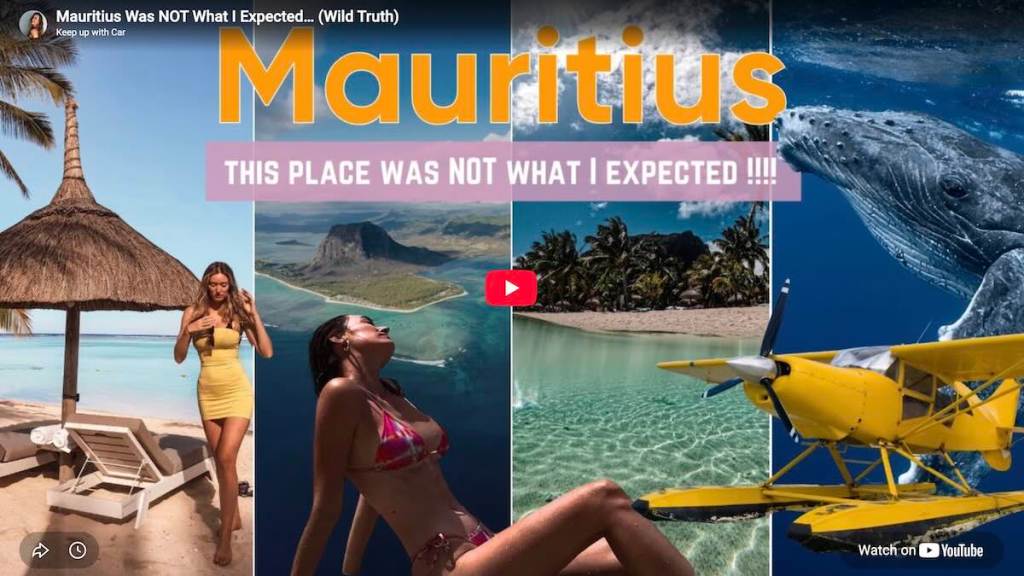
Watch My Mauritius Travel Vlogs
My Mauritius vlogs show the real side of traveling around the island, from dreamy beaches and whale watching to food, hotels, road trips, boat days, local moments, and all the little behind-the-scenes bits that never fully fit into a written guide.
On my YouTube channel, I share honest travel videos with personality, useful tips, pretty places, funny moments, and the reality of exploring the world with my family. If you are planning a Mauritius trip or just want to see what the island is really like, come watch the vlogs and follow along on the channel.
GET INFORMED
Frequently Asked Questions for Travel to Mauritius
Is Mauritius Worth Visiting?
Mauritius is much more than a luxury honeymoon destination. While it’s famous for its white-sand beaches and turquoise lagoons, the island also offers mountain hikes, waterfalls, scenic road trips, vibrant local culture and incredible wildlife experiences. After spending three weeks exploring Mauritius, I discovered that every region has something unique to offer, making it one of the most diverse islands I’ve visited.
What Is the Best Time to Visit Mauritius?
The best time to visit Mauritius is generally between May and November, when the weather is warm, sunny and less humid. These months are perfect for hiking, sightseeing, road trips and relaxing on the beach. If you plan to snorkel or swim, September through November offers an excellent combination of warm ocean temperatures and pleasant weather.
How Many Days Do You Need in Mauritius?
You can visit Mauritius in as little as five days, but I’d recommend spending 10 to 14 days if you want to experience the island properly. This gives you enough time to explore different regions, enjoy the beaches, hike Le Morne Brabant, visit waterfalls and discover some of the island’s hidden gems without feeling rushed.
Is Mauritius Expensive?
Mauritius can suit almost every budget. Luxury resorts can be expensive, but there are also affordable guesthouses, boutique hotels and self-catering apartments. Eating at local restaurants, renting a car and planning your own itinerary can make Mauritius much more budget-friendly than many people expect.
Is Mauritius Safe for Tourists?
Yes. Mauritius is considered one of the safest destinations in Africa and is generally very safe for tourists. During my trip, I always felt comfortable exploring the island by car and visiting both popular attractions and quieter areas. Like anywhere else, it’s still wise to keep an eye on your belongings and avoid leaving valuables unattended.
Do You Need a Visa to Visit Mauritius?
Many travellers, including citizens of most European countries, the United Kingdom, Australia, Canada and the United States, can visit Mauritius without a tourist visa for short stays. Entry requirements may change, so it’s always best to check the latest information with the official Mauritius immigration authorities before travelling.
Is It Better to Rent a Car in Mauritius?
Yes. Renting a car is the easiest and most flexible way to explore Mauritius. Many of the island’s best beaches, waterfalls, hiking trails and viewpoints are spread across different regions, and having your own transport allows you to travel at your own pace while discovering places that organised tours often miss.
Which Part of Mauritius Is Best to Stay In?
The best area depends on the type of holiday you’re planning. The north is ideal for restaurants, nightlife and lively beaches, the west is perfect for hiking, dolphin tours and spectacular sunsets, the east is known for luxury resorts and peaceful beaches, while the south offers dramatic coastal scenery and a quieter atmosphere.
Can You Drink Tap Water in Mauritius?
Tap water in Mauritius is treated and generally considered safe in many areas, but many hotels and locals recommend drinking bottled or filtered water instead. If you have a sensitive stomach or are visiting more remote parts of the island, bottled water is usually the safest option.
What Language Is Spoken in Mauritius?
English is the official language of Mauritius, but you’ll most often hear Mauritian Creole spoken between locals. French is also widely used in restaurants, shops and the media. As a visitor, you’ll have no problem communicating in English almost everywhere on the island.
What Currency Is Used in Mauritius?
The official currency of Mauritius is the Mauritian Rupee (MUR). Credit and debit cards are accepted in most hotels, supermarkets and restaurants, but it’s a good idea to carry some cash for local markets, food stalls and smaller businesses.
Is Mauritius Good for Families?
Yes. Mauritius is an excellent destination for families thanks to its calm beaches, wildlife parks, boat trips, snorkelling, waterfalls and family-friendly resorts. There are plenty of activities suitable for both young children and teenagers, making it a fantastic destination for all ages.
Is Mauritius Good for Honeymooners?
Mauritius is one of the world’s most popular honeymoon destinations for good reason. Couples can enjoy luxury resorts, romantic beaches, catamaran cruises, spa retreats and unforgettable sunsets. If you’re looking for more than just relaxation, the island also offers hiking, waterfalls, scenic road trips and plenty of adventure.
Is Mauritius Good for Snorkelling?
Yes. Mauritius is home to some of the best snorkelling in the Indian Ocean thanks to its coral reefs and crystal-clear lagoons. Popular snorkelling spots include Blue Bay Marine Park, Trou aux Biches, Belle Mare and Île aux Cerfs, where you can spot colourful tropical fish and healthy coral formations.
Can You Swim with Dolphins in Mauritius?
Yes. Swimming with wild dolphins is one of the most popular experiences in Mauritius, especially along the west coast near Tamarin and Black River. If you choose to join a tour, book with a responsible operator that respects the dolphins’ natural behaviour and follows ethical wildlife practices.
What Are the Best Beaches in Mauritius?
Some of the most beautiful beaches in Mauritius include Le Morne Beach, Belle Mare, Trou aux Biches, Flic en Flac, Mont Choisy, Blue Bay and Pereybère Beach. Whether you’re looking for calm lagoons, snorkelling, spectacular sunsets or long walks on white sand, there’s a beach to suit every type of traveller.
Is Mauritius Good for Hiking?
Absolutely. While many people visit Mauritius for its beaches, the island is also a fantastic hiking destination. Popular trails include Le Morne Brabant, Le Pouce Mountain, Pieter Both and Black River Gorges National Park, all offering breathtaking panoramic views over the island.
What Is Mauritius Famous For?
Mauritius is famous for its turquoise lagoons, white-sand beaches, luxury resorts, whale watching and coral reefs. It’s also known for its volcanic mountains, waterfalls, hiking trails, multicultural cuisine, colourful temples and warm hospitality. It’s one of the few tropical destinations where you can combine a relaxing beach holiday with outdoor adventure and cultural experiences.
Is Mauritius Better Than the Maldives?
That depends on the type of holiday you’re looking for. The Maldives is famous for its overwater villas and secluded island resorts, making it ideal for a luxury beach escape. Mauritius also has beautiful beaches but offers far more variety, including waterfalls, hiking trails, road trips, local culture and wildlife. If you enjoy exploring beyond your resort, Mauritius is the better choice.
When Is Cyclone Season in Mauritius?
Cyclone season in Mauritius officially runs from November to April, with the highest chance of tropical storms typically occurring between January and March. Direct cyclones are relatively uncommon, but heavy rain and strong winds can occasionally affect travel plans. If you’re visiting during these months, keep an eye on the weather forecast and allow some flexibility in your itinerary.
KEEP EXPLORING
Continue Planning Your Mauritius Trip
Now that you have the practical side sorted, choose the part of your trip you want to plan next.
22 Best Things to Do in Mauritius
Hikes, waterfalls, wildlife encounters, island trips, culture and the experiences I would actually make time for.
2 Weeks in Mauritius
My complete day-by-day route around the island.
Best Beaches in Mauritius
Fifteen beaches compared for swimming, snorkeling, sunsets and scenery.
Whale Watching in Mauritius
Whale seasons, responsible operators and what I actually experienced on the water.

NEWSLETTER
Subscribe for travel tips, new vlogs & life behind the scenes.
© 2026 Keep Up With Car – All rights reserved.
