
Last updated on September 29th 2026
BEST THINGS TO DO IN SUMBA
The Best Places to Visit in East, West & Southwest Sumba
Sumba is not the kind of island where all the best places sit conveniently within 20 minutes of each other.
The island is huge, the roads can be unpredictable and some of the most memorable places take genuine effort to reach. That is also what makes travelling here so much fun.
You can swim in turquoise lagoons, hike to waterfalls hidden between cliffs, visit traditional villages built around enormous megalithic tombs, watch horses run across open savanna and drive for hours through landscapes that look nothing like Bali.
I road-tripped across Sumba rather than staying in one resort, and these are the places I would actually prioritise.
If you are still figuring out how long to stay, which airport to use, where to base yourself or how to get around, start with my Sumba Travel Guide first.
QUICK PICKS
Quick Picks: Best Things to Do in Sumba
Best overall: Weekuri Lagoon
Best traditional village: Ratenggaro
Best viewpoint: Wairinding Hills
Best waterfall: Lapopu or Tanggedu
Best sunset: Walakiri Beach
Best for horses: Puru Kambera
Best road-trip scenery: East Sumba
Best cultural stop: Prai Ijing
Best remote beach scenery: South Coast
Best combination day: Weekuri + Mandorak + Ratenggaro
Where Are Sumba’s Best Attractions?
The most useful way to plan Sumba is by region. Do not plan this page as if all of these places are casual day trips from one hotel. They are not.
East Sumba: Best for savanna, horses, dramatic hills, waterfalls and Walakiri.
West Sumba: Best for traditional villages, Lapopu Waterfall and cultural experiences around Waikabubak.
Southwest Sumba: Best for Weekuri Lagoon, Ratenggaro, Mandorak and the Kodi coastline.
South Coast: Best for huge beaches, cliffs, wild surf and long scenic drives.

THINGS TO DO
Southwest Sumba
1. Swim at Weekuri Lagoon
Region: Southwest Sumba
Best for: Swimming, turquoise water and easy scenery
Combine with: Mandorak Beach + Ratenggaro
Time needed: 1–2 hours
Weekuri Lagoon is one of the easiest Sumba attractions to understand the second you arrive.
The water is ridiculously blue, the lagoon is protected from the open ocean and it is one of the few places in Sumba where I actually felt comfortable getting straight into the water rather than first studying the waves like they had personally offended me.
The lagoon is connected to the sea through channels in the surrounding coral rock, which is what gives it that clear saltwater look. It is one of Southwest Sumba’s signature natural attractions and is frequently highlighted in regional tourism material.
Walk around the edges before swimming because the view from above gives you a completely different perspective.


Good to know:
- Go earlier if you want fewer people.
- Bring water shoes if you dislike walking over rock.
- Combine it with nearby Mandorak and Ratenggaro rather than making three separate trips.
Car’s Tip: Bring water shoes if you have them. The exposed coral and limestone around the lagoon can be extremely sharp, and this is not the moment to discover how little protection wet flip-flops actually provide.
2. Visit Ratenggaro Village
Region: Southwest Sumba
Best for: Traditional architecture, culture and photography
Combine with: Weekuri + Mandorak
Time needed: 1–2 hours
Ratenggaro is one of Sumba’s most recognizable traditional villages.
The tall peaked roofs sit close to the coast, surrounded by enormous ancestral tombs and a landscape that feels completely different from the rest of Indonesia.
This is not an open-air museum. People actually live here.
That matters.
Ask before taking close-up photos of people, do not climb on tombs and expect that a local guide, donation or entrance contribution may be part of the visit.
My advice: Come for the village and landscape, not for a casual beach swim.
Important Safety Warning Around Ratenggaro: Do not casually swim in nearby river mouths or estuaries just because the water looks inviting. In January 2026, an 11-year-old boy was reportedly attacked by a crocodile at Muara Ratenggaro while entering the water after collecting crabs. Another fatal crocodile incident was reported in a Southwest Sumba river in February 2025. This does not mean Ratenggaro itself is unsafe to visit. It means crocodiles are a real consideration around some rivers and estuaries in Southwest Sumba. If someone says there are crocodiles, believe them. This is not the moment for independent research.


3. Mandorak Beach
Region: Southwest Sumba
Best for: Dramatic cliffs and coastal scenery
Combine with: Weekuri + Ratenggaro
Time needed: Around 1 hour
Mandorak is tiny compared with many Sumba beaches, but the setting is dramatic.
The water squeezes between limestone cliffs and crashes into a small turquoise cove. It looks almost too perfect when the weather is good.
I would come for the scenery rather than treating this as a guaranteed swimming beach.
And I would also visit with a local driver.
My own experience here was unfortunately much less pretty than the setting. We had an aggressive dispute over money with a group of men around the beach, and the situation became threatening enough that I was extremely happy we were not completely isolated. I want to be very clear that this experience does not represent Sumba as a whole. We met many incredibly kind people elsewhere on the island.
But I would personally visit Mandorak with a trusted local driver, ask about entrance or parking fees before entering and avoid getting pulled into an argument over money once you’re already there.

Car’s Tip: Take the view, take the photo and leave if the atmosphere feels wrong. No beach is important enough to prove a point over 50,000 rupiah. And I would not automatically swim here. The cove is narrow and directly exposed to ocean swell, so judge conditions when you arrive rather than assuming turquoise equals friendly.
4. Road Trip Through the Kodi Region
Region: Southwest Sumba
Best for: Traditional villages, coastal scenery and road trips
Kodi is less about one single attraction and more about the combination of villages, coastline, empty roads and open landscapes.
This is where some of Sumba’s most famous traditional architecture is concentrated, including villages with extremely tall peaked roofs.
If you are already visiting Weekuri and Ratenggaro, I would give yourself enough time to actually drive through the surrounding area rather than treating each stop as a pin on Google Maps.
5. Visit Pero Beach
Region: Southwest Sumba
Best for: Coastal scenery, fishing village atmosphere and sunset
Combine with: Kodi / Ratenggaro area
Pero Beach feels very different from Sumba’s more dramatic cliff beaches. It is a working fishing area with boats, an estuary and a much more local feel, which is exactly why I liked including it in a Southwest Sumba road trip.
I would not come here expecting the island’s most spectacular swimming beach. Come for the coastal atmosphere, fishing boats and scenery, especially if you are already exploring the Kodi region.
Bonus: Spend a Slow Day at Cap Karoso
If your budget allows it, Cap Karoso is one of the places where you can deliberately stop road-tripping for a day or two. The resort sits on Karoso Beach in Southwest Sumba, surrounded by the Kodi region and within reach of places such as Weekuri and Ratenggaro.
I would treat it as a luxury base or end-of-trip reset rather than one of Sumba’s essential sightseeing stops. After several days of rough roads, waterfalls and village visits, having absolutely nowhere urgent to be starts feeling surprisingly attractive.


THINGS TO DO
West Sumba
6. Visit Prai Ijing Village
Region: West Sumba
Best for: Traditional houses and accessible cultural visits
Base: Waikabubak
Prai Ijing is one of the easiest traditional villages to visit around Waikabubak.
The village sits on a hillside, with peaked traditional houses stacked across the slope and views over the surrounding countryside.
Compared with some more remote villages, it is relatively straightforward to include in a West Sumba day.
You may also see ikat, traditional clothing and local crafts here.


7. Swim at Lapopu Waterfall
Region: West Sumba
Best for: Waterfalls, swimming and forest scenery
Time needed: Half day
It cascades down a long stepped rock face into a pool surrounded by forest inside Manupeu Tanah Daru National Park.
The journey is part of the experience. Depending on road conditions, the last section can take longer than the map suggests, because Sumba apparently considers estimated arrival times to be merely a creative suggestion.
Bring proper footwear and allow more time than you think you need. If the water is high or muddy, don’t force a swim!
8. Explore Waikabubak & Nearby Traditional Villages
Region: West Sumba
Best for: Culture, local life and traditional architecture
Waikabubak itself is not where I would spend days sightseeing, but it is an excellent base for cultural exploration.
Around town you can reach several traditional villages, including Tarung and Waitabar, where Sumbanese houses and megalithic tombs remain part of everyday life.
Current local guides specifically recommend this area for visitors interested in traditional villages and Marapu culture.
THINGS TO DO
East Sumba
9. Watch Sunrise or Sunset at Wairinding Hills
Region: East Sumba
Best for: Landscapes, photography and golden/green hills
Base: Waingapu
Wairinding is probably Sumba’s most famous hill viewpoint, and it looks almost like two different places depending on when you visit.
The colour changes completely depending on the season. During wetter months they can be intensely green. Later in the dry season they become golden and dusty.
That means the version of Wairinding you see online may look completely different from the one you arrive at.
I prefer coming later in the afternoon when the light gets softer and the ridges become more defined. There isn’t a giant list of things to do. Walk. Find a viewpoint. Watch the hills change colour. Sometimes an attraction is allowed to simply look good.


10. Hiliwuku Hill: A Quieter East Sumba Viewpoint
Region: East Sumba
Best for: Rolling hills, road-trip scenery and photography
Hiliwuku Hill gives you another version of East Sumba’s huge rolling landscape, but without quite the same name recognition as Wairinding.
If you enjoy the inland scenery as much as the headline attractions, it is worth adding while road-tripping through East Sumba rather than driving straight from one famous stop to the next.
The landscape changes dramatically with the seasons, from greener hills after the rains to dry golden tones later in the year.
11. See the Dancing Trees at Walakiri Beach
Best for: Sunset
Location: East Sumba
Combine with: Waingapu
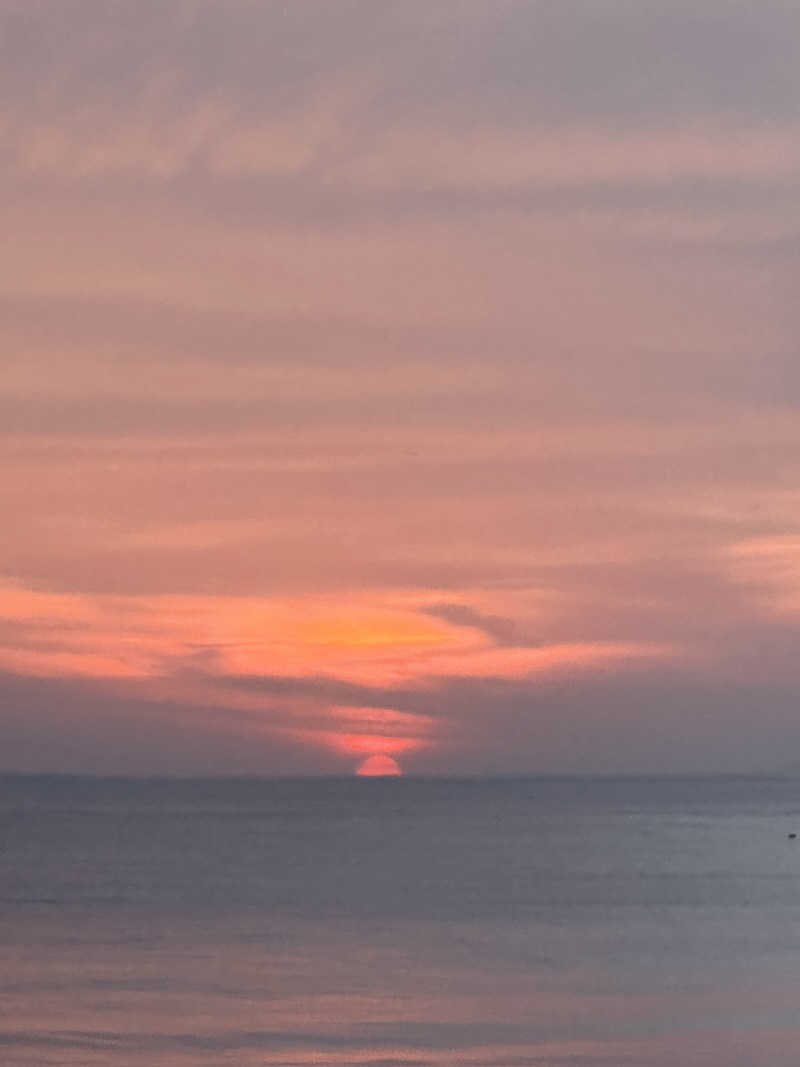
Walakiri is known for the small mangrove trees that become strange little silhouettes when the tide recedes. People call them the dancing trees, and once you’ve seen them at sunset it becomes obvious why every photographer on Sumba eventually ends up standing here with a tripod.
At low tide around sunset, their twisted silhouettes reflect across the wet sand and create the famous “dancing trees” photographs.
This is one of those places where timing matters more than the beach itself.
I would arrive well before sunset, check the tide and give yourself time to walk out across the shallows.
The mangroves and sunset are the attraction here, not a classic all-day beach day.


12. Look for Horses Around Puru Kambera
Best for: Horses, open landscapes and quiet coastal roads
Location: North coast of East Sumba
Combine with: Puru Kambera Beach and Waingapu
Sumba and horses are deeply intertwined. The island is known for its Sandalwood horses, and East Sumba is one of the best areas to experience those enormous dry landscapes where horses actually make sense in the scenery rather than looking like they were placed there for a tourism campaign.
Puru Kambera gives you that classic East Sumba combination of open grassland, coastline and horses.
This is one of the areas where you may see horses grazing across the savanna, particularly in drier months when the landscape turns golden.
Do not arrive expecting a guaranteed National Geographic moment with 60 horses galloping perfectly through sunset. They are animals. Sometimes they cooperate with your fantasy. Sometimes they stand around eating grass.
13. Visit Waimarang Waterfall
Region: East Sumba
Best for: Turquoise pools and swimming
Time needed: Half day
Waimarang feels more hidden than many of Sumba’s headline attractions.
The waterfall sits inside a rocky gorge with deep blue-green pools surrounded by cliffs.
The walk down can be steep and slippery, especially after rain, so wear proper shoes.
This is one of those Sumba stops where I would rather have more time than squeeze it between three other attractions.
14. Hike to Tanggedu Waterfall
Region: East Sumba
Best for: Gorge scenery, swimming and hiking
Time needed: Half day to full day
Tanggedu is very different from Lapopu. This place is sometimes describe it as Sumba’s “Grand Canyon,” which is slightly dramatic, but the geology is genuinely beautiful.
Instead of one large waterfall dropping through dense forest, Tanggedu is a rocky canyon filled with small cascades, blue-green pools and exposed limestone.
The approach involves walking in exposed terrain, so bring water and sun protection.
15. Visit Traditional Ikat Weaving Villages
Region: East Sumba
Best for: Textiles, culture and craftsmanship
Base: Waingapu
East Sumba is particularly famous for ikat.
These textiles are not just souvenirs. Patterns can represent animals, ancestry, status and local symbolism, and true handwoven ikat can take months to produce.
Around Waingapu you can visit villages and weaving centres where you can see the process from dyeing to weaving.
Prailiu is one of the better-known villages near Waingapu and is frequently included in cultural routes. Sumba Travel
If you buy ikat, expect genuine handwoven pieces to cost more than mass-produced fabric.
That is because somebody actually made it.
16. Visit Rende Village
Best for: Traditional architecture, megalithic tombs, history and ikat
Location: East Sumba
Combine with: An East Sumba culture day or Melolo
If you want to understand more of East Sumba beyond beaches and hills, the Rende area is worth making time for.
Rende is known for its traditional villages, megalithic tombs and ikat weaving, with much of the area’s cultural interest concentrated around Praiyawang Traditional Village. Academic research on Rende specifically identifies its traditional settlement, stone tombs and woven ikat as key cultural assets.
The village layout feels very different from the coastal scenery you’ve probably spent the previous few days photographing. Traditional houses sit around enormous stone graves, and the textiles you see here are not simply colourful souvenirs. Ikat is woven deeply into Sumbanese identity, ceremony and status.
Visiting Respectfully: This is a living community. Ask before photographing people closely. Do not sit or climb on the tombs. Do not enter houses without permission.
Car’s Tip: Handwoven Sumba ikat can be expensive because the real thing can take months to produce. If something looks incredibly intricate and costs more than your entire Zara outfit, that is not necessarily somebody trying to rip you off. Human labour remains expensive.
THINGS TO DO
More Scenic Places to Visit in Sumba
17. Road Trip Sumba’s Wild South Coast
Region: South Coast
Best for: Beaches, cliffs, surf scenery and road trips
Some of my favourite Sumba moments were not attached to a famous attraction at all.
The south coast is huge and exposed, with long beaches, cliffs, strong surf and very little development.
Places such as Watu Maladong, Marosi, Watubela and Mbawana work better as part of a road trip than as individual “must-see” attractions.
- Watu Maladong: One of my favourites for scenery. The beach has huge offshore rock formations and a raw, almost moody atmosphere. Come later in the day when the light gets softer.
- Marosi Beach: A broad, quiet beach with very little development. The surf can be powerful, so I would approach it as a scenic beach first rather than assuming swimming is safe.
- Watubela Beach: Another remote coastal stop where the journey is half the experience. Bring water and don’t expect facilities.
- Mbawana / Bawana Beach: You may still see old photographs showing the famous Batu Cincin rock arch at Mbawana. That arch collapsed in November 2020 following years of erosion, earthquakes and powerful waves, so do not plan the trip expecting to see the old formation.
The beach and surrounding cliffs are still dramatic, but current information and old photographs online can be confusing. Also be very careful around the shoreline. This coastline is exposed to strong Indian Ocean swell.


18. Stop at Palindi Piarakuku Hills
Best for: Savanna landscapes, photography and scenic driving
Location: Matawai La Pawu, East Sumba
Combine with: Hiliwuku Hills or an inland East Sumba road trip
Palindi Piarakuku is one of those places where the road itself becomes part of the attraction. The landscape is made up of rolling savanna hills, long ridgelines and open grassland that changes completely depending on the season. During the wetter months everything can be incredibly green. Come later in the dry season and those same hills turn the dusty gold that most people associate with Sumba.
Palindi Piarakuku sits in the Matawai La Pawu area of East Sumba and has become increasingly popular with local visitors and photographers. The area is also used for cultural events including the Humba Sandalwood Festival, where Sumbanese horses and ikat weaving form part of the celebrations.
Drive slowly, pull over somewhere sensible and let the landscape do its thing.
Best Time to Visit: Early morning or late afternoon. There is basically nowhere to hide from the sun in the middle of the day, and the lower light makes all those curves in the hills look far better anyway.
Car’s Tip: Do not confuse Palindi Piarakuku with a giant managed tourism complex. Facilities are limited, so bring water and snacks and don’t expect cafés or bathrooms to magically appear over the next ridge.
19. Spend a Slow Day at Lailiang or a South Coast Beach
Best for: Quiet beach time, coastal scenery and escaping the famous stops
Location: Bali Loku, Wanokaka, West Sumba
Combine with: Lapopu Waterfall, Waikabubak or a West Sumba coastal road trip
Lailiang sits on the Wanokaka coastline in West Sumba, in Bali Loku village, and is officially listed by the West Sumba government as one of the district’s natural tourism sites.
The beach itself forms a compact bay surrounded by green cliffs and vegetation, with pale sand and clear blue water. That said, this is still Sumba’s Indian Ocean coast.


I would judge the sea when you arrive rather than writing “safe for swimming” permanently into your brain because one person had calm water in 2016.
Why I Would Add It: Lailiang gives your itinerary a different kind of beach. Mandorak is dramatic. Pero is local and rougher. Watu Maladong is all about the rock formations. Lailiang is where I would go when I actually want to sit down for a while.
Car’s Tip: This works particularly well on a West Sumba day with Lapopu or the Wanokaka area.
BEST THINGS BY REGION
Best Things to do in Sumba by Region
Best Things to Do in Southwest Sumba
- Weekuri Lagoon
- Ratenggaro
- Mandorak
- Kodi
- Southwest coast
- Pero Beach
- Bonus: Cap Karoso
Best Things to Do in West Sumba
- Prai Ijing
- Lapopu
- Waikabubak villages
- Marosi / south coast
Best Things to Do in East Sumba
- Wairinding
- Hiliwuku Hill
- Walakiri
- Puru Kambera
- Tanggedu
- Waimarang
- Prailiu
- Rende
- Ikat weaving
THE ROUTE
How to Plan Sumba’s Best Attractions Into a Route
Do not build your Sumba itinerary by counting attractions. The island is too large and the roads are too unpredictable for that.
On our trip, one journey Google Maps estimated at around 1 hour 40 minutes took more than six hours, so group places by region and leave buffer time.
The easiest route is to travel in one direction across the island:
Waingapu → East Sumba → Waikabubak → West Sumba → Southwest Sumba → Tambolaka
If you have around a week, spend two to three days in East Sumba, one or two days around West Sumba and finish with two or three days in Southwest Sumba.
For the full route, airport strategy, road conditions and where to stay each night, read my Sumba Travel Guide.
TRIP LENGTH
Best Things to Do in Sumba by Trip Length
If You Have 3–4 Days:
- (Southwest/West) Weekuri Lagoon, Ratenggaro, Mandorak, Prai Ijing and Lapopu.
- (East) Wairinding, Walakiri, Puru Kambera and one waterfall.
If You Have 5–7 Days:
- Combine East with West/Southwest, but keep the number of stops realistic.
If You Have 8–10 Days:
- You can cover the main highlights on both sides while leaving space for road delays, slower village visits and beach days.
For the full route, airport strategy, road conditions and where to stay each night, read my Sumba Travel Guide.
PICK BY INTEREST
Best Things to Do in Sumba by Interest
Best for Beaches:
- Mandorak
- Pero
- Lailiang
- South Coast
Best for Waterfalls:
- Lapopu
- Tanggedu
- Waimarang
Best for Traditional Villages:
- Ratenggaro
- Prai Ijing
- Rende
- Waikabubak villages
Best for Landscapes:
- Wairinding
- Hiliwuku
- Palindi Piarakuku
- Puru Kambera
Best for Culture:
- Ikat weaving
- traditional villages
- Pasola if timing matches
WATCH THE VLOGS
Watch My Sumba Travel Vlogs
Want to see Sumba beyond the pretty photos?
I filmed our entire journey across the island, including the beautiful bits, the rough roads, traditional villages, wild beaches, waterfalls and some genuinely chaotic moments along the way.
Watching the vlogs will give you a much better feeling for what travelling around Sumba is actually like before you plan your own trip.


Frequently Asked Questions About Visiting Sumba
What are the best things to do in Sumba?
For a first trip, I would prioritise Weekuri Lagoon, Ratenggaro Village, Wairinding Hills, Walakiri Beach, one or two waterfalls and at least one traditional village.
What is the most beautiful place in Sumba?
That depends on what you like. Weekuri is one of the most striking swimming spots, Wairinding has the best wide-open landscape views and Ratenggaro is one of the island’s most iconic cultural settings.
Which side of Sumba has the best things to do?
West and Southwest Sumba are better for traditional villages, lagoons and beaches. East Sumba is better for savanna, horses, waterfalls, ikat and large open landscapes.
Can you see Sumba’s main attractions in 3 days?
Only if you stay on one side of the island. Trying to see East and West Sumba in three days means spending far too much time driving.
Are Sumba’s waterfalls safe for swimming?
Some pools are commonly used for swimming, but conditions can change after rain. Ask locally before entering and never assume every pool, river or estuary is safe.
Do you need a driver to see Sumba’s attractions?
I strongly recommend one for most first-time visitors. Many of the best places are remote, road conditions change and a local driver makes navigation, access and communication much easier.
EXPLORE MORE
Continue Exploring Indonesia
Sumba is one of the most adventurous islands I’ve travelled through in Indonesia, but Sumba is only one version of the country. Have a look at my other guides and itineraries below to get inspired.
TRAVEL GUIDE
Sumba Travel Guide

TRAVEL GUIDE
Indonesia Travel Guide

TRAVEL ITINERARY
3-Week Indonesia Trip

TRAVEL GUIDE
Top 10 Islands in Indonesia

TRAVEL GUIDE
Rote Island Travel Guide

TRAVEL GUIDE
Bali Travel Guide


NEWSLETTER
Subscribe for travel tips, new vlogs & life behind the scenes.
© 2026 Keep Up With Car – All rights reserved.